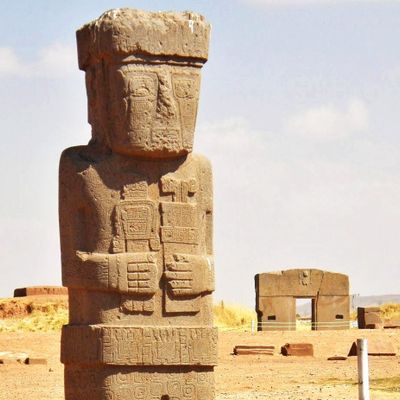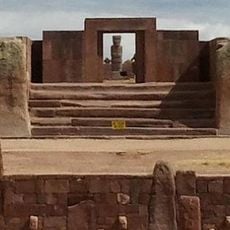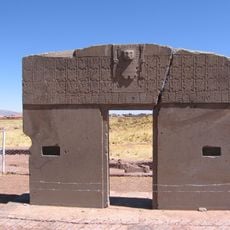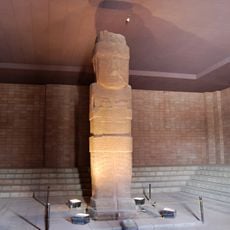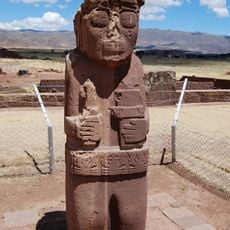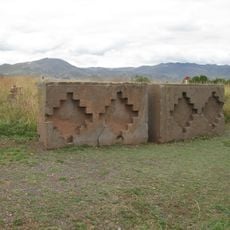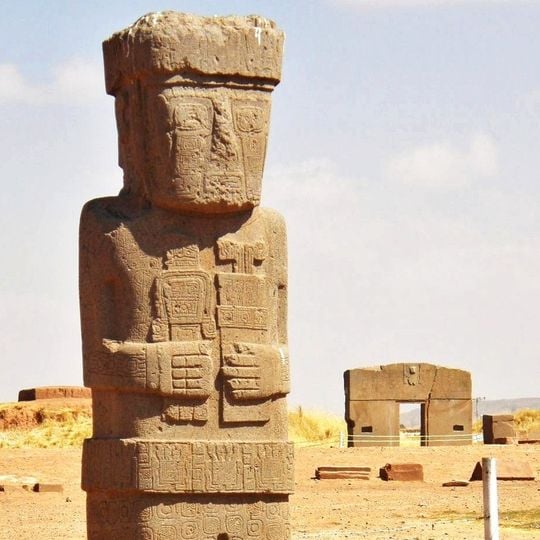
Ponce Monolith, Pre-Columbian monolith in Tiwanaku, Bolivia.
The Ponce Monolith is a stone sculpture in Tiwanaku that stands about 3.5 meters tall and depicts a human figure wearing a turban, mask, ceremonial vase, and walking stick. The surface features detailed carvings that show the artistic skill of the ancient people who lived at this site roughly 1,700 years ago.
The monolith was created around 300 CE and demonstrates the advanced technical and artistic abilities of the Tiwanaku civilization in the Andes. Its existence shows that people at this time had built complex societies with organized religious and social systems.
The carvings on the stone show religious symbols and patterns that reflect the beliefs of ancient Andean people who lived here. These designs tell us about the roles people held in society and which objects they considered sacred.
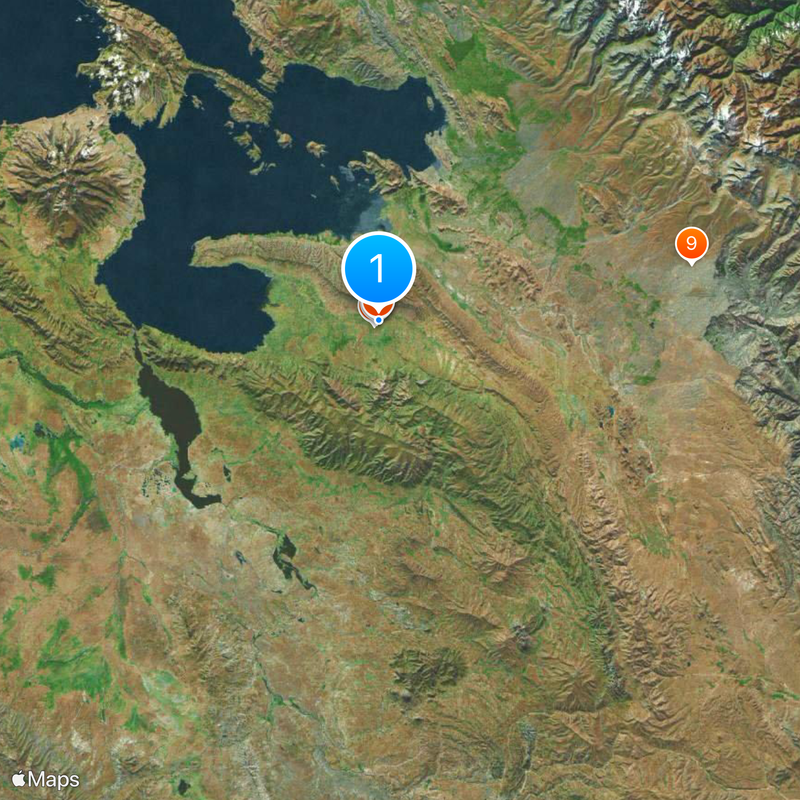
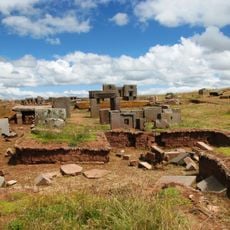
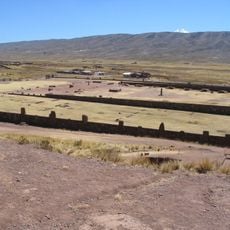
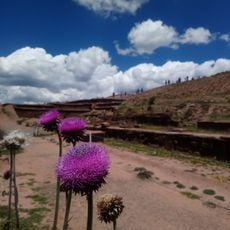
The stone sits at an elevation of about 3,870 meters and is accessible to visitors within the UNESCO World Heritage site. The air is thin at this height, so travelers should walk slowly and take time to adjust to the altitude.
Traces of gold, pins, and paint remain visible on the stone's surface, showing that the sculpture was originally decorated with colorful textiles and ornaments. These remnants offer a rare glimpse into how richly adorned such important objects once were.
The community of curious travelers
AroundUs brings together thousands of curated places, local tips, and hidden gems, enriched daily by 91,208 contributors worldwide.