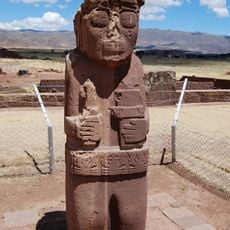
Akapana, Pre-Columbian pyramid in Tiwanaku, Bolivia
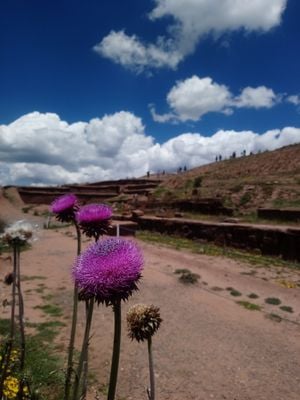
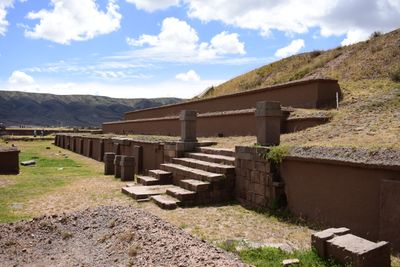
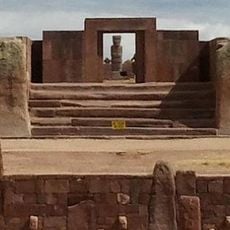
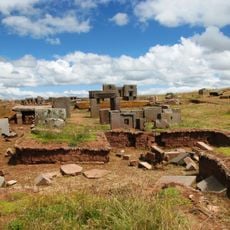
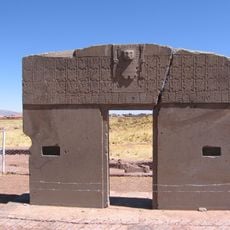
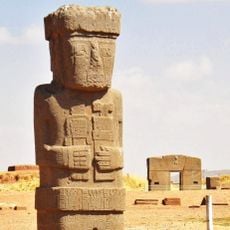
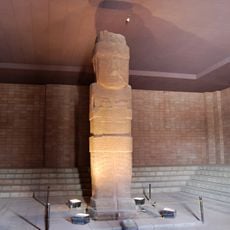
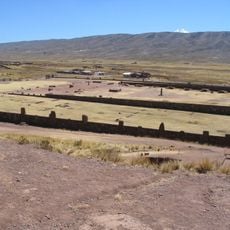
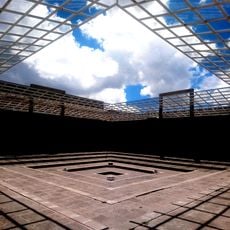
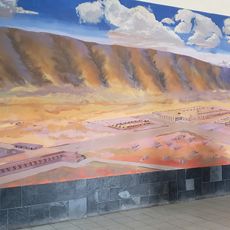
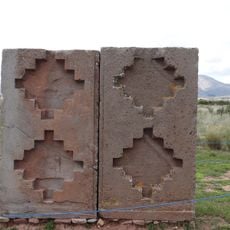
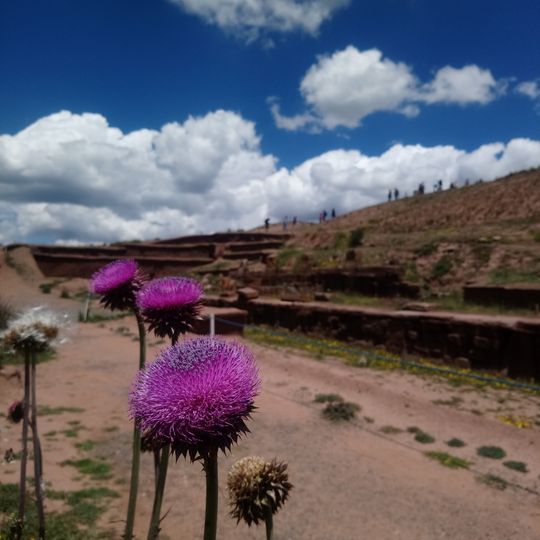
Akapana is an earthen pyramid on the Bolivian Altiplano that rises roughly 16 meters above the plain and has a rectangular base measuring about 257 by 197 meters. The platform shows remnants of stone walls, broad staircases on the sides, and a central depression on top.
The structure was built between the 4th and 7th centuries when Tiwanaku served as a regional power center. Decline began near the end of the 10th century, likely because of drought periods and the collapse of trade networks.
The name refers to a large earthwork once used for ceremonies involving water, with an oval basin at the top still visible today. Visitors notice stone drains and traces of stairways that point to a connection between religion and sky observation.
The site sits just under 3850 meters in elevation, so visitors should account for altitude and allow time to adjust. Several walking paths lead around the base, and sun protection is advisable because of strong ultraviolet exposure at this height.
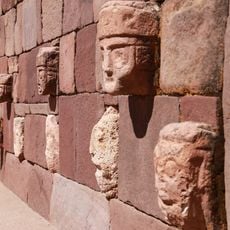
Archaeologists found skulls in the foundations interpreted as trophies or offerings, pointing to complex rituals. The construction used multicolored stones from different regions, suggesting a far-reaching transport system.
The community of curious travelers
AroundUs brings together thousands of curated places, local tips, and hidden gems, enriched daily by 91,263 contributors worldwide.