Tiwanaku Semi-subterranean Temple, Pre-Columbian temple in Tiwanaku, Bolivia.
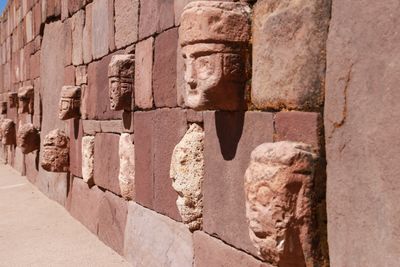
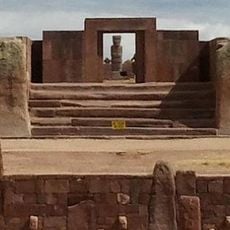
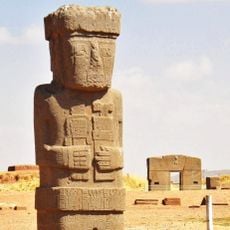
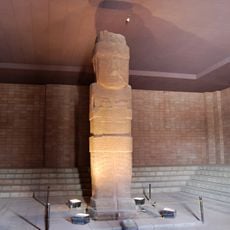
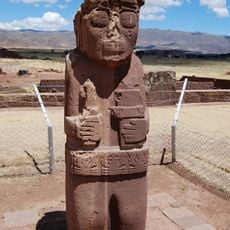
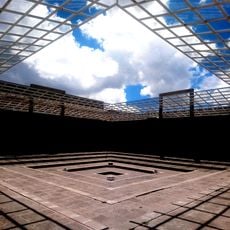
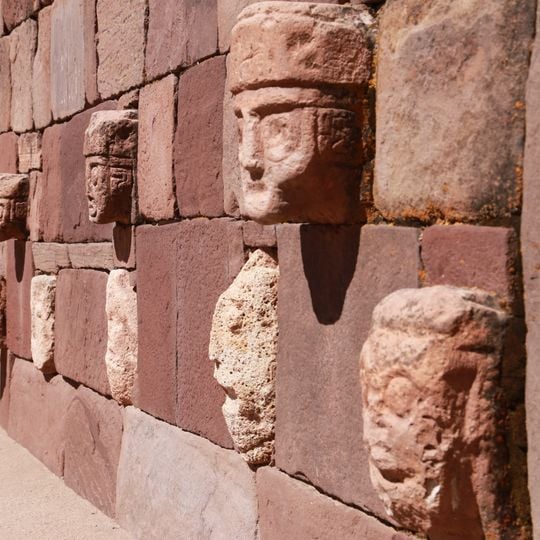
The Tiwanaku Semi-subterranean Temple is a pre-Columbian structure with a sunken rectangular courtyard, its stone walls decorated with carved heads and intricate monolithic carvings. The design shows careful planning with multiple levels and detailed stonework throughout.
This ritual site was built around 200 CE as part of the Tiwanaku civilization that ruled the Andean highlands long before the Inca Empire rose to power. It served as a major religious center and demonstrates the sophistication of early Andean cultures.
The carved stone heads on the temple walls suggest the importance of ritual and spiritual practice in this ancient Andean society. These faces indicate how sculpture played a central role in religious life and ceremony.
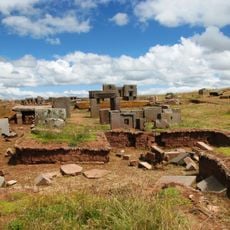
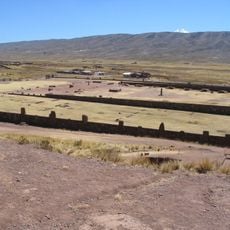
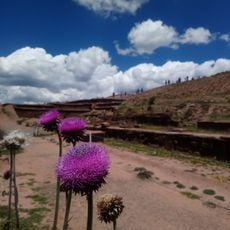
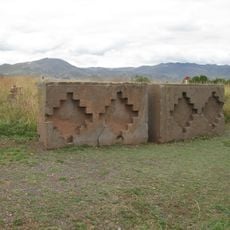
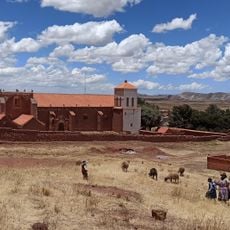
The site is accessible year-round and sits in open terrain with good visibility of the archaeological area against its natural mountain setting. The relatively flat ground makes for easy navigation, though the high altitude of the region may require physical adjustment.
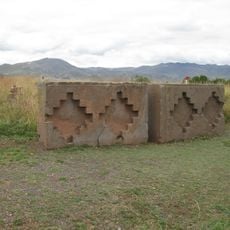
The walls are built from massive sandstone blocks fitted with such precision that no mortar was needed, and they have survived for centuries without deteriorating. This construction technique reveals the skilled craftsmanship and engineering knowledge of the early Tiwanaku builders.
The community of curious travelers
AroundUs brings together thousands of curated places, local tips, and hidden gems, enriched daily by 91,124 contributors worldwide.