Chiripa, Archaeological site near Lake Titicaca, Bolivia.
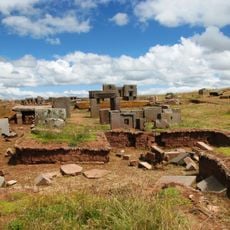
Chiripa is an archaeological site near Lake Titicaca in Bolivia, where the excavated settlement comprises fourteen upper houses with thatched roofs and double walls. These houses form a trapezoid shape around a rectangular sunken plaza that has two entrances on the north and south sides.
The culture developed between 1400 and 100 BCE on the southern shore of Lake Titicaca, introducing agriculture and complex building techniques. Excavations began in the early 20th century and revealed evidence of early potato cultivation between 800 and 500 BCE.
The name of this place today refers to a cultural phase known especially for its distinctive burials. Graves of children were marked with stones and contained objects made of gold, copper, shell and lapis lazuli, materials that came from distant regions.
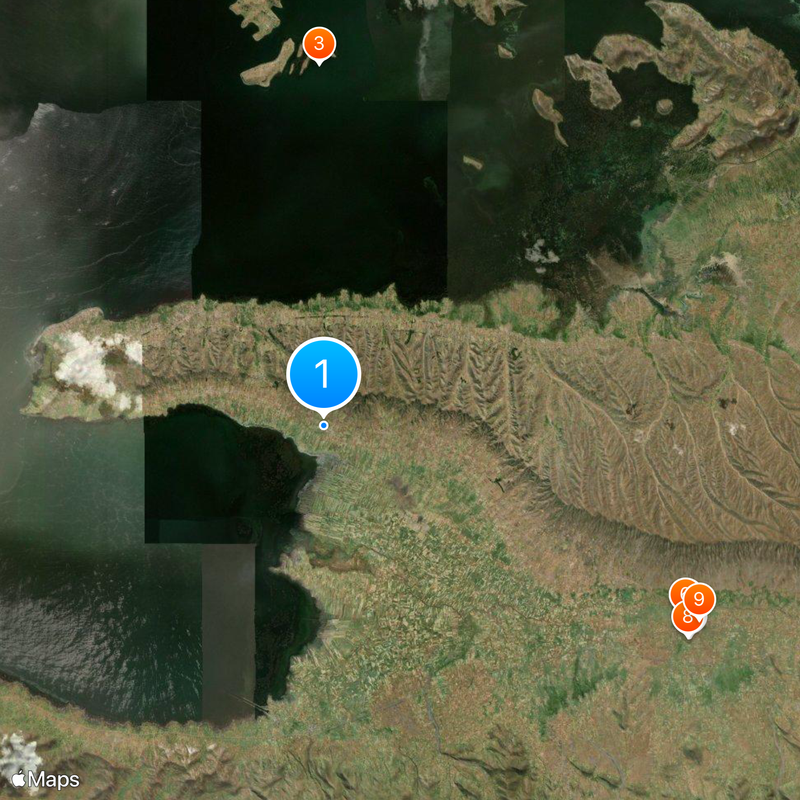
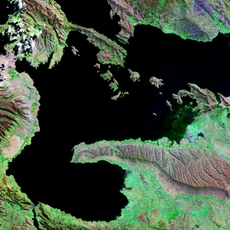
The excavation site lies on the southern shore of Lake Titicaca at roughly 12,500 feet (3,800 meters), where conditions can be cool and exposed to wind. Visitors should wear sturdy footwear and allow enough time to explore the scattered structures and the central plaza.
Archaeologists found remains of potatoes dating to 800 through 500 BCE here, making this one of the oldest documented places of potato domestication. This discovery confirms that highland communities around Lake Titicaca were already cultivating and storing tubers systematically at a very early stage.
The community of curious travelers
AroundUs brings together thousands of curated places, local tips, and hidden gems, enriched daily by 90,792 contributors worldwide.