Madidi National Park and Integrated Management Natural Area
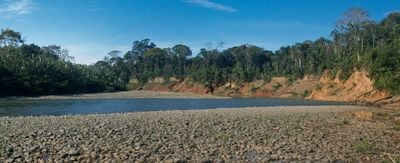
Madidi National Park and Integrated Management Natural Area, National park in La Paz Department, Bolivia.
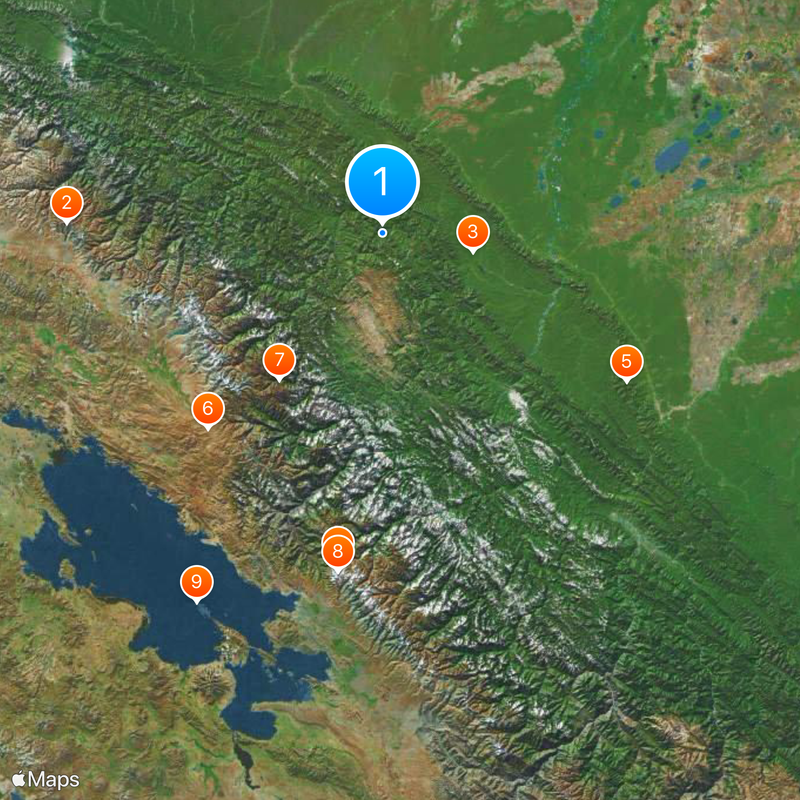
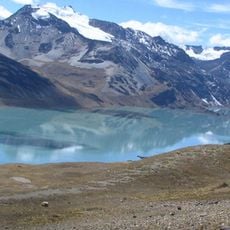
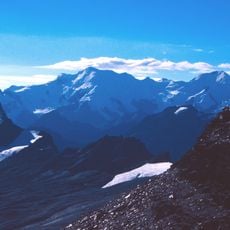
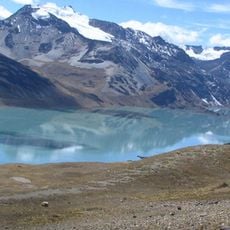
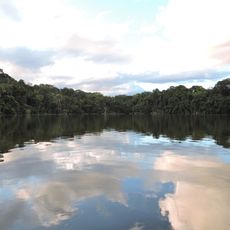
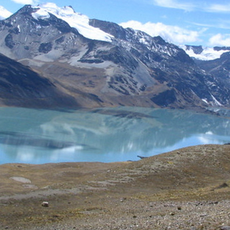
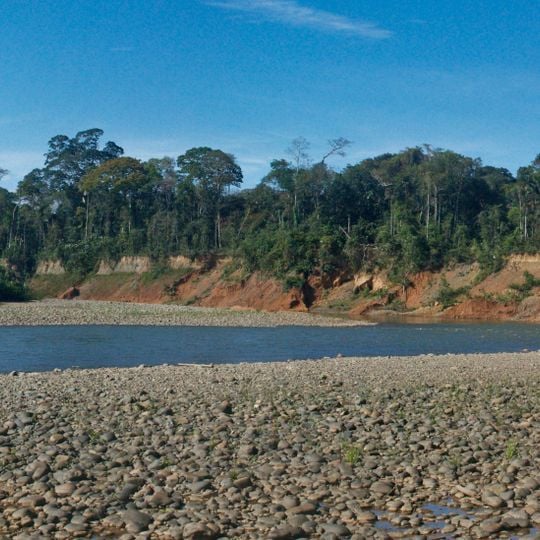
The national park extends from the snowy Andean mountains to the Amazon rainforest, covering 18,957 square kilometers with altitudes between 180 and 5,760 meters.
The Bolivian government established Madidi National Park on September 21, 1995, through Supreme Decree 24123 to protect its biological and cultural resources.
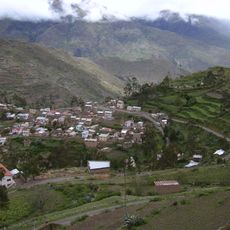
The protected area includes 46 indigenous communities of Tacana, Leco, Quechua, and Aymara peoples who maintain their traditional practices within the territory.
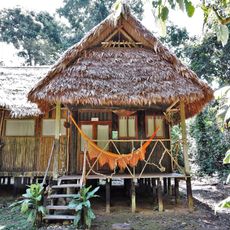
Visitors access the park from La Paz by land or air to Rurrenabaque or Apolo, where local guides lead expeditions through hiking trails and river navigation.
Scientists have documented 4,162 new species of plants, butterflies, and vertebrates between 2015 and 2017, making it one of Earth's most biodiverse areas.
Location: La Paz Department
Inception: September 21, 1995
Elevation above the sea: 247 m
Website: http://sernap.gob.bo/madidi
GPS coordinates: -14.33333,-68.33333
Latest update: May 27, 2025 07:06
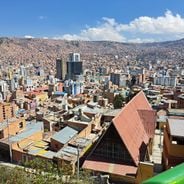
Bolivia sits in the central Andes, linking mountain ranges, high plateau lands, and lowland rainforests in a landlocked country. The changes in altitude create different climate zones and landscapes, from snow-covered peaks to tropical vegetation. Many visitors start in La Paz, a city that clings to a canyon and where a cable car system moves traffic between neighborhoods. The colonial capital of Sucre preserves its white facades and courtyards from the 1600s, while Potosí sits at the foot of Cerro Rico, a mountain that saw centuries of silver mining. The natural sites range from Lake Titicaca on the Peruvian border to the Salar de Uyuni, an expansive salt flat that turns into a shallow mirror during the rainy season. Madidi National Park protects rainforest in the north, while the Eduardo Avaroa Reserve in the south shows colored lagoons and desert formations. The Tiwanaku archaeological site holds evidence of pre-Columbian civilizations, and the Jesuit Missions of Chiquitos are wooden churches that survive in remote towns. The Valley of the Moon near La Paz forms eroded rocks that resemble lunar landscapes, and Torotoro National Park contains fossils and dinosaur tracks. The journey from La Paz to Coroico passes along the Death Road, a narrow mountain route that descends into the Yungas lowlands.
Apachita
159.2 km
Chalalan
45.9 km
Illampu
166.6 km
Pilón Lajas Biosphere Reserve and Communal Lands
142.8 km
Suches River
131.5 km
Apolobamba Integrated Management Natural Area
90.2 km
Janq'u Uma
170.8 km
Chinkana
206.8 km
Iskanwaya
134.4 km
Cabeza de Cóndor
204.6 km
Qulu Qulu
139.2 km
Chaupi Orco
102.1 km
Iñaq Uyu
205.7 km
Municipal Protected Area Pampas of the Yacuma River
181.4 km
Chachakumani
184 km
Cerro Austria
206.8 km
Puerto Acosta Municipality
157.8 km
Mocomoco Municipality
145.1 km
Jach'a Waracha
104 km
Machu Such'i Qhuchi
104.2 km
Jist'aña
205.8 km
Calzada
178.1 km
Chuma Municipality
144.2 km
Ch'iyar Juqhu
181.6 km
Palomani
106.8 km
Qillwani
183 km
Jach'a Pukara
173.3 km
Ch'uch'u
154.5 kmReviews
Visited this place? Tap the stars to rate it and share your experience / photos with the community! Try now! You can cancel it anytime.
Discover hidden gems everywhere you go!
From secret cafés to breathtaking viewpoints, skip the crowded tourist spots and find places that match your style. Our app makes it easy with voice search, smart filtering, route optimization, and insider tips from travelers worldwide. Download now for the complete mobile experience.
A unique approach to discovering new places❞
— Le Figaro
All the places worth exploring❞
— France Info
A tailor-made excursion in just a few clicks❞
— 20 Minutes