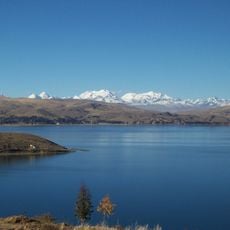
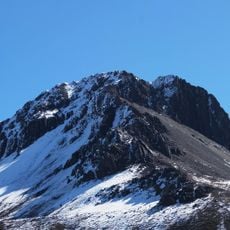
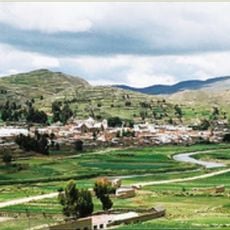
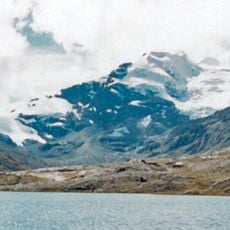
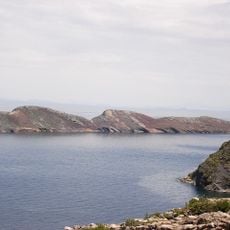
Iskanwaya, Archaeological site in the Muñecas Province, Bolivia
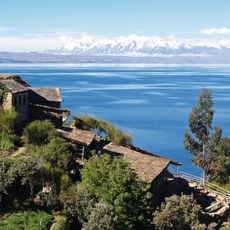
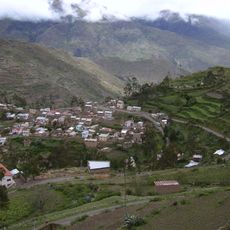
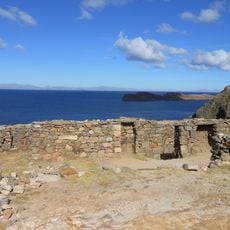
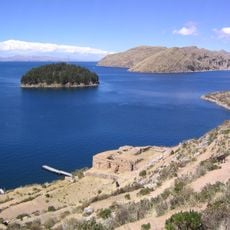
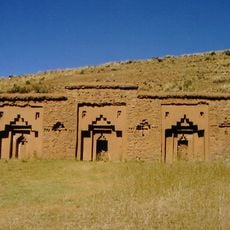
Iskanwaya is a pre-Columbian archaeological site built on two platforms covering 0.6 square kilometres on a mountain ridge above the Llica River. More than one hundred large buildings of slate blocks joined with mud mortar have survived, with streets running east–west and houses grouped around patios.
Iskanwaya was built by the Mollo culture, which emerged as the Tiahuanaco empire fragmented into small nations. Construction began around 800 BC and the city was inhabited until about 1425, when an Inca army from Cusco conquered it and resettled its people in Aucapata and other places. Spanish soldiers began their conquest of Andean cities not many years later.
Iskanwaya means "two houses" or "two echoes" in Quechua. Each dwelling had a movable slate slab with a small circular hole covering a niche where an infant's body was kept, possibly to leave offerings asking for protection. A flat stone for grinding maize usually lies before each door.
To explore the site, visitors need to arrange access through the local community of Aucapata, as there are few formal services available. Plan ahead since infrastructure is minimal and you will depend on local assistance for navigation and information.
The settlement operated a sophisticated irrigation system fed by the Naranjani stream, enabling farming in this difficult mountain terrain. This water engineering demonstrates how the Mollo people skillfully adapted to their environment.
The community of curious travelers
AroundUs brings together thousands of curated places, local tips, and hidden gems, enriched daily by 94,374 contributors worldwide.