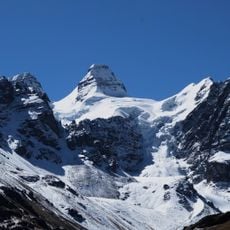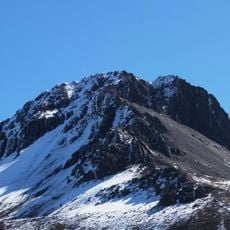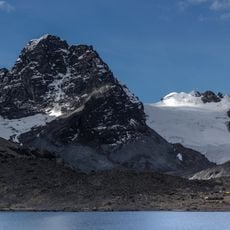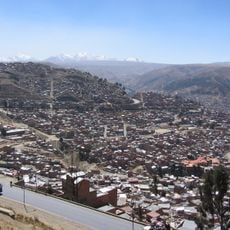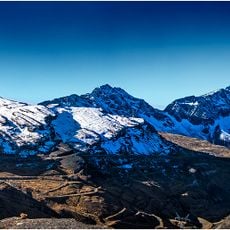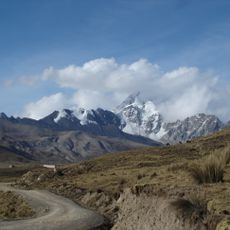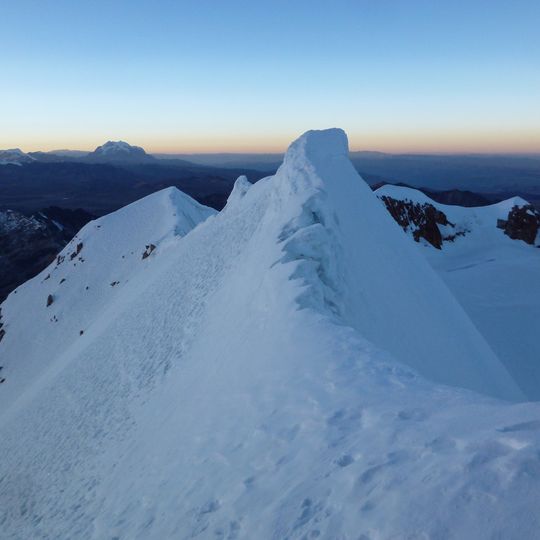
Huayna Potosí, Mountain summit in Cordillera Real, Bolivia
Huayna Potosí is a mountain in the Cordillera Real standing about 25 kilometers north of La Paz at 6,088 meters high. Its principal climbing face rises roughly 1,000 meters and represents the largest vertical wall for mountaineering in the country.
German mountaineers Rudolf Dienst and O. Lhose achieved the first documented European ascent in 1919 after earlier expeditions had failed. The mountain has since become a popular objective for climbers worldwide.
The name comes from the Aymara language, meaning young mountain, referencing its younger age compared to neighboring peaks in the range. This linguistic connection reflects the indigenous heritage of the region and remains present in how local guides speak about the place.
Most climbers begin their summit attempt between midnight and 3 AM following a typical three-day schedule. The itinerary includes acclimatization time and basic mountaineering instruction at base camp before the technical climbing section.
This peak offers a direct glacier route with technical sections while remaining one of the more accessible 6,000-meter summits for mountaineers. This combination of technical challenge and relative approachability makes it a popular training objective for experienced climbers.
The community of curious travelers
AroundUs brings together thousands of curated places, local tips, and hidden gems, enriched daily by 91,872 contributors worldwide.