See the monuments around you in AROpen chests in the app
Around Us is built for your phone — point your camera at the streets and discover the monuments and places around you in augmented reality.Around Us is built for your phone — chests unlock when you walk, explore and capture nearby places.
Travel at your own pace to meet people and understand the daily life of a place.
This collection brings together around 30 travel destinations that sit outside the usual tourist routes. You will find cities, natural regions, and historical sites where tourism still operates on a human scale. What these places share: you can travel here without encountering the overcrowding that marks many famous destinations today.
The collection includes cities in Central Europe with medieval architecture tucked into quiet streets, Mediterranean islands where local traditions remain part of daily life, and mountain valleys with landscapes similar to those of celebrated places - just without the long queues. Each location has its own character, shaped by history and geography.
These destinations suit those who want to travel differently: taking time to observe and understand a place, seeking direct encounters with people, and seeing how a location functions in everyday life.
Travel at your own pace to meet people and understand the daily life of a place.
This collection brings together around 30 travel destinations that sit outside the usual tourist routes. You will find cities, natural regions, and historical sites where tourism still operates on a human scale. What these places share: you can travel here without encountering the overcrowding that marks many famous destinations today.
The collection includes cities in Central Europe with medieval architecture tucked into quiet streets, Mediterranean islands where local traditions remain part of daily life, and mountain valleys with landscapes similar to those of celebrated places - just without the long queues. Each location has its own character, shaped by history and geography.
These destinations suit those who want to travel differently: taking time to observe and understand a place, seeking direct encounters with people, and seeing how a location functions in everyday life.
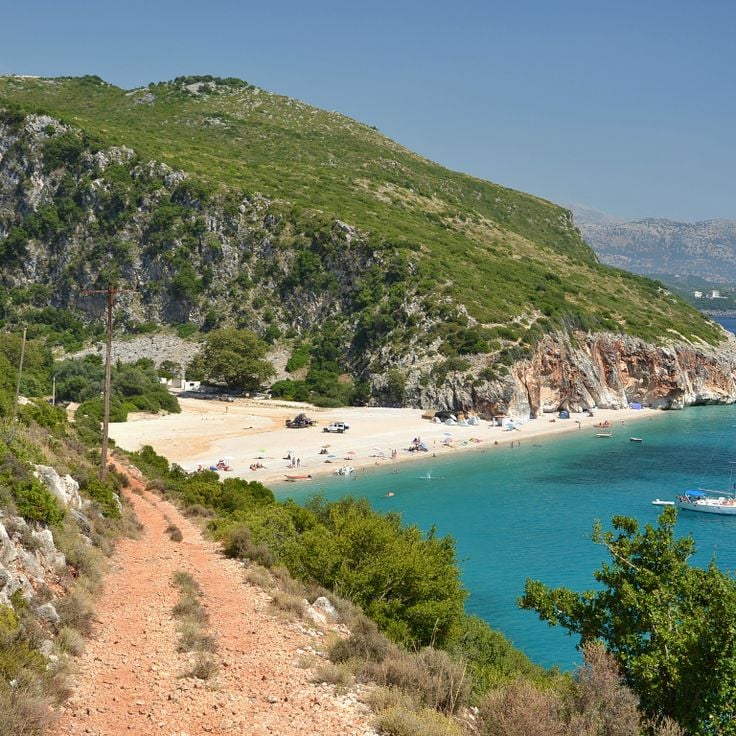
Albania sits on the western Balkans with Adriatic shores and Byzantine heritage that travelers often skip. Coastal bays here rival famous Mediterranean destinations but without the crowds. Ancient fortresses and Venetian ruins tell stories of a layered past. Mountain valleys reveal traditional ways of living that have persisted for generations. Visitors find themselves encountering Mediterranean landscapes alongside alpine scenery, far from organized tours.
Georgia sits in the Caucasus between Europe and Asia. This country preserves ancient traditions and remains off the main tourist paths. Here you discover medieval churches perched in steep gorges, vineyards in green valleys, and towns where daily life flows independently from tourism. In the streets of Tbilisi's old city, you meet people who keep their customs alive. Georgia offers the chance to experience a place as it truly exists, without the weight of organized crowds.
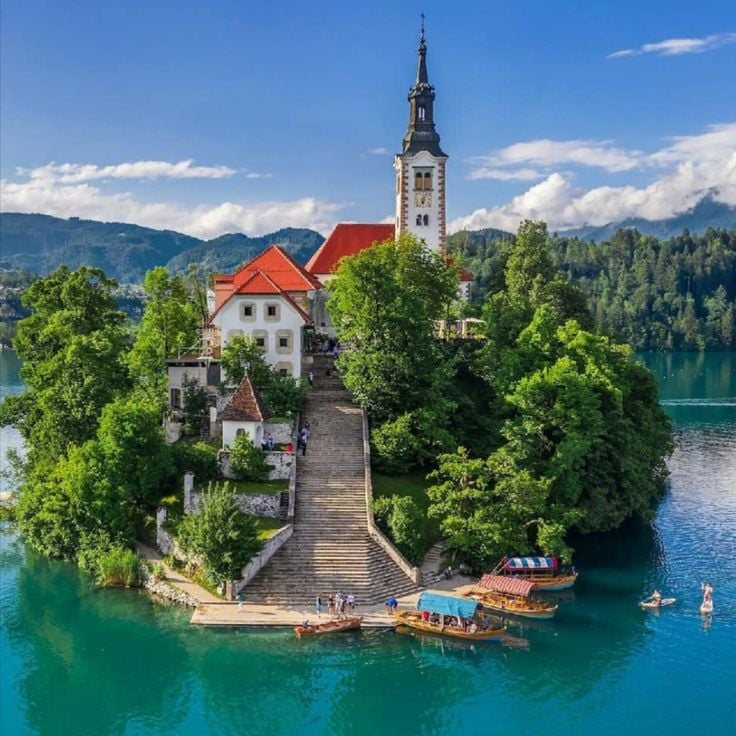
Slovenia is a small Alpine country in Central Europe with lakes and forests. The land offers diverse landscapes within a compact area: from green valleys to mountain regions. Its cities preserve their own history and architecture. Slovenia attracts travelers who want to explore a country without following crowded routes. Meetings with local people and understanding daily life are central to a visit here.
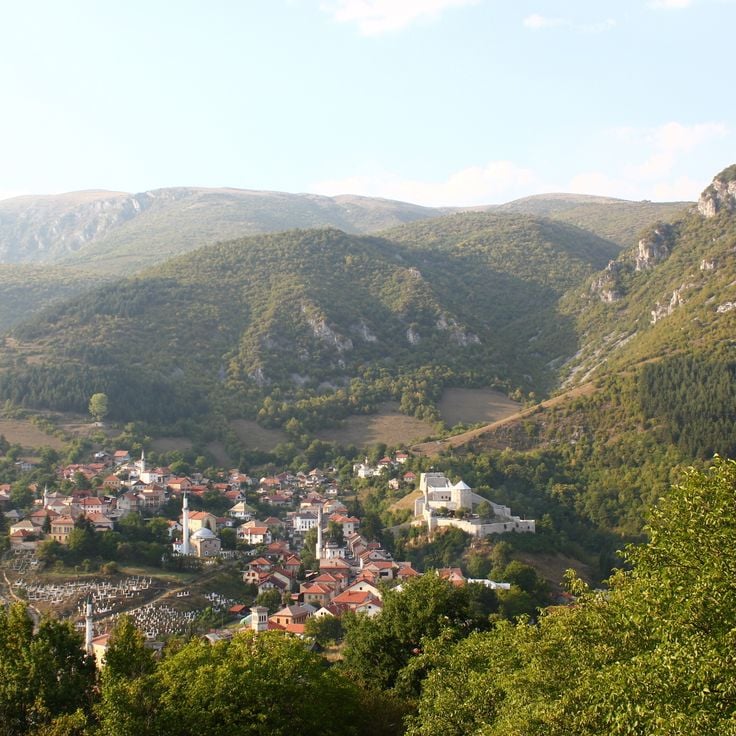
Bosnia and Herzegovina is a country in the Balkans where different cultures have left their mark. Medieval fortresses stand alongside Ottoman mosques, and rivers cut through deep valleys. In the cities, narrow old streets blend with everyday modern life. The people maintain their traditions while the country charts its own course. Visitors here find a place that stands apart from typical Balkan routes.
North Macedonia sits in the heart of the Balkans and contains lakes, historical sites spanning different periods, and mountain landscapes. The country receives few visitors even though it holds medieval cities, ancient ruins, and churches with intricate mosaics. Daily life here moves without the crowds that overwhelm more popular destinations. You can walk through narrow streets, taste local food in small restaurants, and meet people happy to share their history.
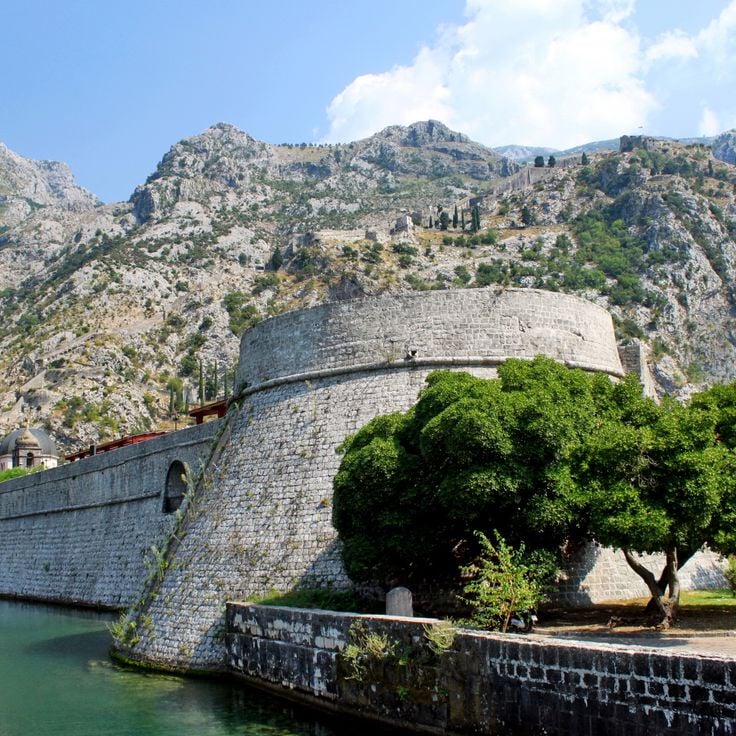
Montenegro is a small mountainous country on the Balkan peninsula with an Adriatic coastline. It attracts fewer visitors than its better-known neighbors. The coastal towns have kept their local character, where you find locals in cafes and traditional food on tables. The mountain landscapes offer hiking routes through wild nature without large crowds. Old Venetian fortresses and monasteries tell stories from different periods. People live here at a slower pace than in overcrowded tourist destinations.
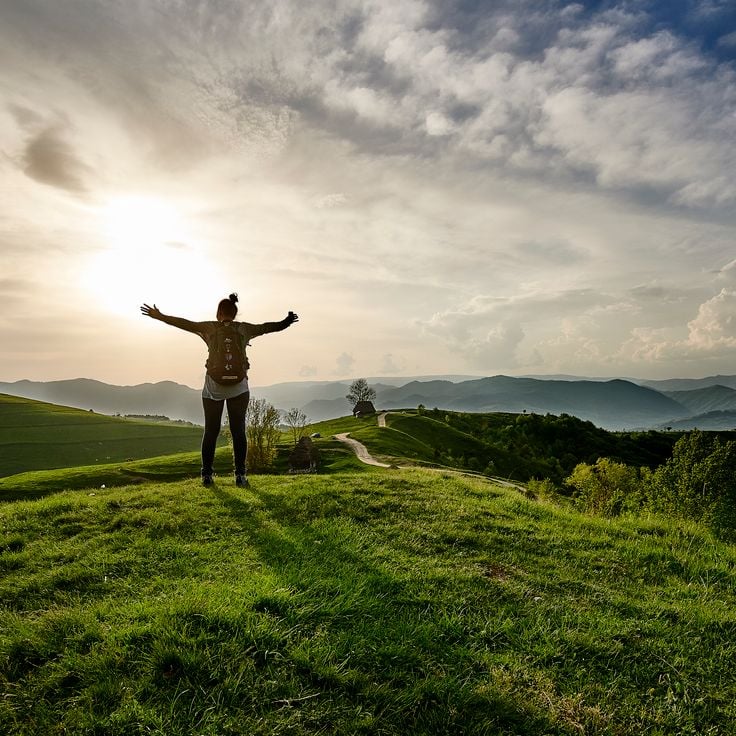
Romania is a country in Central Europe where medieval castles sit among varied landscapes. The Carpathian Mountains shape the terrain with forests, ridges, and valleys that stretch across the land. Towns and villages contain old churches and buildings that show the layers of history. People here live in ways that differ from major European tourist centers. You find handcrafted goods at local markets, workshops where traditional skills continue, and public squares where daily life unfolds. The forests and river valleys offer room to walk and explore without crowds. Romania lets you travel at your own pace and watch how things work in an ordinary European country.
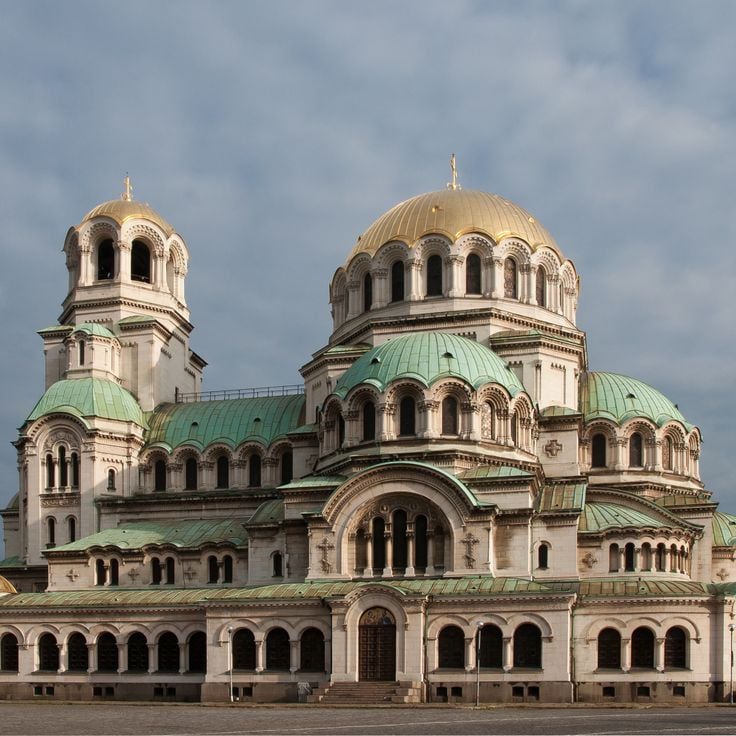
Bulgaria is a Balkan country where the Black Sea coast and the mountains shape two very different worlds. Medieval churches hide in the hills, Roman ruins dot the countryside, and mountain villages follow a slow, daily rhythm. The coastline has long sandy beaches without the crowds that mark other seaside destinations. From the markets of Sofia to remote villages where local traditions are still part of everyday life, Bulgaria offers a direct way to discover Eastern Europe.
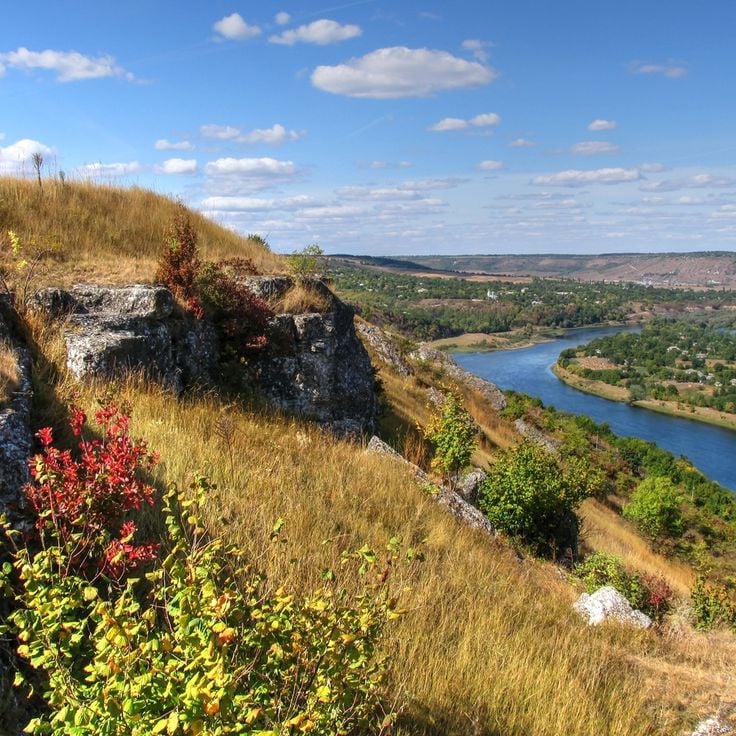
Moldova is a small country in Eastern Europe located between Romania and Ukraine. It draws visitors with its deep-rooted wine tradition, which has shaped the land and its people for centuries. Rolling vineyards cover the countryside, and massive wine cellars carved into the earth hold enormous quantities of wine stored underground. The country is dotted with painted monasteries and small villages where daily life moves at its own pace. Tourism here remains low-key, making it possible to explore the culture, taste local wines, and meet inhabitants without feeling crowded.
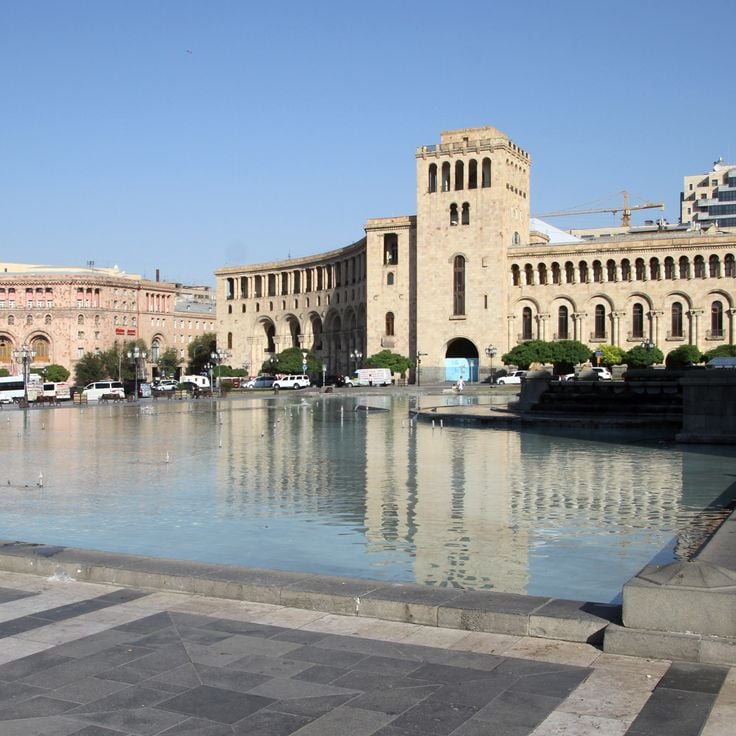
Armenia sits in the South Caucasus, bordered by Turkey, Iran, Azerbaijan, and Georgia. It is one of the first countries to have adopted Christianity as a state religion, back in 301 AD. Medieval monasteries and churches dot the landscape, often perched in remote valleys or on rocky hillsides that take some effort to reach. The terrain shifts between open plateaus, deep gorges, and high peaks. The Armenian language has its own alphabet, created in the 5th century. Village life still follows older patterns, and daily routines feel unhurried. Armenia receives far fewer visitors than its neighbors, which makes it easier to spend time with locals and get a real sense of how the country lives.
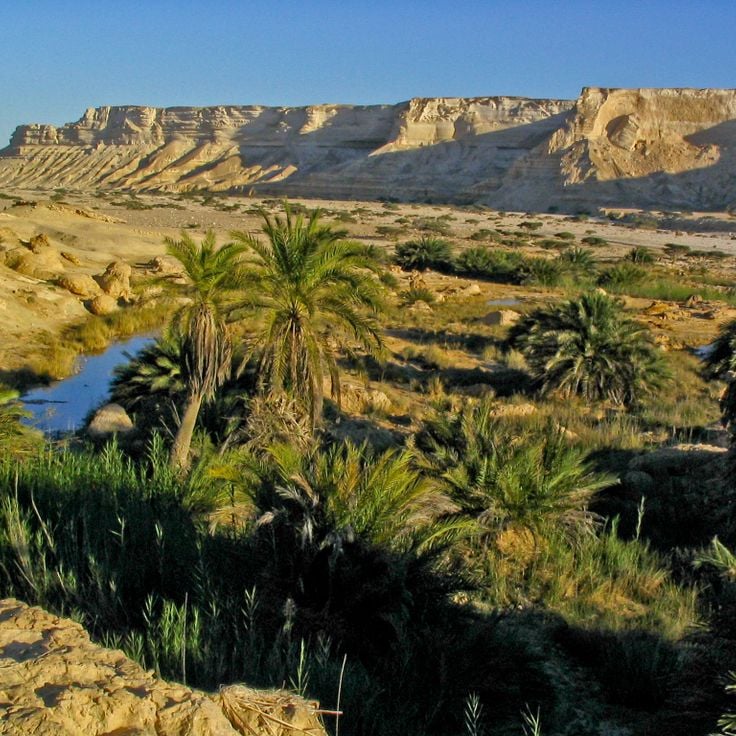
Oman sits on the Arabian Peninsula and is often passed over by travelers, yet it has a great deal to offer. Desert landscapes give way to mountain ranges, and the coastline runs along the Gulf of Oman and the Arabian Sea. Green oases hide in the wadis, and coastal cities like Muscat have kept their old architecture, which speaks to a long history of trade. Traveling through Oman means meeting people who still live by traditional rhythms, and discovering old forts, souks, and beaches where daily life moves at its own pace.
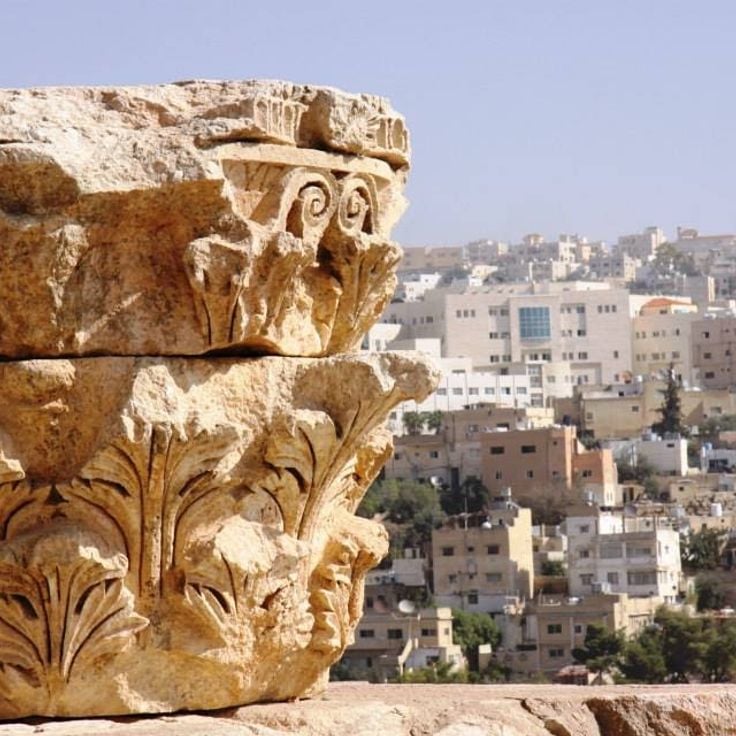
Jordan is a country in the Middle East that has far more to offer than its most famous sites. Ancient ruins, desert landscapes and deep gorges shape the country. Away from the main tourist flow, much of the land stays quiet and rarely visited. In small towns and villages, locals take the time to talk and share stories about their daily lives. Traveling through Jordan means discovering a region where mass tourism has not yet left its mark.
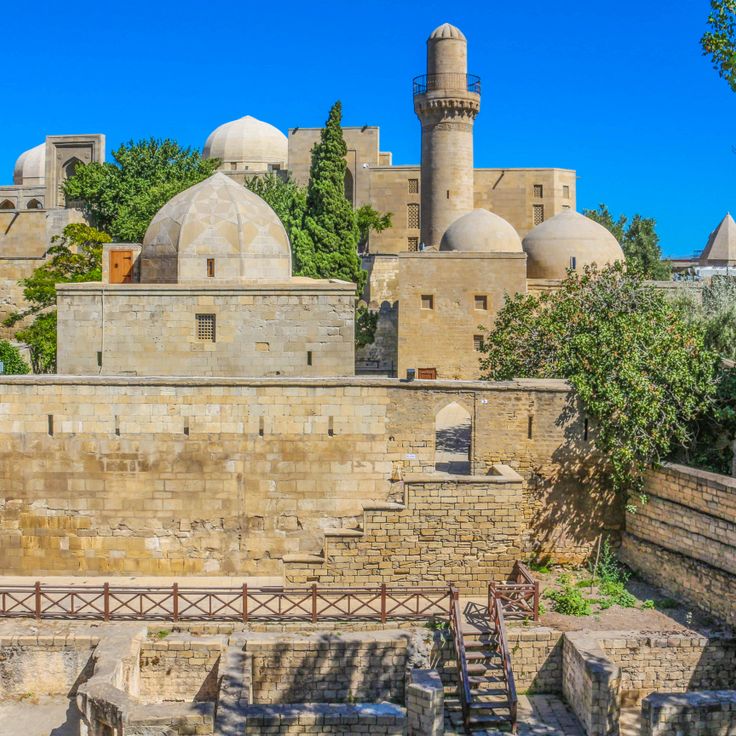
Azerbaijan sits between the Caspian Sea and the Caucasus Mountains. The country blends old traditions with modern cities. Baku displays architecture from many different periods. In the mountains you find landscapes and villages where people still live as they have for generations. The Old City of Baku, with its narrow streets and ancient walls, holds stories from centuries past. Visitors meet welcoming people and discover places few tourists know about.
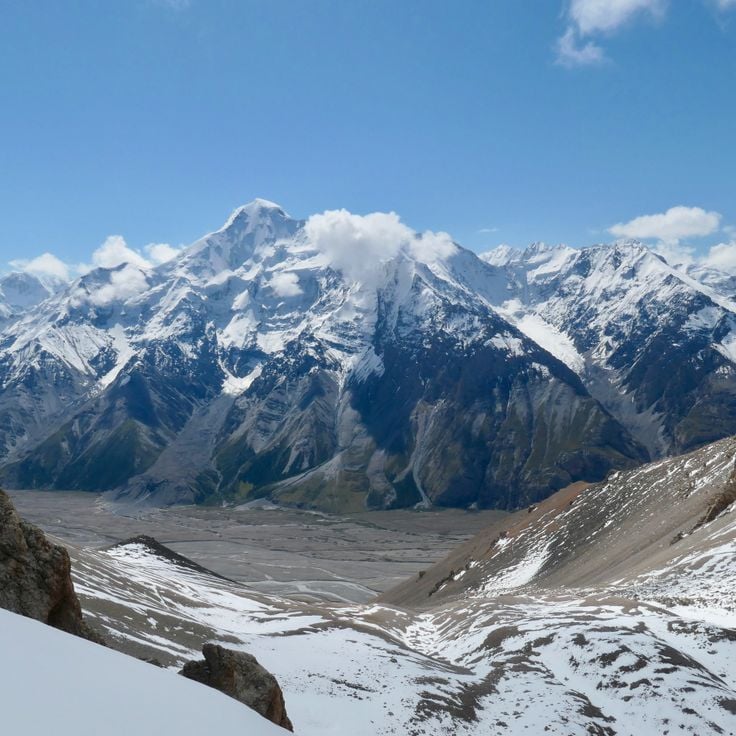
Kyrgyzstan is a country in Central Asia shaped by the Tian Shan mountain range. Here travelers find wide plateaus, clear mountain lakes, and valleys that few people visit. Mountains dominate the landscape and offer hiking routes without crowds. Traditional yurts dot the pastures, and herders follow age-old patterns. The capital Bishkek has a relaxed feel, while rural regions hold the country's main appeal. Kyrgyzstan remains a destination for those seeking genuine mountain landscapes and regional traditions.
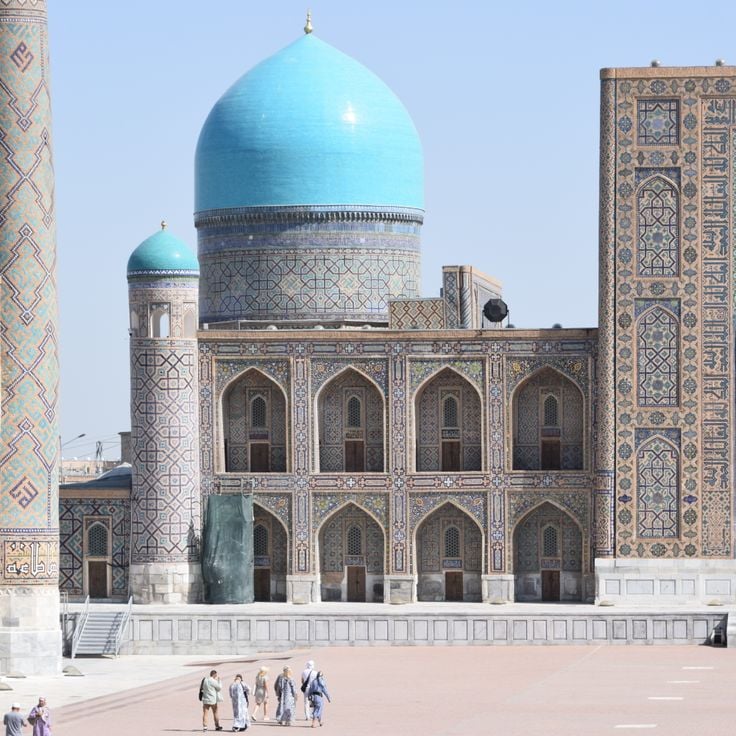
Uzbekistan sits in Central Asia and carries the traces of ancient trade routes. Cities here display architecture spanning several centuries, with mosques, madrasas, and bazaars that shape daily life today. Craftspeople and merchants work in the alleyways as they have for generations, and visitors can observe how traditions continue in families and markets. The country attracts fewer tourists than other regional destinations, allowing travelers to explore places at a relaxed pace.
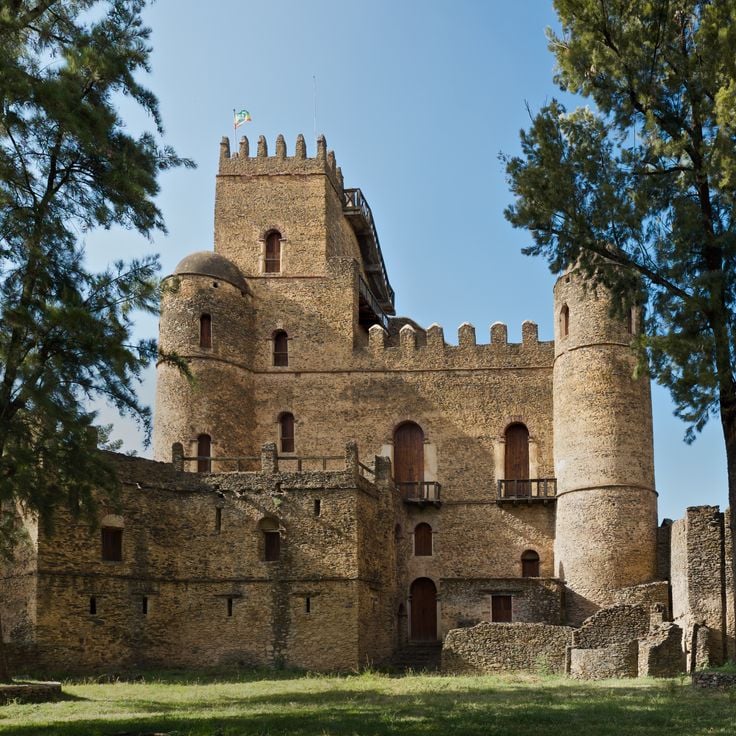
Ethiopia draws travelers looking for something off the beaten path. This African country offers rugged mountains, ancient monasteries, and a history that spans thousands of years. Visitors can explore rock-hewn churches, trek through remote mountain valleys, and spend time in traditional markets alongside local people. The country has kept its own pace - it is a place where you can see how people actually live, without the crowds that overrun other destinations.
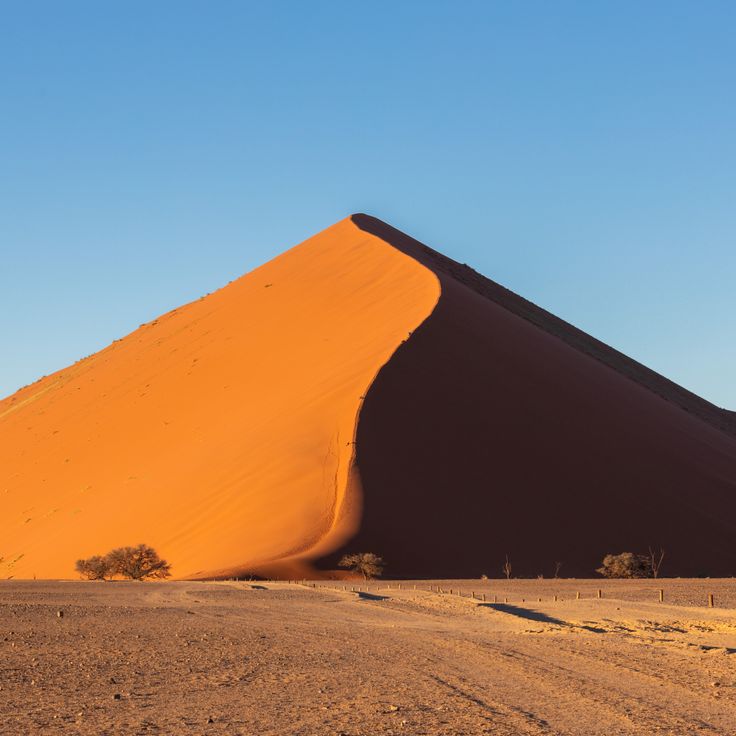
Namibia is an African nation with vast deserts and wild landscapes. The country attracts travelers who want to explore beyond usual routes. Here you find landscapes comparable to famous destinations, but without the crowds. Namibia keeps its own character, shaped by its history and geography. Visitors can discover the land at their own pace, meet local people, and understand how the country works in daily life.
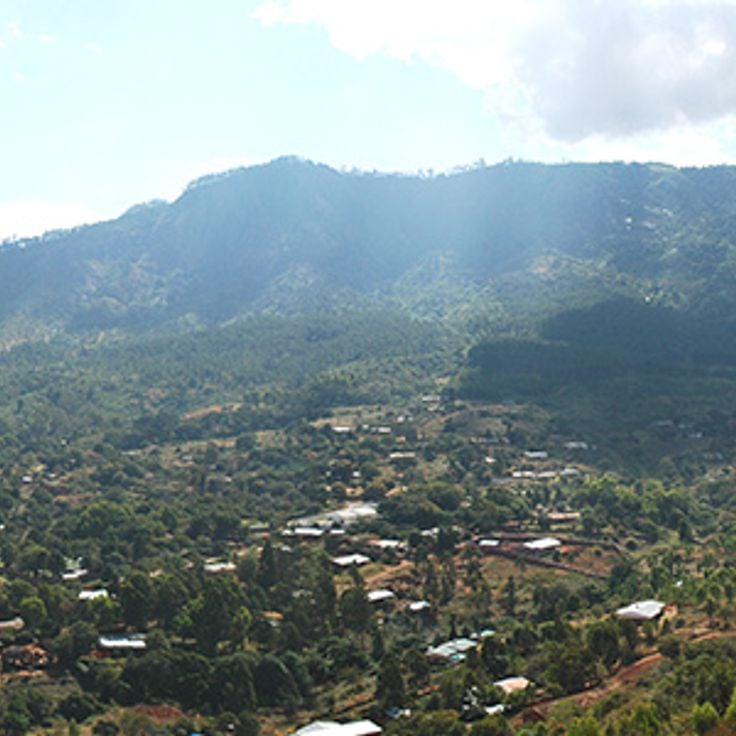
Malawi is a country in southern Africa known for its large lake and nature reserves. It gets fewer visitors than its more famous neighbors, which allows travelers to explore at their own pace and connect genuinely with the local people. The landscape gives chances to see how daily life works in this area, away from organized tourist routes.
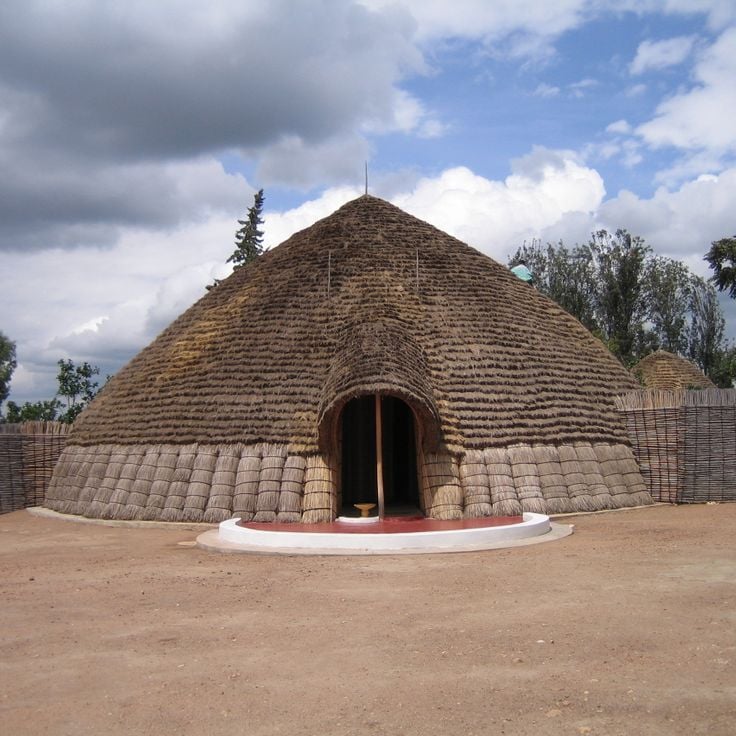
Rwanda is a small country in East Africa that has rebuilt itself with remarkable spirit. The land features rolling green hills, dense forests, and rare mountain gorillas living in misty woodlands. In the capital Kigali, you find modern city life alongside historical sites that tell the nation's story. The people here are welcoming and open. You can hike through nature, visit lakes, and experience local culture without joining large tourist groups.
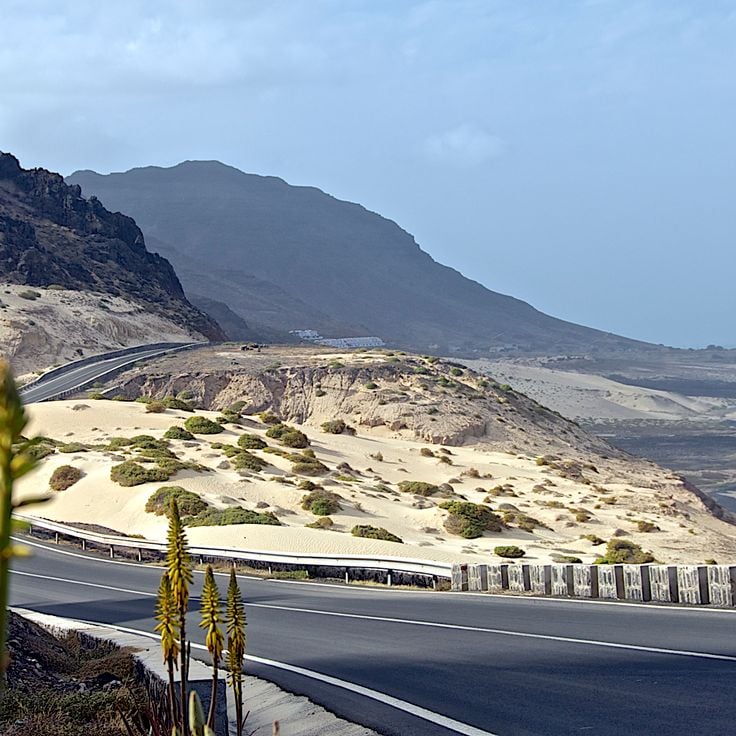
Cape Verde is an island archipelago off the coast of Africa in the Atlantic Ocean. The islands have preserved their own history and daily rhythm. You find small coastal towns where life moves to the beat of the sea. The architecture shows traces of different influences from the past. The landscapes are often dry and rocky, with their own particular character. Cape Verde draws those who seek an authentic experience, far from crowded tourist destinations.
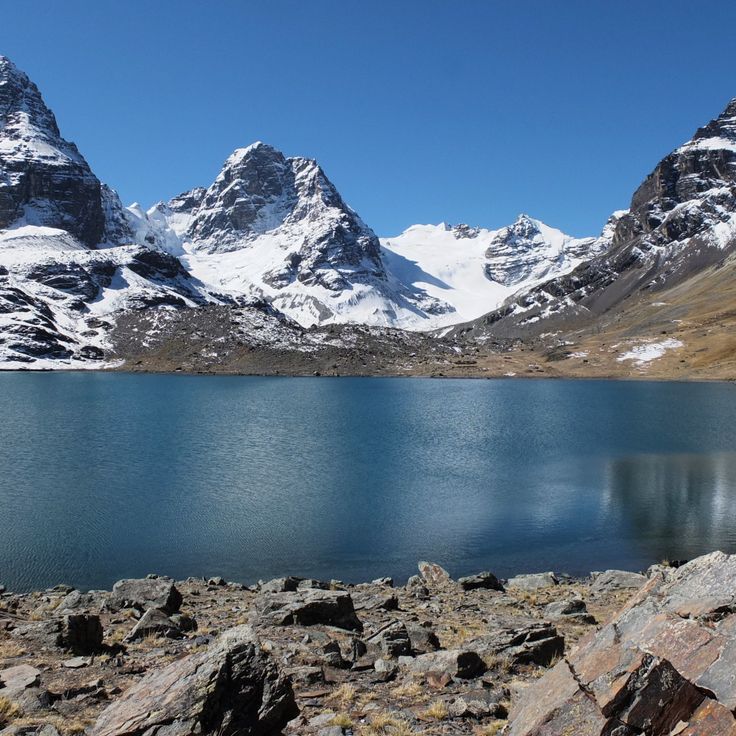
Bolivia is a country in the Andes with salt lakes and high mountains. Travelers here can find places that remain on the margins of typical routes. The landscapes compare to those of famous destinations, but without crowded pathways. Local traditions shape daily life, and visitors can observe how communities function away from organized circuits. Those who take time to explore discover how the natural world and history connect in this region.
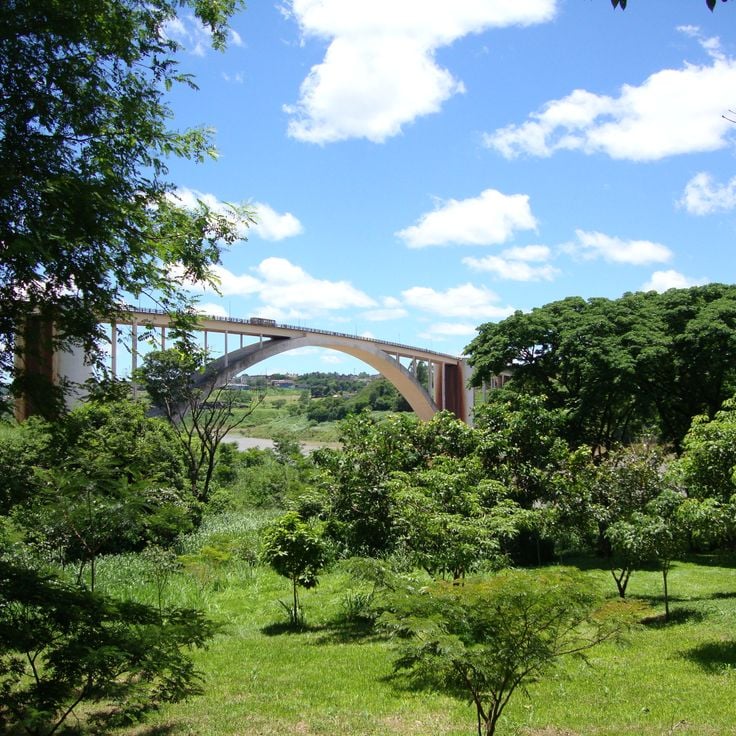
Paraguay is a South American nation that remains away from typical tourist routes. It shares the qualities of this collection: it is a place where tourism operates on a human scale. Visitors can explore the culture and daily life here without encountering the overcrowding that marks other destinations in the region. Paraguay offers the chance to discover a country in an authentic way.
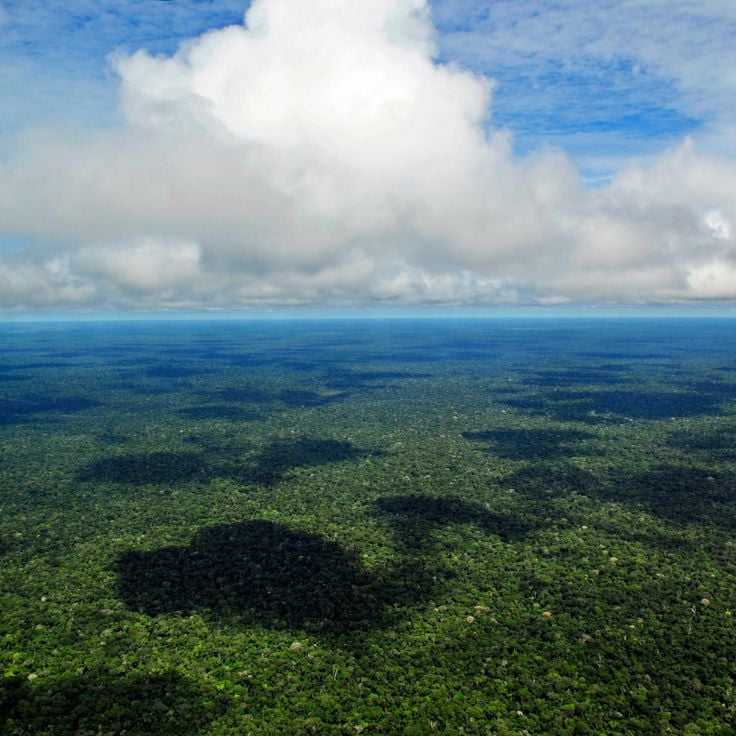
Guyana is a country in South America shaped by rainforests. This destination remains outside typical travel routes and offers visitors the chance to experience nature in its original form. Rivers and forests allow direct encounters with the environment and the people who live there. Guyana represents the kind of travel that this collection focuses on: exploration without mass tourism.
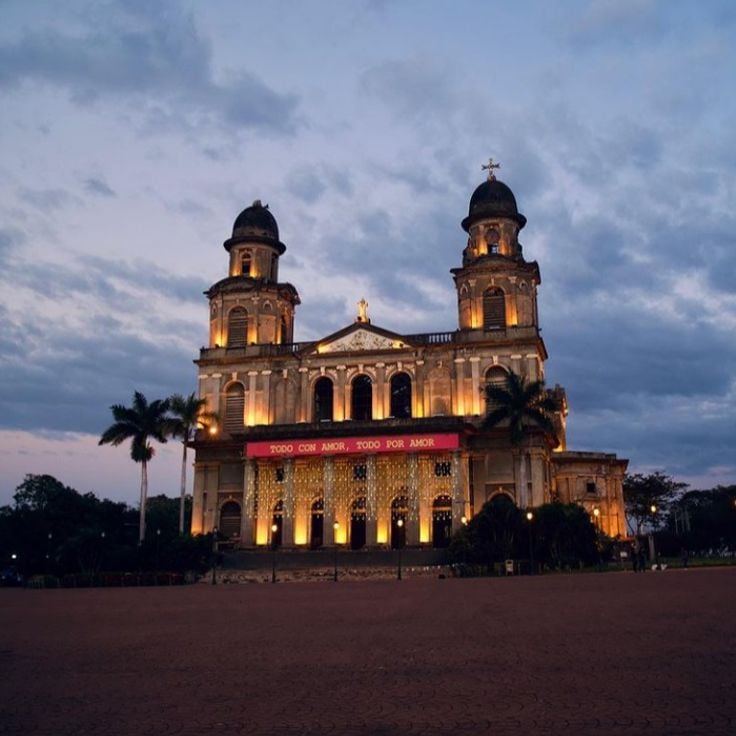
Nicaragua is a Central American country situated between two oceans, shaped by lakes and coastlines. This destination remains away from typical travel routes and allows visitors to connect with local communities in their daily lives. Landscapes shift between tropical coasts, volcanic terrain, and green valleys. Here, travelers can explore the country at its own pace, without encountering large crowds.
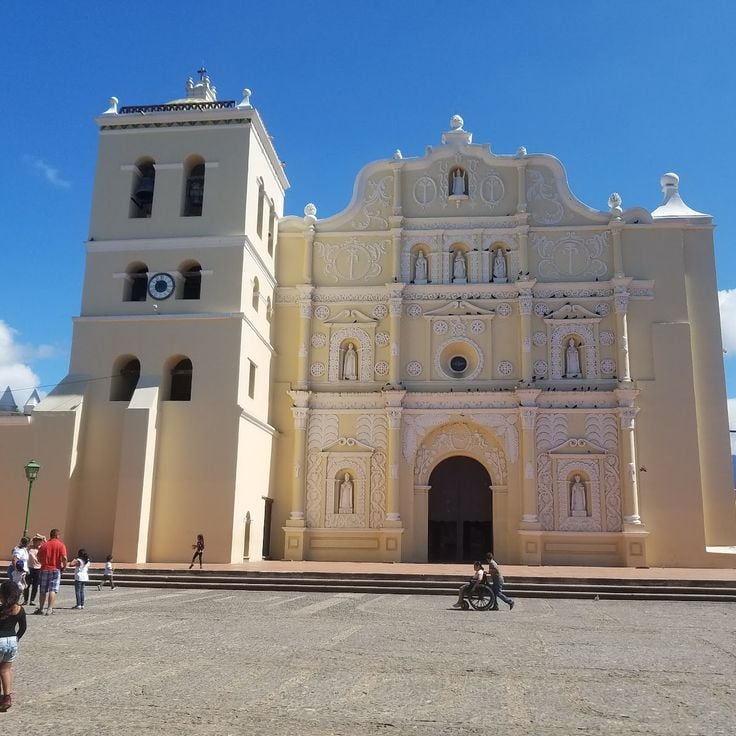
Honduras is a Central American nation with ancient Maya ruins and coastal landscapes. It fits well in this collection as it draws travelers looking to explore beyond the usual routes. The country offers archaeological sites like Copan, where visitors can see old stone structures and hieroglyphics. The Caribbean coast has islands and reefs where the daily life of residents remains visible. Visitors can explore the land, speak with locals, and understand how people live here without encountering large crowds of tourists.
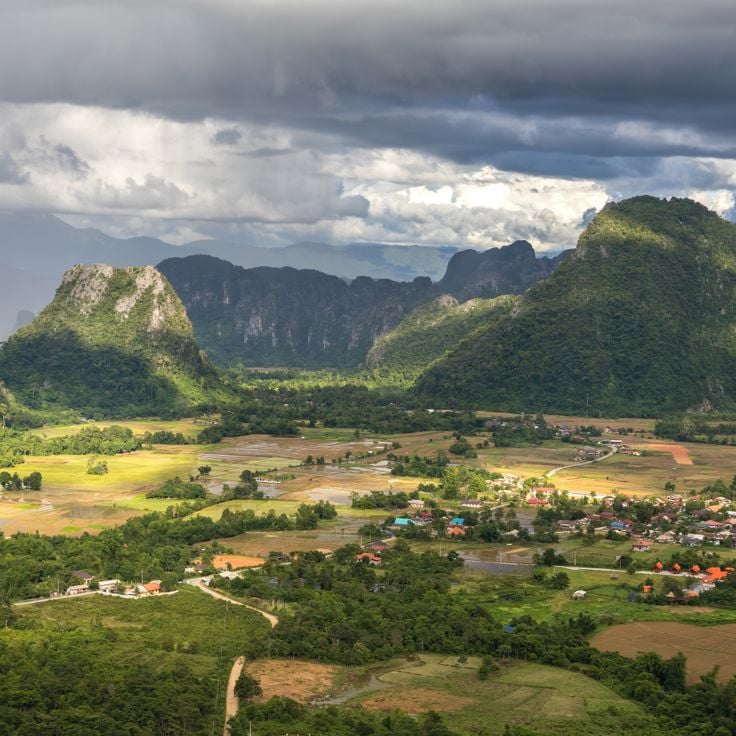
Laos is a country in Southeast Asia that often goes unnoticed, yet offers much to discover. The Mekong River flows through it, shaping the land. Mountains cover much of the north. Here travelers move at their own pace. Towns are small and people are welcoming. Temples show the daily life of the faithful. In the countryside, farmers work as they have for generations. Laos remains away from mass tourism, which has kept the country true to itself.
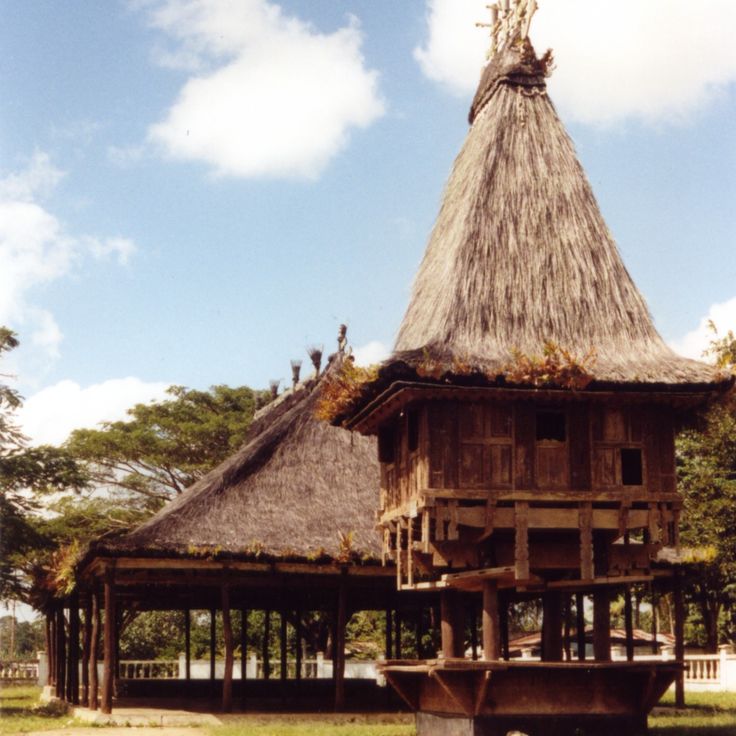
East Timor is a young nation in Southeast Asia that is outside the common routes. Its nature is wild and rough, with mountains, jungle, and coastal lands that few visitors reach. The local people keep their traditions and way of life almost unchanged by tourism. Those who go there experience a place where they can see how everyday life works, without relying on organized tours.
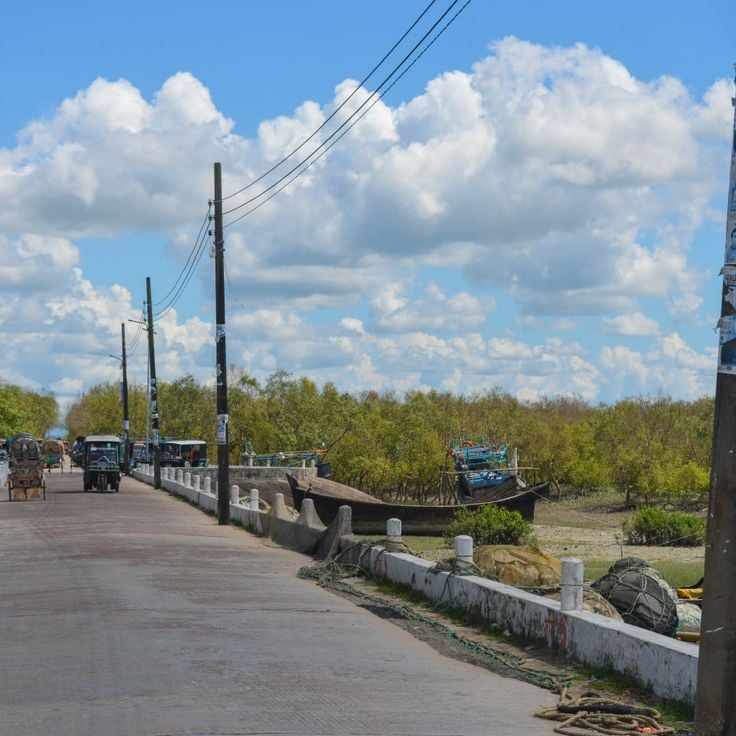
Bangladesh is a country in South Asia shaped by the Ganges and its many rivers. Diverse traditions are woven into everyday life here. The landscape changes with the seasons and the flow of water. People live in connection with the natural rhythms of their surroundings. Visitors who come here encounter a place that remains outside the usual tourist paths and keeps its own character.
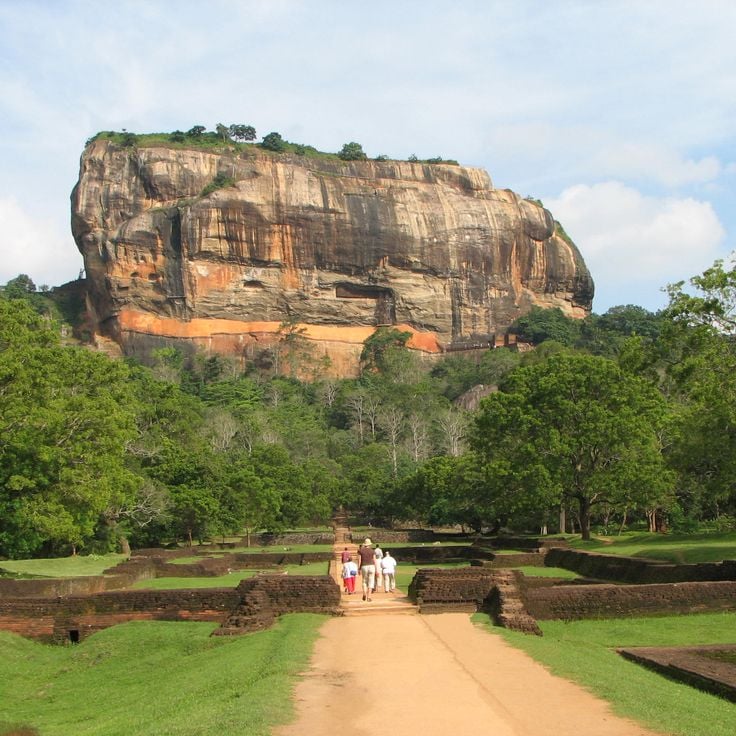
Sri Lanka is an island in South Asia with regions that lie beyond the usual tourist routes. The country offers landscapes comparable to more famous destinations, but without the crowds. Here, travelers can observe daily life, speak with local people, and understand the history of the place. The island keeps its own character, shaped by its history and geography.
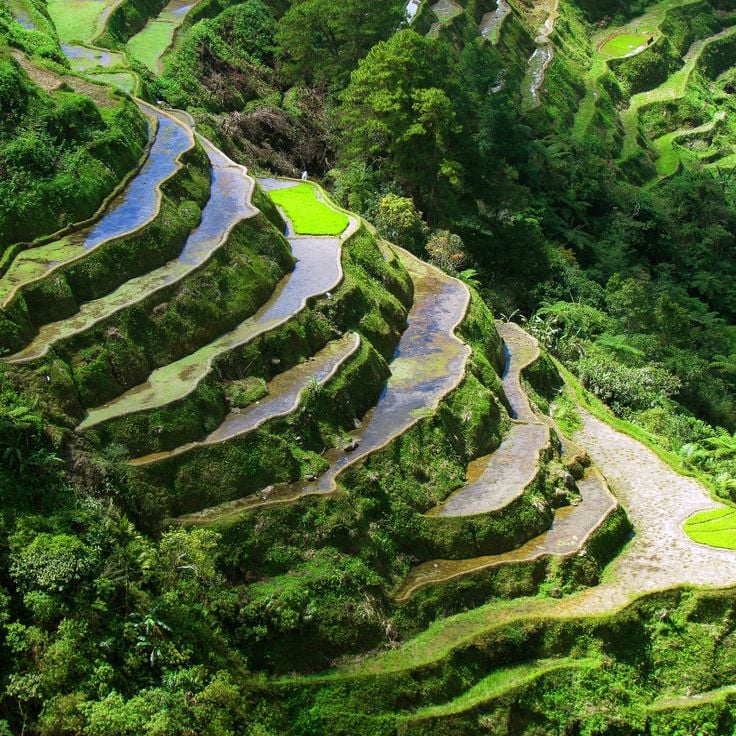
The Philippines is an archipelago in Southeast Asia where many islands remain away from the main tourist routes. Here travelers can discover authentic villages where local culture is still present in everyday life and traditions shape the community. The beaches feel less crowded than in better-known destinations, and visitors meet locals eager to share their home. These islands offer a chance to experience nature and culture at a slower pace.
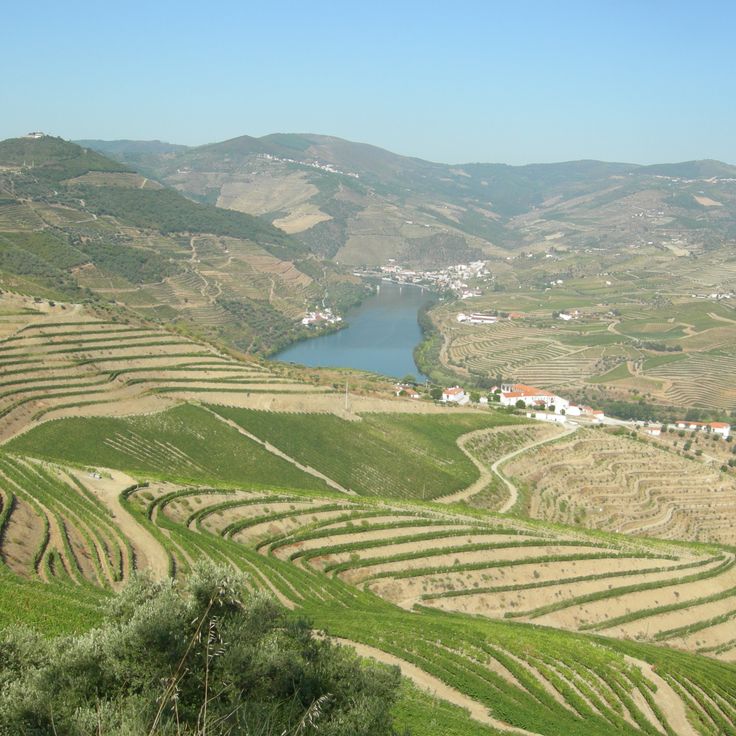
Northern Portugal is a region that sees fewer visitors than the south. Here you will find green valleys and mountain landscapes, along with traditions that remain part of daily life. Small towns and villages keep their local character, while traditional crafts and regional food offer insight into Portuguese culture. The region has walking paths, old castles and churches that connect you to history, all without large crowds.
The Spanish interior offers regions away from the coast where authentic culture and landscapes remain intact. Here you find villages with traditional architecture, local workshops, and a vibrant food culture that differs from the tourist bustle of coastal cities. People maintain their customs and festivals with great care. Wide plains, mountain ranges, and river valleys create spaces worth exploring. The interior lets you experience Spain at its own pace.
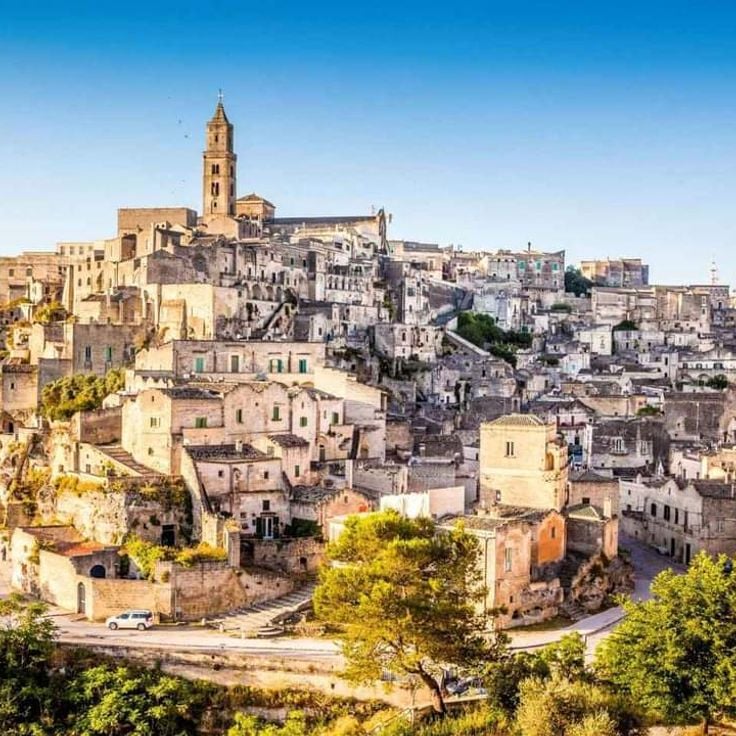
Southern Italy shows its history through ancient ruins, medieval fortresses, and colorful villages. The coast features beaches and coves, while inland you find mountains and valleys. This is where village traditions, local food, and markets reveal daily life. The region stays outside the main tourist trails that focus on famous cities. Visitors meet people who have kept their way of living and can explore the area at their own pace.
Albania sits on the western Balkans with Adriatic shores and Byzantine heritage that travelers often skip. Coastal bays here rival famous Mediterranean destinations but without the crowds. Ancient fortresses and Venetian ruins tell stories of a layered past. Mountain valleys reveal traditional ways of living that have persisted for generations. Visitors find themselves encountering Mediterranean landscapes alongside alpine scenery, far from organized tours.
Georgia sits in the Caucasus between Europe and Asia. This country preserves ancient traditions and remains off the main tourist paths. Here you discover medieval churches perched in steep gorges, vineyards in green valleys, and towns where daily life flows independently from tourism. In the streets of Tbilisi's old city, you meet people who keep their customs alive. Georgia offers the chance to experience a place as it truly exists, without the weight of organized crowds.
Slovenia is a small Alpine country in Central Europe with lakes and forests. The land offers diverse landscapes within a compact area: from green valleys to mountain regions. Its cities preserve their own history and architecture. Slovenia attracts travelers who want to explore a country without following crowded routes. Meetings with local people and understanding daily life are central to a visit here.
Bosnia and Herzegovina is a country in the Balkans where different cultures have left their mark. Medieval fortresses stand alongside Ottoman mosques, and rivers cut through deep valleys. In the cities, narrow old streets blend with everyday modern life. The people maintain their traditions while the country charts its own course. Visitors here find a place that stands apart from typical Balkan routes.
North Macedonia sits in the heart of the Balkans and contains lakes, historical sites spanning different periods, and mountain landscapes. The country receives few visitors even though it holds medieval cities, ancient ruins, and churches with intricate mosaics. Daily life here moves without the crowds that overwhelm more popular destinations. You can walk through narrow streets, taste local food in small restaurants, and meet people happy to share their history.
Montenegro is a small mountainous country on the Balkan peninsula with an Adriatic coastline. It attracts fewer visitors than its better-known neighbors. The coastal towns have kept their local character, where you find locals in cafes and traditional food on tables. The mountain landscapes offer hiking routes through wild nature without large crowds. Old Venetian fortresses and monasteries tell stories from different periods. People live here at a slower pace than in overcrowded tourist destinations.
Romania is a country in Central Europe where medieval castles sit among varied landscapes. The Carpathian Mountains shape the terrain with forests, ridges, and valleys that stretch across the land. Towns and villages contain old churches and buildings that show the layers of history. People here live in ways that differ from major European tourist centers. You find handcrafted goods at local markets, workshops where traditional skills continue, and public squares where daily life unfolds. The forests and river valleys offer room to walk and explore without crowds. Romania lets you travel at your own pace and watch how things work in an ordinary European country.
Bulgaria is a Balkan country where the Black Sea coast and the mountains shape two very different worlds. Medieval churches hide in the hills, Roman ruins dot the countryside, and mountain villages follow a slow, daily rhythm. The coastline has long sandy beaches without the crowds that mark other seaside destinations. From the markets of Sofia to remote villages where local traditions are still part of everyday life, Bulgaria offers a direct way to discover Eastern Europe.
Moldova is a small country in Eastern Europe located between Romania and Ukraine. It draws visitors with its deep-rooted wine tradition, which has shaped the land and its people for centuries. Rolling vineyards cover the countryside, and massive wine cellars carved into the earth hold enormous quantities of wine stored underground. The country is dotted with painted monasteries and small villages where daily life moves at its own pace. Tourism here remains low-key, making it possible to explore the culture, taste local wines, and meet inhabitants without feeling crowded.
Armenia sits in the South Caucasus, bordered by Turkey, Iran, Azerbaijan, and Georgia. It is one of the first countries to have adopted Christianity as a state religion, back in 301 AD. Medieval monasteries and churches dot the landscape, often perched in remote valleys or on rocky hillsides that take some effort to reach. The terrain shifts between open plateaus, deep gorges, and high peaks. The Armenian language has its own alphabet, created in the 5th century. Village life still follows older patterns, and daily routines feel unhurried. Armenia receives far fewer visitors than its neighbors, which makes it easier to spend time with locals and get a real sense of how the country lives.
Oman sits on the Arabian Peninsula and is often passed over by travelers, yet it has a great deal to offer. Desert landscapes give way to mountain ranges, and the coastline runs along the Gulf of Oman and the Arabian Sea. Green oases hide in the wadis, and coastal cities like Muscat have kept their old architecture, which speaks to a long history of trade. Traveling through Oman means meeting people who still live by traditional rhythms, and discovering old forts, souks, and beaches where daily life moves at its own pace.
Jordan is a country in the Middle East that has far more to offer than its most famous sites. Ancient ruins, desert landscapes and deep gorges shape the country. Away from the main tourist flow, much of the land stays quiet and rarely visited. In small towns and villages, locals take the time to talk and share stories about their daily lives. Traveling through Jordan means discovering a region where mass tourism has not yet left its mark.
Azerbaijan sits between the Caspian Sea and the Caucasus Mountains. The country blends old traditions with modern cities. Baku displays architecture from many different periods. In the mountains you find landscapes and villages where people still live as they have for generations. The Old City of Baku, with its narrow streets and ancient walls, holds stories from centuries past. Visitors meet welcoming people and discover places few tourists know about.
Kyrgyzstan is a country in Central Asia shaped by the Tian Shan mountain range. Here travelers find wide plateaus, clear mountain lakes, and valleys that few people visit. Mountains dominate the landscape and offer hiking routes without crowds. Traditional yurts dot the pastures, and herders follow age-old patterns. The capital Bishkek has a relaxed feel, while rural regions hold the country's main appeal. Kyrgyzstan remains a destination for those seeking genuine mountain landscapes and regional traditions.
Uzbekistan sits in Central Asia and carries the traces of ancient trade routes. Cities here display architecture spanning several centuries, with mosques, madrasas, and bazaars that shape daily life today. Craftspeople and merchants work in the alleyways as they have for generations, and visitors can observe how traditions continue in families and markets. The country attracts fewer tourists than other regional destinations, allowing travelers to explore places at a relaxed pace.
Ethiopia draws travelers looking for something off the beaten path. This African country offers rugged mountains, ancient monasteries, and a history that spans thousands of years. Visitors can explore rock-hewn churches, trek through remote mountain valleys, and spend time in traditional markets alongside local people. The country has kept its own pace - it is a place where you can see how people actually live, without the crowds that overrun other destinations.
Namibia is an African nation with vast deserts and wild landscapes. The country attracts travelers who want to explore beyond usual routes. Here you find landscapes comparable to famous destinations, but without the crowds. Namibia keeps its own character, shaped by its history and geography. Visitors can discover the land at their own pace, meet local people, and understand how the country works in daily life.
Malawi is a country in southern Africa known for its large lake and nature reserves. It gets fewer visitors than its more famous neighbors, which allows travelers to explore at their own pace and connect genuinely with the local people. The landscape gives chances to see how daily life works in this area, away from organized tourist routes.
Rwanda is a small country in East Africa that has rebuilt itself with remarkable spirit. The land features rolling green hills, dense forests, and rare mountain gorillas living in misty woodlands. In the capital Kigali, you find modern city life alongside historical sites that tell the nation's story. The people here are welcoming and open. You can hike through nature, visit lakes, and experience local culture without joining large tourist groups.
Cape Verde is an island archipelago off the coast of Africa in the Atlantic Ocean. The islands have preserved their own history and daily rhythm. You find small coastal towns where life moves to the beat of the sea. The architecture shows traces of different influences from the past. The landscapes are often dry and rocky, with their own particular character. Cape Verde draws those who seek an authentic experience, far from crowded tourist destinations.
Bolivia is a country in the Andes with salt lakes and high mountains. Travelers here can find places that remain on the margins of typical routes. The landscapes compare to those of famous destinations, but without crowded pathways. Local traditions shape daily life, and visitors can observe how communities function away from organized circuits. Those who take time to explore discover how the natural world and history connect in this region.
Paraguay is a South American nation that remains away from typical tourist routes. It shares the qualities of this collection: it is a place where tourism operates on a human scale. Visitors can explore the culture and daily life here without encountering the overcrowding that marks other destinations in the region. Paraguay offers the chance to discover a country in an authentic way.
Guyana is a country in South America shaped by rainforests. This destination remains outside typical travel routes and offers visitors the chance to experience nature in its original form. Rivers and forests allow direct encounters with the environment and the people who live there. Guyana represents the kind of travel that this collection focuses on: exploration without mass tourism.
Nicaragua is a Central American country situated between two oceans, shaped by lakes and coastlines. This destination remains away from typical travel routes and allows visitors to connect with local communities in their daily lives. Landscapes shift between tropical coasts, volcanic terrain, and green valleys. Here, travelers can explore the country at its own pace, without encountering large crowds.
Honduras is a Central American nation with ancient Maya ruins and coastal landscapes. It fits well in this collection as it draws travelers looking to explore beyond the usual routes. The country offers archaeological sites like Copan, where visitors can see old stone structures and hieroglyphics. The Caribbean coast has islands and reefs where the daily life of residents remains visible. Visitors can explore the land, speak with locals, and understand how people live here without encountering large crowds of tourists.
Laos is a country in Southeast Asia that often goes unnoticed, yet offers much to discover. The Mekong River flows through it, shaping the land. Mountains cover much of the north. Here travelers move at their own pace. Towns are small and people are welcoming. Temples show the daily life of the faithful. In the countryside, farmers work as they have for generations. Laos remains away from mass tourism, which has kept the country true to itself.
East Timor is a young nation in Southeast Asia that is outside the common routes. Its nature is wild and rough, with mountains, jungle, and coastal lands that few visitors reach. The local people keep their traditions and way of life almost unchanged by tourism. Those who go there experience a place where they can see how everyday life works, without relying on organized tours.
Bangladesh is a country in South Asia shaped by the Ganges and its many rivers. Diverse traditions are woven into everyday life here. The landscape changes with the seasons and the flow of water. People live in connection with the natural rhythms of their surroundings. Visitors who come here encounter a place that remains outside the usual tourist paths and keeps its own character.
Sri Lanka is an island in South Asia with regions that lie beyond the usual tourist routes. The country offers landscapes comparable to more famous destinations, but without the crowds. Here, travelers can observe daily life, speak with local people, and understand the history of the place. The island keeps its own character, shaped by its history and geography.
The Philippines is an archipelago in Southeast Asia where many islands remain away from the main tourist routes. Here travelers can discover authentic villages where local culture is still present in everyday life and traditions shape the community. The beaches feel less crowded than in better-known destinations, and visitors meet locals eager to share their home. These islands offer a chance to experience nature and culture at a slower pace.
Northern Portugal is a region that sees fewer visitors than the south. Here you will find green valleys and mountain landscapes, along with traditions that remain part of daily life. Small towns and villages keep their local character, while traditional crafts and regional food offer insight into Portuguese culture. The region has walking paths, old castles and churches that connect you to history, all without large crowds.
The Spanish interior offers regions away from the coast where authentic culture and landscapes remain intact. Here you find villages with traditional architecture, local workshops, and a vibrant food culture that differs from the tourist bustle of coastal cities. People maintain their customs and festivals with great care. Wide plains, mountain ranges, and river valleys create spaces worth exploring. The interior lets you experience Spain at its own pace.
Southern Italy shows its history through ancient ruins, medieval fortresses, and colorful villages. The coast features beaches and coves, while inland you find mountains and valleys. This is where village traditions, local food, and markets reveal daily life. The region stays outside the main tourist trails that focus on famous cities. Visitors meet people who have kept their way of living and can explore the area at their own pace.
Albania sits on the western Balkans with Adriatic shores and Byzantine heritage that travelers often skip. Coastal bays here rival famous Mediterranean destinations but without the crowds. Ancient fortresses and Venetian ruins tell stories of a layered past. Mountain valleys reveal traditional ways of living that have persisted for generations. Visitors find themselves encountering Mediterranean landscapes alongside alpine scenery, far from organized tours.
Georgia sits in the Caucasus between Europe and Asia. This country preserves ancient traditions and remains off the main tourist paths. Here you discover medieval churches perched in steep gorges, vineyards in green valleys, and towns where daily life flows independently from tourism. In the streets of Tbilisi's old city, you meet people who keep their customs alive. Georgia offers the chance to experience a place as it truly exists, without the weight of organized crowds.
Slovenia is a small Alpine country in Central Europe with lakes and forests. The land offers diverse landscapes within a compact area: from green valleys to mountain regions. Its cities preserve their own history and architecture. Slovenia attracts travelers who want to explore a country without following crowded routes. Meetings with local people and understanding daily life are central to a visit here.
Bosnia and Herzegovina is a country in the Balkans where different cultures have left their mark. Medieval fortresses stand alongside Ottoman mosques, and rivers cut through deep valleys. In the cities, narrow old streets blend with everyday modern life. The people maintain their traditions while the country charts its own course. Visitors here find a place that stands apart from typical Balkan routes.
North Macedonia sits in the heart of the Balkans and contains lakes, historical sites spanning different periods, and mountain landscapes. The country receives few visitors even though it holds medieval cities, ancient ruins, and churches with intricate mosaics. Daily life here moves without the crowds that overwhelm more popular destinations. You can walk through narrow streets, taste local food in small restaurants, and meet people happy to share their history.
Montenegro is a small mountainous country on the Balkan peninsula with an Adriatic coastline. It attracts fewer visitors than its better-known neighbors. The coastal towns have kept their local character, where you find locals in cafes and traditional food on tables. The mountain landscapes offer hiking routes through wild nature without large crowds. Old Venetian fortresses and monasteries tell stories from different periods. People live here at a slower pace than in overcrowded tourist destinations.
Romania is a country in Central Europe where medieval castles sit among varied landscapes. The Carpathian Mountains shape the terrain with forests, ridges, and valleys that stretch across the land. Towns and villages contain old churches and buildings that show the layers of history. People here live in ways that differ from major European tourist centers. You find handcrafted goods at local markets, workshops where traditional skills continue, and public squares where daily life unfolds. The forests and river valleys offer room to walk and explore without crowds. Romania lets you travel at your own pace and watch how things work in an ordinary European country.
Bulgaria is a Balkan country where the Black Sea coast and the mountains shape two very different worlds. Medieval churches hide in the hills, Roman ruins dot the countryside, and mountain villages follow a slow, daily rhythm. The coastline has long sandy beaches without the crowds that mark other seaside destinations. From the markets of Sofia to remote villages where local traditions are still part of everyday life, Bulgaria offers a direct way to discover Eastern Europe.
Moldova is a small country in Eastern Europe located between Romania and Ukraine. It draws visitors with its deep-rooted wine tradition, which has shaped the land and its people for centuries. Rolling vineyards cover the countryside, and massive wine cellars carved into the earth hold enormous quantities of wine stored underground. The country is dotted with painted monasteries and small villages where daily life moves at its own pace. Tourism here remains low-key, making it possible to explore the culture, taste local wines, and meet inhabitants without feeling crowded.
Armenia sits in the South Caucasus, bordered by Turkey, Iran, Azerbaijan, and Georgia. It is one of the first countries to have adopted Christianity as a state religion, back in 301 AD. Medieval monasteries and churches dot the landscape, often perched in remote valleys or on rocky hillsides that take some effort to reach. The terrain shifts between open plateaus, deep gorges, and high peaks. The Armenian language has its own alphabet, created in the 5th century. Village life still follows older patterns, and daily routines feel unhurried. Armenia receives far fewer visitors than its neighbors, which makes it easier to spend time with locals and get a real sense of how the country lives.
Oman sits on the Arabian Peninsula and is often passed over by travelers, yet it has a great deal to offer. Desert landscapes give way to mountain ranges, and the coastline runs along the Gulf of Oman and the Arabian Sea. Green oases hide in the wadis, and coastal cities like Muscat have kept their old architecture, which speaks to a long history of trade. Traveling through Oman means meeting people who still live by traditional rhythms, and discovering old forts, souks, and beaches where daily life moves at its own pace.
Jordan is a country in the Middle East that has far more to offer than its most famous sites. Ancient ruins, desert landscapes and deep gorges shape the country. Away from the main tourist flow, much of the land stays quiet and rarely visited. In small towns and villages, locals take the time to talk and share stories about their daily lives. Traveling through Jordan means discovering a region where mass tourism has not yet left its mark.
Azerbaijan sits between the Caspian Sea and the Caucasus Mountains. The country blends old traditions with modern cities. Baku displays architecture from many different periods. In the mountains you find landscapes and villages where people still live as they have for generations. The Old City of Baku, with its narrow streets and ancient walls, holds stories from centuries past. Visitors meet welcoming people and discover places few tourists know about.
Kyrgyzstan is a country in Central Asia shaped by the Tian Shan mountain range. Here travelers find wide plateaus, clear mountain lakes, and valleys that few people visit. Mountains dominate the landscape and offer hiking routes without crowds. Traditional yurts dot the pastures, and herders follow age-old patterns. The capital Bishkek has a relaxed feel, while rural regions hold the country's main appeal. Kyrgyzstan remains a destination for those seeking genuine mountain landscapes and regional traditions.
Uzbekistan sits in Central Asia and carries the traces of ancient trade routes. Cities here display architecture spanning several centuries, with mosques, madrasas, and bazaars that shape daily life today. Craftspeople and merchants work in the alleyways as they have for generations, and visitors can observe how traditions continue in families and markets. The country attracts fewer tourists than other regional destinations, allowing travelers to explore places at a relaxed pace.
Ethiopia draws travelers looking for something off the beaten path. This African country offers rugged mountains, ancient monasteries, and a history that spans thousands of years. Visitors can explore rock-hewn churches, trek through remote mountain valleys, and spend time in traditional markets alongside local people. The country has kept its own pace - it is a place where you can see how people actually live, without the crowds that overrun other destinations.
Namibia is an African nation with vast deserts and wild landscapes. The country attracts travelers who want to explore beyond usual routes. Here you find landscapes comparable to famous destinations, but without the crowds. Namibia keeps its own character, shaped by its history and geography. Visitors can discover the land at their own pace, meet local people, and understand how the country works in daily life.
Malawi is a country in southern Africa known for its large lake and nature reserves. It gets fewer visitors than its more famous neighbors, which allows travelers to explore at their own pace and connect genuinely with the local people. The landscape gives chances to see how daily life works in this area, away from organized tourist routes.
Rwanda is a small country in East Africa that has rebuilt itself with remarkable spirit. The land features rolling green hills, dense forests, and rare mountain gorillas living in misty woodlands. In the capital Kigali, you find modern city life alongside historical sites that tell the nation's story. The people here are welcoming and open. You can hike through nature, visit lakes, and experience local culture without joining large tourist groups.
Cape Verde is an island archipelago off the coast of Africa in the Atlantic Ocean. The islands have preserved their own history and daily rhythm. You find small coastal towns where life moves to the beat of the sea. The architecture shows traces of different influences from the past. The landscapes are often dry and rocky, with their own particular character. Cape Verde draws those who seek an authentic experience, far from crowded tourist destinations.
Bolivia is a country in the Andes with salt lakes and high mountains. Travelers here can find places that remain on the margins of typical routes. The landscapes compare to those of famous destinations, but without crowded pathways. Local traditions shape daily life, and visitors can observe how communities function away from organized circuits. Those who take time to explore discover how the natural world and history connect in this region.
Paraguay is a South American nation that remains away from typical tourist routes. It shares the qualities of this collection: it is a place where tourism operates on a human scale. Visitors can explore the culture and daily life here without encountering the overcrowding that marks other destinations in the region. Paraguay offers the chance to discover a country in an authentic way.
Guyana is a country in South America shaped by rainforests. This destination remains outside typical travel routes and offers visitors the chance to experience nature in its original form. Rivers and forests allow direct encounters with the environment and the people who live there. Guyana represents the kind of travel that this collection focuses on: exploration without mass tourism.
Nicaragua is a Central American country situated between two oceans, shaped by lakes and coastlines. This destination remains away from typical travel routes and allows visitors to connect with local communities in their daily lives. Landscapes shift between tropical coasts, volcanic terrain, and green valleys. Here, travelers can explore the country at its own pace, without encountering large crowds.
Honduras is a Central American nation with ancient Maya ruins and coastal landscapes. It fits well in this collection as it draws travelers looking to explore beyond the usual routes. The country offers archaeological sites like Copan, where visitors can see old stone structures and hieroglyphics. The Caribbean coast has islands and reefs where the daily life of residents remains visible. Visitors can explore the land, speak with locals, and understand how people live here without encountering large crowds of tourists.
Laos is a country in Southeast Asia that often goes unnoticed, yet offers much to discover. The Mekong River flows through it, shaping the land. Mountains cover much of the north. Here travelers move at their own pace. Towns are small and people are welcoming. Temples show the daily life of the faithful. In the countryside, farmers work as they have for generations. Laos remains away from mass tourism, which has kept the country true to itself.
East Timor is a young nation in Southeast Asia that is outside the common routes. Its nature is wild and rough, with mountains, jungle, and coastal lands that few visitors reach. The local people keep their traditions and way of life almost unchanged by tourism. Those who go there experience a place where they can see how everyday life works, without relying on organized tours.
Bangladesh is a country in South Asia shaped by the Ganges and its many rivers. Diverse traditions are woven into everyday life here. The landscape changes with the seasons and the flow of water. People live in connection with the natural rhythms of their surroundings. Visitors who come here encounter a place that remains outside the usual tourist paths and keeps its own character.
Sri Lanka is an island in South Asia with regions that lie beyond the usual tourist routes. The country offers landscapes comparable to more famous destinations, but without the crowds. Here, travelers can observe daily life, speak with local people, and understand the history of the place. The island keeps its own character, shaped by its history and geography.
The Philippines is an archipelago in Southeast Asia where many islands remain away from the main tourist routes. Here travelers can discover authentic villages where local culture is still present in everyday life and traditions shape the community. The beaches feel less crowded than in better-known destinations, and visitors meet locals eager to share their home. These islands offer a chance to experience nature and culture at a slower pace.
Northern Portugal is a region that sees fewer visitors than the south. Here you will find green valleys and mountain landscapes, along with traditions that remain part of daily life. Small towns and villages keep their local character, while traditional crafts and regional food offer insight into Portuguese culture. The region has walking paths, old castles and churches that connect you to history, all without large crowds.
The Spanish interior offers regions away from the coast where authentic culture and landscapes remain intact. Here you find villages with traditional architecture, local workshops, and a vibrant food culture that differs from the tourist bustle of coastal cities. People maintain their customs and festivals with great care. Wide plains, mountain ranges, and river valleys create spaces worth exploring. The interior lets you experience Spain at its own pace.
Southern Italy shows its history through ancient ruins, medieval fortresses, and colorful villages. The coast features beaches and coves, while inland you find mountains and valleys. This is where village traditions, local food, and markets reveal daily life. The region stays outside the main tourist trails that focus on famous cities. Visitors meet people who have kept their way of living and can explore the area at their own pace.
Learn a few words of the local language. It is a simple act that changes everything in meeting people and lets you truly understand how daily life works there.