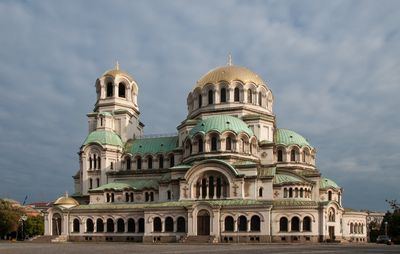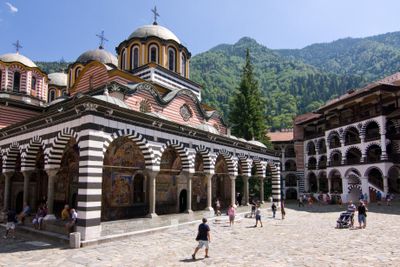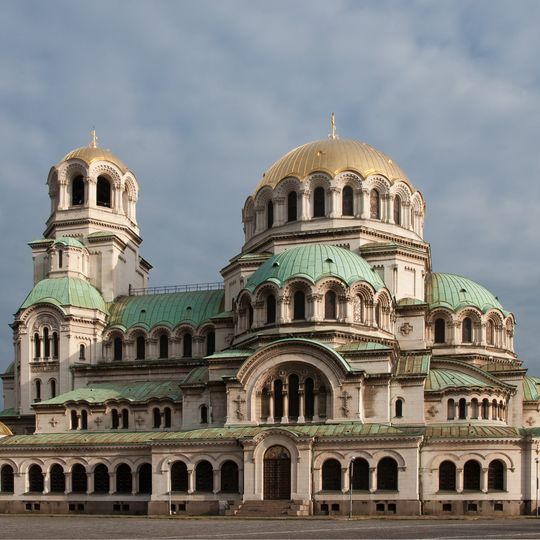
Bulgaria, European nation in Southeast Europe
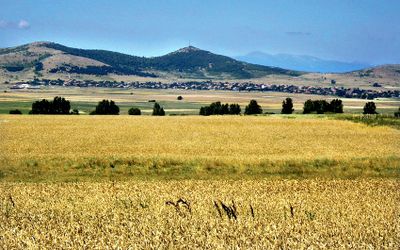
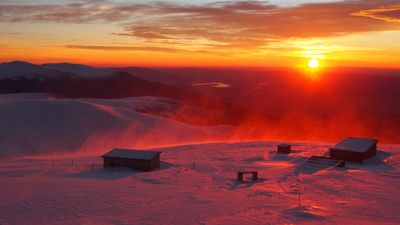
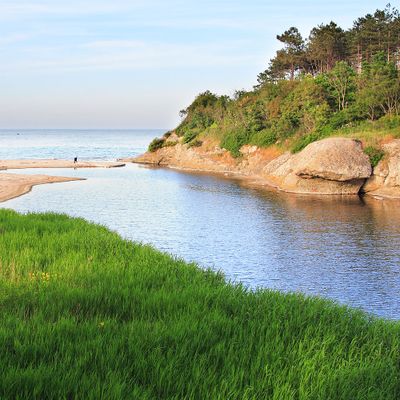
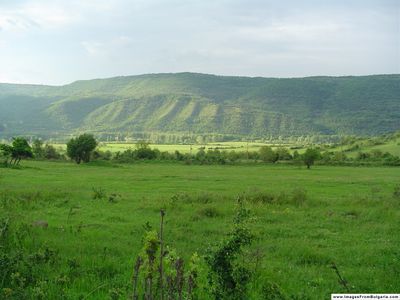
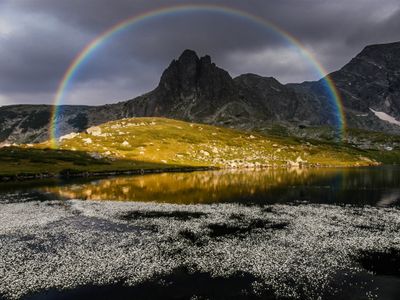
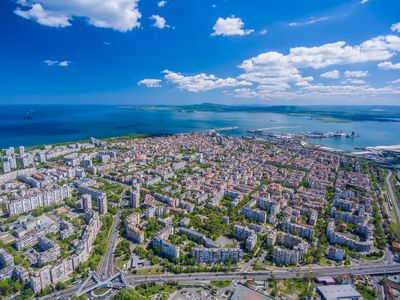
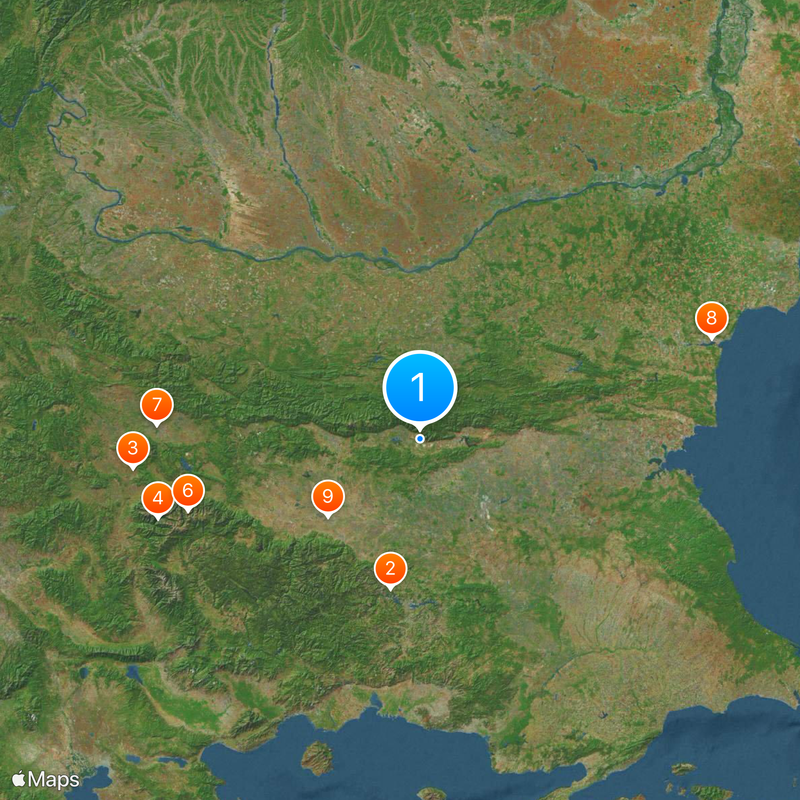
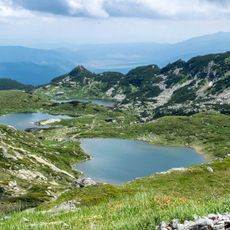
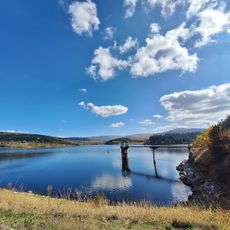
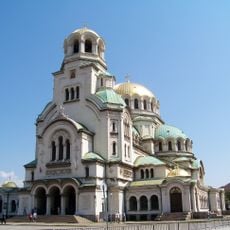
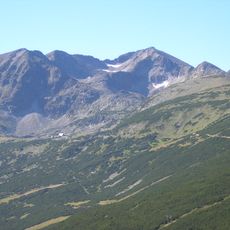
Bulgaria is a country on the Balkan Peninsula in Southeast Europe with a Black Sea coast and a northern border along the Danube River. The landscape divides into mountain ranges such as the Balkan Mountains and Rila Mountains, broad plains in the north, and the coastal strip to the east.
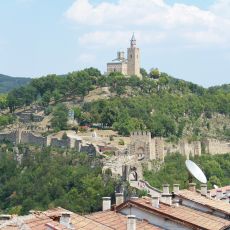
The First Bulgarian Empire arose in 681 under Khan Asparuch and reached its greatest size in the 10th century under Simeon I. After centuries of Ottoman rule, the country gained independence in 1878 through the Treaty of Berlin.
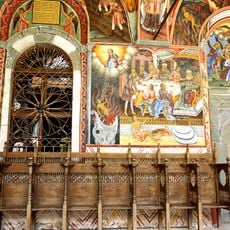
The Cyrillic writing system was developed by Bulgarian scholars in the 9th century and today shapes several Slavic languages. Communal dances such as the Horo bring people together at festivals, while polyphonic singing holds UNESCO World Heritage status.
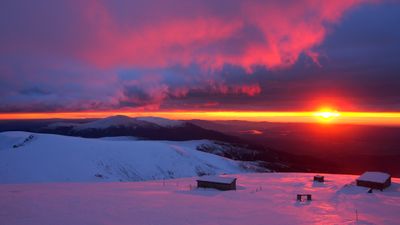
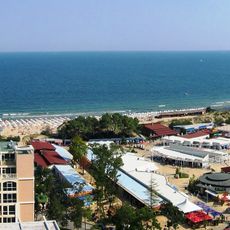
Direct train connections exist with Romania, Serbia, and Turkey, while airports in Sofia, Burgas, and Varna handle international arrivals. Summer months suit coastal visits, while winter works for ski resorts such as Bansko and Pamporovo.
The Rose Valley in the Kazanlak region produces most of the global rose oil using harvest methods from the 17th century. Workers collect rose petals by hand during early morning hours when oil content is highest.
The community of curious travelers
AroundUs brings together thousands of curated places, local tips, and hidden gems, enriched daily by 90,799 contributors worldwide.