expiré${chestInfoExpiresMinutes()} min${Math.floor(chestInfoExpiresMinutes() / 60)} h ${chestInfoExpiresMinutes() % 60} min
Tu es dans la zone de fouille. Une fois ouvert, le contenu n'est révélé qu'après le tirage.
🔑
Cet item nécessite une clé
IllustratorAmbassadorGuide.
Tu n'en as pas pour l'instant.Tu en as ${chestInfoMatchingKeyCount()} — réessaie pour la consommer.
Tu peux mettre ce coffre en attente : il restera dans ta file
(${(collectibles_meta.savedChests || []).length} / ${collectibles_meta.savedChestsMax || 10})
jusqu'à ce que tu décroches la clé manquante.
Coffre
Trouve la paire
Gratte 4 cases. Deux symboles identiques = coffre ouvert.
Between old seaside towns and medieval castles, Bulgaria shows many parts of its history.
We invite you through this article to discover Bulgaria. This beautiful country has ancient and medieval buildings, Orthodox churches, monasteries in the mountains, history and art museums, and natural sites like lakes, forests, and mountain resorts. You can find Roman baths, Thracian tombs, Byzantine fortresses, royal palaces, and monuments from the communist era. The country also has several old towns along the Black Sea. There are many sites to visit for travelers passing through.
Between old seaside towns and medieval castles, Bulgaria shows many parts of its history.
We invite you through this article to discover Bulgaria. This beautiful country has ancient and medieval buildings, Orthodox churches, monasteries in the mountains, history and art museums, and natural sites like lakes, forests, and mountain resorts. You can find Roman baths, Thracian tombs, Byzantine fortresses, royal palaces, and monuments from the communist era. The country also has several old towns along the Black Sea. There are many sites to visit for travelers passing through.
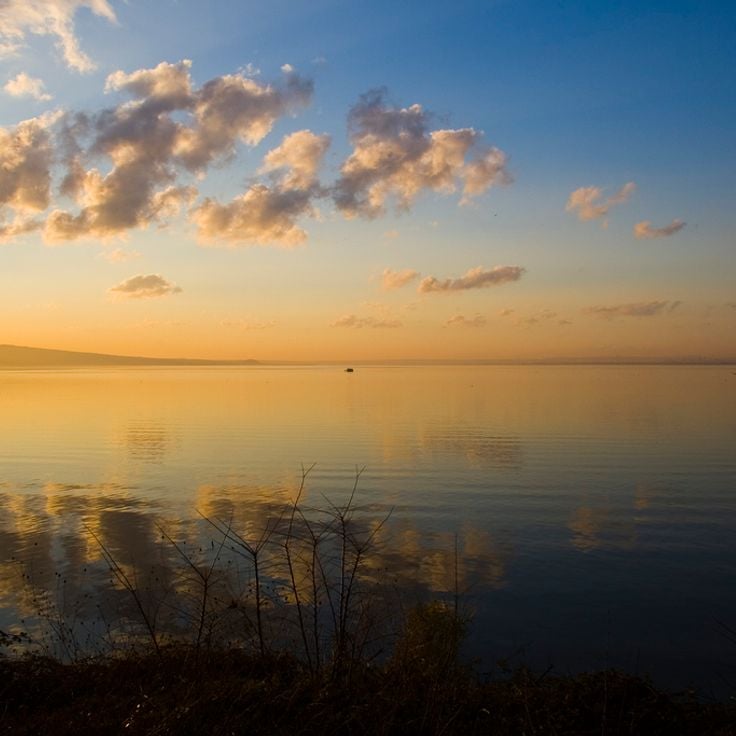
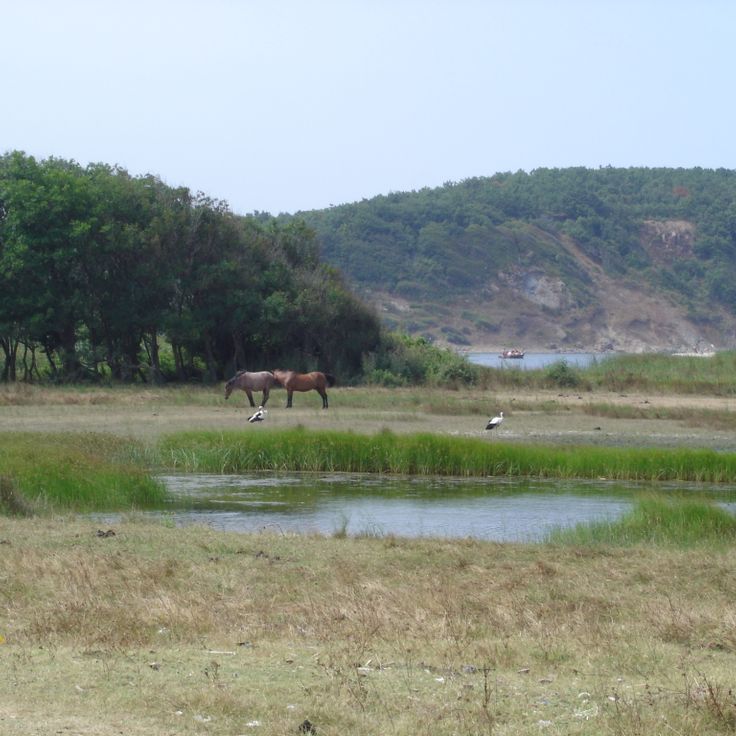
Burgas Lake is a 10-square-mile (27-square-kilometer) saline water body located in the eastern part of Bulgaria, situated south of the city of Burgas. This lake serves as an important stopover for numerous migratory bird species, including flamingos and pelicans, which find food and shelter here during their seasonal movements. The shallow waters form, together with adjacent wetlands, a significant ornithological area along Bulgaria's Black Sea coast.
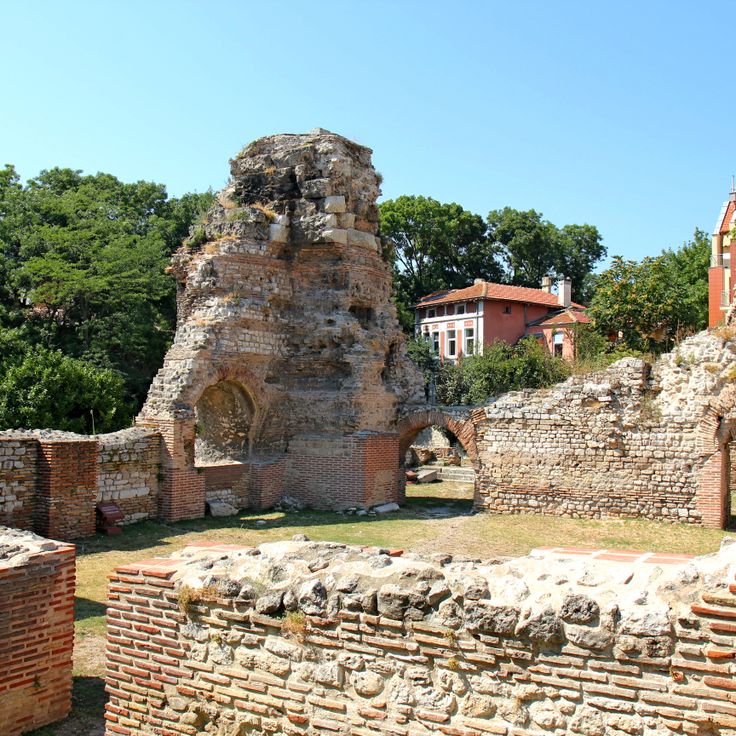
The Roman Baths of Varna are an ancient thermal complex dating from the 2nd century, ranking among the largest Roman bath facilities on the Balkan Peninsula. This historic site displays walls measuring 2 feet thick (6.6 feet) and preserves remains of mosaics, columns, and a sophisticated ancient heating system. The complex included various chambers, among them cold, warm, and hot water baths that demonstrate advanced Roman engineering. These baths served not only for hygiene but also as a social center in ancient Odessos, present-day Varna.
The ancient town of Sozopol occupies a peninsula on the Bulgarian Black Sea coast and was established in the 7th century BC as the Greek colony of Apollonia. This historic settlement preserves wooden houses from the 1800s, remnants of Greek defensive walls, and Byzantine religious buildings. The narrow cobblestone streets wind through a quarter displaying traditional Black Sea architecture, where residential structures were built on stone foundations. This coastal town combines archaeological remains from antiquity with preserved architecture from the Bulgarian National Revival period, demonstrating continuous habitation spanning more than 2,600 years.
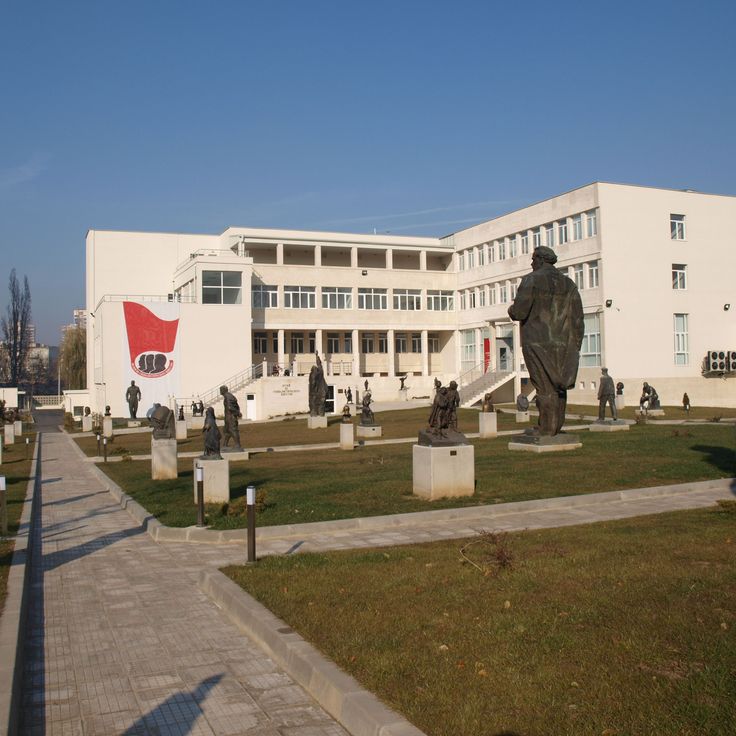
This museum preserves paintings, sculptures, and posters from Bulgaria's communist era between 1944 and 1989. The Museum of Socialist Art documents the artistic production during the country's socialist period and displays works that reflect the official state ideology of that time. The collection includes monumental sculptures of former party leaders, propaganda posters, and paintings in the socialist realism style. This institution contributes to understanding Bulgaria's recent history and complements the nation's cultural heritage, which ranges from ancient Roman sites to medieval monasteries.
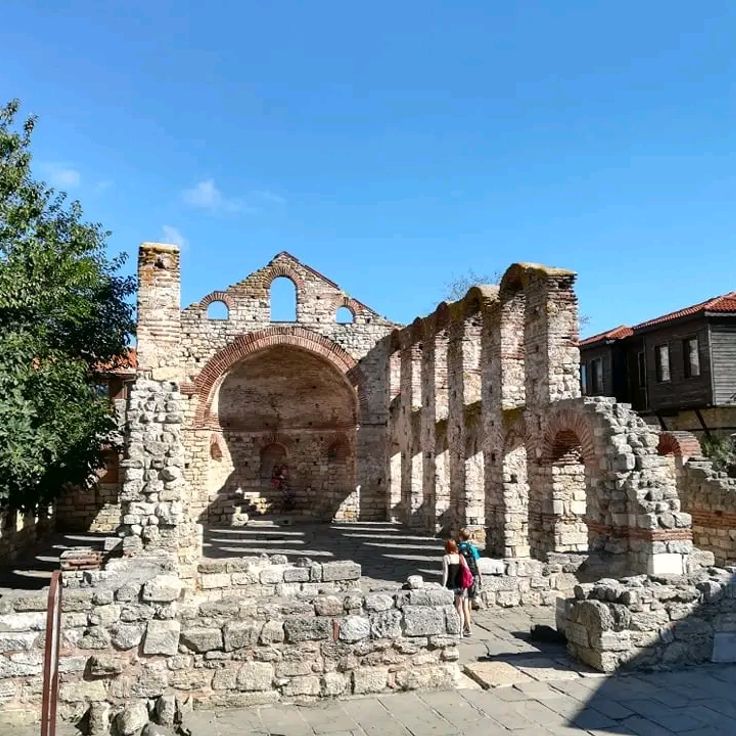
This old town on the Bulgarian Black Sea coast sits on a rocky peninsula and shows more than 2400 years of continuous use. Nessebar was founded in the 4th century BC as a Greek colony and became an important religious center under Byzantine rule. The Byzantine churches from the 5th to 14th centuries show this period, including the old metropolitan church and St. Stephen's church with its murals. More than 40 medieval church buildings are noted. The wooden houses from the 19th century display typical architecture of the Bulgarian Black Sea region, with bay windows and carved facades. Fortifications surround the old town, connected to the mainland by a narrow street.
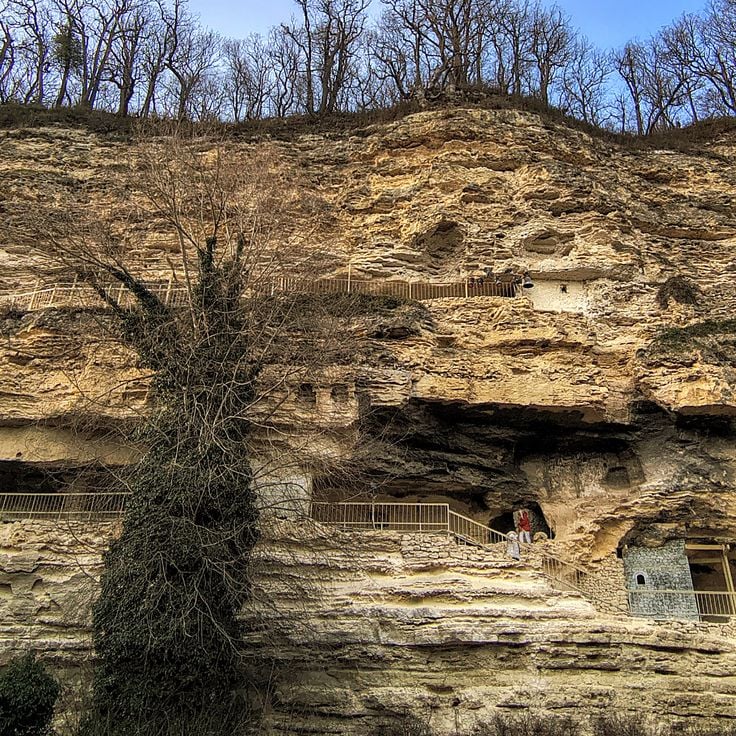
This monastery is a 12th-century monastic complex carved into a 130-foot (40-meter) high limestone cliff and forms part of Bulgaria's medieval religious heritage. Aladzha Monastery includes cells, a chapel, and a crypt decorated with frescoes. The rock-hewn chambers served as living quarters and prayer spaces for Orthodox monks. Located in a forested area near the Black Sea coast, the monastery represents the Byzantine tradition of cave monasticism. The complex features two levels connected by rock-cut staircases.
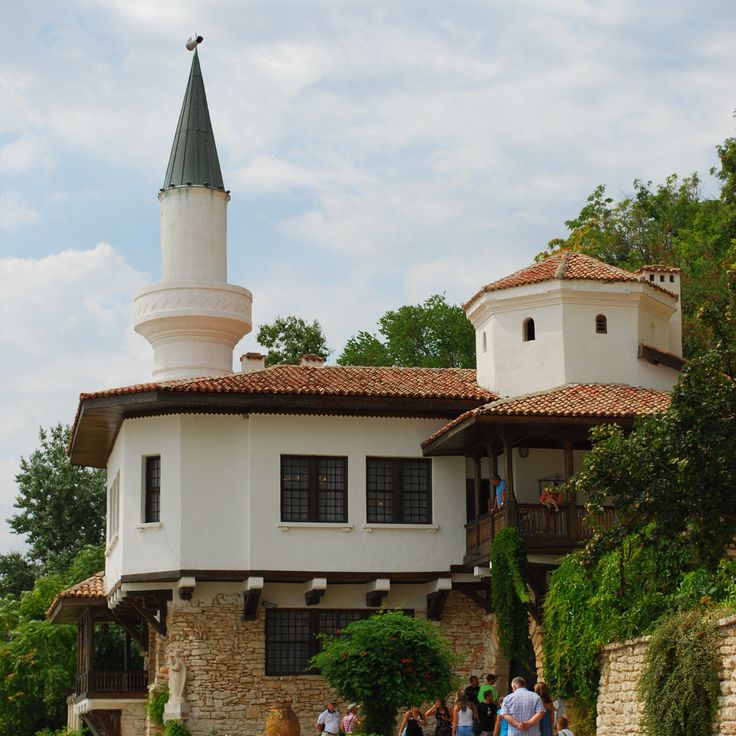
The Balchik Palace is a summer residence built between 1926 and 1937 for Queen Marie of Romania, combining Bulgarian and Oriental architectural elements. The complex includes several buildings, a chapel, a throne room, and terraces descending toward the Black Sea. This palace stands within botanical gardens that contain over 3000 plant species, including a notable collection of cacti and Mediterranean flora. The site represents one of the significant attractions along the Bulgarian Black Sea coast, merging architectural heritage with natural diversity.
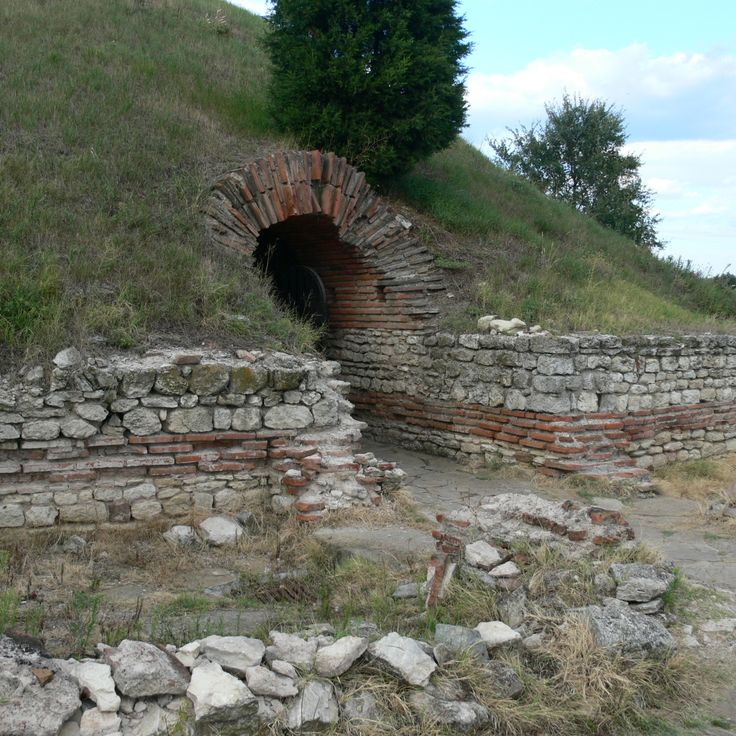
This underground Roman funerary monument in Pomorie dates to the 2nd century and features a circular structure with a central column and wall niches for cinerary urns. The tomb is one of the few preserved Roman domed burial chambers on the Balkan Peninsula and demonstrates the burial practices of wealthy Roman families along the Thracian Black Sea coast. The domed construction of this tomb reaches a height of about 18 feet (5.5 meters) and a diameter of 38 feet (11.6 meters). This historic site contributes to Bulgaria's collection of Roman-era structures, which includes ancient baths and Thracian tombs.
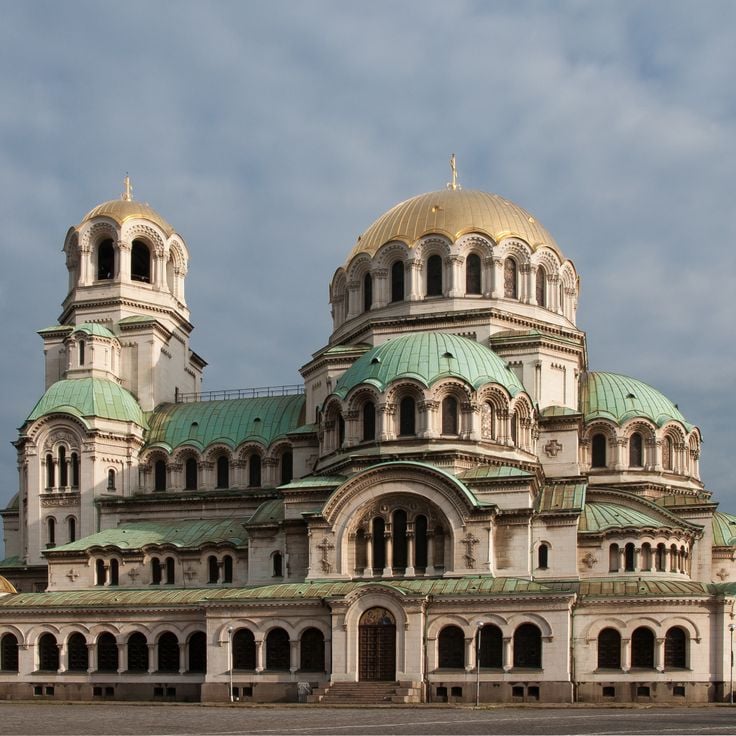
This Orthodox cathedral was built between 1904 and 1912 and stands as one of the most important religious buildings in Bulgaria. The Alexander Nevsky Cathedral features five naves and can accommodate 5000 worshippers beneath its golden domes. The building serves as the cathedral church of the Bulgarian Orthodox Church and was constructed in memory of the Russian soldiers who died in the Russo-Turkish War. The cathedral houses a collection of Orthodox icons and frescoes. Its interior is decorated with Italian marble, Brazilian onyx, and alabaster, while the domes are covered with gilded copper.
Vitosha Boulevard is a 2-kilometer pedestrian zone in the center of Sofia that connects the Bulgarian capital with views of Mount Vitosha. This shopping street is part of Bulgaria's historical and natural sites and features stores, restaurants, and cafes in buildings from various periods, including structures from the communist era. The boulevard runs from the Southern Park to the Central Market Hall and serves as an important part of urban life in Sofia, where residents and visitors gather for shopping and leisure activities.
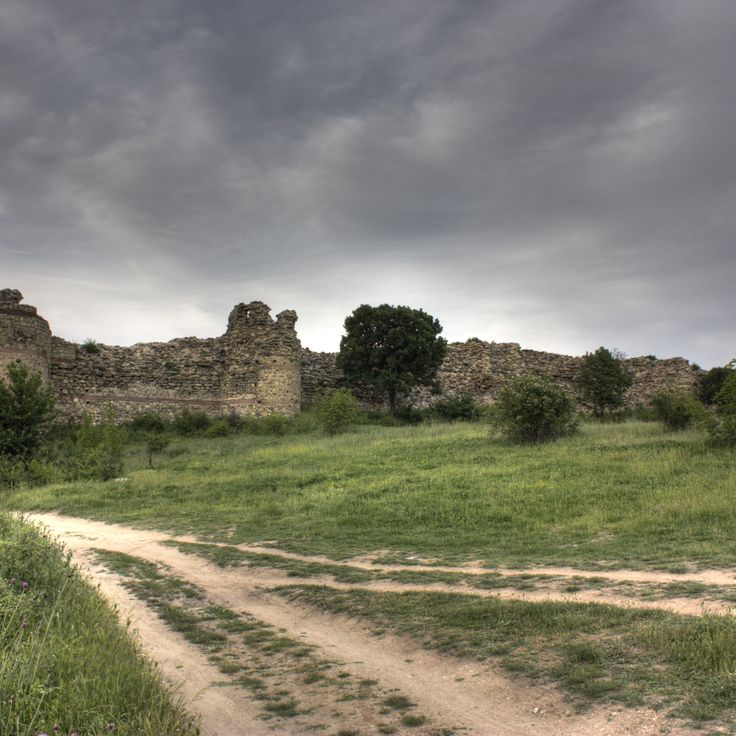
This medieval fortress near Svilengrad, close to the Turkish border, has thick stone walls that are three meters (about ten feet) wide and includes nine defensive towers. The site dates back to the eleventh century and was an important defensive position in the region of Thrace. The preserved fortifications show the style of Byzantine military buildings and later Bulgarian expansions. The fortress of Mezek is one of the notable historical places in Bulgaria and adds to the collection of old and medieval structures in the country.
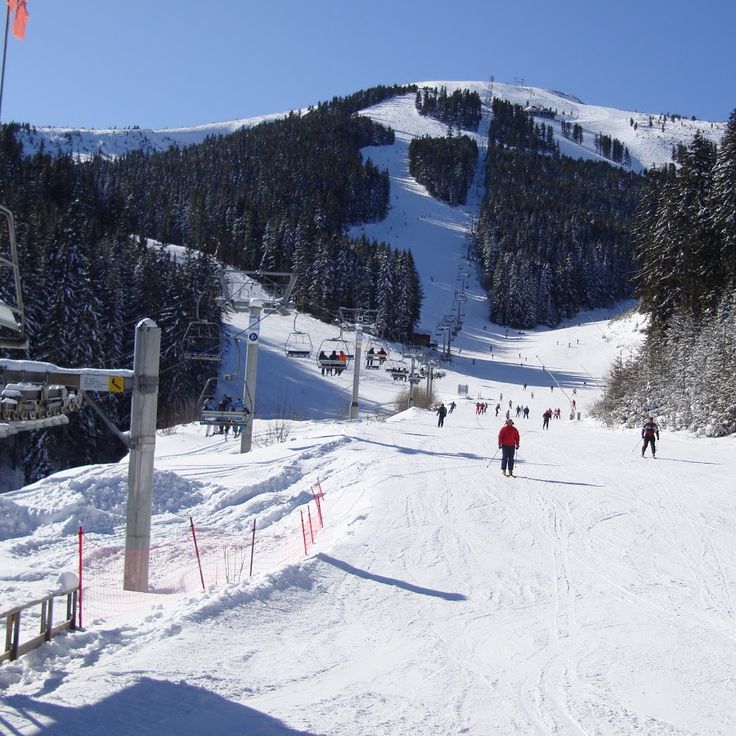
The Bansko ski resort is located in the Pirin Mountains and offers 120 kilometers of ski slopes between 2000 and 2600 meters high, served by 14 lifts. This mountain resort combines traditional Bulgarian architecture with modern winter sports facilities and is part of the historic town of Bansko, which has buildings from the 1800s. The slopes vary in difficulty and are set in a mountain landscape in the Pirin National Park, listed as a UNESCO World Heritage site.
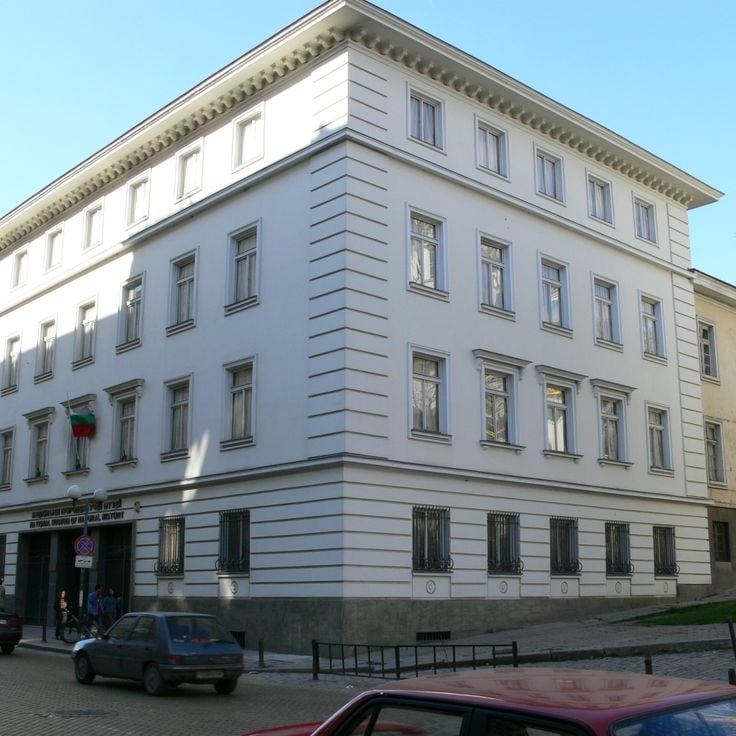
The National History Museum shows the history of Bulgaria from prehistoric times to the 20th century with over 650,000 objects. This institution documents Bulgaria's past under Thracian, Roman, Byzantine, and Ottoman rule, as well as the medieval and modern history. The collection includes archaeological finds, artworks, coins, weapons, and historical documents, giving a full view of Bulgaria's cultural development. This makes the museum one of the most important historical places in southeastern Europe.
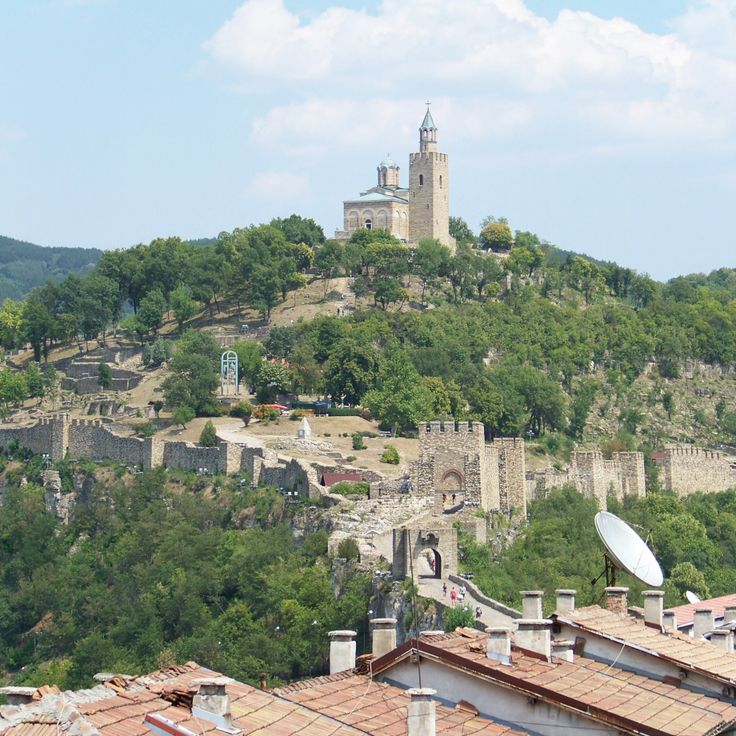
This fortress is a 12th-century fortified complex on a hill in Veliko Tarnovo that served as the seat of Bulgarian tsars. The site included a royal palace, a patriarchal church, and approximately 400 residential structures within its walls. Tsarevets functioned as the political and administrative center of the Second Bulgarian Empire, housing the royal family and the Bulgarian Orthodox Patriarch. The fortress rises on three sides above the Yantra River and was protected by massive stone walls and towers. Visitors today can explore the restored fortifications, the palace ruins, and the reconstructed Patriarchal Church.
This nature park covers 1166 square miles (1166 square kilometers) in southeastern Bulgaria and contains extensive oak and beech forests. The reserve is home to more than 1700 plant species, making it one of the country's most important natural areas. The forests and valleys of Strandja Nature Park provide habitat for numerous animal species and preserve old-growth woodlands. The protected area complements Bulgaria's historical and natural sites with a significant contribution to regional biodiversity conservation and represents the natural vegetation of the southeastern mountain regions.
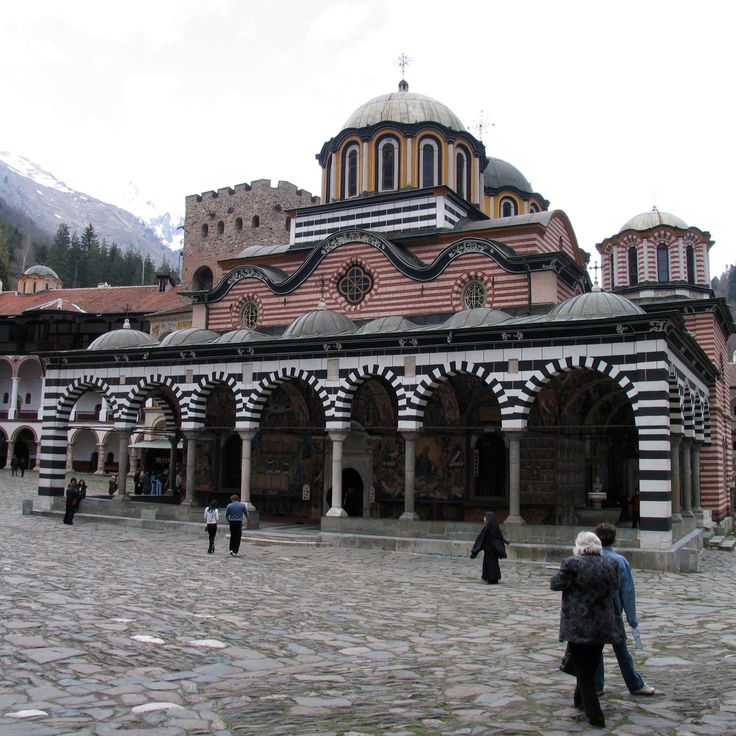
This monastery was founded in the 10th century and developed into an important religious and cultural center in the Rila Mountains. The complex includes a church with five domes decorated with frescoes, as well as Hrelyo's Tower, a 14th-century defensive structure. The site served for centuries as a spiritual center of Bulgarian Orthodox faith and houses significant religious artworks. Rila Monastery is located in a mountain region at approximately 3,760 feet (1,147 meters) above sea level and is surrounded by extensive forests.
The Ancient Site of Kabile preserves the remains of a major Thracian administrative center from the 4th century BC, located near the Toundja River. This archaeological site reveals the foundations of temples, fortifications, and residential areas that provide insights into Thracian civilization. Excavations have uncovered city walls, public buildings, and religious structures that demonstrate the administrative and cultural importance of the location during antiquity.
This 7513-foot (2290-meter) mountain at the edge of Sofia offers hiking trails and ski slopes accessible from the capital by cable car and roads. Mount Vitosha serves as a natural recreation area for Sofia and ranks among Bulgaria's natural sites that complement the country's ancient monuments, Orthodox churches, and historic towns. The mountain landscape includes different elevation zones with alpine vegetation and forests that provide starting points for hikes to peaks and mountain huts.
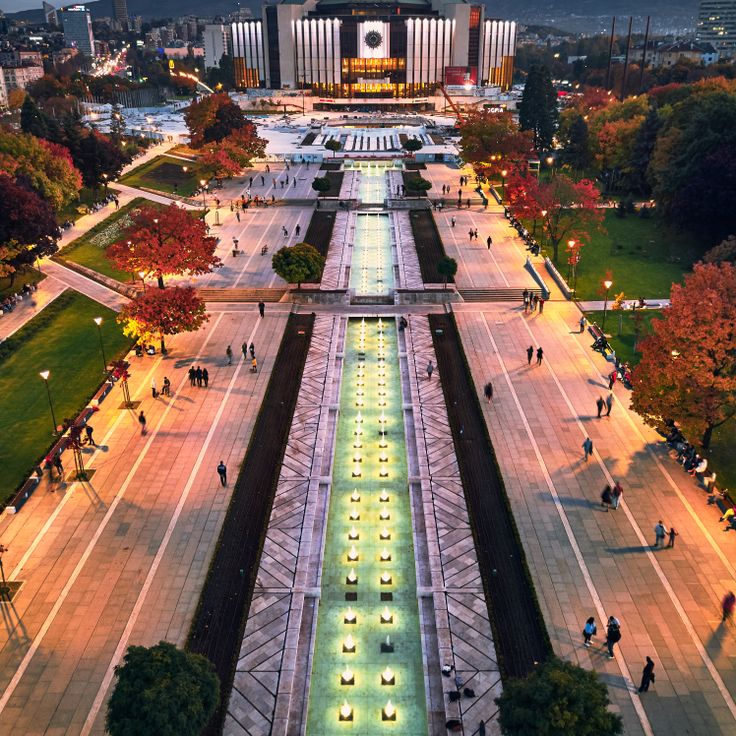
The NDK - National Palace of Culture is a building that was built in 1981. It has concert halls, exhibition spaces, offices, and shops on 123000 square meters. It is one of the main cultural centers of Bulgaria and is close to other historic and natural sites in the country, such as Roman baths, Thracian tombs, Byzantine castles, royal palaces, Orthodox churches, mountain monasteries, and monuments from the communist era. The building provides space for cultural events, conferences, and public gatherings.
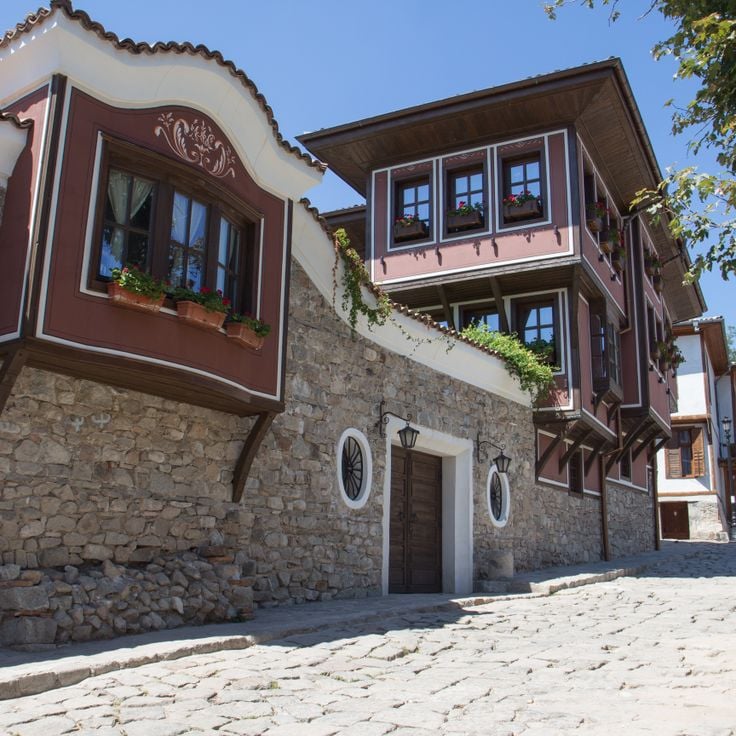
This Old Town spreads across three hills and preserves a rich architectural heritage from various periods. The historical district displays 19th-century merchant houses with colorful facades, cobblestone streets, and Orthodox churches. The Roman ruins include a well-preserved ancient theater, stadium remains, and sections of the city wall. This district contains several museums housed in restored buildings that document the life of merchants and craftsmen during the Bulgarian Revival period. The narrow lanes connect residential buildings, art galleries, and small shops within traditional structures.
This church in Sofia represents a notable example of Neobyzantine architecture from the early 20th century. The building was constructed for the Russian community in the Bulgarian capital and features a characteristic domed structure with gilded onion domes. The interior spaces of the church are decorated with detailed wall frescoes depicting religious scenes and figures of saints. A carved wood iconostasis separates the altar area from the main nave, displaying traditional Orthodox church craftsmanship. The church serves the Russian Orthodox community in Sofia and also houses a crypt level where the tomb of a former archbishop is located.
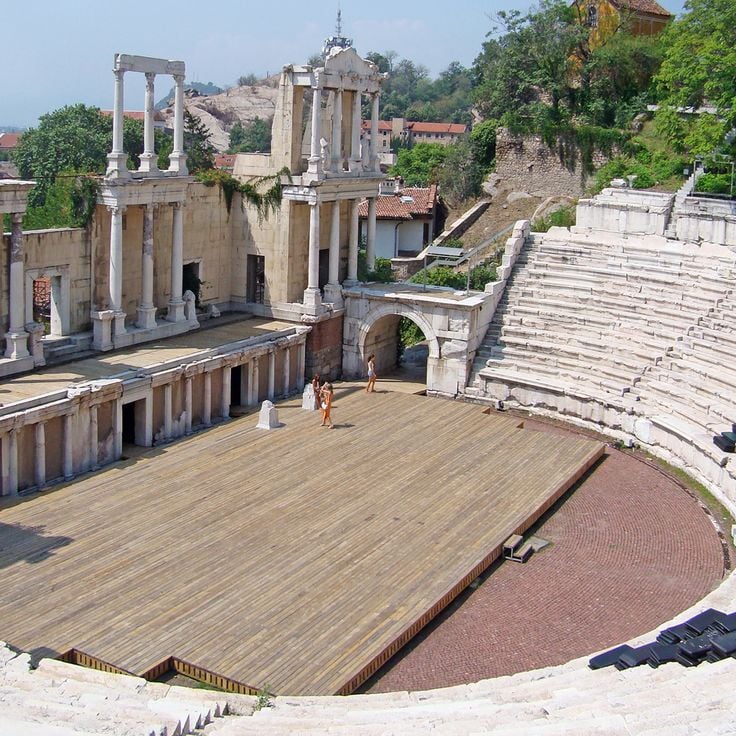
The Roman Amphitheater of Plovdiv was built during the 2nd century under Emperor Trajan and accommodated around 7000 spectators. This structure served as an entertainment venue in the ancient Roman province of Thrace and featured an orchestra, stage, and tiered seating. Uncovered through archaeological excavations in the 1960s and 1970s, the theater was subsequently restored. Today this Roman monument hosts regular theatrical performances, concerts, and festivals, resuming its original function as a gathering place and ranking among Bulgaria's most important ancient sites.
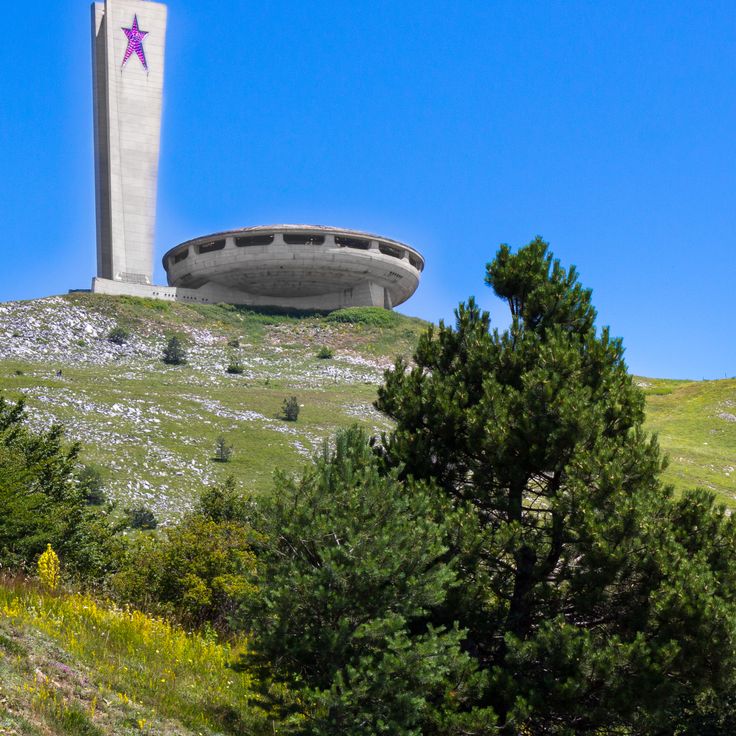
The Buzludzha Monument is a concrete structure built in 1981 on Buzludzha Mountain in Stara Zagora Province. This monument of communist Bulgaria was constructed as an ideological center and consists of a circular building with a large conference hall and an observation tower. The structure is part of the historical collection documenting Bulgaria's heritage from various periods, including Roman, Byzantine, medieval, and communist monuments. The abandoned building stands at an elevation of approximately 4,720 feet (1,440 meters) and represents socialist architecture of the late 20th century.
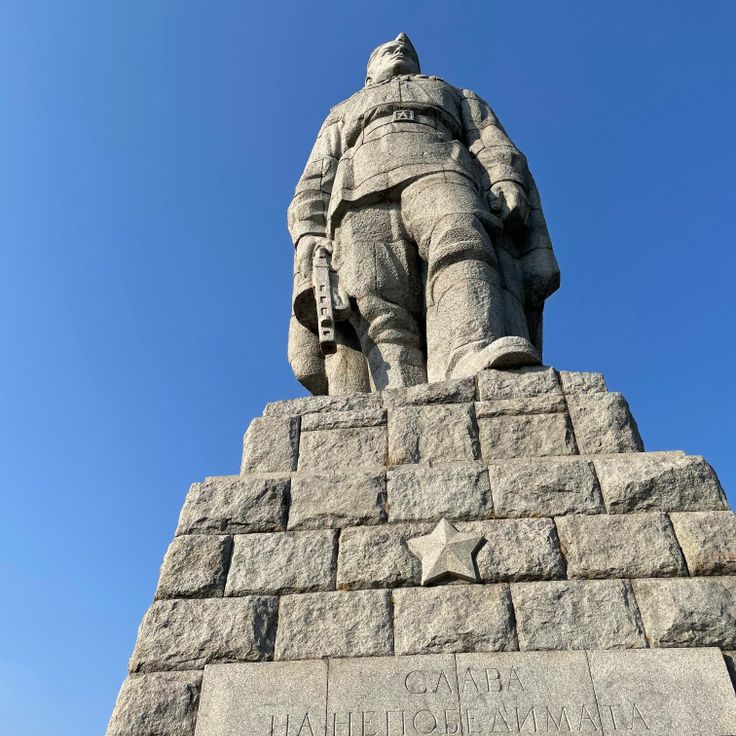
This stone monument was erected in 1954 in central Sofia to commemorate the Soviet role in Bulgaria's liberation during World War II. The Monument to the Soviet Army consists of a central obelisk surrounded by sculptural groups depicting Soviet and Bulgarian soldiers. The statues show various scenes of military cooperation and were created in the monumental art style characteristic of the socialist era. This monument represents one of Bulgaria's historical sites that preserve evidence of the country's communist period.
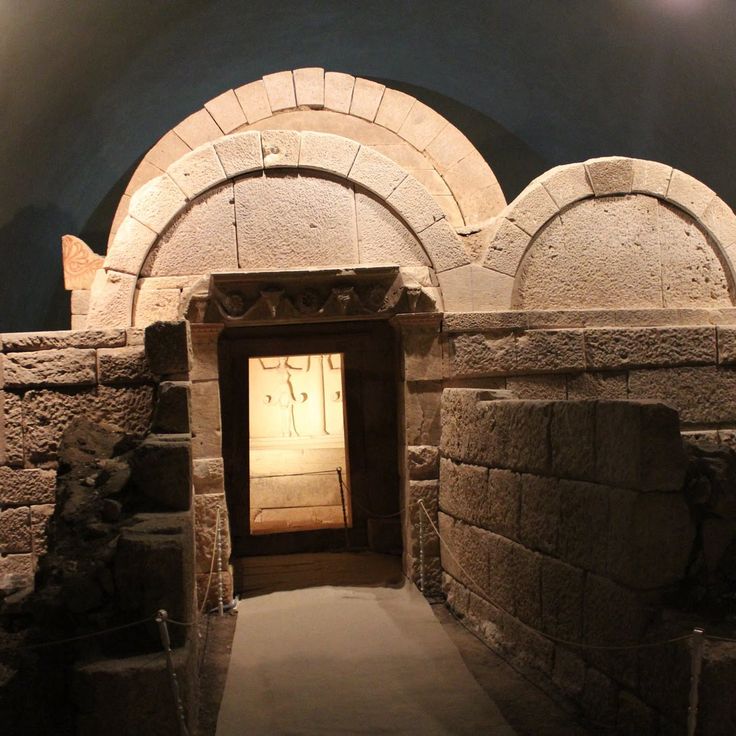
This funerary monument from the 3rd century BC was discovered in 1982 in the Razgrad region and ranks among Bulgaria's most important Thracian sites. The underground chamber features ten female figures with raised arms serving as caryatids that support the vaulted ceiling. The walls display reliefs with geometric and plant patterns along with depictions of horses and warriors. The tomb was built for a Thracian ruler and his wife and belongs to the archaeological complex of the ancient city of Helis. The structure documents the artistic and architectural abilities of the Getae, a Thracian tribe that inhabited this region.
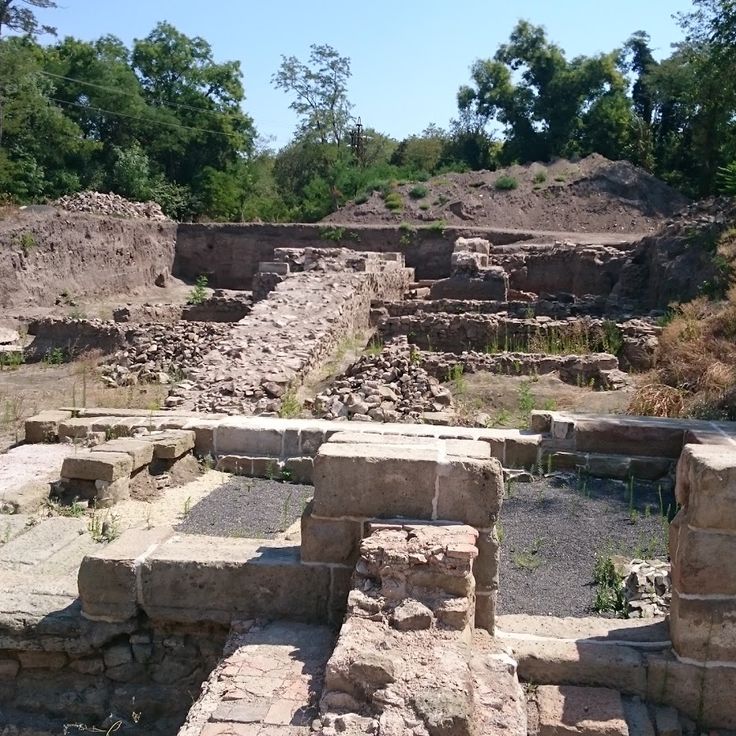
This archaeological site documents the remains of a fortified Roman city from the 2nd century. The excavations reveal public baths, a forum, and administrative buildings that provide insights into urban life during Roman rule in Bulgaria. The site contributes to the historical significance of the region and complements the country's heritage of ancient and medieval structures.
Aqua Calidae Thermal Site is a Roman thermal complex with pools and pipeline systems that was used over centuries by various civilizations. Located near Burgas, the site stands among Bulgaria's important historical landmarks documenting the country's Roman heritage. The thermal springs served therapeutic purposes in antiquity and continued to be used during the Byzantine and Ottoman periods. Today the preserved structures provide insight into Roman bathing culture and engineering techniques.
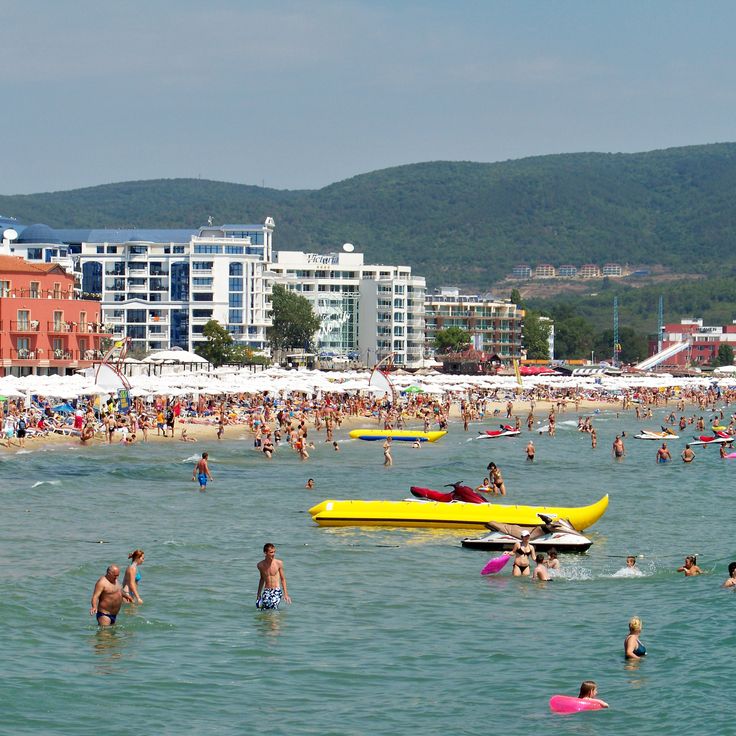
Slantchev Briag Station is a seaside place on the Black Sea that was built in the 1950s. It has grown into one of the biggest tourist spots in Bulgaria. The area has many kilometers of sandy beaches and many hotels built mainly during the socialist period. The station is near the town of Nessebar. It shows how many visitors started coming here during the later part of the twentieth century. The beach runs along the Black Sea coast and leads to hotels, restaurants, and places to enjoy leisure activities.
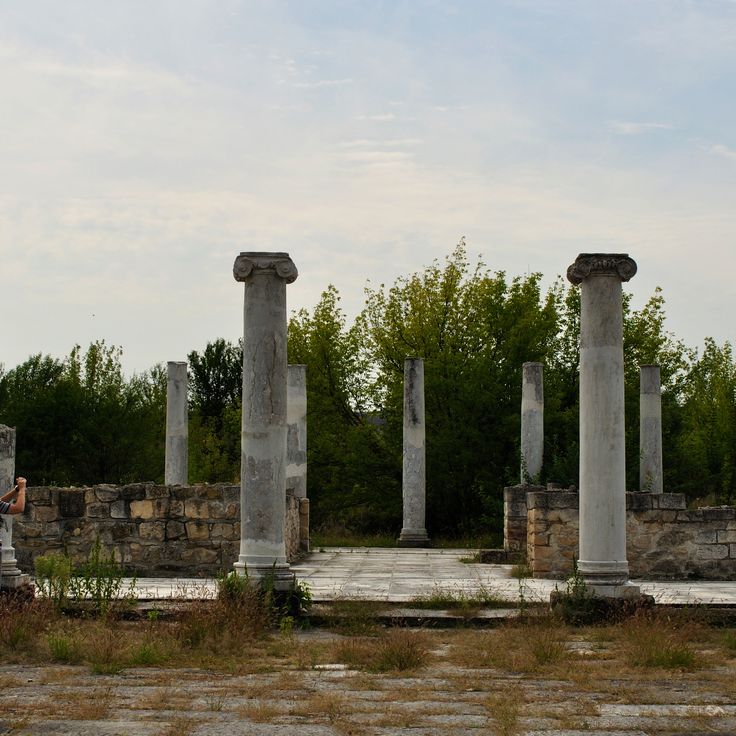
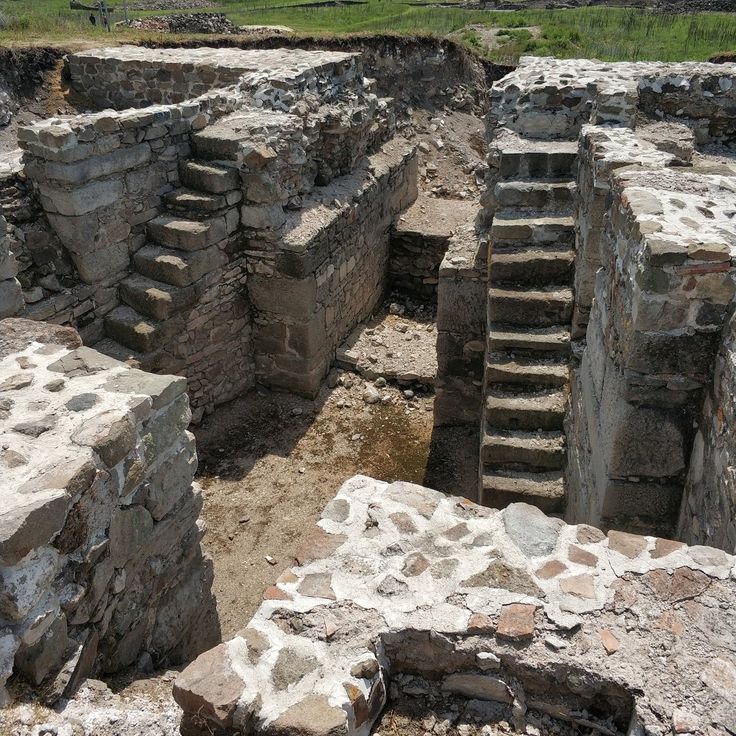
This Roman settlement was established in the 1st century under Emperor Vespasian as a colony for veterans and developed into a significant center in the province of Thrace. The archaeological site includes the remains of public baths, a forum, and fortification walls that provide insights into Roman urban planning and daily life in this region. Excavations have revealed structures that document the military and civic importance of this colony during Roman rule.
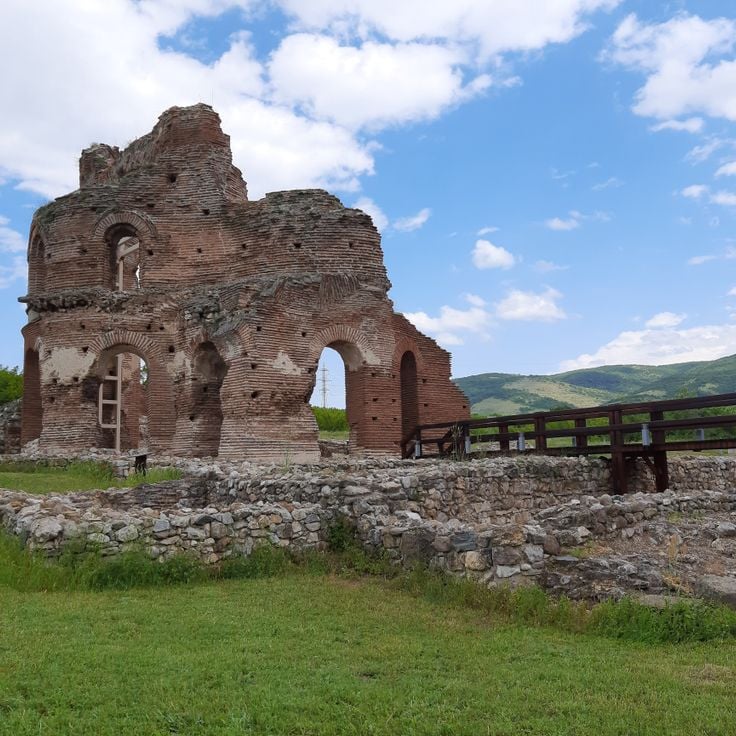
This Early Christian brick basilica in Perushtitsa dates from the Byzantine era and represents an important example of religious architecture in historic Thrace. The church stands among the significant testimonies of early Christianity in Bulgaria, complementing the country's rich heritage of Orthodox churches, Roman structures, and Byzantine fortifications. The basilica documents the spread of Byzantine architectural styles across this region during the first centuries of the Christian era.
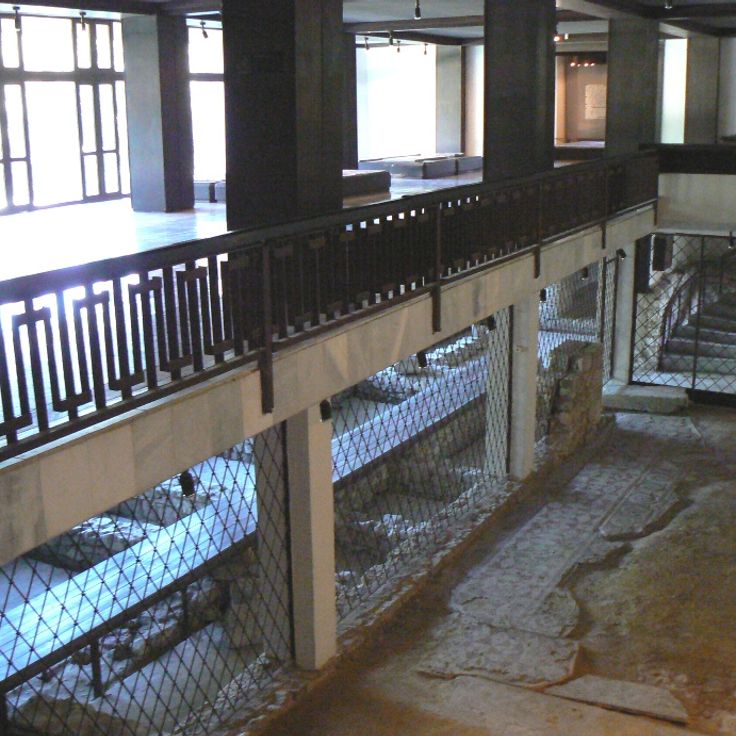
This archaeological museum displays floor mosaics from the third and fourth centuries that were discovered in the Roman town of Marcianopolis. As part of Bulgaria's extensive historical heritage, the museum documents the artistic and cultural achievements of the Roman period in the Devnya region. The mosaics, found in the ruins of Roman buildings, provide insight into daily life, religious practices, and the craftsmanship of Marcianopolis residents during the late imperial era.
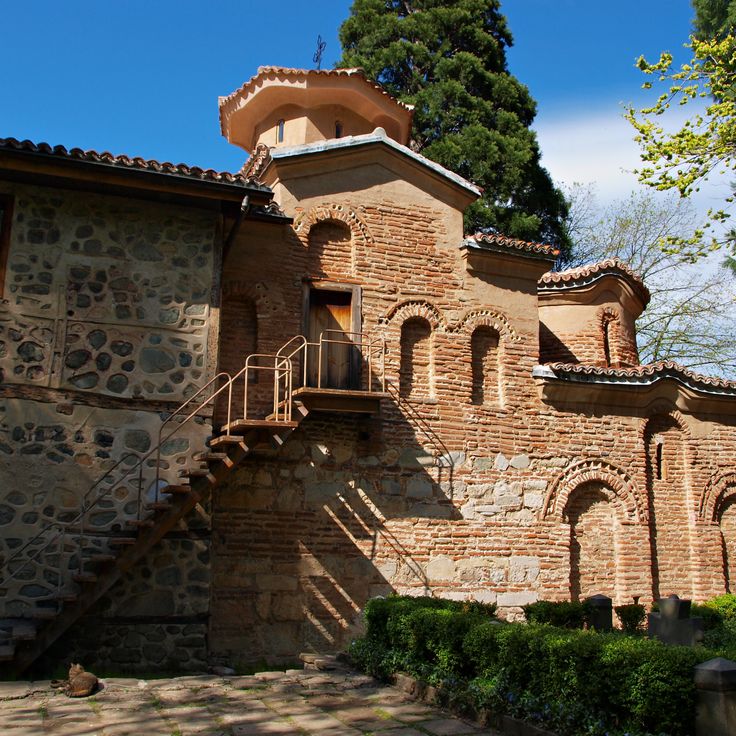
The Boyana Church is an Orthodox religious building dating from the 11th century, comprising three connected structures. The 13th-century murals depict 89 biblical scenes with 240 figures and represent some of the most important medieval frescoes in Bulgaria. This church combines architectural elements from different periods and documents the development of Bulgarian sacred art from the medieval era through the Ottoman period.
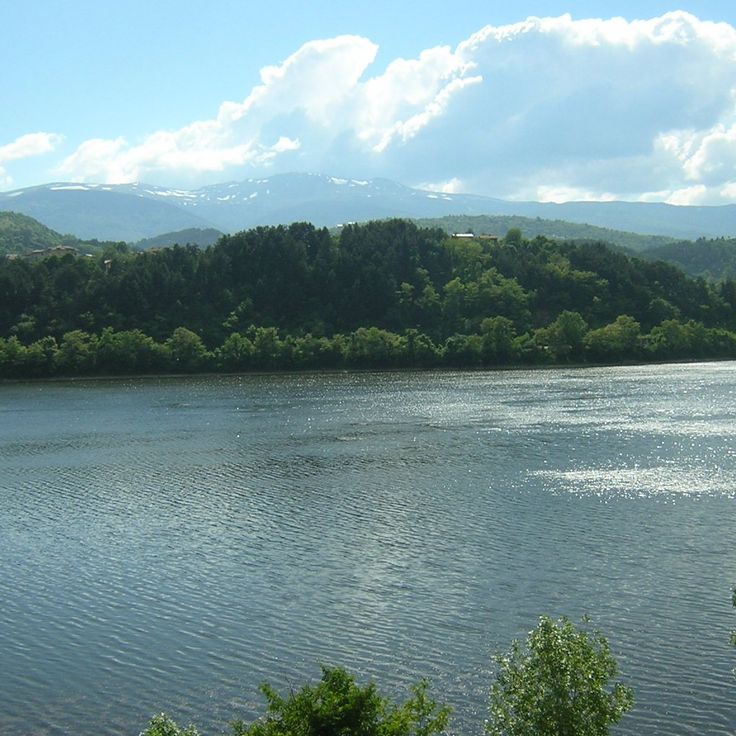
Pancharevo Lake is a 6.9-square-mile (11 square kilometers) reservoir created in 1956 on the Iskar River and is one of the natural recreation areas surrounding Sofia. This reservoir serves as a water sports area for boating and as a fishing location. The lake lies in the southern part of the Bulgarian capital and is one of the accessible water reservoirs in the region, used both for water supply and recreational activities.
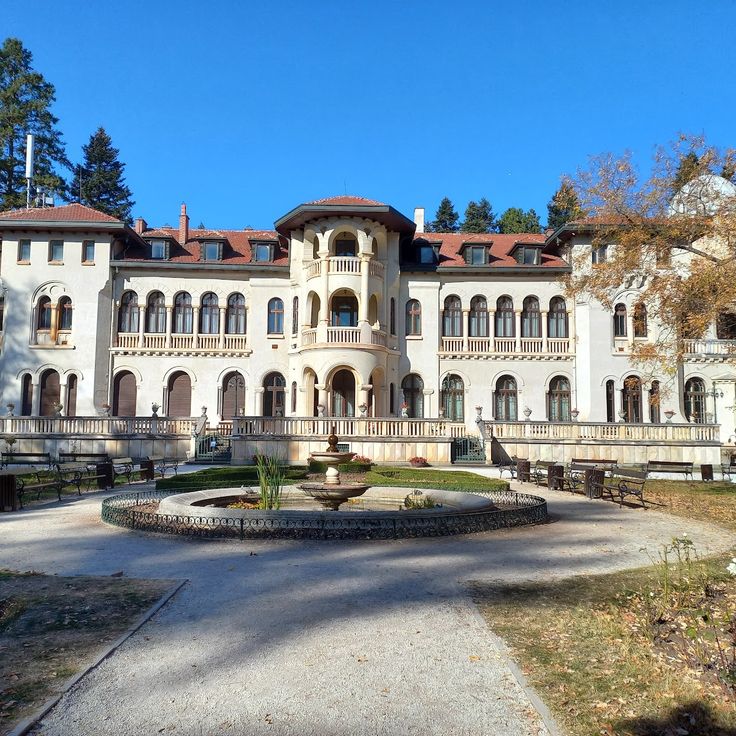
Vrana Palace is the former residence of the Bulgarian royal family, constructed in 1904 in Sofia. The architectural complex includes several buildings in neo-baroque and classical styles. The palace was commissioned by Tsar Ferdinand I and served as the royal summer residence until 1946. The surrounding park extends over 970 acres (393 hectares) and contains rare plant collections from various continents, along with gardens designed in French style. This historical site documents the period of the Bulgarian monarchy and displays the lifestyle of the royal family before the communist era.
Burgas Lake is a 10-square-mile (27-square-kilometer) saline water body located in the eastern part of Bulgaria, situated south of the city of Burgas. This lake serves as an important stopover for numerous migratory bird species, including flamingos and pelicans, which find food and shelter here during their seasonal movements. The shallow waters form, together with adjacent wetlands, a significant ornithological area along Bulgaria's Black Sea coast.
The Roman Baths of Varna are an ancient thermal complex dating from the 2nd century, ranking among the largest Roman bath facilities on the Balkan Peninsula. This historic site displays walls measuring 2 feet thick (6.6 feet) and preserves remains of mosaics, columns, and a sophisticated ancient heating system. The complex included various chambers, among them cold, warm, and hot water baths that demonstrate advanced Roman engineering. These baths served not only for hygiene but also as a social center in ancient Odessos, present-day Varna.
The ancient town of Sozopol occupies a peninsula on the Bulgarian Black Sea coast and was established in the 7th century BC as the Greek colony of Apollonia. This historic settlement preserves wooden houses from the 1800s, remnants of Greek defensive walls, and Byzantine religious buildings. The narrow cobblestone streets wind through a quarter displaying traditional Black Sea architecture, where residential structures were built on stone foundations. This coastal town combines archaeological remains from antiquity with preserved architecture from the Bulgarian National Revival period, demonstrating continuous habitation spanning more than 2,600 years.
This museum preserves paintings, sculptures, and posters from Bulgaria's communist era between 1944 and 1989. The Museum of Socialist Art documents the artistic production during the country's socialist period and displays works that reflect the official state ideology of that time. The collection includes monumental sculptures of former party leaders, propaganda posters, and paintings in the socialist realism style. This institution contributes to understanding Bulgaria's recent history and complements the nation's cultural heritage, which ranges from ancient Roman sites to medieval monasteries.
This old town on the Bulgarian Black Sea coast sits on a rocky peninsula and shows more than 2400 years of continuous use. Nessebar was founded in the 4th century BC as a Greek colony and became an important religious center under Byzantine rule. The Byzantine churches from the 5th to 14th centuries show this period, including the old metropolitan church and St. Stephen's church with its murals. More than 40 medieval church buildings are noted. The wooden houses from the 19th century display typical architecture of the Bulgarian Black Sea region, with bay windows and carved facades. Fortifications surround the old town, connected to the mainland by a narrow street.
This monastery is a 12th-century monastic complex carved into a 130-foot (40-meter) high limestone cliff and forms part of Bulgaria's medieval religious heritage. Aladzha Monastery includes cells, a chapel, and a crypt decorated with frescoes. The rock-hewn chambers served as living quarters and prayer spaces for Orthodox monks. Located in a forested area near the Black Sea coast, the monastery represents the Byzantine tradition of cave monasticism. The complex features two levels connected by rock-cut staircases.
The Balchik Palace is a summer residence built between 1926 and 1937 for Queen Marie of Romania, combining Bulgarian and Oriental architectural elements. The complex includes several buildings, a chapel, a throne room, and terraces descending toward the Black Sea. This palace stands within botanical gardens that contain over 3000 plant species, including a notable collection of cacti and Mediterranean flora. The site represents one of the significant attractions along the Bulgarian Black Sea coast, merging architectural heritage with natural diversity.
This underground Roman funerary monument in Pomorie dates to the 2nd century and features a circular structure with a central column and wall niches for cinerary urns. The tomb is one of the few preserved Roman domed burial chambers on the Balkan Peninsula and demonstrates the burial practices of wealthy Roman families along the Thracian Black Sea coast. The domed construction of this tomb reaches a height of about 18 feet (5.5 meters) and a diameter of 38 feet (11.6 meters). This historic site contributes to Bulgaria's collection of Roman-era structures, which includes ancient baths and Thracian tombs.
This Orthodox cathedral was built between 1904 and 1912 and stands as one of the most important religious buildings in Bulgaria. The Alexander Nevsky Cathedral features five naves and can accommodate 5000 worshippers beneath its golden domes. The building serves as the cathedral church of the Bulgarian Orthodox Church and was constructed in memory of the Russian soldiers who died in the Russo-Turkish War. The cathedral houses a collection of Orthodox icons and frescoes. Its interior is decorated with Italian marble, Brazilian onyx, and alabaster, while the domes are covered with gilded copper.
Vitosha Boulevard is a 2-kilometer pedestrian zone in the center of Sofia that connects the Bulgarian capital with views of Mount Vitosha. This shopping street is part of Bulgaria's historical and natural sites and features stores, restaurants, and cafes in buildings from various periods, including structures from the communist era. The boulevard runs from the Southern Park to the Central Market Hall and serves as an important part of urban life in Sofia, where residents and visitors gather for shopping and leisure activities.
This medieval fortress near Svilengrad, close to the Turkish border, has thick stone walls that are three meters (about ten feet) wide and includes nine defensive towers. The site dates back to the eleventh century and was an important defensive position in the region of Thrace. The preserved fortifications show the style of Byzantine military buildings and later Bulgarian expansions. The fortress of Mezek is one of the notable historical places in Bulgaria and adds to the collection of old and medieval structures in the country.
The Bansko ski resort is located in the Pirin Mountains and offers 120 kilometers of ski slopes between 2000 and 2600 meters high, served by 14 lifts. This mountain resort combines traditional Bulgarian architecture with modern winter sports facilities and is part of the historic town of Bansko, which has buildings from the 1800s. The slopes vary in difficulty and are set in a mountain landscape in the Pirin National Park, listed as a UNESCO World Heritage site.
The National History Museum shows the history of Bulgaria from prehistoric times to the 20th century with over 650,000 objects. This institution documents Bulgaria's past under Thracian, Roman, Byzantine, and Ottoman rule, as well as the medieval and modern history. The collection includes archaeological finds, artworks, coins, weapons, and historical documents, giving a full view of Bulgaria's cultural development. This makes the museum one of the most important historical places in southeastern Europe.
This fortress is a 12th-century fortified complex on a hill in Veliko Tarnovo that served as the seat of Bulgarian tsars. The site included a royal palace, a patriarchal church, and approximately 400 residential structures within its walls. Tsarevets functioned as the political and administrative center of the Second Bulgarian Empire, housing the royal family and the Bulgarian Orthodox Patriarch. The fortress rises on three sides above the Yantra River and was protected by massive stone walls and towers. Visitors today can explore the restored fortifications, the palace ruins, and the reconstructed Patriarchal Church.
This nature park covers 1166 square miles (1166 square kilometers) in southeastern Bulgaria and contains extensive oak and beech forests. The reserve is home to more than 1700 plant species, making it one of the country's most important natural areas. The forests and valleys of Strandja Nature Park provide habitat for numerous animal species and preserve old-growth woodlands. The protected area complements Bulgaria's historical and natural sites with a significant contribution to regional biodiversity conservation and represents the natural vegetation of the southeastern mountain regions.
This monastery was founded in the 10th century and developed into an important religious and cultural center in the Rila Mountains. The complex includes a church with five domes decorated with frescoes, as well as Hrelyo's Tower, a 14th-century defensive structure. The site served for centuries as a spiritual center of Bulgarian Orthodox faith and houses significant religious artworks. Rila Monastery is located in a mountain region at approximately 3,760 feet (1,147 meters) above sea level and is surrounded by extensive forests.
The Ancient Site of Kabile preserves the remains of a major Thracian administrative center from the 4th century BC, located near the Toundja River. This archaeological site reveals the foundations of temples, fortifications, and residential areas that provide insights into Thracian civilization. Excavations have uncovered city walls, public buildings, and religious structures that demonstrate the administrative and cultural importance of the location during antiquity.
This 7513-foot (2290-meter) mountain at the edge of Sofia offers hiking trails and ski slopes accessible from the capital by cable car and roads. Mount Vitosha serves as a natural recreation area for Sofia and ranks among Bulgaria's natural sites that complement the country's ancient monuments, Orthodox churches, and historic towns. The mountain landscape includes different elevation zones with alpine vegetation and forests that provide starting points for hikes to peaks and mountain huts.
The NDK - National Palace of Culture is a building that was built in 1981. It has concert halls, exhibition spaces, offices, and shops on 123000 square meters. It is one of the main cultural centers of Bulgaria and is close to other historic and natural sites in the country, such as Roman baths, Thracian tombs, Byzantine castles, royal palaces, Orthodox churches, mountain monasteries, and monuments from the communist era. The building provides space for cultural events, conferences, and public gatherings.
This Old Town spreads across three hills and preserves a rich architectural heritage from various periods. The historical district displays 19th-century merchant houses with colorful facades, cobblestone streets, and Orthodox churches. The Roman ruins include a well-preserved ancient theater, stadium remains, and sections of the city wall. This district contains several museums housed in restored buildings that document the life of merchants and craftsmen during the Bulgarian Revival period. The narrow lanes connect residential buildings, art galleries, and small shops within traditional structures.
This church in Sofia represents a notable example of Neobyzantine architecture from the early 20th century. The building was constructed for the Russian community in the Bulgarian capital and features a characteristic domed structure with gilded onion domes. The interior spaces of the church are decorated with detailed wall frescoes depicting religious scenes and figures of saints. A carved wood iconostasis separates the altar area from the main nave, displaying traditional Orthodox church craftsmanship. The church serves the Russian Orthodox community in Sofia and also houses a crypt level where the tomb of a former archbishop is located.
The Roman Amphitheater of Plovdiv was built during the 2nd century under Emperor Trajan and accommodated around 7000 spectators. This structure served as an entertainment venue in the ancient Roman province of Thrace and featured an orchestra, stage, and tiered seating. Uncovered through archaeological excavations in the 1960s and 1970s, the theater was subsequently restored. Today this Roman monument hosts regular theatrical performances, concerts, and festivals, resuming its original function as a gathering place and ranking among Bulgaria's most important ancient sites.
The Buzludzha Monument is a concrete structure built in 1981 on Buzludzha Mountain in Stara Zagora Province. This monument of communist Bulgaria was constructed as an ideological center and consists of a circular building with a large conference hall and an observation tower. The structure is part of the historical collection documenting Bulgaria's heritage from various periods, including Roman, Byzantine, medieval, and communist monuments. The abandoned building stands at an elevation of approximately 4,720 feet (1,440 meters) and represents socialist architecture of the late 20th century.
This stone monument was erected in 1954 in central Sofia to commemorate the Soviet role in Bulgaria's liberation during World War II. The Monument to the Soviet Army consists of a central obelisk surrounded by sculptural groups depicting Soviet and Bulgarian soldiers. The statues show various scenes of military cooperation and were created in the monumental art style characteristic of the socialist era. This monument represents one of Bulgaria's historical sites that preserve evidence of the country's communist period.
This funerary monument from the 3rd century BC was discovered in 1982 in the Razgrad region and ranks among Bulgaria's most important Thracian sites. The underground chamber features ten female figures with raised arms serving as caryatids that support the vaulted ceiling. The walls display reliefs with geometric and plant patterns along with depictions of horses and warriors. The tomb was built for a Thracian ruler and his wife and belongs to the archaeological complex of the ancient city of Helis. The structure documents the artistic and architectural abilities of the Getae, a Thracian tribe that inhabited this region.
This archaeological site documents the remains of a fortified Roman city from the 2nd century. The excavations reveal public baths, a forum, and administrative buildings that provide insights into urban life during Roman rule in Bulgaria. The site contributes to the historical significance of the region and complements the country's heritage of ancient and medieval structures.
Aqua Calidae Thermal Site is a Roman thermal complex with pools and pipeline systems that was used over centuries by various civilizations. Located near Burgas, the site stands among Bulgaria's important historical landmarks documenting the country's Roman heritage. The thermal springs served therapeutic purposes in antiquity and continued to be used during the Byzantine and Ottoman periods. Today the preserved structures provide insight into Roman bathing culture and engineering techniques.
Slantchev Briag Station is a seaside place on the Black Sea that was built in the 1950s. It has grown into one of the biggest tourist spots in Bulgaria. The area has many kilometers of sandy beaches and many hotels built mainly during the socialist period. The station is near the town of Nessebar. It shows how many visitors started coming here during the later part of the twentieth century. The beach runs along the Black Sea coast and leads to hotels, restaurants, and places to enjoy leisure activities.
This Roman settlement was established in the 1st century under Emperor Vespasian as a colony for veterans and developed into a significant center in the province of Thrace. The archaeological site includes the remains of public baths, a forum, and fortification walls that provide insights into Roman urban planning and daily life in this region. Excavations have revealed structures that document the military and civic importance of this colony during Roman rule.
This Early Christian brick basilica in Perushtitsa dates from the Byzantine era and represents an important example of religious architecture in historic Thrace. The church stands among the significant testimonies of early Christianity in Bulgaria, complementing the country's rich heritage of Orthodox churches, Roman structures, and Byzantine fortifications. The basilica documents the spread of Byzantine architectural styles across this region during the first centuries of the Christian era.
This archaeological museum displays floor mosaics from the third and fourth centuries that were discovered in the Roman town of Marcianopolis. As part of Bulgaria's extensive historical heritage, the museum documents the artistic and cultural achievements of the Roman period in the Devnya region. The mosaics, found in the ruins of Roman buildings, provide insight into daily life, religious practices, and the craftsmanship of Marcianopolis residents during the late imperial era.
The Boyana Church is an Orthodox religious building dating from the 11th century, comprising three connected structures. The 13th-century murals depict 89 biblical scenes with 240 figures and represent some of the most important medieval frescoes in Bulgaria. This church combines architectural elements from different periods and documents the development of Bulgarian sacred art from the medieval era through the Ottoman period.
Pancharevo Lake is a 6.9-square-mile (11 square kilometers) reservoir created in 1956 on the Iskar River and is one of the natural recreation areas surrounding Sofia. This reservoir serves as a water sports area for boating and as a fishing location. The lake lies in the southern part of the Bulgarian capital and is one of the accessible water reservoirs in the region, used both for water supply and recreational activities.
Vrana Palace is the former residence of the Bulgarian royal family, constructed in 1904 in Sofia. The architectural complex includes several buildings in neo-baroque and classical styles. The palace was commissioned by Tsar Ferdinand I and served as the royal summer residence until 1946. The surrounding park extends over 970 acres (393 hectares) and contains rare plant collections from various continents, along with gardens designed in French style. This historical site documents the period of the Bulgarian monarchy and displays the lifestyle of the royal family before the communist era.
Burgas Lake is a 10-square-mile (27-square-kilometer) saline water body located in the eastern part of Bulgaria, situated south of the city of Burgas. This lake serves as an important stopover for numerous migratory bird species, including flamingos and pelicans, which find food and shelter here during their seasonal movements. The shallow waters form, together with adjacent wetlands, a significant ornithological area along Bulgaria's Black Sea coast.
The Roman Baths of Varna are an ancient thermal complex dating from the 2nd century, ranking among the largest Roman bath facilities on the Balkan Peninsula. This historic site displays walls measuring 2 feet thick (6.6 feet) and preserves remains of mosaics, columns, and a sophisticated ancient heating system. The complex included various chambers, among them cold, warm, and hot water baths that demonstrate advanced Roman engineering. These baths served not only for hygiene but also as a social center in ancient Odessos, present-day Varna.
The ancient town of Sozopol occupies a peninsula on the Bulgarian Black Sea coast and was established in the 7th century BC as the Greek colony of Apollonia. This historic settlement preserves wooden houses from the 1800s, remnants of Greek defensive walls, and Byzantine religious buildings. The narrow cobblestone streets wind through a quarter displaying traditional Black Sea architecture, where residential structures were built on stone foundations. This coastal town combines archaeological remains from antiquity with preserved architecture from the Bulgarian National Revival period, demonstrating continuous habitation spanning more than 2,600 years.
This museum preserves paintings, sculptures, and posters from Bulgaria's communist era between 1944 and 1989. The Museum of Socialist Art documents the artistic production during the country's socialist period and displays works that reflect the official state ideology of that time. The collection includes monumental sculptures of former party leaders, propaganda posters, and paintings in the socialist realism style. This institution contributes to understanding Bulgaria's recent history and complements the nation's cultural heritage, which ranges from ancient Roman sites to medieval monasteries.
This old town on the Bulgarian Black Sea coast sits on a rocky peninsula and shows more than 2400 years of continuous use. Nessebar was founded in the 4th century BC as a Greek colony and became an important religious center under Byzantine rule. The Byzantine churches from the 5th to 14th centuries show this period, including the old metropolitan church and St. Stephen's church with its murals. More than 40 medieval church buildings are noted. The wooden houses from the 19th century display typical architecture of the Bulgarian Black Sea region, with bay windows and carved facades. Fortifications surround the old town, connected to the mainland by a narrow street.
This monastery is a 12th-century monastic complex carved into a 130-foot (40-meter) high limestone cliff and forms part of Bulgaria's medieval religious heritage. Aladzha Monastery includes cells, a chapel, and a crypt decorated with frescoes. The rock-hewn chambers served as living quarters and prayer spaces for Orthodox monks. Located in a forested area near the Black Sea coast, the monastery represents the Byzantine tradition of cave monasticism. The complex features two levels connected by rock-cut staircases.
The Balchik Palace is a summer residence built between 1926 and 1937 for Queen Marie of Romania, combining Bulgarian and Oriental architectural elements. The complex includes several buildings, a chapel, a throne room, and terraces descending toward the Black Sea. This palace stands within botanical gardens that contain over 3000 plant species, including a notable collection of cacti and Mediterranean flora. The site represents one of the significant attractions along the Bulgarian Black Sea coast, merging architectural heritage with natural diversity.
This underground Roman funerary monument in Pomorie dates to the 2nd century and features a circular structure with a central column and wall niches for cinerary urns. The tomb is one of the few preserved Roman domed burial chambers on the Balkan Peninsula and demonstrates the burial practices of wealthy Roman families along the Thracian Black Sea coast. The domed construction of this tomb reaches a height of about 18 feet (5.5 meters) and a diameter of 38 feet (11.6 meters). This historic site contributes to Bulgaria's collection of Roman-era structures, which includes ancient baths and Thracian tombs.
This Orthodox cathedral was built between 1904 and 1912 and stands as one of the most important religious buildings in Bulgaria. The Alexander Nevsky Cathedral features five naves and can accommodate 5000 worshippers beneath its golden domes. The building serves as the cathedral church of the Bulgarian Orthodox Church and was constructed in memory of the Russian soldiers who died in the Russo-Turkish War. The cathedral houses a collection of Orthodox icons and frescoes. Its interior is decorated with Italian marble, Brazilian onyx, and alabaster, while the domes are covered with gilded copper.
Vitosha Boulevard is a 2-kilometer pedestrian zone in the center of Sofia that connects the Bulgarian capital with views of Mount Vitosha. This shopping street is part of Bulgaria's historical and natural sites and features stores, restaurants, and cafes in buildings from various periods, including structures from the communist era. The boulevard runs from the Southern Park to the Central Market Hall and serves as an important part of urban life in Sofia, where residents and visitors gather for shopping and leisure activities.
This medieval fortress near Svilengrad, close to the Turkish border, has thick stone walls that are three meters (about ten feet) wide and includes nine defensive towers. The site dates back to the eleventh century and was an important defensive position in the region of Thrace. The preserved fortifications show the style of Byzantine military buildings and later Bulgarian expansions. The fortress of Mezek is one of the notable historical places in Bulgaria and adds to the collection of old and medieval structures in the country.
The Bansko ski resort is located in the Pirin Mountains and offers 120 kilometers of ski slopes between 2000 and 2600 meters high, served by 14 lifts. This mountain resort combines traditional Bulgarian architecture with modern winter sports facilities and is part of the historic town of Bansko, which has buildings from the 1800s. The slopes vary in difficulty and are set in a mountain landscape in the Pirin National Park, listed as a UNESCO World Heritage site.
The National History Museum shows the history of Bulgaria from prehistoric times to the 20th century with over 650,000 objects. This institution documents Bulgaria's past under Thracian, Roman, Byzantine, and Ottoman rule, as well as the medieval and modern history. The collection includes archaeological finds, artworks, coins, weapons, and historical documents, giving a full view of Bulgaria's cultural development. This makes the museum one of the most important historical places in southeastern Europe.
This fortress is a 12th-century fortified complex on a hill in Veliko Tarnovo that served as the seat of Bulgarian tsars. The site included a royal palace, a patriarchal church, and approximately 400 residential structures within its walls. Tsarevets functioned as the political and administrative center of the Second Bulgarian Empire, housing the royal family and the Bulgarian Orthodox Patriarch. The fortress rises on three sides above the Yantra River and was protected by massive stone walls and towers. Visitors today can explore the restored fortifications, the palace ruins, and the reconstructed Patriarchal Church.
This nature park covers 1166 square miles (1166 square kilometers) in southeastern Bulgaria and contains extensive oak and beech forests. The reserve is home to more than 1700 plant species, making it one of the country's most important natural areas. The forests and valleys of Strandja Nature Park provide habitat for numerous animal species and preserve old-growth woodlands. The protected area complements Bulgaria's historical and natural sites with a significant contribution to regional biodiversity conservation and represents the natural vegetation of the southeastern mountain regions.
This monastery was founded in the 10th century and developed into an important religious and cultural center in the Rila Mountains. The complex includes a church with five domes decorated with frescoes, as well as Hrelyo's Tower, a 14th-century defensive structure. The site served for centuries as a spiritual center of Bulgarian Orthodox faith and houses significant religious artworks. Rila Monastery is located in a mountain region at approximately 3,760 feet (1,147 meters) above sea level and is surrounded by extensive forests.
The Ancient Site of Kabile preserves the remains of a major Thracian administrative center from the 4th century BC, located near the Toundja River. This archaeological site reveals the foundations of temples, fortifications, and residential areas that provide insights into Thracian civilization. Excavations have uncovered city walls, public buildings, and religious structures that demonstrate the administrative and cultural importance of the location during antiquity.
This 7513-foot (2290-meter) mountain at the edge of Sofia offers hiking trails and ski slopes accessible from the capital by cable car and roads. Mount Vitosha serves as a natural recreation area for Sofia and ranks among Bulgaria's natural sites that complement the country's ancient monuments, Orthodox churches, and historic towns. The mountain landscape includes different elevation zones with alpine vegetation and forests that provide starting points for hikes to peaks and mountain huts.
The NDK - National Palace of Culture is a building that was built in 1981. It has concert halls, exhibition spaces, offices, and shops on 123000 square meters. It is one of the main cultural centers of Bulgaria and is close to other historic and natural sites in the country, such as Roman baths, Thracian tombs, Byzantine castles, royal palaces, Orthodox churches, mountain monasteries, and monuments from the communist era. The building provides space for cultural events, conferences, and public gatherings.
This Old Town spreads across three hills and preserves a rich architectural heritage from various periods. The historical district displays 19th-century merchant houses with colorful facades, cobblestone streets, and Orthodox churches. The Roman ruins include a well-preserved ancient theater, stadium remains, and sections of the city wall. This district contains several museums housed in restored buildings that document the life of merchants and craftsmen during the Bulgarian Revival period. The narrow lanes connect residential buildings, art galleries, and small shops within traditional structures.
This church in Sofia represents a notable example of Neobyzantine architecture from the early 20th century. The building was constructed for the Russian community in the Bulgarian capital and features a characteristic domed structure with gilded onion domes. The interior spaces of the church are decorated with detailed wall frescoes depicting religious scenes and figures of saints. A carved wood iconostasis separates the altar area from the main nave, displaying traditional Orthodox church craftsmanship. The church serves the Russian Orthodox community in Sofia and also houses a crypt level where the tomb of a former archbishop is located.
The Roman Amphitheater of Plovdiv was built during the 2nd century under Emperor Trajan and accommodated around 7000 spectators. This structure served as an entertainment venue in the ancient Roman province of Thrace and featured an orchestra, stage, and tiered seating. Uncovered through archaeological excavations in the 1960s and 1970s, the theater was subsequently restored. Today this Roman monument hosts regular theatrical performances, concerts, and festivals, resuming its original function as a gathering place and ranking among Bulgaria's most important ancient sites.
The Buzludzha Monument is a concrete structure built in 1981 on Buzludzha Mountain in Stara Zagora Province. This monument of communist Bulgaria was constructed as an ideological center and consists of a circular building with a large conference hall and an observation tower. The structure is part of the historical collection documenting Bulgaria's heritage from various periods, including Roman, Byzantine, medieval, and communist monuments. The abandoned building stands at an elevation of approximately 4,720 feet (1,440 meters) and represents socialist architecture of the late 20th century.
This stone monument was erected in 1954 in central Sofia to commemorate the Soviet role in Bulgaria's liberation during World War II. The Monument to the Soviet Army consists of a central obelisk surrounded by sculptural groups depicting Soviet and Bulgarian soldiers. The statues show various scenes of military cooperation and were created in the monumental art style characteristic of the socialist era. This monument represents one of Bulgaria's historical sites that preserve evidence of the country's communist period.
This funerary monument from the 3rd century BC was discovered in 1982 in the Razgrad region and ranks among Bulgaria's most important Thracian sites. The underground chamber features ten female figures with raised arms serving as caryatids that support the vaulted ceiling. The walls display reliefs with geometric and plant patterns along with depictions of horses and warriors. The tomb was built for a Thracian ruler and his wife and belongs to the archaeological complex of the ancient city of Helis. The structure documents the artistic and architectural abilities of the Getae, a Thracian tribe that inhabited this region.
This archaeological site documents the remains of a fortified Roman city from the 2nd century. The excavations reveal public baths, a forum, and administrative buildings that provide insights into urban life during Roman rule in Bulgaria. The site contributes to the historical significance of the region and complements the country's heritage of ancient and medieval structures.
Aqua Calidae Thermal Site is a Roman thermal complex with pools and pipeline systems that was used over centuries by various civilizations. Located near Burgas, the site stands among Bulgaria's important historical landmarks documenting the country's Roman heritage. The thermal springs served therapeutic purposes in antiquity and continued to be used during the Byzantine and Ottoman periods. Today the preserved structures provide insight into Roman bathing culture and engineering techniques.
Slantchev Briag Station is a seaside place on the Black Sea that was built in the 1950s. It has grown into one of the biggest tourist spots in Bulgaria. The area has many kilometers of sandy beaches and many hotels built mainly during the socialist period. The station is near the town of Nessebar. It shows how many visitors started coming here during the later part of the twentieth century. The beach runs along the Black Sea coast and leads to hotels, restaurants, and places to enjoy leisure activities.
This Roman settlement was established in the 1st century under Emperor Vespasian as a colony for veterans and developed into a significant center in the province of Thrace. The archaeological site includes the remains of public baths, a forum, and fortification walls that provide insights into Roman urban planning and daily life in this region. Excavations have revealed structures that document the military and civic importance of this colony during Roman rule.
This Early Christian brick basilica in Perushtitsa dates from the Byzantine era and represents an important example of religious architecture in historic Thrace. The church stands among the significant testimonies of early Christianity in Bulgaria, complementing the country's rich heritage of Orthodox churches, Roman structures, and Byzantine fortifications. The basilica documents the spread of Byzantine architectural styles across this region during the first centuries of the Christian era.
This archaeological museum displays floor mosaics from the third and fourth centuries that were discovered in the Roman town of Marcianopolis. As part of Bulgaria's extensive historical heritage, the museum documents the artistic and cultural achievements of the Roman period in the Devnya region. The mosaics, found in the ruins of Roman buildings, provide insight into daily life, religious practices, and the craftsmanship of Marcianopolis residents during the late imperial era.
The Boyana Church is an Orthodox religious building dating from the 11th century, comprising three connected structures. The 13th-century murals depict 89 biblical scenes with 240 figures and represent some of the most important medieval frescoes in Bulgaria. This church combines architectural elements from different periods and documents the development of Bulgarian sacred art from the medieval era through the Ottoman period.
Pancharevo Lake is a 6.9-square-mile (11 square kilometers) reservoir created in 1956 on the Iskar River and is one of the natural recreation areas surrounding Sofia. This reservoir serves as a water sports area for boating and as a fishing location. The lake lies in the southern part of the Bulgarian capital and is one of the accessible water reservoirs in the region, used both for water supply and recreational activities.
Vrana Palace is the former residence of the Bulgarian royal family, constructed in 1904 in Sofia. The architectural complex includes several buildings in neo-baroque and classical styles. The palace was commissioned by Tsar Ferdinand I and served as the royal summer residence until 1946. The surrounding park extends over 970 acres (393 hectares) and contains rare plant collections from various continents, along with gardens designed in French style. This historical site documents the period of the Bulgarian monarchy and displays the lifestyle of the royal family before the communist era.
Bulgaria offers more than its well-known shores of the Black Sea. Beyond the beaches and old towns, the country is worth exploring deeply. Hidden monasteries in the mountains and preserved forests are interesting to see. A practical tip: bring good walking shoes and a local guide to reach less known sites. You will then understand why Bulgarians hold on to these places and monuments that tell their story in a real way.