See the monuments around you in AROpen chests in the app
Around Us is built for your phone — point your camera at the streets and discover the monuments and places around you in augmented reality.Around Us is built for your phone — chests unlock when you walk, explore and capture nearby places.
Bell towers stand across Europe as physical records of how different regions and times have built and celebrated their communities. Each tower tells a story through its own style: the Mudéjar Tower in Utebo shows Spanish influences, the Belfort of Ghent rises as a symbol of civic pride in Belgium, and the bell tower of St. Mark's Basilica in Venice reflects Italian elegance. From Uppsala in Sweden to Cambrai in France, from Verona to Toledo, these towers reveal how builders adapted local materials and tastes while serving the same essential purpose. Some towers are ancient, others relatively modern, yet all became landmarks that help people navigate and understand their cities. When you walk through a European town, these towers often guide your eye upward and announce the hours. They are meeting points, viewpoints, and reminders of how communities have organized themselves across centuries. Whether austere or ornate, narrow or broad, each bell tower demonstrates the craftsmanship and vision of its time while remaining part of daily life in its place.
Bell towers stand across Europe as physical records of how different regions and times have built and celebrated their communities. Each tower tells a story through its own style: the Mudéjar Tower in Utebo shows Spanish influences, the Belfort of Ghent rises as a symbol of civic pride in Belgium, and the bell tower of St. Mark's Basilica in Venice reflects Italian elegance. From Uppsala in Sweden to Cambrai in France, from Verona to Toledo, these towers reveal how builders adapted local materials and tastes while serving the same essential purpose. Some towers are ancient, others relatively modern, yet all became landmarks that help people navigate and understand their cities. When you walk through a European town, these towers often guide your eye upward and announce the hours. They are meeting points, viewpoints, and reminders of how communities have organized themselves across centuries. Whether austere or ornate, narrow or broad, each bell tower demonstrates the craftsmanship and vision of its time while remaining part of daily life in its place.
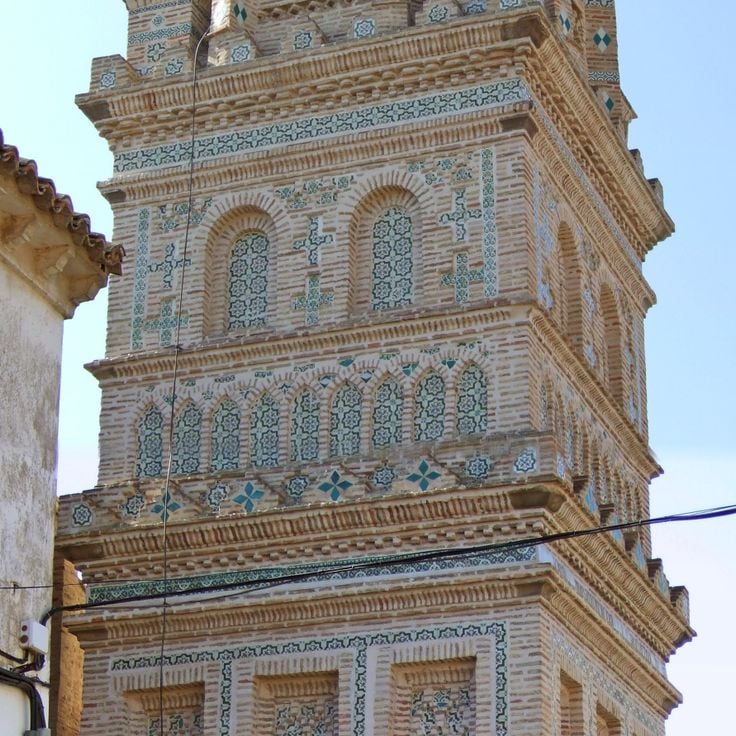
The bell tower of Utebo was built in the 16th century using bricks and displays geometric patterns with Arabian influences in its decoration. This structure in Mudejar style combines Christian and Islamic design elements, reflecting the cultural traditions of the region. The tower serves as a notable landmark in the town and illustrates the regional building tradition of Aragon. The bricks used and the characteristic ornamentation demonstrate the craftsmanship of the builders of that period. As part of European bell towers, it documents the architectural development of religious structures in Spain.
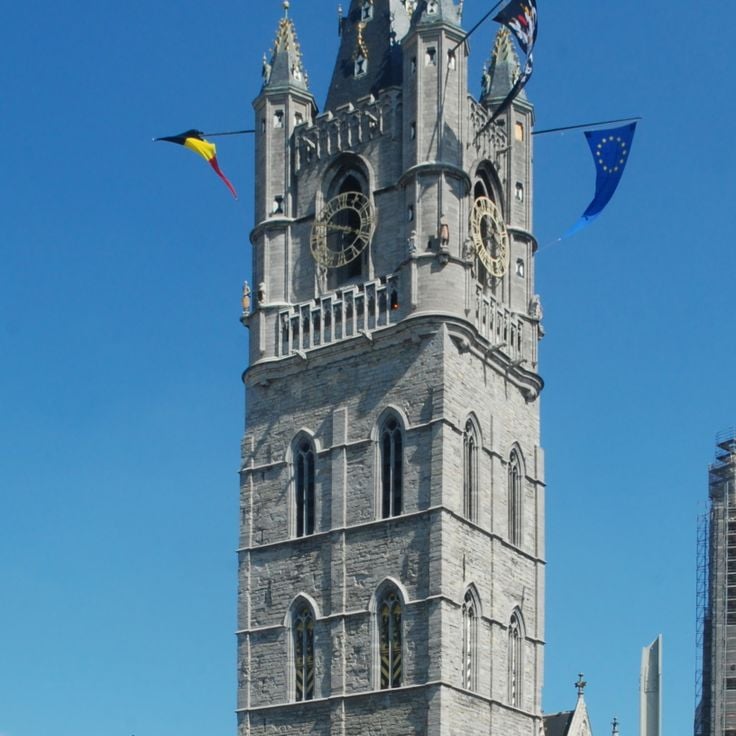
The Belfry of Ghent is a 299-foot (91-meter) tower from the 14th century that served as a watchtower and bell tower. This structure houses 54 bells and was a central element of urban organization in medieval Ghent. The tower symbolized the city's autonomy and was used to inform citizens about important events. The architecture combines Gothic elements with later additions and demonstrates the development of communal building traditions in Flanders. The belfry also served as a repository for city privileges and important documents. Today it is part of the UNESCO World Heritage Site and represents the tradition of bell towers in Belgium and northern France.
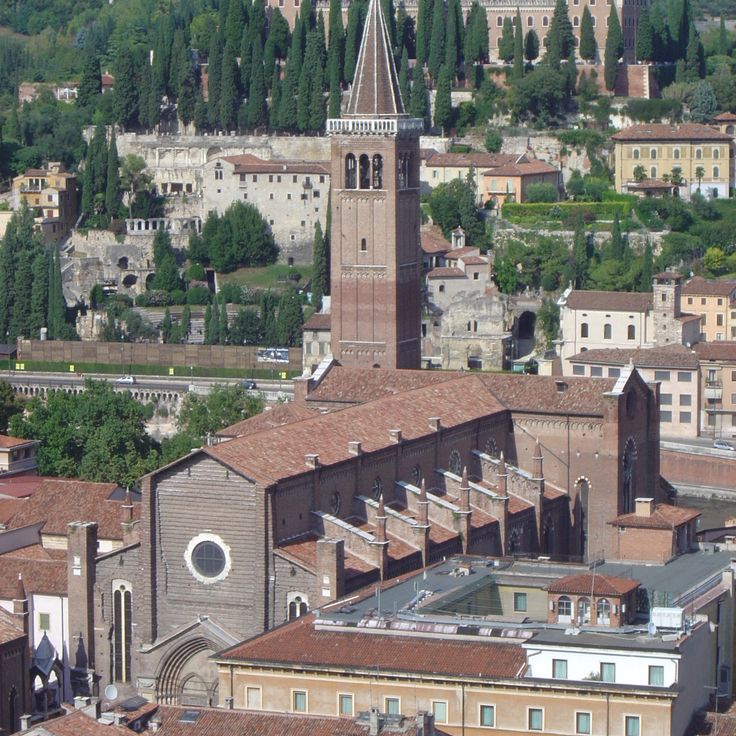
This bell tower of Santa Anastasia Church stands separate from the main building and was built using red Veronese marble. Construction began in 1460 and the structure serves as a landmark in the city. The campanile embodies the regional building traditions of northern Italy and demonstrates the architectural development of the area during the Renaissance period. The use of local red marble is characteristic of Verona's buildings from this era and gives the tower its distinctive appearance.
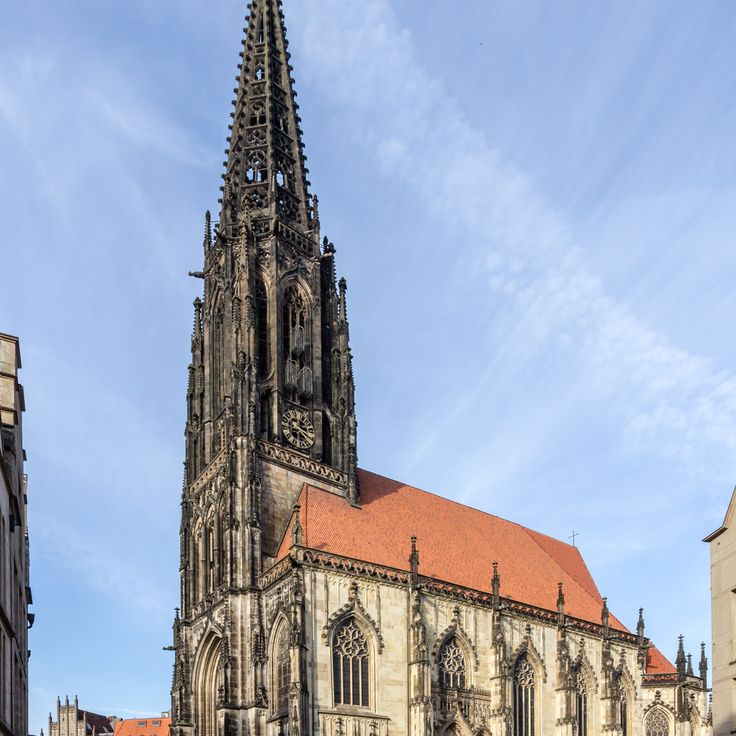
The Church of St. Lambert in Münster features a 14th-century tower bearing three iron cages from 1536. These cages were installed after the Anabaptist uprising to publicly display the bodies of the movement's leaders. The church tower with its Gothic spire reaches a height of 295 feet (90 meters) and has served for centuries as a landmark in this Westphalian city.
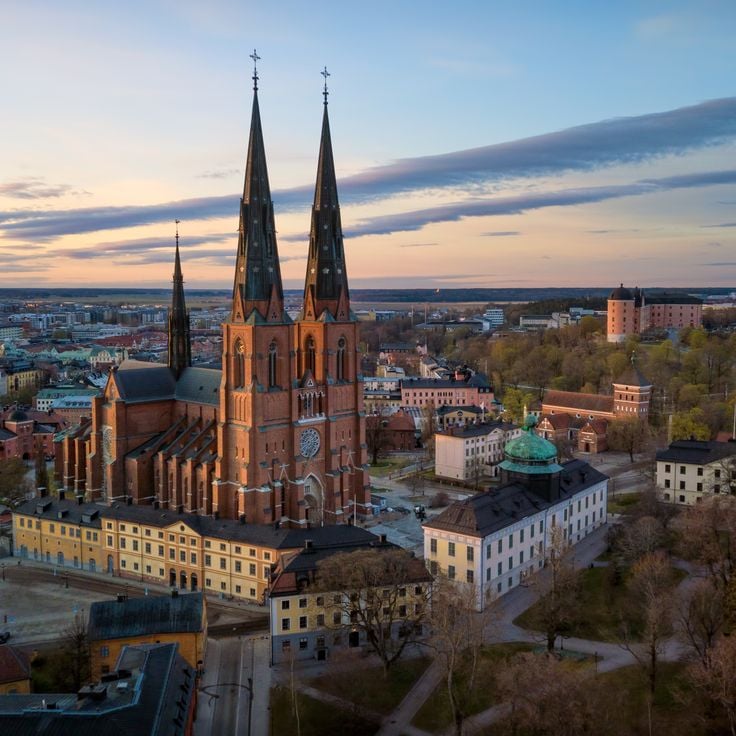
The 119-meter (390-foot) Gothic tower of Uppsala Cathedral, built of red brick, dates from the 13th century. The tower features an observation platform that provides views over the city. As part of the largest church in Scandinavia, this structure has served as a religious and architectural center of the region for centuries. The brick construction is characteristic of medieval Northern European architecture and demonstrates the building techniques of the era.
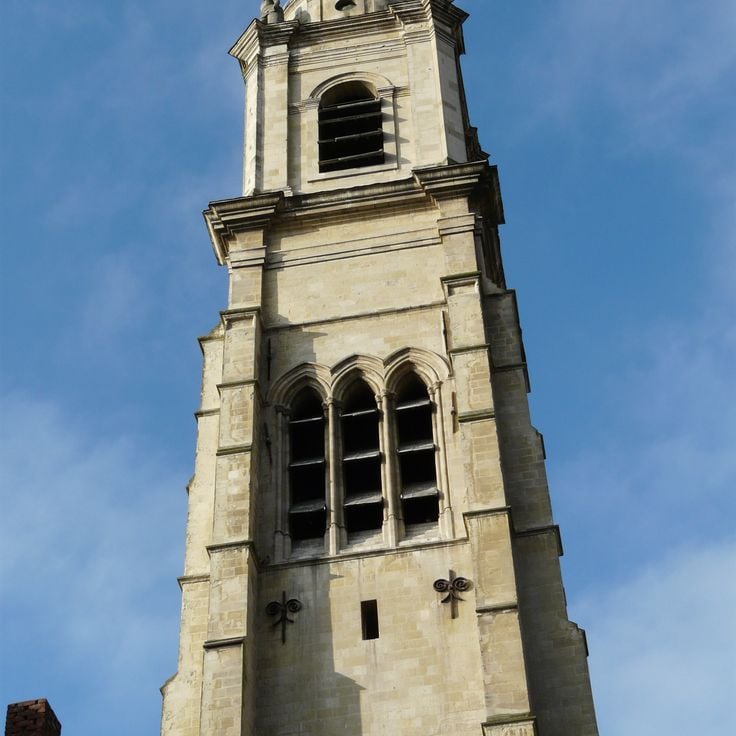
The Belfry of Cambrai is a 16th-century stone tower rising 203 feet (62 meters) above the city. The spire bears a weather vane displaying the city's coat of arms. This bell tower stands among the historic landmarks of the city and reflects the medieval construction tradition of northern French belfries. The structure originally served as a communal fortification and watchtower. Today the belfry stands as a symbol of municipal autonomy and the architectural development of the region.
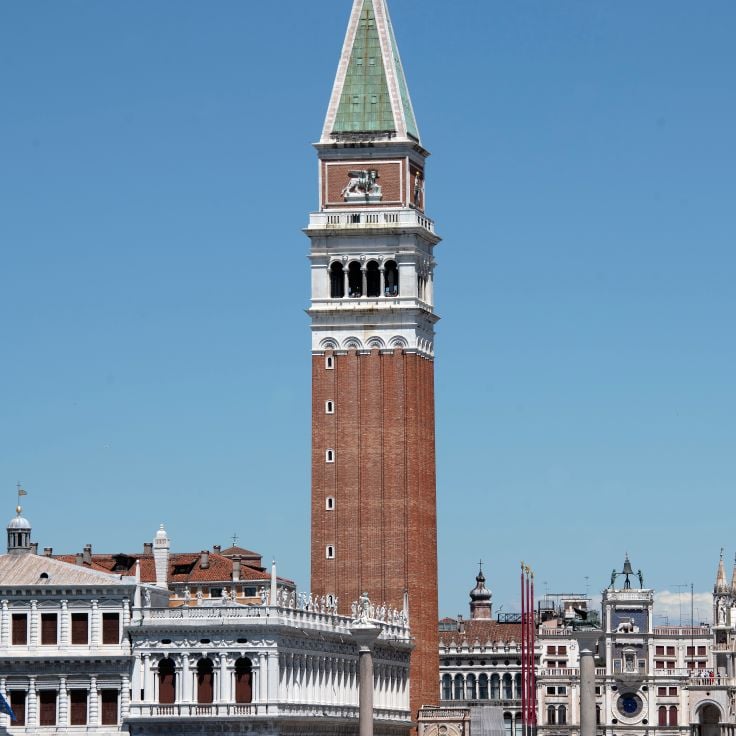
The 323-foot (98.6-meter) tall bell tower on St. Mark's Square was rebuilt in 1912 after a collapse. The bell chamber houses five bells. The campanile serves as a landmark of Venice and provides views over the city and lagoon from its summit. The original tower structure dates to the 12th century and followed Byzantine building traditions, while the reconstruction faithfully replicated the historical form.
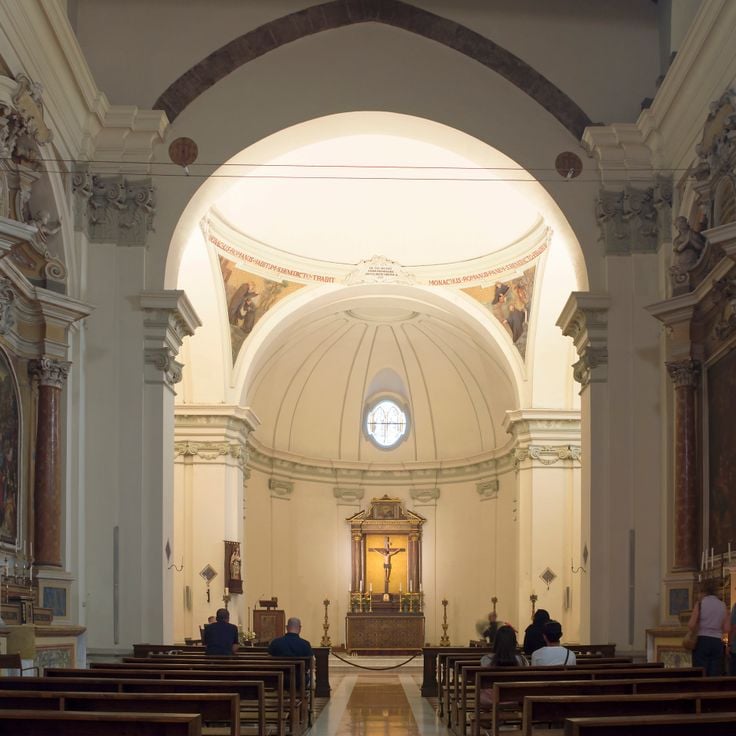
The bell tower of the Basilica dei Santi Benedetto e Scolastica rises in the historic center of Norcia and defines the city skyline with its 13th-century Romanesque architecture. Built from local stone, the structure displays typical features of Umbrian church architecture from that period and has served as a landmark for residents and visitors for centuries. The campanile belongs to an important religious complex dedicated to the birthplace of the twins Benedict and Scholastica.
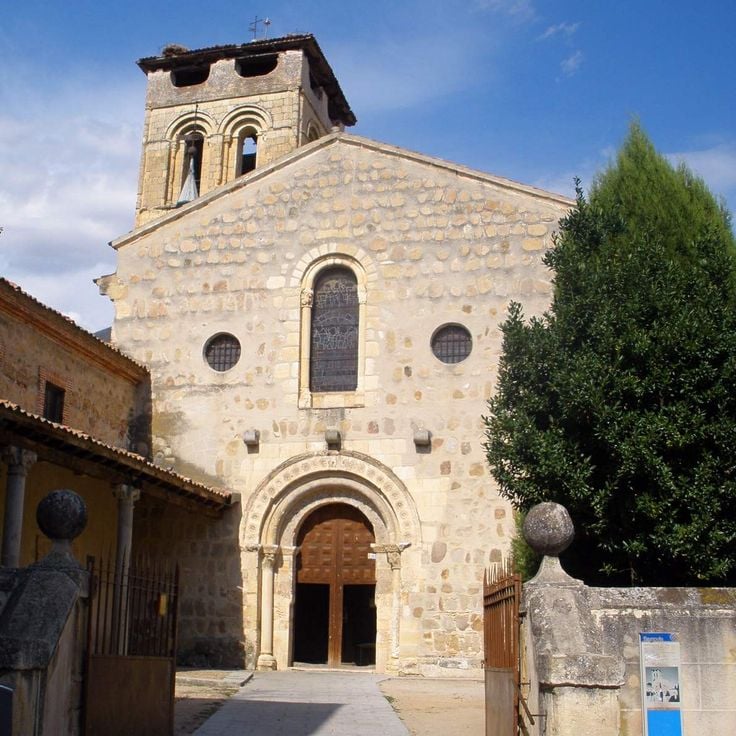
The Campanile de San Justo in Toledo combines Romanesque and Moorish construction elements in its design. The 14th-century structure displays geometric patterns in red brick, characteristic of the regional building traditions of that period. The bell tower serves as a landmark in the historic urban landscape and documents the architectural exchange between Christian and Islamic building practices on the Iberian Peninsula. The combination of different stylistic elements reflects the complex history of Toledo as a meeting point of various cultures and demonstrates the craftsmanship of medieval builders.
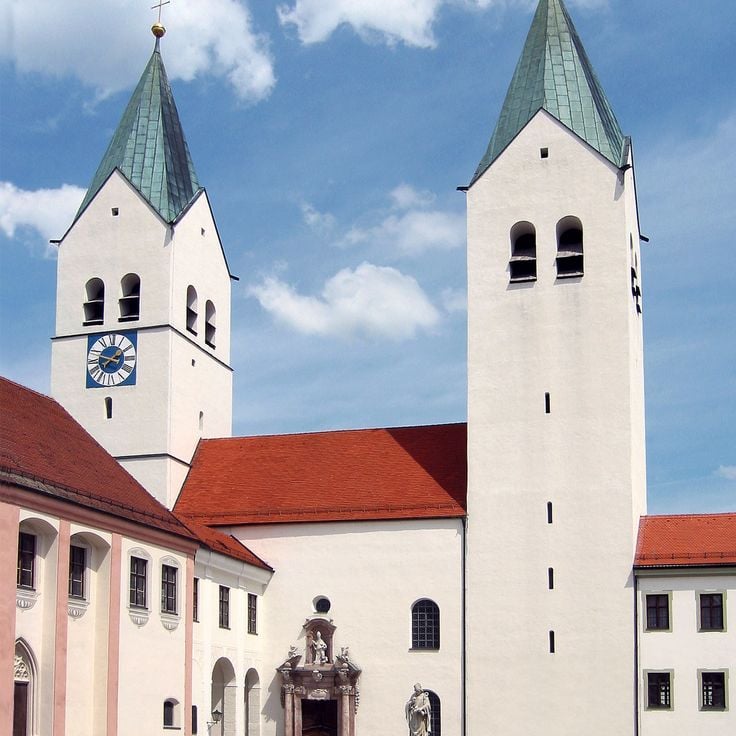
The bell tower of Freising Cathedral dates from the 8th century and reaches a height of 236 feet (72 meters). The structure houses a carillon of 14 bells and serves as an architectural landmark in the city. The tower represents early medieval construction traditions in Bavaria and marks the long history of the Diocese of Freising. Its Romanesque elements demonstrate the development of ecclesiastical architecture in this region during the Early Middle Ages.
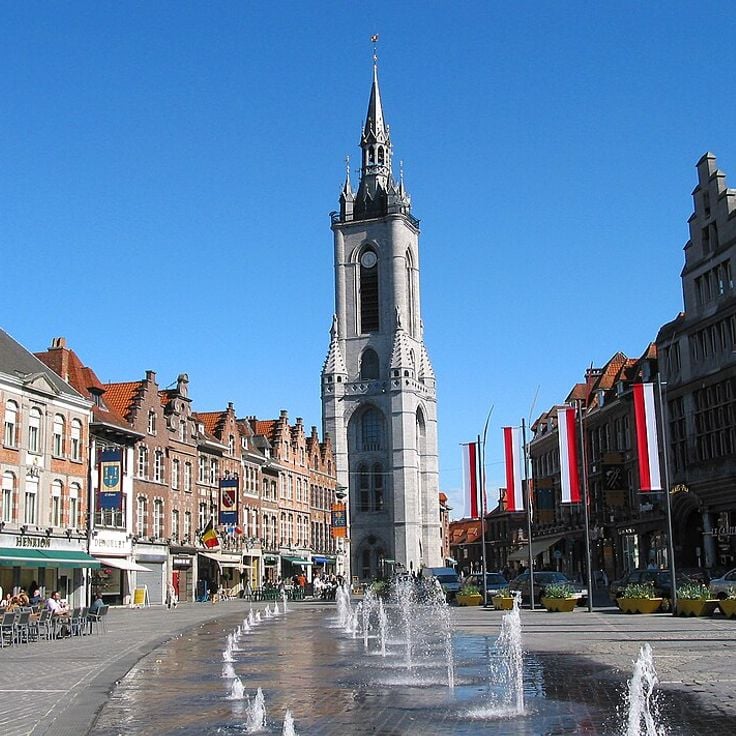
The Belfry of Tournai is a 236-foot tower built in 1188, recognized as one of Belgium's oldest freestanding bell towers. The structure was constructed in the Romanesque style and originally served as a watchtower and symbol of municipal liberties. The uppermost floor houses a bell chamber containing 43 bells that form a notable carillon. The tower has undergone several restorations over the centuries and is now inscribed as a UNESCO World Heritage Site. The architecture displays characteristic features of medieval construction in the region, with massive stone walls and a square floor plan.
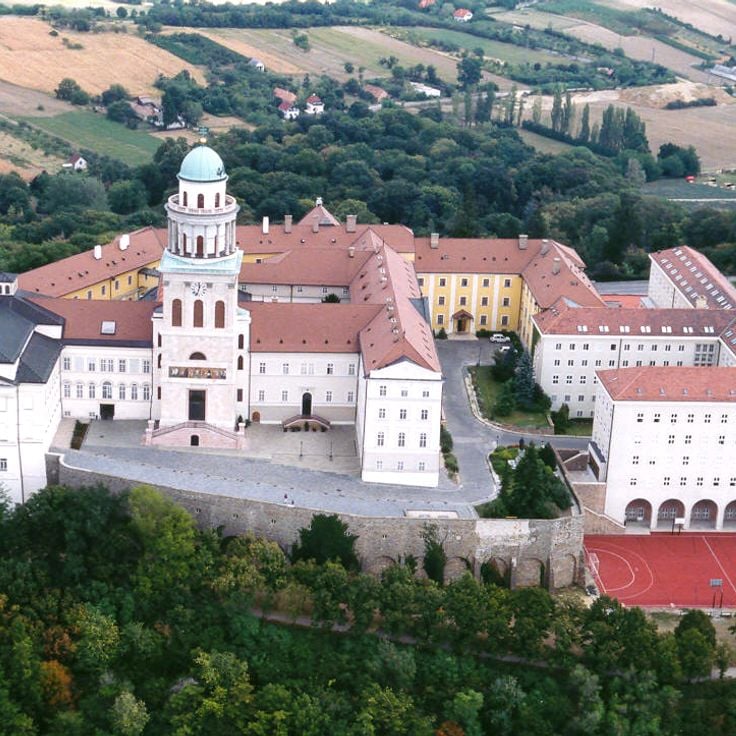
The Romanesque bell tower stands in the Benedictine monastery on Saint Martin Hill. The bells have rung for the monks' prayers since the 10th century. The tower belongs to one of Hungary's oldest monasteries and is part of an extensive religious complex that has been expanded over the centuries. The structure displays the region's early medieval construction techniques and marks the long monastic tradition in Pannonhalma.
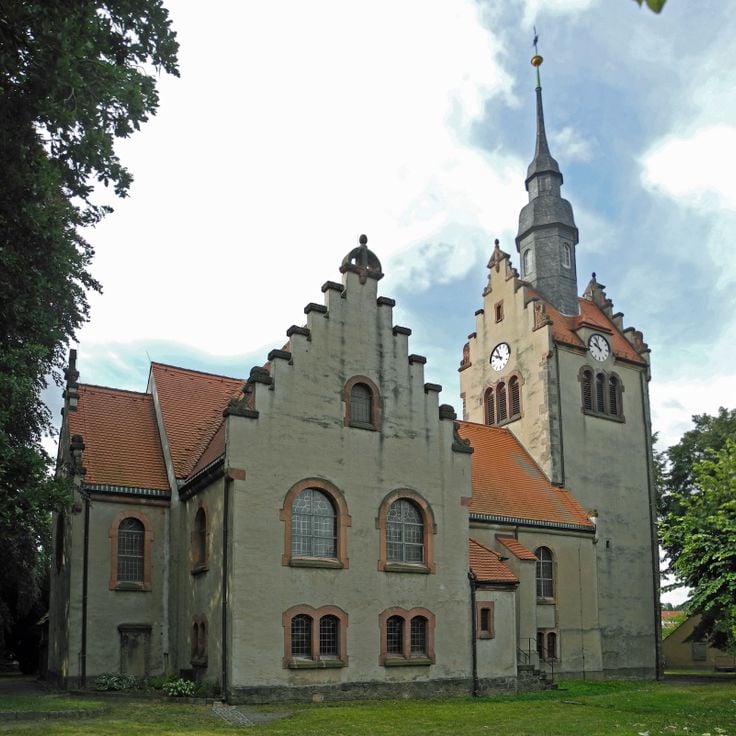
The tower of the Kreuzkirche was built in 1788 as a baroque landmark for the Dresden city church and reaches a height of 302 feet (92 meters). It houses eight bronze bells from different centuries that belong to the urban ecclesiastical tradition. The construction follows the regional building styles of the 18th century and serves as a prominent orientation point in the cityscape. This church tower represents the development of sacred tower construction in Saxony and integrates into the historic architecture of Dresden.
The campanile of the Holy Cross Church dates from the sixth century and was built in Romanesque style. The stone walls of this bell tower measure 6.5 feet (2 meters) thick, while the structure reaches a height of 115 feet (35 meters). The tower embodies the early medieval building tradition of the Split region and serves as a distinctive landmark in the city. Its massive construction reflects the building skills of this era.
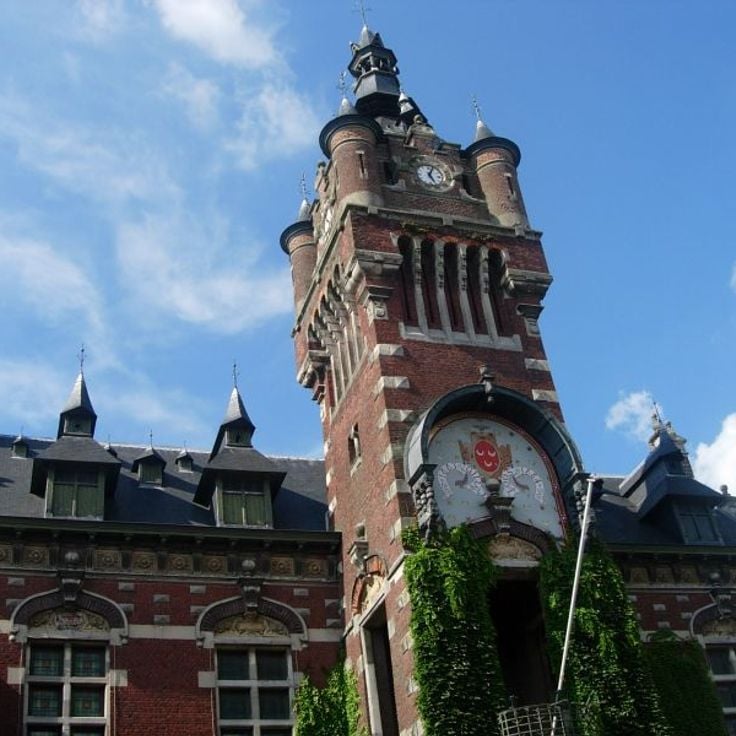
This 19th-century municipal tower rises at the center of Loos, standing as evidence of the region's industrial growth during that era. Built from red brick, the 130-foot (40-meter) bell tower embodies the civic building traditions of northern France and has served as a notable landmark for the local community since its construction. The tower's architecture reflects the practical and symbolic functions that municipal bell towers traditionally fulfilled in northern European townscapes, combining structural requirements with regional brickwork craftsmanship.
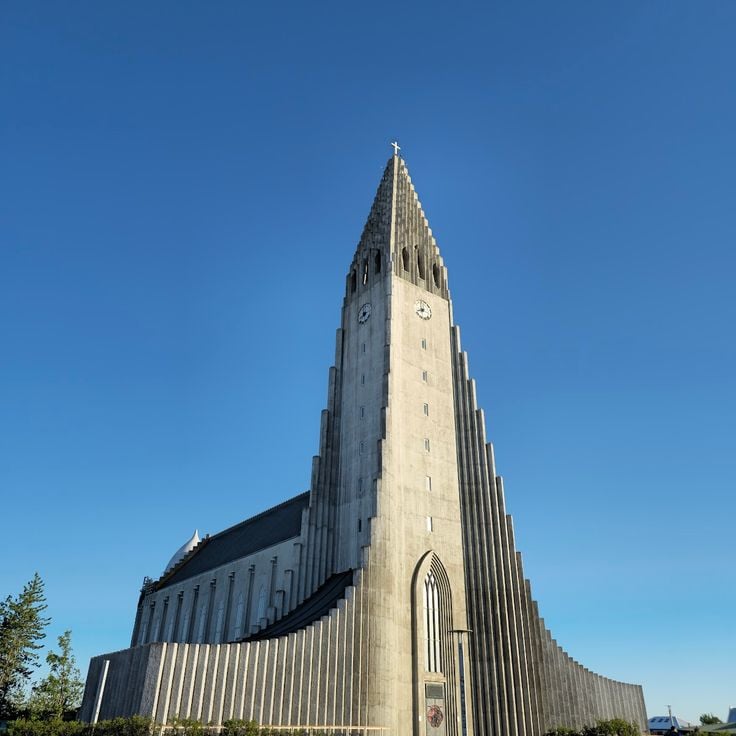
The 243-foot (74.5-meter) church tower was built in expressionist style between 1945 and 1986. Its form recalls basalt columns found in the Icelandic landscape. The tower belongs to Hallgrimskirkja, Iceland's largest church, and serves as a landmark in Reykjavik. The construction embodies regional building traditions by integrating natural geological formations into the architectural design. The tower features an observation platform from which visitors can view the city.
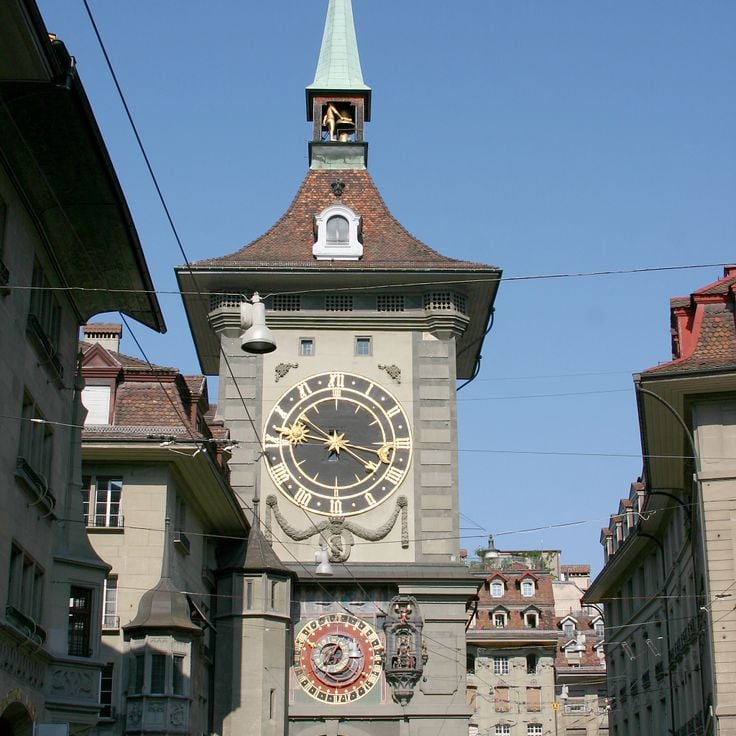
The Zytglogge in Bern is a tower from the 13th century that originally served as a city gate. The astronomical clock from 1530 displays the phases of the moon and activates mechanical figures. The tower was part of the first city fortification and was later converted into a clock tower. The clock features a complex mechanical system that triggers a figurine display every hour. The tower has served as a landmark in the Old Town of Bern for centuries and documents medieval building traditions with later technical additions.
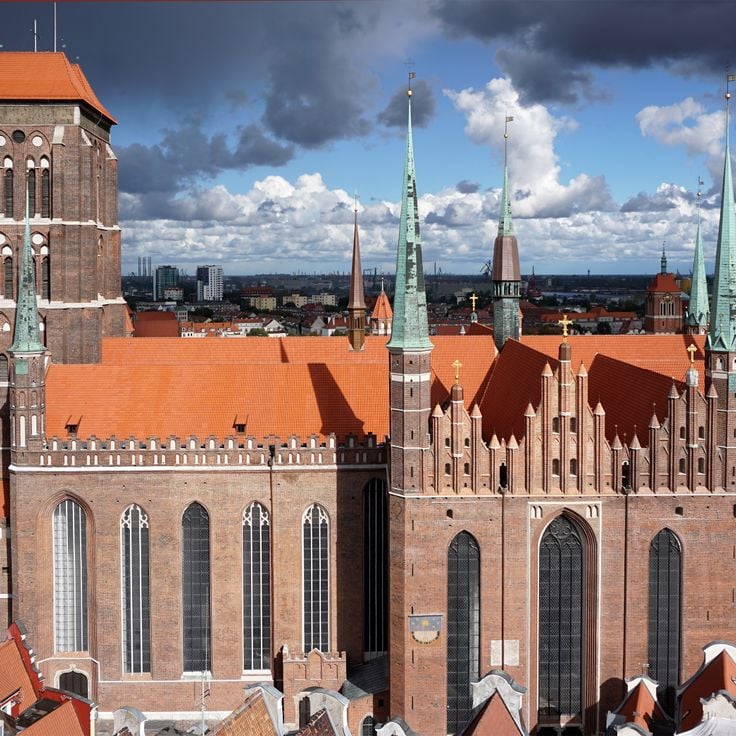
The 270-foot (82-meter) tower of St. Mary's Church dates from the 15th century and is built of red brick. The facade displays Gothic ornamentation characteristic of Northern European brick Gothic architecture of this period. The tower has served as a landmark in Gdańsk's Old Town for centuries and documents regional building traditions of the Baltic region. The construction combines functional aspects with the vertical emphasis typical of Gothic church buildings and the detailed decorative elements of the era.
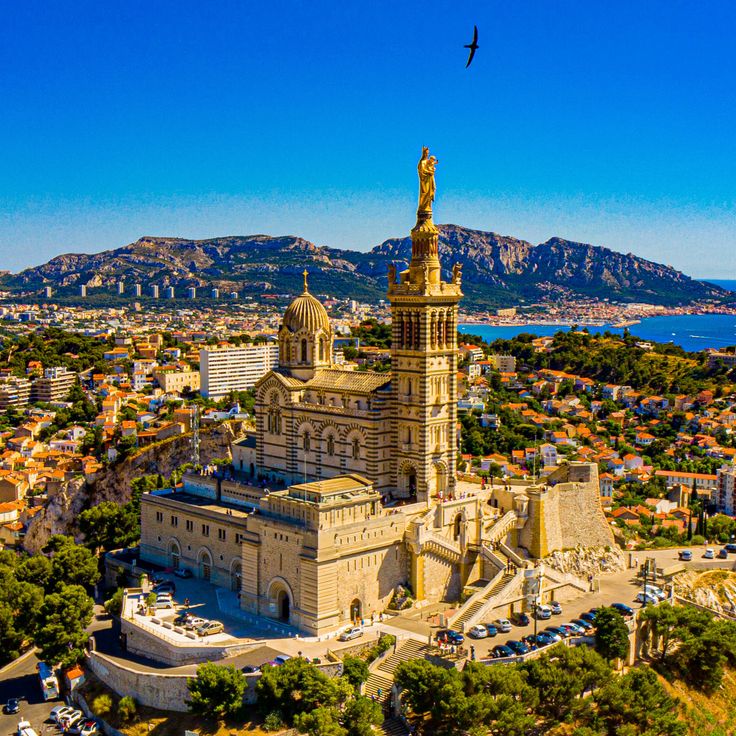
The bell tower of this basilica rises above Marseille and serves as a widely visible landmark for the city. A gilded statue of Mary measuring 11 meters (36 feet) in height crowns the top of the structure. The tower represents 19th-century religious architecture and combines Romanesque-Byzantine stylistic elements. The elevated position on a hill enhances the presence of the structure in the urban silhouette of Marseille.
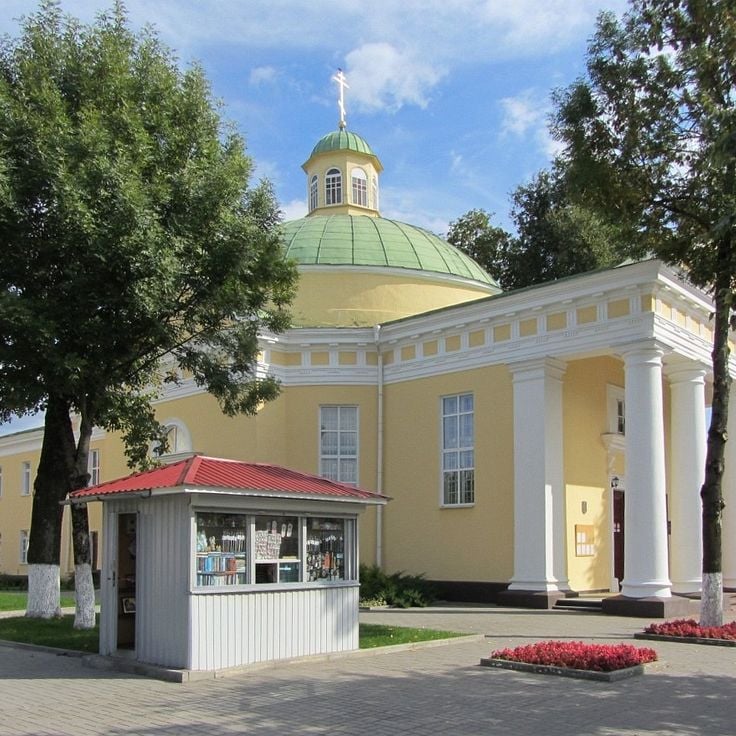
The Orthodox Church of the Archangel Michael in Belarus features a bell tower that represents Eastern Orthodox church building traditions. The structure serves as a religious center for the Orthodox community and contributes to the regional architectural landscape. The bell tower of this church displays typical characteristics of Orthodox religious architecture with its distinctive forms and functional importance for the congregation. The structure marks an important point in the religious life of the local population.
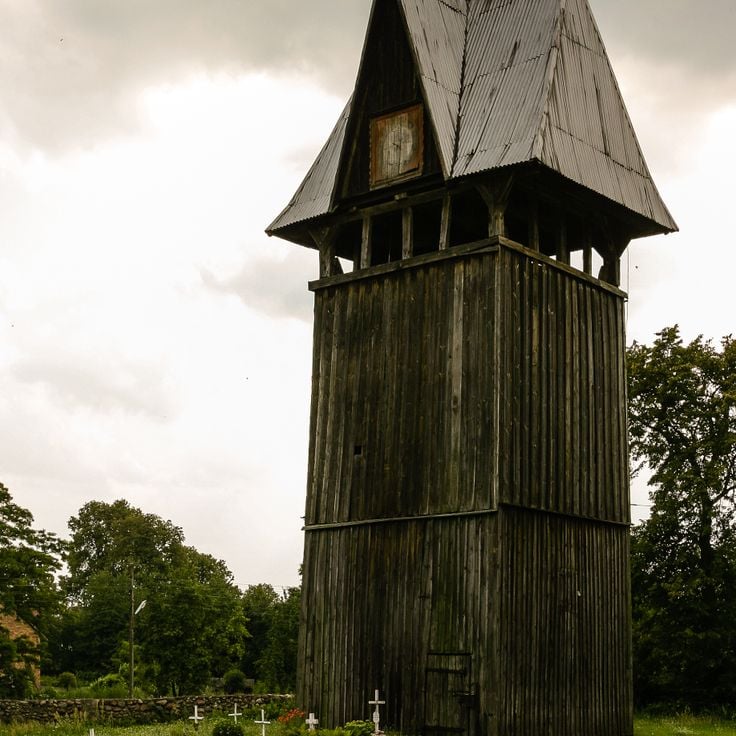
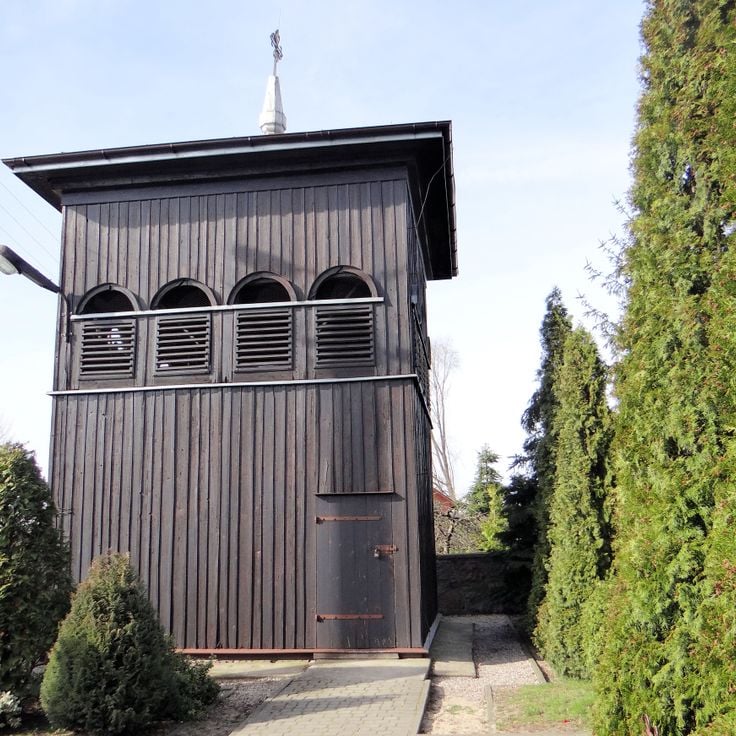
The bell tower of Saint Nicholas Church in Poland demonstrates local construction methods and serves as a landmark in the city. This structure combines religious function with architectural tradition and reflects the development of church building in the region. The tower rises above the surrounding buildings and marks the ecclesiastical center of the community. Its construction follows established methods of Polish church building and contributes to the urban skyline.
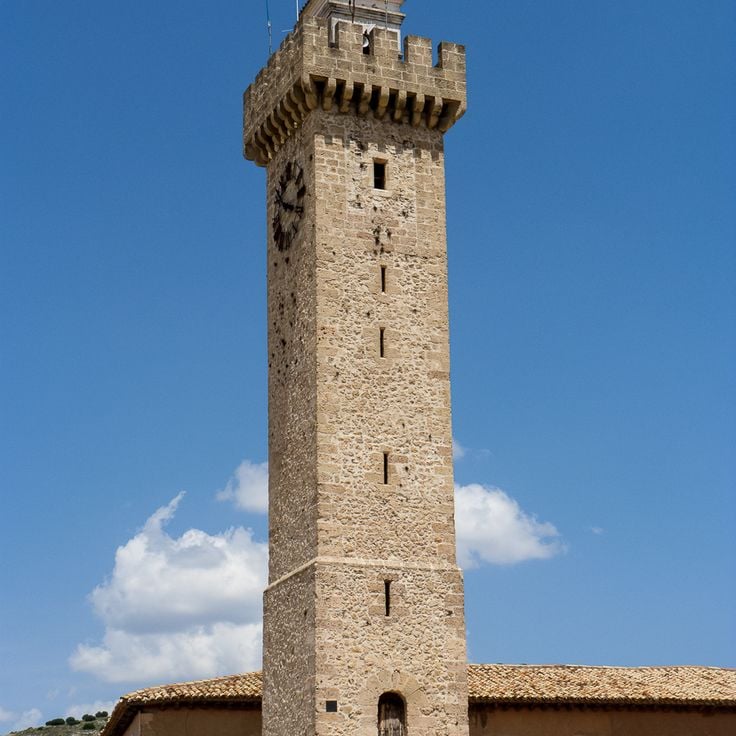
The Mangana Tower in Cuenca is a bell tower that combines original Arab construction features with Renaissance period modifications. The structure dates from the Moorish era and was later remodeled, preserving elements from both architectural traditions. The tower stands in the historic center of Cuenca and serves as a landmark in the city. Its combination of Islamic and European design elements reflects the different cultural influences that shaped the region over centuries. The Arab features include typical geometric patterns and proportions, while the Renaissance modifications added classical European design elements.
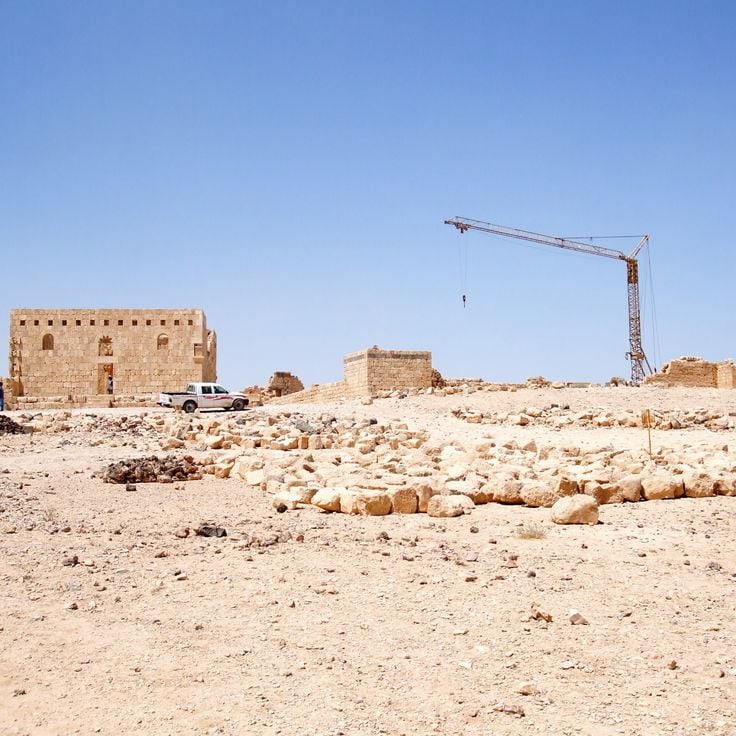
The Qasr al-Hallabat Tower forms part of an 8th-century Umayyad desert castle built on the foundations of a Roman fort. This stone structure initially served as a caravanserai and later as an agricultural estate for the Umayyad caliphs. The tower demonstrates typical early Islamic construction techniques with massive stone walls and illustrates the transition between late Roman and Islamic architecture in the region. The complex underwent multiple renovations and expansions, with the tower functioning as a defensive and observation point. Today, the structure stands as evidence of the layered history of this region spanning Roman, Byzantine, and Islamic rule.
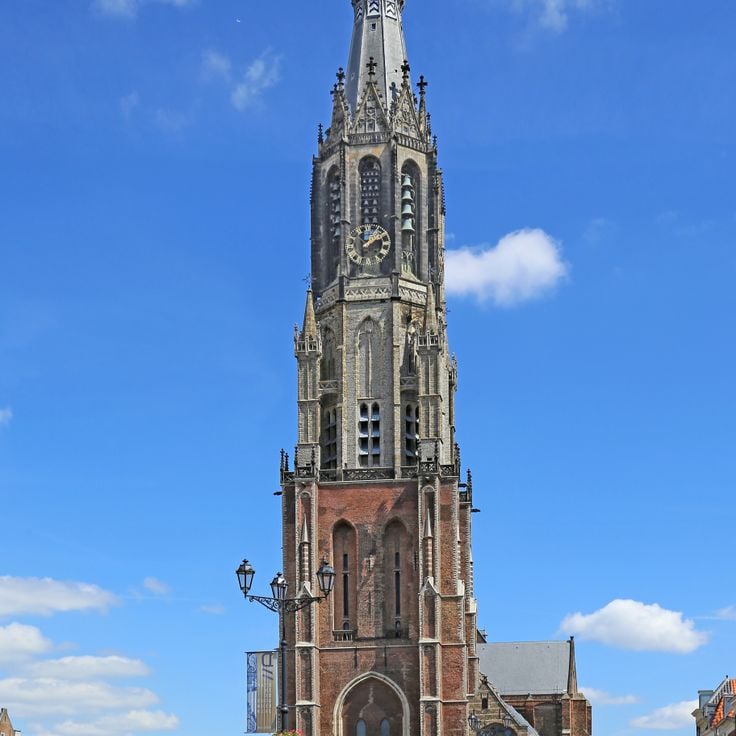
The Nieuwe Kerk in Delft is a medieval Protestant church featuring a 357-foot (109-meter) tower built between 1396 and 1496. This house of worship serves as a significant landmark in the city and contains the royal crypt where members of the Dutch royal family are interred. The tower represents regional late Gothic building traditions in the Netherlands and has marked the skyline of Delft for centuries.
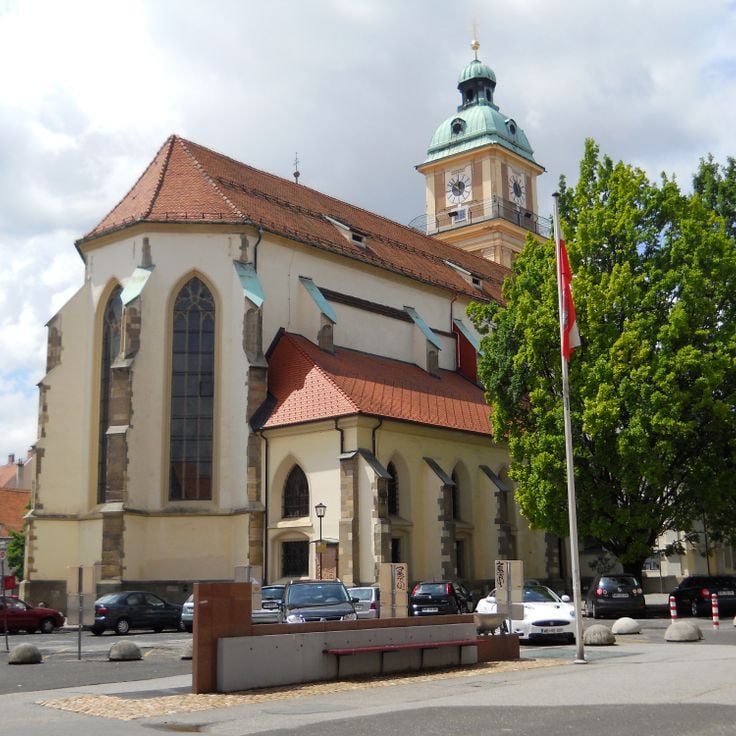
The bell tower of the Cathedral of the Assumption of the Virgin Mary in Maribor stands as a significant example of religious architecture in Slovenia. The structure serves as a landmark for the city and provides wide views over the urban landscape and surrounding region from its upper levels. The campanile forms part of the cathedral complex and embodies regional building traditions developed over centuries.
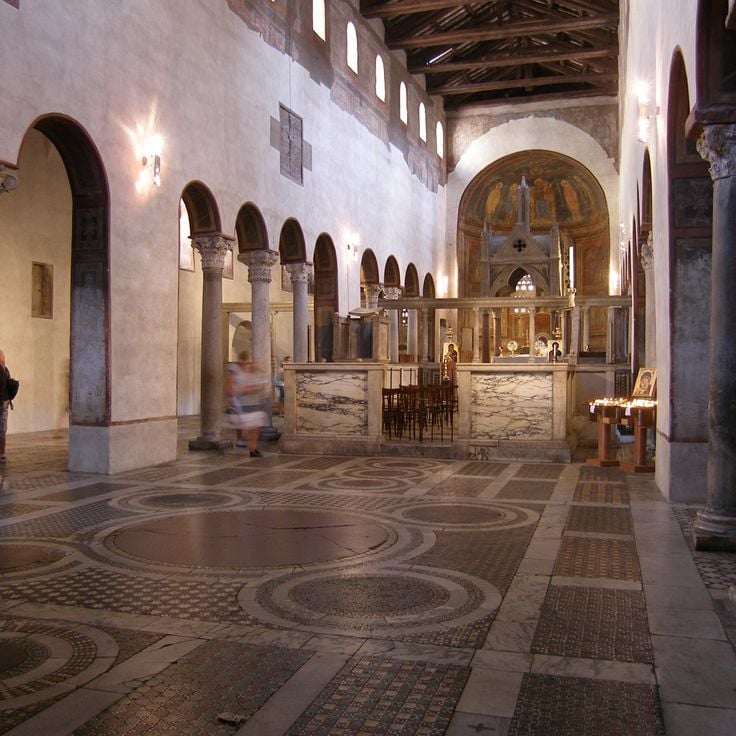
This medieval bell tower rises beside Santa Maria in Cosmedin in Rome's historic Forum Boarium district. The campanile was built in the 12th century in Romanesque style and reaches a height of approximately 112 feet (34 meters). The tower's seven stories display characteristic arches and columns typical of Roman bell towers from this period. The campanile stands near the Tiber River and marks one of the ancient city's oldest commercial areas.
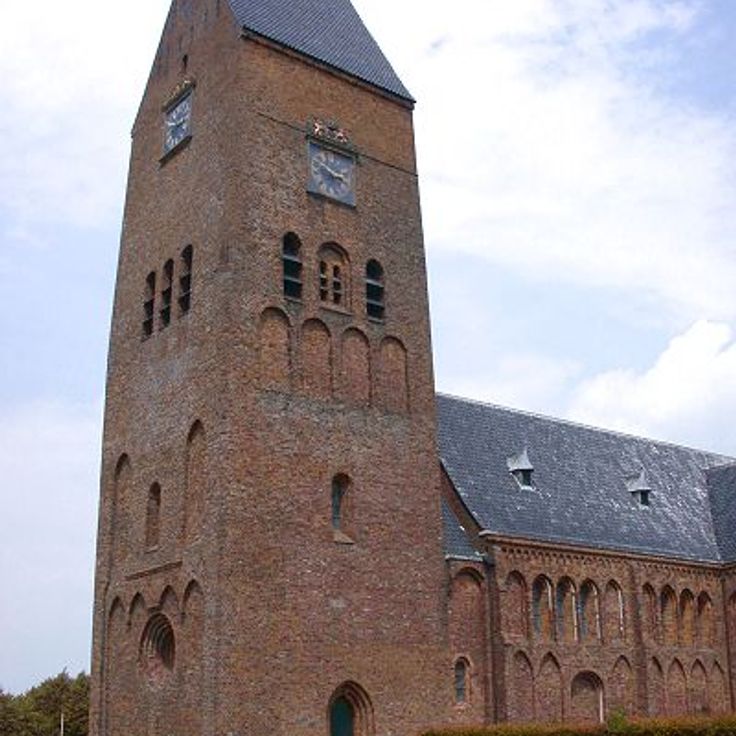
The bell tower of the Church of Stedum is a square brick structure from the 13th century that reaches a height of 115 feet (35 meters) and reflects the Romanesque building tradition of Groningen province. Its facade displays characteristic rounded arches and masonry details from this period. A clock marks the central position of the structure in the village. As a remnant of the original medieval church, this tower has served for centuries as a landmark for the community of Stedum and documents the ecclesiastical building history of the northeastern Netherlands.
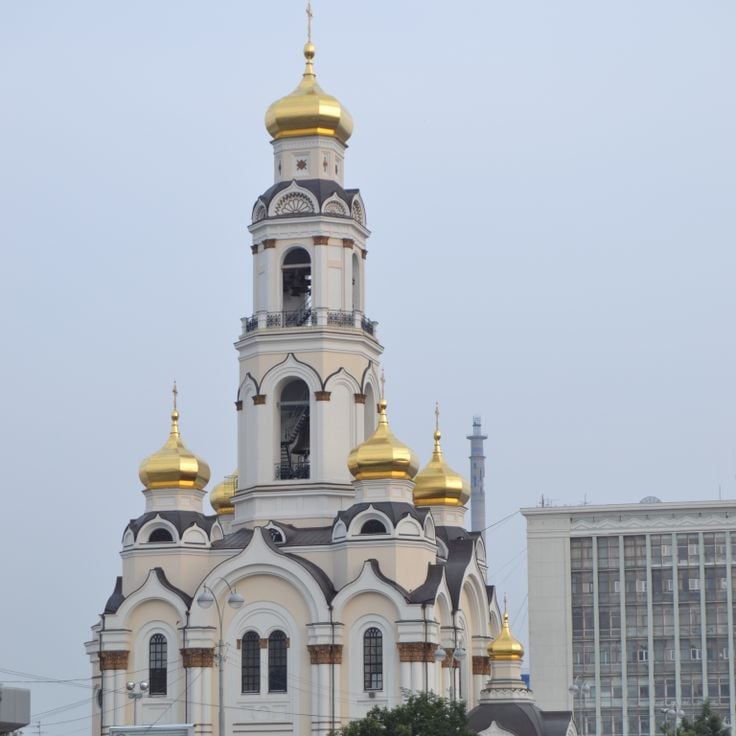
The bell tower of Bolshoi Zlatoust was once the tallest building in Yekaterinburg and features an extensive carillon crafted by the foundry of merchant Ivan Batashov. This tower stands as a testament to 19th-century Russian bell casting and documents the craftsmanship of local metalworkers. Its height made it the dominant landmark of the city, and its bells shaped the soundscape of urban life for generations.
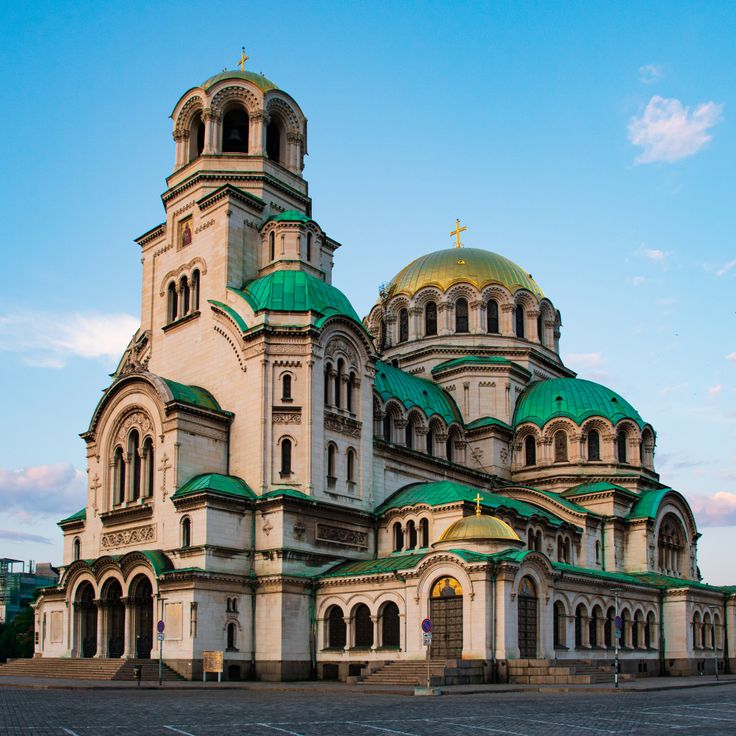
The bell tower of the Metropolitan Cathedral was built from stone and follows traditional Bulgarian construction principles of Orthodox church architecture. The structure houses several bells and serves both liturgical purposes and as a vertical landmark within the urban space. The tower represents Bulgarian Orthodox church building traditions and integrates into the historic cityscape. As part of the Metropolitan Cathedral, it contributes to the religious and architectural identity of the area and illustrates regional construction traditions of the Bulgarian Orthodox Church.
The bell tower of Utebo was built in the 16th century using bricks and displays geometric patterns with Arabian influences in its decoration. This structure in Mudejar style combines Christian and Islamic design elements, reflecting the cultural traditions of the region. The tower serves as a notable landmark in the town and illustrates the regional building tradition of Aragon. The bricks used and the characteristic ornamentation demonstrate the craftsmanship of the builders of that period. As part of European bell towers, it documents the architectural development of religious structures in Spain.
The Belfry of Ghent is a 299-foot (91-meter) tower from the 14th century that served as a watchtower and bell tower. This structure houses 54 bells and was a central element of urban organization in medieval Ghent. The tower symbolized the city's autonomy and was used to inform citizens about important events. The architecture combines Gothic elements with later additions and demonstrates the development of communal building traditions in Flanders. The belfry also served as a repository for city privileges and important documents. Today it is part of the UNESCO World Heritage Site and represents the tradition of bell towers in Belgium and northern France.
This bell tower of Santa Anastasia Church stands separate from the main building and was built using red Veronese marble. Construction began in 1460 and the structure serves as a landmark in the city. The campanile embodies the regional building traditions of northern Italy and demonstrates the architectural development of the area during the Renaissance period. The use of local red marble is characteristic of Verona's buildings from this era and gives the tower its distinctive appearance.
The Church of St. Lambert in Münster features a 14th-century tower bearing three iron cages from 1536. These cages were installed after the Anabaptist uprising to publicly display the bodies of the movement's leaders. The church tower with its Gothic spire reaches a height of 295 feet (90 meters) and has served for centuries as a landmark in this Westphalian city.
The 119-meter (390-foot) Gothic tower of Uppsala Cathedral, built of red brick, dates from the 13th century. The tower features an observation platform that provides views over the city. As part of the largest church in Scandinavia, this structure has served as a religious and architectural center of the region for centuries. The brick construction is characteristic of medieval Northern European architecture and demonstrates the building techniques of the era.
The Belfry of Cambrai is a 16th-century stone tower rising 203 feet (62 meters) above the city. The spire bears a weather vane displaying the city's coat of arms. This bell tower stands among the historic landmarks of the city and reflects the medieval construction tradition of northern French belfries. The structure originally served as a communal fortification and watchtower. Today the belfry stands as a symbol of municipal autonomy and the architectural development of the region.
The 323-foot (98.6-meter) tall bell tower on St. Mark's Square was rebuilt in 1912 after a collapse. The bell chamber houses five bells. The campanile serves as a landmark of Venice and provides views over the city and lagoon from its summit. The original tower structure dates to the 12th century and followed Byzantine building traditions, while the reconstruction faithfully replicated the historical form.
The bell tower of the Basilica dei Santi Benedetto e Scolastica rises in the historic center of Norcia and defines the city skyline with its 13th-century Romanesque architecture. Built from local stone, the structure displays typical features of Umbrian church architecture from that period and has served as a landmark for residents and visitors for centuries. The campanile belongs to an important religious complex dedicated to the birthplace of the twins Benedict and Scholastica.
The Campanile de San Justo in Toledo combines Romanesque and Moorish construction elements in its design. The 14th-century structure displays geometric patterns in red brick, characteristic of the regional building traditions of that period. The bell tower serves as a landmark in the historic urban landscape and documents the architectural exchange between Christian and Islamic building practices on the Iberian Peninsula. The combination of different stylistic elements reflects the complex history of Toledo as a meeting point of various cultures and demonstrates the craftsmanship of medieval builders.
The bell tower of Freising Cathedral dates from the 8th century and reaches a height of 236 feet (72 meters). The structure houses a carillon of 14 bells and serves as an architectural landmark in the city. The tower represents early medieval construction traditions in Bavaria and marks the long history of the Diocese of Freising. Its Romanesque elements demonstrate the development of ecclesiastical architecture in this region during the Early Middle Ages.
The Belfry of Tournai is a 236-foot tower built in 1188, recognized as one of Belgium's oldest freestanding bell towers. The structure was constructed in the Romanesque style and originally served as a watchtower and symbol of municipal liberties. The uppermost floor houses a bell chamber containing 43 bells that form a notable carillon. The tower has undergone several restorations over the centuries and is now inscribed as a UNESCO World Heritage Site. The architecture displays characteristic features of medieval construction in the region, with massive stone walls and a square floor plan.
The Romanesque bell tower stands in the Benedictine monastery on Saint Martin Hill. The bells have rung for the monks' prayers since the 10th century. The tower belongs to one of Hungary's oldest monasteries and is part of an extensive religious complex that has been expanded over the centuries. The structure displays the region's early medieval construction techniques and marks the long monastic tradition in Pannonhalma.
The tower of the Kreuzkirche was built in 1788 as a baroque landmark for the Dresden city church and reaches a height of 302 feet (92 meters). It houses eight bronze bells from different centuries that belong to the urban ecclesiastical tradition. The construction follows the regional building styles of the 18th century and serves as a prominent orientation point in the cityscape. This church tower represents the development of sacred tower construction in Saxony and integrates into the historic architecture of Dresden.
The campanile of the Holy Cross Church dates from the sixth century and was built in Romanesque style. The stone walls of this bell tower measure 6.5 feet (2 meters) thick, while the structure reaches a height of 115 feet (35 meters). The tower embodies the early medieval building tradition of the Split region and serves as a distinctive landmark in the city. Its massive construction reflects the building skills of this era.
This 19th-century municipal tower rises at the center of Loos, standing as evidence of the region's industrial growth during that era. Built from red brick, the 130-foot (40-meter) bell tower embodies the civic building traditions of northern France and has served as a notable landmark for the local community since its construction. The tower's architecture reflects the practical and symbolic functions that municipal bell towers traditionally fulfilled in northern European townscapes, combining structural requirements with regional brickwork craftsmanship.
The 243-foot (74.5-meter) church tower was built in expressionist style between 1945 and 1986. Its form recalls basalt columns found in the Icelandic landscape. The tower belongs to Hallgrimskirkja, Iceland's largest church, and serves as a landmark in Reykjavik. The construction embodies regional building traditions by integrating natural geological formations into the architectural design. The tower features an observation platform from which visitors can view the city.
The Zytglogge in Bern is a tower from the 13th century that originally served as a city gate. The astronomical clock from 1530 displays the phases of the moon and activates mechanical figures. The tower was part of the first city fortification and was later converted into a clock tower. The clock features a complex mechanical system that triggers a figurine display every hour. The tower has served as a landmark in the Old Town of Bern for centuries and documents medieval building traditions with later technical additions.
The 270-foot (82-meter) tower of St. Mary's Church dates from the 15th century and is built of red brick. The facade displays Gothic ornamentation characteristic of Northern European brick Gothic architecture of this period. The tower has served as a landmark in Gdańsk's Old Town for centuries and documents regional building traditions of the Baltic region. The construction combines functional aspects with the vertical emphasis typical of Gothic church buildings and the detailed decorative elements of the era.
The bell tower of this basilica rises above Marseille and serves as a widely visible landmark for the city. A gilded statue of Mary measuring 11 meters (36 feet) in height crowns the top of the structure. The tower represents 19th-century religious architecture and combines Romanesque-Byzantine stylistic elements. The elevated position on a hill enhances the presence of the structure in the urban silhouette of Marseille.
The Orthodox Church of the Archangel Michael in Belarus features a bell tower that represents Eastern Orthodox church building traditions. The structure serves as a religious center for the Orthodox community and contributes to the regional architectural landscape. The bell tower of this church displays typical characteristics of Orthodox religious architecture with its distinctive forms and functional importance for the congregation. The structure marks an important point in the religious life of the local population.
The bell tower of Saint Nicholas Church in Poland demonstrates local construction methods and serves as a landmark in the city. This structure combines religious function with architectural tradition and reflects the development of church building in the region. The tower rises above the surrounding buildings and marks the ecclesiastical center of the community. Its construction follows established methods of Polish church building and contributes to the urban skyline.
The Mangana Tower in Cuenca is a bell tower that combines original Arab construction features with Renaissance period modifications. The structure dates from the Moorish era and was later remodeled, preserving elements from both architectural traditions. The tower stands in the historic center of Cuenca and serves as a landmark in the city. Its combination of Islamic and European design elements reflects the different cultural influences that shaped the region over centuries. The Arab features include typical geometric patterns and proportions, while the Renaissance modifications added classical European design elements.
The Qasr al-Hallabat Tower forms part of an 8th-century Umayyad desert castle built on the foundations of a Roman fort. This stone structure initially served as a caravanserai and later as an agricultural estate for the Umayyad caliphs. The tower demonstrates typical early Islamic construction techniques with massive stone walls and illustrates the transition between late Roman and Islamic architecture in the region. The complex underwent multiple renovations and expansions, with the tower functioning as a defensive and observation point. Today, the structure stands as evidence of the layered history of this region spanning Roman, Byzantine, and Islamic rule.
The Nieuwe Kerk in Delft is a medieval Protestant church featuring a 357-foot (109-meter) tower built between 1396 and 1496. This house of worship serves as a significant landmark in the city and contains the royal crypt where members of the Dutch royal family are interred. The tower represents regional late Gothic building traditions in the Netherlands and has marked the skyline of Delft for centuries.
The bell tower of the Cathedral of the Assumption of the Virgin Mary in Maribor stands as a significant example of religious architecture in Slovenia. The structure serves as a landmark for the city and provides wide views over the urban landscape and surrounding region from its upper levels. The campanile forms part of the cathedral complex and embodies regional building traditions developed over centuries.
This medieval bell tower rises beside Santa Maria in Cosmedin in Rome's historic Forum Boarium district. The campanile was built in the 12th century in Romanesque style and reaches a height of approximately 112 feet (34 meters). The tower's seven stories display characteristic arches and columns typical of Roman bell towers from this period. The campanile stands near the Tiber River and marks one of the ancient city's oldest commercial areas.
The bell tower of the Church of Stedum is a square brick structure from the 13th century that reaches a height of 115 feet (35 meters) and reflects the Romanesque building tradition of Groningen province. Its facade displays characteristic rounded arches and masonry details from this period. A clock marks the central position of the structure in the village. As a remnant of the original medieval church, this tower has served for centuries as a landmark for the community of Stedum and documents the ecclesiastical building history of the northeastern Netherlands.
The bell tower of Bolshoi Zlatoust was once the tallest building in Yekaterinburg and features an extensive carillon crafted by the foundry of merchant Ivan Batashov. This tower stands as a testament to 19th-century Russian bell casting and documents the craftsmanship of local metalworkers. Its height made it the dominant landmark of the city, and its bells shaped the soundscape of urban life for generations.
The bell tower of the Metropolitan Cathedral was built from stone and follows traditional Bulgarian construction principles of Orthodox church architecture. The structure houses several bells and serves both liturgical purposes and as a vertical landmark within the urban space. The tower represents Bulgarian Orthodox church building traditions and integrates into the historic cityscape. As part of the Metropolitan Cathedral, it contributes to the religious and architectural identity of the area and illustrates regional construction traditions of the Bulgarian Orthodox Church.
The bell tower of Utebo was built in the 16th century using bricks and displays geometric patterns with Arabian influences in its decoration. This structure in Mudejar style combines Christian and Islamic design elements, reflecting the cultural traditions of the region. The tower serves as a notable landmark in the town and illustrates the regional building tradition of Aragon. The bricks used and the characteristic ornamentation demonstrate the craftsmanship of the builders of that period. As part of European bell towers, it documents the architectural development of religious structures in Spain.
The Belfry of Ghent is a 299-foot (91-meter) tower from the 14th century that served as a watchtower and bell tower. This structure houses 54 bells and was a central element of urban organization in medieval Ghent. The tower symbolized the city's autonomy and was used to inform citizens about important events. The architecture combines Gothic elements with later additions and demonstrates the development of communal building traditions in Flanders. The belfry also served as a repository for city privileges and important documents. Today it is part of the UNESCO World Heritage Site and represents the tradition of bell towers in Belgium and northern France.
This bell tower of Santa Anastasia Church stands separate from the main building and was built using red Veronese marble. Construction began in 1460 and the structure serves as a landmark in the city. The campanile embodies the regional building traditions of northern Italy and demonstrates the architectural development of the area during the Renaissance period. The use of local red marble is characteristic of Verona's buildings from this era and gives the tower its distinctive appearance.
The Church of St. Lambert in Münster features a 14th-century tower bearing three iron cages from 1536. These cages were installed after the Anabaptist uprising to publicly display the bodies of the movement's leaders. The church tower with its Gothic spire reaches a height of 295 feet (90 meters) and has served for centuries as a landmark in this Westphalian city.
The 119-meter (390-foot) Gothic tower of Uppsala Cathedral, built of red brick, dates from the 13th century. The tower features an observation platform that provides views over the city. As part of the largest church in Scandinavia, this structure has served as a religious and architectural center of the region for centuries. The brick construction is characteristic of medieval Northern European architecture and demonstrates the building techniques of the era.
The Belfry of Cambrai is a 16th-century stone tower rising 203 feet (62 meters) above the city. The spire bears a weather vane displaying the city's coat of arms. This bell tower stands among the historic landmarks of the city and reflects the medieval construction tradition of northern French belfries. The structure originally served as a communal fortification and watchtower. Today the belfry stands as a symbol of municipal autonomy and the architectural development of the region.
The 323-foot (98.6-meter) tall bell tower on St. Mark's Square was rebuilt in 1912 after a collapse. The bell chamber houses five bells. The campanile serves as a landmark of Venice and provides views over the city and lagoon from its summit. The original tower structure dates to the 12th century and followed Byzantine building traditions, while the reconstruction faithfully replicated the historical form.
The bell tower of the Basilica dei Santi Benedetto e Scolastica rises in the historic center of Norcia and defines the city skyline with its 13th-century Romanesque architecture. Built from local stone, the structure displays typical features of Umbrian church architecture from that period and has served as a landmark for residents and visitors for centuries. The campanile belongs to an important religious complex dedicated to the birthplace of the twins Benedict and Scholastica.
The Campanile de San Justo in Toledo combines Romanesque and Moorish construction elements in its design. The 14th-century structure displays geometric patterns in red brick, characteristic of the regional building traditions of that period. The bell tower serves as a landmark in the historic urban landscape and documents the architectural exchange between Christian and Islamic building practices on the Iberian Peninsula. The combination of different stylistic elements reflects the complex history of Toledo as a meeting point of various cultures and demonstrates the craftsmanship of medieval builders.
The bell tower of Freising Cathedral dates from the 8th century and reaches a height of 236 feet (72 meters). The structure houses a carillon of 14 bells and serves as an architectural landmark in the city. The tower represents early medieval construction traditions in Bavaria and marks the long history of the Diocese of Freising. Its Romanesque elements demonstrate the development of ecclesiastical architecture in this region during the Early Middle Ages.
The Belfry of Tournai is a 236-foot tower built in 1188, recognized as one of Belgium's oldest freestanding bell towers. The structure was constructed in the Romanesque style and originally served as a watchtower and symbol of municipal liberties. The uppermost floor houses a bell chamber containing 43 bells that form a notable carillon. The tower has undergone several restorations over the centuries and is now inscribed as a UNESCO World Heritage Site. The architecture displays characteristic features of medieval construction in the region, with massive stone walls and a square floor plan.
The Romanesque bell tower stands in the Benedictine monastery on Saint Martin Hill. The bells have rung for the monks' prayers since the 10th century. The tower belongs to one of Hungary's oldest monasteries and is part of an extensive religious complex that has been expanded over the centuries. The structure displays the region's early medieval construction techniques and marks the long monastic tradition in Pannonhalma.
The tower of the Kreuzkirche was built in 1788 as a baroque landmark for the Dresden city church and reaches a height of 302 feet (92 meters). It houses eight bronze bells from different centuries that belong to the urban ecclesiastical tradition. The construction follows the regional building styles of the 18th century and serves as a prominent orientation point in the cityscape. This church tower represents the development of sacred tower construction in Saxony and integrates into the historic architecture of Dresden.
The campanile of the Holy Cross Church dates from the sixth century and was built in Romanesque style. The stone walls of this bell tower measure 6.5 feet (2 meters) thick, while the structure reaches a height of 115 feet (35 meters). The tower embodies the early medieval building tradition of the Split region and serves as a distinctive landmark in the city. Its massive construction reflects the building skills of this era.
This 19th-century municipal tower rises at the center of Loos, standing as evidence of the region's industrial growth during that era. Built from red brick, the 130-foot (40-meter) bell tower embodies the civic building traditions of northern France and has served as a notable landmark for the local community since its construction. The tower's architecture reflects the practical and symbolic functions that municipal bell towers traditionally fulfilled in northern European townscapes, combining structural requirements with regional brickwork craftsmanship.
The 243-foot (74.5-meter) church tower was built in expressionist style between 1945 and 1986. Its form recalls basalt columns found in the Icelandic landscape. The tower belongs to Hallgrimskirkja, Iceland's largest church, and serves as a landmark in Reykjavik. The construction embodies regional building traditions by integrating natural geological formations into the architectural design. The tower features an observation platform from which visitors can view the city.
The Zytglogge in Bern is a tower from the 13th century that originally served as a city gate. The astronomical clock from 1530 displays the phases of the moon and activates mechanical figures. The tower was part of the first city fortification and was later converted into a clock tower. The clock features a complex mechanical system that triggers a figurine display every hour. The tower has served as a landmark in the Old Town of Bern for centuries and documents medieval building traditions with later technical additions.
The 270-foot (82-meter) tower of St. Mary's Church dates from the 15th century and is built of red brick. The facade displays Gothic ornamentation characteristic of Northern European brick Gothic architecture of this period. The tower has served as a landmark in Gdańsk's Old Town for centuries and documents regional building traditions of the Baltic region. The construction combines functional aspects with the vertical emphasis typical of Gothic church buildings and the detailed decorative elements of the era.
The bell tower of this basilica rises above Marseille and serves as a widely visible landmark for the city. A gilded statue of Mary measuring 11 meters (36 feet) in height crowns the top of the structure. The tower represents 19th-century religious architecture and combines Romanesque-Byzantine stylistic elements. The elevated position on a hill enhances the presence of the structure in the urban silhouette of Marseille.
The Orthodox Church of the Archangel Michael in Belarus features a bell tower that represents Eastern Orthodox church building traditions. The structure serves as a religious center for the Orthodox community and contributes to the regional architectural landscape. The bell tower of this church displays typical characteristics of Orthodox religious architecture with its distinctive forms and functional importance for the congregation. The structure marks an important point in the religious life of the local population.
The bell tower of Saint Nicholas Church in Poland demonstrates local construction methods and serves as a landmark in the city. This structure combines religious function with architectural tradition and reflects the development of church building in the region. The tower rises above the surrounding buildings and marks the ecclesiastical center of the community. Its construction follows established methods of Polish church building and contributes to the urban skyline.
The Mangana Tower in Cuenca is a bell tower that combines original Arab construction features with Renaissance period modifications. The structure dates from the Moorish era and was later remodeled, preserving elements from both architectural traditions. The tower stands in the historic center of Cuenca and serves as a landmark in the city. Its combination of Islamic and European design elements reflects the different cultural influences that shaped the region over centuries. The Arab features include typical geometric patterns and proportions, while the Renaissance modifications added classical European design elements.
The Qasr al-Hallabat Tower forms part of an 8th-century Umayyad desert castle built on the foundations of a Roman fort. This stone structure initially served as a caravanserai and later as an agricultural estate for the Umayyad caliphs. The tower demonstrates typical early Islamic construction techniques with massive stone walls and illustrates the transition between late Roman and Islamic architecture in the region. The complex underwent multiple renovations and expansions, with the tower functioning as a defensive and observation point. Today, the structure stands as evidence of the layered history of this region spanning Roman, Byzantine, and Islamic rule.
The Nieuwe Kerk in Delft is a medieval Protestant church featuring a 357-foot (109-meter) tower built between 1396 and 1496. This house of worship serves as a significant landmark in the city and contains the royal crypt where members of the Dutch royal family are interred. The tower represents regional late Gothic building traditions in the Netherlands and has marked the skyline of Delft for centuries.
The bell tower of the Cathedral of the Assumption of the Virgin Mary in Maribor stands as a significant example of religious architecture in Slovenia. The structure serves as a landmark for the city and provides wide views over the urban landscape and surrounding region from its upper levels. The campanile forms part of the cathedral complex and embodies regional building traditions developed over centuries.
This medieval bell tower rises beside Santa Maria in Cosmedin in Rome's historic Forum Boarium district. The campanile was built in the 12th century in Romanesque style and reaches a height of approximately 112 feet (34 meters). The tower's seven stories display characteristic arches and columns typical of Roman bell towers from this period. The campanile stands near the Tiber River and marks one of the ancient city's oldest commercial areas.
The bell tower of the Church of Stedum is a square brick structure from the 13th century that reaches a height of 115 feet (35 meters) and reflects the Romanesque building tradition of Groningen province. Its facade displays characteristic rounded arches and masonry details from this period. A clock marks the central position of the structure in the village. As a remnant of the original medieval church, this tower has served for centuries as a landmark for the community of Stedum and documents the ecclesiastical building history of the northeastern Netherlands.
The bell tower of Bolshoi Zlatoust was once the tallest building in Yekaterinburg and features an extensive carillon crafted by the foundry of merchant Ivan Batashov. This tower stands as a testament to 19th-century Russian bell casting and documents the craftsmanship of local metalworkers. Its height made it the dominant landmark of the city, and its bells shaped the soundscape of urban life for generations.
The bell tower of the Metropolitan Cathedral was built from stone and follows traditional Bulgarian construction principles of Orthodox church architecture. The structure houses several bells and serves both liturgical purposes and as a vertical landmark within the urban space. The tower represents Bulgarian Orthodox church building traditions and integrates into the historic cityscape. As part of the Metropolitan Cathedral, it contributes to the religious and architectural identity of the area and illustrates regional construction traditions of the Bulgarian Orthodox Church.