See the monuments around you in AROpen chests in the app
Around Us is built for your phone — point your camera at the streets and discover the monuments and places around you in augmented reality.Around Us is built for your phone — chests unlock when you walk, explore and capture nearby places.
Set off to discover the most beautiful places in the Serenissima, letting your desires guide you.
Venice offers many opportunities for photos. The city sits on over one hundred small islands connected by canals and bridges. The Grand Canal curves through the historic center, lined with palaces from different centuries. The Rialto Bridge spans the canal at its narrowest point and has served as a major crossing since the 16th century.
St. Mark's Square forms the center of the city, with St. Mark's Basilica, the campanile, and Doge's Palace. The Bridge of Sighs connects the palace to the former prison cells. On the surrounding islands, you can find other landmarks: Burano displays brightly painted houses, Murano is known for its glass workshops, and Torcello preserves Byzantine mosaics from the early Middle Ages. The Cannaregio district in the north houses the Jewish Museum and quieter canals away from the main routes. The Basilica di Santa Maria della Salute stands at the entrance to the Grand Canal and shapes the city's skyline.
Set off to discover the most beautiful places in the Serenissima, letting your desires guide you.
Venice offers many opportunities for photos. The city sits on over one hundred small islands connected by canals and bridges. The Grand Canal curves through the historic center, lined with palaces from different centuries. The Rialto Bridge spans the canal at its narrowest point and has served as a major crossing since the 16th century.
St. Mark's Square forms the center of the city, with St. Mark's Basilica, the campanile, and Doge's Palace. The Bridge of Sighs connects the palace to the former prison cells. On the surrounding islands, you can find other landmarks: Burano displays brightly painted houses, Murano is known for its glass workshops, and Torcello preserves Byzantine mosaics from the early Middle Ages. The Cannaregio district in the north houses the Jewish Museum and quieter canals away from the main routes. The Basilica di Santa Maria della Salute stands at the entrance to the Grand Canal and shapes the city's skyline.
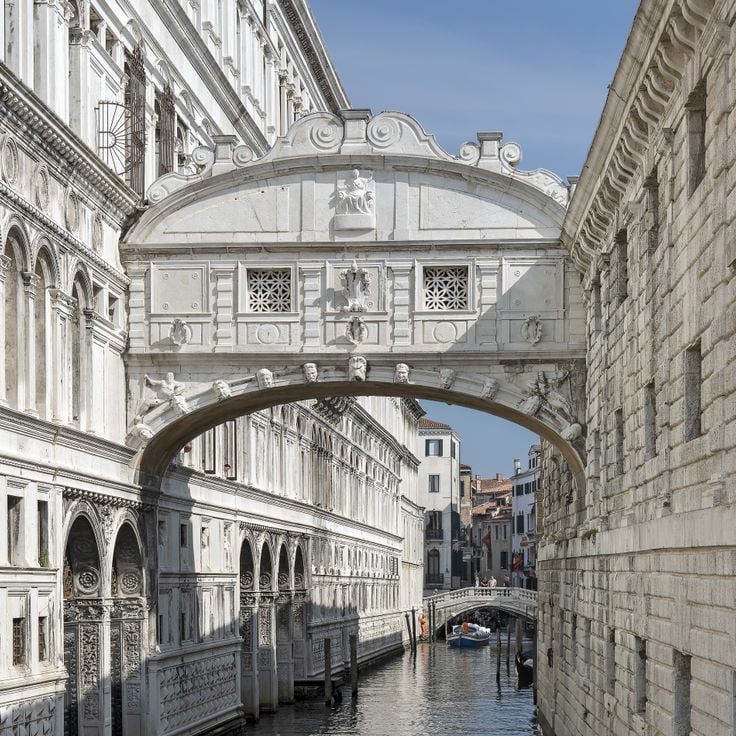
This historic bridge connects the Doge's Palace to the prison cells across the Rio di Palazzo canal. Built in 1600 from white limestone, it has an enclosed design with small windows. The name comes from the idea that prisoners would sigh as they crossed, catching a last glimpse of the city through the openings. Today the Bridge of Sighs is a common photo subject for visitors exploring Venice.
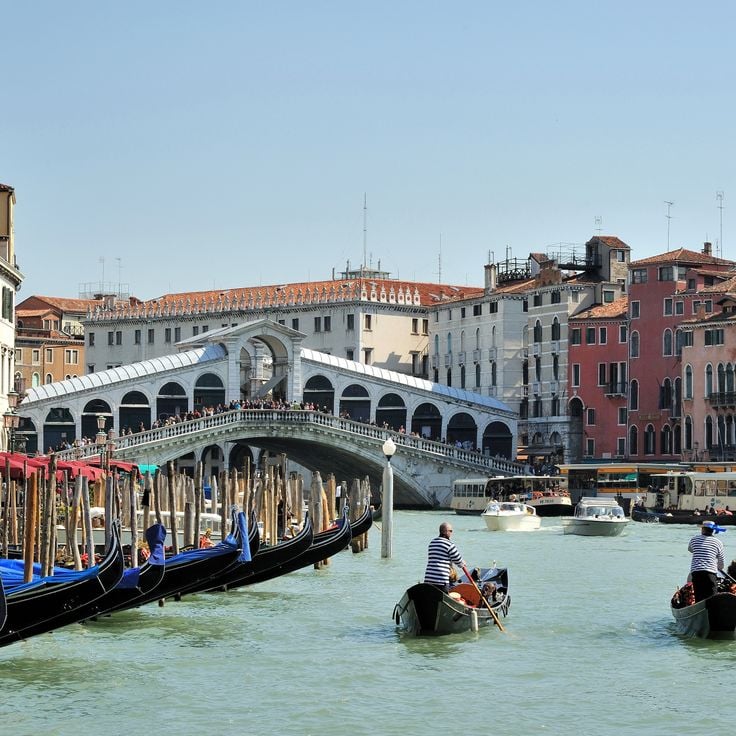
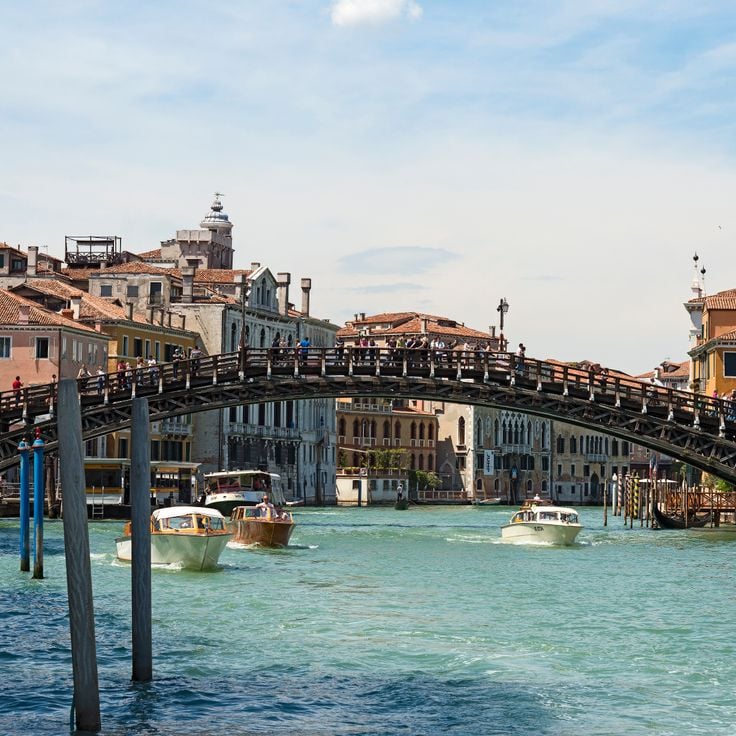
This bridge crosses the Grand Canal with a single marble arch from the 16th century. Covered walkways run along both sides, lined with small shops selling jewelry, souvenirs, and leather goods. From the middle, you can see gondolas and boats moving in both directions, while palaces with colorful facades line the water. Mornings are usually less crowded than afternoons, and the light falls especially well on the buildings at that time.
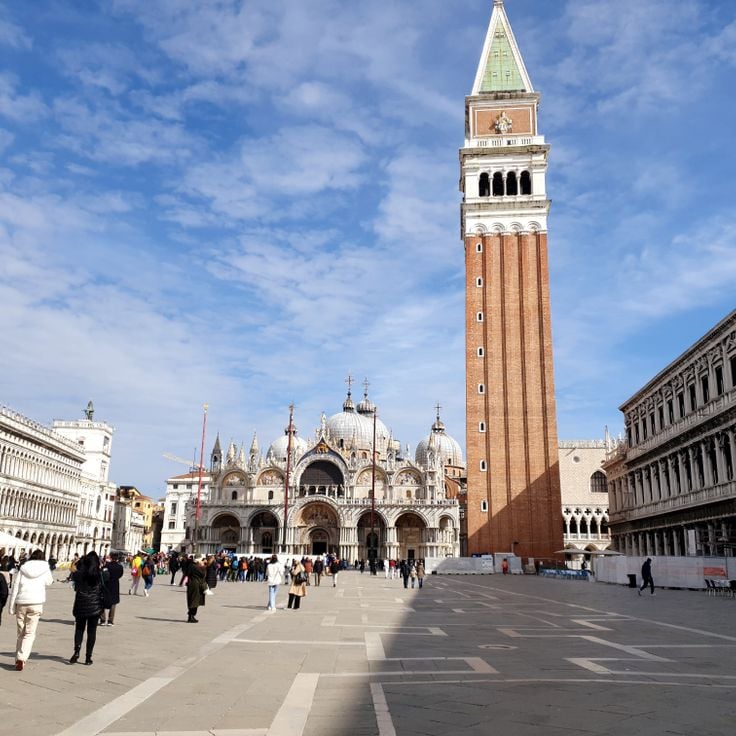
This square shows the Byzantine basilica with its golden mosaics and the freestanding bell tower rising 323 feet (98 meters). The 9th century Doge's Palace connects Gothic arcades with pink and white marble. Pigeons move between the archways while visitors walk under the long porticos and cafés with orchestras line the open space. The historical center of Venice finds its focal point here, where tourists gather to photograph the facades and enjoy views across the lagoon.
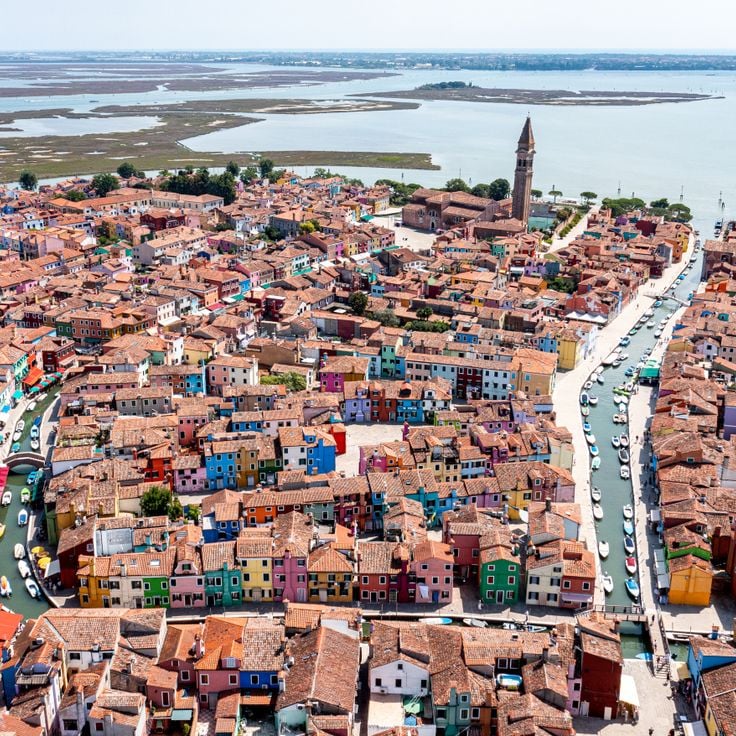
This island shows houses in different colors along narrow canals and quiet lanes. Fishermen brought the tradition of painting their walls in red, yellow, blue or green so they could recognize them in the fog. Women made lace from the 16th century, and some workshops continue this work today. Small bridges connect the shores while boats sit moored beside the houses. The feeling remains calmer than on the main islands of the lagoon, and visitors can walk through the streets to capture the colored facades for photos.
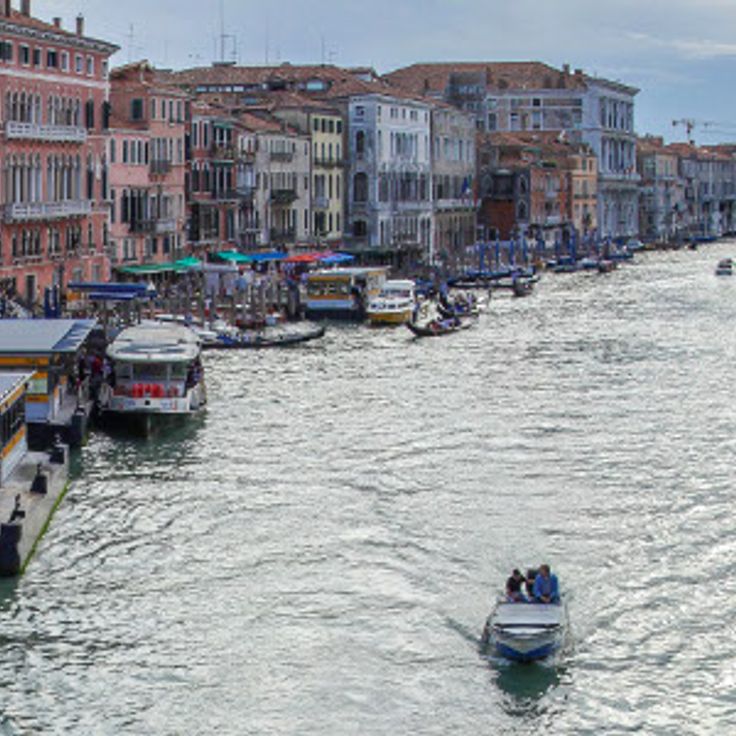
The Grand Canal runs through Venice and shows Venetian architecture along its banks. This waterway offers photo opportunities for social media with views of palaces displaying facades from different centuries, churches with domes, and bridges crossing the water. Boats and gondolas move between the buildings. The banks are busy with people and traffic. Light changes throughout the day and alters the colors of the old structures reflected in the water.
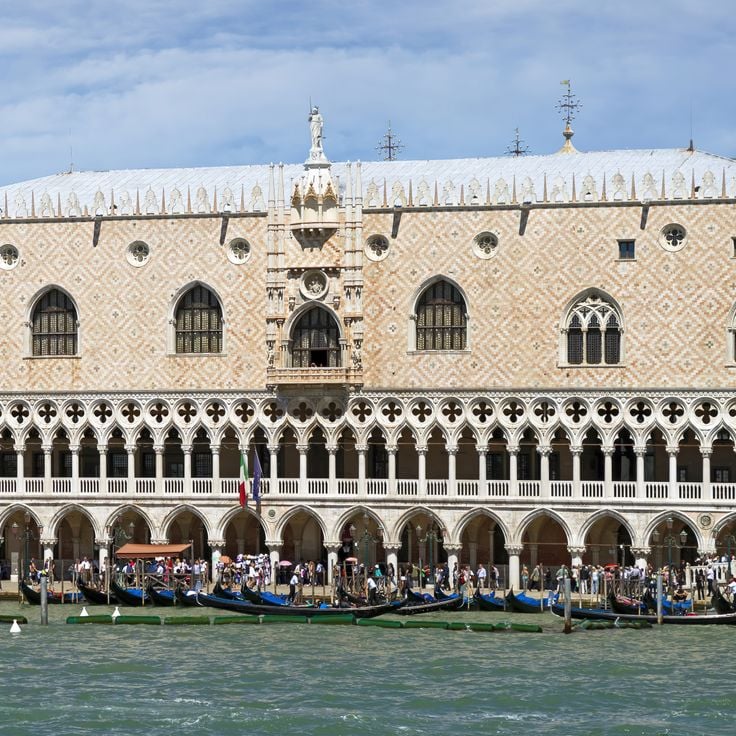
This palace on Piazza San Marco served as the seat of government for the Venetian Republic. The facade shows marble with a ground floor of open arcades, above it a pierced level with small columns, and above that the solid walls of the upper floor. Inside lie reception rooms with paintings by Tintoretto and Veronese, a gilded staircase, and the Hall of the Great Council. The palace demonstrates how the republic expressed power through architecture, and in Venice offers a good opportunity for social media photos, as the structure forms a scene together with the campanile and the basilica.
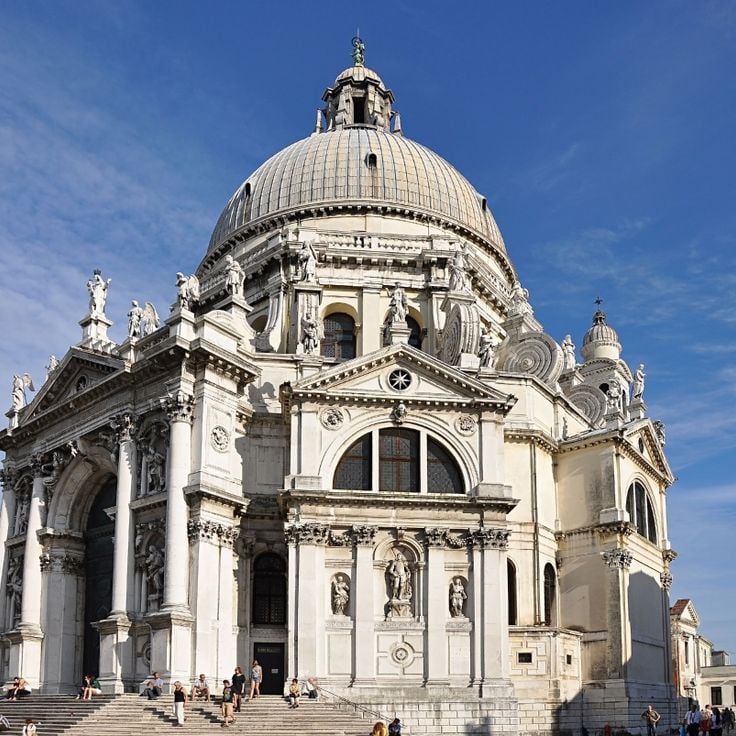
This basilica from the 17th century marks the entrance to the Grand Canal with its octagonal shape and white stone facade. The domes shape the skyline of Venice, and the church offers a location for photographs across the water and the city. Visitors find here an example of baroque architecture that can be photographed under different light conditions.
This bridge connects San Marco and Dorsoduro across the Grand Canal and offers a clear view of the Santa Maria della Salute basilica. The wooden structure stands out from the stone bridges of the city. Photographers find a high spot above the water where they can see the church's dome and the passing boats.
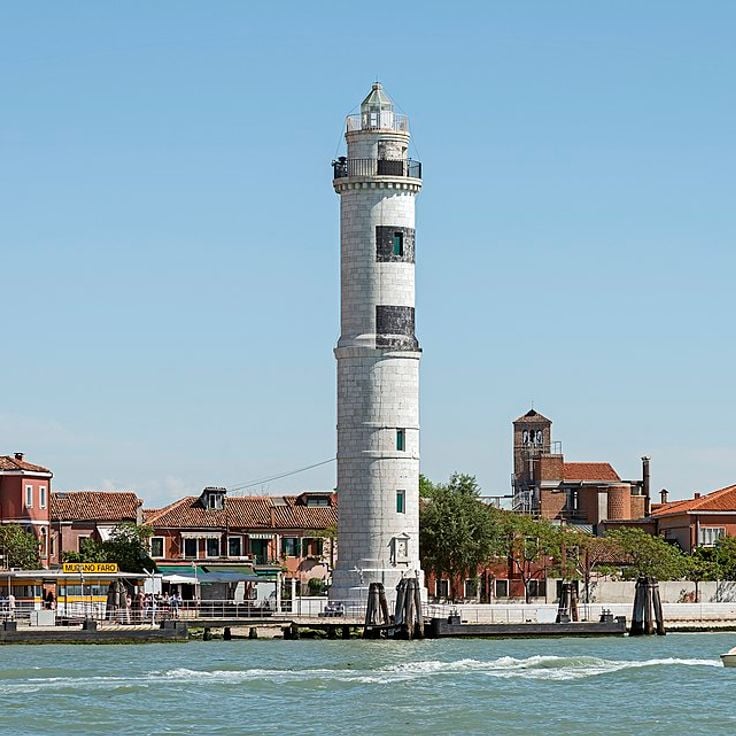
This island has housed glass factories and workshops since the 13th century, where masters create vases, chandeliers and artworks. The furnaces burn in old brick buildings along the canals. Visitors can walk through the streets and watch craftsmen at work, blowing and turning molten glass into shapes. Murano Island offers opportunities to photograph the traditional techniques and capture the colorful glass objects in workshop windows. The photo locations in Venice for social media include these workshops, where the craft is still practiced as it was centuries ago.
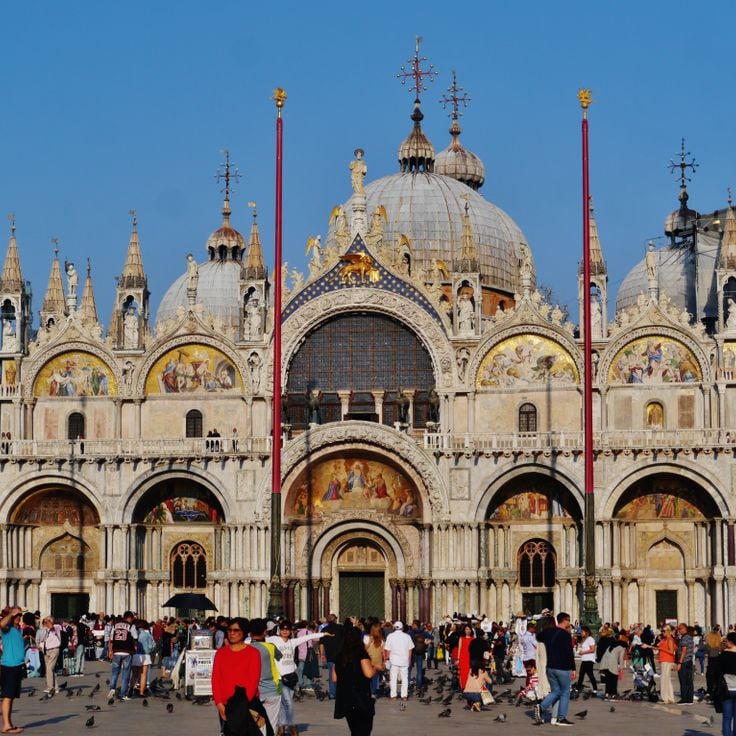
This basilica rises on the eastern side of St Mark's Square and shows Byzantine forms with five domes and golden mosaics. The facade brings together Roman arches with Gothic pointed arches. Inside, glass mosaics cover the walls and vaults. The domes rest on marble columns. Light falls through small windows and illuminates the golden surfaces. The basilica served as the chapel of the Doges and houses the bones of St Mark. Visitors enter the space through the narthex and see the image cycles on the walls.
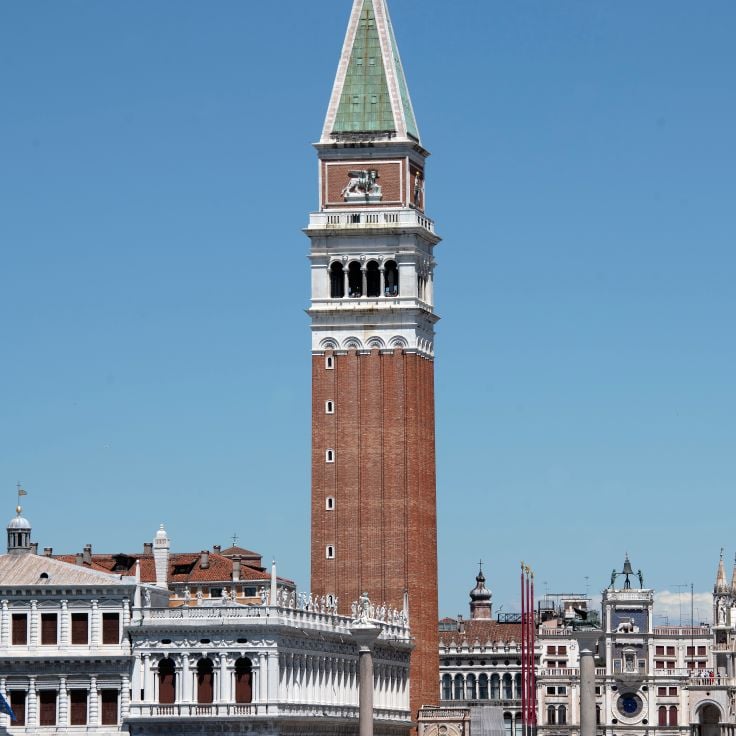
This bell tower on St. Mark's Square stands 99 meters (325 feet) high and offers a view over Venice, the lagoon and the surrounding islands. The campanile was rebuilt in the 20th century after the original tower collapsed. From the viewing platform you can see the rooftops of the city, the Byzantine basilica and the waterways that run through Venice. On clear days the view reaches the Alps.
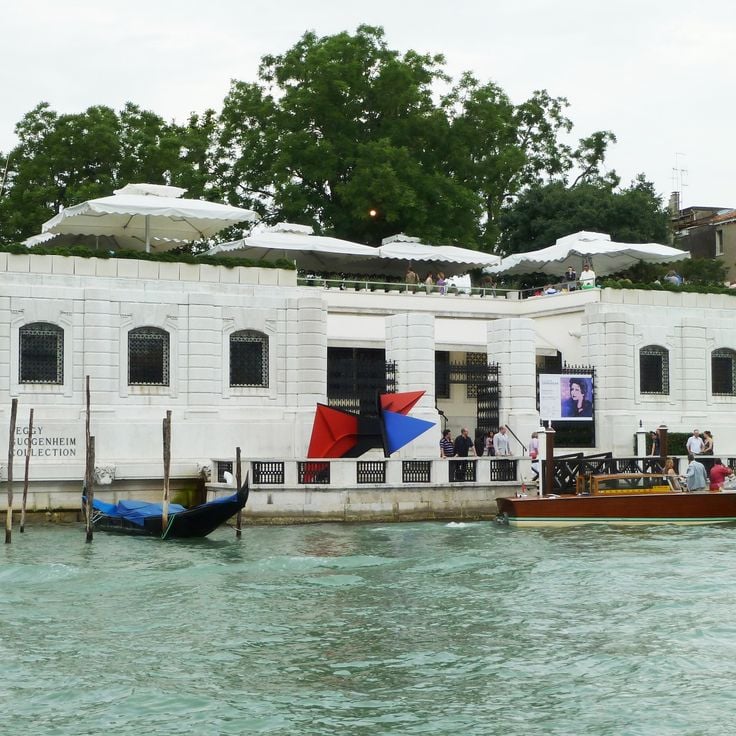
This collection in Palazzo Venier dei Leoni on the Grand Canal presents works by European and American artists of the 20th century and ranks among the most recognized sites in Venice for photographing modern sculpture and painting. The 18th-century palace never received a second story and now offers rooms displaying canvases by Picasso, Kandinsky and Pollock. Bronze figures stand among trees and flowers in the waterside garden, and from the terrace area you see gondolas and boats pass by. Visitors find subjects here for capturing contemporary art against a historical backdrop.
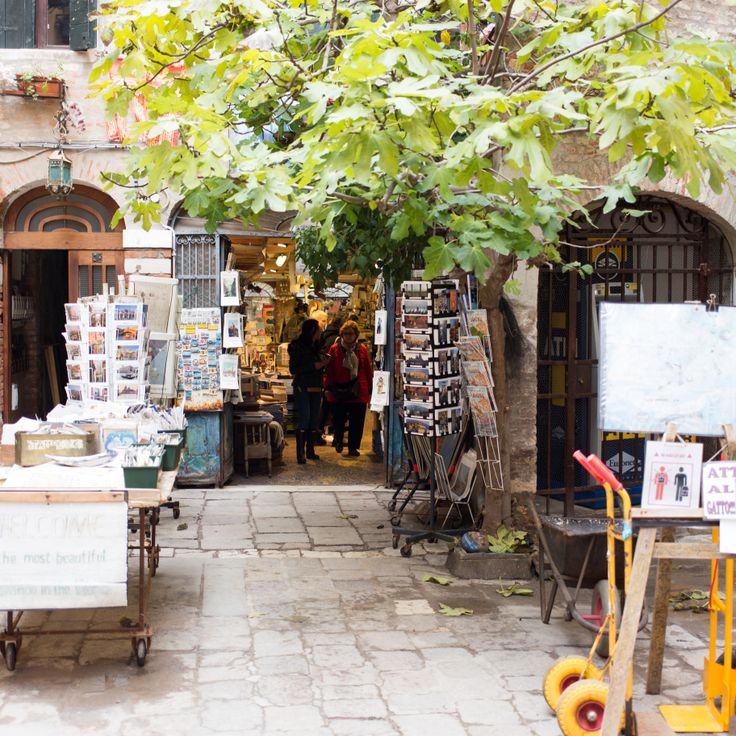
This bookstore protects its books from flooding by storing them in boats, tubs and elevated shelves. The rooms sit low near the canal, and water enters regularly during high tide. The owners have adapted: gondolas and bathtubs serve as bookshelves, stacks reach toward the ceiling. In the back courtyard, old books form a staircase that lets you climb up and look out over the roofs. Cats wander between the shelves. Libreria Acqua Alta shows how Venice adjusts to its particular conditions, and offers a chance for unusual photos among books and boats.
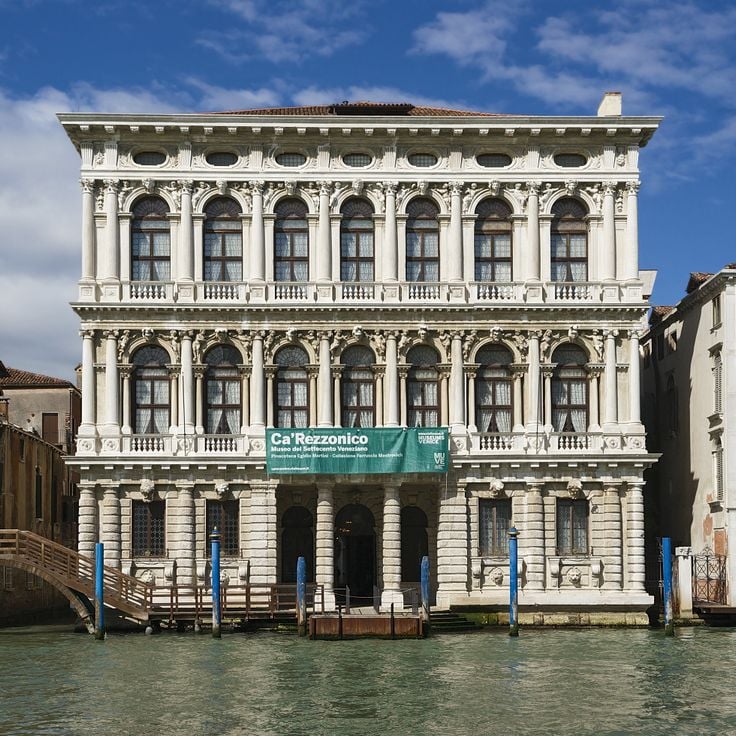
This baroque building displays art and furniture from 18th-century Venice, offering a view into the lives of noble families. The halls at Ca' Rezzonico lead through rooms filled with paintings, stucco decorations and everyday objects that together form a picture of domestic culture at the time. Walking through the floors, you see reconstructed rooms with chandeliers and wall hangings as they appeared around 300 years ago.
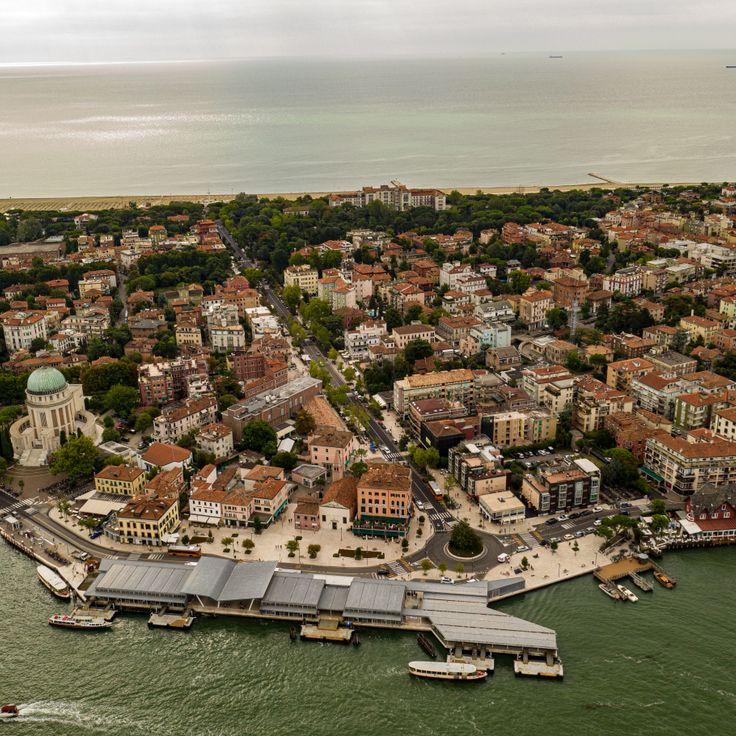
This island stretches between the lagoon and the Adriatic and offers different beaches along its twelve kilometers of coastline. Lido di Venezia presents an open coastal landscape with sand dunes and shallow water. The waterfront promenade provides views of the sea and the offshore waters. Some areas are open to the public while others belong to private beach clubs with deck chairs and umbrellas. In summer, visitors come here to swim and sunbathe. The island connects the Venetian lagoon system to the open sea and serves as a natural barrier between the two bodies of water.
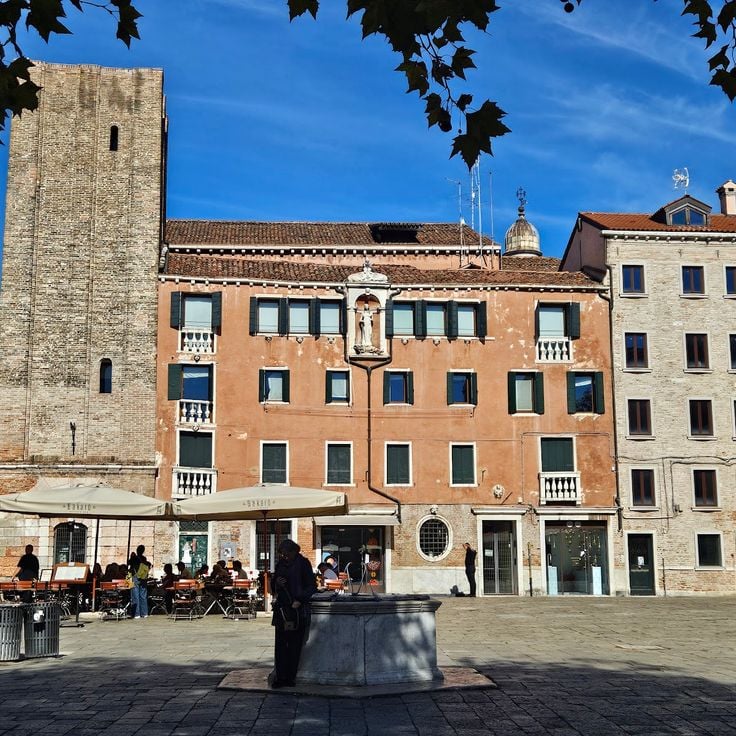
This rectangle in Dorsoduro sits between old residential buildings and small shops. In the morning, vendors sell fish and vegetables at the market. Later, locals and students gather at the cafes and on the benches. Children play in the open space while their parents sit at the tables. Campo Santa Margherita is a meeting point for residents and offers a quiet alternative to the crowded tourist routes.
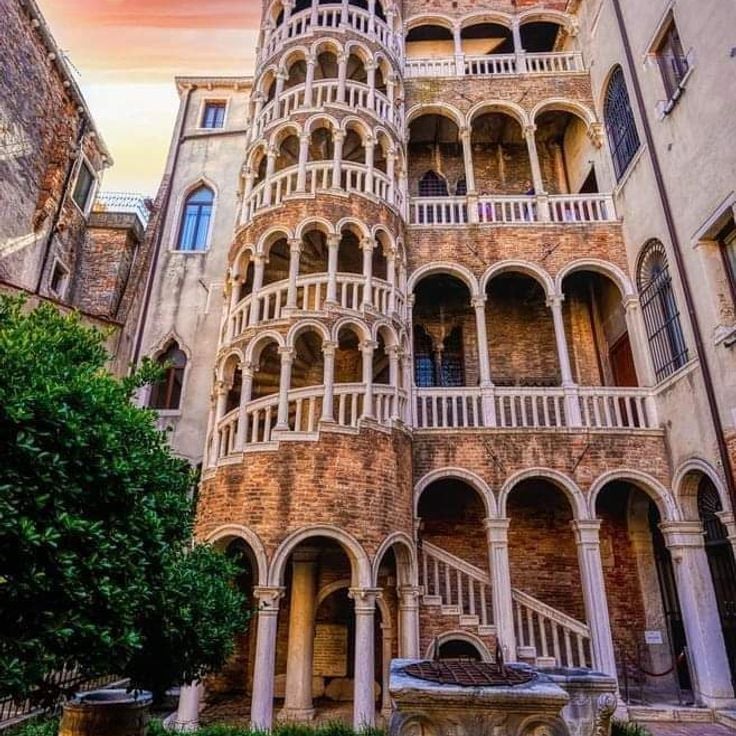
This 15th-century palace stands in a quiet corner of Venice and features an external spiral staircase that winds up several floors. The architecture combines Gothic arches with Renaissance elements. From the upper platform you can see across the rooftops to the church towers. The name Bovolo means snail in Venetian dialect and describes the shape of the staircase. The courtyard lies hidden between narrow lanes and offers a calm subject away from the main routes through the city.
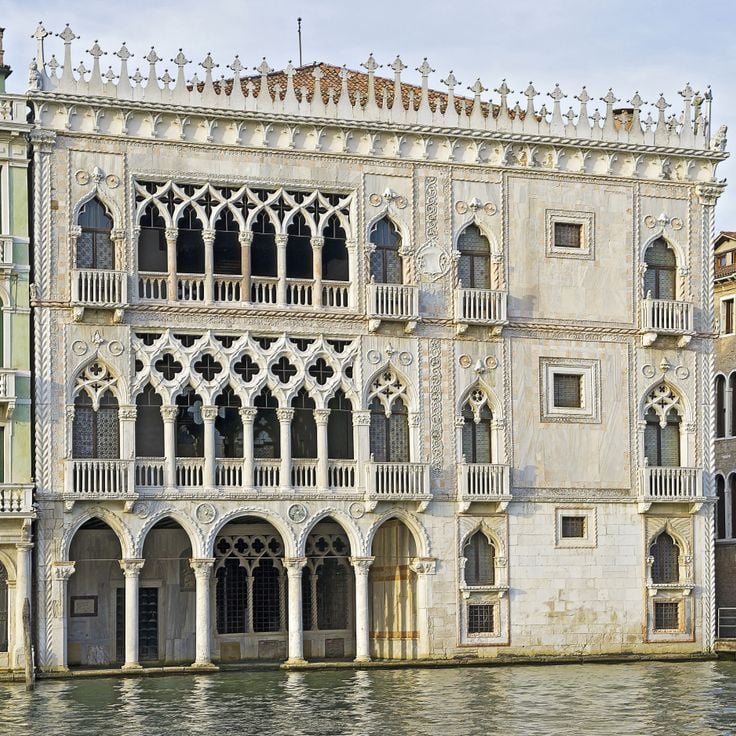
This 15th century palace shows Venetian Gothic architecture with marble facades, arches and balustrades along the Grand Canal. For photography in Venice, Ca' d'Oro offers historical details, views of the water and contrasts between pale stone and the canal below.
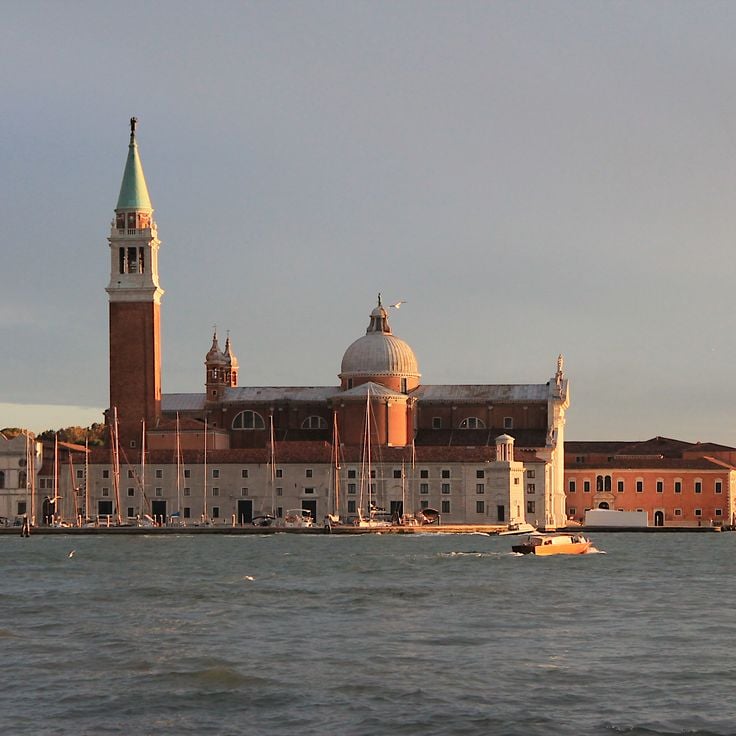
This island lies opposite St Mark's Square and features a Renaissance basilica built from white marble, along with a bell tower. San Giorgio Maggiore is among the favored photo locations in Venice. The church dates from the 16th century and was designed by Andrea Palladio. From the campanile you can see the lagoon, the rooftops of the old town and the islands across the water. The complex stands somewhat apart from the tourist center and offers space for quieter shots. Morning light and evening atmosphere bring out the pale facade.
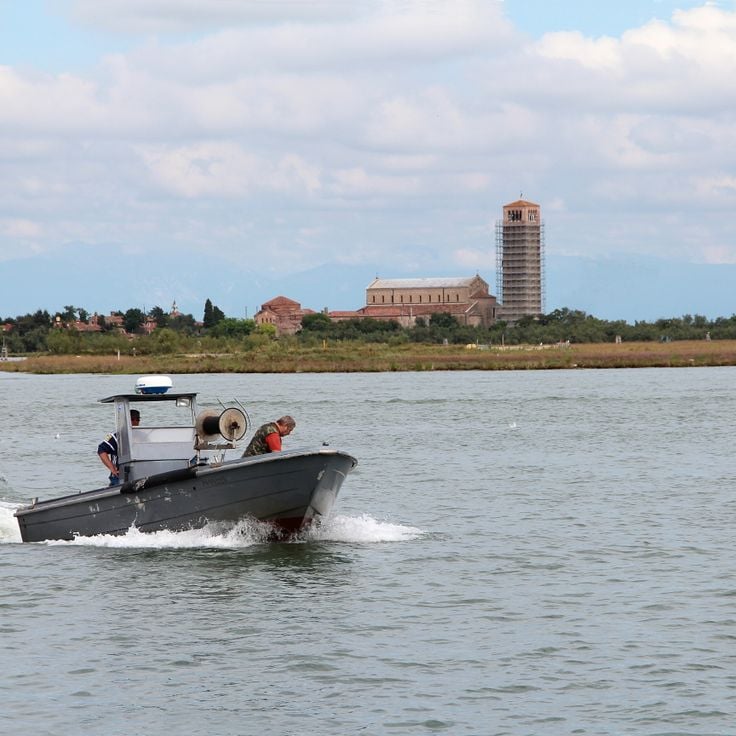
This island sits in the northern lagoon and shows a quiet picture of past times. The Basilica di Santa Maria Assunta from the 7th century holds Byzantine mosaics that depict saints and scenes of the Last Judgment. Torcello Island was once an important trading center, today travelers visit the church, the freestanding bell tower and the few remaining buildings between fields and canals. The mood is still, the paths lead through grass and reeds.
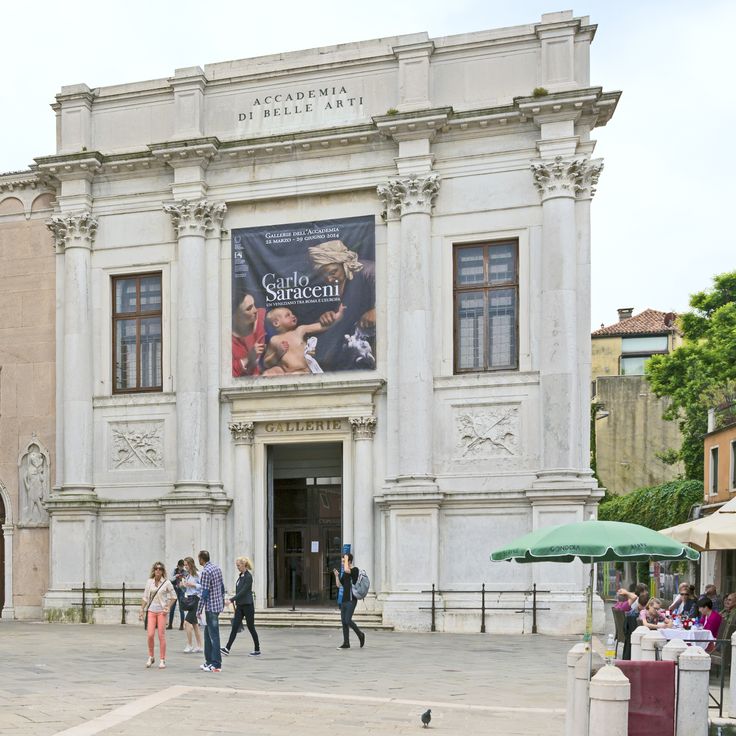
This gallery occupies a former monastery on the southern bank of the Grand Canal. The collection holds paintings by Venetian masters from the 14th to the 18th century, including works by Bellini, Titian and Tintoretto. The rooms display religious scenes, portraits and views of Venetian life. Visitors see how Venetian painting evolved over the centuries. The building itself dates back to medieval times and was later adapted to house the art collection.
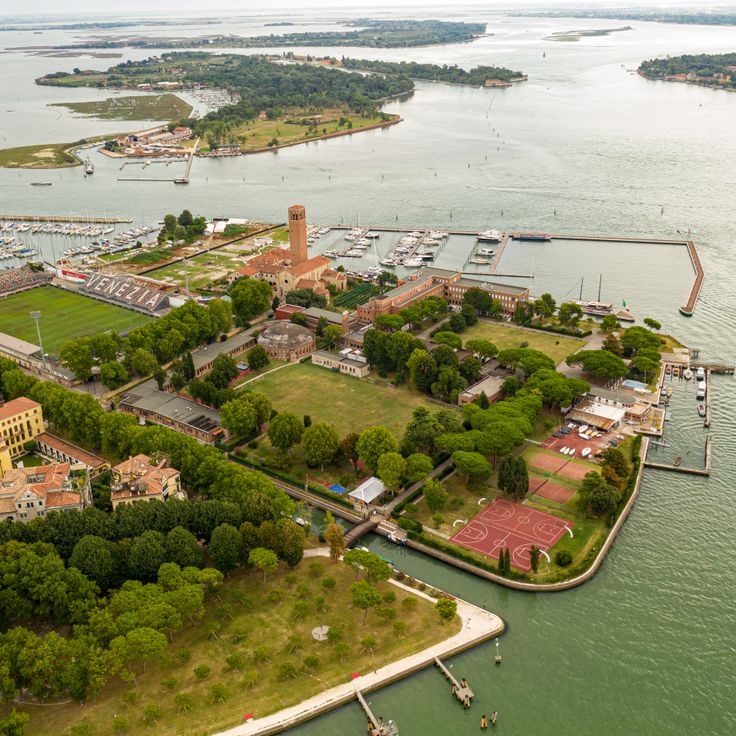
This eastern district on the island offers trees, gardens and green spaces with benches. Sant'Elena sits away from the main tourist routes in Venice and shows a quieter side of the city. Families live here, children play in the squares and residents walk their dogs. The streets are wider than the narrow alleys of the historic center. The park extends to the water and offers views across the lagoon. Churches from earlier centuries stand among residential buildings. The mood is relaxed and everyday, far from the crowds at Rialto and St Mark's Square.
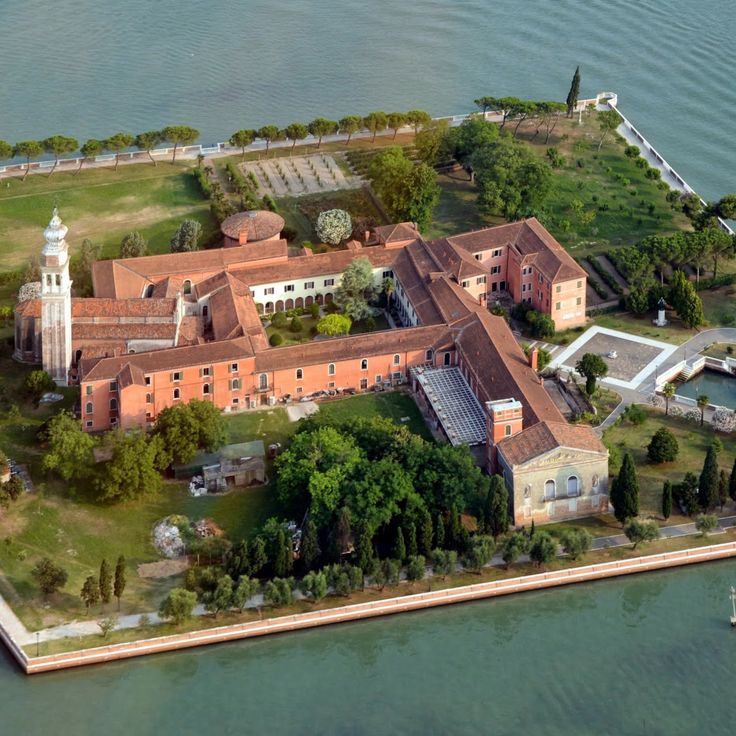
This monastery sits on a small island in the lagoon and preserves Armenian manuscripts, religious artworks and historical collections dating back to the 18th century. The rooms display books, prints and liturgical objects that document Armenian culture in Venice. Visitors find a quiet setting away from the busier parts of the city. The library holds texts in several languages, while the museum presents objects from different periods. San Lazzaro offers a view into a lesser-known side of Venetian history and an interesting subject for photos with a historical character.
This palace from the 17th century houses a museum of Venetian fashion, historical fabrics and perfumes. The rooms show how wealthy families once lived in Venice, with garments, accessories and fragrances from different centuries. The collections demonstrate the importance of textile craftsmanship and perfume making in the city's history. Palazzo Mocenigo works well for photographs of the preserved interiors and displayed objects that document social life and craft traditions.
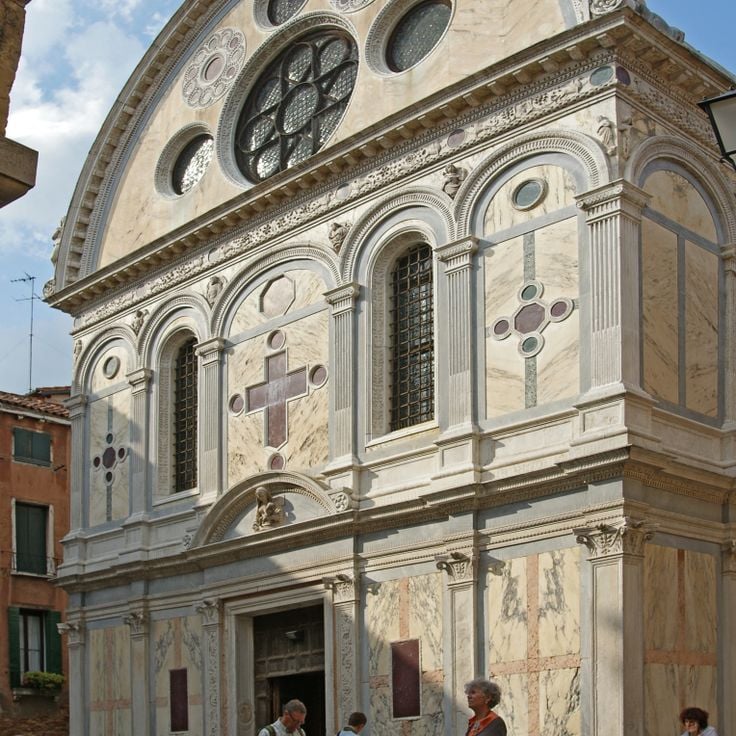
This fifteenth-century church displays polished marble cladding on its exterior facades. Inside, colored marble inlays form geometric patterns along the walls and barrel vault. The side chapels remain small, and the central space feels compact. Pilasters and arches divide the surfaces. The building stands beside a quiet canal away from the main routes through Venice and serves as a photo subject for architecture enthusiasts and visitors interested in Renaissance details in this part of the city.
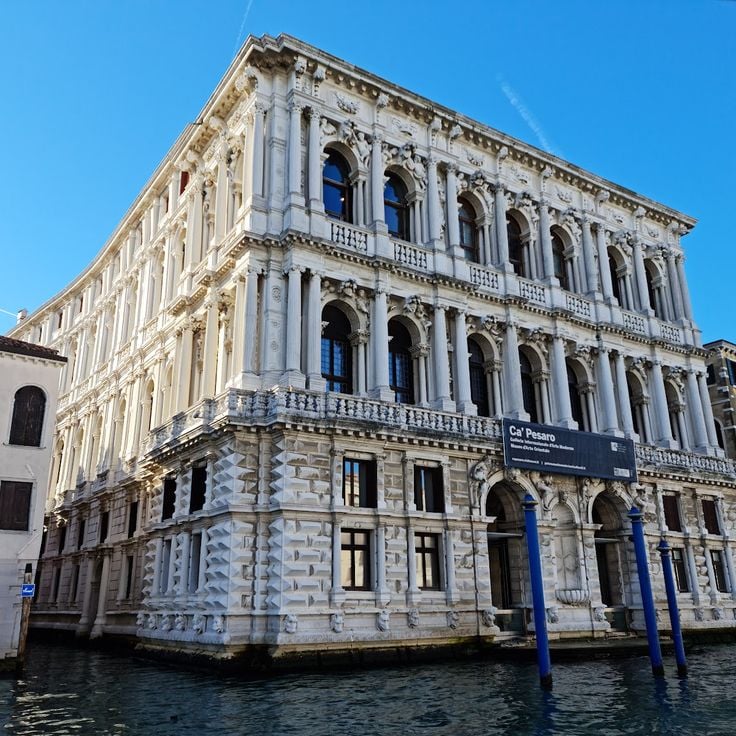
This palace from the seventeenth century stands on the Grand Canal and holds a collection of artworks from the nineteenth century to the present. The facade with its arches and columns reflects in the water. Inside, staircases lead through rooms with paintings, sculptures and contemporary works. A place where the history of Venice meets the modern era, offering a setting for photographs that place architecture and art side by side.
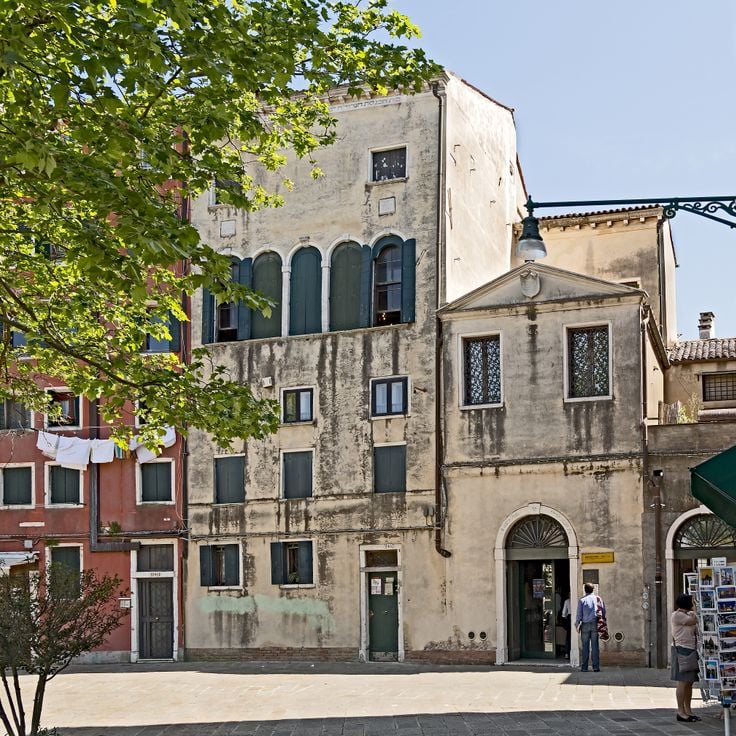
This museum in the historic ghetto traces the history of Venice's Jewish community through Torah scrolls, liturgical textiles and documents spanning several centuries. Several synagogues from the 16th and 17th centuries stand within the same neighborhood. The collection includes silver work, manuscripts and items from daily and religious life, offering a window into the practices and traditions of the community. The ghetto itself forms a distinct quarter with narrow lanes and tall buildings whose design reflects the spatial constraints of the time.
This sixteenth century palace displays Roman statues and frescoes in the originally furnished rooms of Palazzo Grimani. The collection includes ancient sculptures presented in a Venetian residence. The painted ceilings and historical furniture give a sense of life among the Venetian upper class during the Renaissance, offering a setting for photographs that capture both classical antiquity and patrician interiors.
This palazzo served as the studio of designer Mariano Fortuny and now houses his textiles, paintings and photographic works. The rooms show his design process and experiments with fabrics and colors. The building itself dates from the 15th century and sits in a quiet part of the city. The collection offers insight into Venetian fashion and the art scene of the early 20th century, showing how Fortuny combined historical techniques with modern ideas.
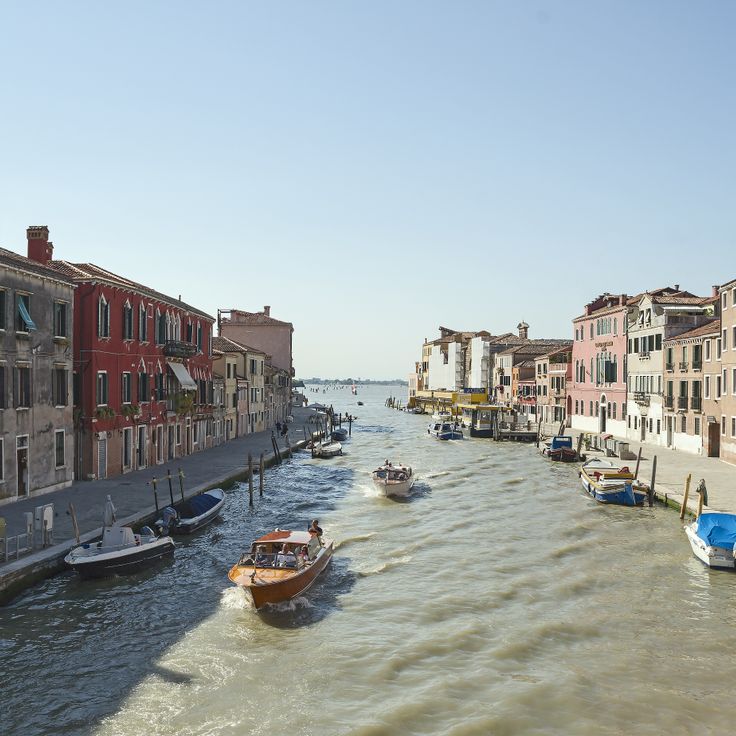
This canal is the second largest in Venice and connects the Grand Canal to the lagoon. It passes by palaces and churches that line its banks. The water reflects the facades of the buildings while boats cross the canal. The area shows the daily life of the city, with footbridges, local shops and residents going about their routines. Cannaregio Canal offers angles on Venetian architecture and historical buildings that developed over centuries.
This historic bridge connects the Doge's Palace to the prison cells across the Rio di Palazzo canal. Built in 1600 from white limestone, it has an enclosed design with small windows. The name comes from the idea that prisoners would sigh as they crossed, catching a last glimpse of the city through the openings. Today the Bridge of Sighs is a common photo subject for visitors exploring Venice.
This bridge crosses the Grand Canal with a single marble arch from the 16th century. Covered walkways run along both sides, lined with small shops selling jewelry, souvenirs, and leather goods. From the middle, you can see gondolas and boats moving in both directions, while palaces with colorful facades line the water. Mornings are usually less crowded than afternoons, and the light falls especially well on the buildings at that time.
This square shows the Byzantine basilica with its golden mosaics and the freestanding bell tower rising 323 feet (98 meters). The 9th century Doge's Palace connects Gothic arcades with pink and white marble. Pigeons move between the archways while visitors walk under the long porticos and cafés with orchestras line the open space. The historical center of Venice finds its focal point here, where tourists gather to photograph the facades and enjoy views across the lagoon.
This island shows houses in different colors along narrow canals and quiet lanes. Fishermen brought the tradition of painting their walls in red, yellow, blue or green so they could recognize them in the fog. Women made lace from the 16th century, and some workshops continue this work today. Small bridges connect the shores while boats sit moored beside the houses. The feeling remains calmer than on the main islands of the lagoon, and visitors can walk through the streets to capture the colored facades for photos.
The Grand Canal runs through Venice and shows Venetian architecture along its banks. This waterway offers photo opportunities for social media with views of palaces displaying facades from different centuries, churches with domes, and bridges crossing the water. Boats and gondolas move between the buildings. The banks are busy with people and traffic. Light changes throughout the day and alters the colors of the old structures reflected in the water.
This palace on Piazza San Marco served as the seat of government for the Venetian Republic. The facade shows marble with a ground floor of open arcades, above it a pierced level with small columns, and above that the solid walls of the upper floor. Inside lie reception rooms with paintings by Tintoretto and Veronese, a gilded staircase, and the Hall of the Great Council. The palace demonstrates how the republic expressed power through architecture, and in Venice offers a good opportunity for social media photos, as the structure forms a scene together with the campanile and the basilica.
This basilica from the 17th century marks the entrance to the Grand Canal with its octagonal shape and white stone facade. The domes shape the skyline of Venice, and the church offers a location for photographs across the water and the city. Visitors find here an example of baroque architecture that can be photographed under different light conditions.
This bridge connects San Marco and Dorsoduro across the Grand Canal and offers a clear view of the Santa Maria della Salute basilica. The wooden structure stands out from the stone bridges of the city. Photographers find a high spot above the water where they can see the church's dome and the passing boats.
This island has housed glass factories and workshops since the 13th century, where masters create vases, chandeliers and artworks. The furnaces burn in old brick buildings along the canals. Visitors can walk through the streets and watch craftsmen at work, blowing and turning molten glass into shapes. Murano Island offers opportunities to photograph the traditional techniques and capture the colorful glass objects in workshop windows. The photo locations in Venice for social media include these workshops, where the craft is still practiced as it was centuries ago.
This basilica rises on the eastern side of St Mark's Square and shows Byzantine forms with five domes and golden mosaics. The facade brings together Roman arches with Gothic pointed arches. Inside, glass mosaics cover the walls and vaults. The domes rest on marble columns. Light falls through small windows and illuminates the golden surfaces. The basilica served as the chapel of the Doges and houses the bones of St Mark. Visitors enter the space through the narthex and see the image cycles on the walls.
This bell tower on St. Mark's Square stands 99 meters (325 feet) high and offers a view over Venice, the lagoon and the surrounding islands. The campanile was rebuilt in the 20th century after the original tower collapsed. From the viewing platform you can see the rooftops of the city, the Byzantine basilica and the waterways that run through Venice. On clear days the view reaches the Alps.
This collection in Palazzo Venier dei Leoni on the Grand Canal presents works by European and American artists of the 20th century and ranks among the most recognized sites in Venice for photographing modern sculpture and painting. The 18th-century palace never received a second story and now offers rooms displaying canvases by Picasso, Kandinsky and Pollock. Bronze figures stand among trees and flowers in the waterside garden, and from the terrace area you see gondolas and boats pass by. Visitors find subjects here for capturing contemporary art against a historical backdrop.
This bookstore protects its books from flooding by storing them in boats, tubs and elevated shelves. The rooms sit low near the canal, and water enters regularly during high tide. The owners have adapted: gondolas and bathtubs serve as bookshelves, stacks reach toward the ceiling. In the back courtyard, old books form a staircase that lets you climb up and look out over the roofs. Cats wander between the shelves. Libreria Acqua Alta shows how Venice adjusts to its particular conditions, and offers a chance for unusual photos among books and boats.
This baroque building displays art and furniture from 18th-century Venice, offering a view into the lives of noble families. The halls at Ca' Rezzonico lead through rooms filled with paintings, stucco decorations and everyday objects that together form a picture of domestic culture at the time. Walking through the floors, you see reconstructed rooms with chandeliers and wall hangings as they appeared around 300 years ago.
This island stretches between the lagoon and the Adriatic and offers different beaches along its twelve kilometers of coastline. Lido di Venezia presents an open coastal landscape with sand dunes and shallow water. The waterfront promenade provides views of the sea and the offshore waters. Some areas are open to the public while others belong to private beach clubs with deck chairs and umbrellas. In summer, visitors come here to swim and sunbathe. The island connects the Venetian lagoon system to the open sea and serves as a natural barrier between the two bodies of water.
This rectangle in Dorsoduro sits between old residential buildings and small shops. In the morning, vendors sell fish and vegetables at the market. Later, locals and students gather at the cafes and on the benches. Children play in the open space while their parents sit at the tables. Campo Santa Margherita is a meeting point for residents and offers a quiet alternative to the crowded tourist routes.
This 15th-century palace stands in a quiet corner of Venice and features an external spiral staircase that winds up several floors. The architecture combines Gothic arches with Renaissance elements. From the upper platform you can see across the rooftops to the church towers. The name Bovolo means snail in Venetian dialect and describes the shape of the staircase. The courtyard lies hidden between narrow lanes and offers a calm subject away from the main routes through the city.
This 15th century palace shows Venetian Gothic architecture with marble facades, arches and balustrades along the Grand Canal. For photography in Venice, Ca' d'Oro offers historical details, views of the water and contrasts between pale stone and the canal below.
This island lies opposite St Mark's Square and features a Renaissance basilica built from white marble, along with a bell tower. San Giorgio Maggiore is among the favored photo locations in Venice. The church dates from the 16th century and was designed by Andrea Palladio. From the campanile you can see the lagoon, the rooftops of the old town and the islands across the water. The complex stands somewhat apart from the tourist center and offers space for quieter shots. Morning light and evening atmosphere bring out the pale facade.
This island sits in the northern lagoon and shows a quiet picture of past times. The Basilica di Santa Maria Assunta from the 7th century holds Byzantine mosaics that depict saints and scenes of the Last Judgment. Torcello Island was once an important trading center, today travelers visit the church, the freestanding bell tower and the few remaining buildings between fields and canals. The mood is still, the paths lead through grass and reeds.
This gallery occupies a former monastery on the southern bank of the Grand Canal. The collection holds paintings by Venetian masters from the 14th to the 18th century, including works by Bellini, Titian and Tintoretto. The rooms display religious scenes, portraits and views of Venetian life. Visitors see how Venetian painting evolved over the centuries. The building itself dates back to medieval times and was later adapted to house the art collection.
This eastern district on the island offers trees, gardens and green spaces with benches. Sant'Elena sits away from the main tourist routes in Venice and shows a quieter side of the city. Families live here, children play in the squares and residents walk their dogs. The streets are wider than the narrow alleys of the historic center. The park extends to the water and offers views across the lagoon. Churches from earlier centuries stand among residential buildings. The mood is relaxed and everyday, far from the crowds at Rialto and St Mark's Square.
This monastery sits on a small island in the lagoon and preserves Armenian manuscripts, religious artworks and historical collections dating back to the 18th century. The rooms display books, prints and liturgical objects that document Armenian culture in Venice. Visitors find a quiet setting away from the busier parts of the city. The library holds texts in several languages, while the museum presents objects from different periods. San Lazzaro offers a view into a lesser-known side of Venetian history and an interesting subject for photos with a historical character.
This palace from the 17th century houses a museum of Venetian fashion, historical fabrics and perfumes. The rooms show how wealthy families once lived in Venice, with garments, accessories and fragrances from different centuries. The collections demonstrate the importance of textile craftsmanship and perfume making in the city's history. Palazzo Mocenigo works well for photographs of the preserved interiors and displayed objects that document social life and craft traditions.
This fifteenth-century church displays polished marble cladding on its exterior facades. Inside, colored marble inlays form geometric patterns along the walls and barrel vault. The side chapels remain small, and the central space feels compact. Pilasters and arches divide the surfaces. The building stands beside a quiet canal away from the main routes through Venice and serves as a photo subject for architecture enthusiasts and visitors interested in Renaissance details in this part of the city.
This palace from the seventeenth century stands on the Grand Canal and holds a collection of artworks from the nineteenth century to the present. The facade with its arches and columns reflects in the water. Inside, staircases lead through rooms with paintings, sculptures and contemporary works. A place where the history of Venice meets the modern era, offering a setting for photographs that place architecture and art side by side.
This museum in the historic ghetto traces the history of Venice's Jewish community through Torah scrolls, liturgical textiles and documents spanning several centuries. Several synagogues from the 16th and 17th centuries stand within the same neighborhood. The collection includes silver work, manuscripts and items from daily and religious life, offering a window into the practices and traditions of the community. The ghetto itself forms a distinct quarter with narrow lanes and tall buildings whose design reflects the spatial constraints of the time.
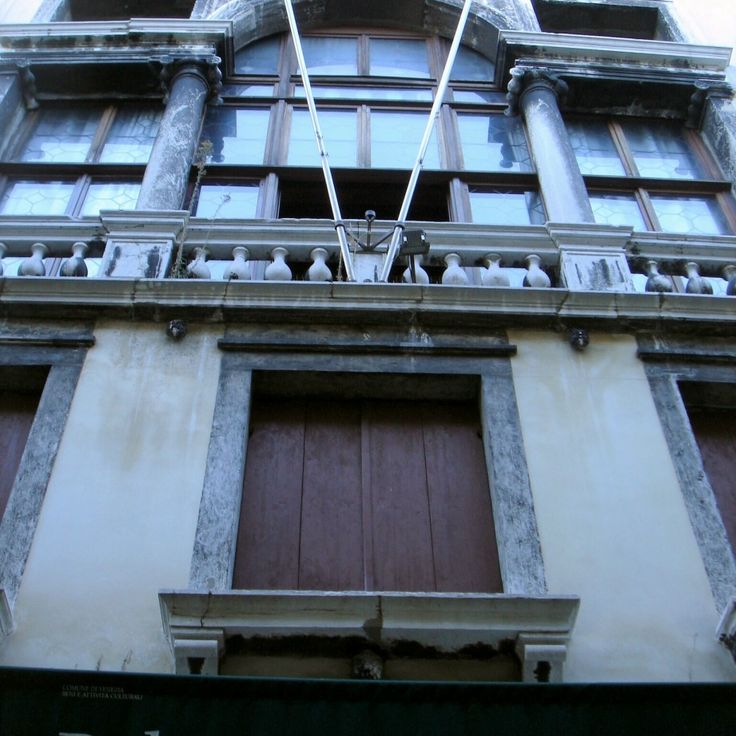
This sixteenth century palace displays Roman statues and frescoes in the originally furnished rooms of Palazzo Grimani. The collection includes ancient sculptures presented in a Venetian residence. The painted ceilings and historical furniture give a sense of life among the Venetian upper class during the Renaissance, offering a setting for photographs that capture both classical antiquity and patrician interiors.
This palazzo served as the studio of designer Mariano Fortuny and now houses his textiles, paintings and photographic works. The rooms show his design process and experiments with fabrics and colors. The building itself dates from the 15th century and sits in a quiet part of the city. The collection offers insight into Venetian fashion and the art scene of the early 20th century, showing how Fortuny combined historical techniques with modern ideas.
This canal is the second largest in Venice and connects the Grand Canal to the lagoon. It passes by palaces and churches that line its banks. The water reflects the facades of the buildings while boats cross the canal. The area shows the daily life of the city, with footbridges, local shops and residents going about their routines. Cannaregio Canal offers angles on Venetian architecture and historical buildings that developed over centuries.
This historic bridge connects the Doge's Palace to the prison cells across the Rio di Palazzo canal. Built in 1600 from white limestone, it has an enclosed design with small windows. The name comes from the idea that prisoners would sigh as they crossed, catching a last glimpse of the city through the openings. Today the Bridge of Sighs is a common photo subject for visitors exploring Venice.
This bridge crosses the Grand Canal with a single marble arch from the 16th century. Covered walkways run along both sides, lined with small shops selling jewelry, souvenirs, and leather goods. From the middle, you can see gondolas and boats moving in both directions, while palaces with colorful facades line the water. Mornings are usually less crowded than afternoons, and the light falls especially well on the buildings at that time.
This square shows the Byzantine basilica with its golden mosaics and the freestanding bell tower rising 323 feet (98 meters). The 9th century Doge's Palace connects Gothic arcades with pink and white marble. Pigeons move between the archways while visitors walk under the long porticos and cafés with orchestras line the open space. The historical center of Venice finds its focal point here, where tourists gather to photograph the facades and enjoy views across the lagoon.
This island shows houses in different colors along narrow canals and quiet lanes. Fishermen brought the tradition of painting their walls in red, yellow, blue or green so they could recognize them in the fog. Women made lace from the 16th century, and some workshops continue this work today. Small bridges connect the shores while boats sit moored beside the houses. The feeling remains calmer than on the main islands of the lagoon, and visitors can walk through the streets to capture the colored facades for photos.
The Grand Canal runs through Venice and shows Venetian architecture along its banks. This waterway offers photo opportunities for social media with views of palaces displaying facades from different centuries, churches with domes, and bridges crossing the water. Boats and gondolas move between the buildings. The banks are busy with people and traffic. Light changes throughout the day and alters the colors of the old structures reflected in the water.
This palace on Piazza San Marco served as the seat of government for the Venetian Republic. The facade shows marble with a ground floor of open arcades, above it a pierced level with small columns, and above that the solid walls of the upper floor. Inside lie reception rooms with paintings by Tintoretto and Veronese, a gilded staircase, and the Hall of the Great Council. The palace demonstrates how the republic expressed power through architecture, and in Venice offers a good opportunity for social media photos, as the structure forms a scene together with the campanile and the basilica.
This basilica from the 17th century marks the entrance to the Grand Canal with its octagonal shape and white stone facade. The domes shape the skyline of Venice, and the church offers a location for photographs across the water and the city. Visitors find here an example of baroque architecture that can be photographed under different light conditions.
This bridge connects San Marco and Dorsoduro across the Grand Canal and offers a clear view of the Santa Maria della Salute basilica. The wooden structure stands out from the stone bridges of the city. Photographers find a high spot above the water where they can see the church's dome and the passing boats.
This island has housed glass factories and workshops since the 13th century, where masters create vases, chandeliers and artworks. The furnaces burn in old brick buildings along the canals. Visitors can walk through the streets and watch craftsmen at work, blowing and turning molten glass into shapes. Murano Island offers opportunities to photograph the traditional techniques and capture the colorful glass objects in workshop windows. The photo locations in Venice for social media include these workshops, where the craft is still practiced as it was centuries ago.
This basilica rises on the eastern side of St Mark's Square and shows Byzantine forms with five domes and golden mosaics. The facade brings together Roman arches with Gothic pointed arches. Inside, glass mosaics cover the walls and vaults. The domes rest on marble columns. Light falls through small windows and illuminates the golden surfaces. The basilica served as the chapel of the Doges and houses the bones of St Mark. Visitors enter the space through the narthex and see the image cycles on the walls.
This bell tower on St. Mark's Square stands 99 meters (325 feet) high and offers a view over Venice, the lagoon and the surrounding islands. The campanile was rebuilt in the 20th century after the original tower collapsed. From the viewing platform you can see the rooftops of the city, the Byzantine basilica and the waterways that run through Venice. On clear days the view reaches the Alps.
This collection in Palazzo Venier dei Leoni on the Grand Canal presents works by European and American artists of the 20th century and ranks among the most recognized sites in Venice for photographing modern sculpture and painting. The 18th-century palace never received a second story and now offers rooms displaying canvases by Picasso, Kandinsky and Pollock. Bronze figures stand among trees and flowers in the waterside garden, and from the terrace area you see gondolas and boats pass by. Visitors find subjects here for capturing contemporary art against a historical backdrop.
This bookstore protects its books from flooding by storing them in boats, tubs and elevated shelves. The rooms sit low near the canal, and water enters regularly during high tide. The owners have adapted: gondolas and bathtubs serve as bookshelves, stacks reach toward the ceiling. In the back courtyard, old books form a staircase that lets you climb up and look out over the roofs. Cats wander between the shelves. Libreria Acqua Alta shows how Venice adjusts to its particular conditions, and offers a chance for unusual photos among books and boats.
This baroque building displays art and furniture from 18th-century Venice, offering a view into the lives of noble families. The halls at Ca' Rezzonico lead through rooms filled with paintings, stucco decorations and everyday objects that together form a picture of domestic culture at the time. Walking through the floors, you see reconstructed rooms with chandeliers and wall hangings as they appeared around 300 years ago.
This island stretches between the lagoon and the Adriatic and offers different beaches along its twelve kilometers of coastline. Lido di Venezia presents an open coastal landscape with sand dunes and shallow water. The waterfront promenade provides views of the sea and the offshore waters. Some areas are open to the public while others belong to private beach clubs with deck chairs and umbrellas. In summer, visitors come here to swim and sunbathe. The island connects the Venetian lagoon system to the open sea and serves as a natural barrier between the two bodies of water.
This rectangle in Dorsoduro sits between old residential buildings and small shops. In the morning, vendors sell fish and vegetables at the market. Later, locals and students gather at the cafes and on the benches. Children play in the open space while their parents sit at the tables. Campo Santa Margherita is a meeting point for residents and offers a quiet alternative to the crowded tourist routes.
This 15th-century palace stands in a quiet corner of Venice and features an external spiral staircase that winds up several floors. The architecture combines Gothic arches with Renaissance elements. From the upper platform you can see across the rooftops to the church towers. The name Bovolo means snail in Venetian dialect and describes the shape of the staircase. The courtyard lies hidden between narrow lanes and offers a calm subject away from the main routes through the city.
This 15th century palace shows Venetian Gothic architecture with marble facades, arches and balustrades along the Grand Canal. For photography in Venice, Ca' d'Oro offers historical details, views of the water and contrasts between pale stone and the canal below.
This island lies opposite St Mark's Square and features a Renaissance basilica built from white marble, along with a bell tower. San Giorgio Maggiore is among the favored photo locations in Venice. The church dates from the 16th century and was designed by Andrea Palladio. From the campanile you can see the lagoon, the rooftops of the old town and the islands across the water. The complex stands somewhat apart from the tourist center and offers space for quieter shots. Morning light and evening atmosphere bring out the pale facade.
This island sits in the northern lagoon and shows a quiet picture of past times. The Basilica di Santa Maria Assunta from the 7th century holds Byzantine mosaics that depict saints and scenes of the Last Judgment. Torcello Island was once an important trading center, today travelers visit the church, the freestanding bell tower and the few remaining buildings between fields and canals. The mood is still, the paths lead through grass and reeds.
This gallery occupies a former monastery on the southern bank of the Grand Canal. The collection holds paintings by Venetian masters from the 14th to the 18th century, including works by Bellini, Titian and Tintoretto. The rooms display religious scenes, portraits and views of Venetian life. Visitors see how Venetian painting evolved over the centuries. The building itself dates back to medieval times and was later adapted to house the art collection.
This eastern district on the island offers trees, gardens and green spaces with benches. Sant'Elena sits away from the main tourist routes in Venice and shows a quieter side of the city. Families live here, children play in the squares and residents walk their dogs. The streets are wider than the narrow alleys of the historic center. The park extends to the water and offers views across the lagoon. Churches from earlier centuries stand among residential buildings. The mood is relaxed and everyday, far from the crowds at Rialto and St Mark's Square.
This monastery sits on a small island in the lagoon and preserves Armenian manuscripts, religious artworks and historical collections dating back to the 18th century. The rooms display books, prints and liturgical objects that document Armenian culture in Venice. Visitors find a quiet setting away from the busier parts of the city. The library holds texts in several languages, while the museum presents objects from different periods. San Lazzaro offers a view into a lesser-known side of Venetian history and an interesting subject for photos with a historical character.
This palace from the 17th century houses a museum of Venetian fashion, historical fabrics and perfumes. The rooms show how wealthy families once lived in Venice, with garments, accessories and fragrances from different centuries. The collections demonstrate the importance of textile craftsmanship and perfume making in the city's history. Palazzo Mocenigo works well for photographs of the preserved interiors and displayed objects that document social life and craft traditions.
This fifteenth-century church displays polished marble cladding on its exterior facades. Inside, colored marble inlays form geometric patterns along the walls and barrel vault. The side chapels remain small, and the central space feels compact. Pilasters and arches divide the surfaces. The building stands beside a quiet canal away from the main routes through Venice and serves as a photo subject for architecture enthusiasts and visitors interested in Renaissance details in this part of the city.
This palace from the seventeenth century stands on the Grand Canal and holds a collection of artworks from the nineteenth century to the present. The facade with its arches and columns reflects in the water. Inside, staircases lead through rooms with paintings, sculptures and contemporary works. A place where the history of Venice meets the modern era, offering a setting for photographs that place architecture and art side by side.
This museum in the historic ghetto traces the history of Venice's Jewish community through Torah scrolls, liturgical textiles and documents spanning several centuries. Several synagogues from the 16th and 17th centuries stand within the same neighborhood. The collection includes silver work, manuscripts and items from daily and religious life, offering a window into the practices and traditions of the community. The ghetto itself forms a distinct quarter with narrow lanes and tall buildings whose design reflects the spatial constraints of the time.
This sixteenth century palace displays Roman statues and frescoes in the originally furnished rooms of Palazzo Grimani. The collection includes ancient sculptures presented in a Venetian residence. The painted ceilings and historical furniture give a sense of life among the Venetian upper class during the Renaissance, offering a setting for photographs that capture both classical antiquity and patrician interiors.
This palazzo served as the studio of designer Mariano Fortuny and now houses his textiles, paintings and photographic works. The rooms show his design process and experiments with fabrics and colors. The building itself dates from the 15th century and sits in a quiet part of the city. The collection offers insight into Venetian fashion and the art scene of the early 20th century, showing how Fortuny combined historical techniques with modern ideas.
This canal is the second largest in Venice and connects the Grand Canal to the lagoon. It passes by palaces and churches that line its banks. The water reflects the facades of the buildings while boats cross the canal. The area shows the daily life of the city, with footbridges, local shops and residents going about their routines. Cannaregio Canal offers angles on Venetian architecture and historical buildings that developed over centuries.
When visiting Venice, keep in mind that crowds gather around St. Mark's Square and the Rialto Bridge. Locals will tell you to prefer early morning or late afternoon to photograph these places without being surrounded by tourists. A tip: explore the small canals of Cannaregio, where you will encounter Venetians going about their daily activities, away from the tourist circuits.