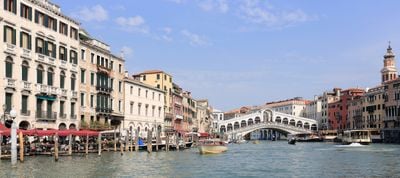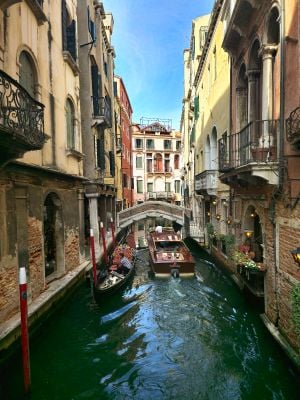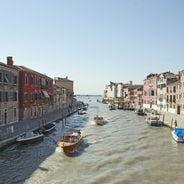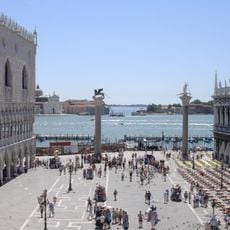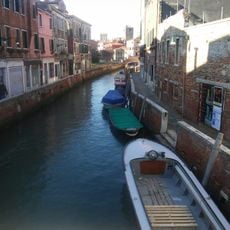
Grand Canal, Canal in Venice, Italy
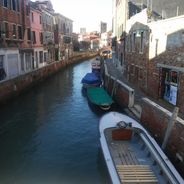
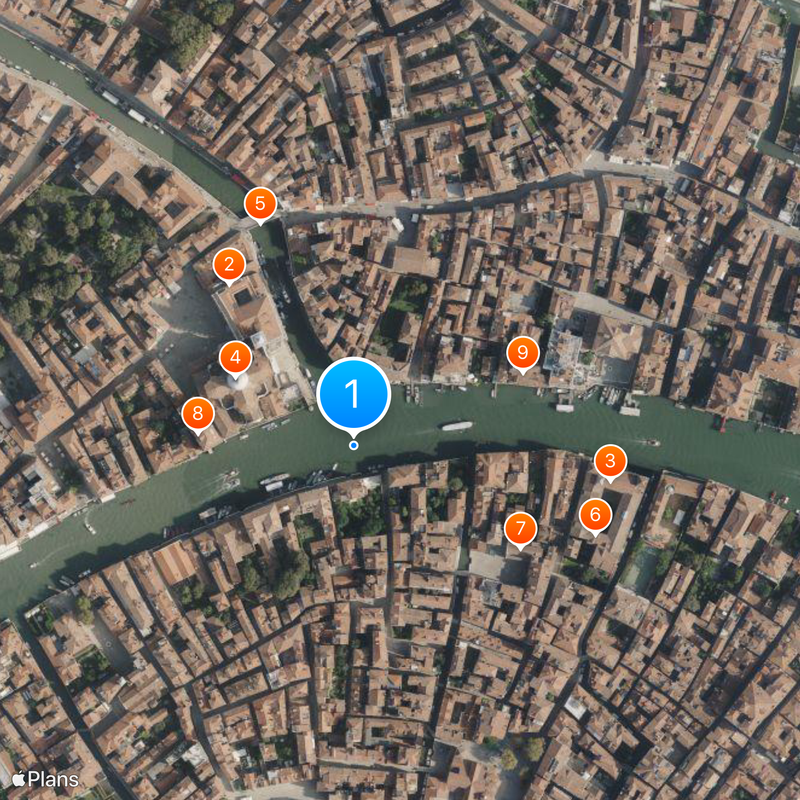
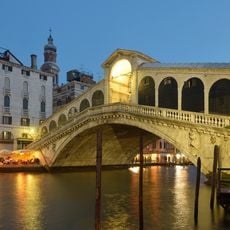
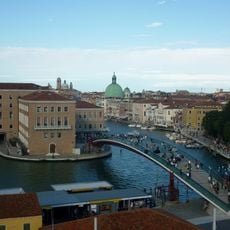
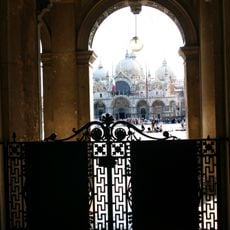
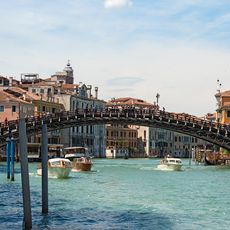
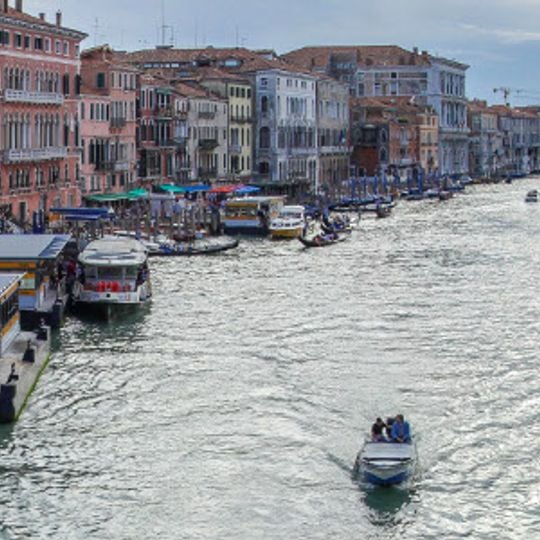
The Grand Canal is a major waterway that winds through Venice in a reverse S-shape, dividing the city into two main sections. Four fixed bridges span the canal, including Rialto Bridge at the center and Accademia Bridge further south.
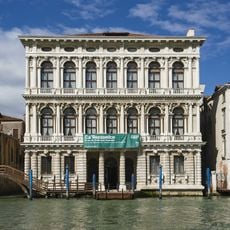
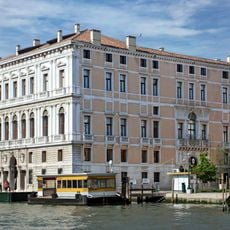
The canal follows the path of an ancient riverbed and became the main traffic route after the doges moved their residence to what is now the Rialto area in the 9th century. Over the centuries, trading palaces and noble houses rose along its banks, reflecting the growing wealth of the Venetian Republic.
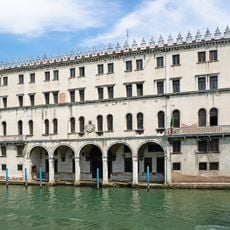
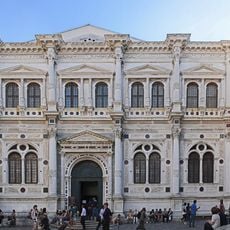
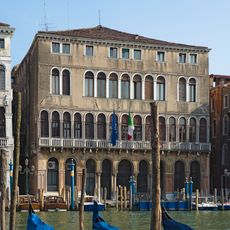
Residents often call the canal Canalazzo, an affectionate nickname reflecting its central role in Venetian life. Palaces along the banks still show water gates where merchants and nobles once brought goods and guests directly from boats into their homes.
Vaporetti run regularly along the canal and provide a good overview of the buildings facing the water in daylight. For a quieter trip without crowds, early morning or late afternoon hours work well.
The canal is actually salty because it connects directly to the lagoon and is influenced by tidal changes every day. This connection to the sea means the water level rises noticeably during high tide and drops during low tide.
The community of curious travelers
AroundUs brings together thousands of curated places, local tips, and hidden gems, enriched daily by 90,737 contributors worldwide.