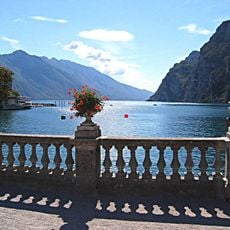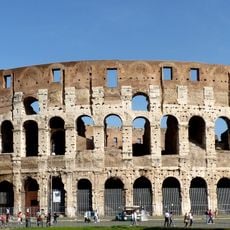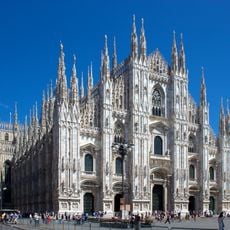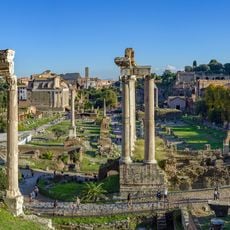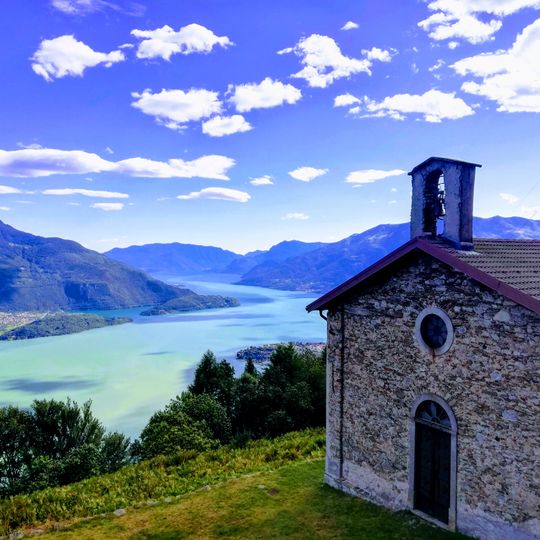
Italy, Republic in Southern Europe
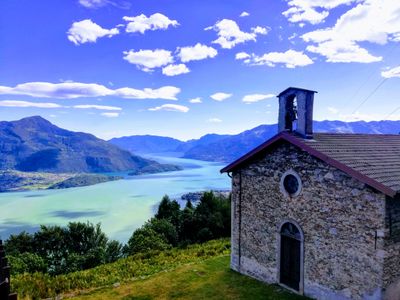
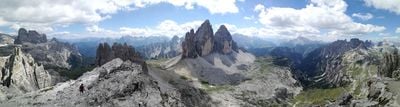
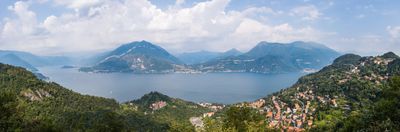
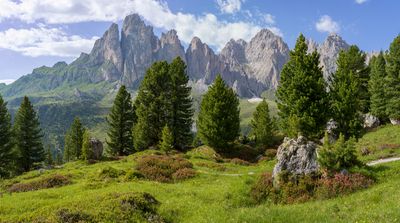
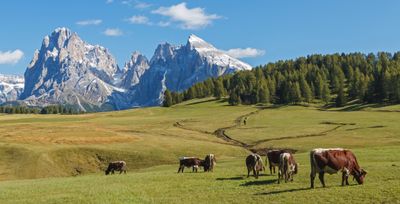
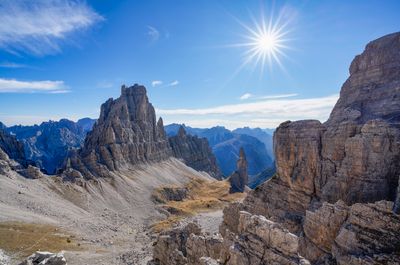
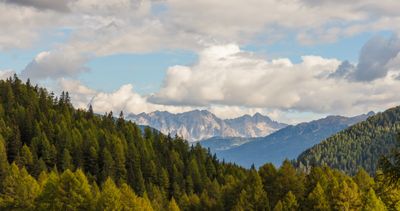
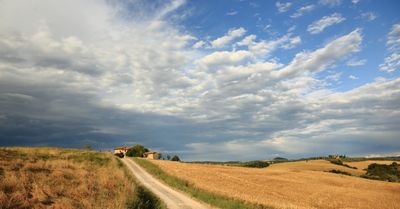
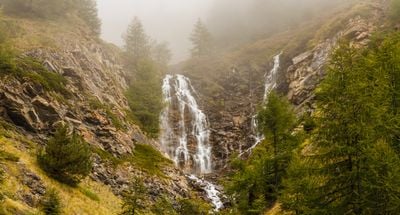
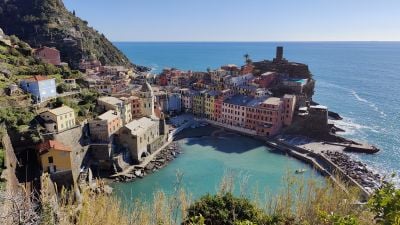
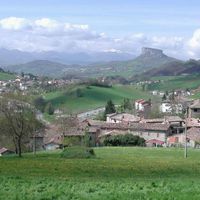
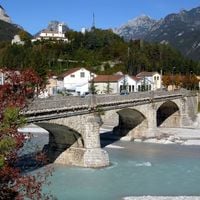
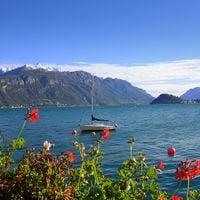
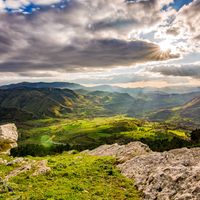
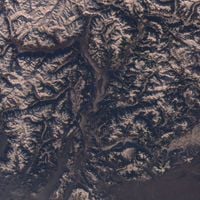
Italy is a state in Southern Europe that stretches out into the Mediterranean on a long peninsula, with the Alps in the north and islands like Sicily and Sardinia to the south. Coasts, plains, and volcanic areas alternate to form a highly varied landscape.
After the fall of the Roman Empire in the fifth century, the territory remained divided into many separate regions for centuries. Unification under King Victor Emmanuel II in 1861 created a single state, which became a republic by referendum in 1946.
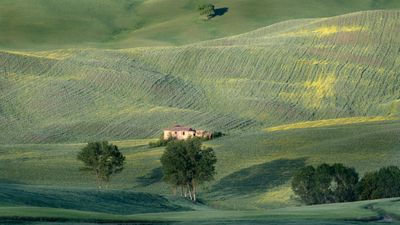
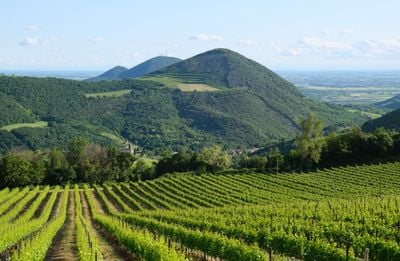
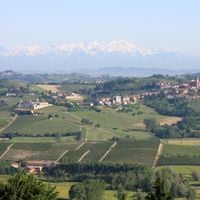
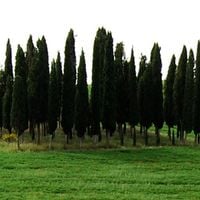
Local kitchens vary by region, with bread styles, cheese, cured meats, and wines changing from valley to valley and coast to coast. Olive groves shape the southern countryside, while vineyards and rice fields define northern farming areas.
High-speed trains connect the largest cities from north to south, while international airports offer access from abroad. Spring and autumn work best for travel, when the weather is milder and many places are more accessible.
Two sovereign microstates, San Marino and Vatican City, lie entirely within the borders. The former Venetian Republic territory was incorporated after the Third War of Independence in 1866.
Inception: June 18, 1946
Capital city: Rome
Part of: Europe, European Union, European Economic Area
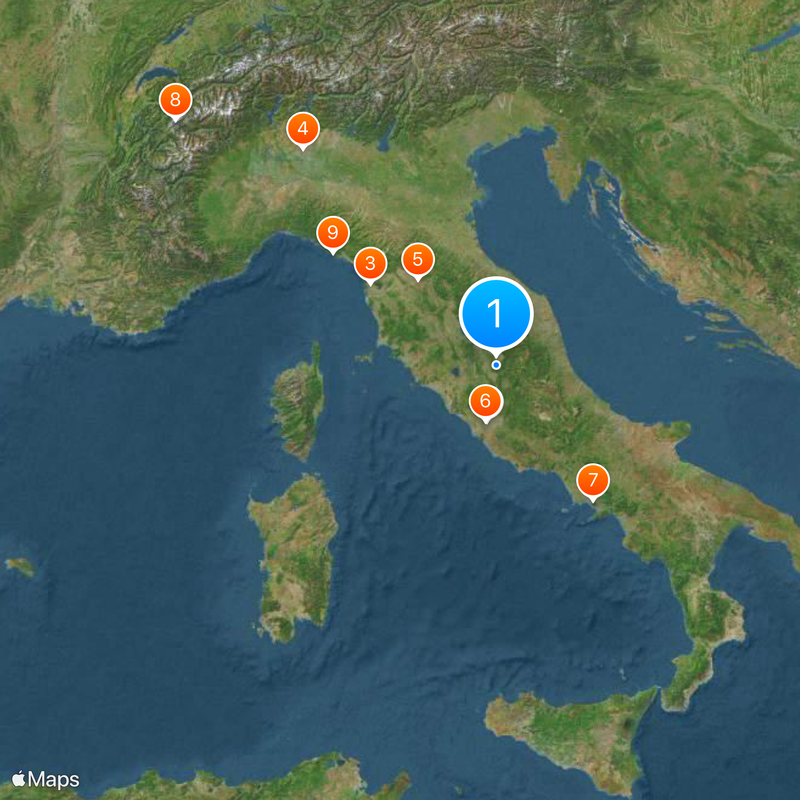
Shares border with: San Marino, Vatican City, France, Switzerland, Austria, Slovenia, Malta, Adriatic Sea, Algeria
Address: Italy
Website: https://italia.it
GPS coordinates: 42.63843,12.67430
Latest update: December 4, 2025 17:20
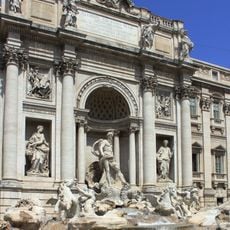
Italian historic fountains demonstrate five centuries of craftsmanship in sculpture, hydraulic engineering, and urban design. From the 15th to the 19th century, Italian artisans shaped marble, bronze, and stone to create works combining practicality and artistic expression. These fountains tell stories from classical mythology, such as Neptune and marine deities, or from the Bible, like Moses drawing water from the rock. They also celebrate the political power of great families and the identity of Italian cities. In Rome, the Trevi Fountain extends 86 feet (26 meters) high with baroque sculptures, while Bernini's Fountain of the Four Rivers symbolizes continents on Piazza Navona. In Florence, Neptune sits above the Piazza della Signoria, recalling the Medici family's maritime ambitions. The gardens of Villa d'Este in Tivoli feature 51 fountains spread across multiple terraces, showcasing Renaissance hydraulic mastery. These works reveal how water has shaped Italy’s architecture and urban life, from papal Rome to squares in Palermo and Siena.
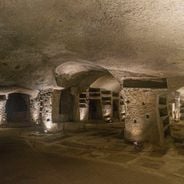
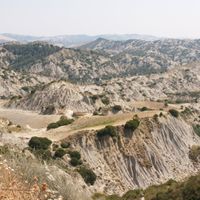
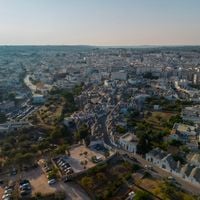
Southern Italy contains a wide range of historical sites, religious structures and natural areas that take visitors through more than two millennia of cultural history. The region holds Greek temples such as the Temple of Hera at Metaponto, medieval fortresses including Castello Aragonese in Taranto and Rocca Calascio in Abruzzo, and religious complexes like the Santuario di Monte Sant'Angelo, an important pilgrimage site since the early Middle Ages. Underground catacombs in Naples and Palermo, rock churches in Matera and the Cripta del Peccato Originale show the development of Christian art and architecture. The natural environment ranges from marine protected areas like Riserva Marina di Punta Campanella on the Campanian coast to the Tremiti Islands in the Adriatic. Inland landscapes include Parco Nazionale d'Aspromonte in Calabria, the erosive Calanchi di Aliano in Basilicata and Cavagrande del Cassibile in Sicily. Coastal formations such as the Arco Naturale near Palinuro and sea caves like Grotta della Poesia at Roca Vecchia add to the geographic variety. Cities including Matera with its sassi districts, Lecce with baroque palaces and the Quartieri Spagnoli in Naples illustrate different urban developments. This collection centers on the area around Alberobello, whose trulli structures have been a UNESCO World Heritage Site since 1996.
Italy holds archaeological sites spanning several millennia, offering insights into Etruscan, Greek and Roman civilizations. These locations include necropolises with thousands of tombs, well-preserved Roman villas and ancient settlements along the Mediterranean coast. Many of these sites lie beyond the more familiar destinations and document different aspects of Italian history. The Necropolis of Pantalica near Sortino contains approximately 5,000 rock-cut tombs from the Sicilian Bronze Age, while the Villa of the Mysteries in Pompeii is known for its wall paintings from the first century BCE. Villa del Casale near Piazza Armerina displays Roman floor mosaics covering more than 37,500 square feet (3,500 square meters). Etruscan burial sites like the Tomb of the Orcus in Tarquinia preserve frescoes from the fourth century BCE. The Archaeological Park of Elea-Velia near Ascea includes remains of a Greek colony founded in the sixth century BCE.
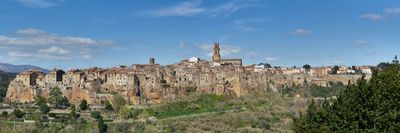
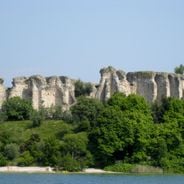
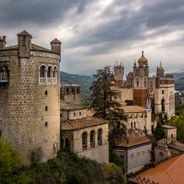
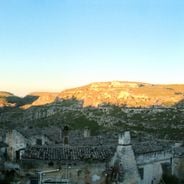
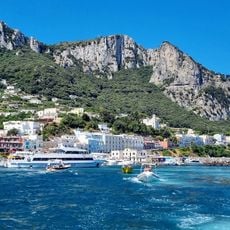
Italy preserves numerous historical sites away from standard tourist routes, ranging from medieval hill towns to Etruscan burial grounds. These locations document different periods of Italian history through architecture, art and natural settings. The collection includes Roman archaeological sites such as Palazzo Valentini Domus Romane, where ancient townhouses remain beneath modern streets, and Basilica di San Clemente, which displays three construction phases built one above another. In southern Italy, the Sassi of Matera show cave dwellings from prehistoric times, while the Crypt of the Original Sin presents early Christian frescoes from the 8th century. The architectural variety ranges from the conical trulli houses in Alberobello to the Moorish inspired rooms of Sammezzano Castle. Civita di Bagnoregio sits on a tufa rock plateau separated from surrounding land by erosion. The Greek Theatre of Taormina and the Temple of Concordia in Agrigento document the ancient Greek presence in Sicily. Natural formations such as Grotta Azzurra on Capri and the thermal springs of Saturnia complement the historical structures. The sites spread across the entire country, from the Alps to the Aeolian Islands.
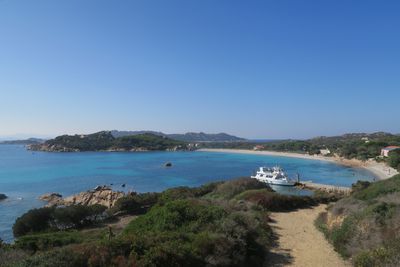
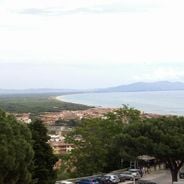
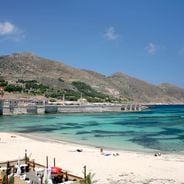
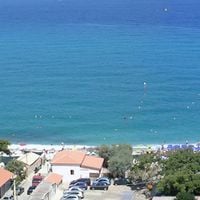
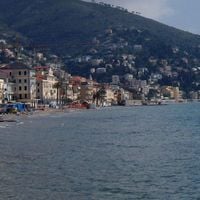
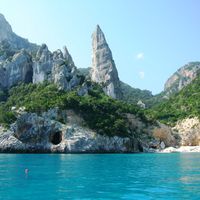
Italy's coastline features beaches with clear Mediterranean waters, from small coves to long sandy shores. Each location offers specific characteristics: sand or pebbles, natural rock formations, marine caves, and different water depths. These beaches span multiple regions, from Liguria to Sicily, representing Mediterranean coastal landscapes. Some require boat access or hiking trails, while others provide complete beach services.
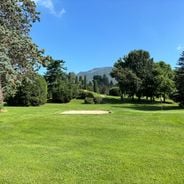
Italy features golf courses set within varied landscapes that span from the Alps to the Mediterranean coastline. In the north, facilities such as the Villa d'Este Golf Club on Lake Como, the Franciacorta Golf Club near Brescia, and the Dolomiti Golf Club in Trentino are located in mountain settings. In Tuscany, courses like the Castelfalfi Golf Club near Florence, the Saturnia Golf Course near Grosseto, and the Ugolino Golf Club blend into rolling terrain with vineyards and olive groves. Along the Adriatic coast, the Cervia Adriatic Golf Club near Ravenna provides access to coastal play, while near Rome, the Marco Simone Golf and Country Club and the Olgiata Golf Club serve the region. On the islands, the Pevero Golf Club on the Costa Smeralda and the Is Arenas Golf and Country Club near Oristano in Sardinia offer courses with views of the sea and dune landscapes. In Sicily, the Verdura Resort near Sciacca, the Il Picciolo Golf Club near Catania, and the Donnafugata Golf Resort near Ragusa expand the selection. In central Italy, the Antognolla Golf Course near Perugia and the San Domenico Golf in Apulia are situated. Golf courses in Italy combine sporting challenges with opportunities to experience different regions and their landscapes.
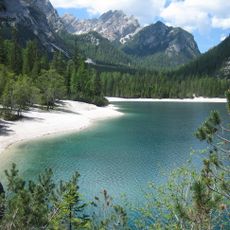
Italy offers many locations where one can swim in nature. From rock-carved basins to mountain lakes, hot springs, and secluded coves, the country is full of accessible water spots for those who enjoy swimming away from managed beaches. They can be found all over: in the Dolomite valleys, in the heart of Tuscany, on the coasts of Sardinia or Sicily. Some sites are accessible on foot after a short walk, others have been known to locals for a long time. The water can be icy or warm depending on the region, but it is always surrounded by scenic landscapes. These natural pools are often quiet places where people come to relax, have picnics, or simply enjoy the scenery. They reveal another aspect of Italy, one that is more straightforward and closer to nature.
Colosseum
84.6 km
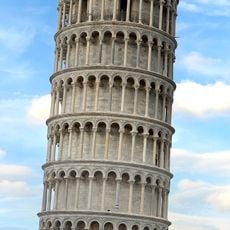
Leaning Tower of Pisa
220.8 km
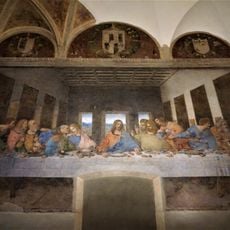
The Last Supper
421.4 km
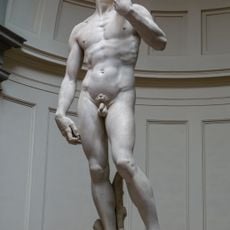
David
171 km
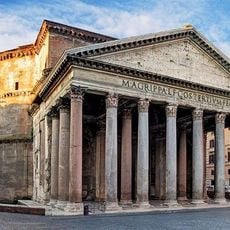
Pantheon
83.9 km
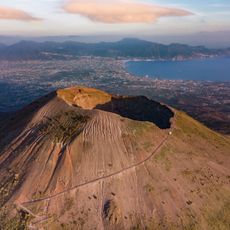
Mount Vesuvius
249.2 km
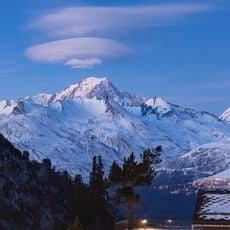
Mont Blanc
583.8 km
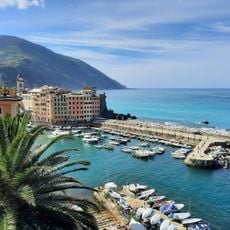
Cinque Terre
291.5 km
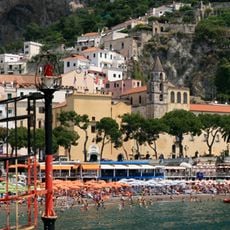
Amalfi Coast
274.7 km
Trevi Fountain
83.6 km
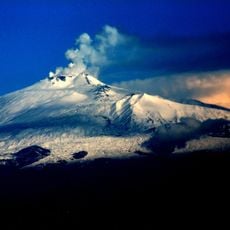
Mount Etna
578.6 km
Florence Cathedral
170.8 km
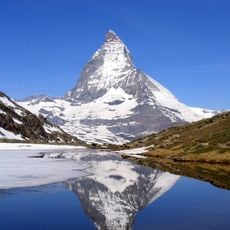
Matterhorn
545.4 km
Lake Garda
369.9 km
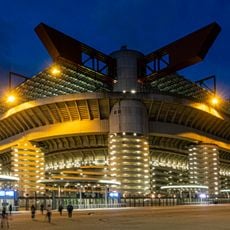
Giuseppe Meazza Stadium
424.9 km
Milan Cathedral
420.2 km
Roman Forum
84.5 km
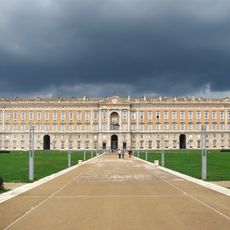
Palace of Caserta
221.9 km
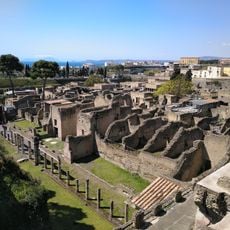
Herculaneum
246.8 km
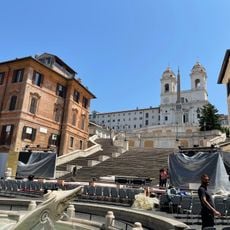
Spanish Steps
83 km
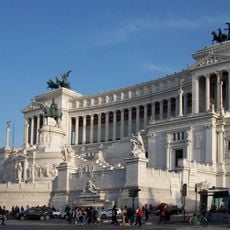
Altare della Patria
84.3 km
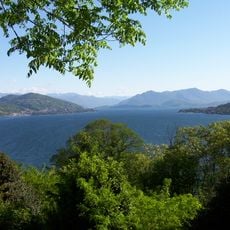
Lake Maggiore
497.5 km
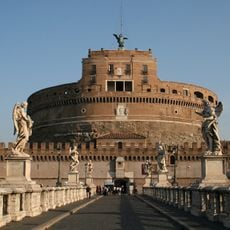
Castel Sant'Angelo
83.6 km
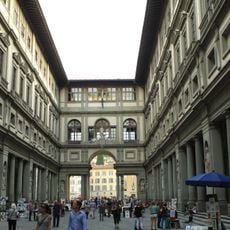
Uffizi Gallery
170.5 km
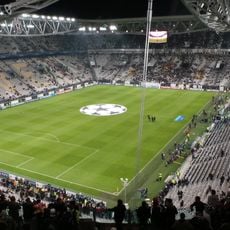
Juventus Stadium
488.5 km
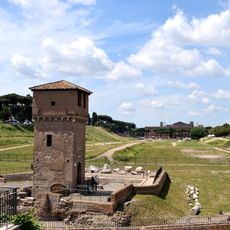
Circus Maximus
85.2 km
St Mark's Basilica
312.4 km
Castel del Monte
344.7 kmReviews
Visited this place? Tap the stars to rate it and share your experience / photos with the community! Try now! You can cancel it anytime.
Discover hidden gems everywhere you go!
From secret cafés to breathtaking viewpoints, skip the crowded tourist spots and find places that match your style. Our app makes it easy with voice search, smart filtering, route optimization, and insider tips from travelers worldwide. Download now for the complete mobile experience.
A unique approach to discovering new places❞
— Le Figaro
All the places worth exploring❞
— France Info
A tailor-made excursion in just a few clicks❞
— 20 Minutes