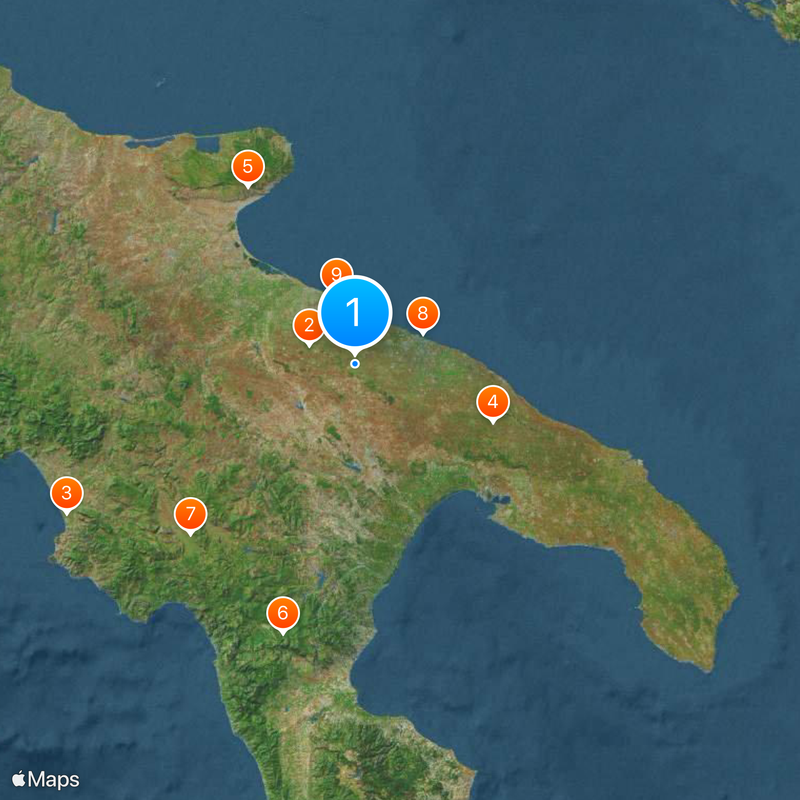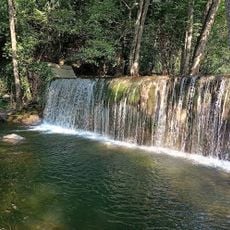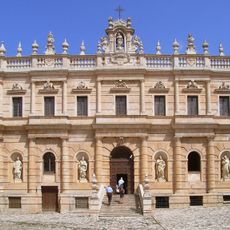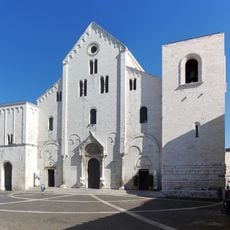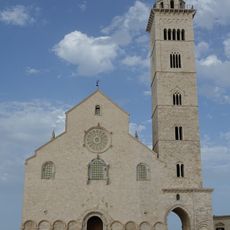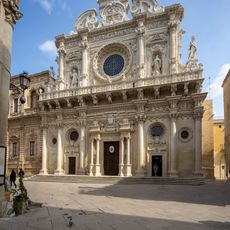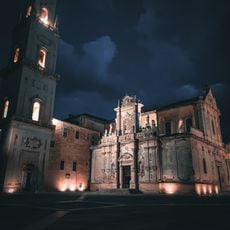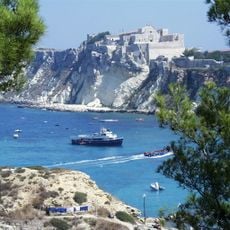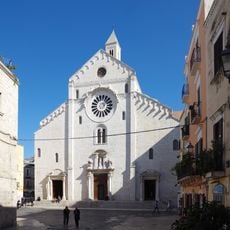
Apulia, Historical region in southeastern Italy.
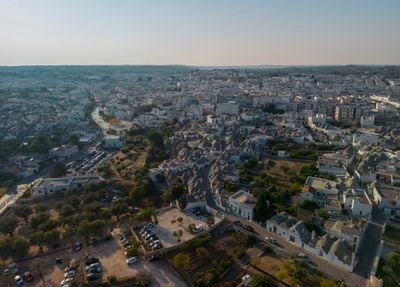
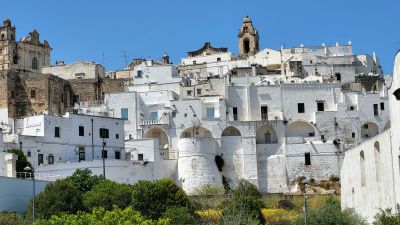
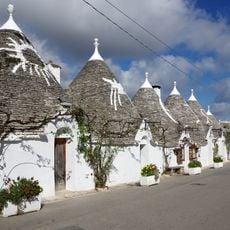
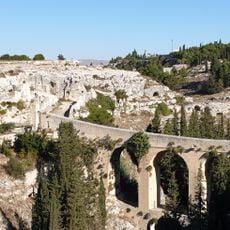
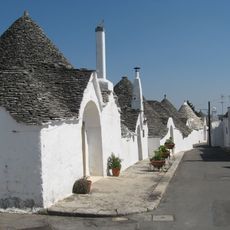
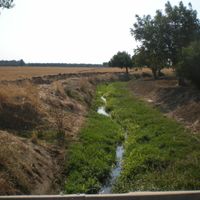
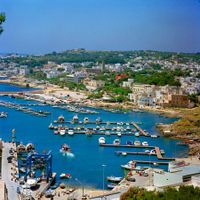
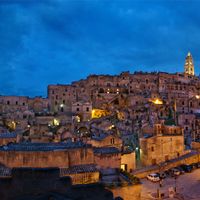
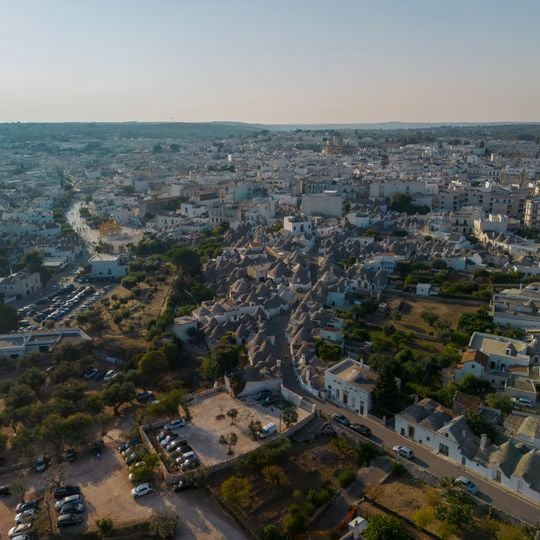
Apulia is a region in southeastern Italy stretching along the Adriatic and Ionian coasts, shaped by coastal plains, rolling hills, and limestone formations. Wide fields of olive groves and vineyards define the countryside between small towns with white houses and narrow lanes.
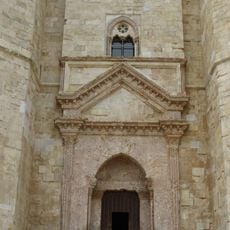
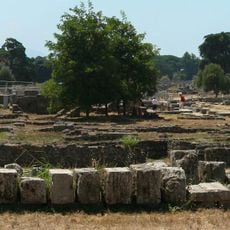
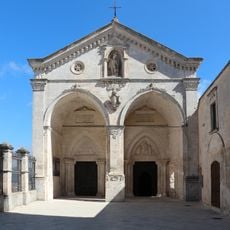
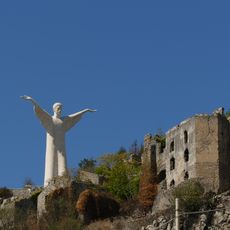
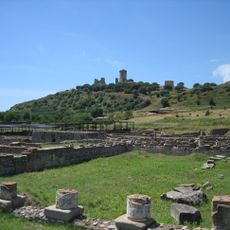
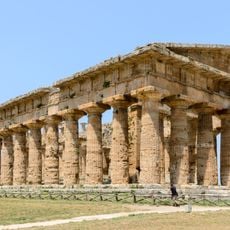
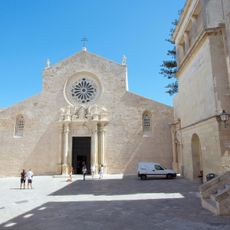
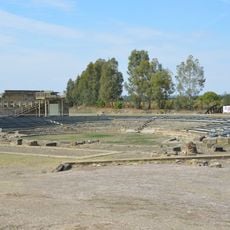
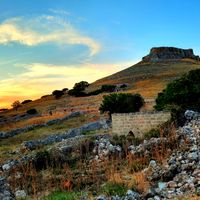
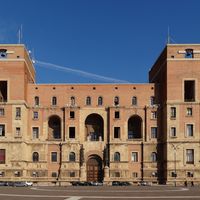
Greek settlers established trading posts along the coast starting in the 8th century BCE, which later came under Roman control. The Middle Ages brought the construction of castles and churches by Normans and Hohenstaufen rulers, whose traces remain visible in many towns today.
During festivals in rural towns, elderly residents often wear traditional clothing and participate in religious processions handed down through generations. The local cuisine relies on simple ingredients like durum wheat, olive oil, and vegetables, which remain central to daily family life and can be experienced by visitors in trattorias and open-air markets.
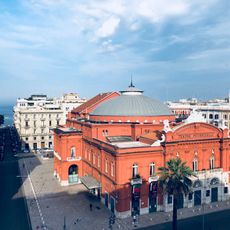
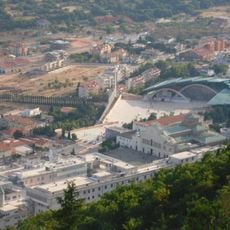
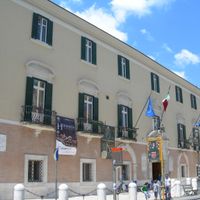
The main cities like Bari, Lecce, and Brindisi lie along the coasts and are connected to smaller inland towns by country roads. During summer the heat can become intense, so visiting in spring or autumn is often more comfortable.
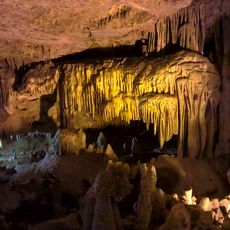
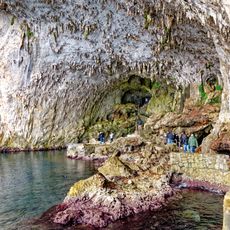
The underground caves near Castellana Grotte are home to bats and blind fish that have adapted to complete darkness. These limestone caverns reach depths of up to 60 meters (about 200 feet) and display formations in rare shapes.
The community of curious travelers
AroundUs brings together thousands of curated places, local tips, and hidden gems, enriched daily by 90,754 contributors worldwide.