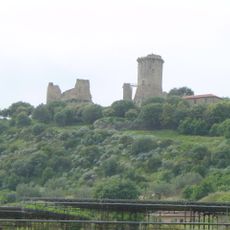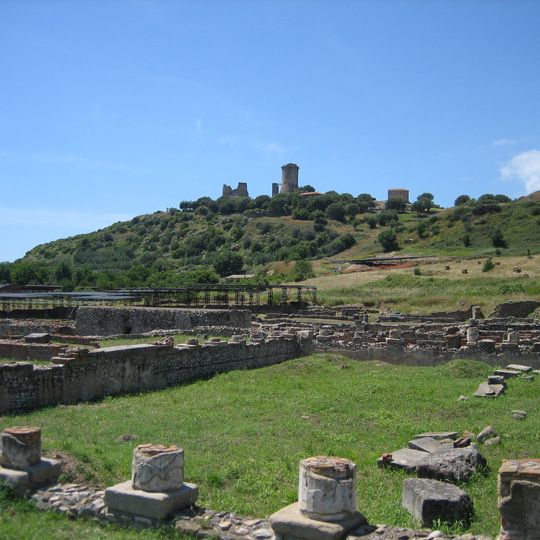
Velia, Archaeological site in Ascea, Italy
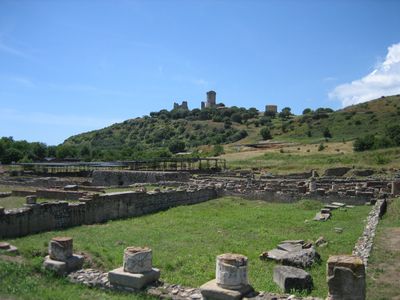
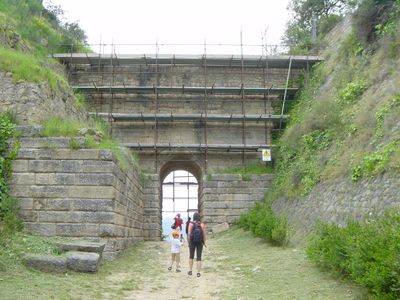
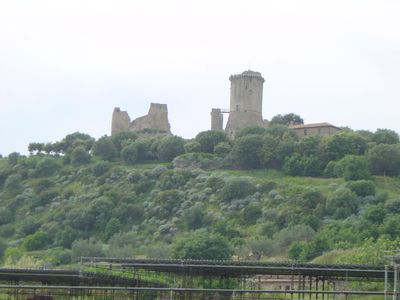
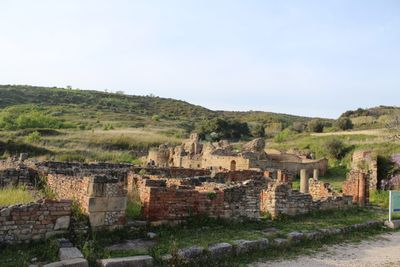
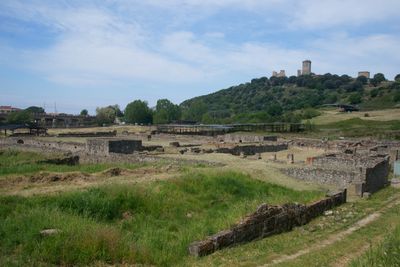
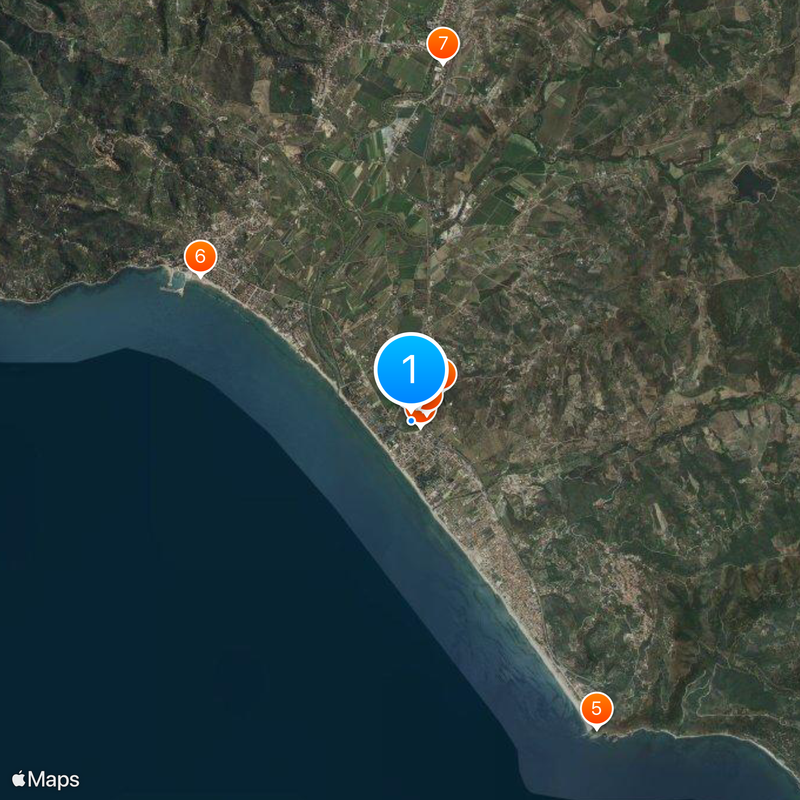
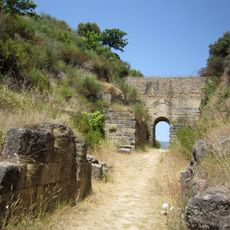
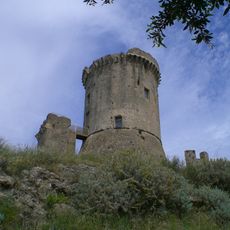
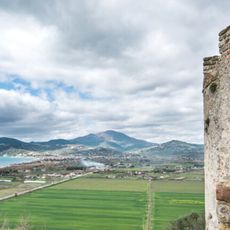
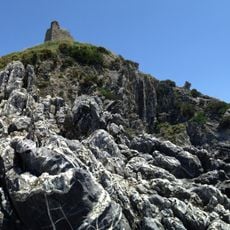
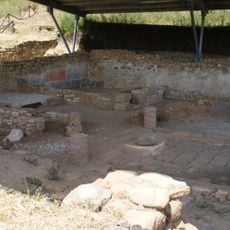
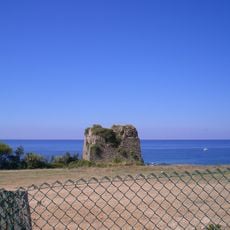
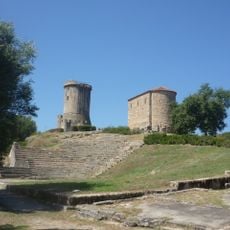
Velia is an excavated ancient city on a rocky headland above the Tyrrhenian Sea, near Ascea in the Cilento region of southern Italy. The ruins are spread across different levels of terrain, with remains from the Greek founding period as well as later Roman additions.
The city was founded around 540 BC by Greeks from Phocaea, a city in present-day Turkey, who were fleeing Persian expansion. Over the following centuries it passed into Roman hands and continued to function as a port town until late antiquity.
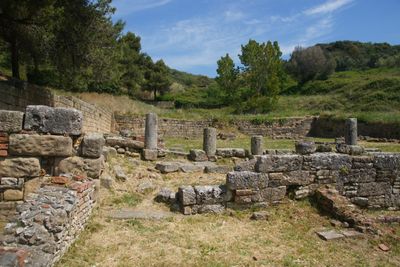
The name Velia comes from the Latin form of the original Greek name Hyele, which itself may derive from a local spring. Visitors walking through the site today can still see inscriptions and carved stonework that reflect the Greek roots of the settlement.
Comfortable shoes are important here since the paths cross uneven ground and some sections involve noticeable slopes. It helps to arrive early in the day, especially in summer, as the site offers little shade on the higher parts.
Velia was home to a school of thinkers in the 5th century BC, including Parmenides and Zeno, whose ideas about the nature of reality are still discussed in philosophy today. Zeno is known for his paradoxes about motion, such as the argument that an arrow in flight is always stationary at any given instant.
The community of curious travelers
AroundUs brings together thousands of curated places, local tips, and hidden gems, enriched daily by 92,777 contributors worldwide.