Grotte di Castellana srl, Natural history museum and cave system in Castellana Grotte, Italy
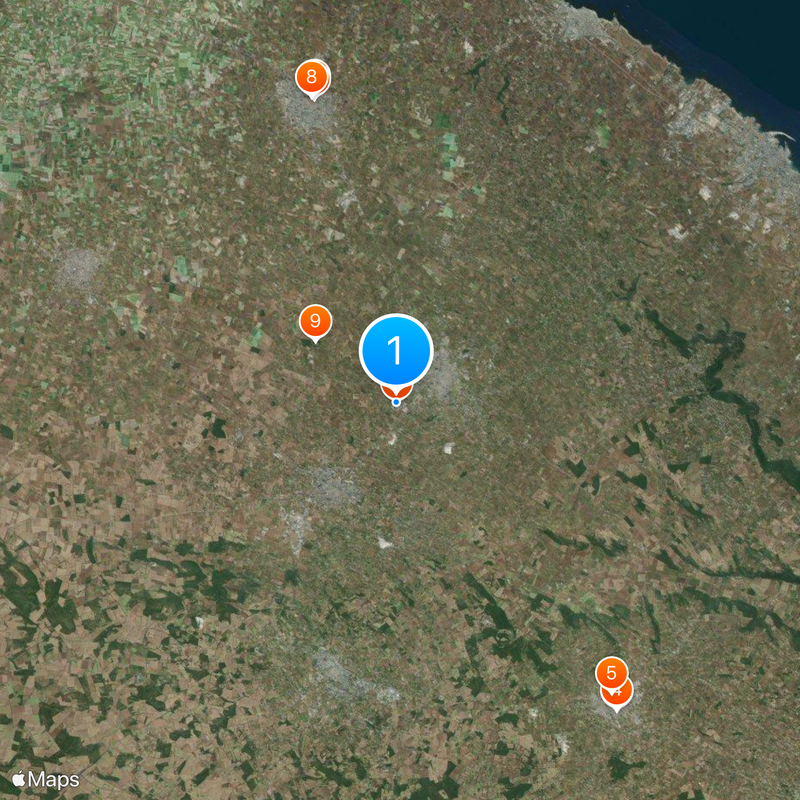
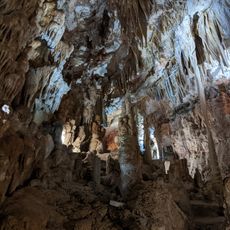
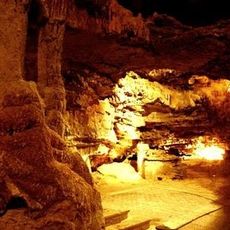
The site forms an underground limestone cave system with numerous chambers connected by natural passages. The route leads through illuminated rooms with stalactites, stalagmites and columns that formed over millennia through water deposits.
The researcher Franco Anelli descended into the cave system in 1938 as the first person and documented the chambers for science. The town opened the caves to visitors a few years later, making them one of the first accessible cave systems in southern Italy.
The caverns shelter several animal species that adapted to life without sunlight over thousands of years and exist nowhere else. These organisms, including cave shrimp and tiny insects, show visitors how nature adapts to extreme conditions.
Guided tours through the caves last between one and two hours depending on the chosen route and suit people with normal fitness levels. The path consists of paved routes and stairs, while the underground climate remains cool year-round, making a jacket advisable.
One of the chambers is named Grotta Bianca because of its nearly white limestone deposits that completely cover the rock. These formations arose through special mineral conditions that occur in only a few places worldwide.
The community of curious travelers
AroundUs brings together thousands of curated places, local tips, and hidden gems, enriched daily by 91,366 contributors worldwide.