Herculaneum, Archaeological site in Ercolano, Italy
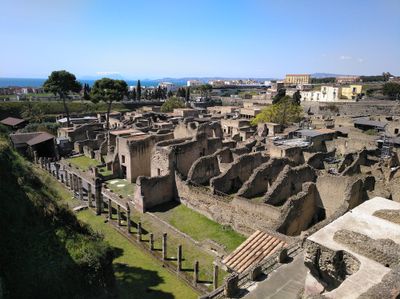
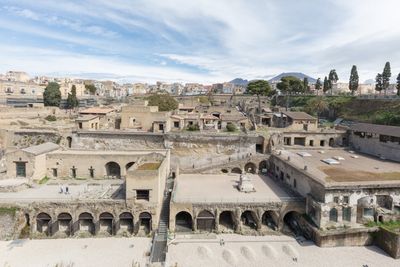
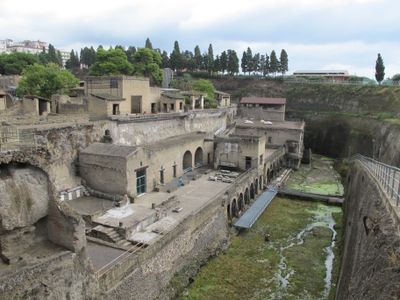
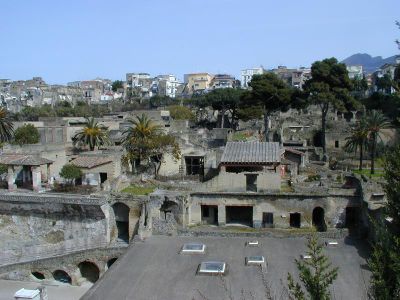
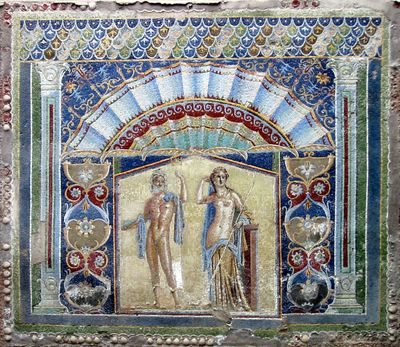
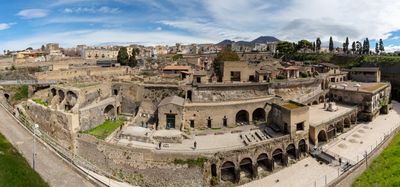
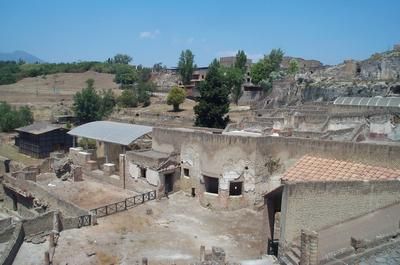
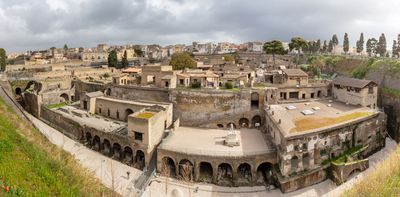
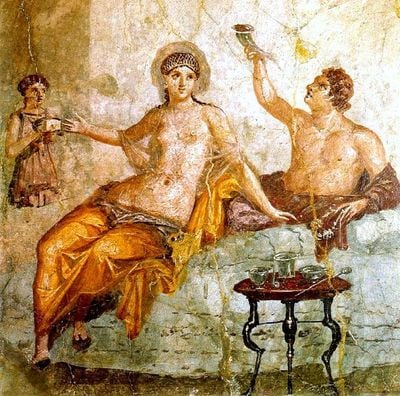
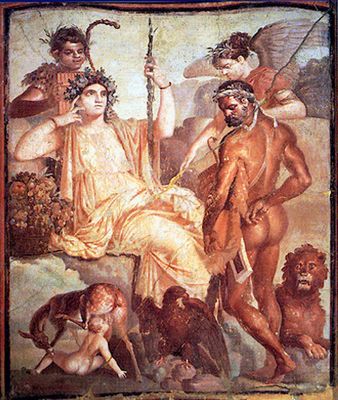
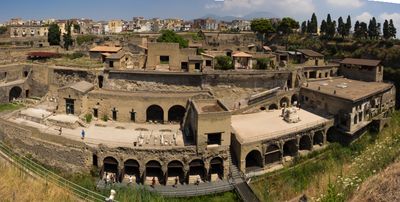
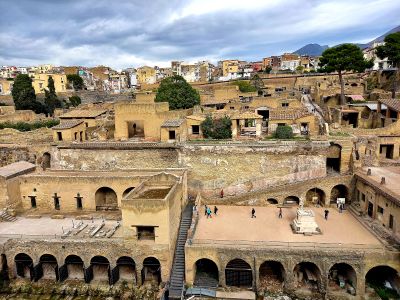
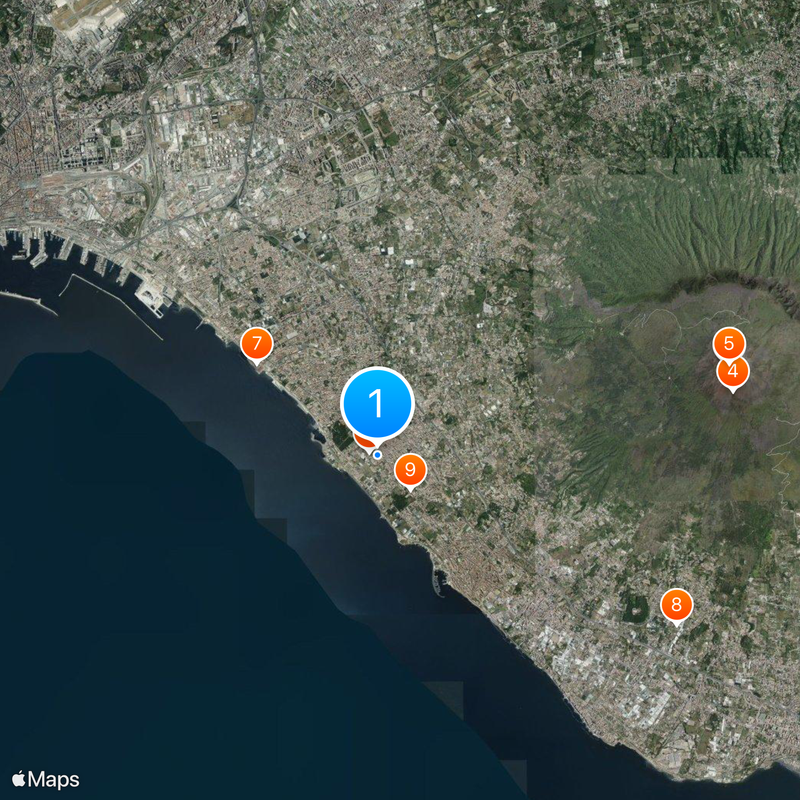
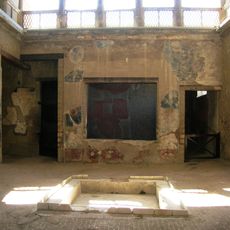
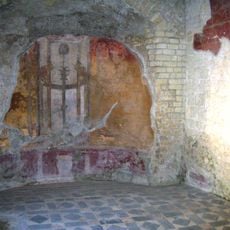
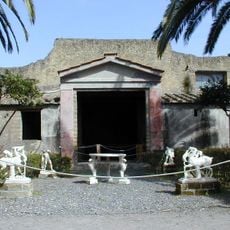
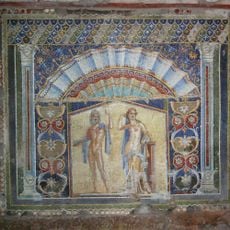
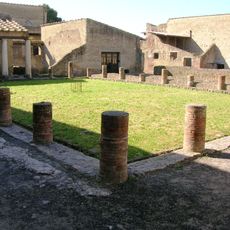
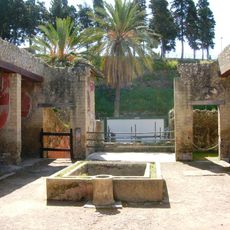
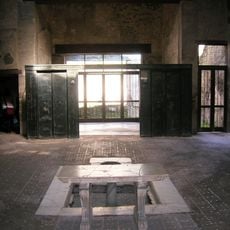
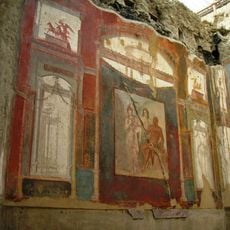
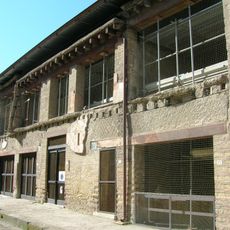
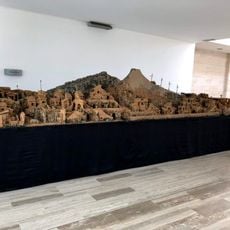
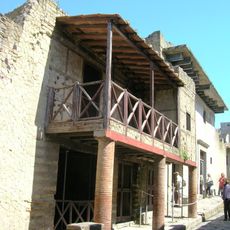
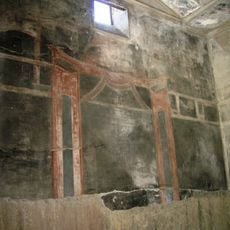
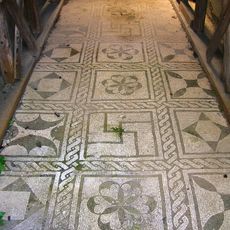
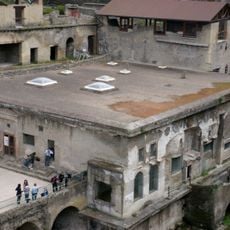
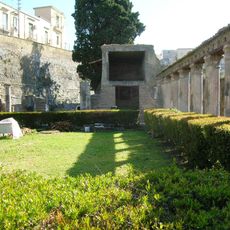
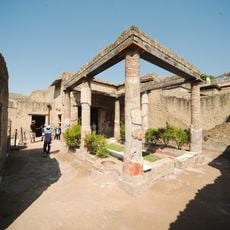
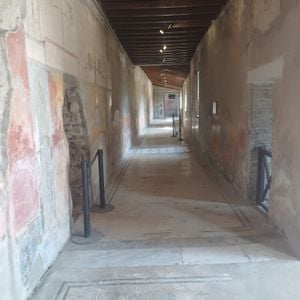
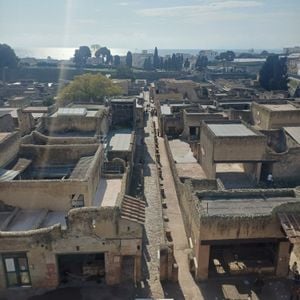
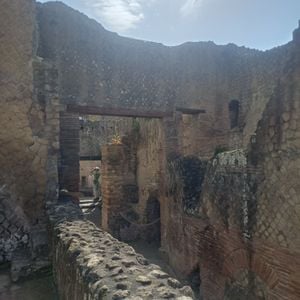
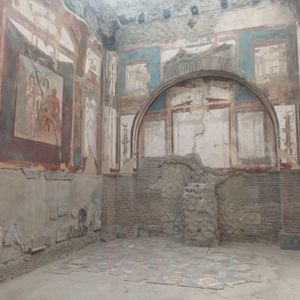
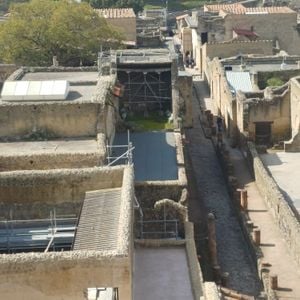
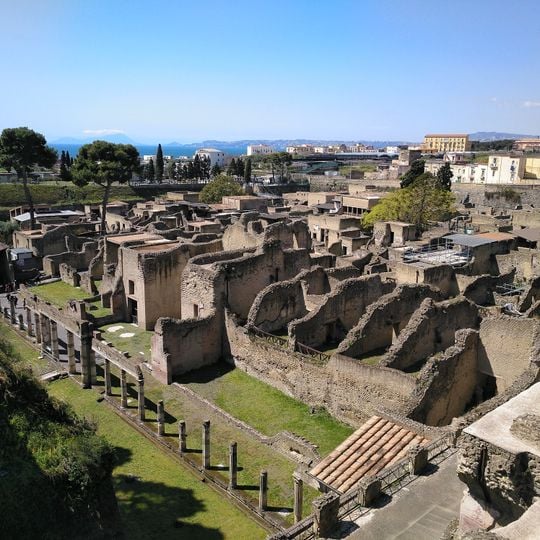
The Roman excavation site encompasses multi-story buildings with preserved wooden balconies, mosaics, and frescoes that lay buried under a 16-meter-thick layer of volcanic material. Streets with preserved shops, public baths, and private homes extend throughout the exposed grounds near the modern town of Ercolano on the Gulf of Naples.
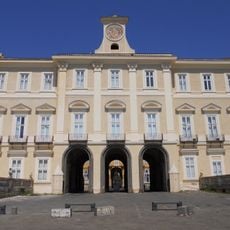
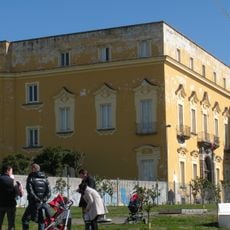
The town was named after Hercules and developed into an upscale coastal resort for Roman families before the Vesuvius eruption killed its inhabitants and sealed the town. Bourbon rulers financed the first organized excavations under military engineer Roque Joaquín de Alcubierre, with tunnel digging remaining the only access method for centuries until modern archaeological techniques were introduced during the 20th century.
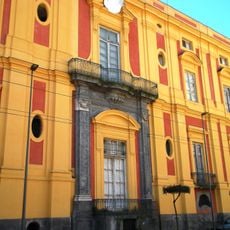
Herculaneum provides insights into Roman daily life through its well-preserved baths, taverns, and multi-story residences that document the existence of prosperous coastal inhabitants during the first century AD. The discovery reveals artisan workshops, retail spaces, and private quarters with preserved furniture and household items from antiquity.
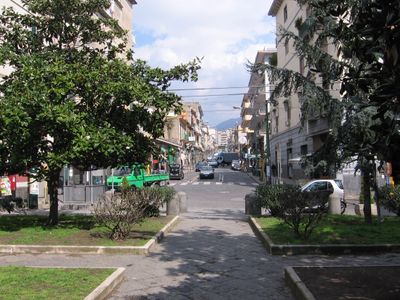
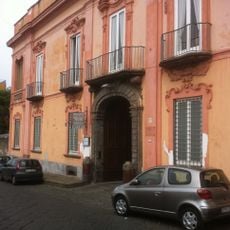
The entrance sits 450 meters from Ercolano Scavi station on the Circumvesuviana line, with bus connections from Piazza Garibaldi in Naples. Visitors should plan at least two hours to explore the main areas. The site has partial wheelchair accessibility with some steps and uneven ancient pathways. Shade is limited, so sun protection and water are advisable during summer months.
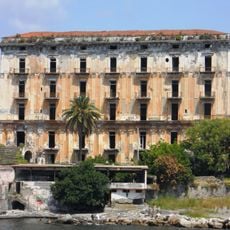
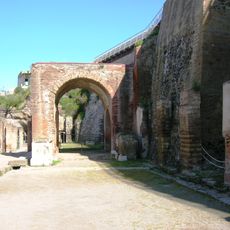
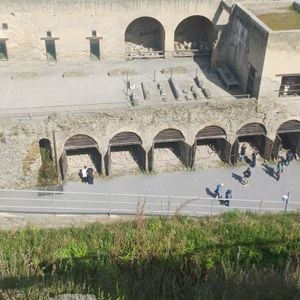
The boathouses along the ancient beach contained over 300 skeletons of residents who fled from the pyroclastic surge, with preserved fishing nets and ropes documenting their final escape to the sea. Negative impressions in the volcanic deposit allow archaeologists to recreate organic material that would have rotted elsewhere, including wooden doors and architectural details.
The community of curious travelers
AroundUs brings together thousands of curated places, local tips, and hidden gems, enriched daily by 90,751 contributors worldwide.