See the monuments around you in AROpen chests in the app
Around Us is built for your phone — point your camera at the streets and discover the monuments and places around you in augmented reality.Around Us is built for your phone — chests unlock when you walk, explore and capture nearby places.
What to see and do in Naples and its surroundings?
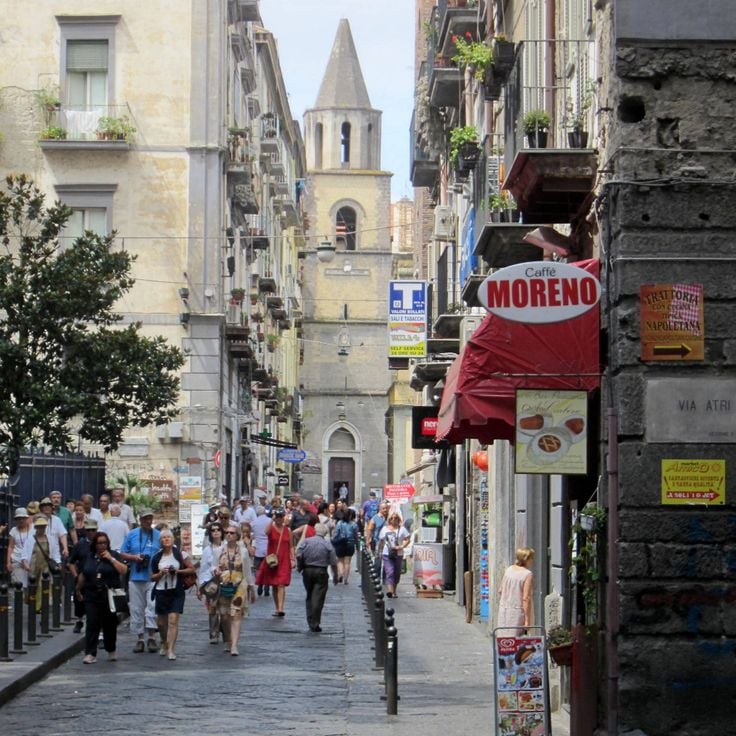
Naples is a city that surprises you at every turn. Passion for football, deep religious faith, and the energy of daily life run through its narrow streets and grand squares. Walk through the city, taste real Neapolitan pizza, visit churches and monasteries filled with artistic treasures. Around Naples, you can touch history directly: Pompeii and Herculaneum lie preserved under volcanic ash, while islands like Capri and Procida dot the sea. Whether you explore ancient ruins, visit museums, or simply watch life from the waterfront, Naples and its surroundings tell the story of southern Italy through their places, people, and customs.
What to see and do in Naples and its surroundings?
Naples is a city that surprises you at every turn. Passion for football, deep religious faith, and the energy of daily life run through its narrow streets and grand squares. Walk through the city, taste real Neapolitan pizza, visit churches and monasteries filled with artistic treasures. Around Naples, you can touch history directly: Pompeii and Herculaneum lie preserved under volcanic ash, while islands like Capri and Procida dot the sea. Whether you explore ancient ruins, visit museums, or simply watch life from the waterfront, Naples and its surroundings tell the story of southern Italy through their places, people, and customs.
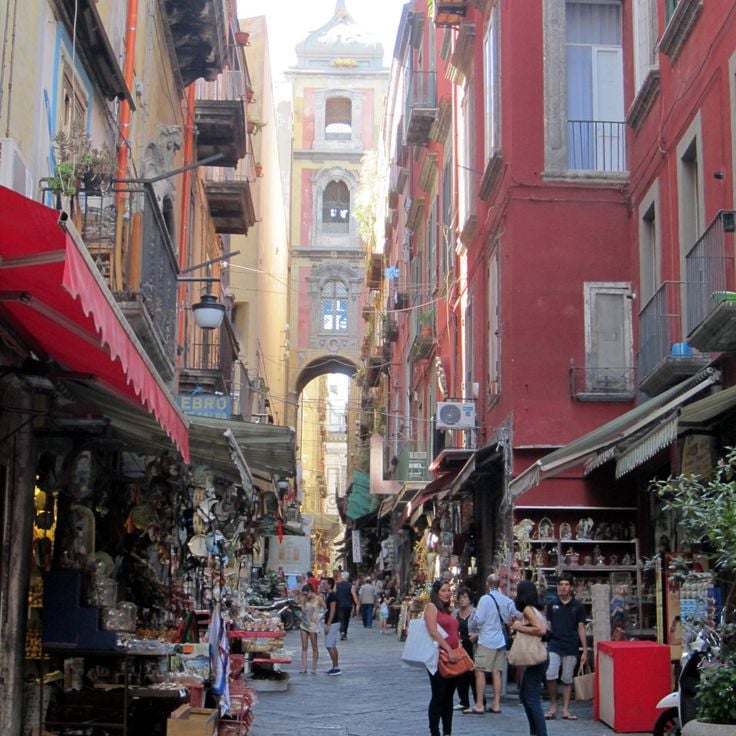
San Gregorio Armeno is a historic street running through the center of Naples where artisans work in small workshops crafting nativity figurines and Christmas decorations following generations of Neapolitan tradition. Walking down this street, you witness how the city keeps its craft heritage alive through daily work and creativity. Here you see the passion that runs through Naples in the way people approach their traditions and trades.
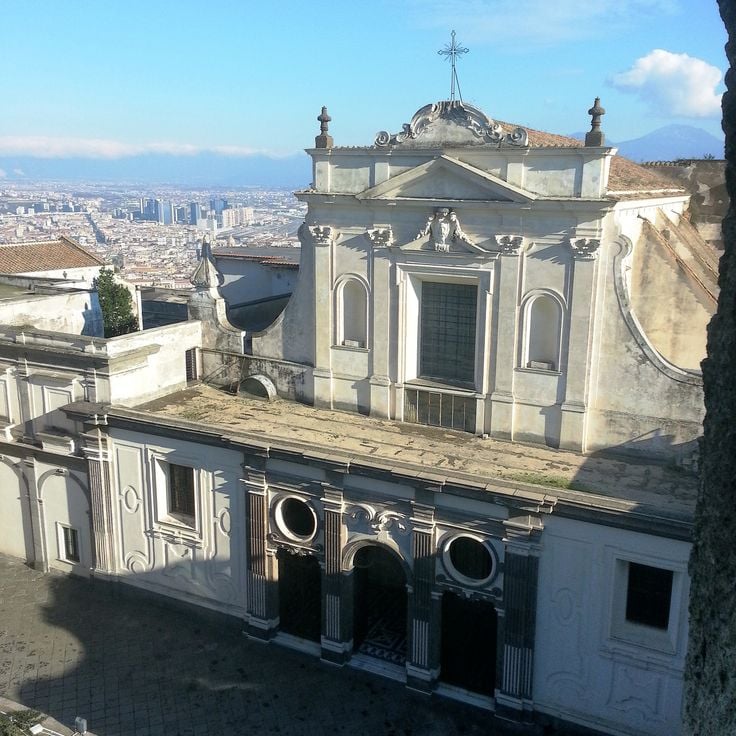
The Certosa di San Martino is a monastery founded in 1325 that sits on a hilltop above Naples. The building holds a cloister, a church, and rooms decorated with frescoes on the walls. From here you can look out over the Bay of Naples and see the city spread below you. It is a place to understand the religious history of southern Italy and to discover the artwork created within this monastery.
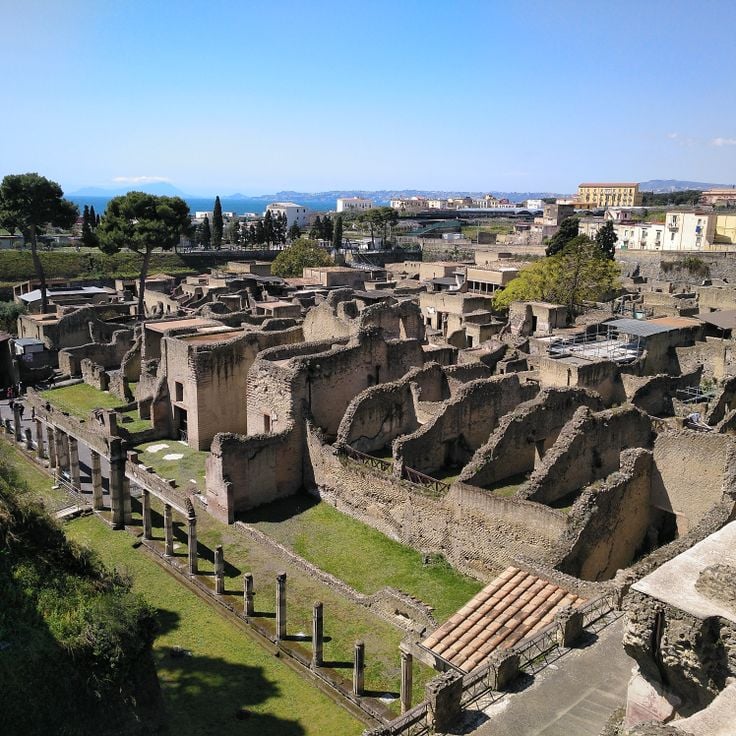
This archaeological site preserves a Roman settlement buried under volcanic mud when Mount Vesuvius erupted in 79 AD. You can walk through ancient homes and buildings where original decorations remain visible on walls and floors. Herculaneum shows you how people actually lived in this corner of the Roman world, with everyday objects and spaces frozen in time. As you explore this place while planning your journey through Naples and its surroundings, you gain insight into the region's deep historical roots and the daily rhythms of ancient life.
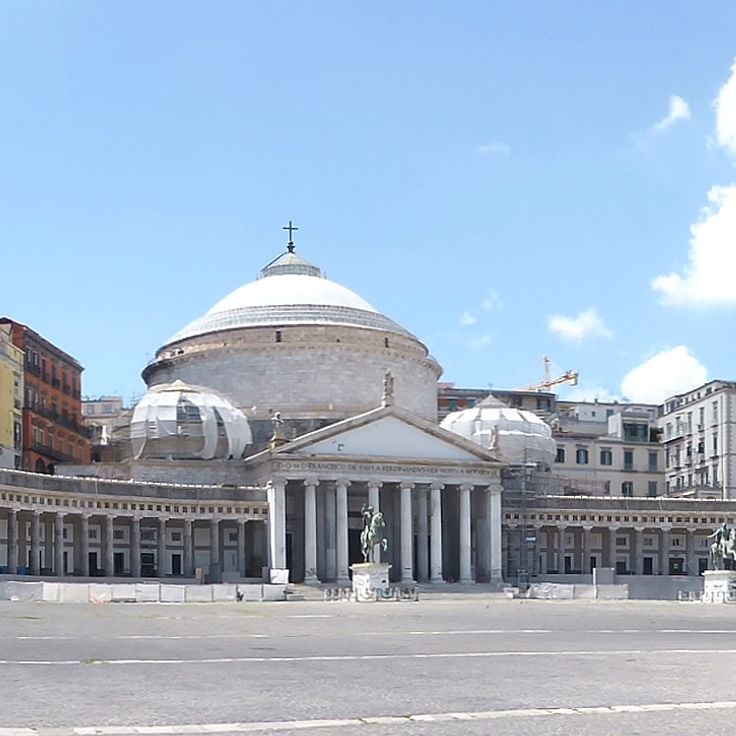
The Piazza del Plebiscito is the largest square in Naples and a central place to explore this passionate southern Italian city. The square is surrounded by important buildings, including the Royal Palace and the San Francesco di Paola Basilica. Here, visitors can feel the history and grandeur of the region while walking through this open space that forms the heart of Naples.
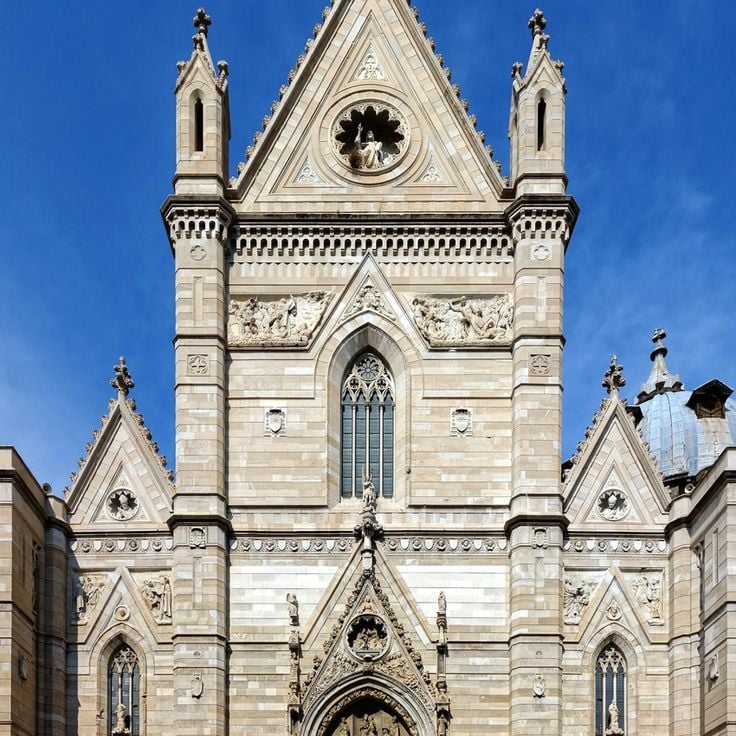
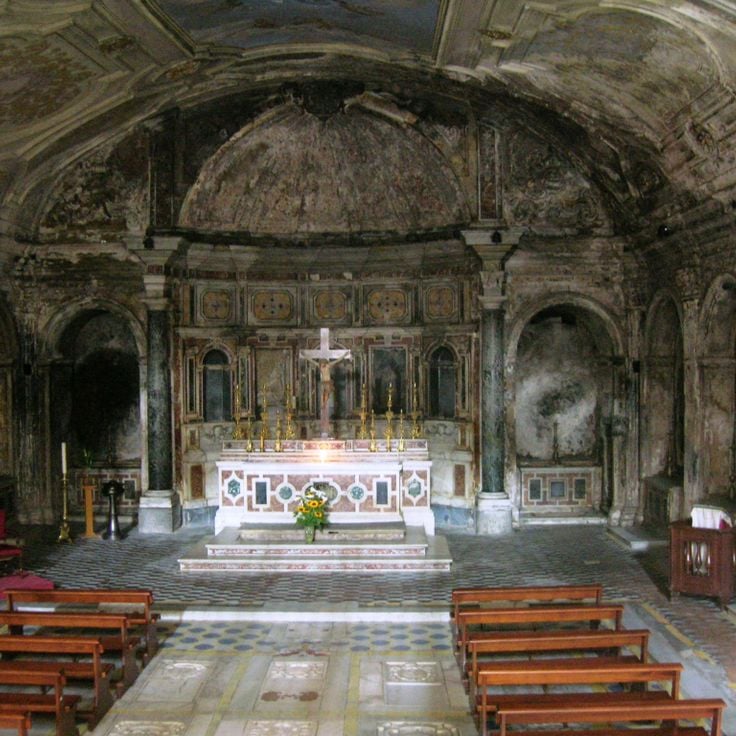
The Naples Cathedral is the principal religious monument of the city and reflects the spiritual devotion that defines Naples. Built in the 13th century, this church houses the Santa Restituta basilica and contains precious relics displayed in the Chapel of the Treasure. Visiting this site helps you grasp how faith is woven into the daily life of local people.
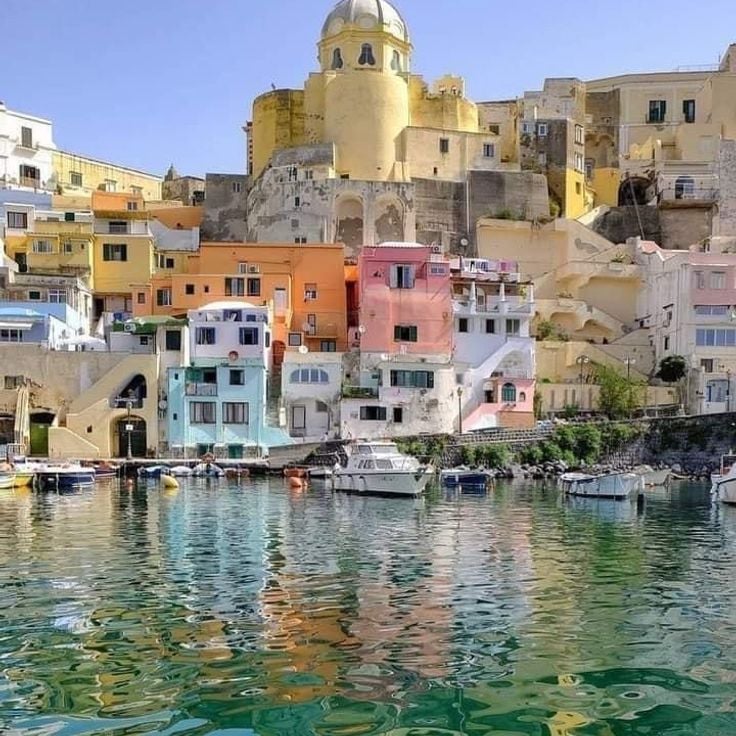
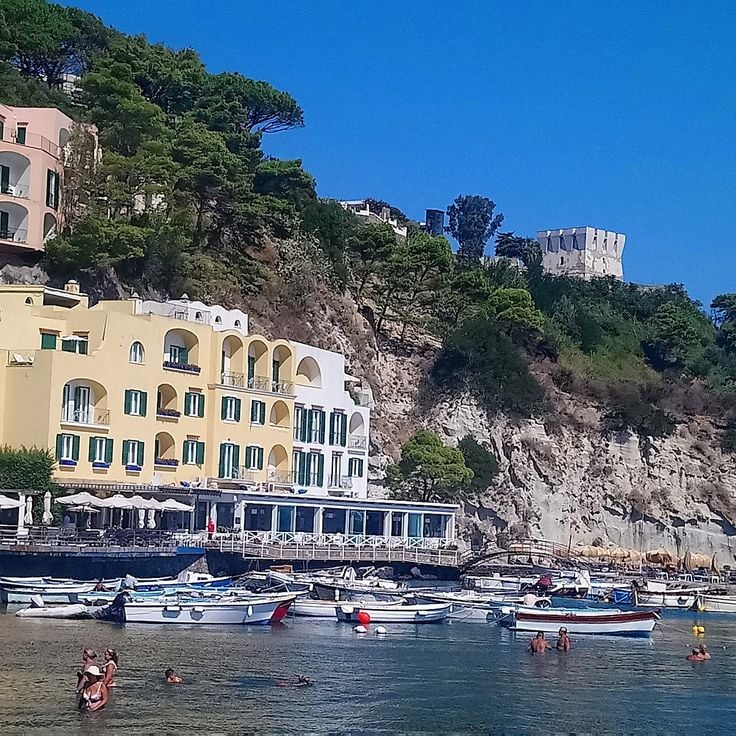
Procida Island is an island in the Bay of Naples known for its colorful houses and fishing ports. Narrow streets connect to beaches and medieval fortifications. This destination offers a quieter side of southern Italian coastal life, where fishing traditions and local rhythms shape the daily experience of walking through its villages.
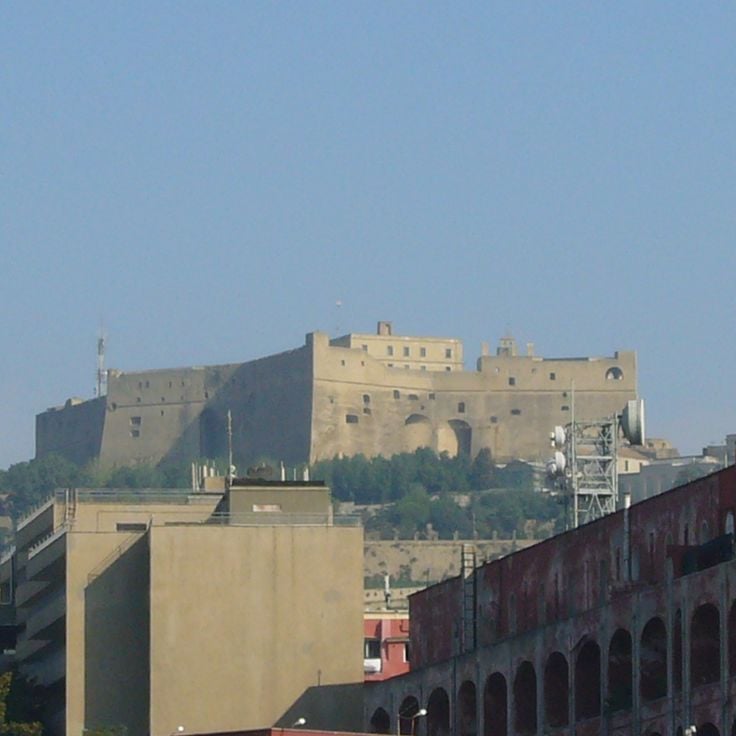
Castel Sant'Elmo is a 14th-century fortress that sits high above Naples on Vomero hill. Its star-shaped design was built for military defense. From here, you can see across the city and out to the sea. This castle helps you understand how Naples was protected over centuries and what daily life looked like for those who guarded it.
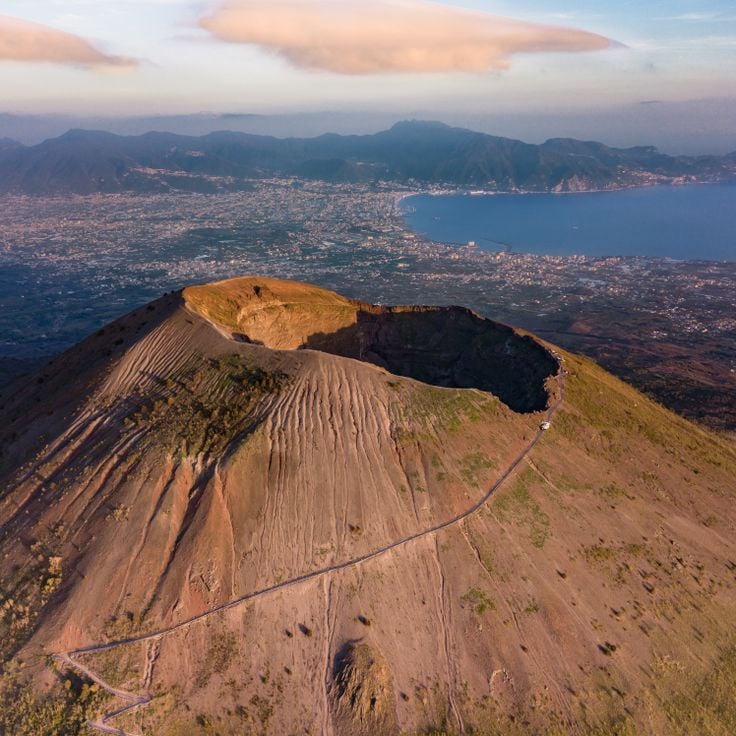
Mount Vesuvius is the only active volcano on mainland Europe, rising 1,281 meters above sea level. When you climb to its crater, you see the entire Bay of Naples and the city spread below you. This mountain shaped the history of Naples and shows you the raw power of nature that defines this region.
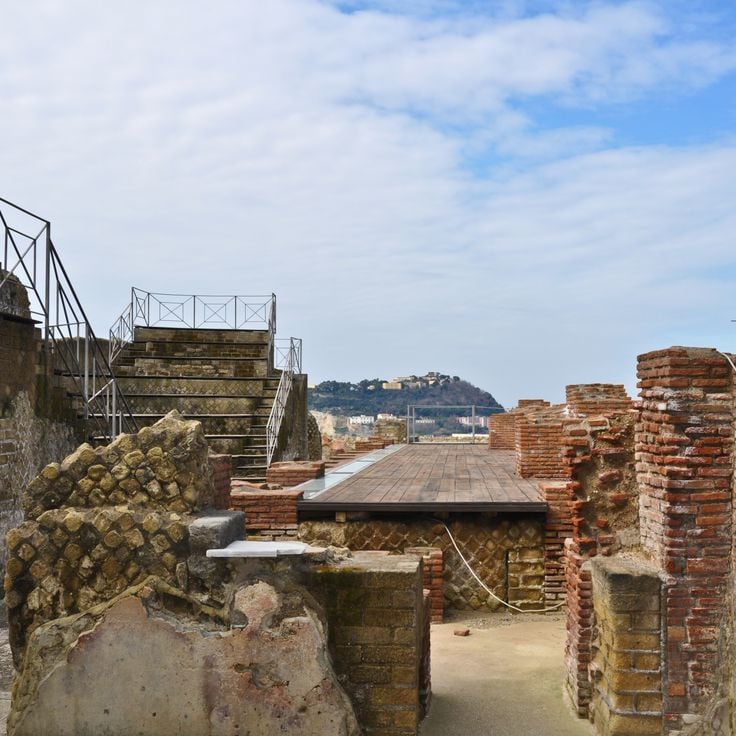
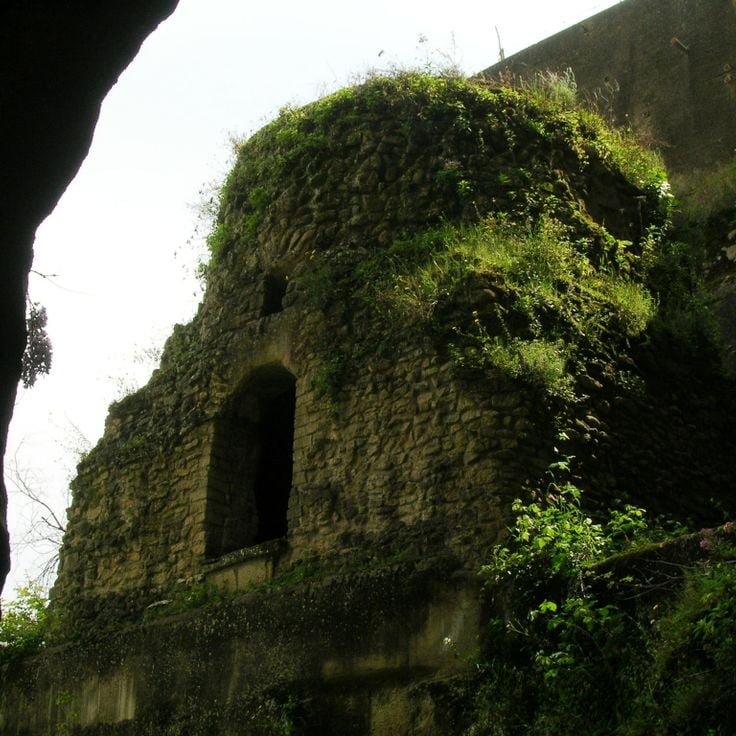
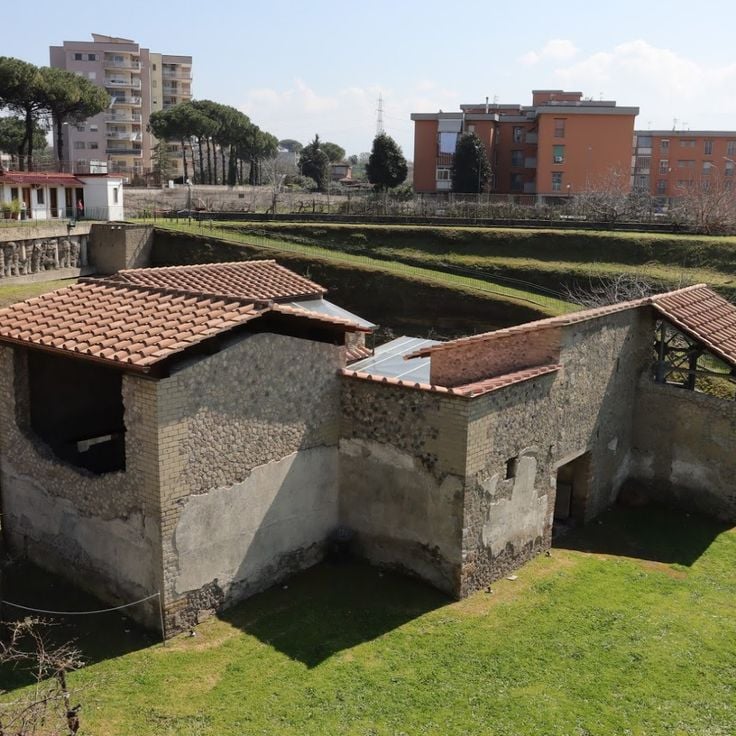
The Archaeological Park of Posillipo reveals the Roman history layered beneath Naples and its surroundings. Open to visitors since 2009, this site contains remains of Roman villas and the Seiano Grotto, an ancient tunnel stretching 780 meters. Walking through the park, you encounter the physical traces of how Romans once lived in this part of southern Italy.
The Santa Chiara Monastery is a monastic complex built in the 14th century in Naples, home to a church, museum, and cloister. The cloister features colorful majolica tiles depicting rural scenes that cover the walls and benches. Walking through this space allows you to step back into the city's history while appreciating the craftsmanship of the ceramic work that captures everyday life from centuries past.
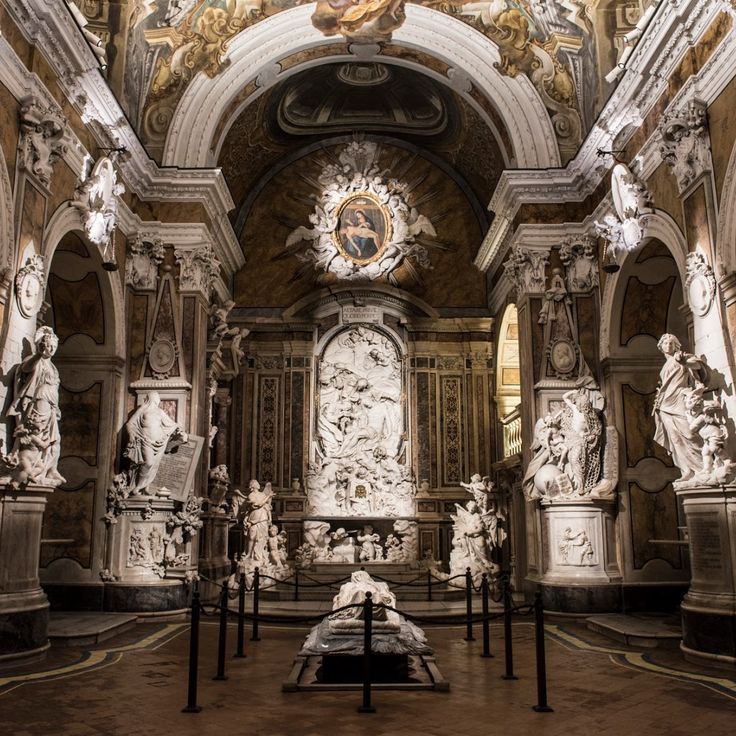
The Sansevero Chapel is an 18th-century religious building in Naples that houses impressive marble sculptures, including the famous veiled Christ statue. In the basement, you can see two anatomical wax studies. This chapel embodies the religious passion of southern Italy and is a place to discover while exploring this dynamic city between sea and land.
Ischia Island is a volcanic destination in the Bay of Naples where you can discover beaches, thermal springs, a medieval castle, and gardens spread across six communities. This island embodies southern Italy's character with its mix of natural features and local life. Explore it as part of your journey through the region's geography and daily rhythms.
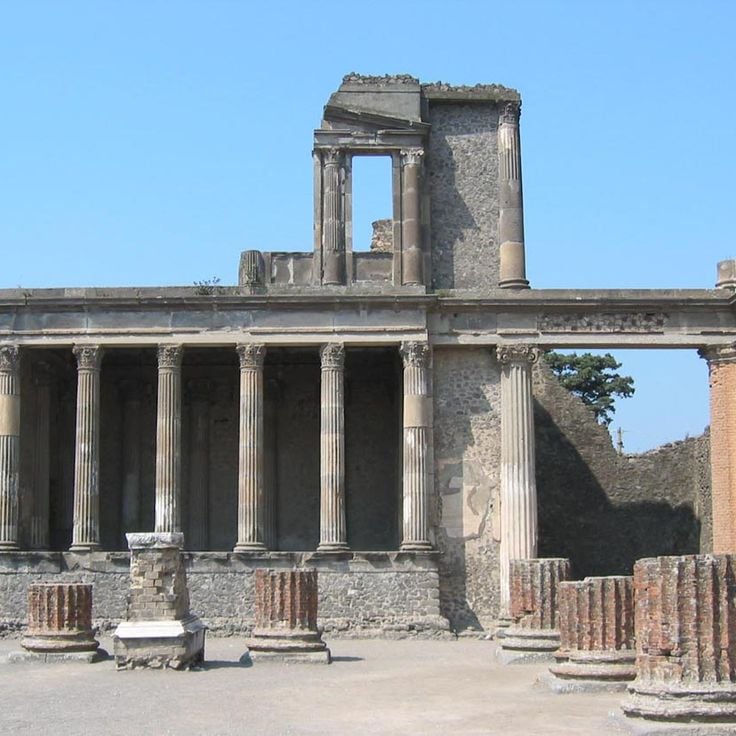
The Pompeii Archaeological Site is an expansive complex presenting the ruins of a Roman city preserved by the eruption of Mount Vesuvius in 79 AD. When you walk through this place, you can stroll along ancient streets, peer into homes, and discover public buildings frozen in time. This site offers a direct window into how people lived during the Roman era and shows you the everyday routines of an ancient community.
The Hermitage of Camaldoli sits on Naples' highest hill and shows you how monks once lived in this city. Inside the church, you will find frescoes and religious paintings from the 16th century that still survive today. This monastic site connects to Naples' spiritual side and its position between sea and land, offering a quiet retreat from the bustling city below.
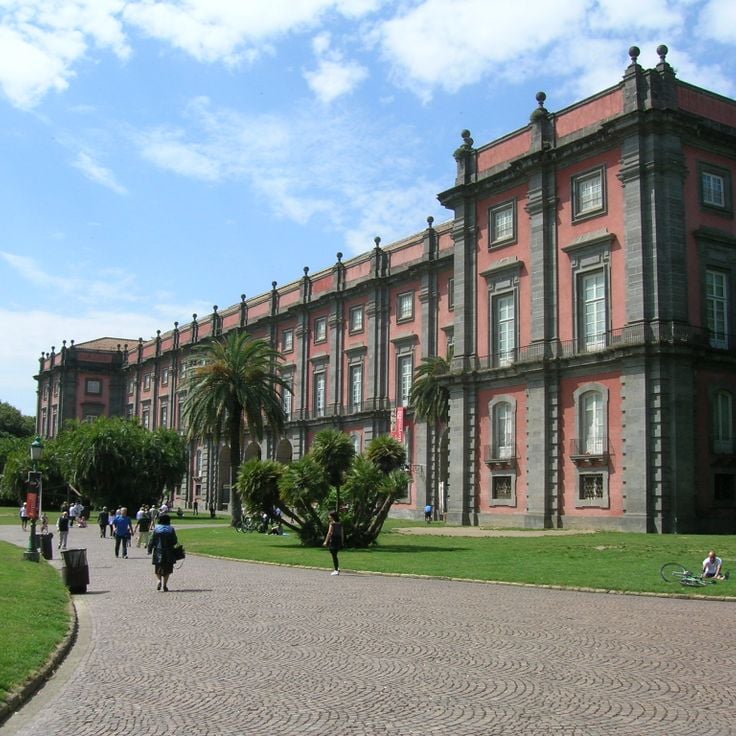
The Capodimonte Museum occupies an 18th-century royal palace and invites you to explore Italian painting, armor, and decorative arts. As you wander through Naples between sea and history, this museum reveals how the city's rulers collected and valued art. The palace itself shows you how power and beauty were expressed in the kingdom's grand rooms and galleries.
The San Domenico Maggiore Complex in Naples invites you to explore the spiritual side of this passionate southern Italian city. This religious ensemble includes a 13th-century church that blends Gothic and Baroque architecture, a convent, and a cloister lined with marble columns. Walking through these spaces, you sense the devotion that has shaped Naples for centuries.
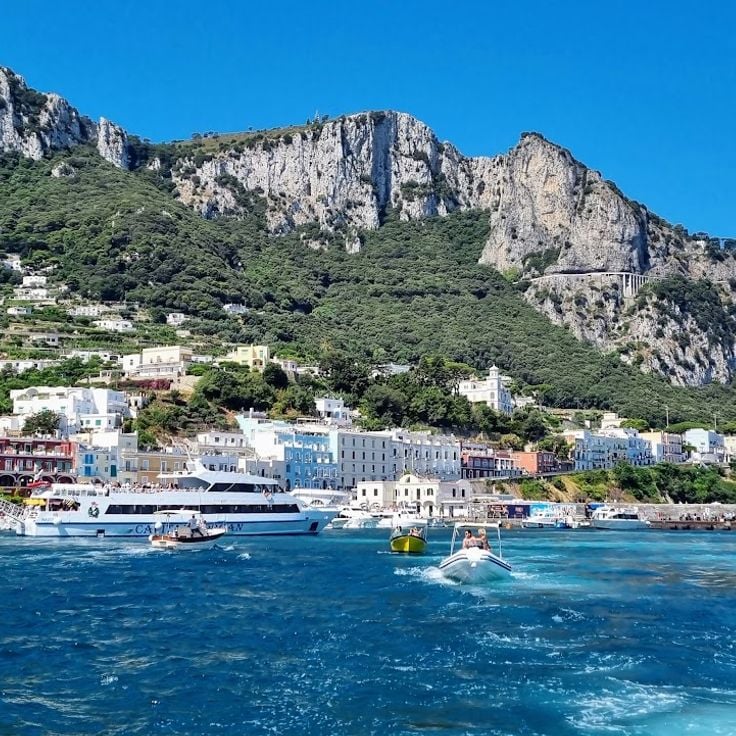
Capri Island is a limestone island in the Bay of Naples that you can easily reach and explore. It features dramatic cliffs, Roman villas, and Mediterranean gardens that transport you back to ancient times. The Blue Grotto with its striking blue waters is a natural wonder you should not miss. This island offers you a chance to experience the beauty of southern Italy while discovering how people lived during the Roman period.
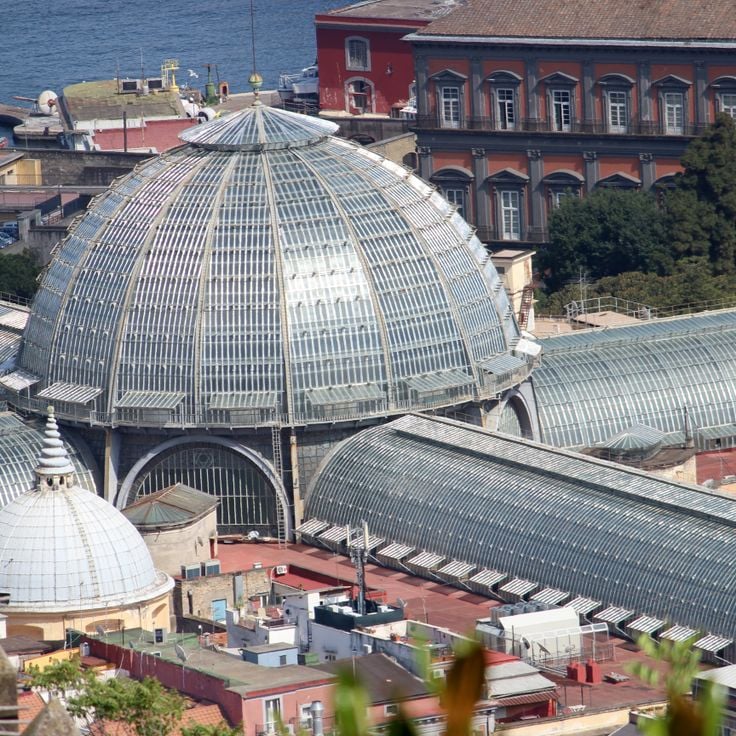
The Galleria Umberto I is a covered shopping arcade built in 1887, featuring mosaic floors, a large glass dome, and neo-Renaissance architecture. As you walk through this gallery while exploring Naples, you experience a piece of southern Italian history and elegance that captures the spirit of this passionate city between sea and land.
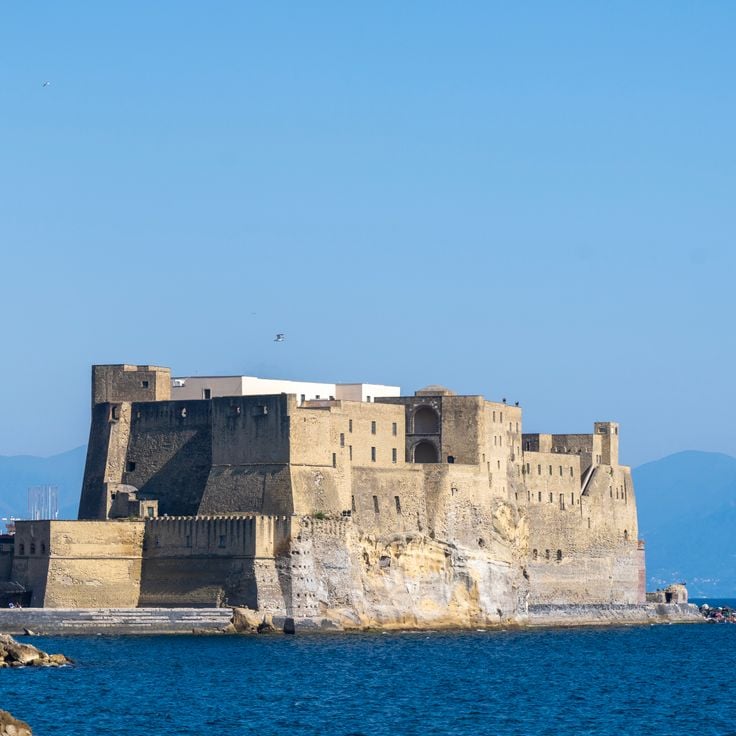
The Egg Castle is a maritime fortress built in the 12th century on the Megaride islet in Naples. A causeway connects it to the mainland. It once served as a royal residence. Today you can explore this historic castle and enjoy views of the sea and the city from its walls. The Egg Castle is an important part of Naples' history and offers insight into the past of this passionate city between sea and land.
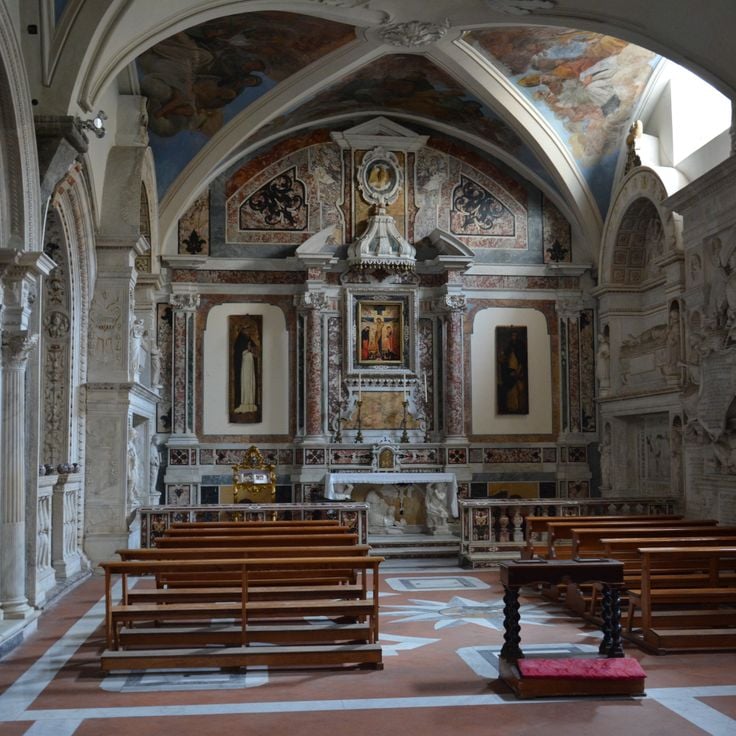
The Church of Santa Maria delle Grazie in Naples is a religious monument built in the 16th century that reflects the spiritual passion this city embodies. The building features baroque architecture with refined marble decorations and several chapels adorned with religious frescoes on their walls. When you step inside, you encounter a space that reveals the spiritual history of Naples and offers visitors a moment of reflection away from the energy of the surrounding streets.
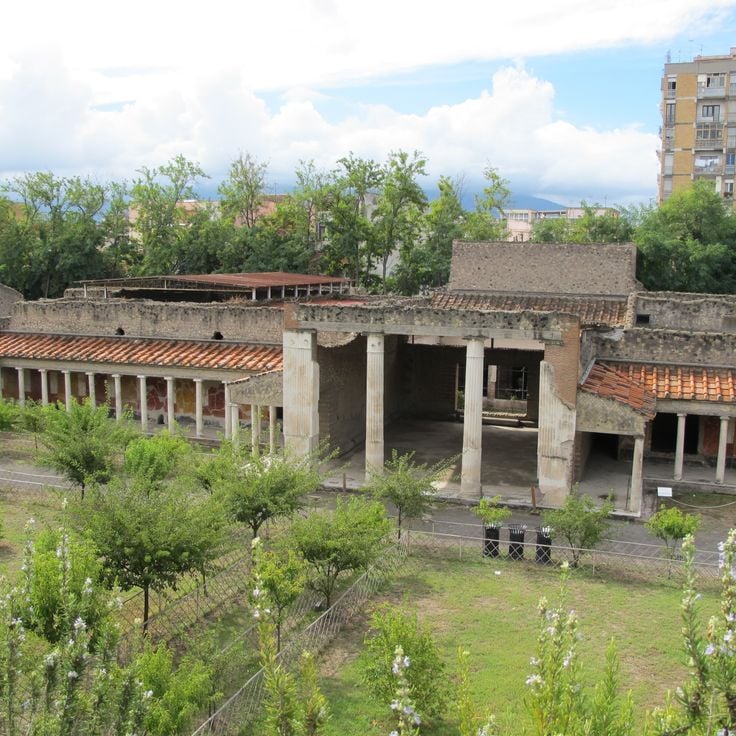
Villa Poppaea is a first-century Roman residence located in Torre Annunziata that preserves wall decorations and floor mosaics from its original design. The central garden is surrounded by columns and sculptures that reveal how wealthy Romans lived. As you explore Naples and its surroundings, this villa offers a glimpse into the refinement and daily life of the ancient upper class.
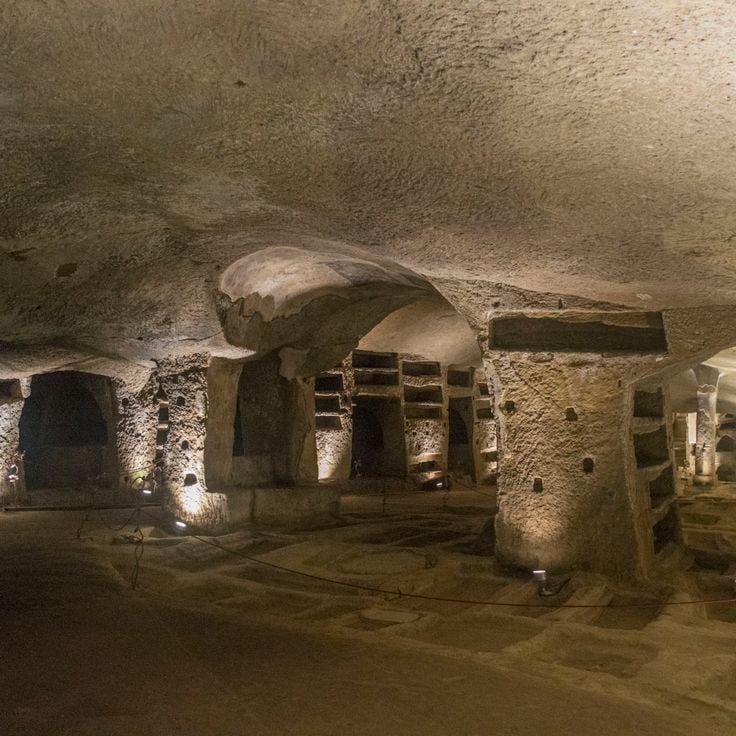
The Catacombs of San Gennaro form an underground network of burial galleries carved into tuff rock across two levels. Dating from the 2nd to 10th century, the tombs and wall paintings reveal how early Christian communities in Naples honored their dead. Walking through these passages, you can see the religious beliefs and daily life of ancient Neapolitans carved into the stone itself.
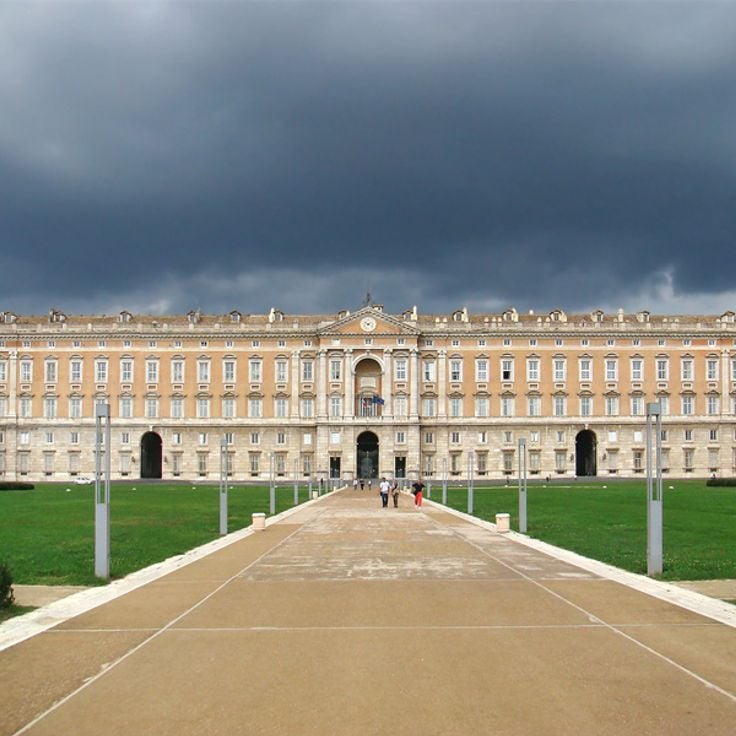
The Royal Palace of Caserta was built in the 18th century as a royal residence and stands as one of Europe's largest palaces. The building impresses visitors with its vast rooms and elaborate interior design. Walking through the palace, you can explore the grandeur of a royal home from centuries past. The palace park extends across the landscape with fountains, statues, and manicured gardens that invite long walks. A short journey from Naples, this palace offers a window into the royal history of southern Italy and the power of the Bourbon dynasty.
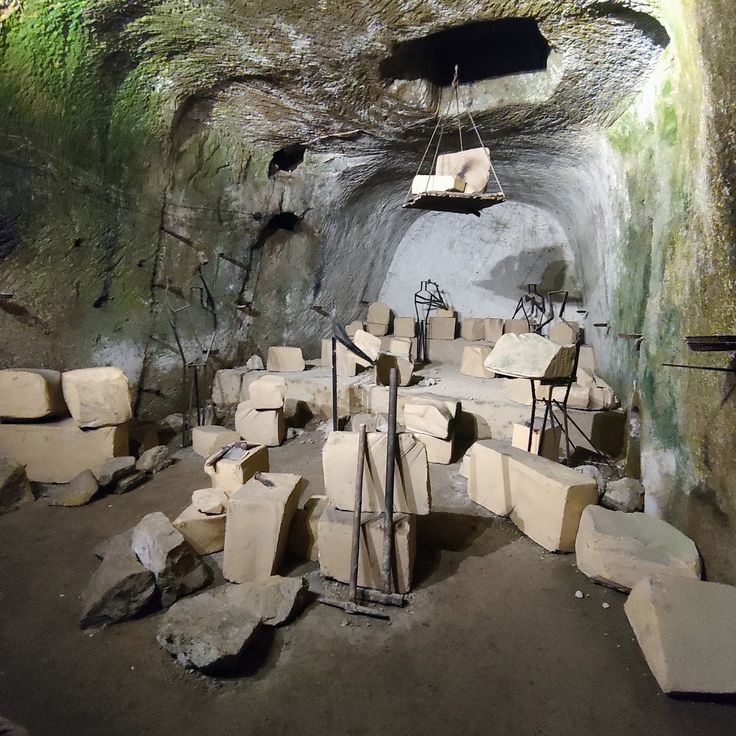
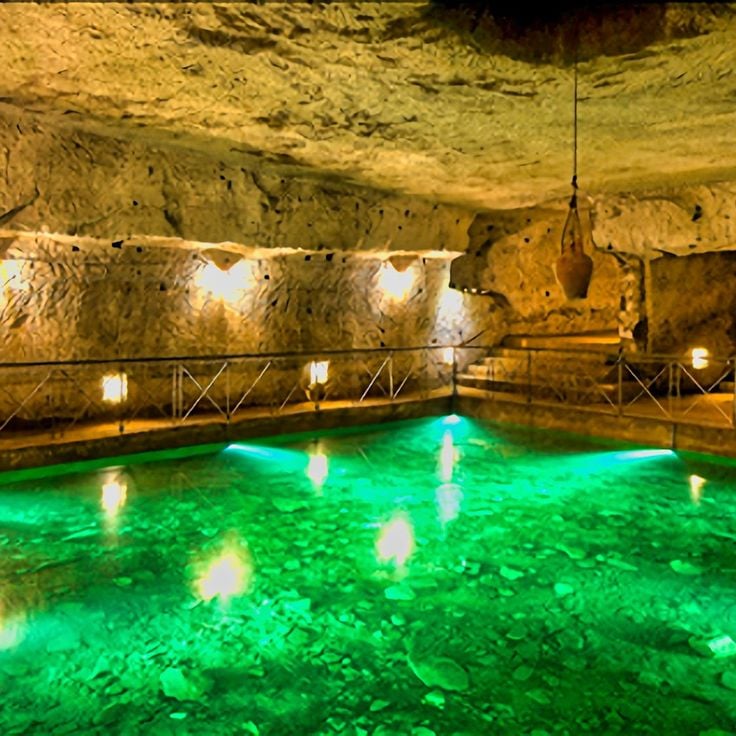
Underground Naples reveals 2,500 years of history beneath your feet. Tunnels, cisterns, and quarries form a vast network running below the city streets. When you descend, you move through different time periods from ancient Greeks to modern times. The passages are cool and shadowy, some leading to forgotten chambers that have lain hidden for centuries. This is another Naples that exists underground while the vibrant city continues above.
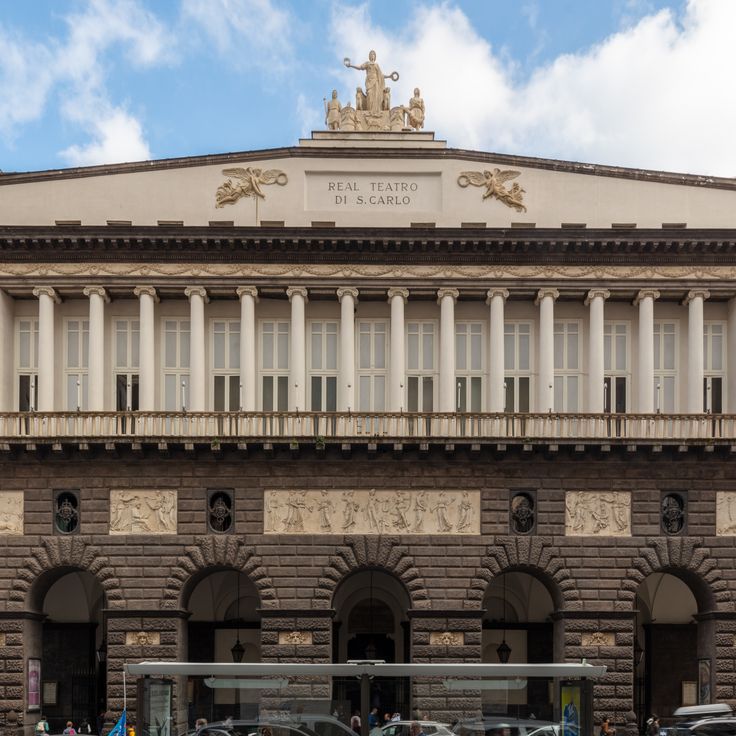
The Teatro di San Carlo in Naples is an opera house built in 1737 that reflects the city's passion for music and theater. With its six tiers of boxes decorated in gold and red velvet, a large stage, and a painted ceiling, the halls invite you to unforgettable performances. This theater is part of Naples' cultural life and shows the region's deep love for the arts.
San Lorenzo Maggiore Basilica stands as a place where medieval Naples rises above ancient Roman ruins. Beneath this 13th-century church, visitors can walk through an underground archaeological area where the paved streets, shops, and kilns of the Roman city remain visible. This is a location to understand the depth of Naples' history while discovering the architecture and spiritual importance of the basilica itself.
Virgilian Park is a green space in Naples that spreads across several levels. From here you can see the Bay of Naples, Mount Vesuvius, and the islands nearby. The park offers a place to walk and spend time while taking in the views of the landscape surrounding Naples.
Villa Regina is a Roman wine-producing farm in Boscoreale that reveals how ancient agriculture and winemaking operated. Visitors can see original tools and production facilities dating to the first century BC, offering a direct look at Roman farming methods and the labor involved in wine production. The site shows what daily life was like on a working estate and why wine production mattered so much to the local economy.
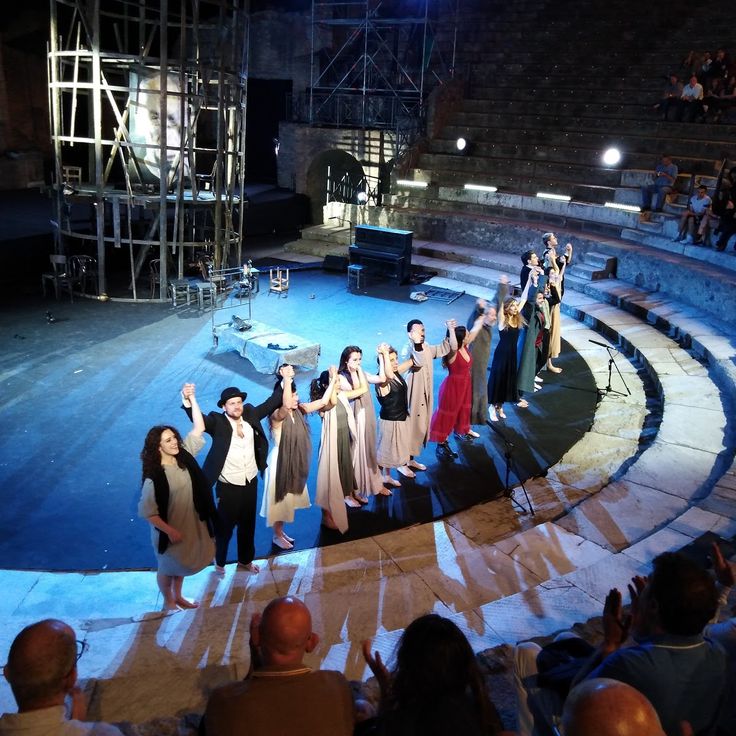
The Great Theatre of Pompeii is a Roman performance building from the 2nd century BC that held about 5,000 spectators. The theater features marble seating and a decorated stage. Explore this ancient site to understand the passion and cultural life of the people who lived in this southern Italian coastal city nearly 2,000 years ago.
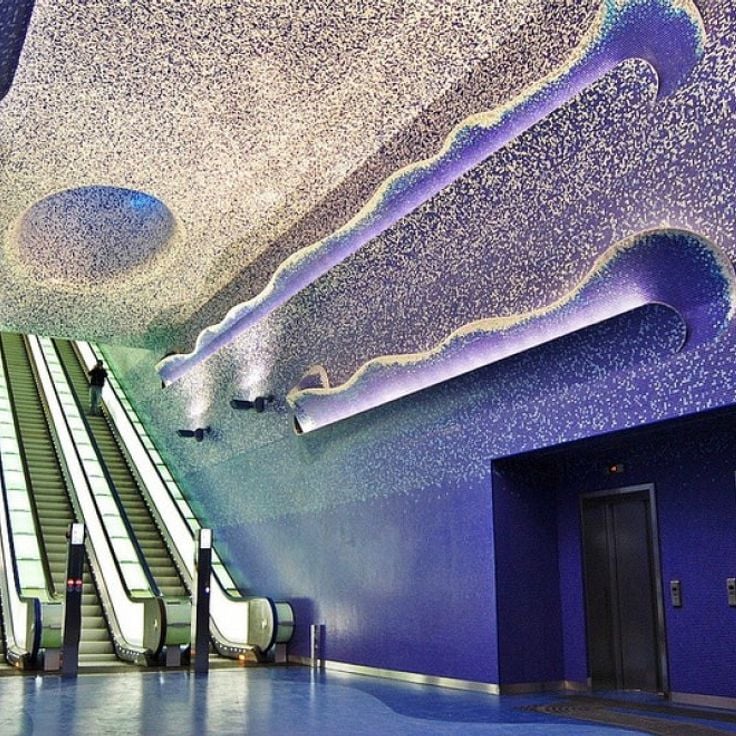
Toledo Station is a metro station in Naples, built in 2012, featuring blue mosaics and lighting effects that reflect across the walls and staircases. As you pass through this underground space, you experience an artistic environment that captures the energy of daily life in Naples. Visit this station to see how the city blends contemporary design with its vibrant character.
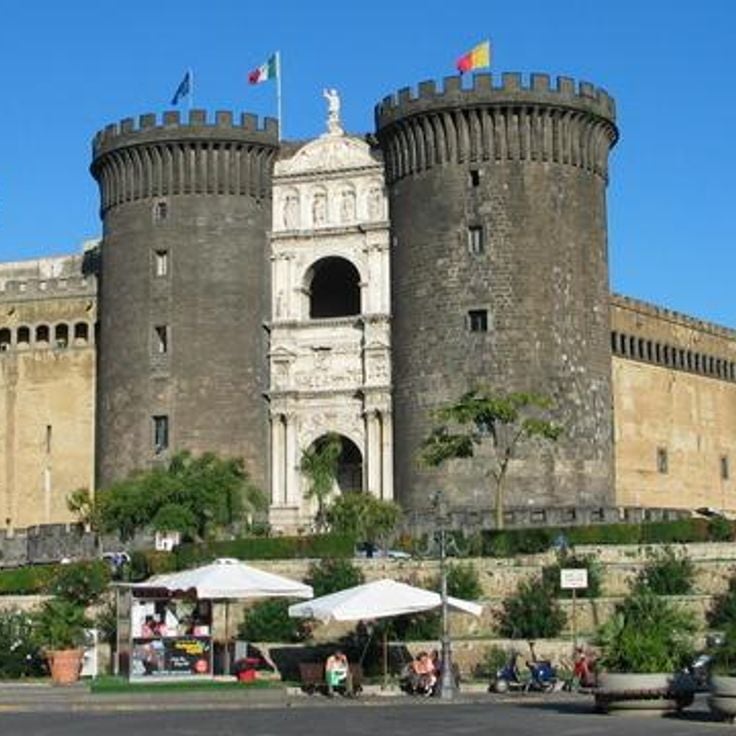
Castel Nuovo stands as a fortress in Naples built during the 13th century, commanding attention with its five cylindrical towers and grand triumphal arch. Inside, visitors walk through rooms decorated with frescoes and explore the municipal museum. The castle reflects the layers of Naples' past and offers a window into the power and creativity that shaped this southern Italian city.
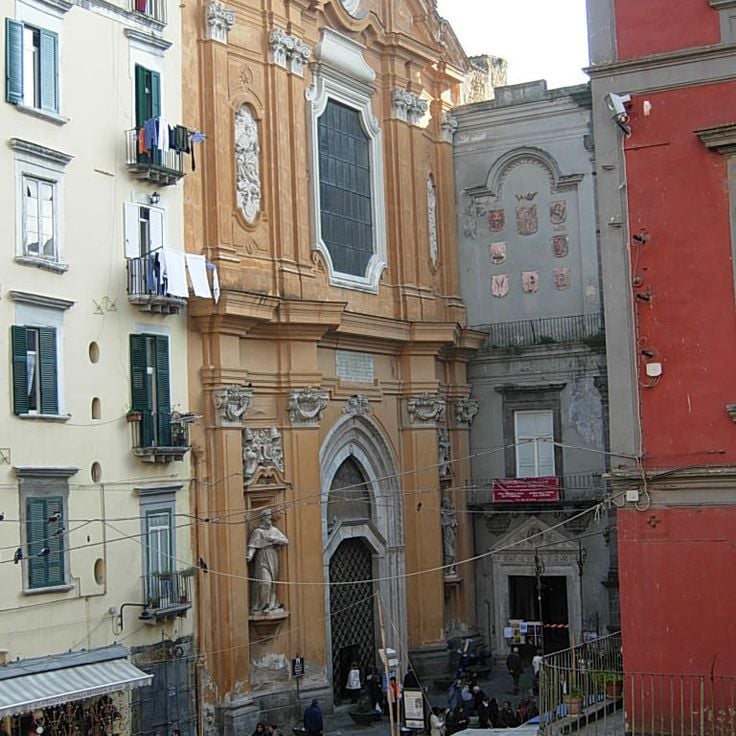
Via dei Tribunali is one of the main streets of Naples' historic center. It follows the path of the ancient Roman decumanus and is lined with churches, palaces, and traditional shops. When you walk along this street, you experience the layers of Naples' history and daily life - between the facades of centuries past and the city's living present.
The Bourbon Tunnel is a network of underground passages built in the 19th century by order of King Ferdinand II of Bourbon. During World War II, Naples residents used these tunnels as shelters from bombing. Today you can walk through these passages and experience a hidden layer of this city that operates between sea and land, history and daily life.
The Catacombs of San Gaudioso are an underground network from the 5th century that you can explore in Naples. Here you will find decorated tombs, wall paintings, and mosaics showing religious scenes. This is a quiet place where you can understand the history and faith of early Christians. As you walk through the passages, you discover artistic details at every turn that speak to the skill and devotion of those who created them.
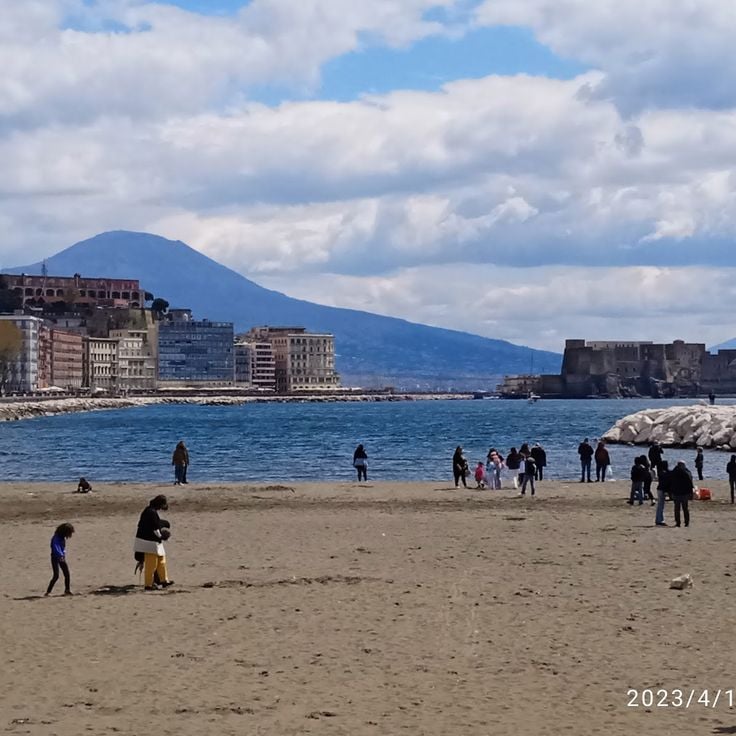
The Caracciolo Promenade is a 3-kilometer coastal road in Naples that connects the Santa Lucia district to Villa Comunale park. Palm trees line the way, and views of Mount Vesuvius open up ahead. This promenade invites you to explore the city between sea and land, capturing the spirit of Naples.
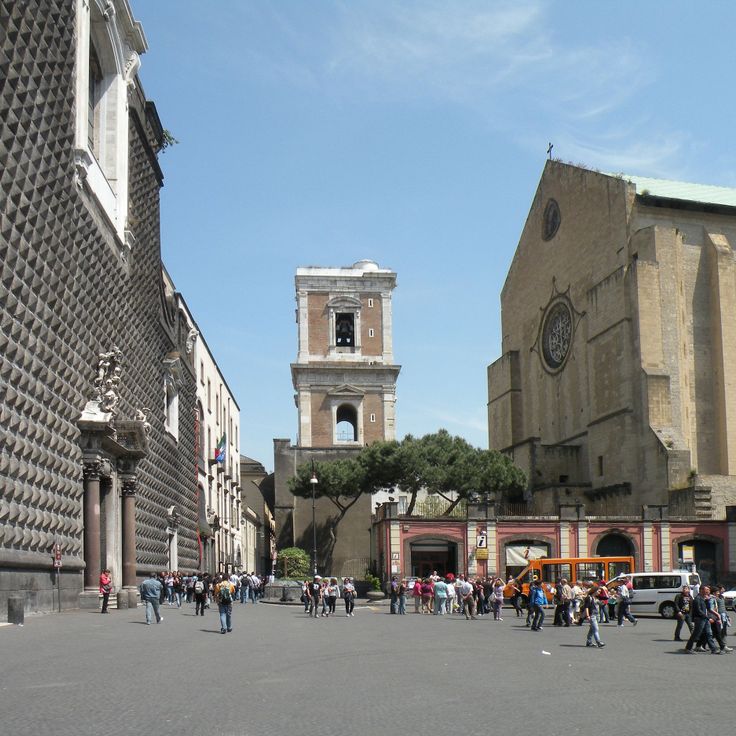
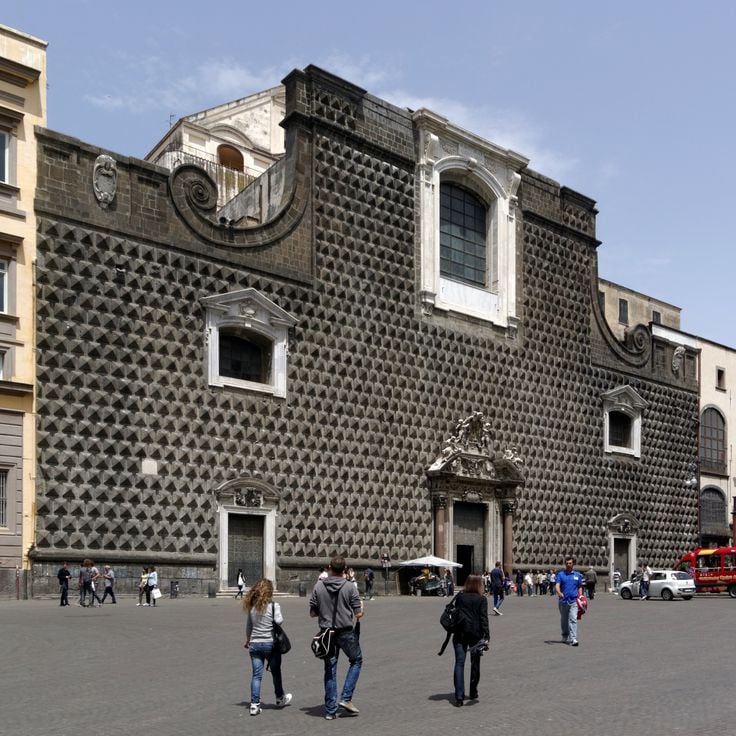
The Church of Gesù Nuovo is a 16th-century religious building you can discover while exploring Naples. Its gray stone facade features a distinctive pattern of spikes. Inside, marble, frescoes, and sculptures create an ornate space that captures the artistic passion of southern Italy.
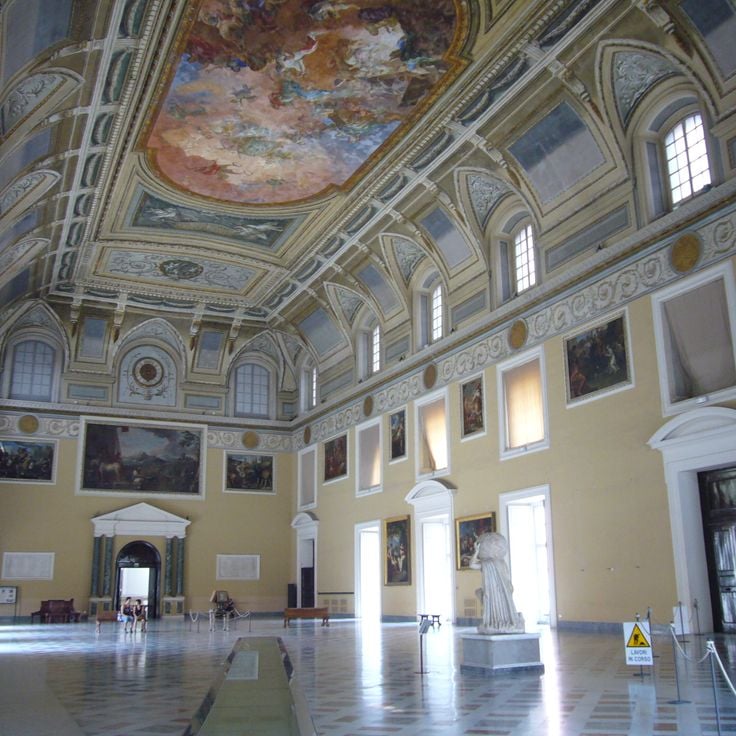
The National Archaeological Museum displays treasures unearthed from the ruins of Pompeji and Herculaneum, inviting you to walk among Roman bronzes, frescoes, ancient pottery, and Egyptian statues as you explore the riches of the ancient world.
San Gregorio Armeno is a historic street running through the center of Naples where artisans work in small workshops crafting nativity figurines and Christmas decorations following generations of Neapolitan tradition. Walking down this street, you witness how the city keeps its craft heritage alive through daily work and creativity. Here you see the passion that runs through Naples in the way people approach their traditions and trades.
The Certosa di San Martino is a monastery founded in 1325 that sits on a hilltop above Naples. The building holds a cloister, a church, and rooms decorated with frescoes on the walls. From here you can look out over the Bay of Naples and see the city spread below you. It is a place to understand the religious history of southern Italy and to discover the artwork created within this monastery.
This archaeological site preserves a Roman settlement buried under volcanic mud when Mount Vesuvius erupted in 79 AD. You can walk through ancient homes and buildings where original decorations remain visible on walls and floors. Herculaneum shows you how people actually lived in this corner of the Roman world, with everyday objects and spaces frozen in time. As you explore this place while planning your journey through Naples and its surroundings, you gain insight into the region's deep historical roots and the daily rhythms of ancient life.
The Piazza del Plebiscito is the largest square in Naples and a central place to explore this passionate southern Italian city. The square is surrounded by important buildings, including the Royal Palace and the San Francesco di Paola Basilica. Here, visitors can feel the history and grandeur of the region while walking through this open space that forms the heart of Naples.
The Naples Cathedral is the principal religious monument of the city and reflects the spiritual devotion that defines Naples. Built in the 13th century, this church houses the Santa Restituta basilica and contains precious relics displayed in the Chapel of the Treasure. Visiting this site helps you grasp how faith is woven into the daily life of local people.
Procida Island is an island in the Bay of Naples known for its colorful houses and fishing ports. Narrow streets connect to beaches and medieval fortifications. This destination offers a quieter side of southern Italian coastal life, where fishing traditions and local rhythms shape the daily experience of walking through its villages.
Castel Sant'Elmo is a 14th-century fortress that sits high above Naples on Vomero hill. Its star-shaped design was built for military defense. From here, you can see across the city and out to the sea. This castle helps you understand how Naples was protected over centuries and what daily life looked like for those who guarded it.
Mount Vesuvius is the only active volcano on mainland Europe, rising 1,281 meters above sea level. When you climb to its crater, you see the entire Bay of Naples and the city spread below you. This mountain shaped the history of Naples and shows you the raw power of nature that defines this region.
The Archaeological Park of Posillipo reveals the Roman history layered beneath Naples and its surroundings. Open to visitors since 2009, this site contains remains of Roman villas and the Seiano Grotto, an ancient tunnel stretching 780 meters. Walking through the park, you encounter the physical traces of how Romans once lived in this part of southern Italy.
The Santa Chiara Monastery is a monastic complex built in the 14th century in Naples, home to a church, museum, and cloister. The cloister features colorful majolica tiles depicting rural scenes that cover the walls and benches. Walking through this space allows you to step back into the city's history while appreciating the craftsmanship of the ceramic work that captures everyday life from centuries past.
The Sansevero Chapel is an 18th-century religious building in Naples that houses impressive marble sculptures, including the famous veiled Christ statue. In the basement, you can see two anatomical wax studies. This chapel embodies the religious passion of southern Italy and is a place to discover while exploring this dynamic city between sea and land.
Ischia Island is a volcanic destination in the Bay of Naples where you can discover beaches, thermal springs, a medieval castle, and gardens spread across six communities. This island embodies southern Italy's character with its mix of natural features and local life. Explore it as part of your journey through the region's geography and daily rhythms.
The Pompeii Archaeological Site is an expansive complex presenting the ruins of a Roman city preserved by the eruption of Mount Vesuvius in 79 AD. When you walk through this place, you can stroll along ancient streets, peer into homes, and discover public buildings frozen in time. This site offers a direct window into how people lived during the Roman era and shows you the everyday routines of an ancient community.
The Hermitage of Camaldoli sits on Naples' highest hill and shows you how monks once lived in this city. Inside the church, you will find frescoes and religious paintings from the 16th century that still survive today. This monastic site connects to Naples' spiritual side and its position between sea and land, offering a quiet retreat from the bustling city below.
The Capodimonte Museum occupies an 18th-century royal palace and invites you to explore Italian painting, armor, and decorative arts. As you wander through Naples between sea and history, this museum reveals how the city's rulers collected and valued art. The palace itself shows you how power and beauty were expressed in the kingdom's grand rooms and galleries.
The San Domenico Maggiore Complex in Naples invites you to explore the spiritual side of this passionate southern Italian city. This religious ensemble includes a 13th-century church that blends Gothic and Baroque architecture, a convent, and a cloister lined with marble columns. Walking through these spaces, you sense the devotion that has shaped Naples for centuries.
Capri Island is a limestone island in the Bay of Naples that you can easily reach and explore. It features dramatic cliffs, Roman villas, and Mediterranean gardens that transport you back to ancient times. The Blue Grotto with its striking blue waters is a natural wonder you should not miss. This island offers you a chance to experience the beauty of southern Italy while discovering how people lived during the Roman period.
The Galleria Umberto I is a covered shopping arcade built in 1887, featuring mosaic floors, a large glass dome, and neo-Renaissance architecture. As you walk through this gallery while exploring Naples, you experience a piece of southern Italian history and elegance that captures the spirit of this passionate city between sea and land.
The Egg Castle is a maritime fortress built in the 12th century on the Megaride islet in Naples. A causeway connects it to the mainland. It once served as a royal residence. Today you can explore this historic castle and enjoy views of the sea and the city from its walls. The Egg Castle is an important part of Naples' history and offers insight into the past of this passionate city between sea and land.
The Church of Santa Maria delle Grazie in Naples is a religious monument built in the 16th century that reflects the spiritual passion this city embodies. The building features baroque architecture with refined marble decorations and several chapels adorned with religious frescoes on their walls. When you step inside, you encounter a space that reveals the spiritual history of Naples and offers visitors a moment of reflection away from the energy of the surrounding streets.
Villa Poppaea is a first-century Roman residence located in Torre Annunziata that preserves wall decorations and floor mosaics from its original design. The central garden is surrounded by columns and sculptures that reveal how wealthy Romans lived. As you explore Naples and its surroundings, this villa offers a glimpse into the refinement and daily life of the ancient upper class.
The Catacombs of San Gennaro form an underground network of burial galleries carved into tuff rock across two levels. Dating from the 2nd to 10th century, the tombs and wall paintings reveal how early Christian communities in Naples honored their dead. Walking through these passages, you can see the religious beliefs and daily life of ancient Neapolitans carved into the stone itself.
The Royal Palace of Caserta was built in the 18th century as a royal residence and stands as one of Europe's largest palaces. The building impresses visitors with its vast rooms and elaborate interior design. Walking through the palace, you can explore the grandeur of a royal home from centuries past. The palace park extends across the landscape with fountains, statues, and manicured gardens that invite long walks. A short journey from Naples, this palace offers a window into the royal history of southern Italy and the power of the Bourbon dynasty.
Underground Naples reveals 2,500 years of history beneath your feet. Tunnels, cisterns, and quarries form a vast network running below the city streets. When you descend, you move through different time periods from ancient Greeks to modern times. The passages are cool and shadowy, some leading to forgotten chambers that have lain hidden for centuries. This is another Naples that exists underground while the vibrant city continues above.
The Teatro di San Carlo in Naples is an opera house built in 1737 that reflects the city's passion for music and theater. With its six tiers of boxes decorated in gold and red velvet, a large stage, and a painted ceiling, the halls invite you to unforgettable performances. This theater is part of Naples' cultural life and shows the region's deep love for the arts.
San Lorenzo Maggiore Basilica stands as a place where medieval Naples rises above ancient Roman ruins. Beneath this 13th-century church, visitors can walk through an underground archaeological area where the paved streets, shops, and kilns of the Roman city remain visible. This is a location to understand the depth of Naples' history while discovering the architecture and spiritual importance of the basilica itself.
Virgilian Park is a green space in Naples that spreads across several levels. From here you can see the Bay of Naples, Mount Vesuvius, and the islands nearby. The park offers a place to walk and spend time while taking in the views of the landscape surrounding Naples.
Villa Regina is a Roman wine-producing farm in Boscoreale that reveals how ancient agriculture and winemaking operated. Visitors can see original tools and production facilities dating to the first century BC, offering a direct look at Roman farming methods and the labor involved in wine production. The site shows what daily life was like on a working estate and why wine production mattered so much to the local economy.
The Great Theatre of Pompeii is a Roman performance building from the 2nd century BC that held about 5,000 spectators. The theater features marble seating and a decorated stage. Explore this ancient site to understand the passion and cultural life of the people who lived in this southern Italian coastal city nearly 2,000 years ago.
Toledo Station is a metro station in Naples, built in 2012, featuring blue mosaics and lighting effects that reflect across the walls and staircases. As you pass through this underground space, you experience an artistic environment that captures the energy of daily life in Naples. Visit this station to see how the city blends contemporary design with its vibrant character.
Castel Nuovo stands as a fortress in Naples built during the 13th century, commanding attention with its five cylindrical towers and grand triumphal arch. Inside, visitors walk through rooms decorated with frescoes and explore the municipal museum. The castle reflects the layers of Naples' past and offers a window into the power and creativity that shaped this southern Italian city.
Via dei Tribunali is one of the main streets of Naples' historic center. It follows the path of the ancient Roman decumanus and is lined with churches, palaces, and traditional shops. When you walk along this street, you experience the layers of Naples' history and daily life - between the facades of centuries past and the city's living present.
The Bourbon Tunnel is a network of underground passages built in the 19th century by order of King Ferdinand II of Bourbon. During World War II, Naples residents used these tunnels as shelters from bombing. Today you can walk through these passages and experience a hidden layer of this city that operates between sea and land, history and daily life.
The Catacombs of San Gaudioso are an underground network from the 5th century that you can explore in Naples. Here you will find decorated tombs, wall paintings, and mosaics showing religious scenes. This is a quiet place where you can understand the history and faith of early Christians. As you walk through the passages, you discover artistic details at every turn that speak to the skill and devotion of those who created them.
The Caracciolo Promenade is a 3-kilometer coastal road in Naples that connects the Santa Lucia district to Villa Comunale park. Palm trees line the way, and views of Mount Vesuvius open up ahead. This promenade invites you to explore the city between sea and land, capturing the spirit of Naples.
The Church of Gesù Nuovo is a 16th-century religious building you can discover while exploring Naples. Its gray stone facade features a distinctive pattern of spikes. Inside, marble, frescoes, and sculptures create an ornate space that captures the artistic passion of southern Italy.
The National Archaeological Museum displays treasures unearthed from the ruins of Pompeji and Herculaneum, inviting you to walk among Roman bronzes, frescoes, ancient pottery, and Egyptian statues as you explore the riches of the ancient world.
San Gregorio Armeno is a historic street running through the center of Naples where artisans work in small workshops crafting nativity figurines and Christmas decorations following generations of Neapolitan tradition. Walking down this street, you witness how the city keeps its craft heritage alive through daily work and creativity. Here you see the passion that runs through Naples in the way people approach their traditions and trades.
The Certosa di San Martino is a monastery founded in 1325 that sits on a hilltop above Naples. The building holds a cloister, a church, and rooms decorated with frescoes on the walls. From here you can look out over the Bay of Naples and see the city spread below you. It is a place to understand the religious history of southern Italy and to discover the artwork created within this monastery.
This archaeological site preserves a Roman settlement buried under volcanic mud when Mount Vesuvius erupted in 79 AD. You can walk through ancient homes and buildings where original decorations remain visible on walls and floors. Herculaneum shows you how people actually lived in this corner of the Roman world, with everyday objects and spaces frozen in time. As you explore this place while planning your journey through Naples and its surroundings, you gain insight into the region's deep historical roots and the daily rhythms of ancient life.
The Piazza del Plebiscito is the largest square in Naples and a central place to explore this passionate southern Italian city. The square is surrounded by important buildings, including the Royal Palace and the San Francesco di Paola Basilica. Here, visitors can feel the history and grandeur of the region while walking through this open space that forms the heart of Naples.
The Naples Cathedral is the principal religious monument of the city and reflects the spiritual devotion that defines Naples. Built in the 13th century, this church houses the Santa Restituta basilica and contains precious relics displayed in the Chapel of the Treasure. Visiting this site helps you grasp how faith is woven into the daily life of local people.
Procida Island is an island in the Bay of Naples known for its colorful houses and fishing ports. Narrow streets connect to beaches and medieval fortifications. This destination offers a quieter side of southern Italian coastal life, where fishing traditions and local rhythms shape the daily experience of walking through its villages.
Castel Sant'Elmo is a 14th-century fortress that sits high above Naples on Vomero hill. Its star-shaped design was built for military defense. From here, you can see across the city and out to the sea. This castle helps you understand how Naples was protected over centuries and what daily life looked like for those who guarded it.
Mount Vesuvius is the only active volcano on mainland Europe, rising 1,281 meters above sea level. When you climb to its crater, you see the entire Bay of Naples and the city spread below you. This mountain shaped the history of Naples and shows you the raw power of nature that defines this region.
The Archaeological Park of Posillipo reveals the Roman history layered beneath Naples and its surroundings. Open to visitors since 2009, this site contains remains of Roman villas and the Seiano Grotto, an ancient tunnel stretching 780 meters. Walking through the park, you encounter the physical traces of how Romans once lived in this part of southern Italy.
The Santa Chiara Monastery is a monastic complex built in the 14th century in Naples, home to a church, museum, and cloister. The cloister features colorful majolica tiles depicting rural scenes that cover the walls and benches. Walking through this space allows you to step back into the city's history while appreciating the craftsmanship of the ceramic work that captures everyday life from centuries past.
The Sansevero Chapel is an 18th-century religious building in Naples that houses impressive marble sculptures, including the famous veiled Christ statue. In the basement, you can see two anatomical wax studies. This chapel embodies the religious passion of southern Italy and is a place to discover while exploring this dynamic city between sea and land.
Ischia Island is a volcanic destination in the Bay of Naples where you can discover beaches, thermal springs, a medieval castle, and gardens spread across six communities. This island embodies southern Italy's character with its mix of natural features and local life. Explore it as part of your journey through the region's geography and daily rhythms.
The Pompeii Archaeological Site is an expansive complex presenting the ruins of a Roman city preserved by the eruption of Mount Vesuvius in 79 AD. When you walk through this place, you can stroll along ancient streets, peer into homes, and discover public buildings frozen in time. This site offers a direct window into how people lived during the Roman era and shows you the everyday routines of an ancient community.
The Hermitage of Camaldoli sits on Naples' highest hill and shows you how monks once lived in this city. Inside the church, you will find frescoes and religious paintings from the 16th century that still survive today. This monastic site connects to Naples' spiritual side and its position between sea and land, offering a quiet retreat from the bustling city below.
The Capodimonte Museum occupies an 18th-century royal palace and invites you to explore Italian painting, armor, and decorative arts. As you wander through Naples between sea and history, this museum reveals how the city's rulers collected and valued art. The palace itself shows you how power and beauty were expressed in the kingdom's grand rooms and galleries.
The San Domenico Maggiore Complex in Naples invites you to explore the spiritual side of this passionate southern Italian city. This religious ensemble includes a 13th-century church that blends Gothic and Baroque architecture, a convent, and a cloister lined with marble columns. Walking through these spaces, you sense the devotion that has shaped Naples for centuries.
Capri Island is a limestone island in the Bay of Naples that you can easily reach and explore. It features dramatic cliffs, Roman villas, and Mediterranean gardens that transport you back to ancient times. The Blue Grotto with its striking blue waters is a natural wonder you should not miss. This island offers you a chance to experience the beauty of southern Italy while discovering how people lived during the Roman period.
The Galleria Umberto I is a covered shopping arcade built in 1887, featuring mosaic floors, a large glass dome, and neo-Renaissance architecture. As you walk through this gallery while exploring Naples, you experience a piece of southern Italian history and elegance that captures the spirit of this passionate city between sea and land.
The Egg Castle is a maritime fortress built in the 12th century on the Megaride islet in Naples. A causeway connects it to the mainland. It once served as a royal residence. Today you can explore this historic castle and enjoy views of the sea and the city from its walls. The Egg Castle is an important part of Naples' history and offers insight into the past of this passionate city between sea and land.
The Church of Santa Maria delle Grazie in Naples is a religious monument built in the 16th century that reflects the spiritual passion this city embodies. The building features baroque architecture with refined marble decorations and several chapels adorned with religious frescoes on their walls. When you step inside, you encounter a space that reveals the spiritual history of Naples and offers visitors a moment of reflection away from the energy of the surrounding streets.
Villa Poppaea is a first-century Roman residence located in Torre Annunziata that preserves wall decorations and floor mosaics from its original design. The central garden is surrounded by columns and sculptures that reveal how wealthy Romans lived. As you explore Naples and its surroundings, this villa offers a glimpse into the refinement and daily life of the ancient upper class.
The Catacombs of San Gennaro form an underground network of burial galleries carved into tuff rock across two levels. Dating from the 2nd to 10th century, the tombs and wall paintings reveal how early Christian communities in Naples honored their dead. Walking through these passages, you can see the religious beliefs and daily life of ancient Neapolitans carved into the stone itself.
The Royal Palace of Caserta was built in the 18th century as a royal residence and stands as one of Europe's largest palaces. The building impresses visitors with its vast rooms and elaborate interior design. Walking through the palace, you can explore the grandeur of a royal home from centuries past. The palace park extends across the landscape with fountains, statues, and manicured gardens that invite long walks. A short journey from Naples, this palace offers a window into the royal history of southern Italy and the power of the Bourbon dynasty.
Underground Naples reveals 2,500 years of history beneath your feet. Tunnels, cisterns, and quarries form a vast network running below the city streets. When you descend, you move through different time periods from ancient Greeks to modern times. The passages are cool and shadowy, some leading to forgotten chambers that have lain hidden for centuries. This is another Naples that exists underground while the vibrant city continues above.
The Teatro di San Carlo in Naples is an opera house built in 1737 that reflects the city's passion for music and theater. With its six tiers of boxes decorated in gold and red velvet, a large stage, and a painted ceiling, the halls invite you to unforgettable performances. This theater is part of Naples' cultural life and shows the region's deep love for the arts.
San Lorenzo Maggiore Basilica stands as a place where medieval Naples rises above ancient Roman ruins. Beneath this 13th-century church, visitors can walk through an underground archaeological area where the paved streets, shops, and kilns of the Roman city remain visible. This is a location to understand the depth of Naples' history while discovering the architecture and spiritual importance of the basilica itself.
Virgilian Park is a green space in Naples that spreads across several levels. From here you can see the Bay of Naples, Mount Vesuvius, and the islands nearby. The park offers a place to walk and spend time while taking in the views of the landscape surrounding Naples.
Villa Regina is a Roman wine-producing farm in Boscoreale that reveals how ancient agriculture and winemaking operated. Visitors can see original tools and production facilities dating to the first century BC, offering a direct look at Roman farming methods and the labor involved in wine production. The site shows what daily life was like on a working estate and why wine production mattered so much to the local economy.
The Great Theatre of Pompeii is a Roman performance building from the 2nd century BC that held about 5,000 spectators. The theater features marble seating and a decorated stage. Explore this ancient site to understand the passion and cultural life of the people who lived in this southern Italian coastal city nearly 2,000 years ago.
Toledo Station is a metro station in Naples, built in 2012, featuring blue mosaics and lighting effects that reflect across the walls and staircases. As you pass through this underground space, you experience an artistic environment that captures the energy of daily life in Naples. Visit this station to see how the city blends contemporary design with its vibrant character.
Castel Nuovo stands as a fortress in Naples built during the 13th century, commanding attention with its five cylindrical towers and grand triumphal arch. Inside, visitors walk through rooms decorated with frescoes and explore the municipal museum. The castle reflects the layers of Naples' past and offers a window into the power and creativity that shaped this southern Italian city.
Via dei Tribunali is one of the main streets of Naples' historic center. It follows the path of the ancient Roman decumanus and is lined with churches, palaces, and traditional shops. When you walk along this street, you experience the layers of Naples' history and daily life - between the facades of centuries past and the city's living present.
The Bourbon Tunnel is a network of underground passages built in the 19th century by order of King Ferdinand II of Bourbon. During World War II, Naples residents used these tunnels as shelters from bombing. Today you can walk through these passages and experience a hidden layer of this city that operates between sea and land, history and daily life.
The Catacombs of San Gaudioso are an underground network from the 5th century that you can explore in Naples. Here you will find decorated tombs, wall paintings, and mosaics showing religious scenes. This is a quiet place where you can understand the history and faith of early Christians. As you walk through the passages, you discover artistic details at every turn that speak to the skill and devotion of those who created them.
The Caracciolo Promenade is a 3-kilometer coastal road in Naples that connects the Santa Lucia district to Villa Comunale park. Palm trees line the way, and views of Mount Vesuvius open up ahead. This promenade invites you to explore the city between sea and land, capturing the spirit of Naples.
The Church of Gesù Nuovo is a 16th-century religious building you can discover while exploring Naples. Its gray stone facade features a distinctive pattern of spikes. Inside, marble, frescoes, and sculptures create an ornate space that captures the artistic passion of southern Italy.
The National Archaeological Museum displays treasures unearthed from the ruins of Pompeji and Herculaneum, inviting you to walk among Roman bronzes, frescoes, ancient pottery, and Egyptian statues as you explore the riches of the ancient world.