Naples National Archaeological Museum, Archaeological museum in Naples, Italy
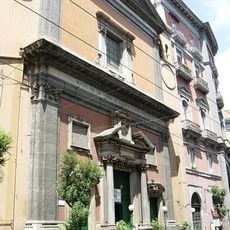
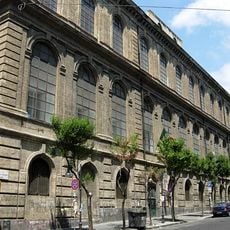
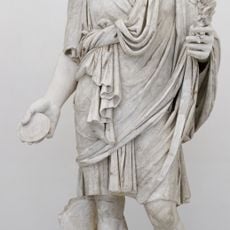
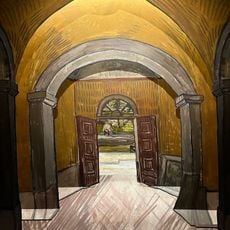
The Naples National Archaeological Museum occupies the Palazzo degli Studi, built in 1585 as a cavalry barracks and used by the University of Naples from 1616 to 1777. Its deep red facade is framed by grey stone, with a central balcony and a clock in the pediment. Inside, a vaulted hall with a large oval fresco and geometric floor leads past a white marble statue toward a doorway with a triangular pediment.
Ferdinand I of Bourbon founded the museum in 1777 to unite royal collections and make them available to the public. From 1816 onward, the building was officially used as a public museum and expanded after more finds from excavations near Mount Vesuvius were added.
The building itself started as a 16th century cavalry complex, later transformed into a museum to house the royal Farnese Collection. Today, visitors from around the world come to see the Alexander Mosaic, which was recovered from a house in Pompeii and shows a battle scene between two ancient rulers.
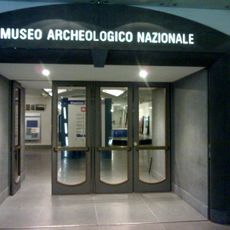
The museum occupies the Palazzo degli Studi, whose entrance on Piazza Museo is marked by a red facade with a stone clock pediment. The Museo metro station, on line 1, opens beside it and displays finds from the excavations. Collections fill several floors, with the Farnese marbles and the mosaics among the largest sections.
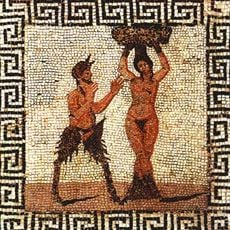
The Gabinetto Segreto's three locks were held separately by the museum director, the museum controller and the palace butler. In 1851 the entrance was walled up, nude Venus statues included. Garibaldi's forces broke in during September 1860, and the section reopened to the public in April 2000.
The community of curious travelers
AroundUs brings together thousands of curated places, local tips, and hidden gems, enriched daily by 93,451 contributors worldwide.