See the monuments around you in AROpen chests in the app
Around Us is built for your phone — point your camera at the streets and discover the monuments and places around you in augmented reality.Around Us is built for your phone — chests unlock when you walk, explore and capture nearby places.
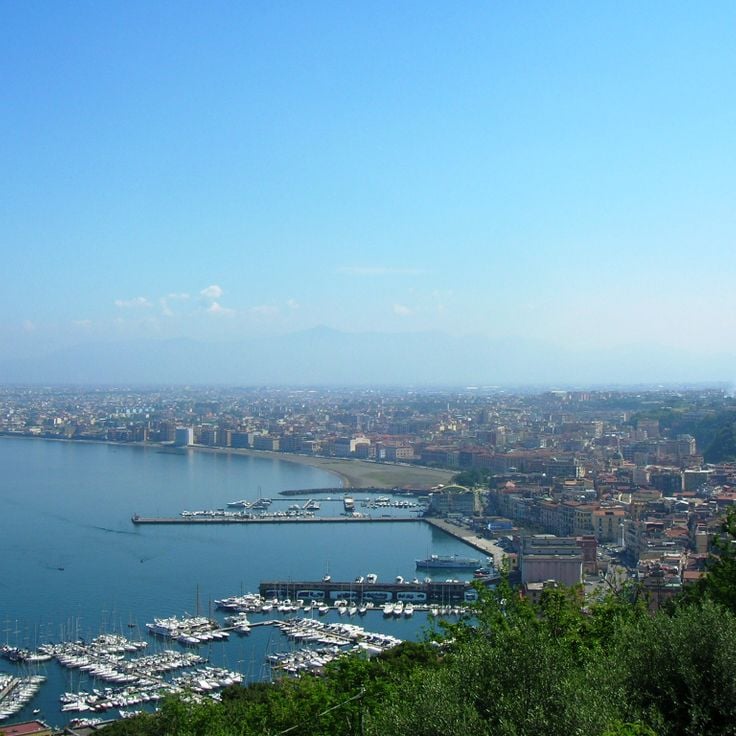
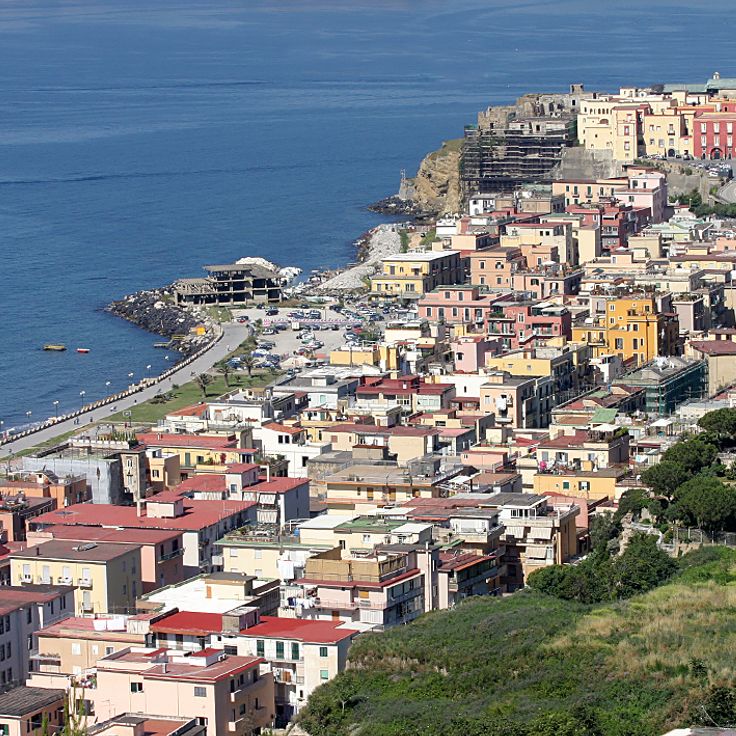
Visit Campania in Italy: Naples, Pompeii, Amalfi coast
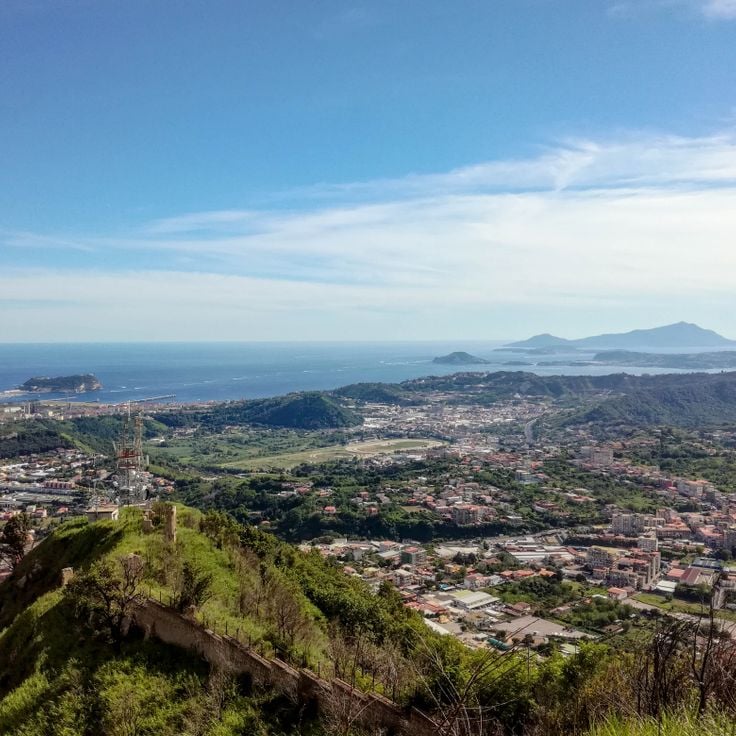
Campania gathers UNESCO sites, Roman ruins frozen in time, and landscapes shaped by volcanic activity. Naples shows its baroque churches, medieval castles, and museums where paintings from Pompeii and Herculaneum are kept. Mount Vesuvius overlooks the gulf, while the Phlegraean Fields form a land of craters and still active fumaroles. The Amalfi coast threads its villages along steep cliffs, and the islands of Capri, Ischia, and Procida each have a different feeling.
Visit Campania in Italy: Naples, Pompeii, Amalfi coast
Campania gathers UNESCO sites, Roman ruins frozen in time, and landscapes shaped by volcanic activity. Naples shows its baroque churches, medieval castles, and museums where paintings from Pompeii and Herculaneum are kept. Mount Vesuvius overlooks the gulf, while the Phlegraean Fields form a land of craters and still active fumaroles. The Amalfi coast threads its villages along steep cliffs, and the islands of Capri, Ischia, and Procida each have a different feeling.
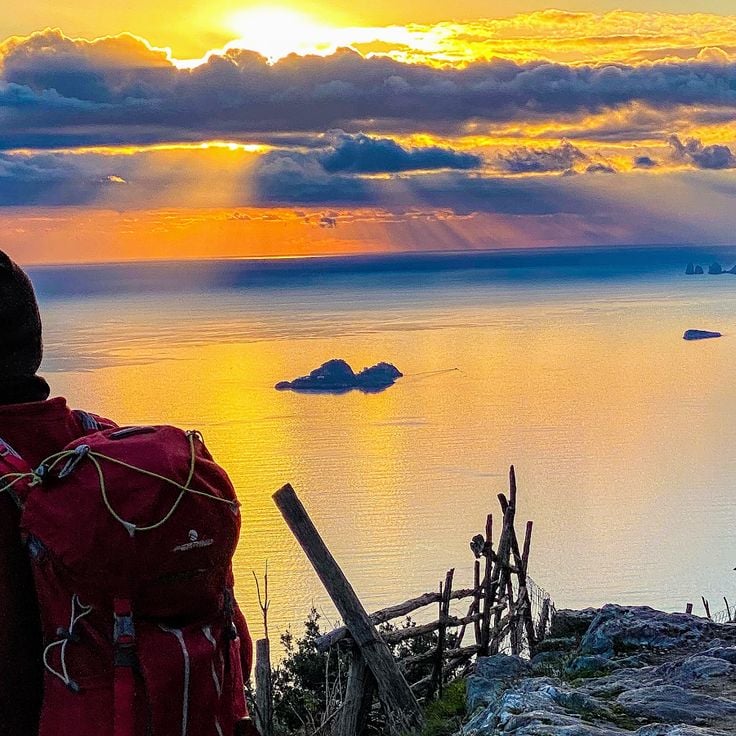
The Sentier des Dieux is a walking trail that connects Agerola and Nocelle along a mountain ridge. The path runs high above the coast and offers views of the Amalfi coast, the sea, and the islands below. You walk across hillsides and past small villages built into the slopes. The route takes several hours and links two quiet villages that sit far from the busier coastal towns.
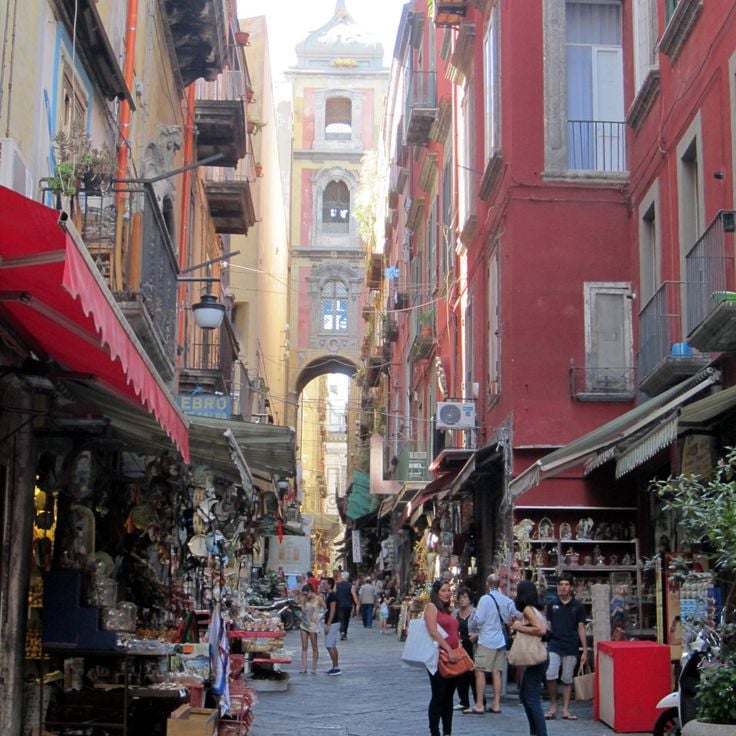
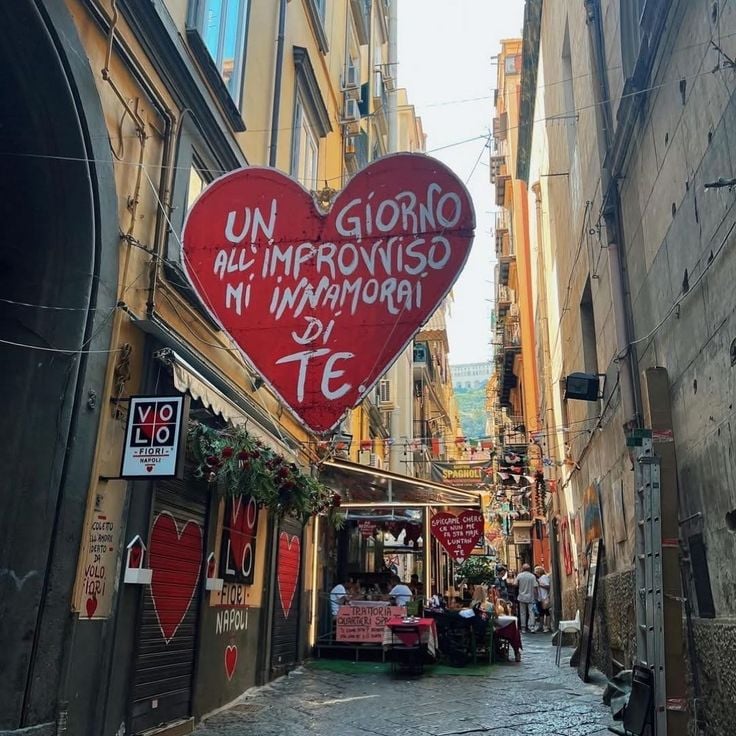
Via San Gregorio Armeno is a main street in old Naples that runs from north to south through the city. It is lined with shops, restaurants, and old buildings. This street forms the heart of the historic center and shows daily life in Naples with its narrow alleys, craft workshops, and lively market stalls. It connects different periods of the city and reveals the layers of its history through its architecture and inhabitants.
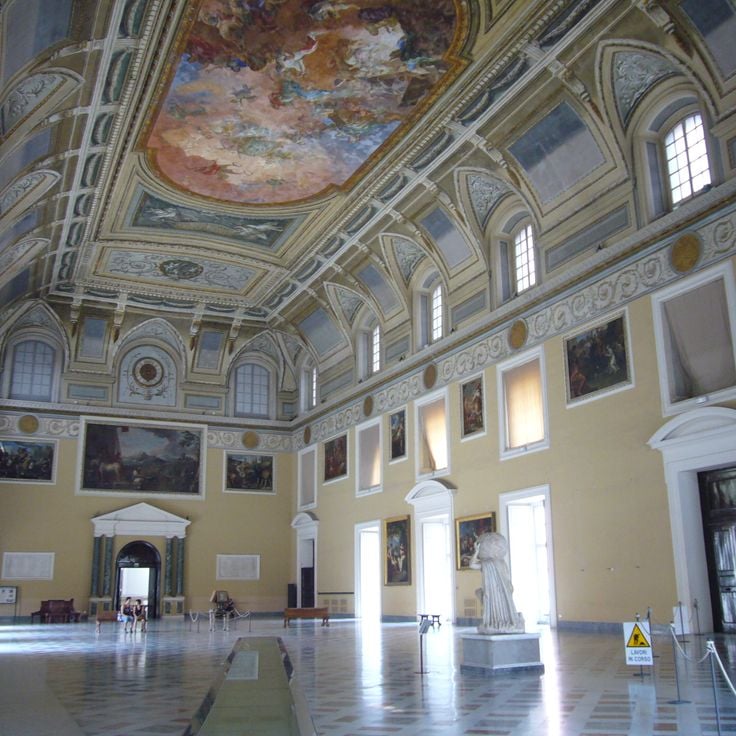
The Museo Archeologico Nazionale in Naples holds one of the most significant collections of Roman antiquities. Inside are mosaics, sculptures, and objects from Pompeii and Herculaneum that reveal how ancient Romans lived. The frescoes on the walls provide a direct view into homes and public buildings that were preserved under the ash of Mount Vesuvius. This museum serves as a window into the past and is central to understanding Campania's heritage.
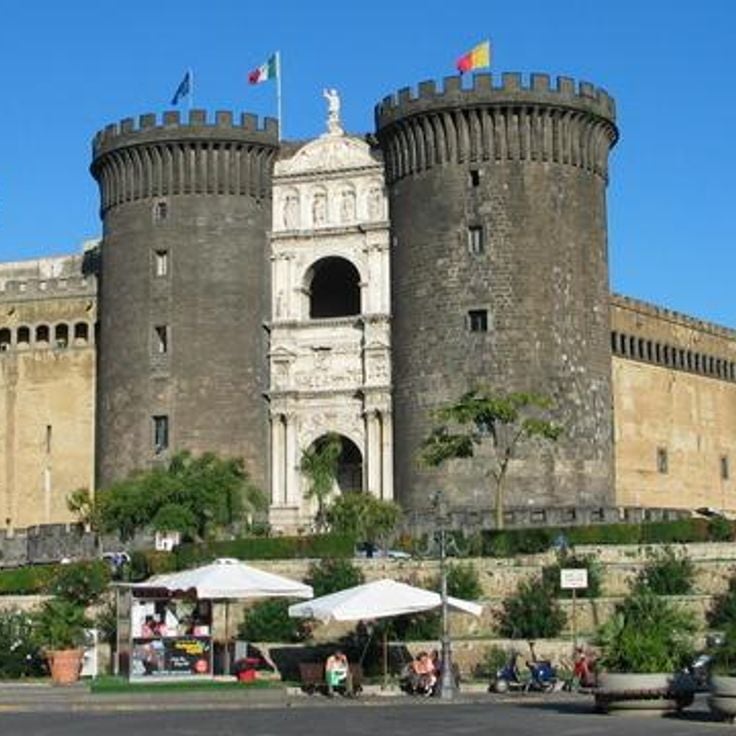
Castel Nuovo is a 13th-century royal fortress that rises at the heart of Naples' waterfront. The castle stands with five towers and a monumental arch built to celebrate a king's return from war. Inside, halls decorated with frescoes and colorful marble reveal the tastes of the rulers who lived here. This fortress watched over Naples through centuries of change, from the time of Spanish kings to French and Bourbon rule. The castle remains a symbol of the city's power and a window into its medieval past.
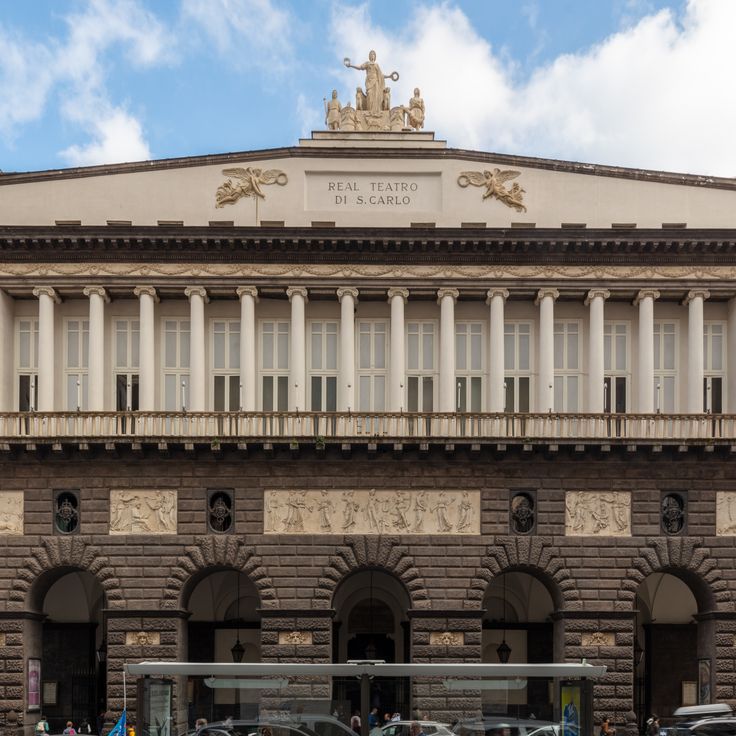
The Teatro di San Carlo is one of Italy's oldest opera houses, built in the 18th century. It stands in the heart of Naples and displays the splendor of the baroque era through its interior design. The architecture and decoration tell the story of the city's royal past. When you step inside, you enter a space that has hosted music and theater for centuries, a place where Naples' history comes alive.
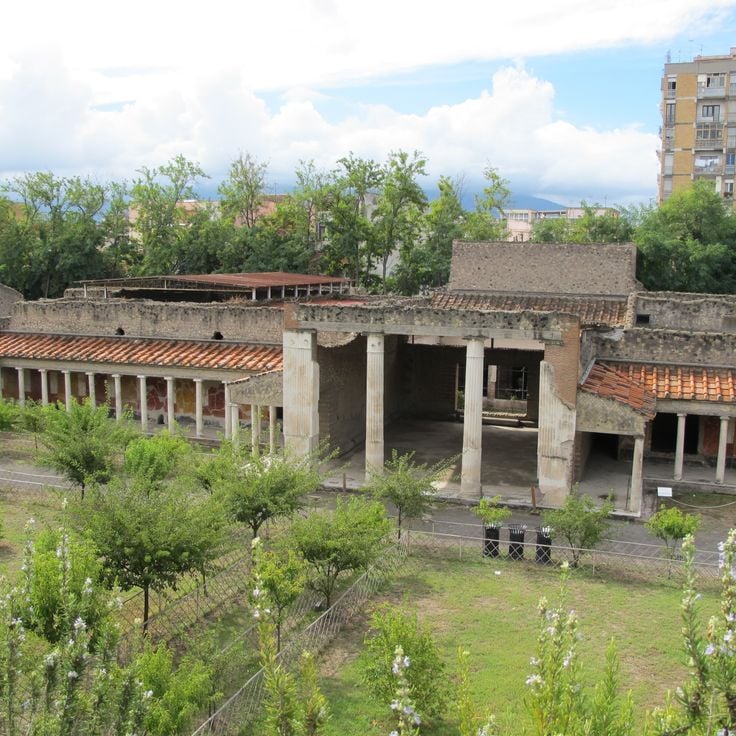
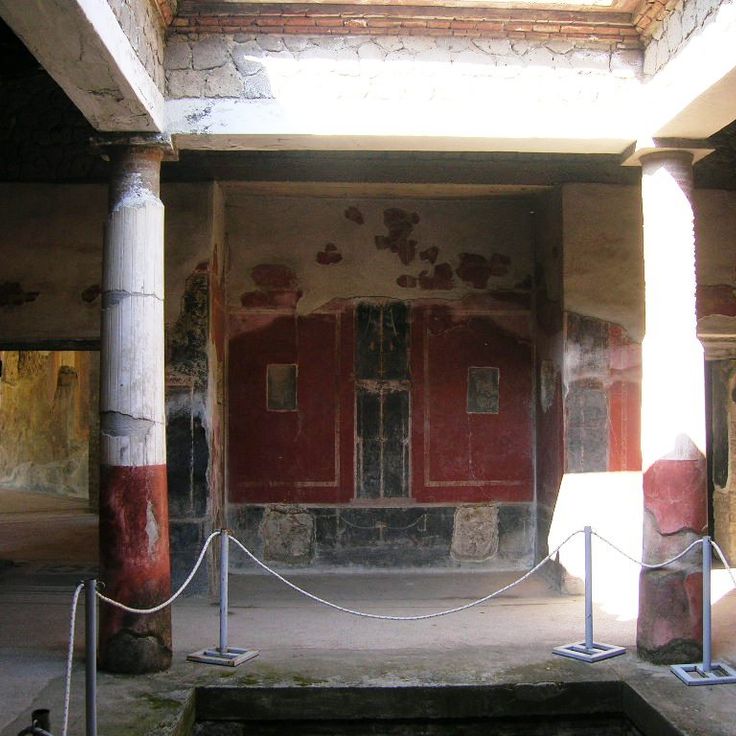
Villa Poppaea in Torre Annunziata was a residence from the 1st century belonging to the imperial family. The rooms had wall paintings and mosaics that reflected the wealth of its residents. A garden was part of the property and showed how wealthy Romans lived. Today visitors can see the ruins and get a sense of what luxury looked like in ancient times. The villa sits on the slope of Mount Vesuvius and was buried during an eruption in 79 AD.
The Spanish Quarters are a historic residential area in this city, marked by narrow streets, shared laundry facilities, and authentic daily Neapolitan life. Here, visitors can see how residents live their lives between tall buildings, where laundry hangs from windows and neighbors chat across balconies. The streets are narrow and wind through a maze that has existed for centuries. This place shows another side of Naples beyond the famous museums and churches.
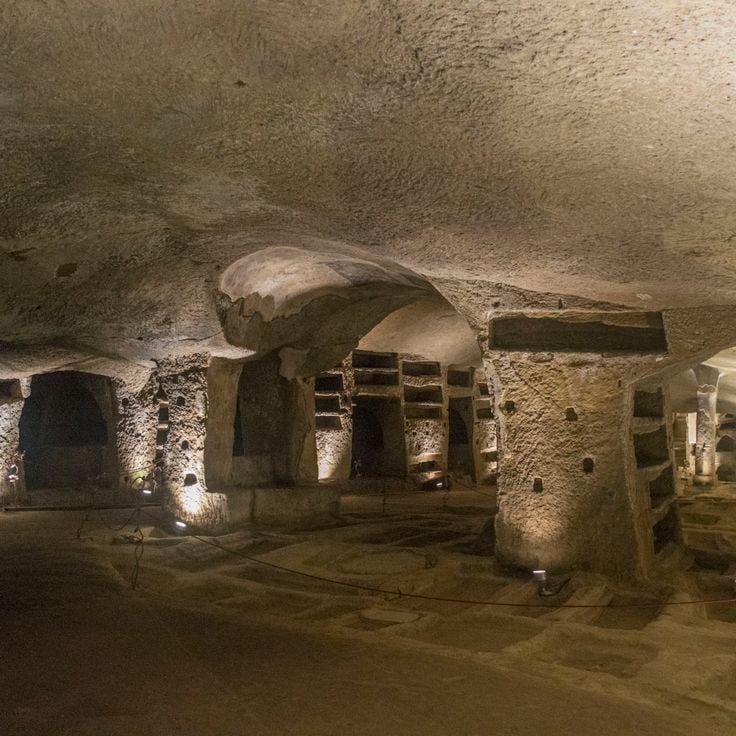
The Catacombs of San Gennaro are underground passages from the early Christian period located beneath Naples. Inside are burial chambers and ancient frescoes that reveal how early Christians lived and worshipped. The site is dedicated to San Gennaro, the patron saint of Naples. Walking through the narrow corridors, visitors see names and images painted on the walls by believers centuries ago. These catacombs offer a glimpse into the faith and daily life of people from the early centuries after Christ.
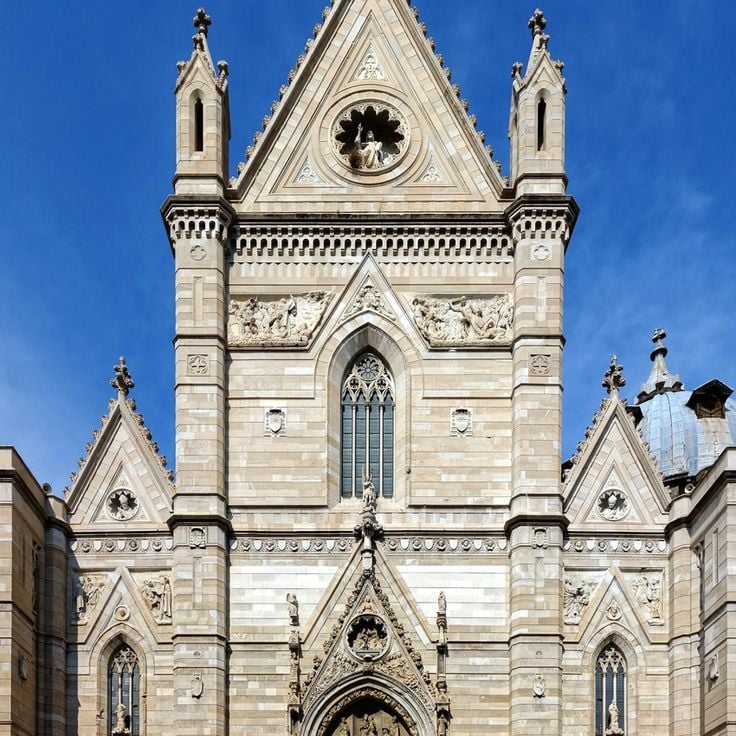
This cathedral is the main religious seat of Naples and honors Saint Januarius, the city's patron saint. Inside, you will find chapels decorated with colorful marble and artworks. The saint's reliquary, kept within the building, draws the faithful who come to honor their patron. The structure reflects the different periods that shaped the city, from the Middle Ages to baroque transformations.
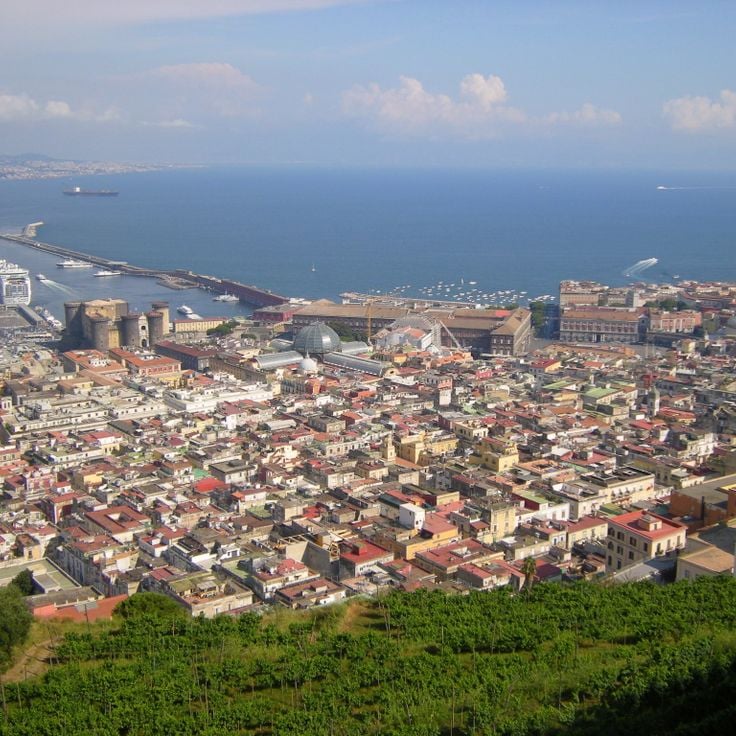
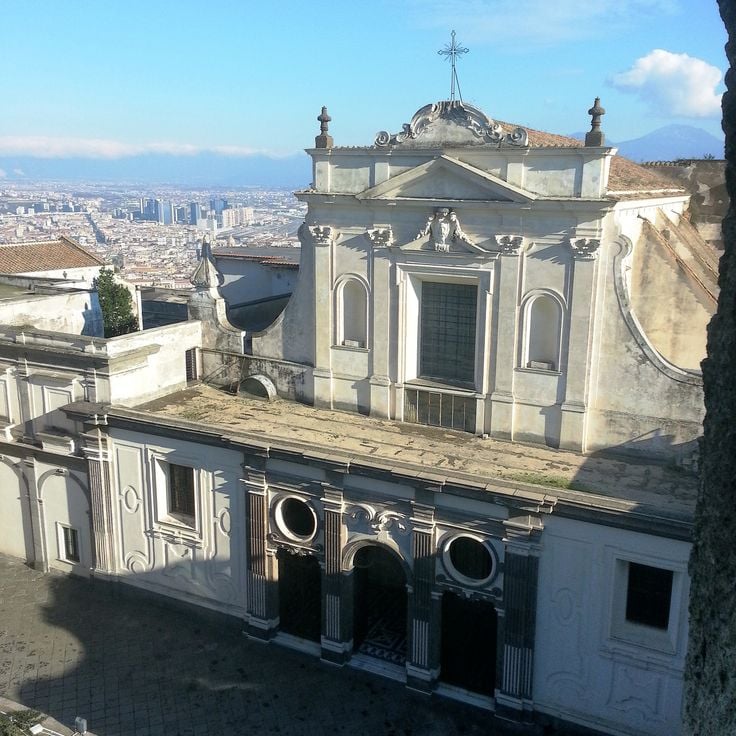
The Certosa di San Martino sits high above Naples, combining monastic life with baroque design. The complex holds a cloister with fountains, chapels decorated in colored marble, and artworks spanning centuries. From the Vomero terrace, you see the entire city, the sea, and Mount Vesuvius in the distance. The museum displays frescoes, paintings, and objects from Naples' past. The monastery's rooms reveal how the monks lived, while the views show how the city spreads from the water to the mountains.
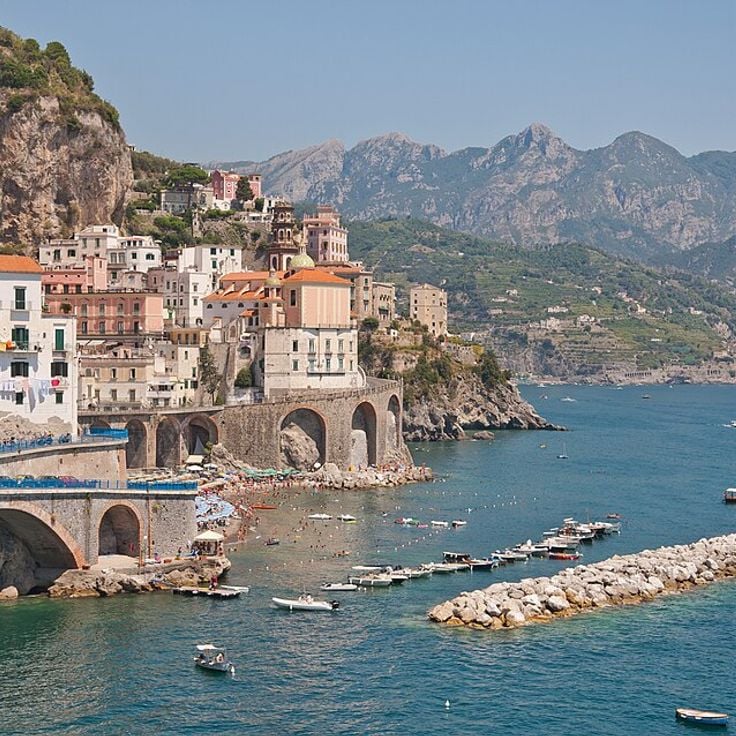
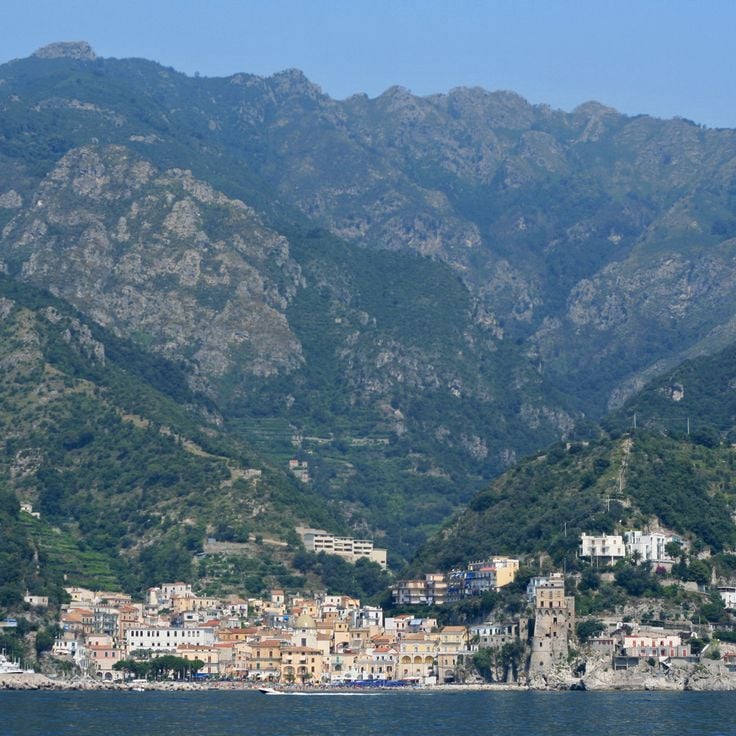
Atrani is a small coastal village on the Amalfi Coast with colorful houses, narrow streets, and a beach. The village sees fewer tourists than nearby towns. Houses cling to the cliff face, and from the water you can see the village's distinctive shape. People here maintain local traditions, and simple regional food is served in small restaurants.
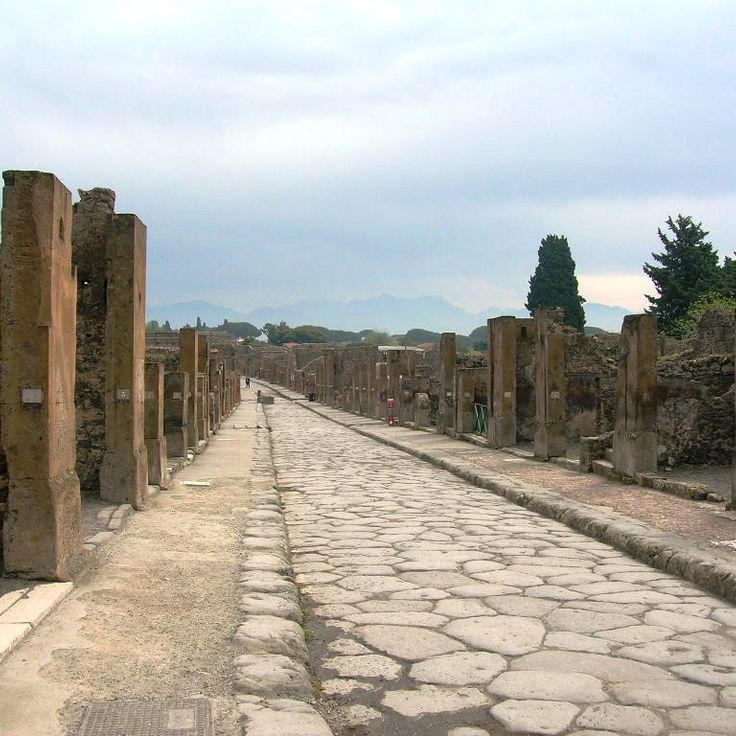
Pompeii is a Roman city buried by Mount Vesuvius in 79 AD. Here visitors can see houses, temples, and objects from daily life that have been preserved for nearly two thousand years. The streets show how people lived and worked back then. You can find workshops, shops, public baths, and private homes decorated with frescoes on the walls. Some rooms still contain furniture and objects left behind when the city was covered by ash. Pompeii gives a direct sense of what life was like in ancient times.
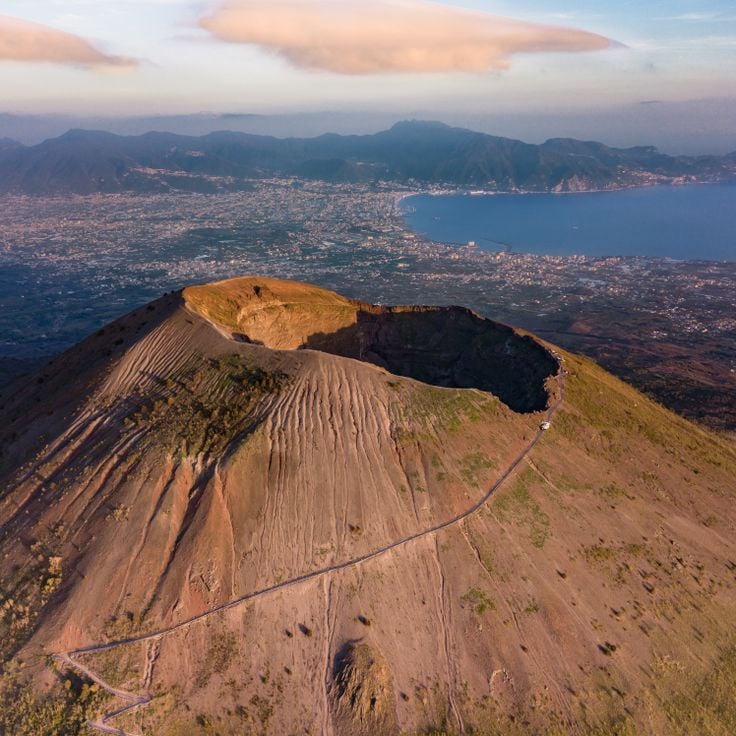
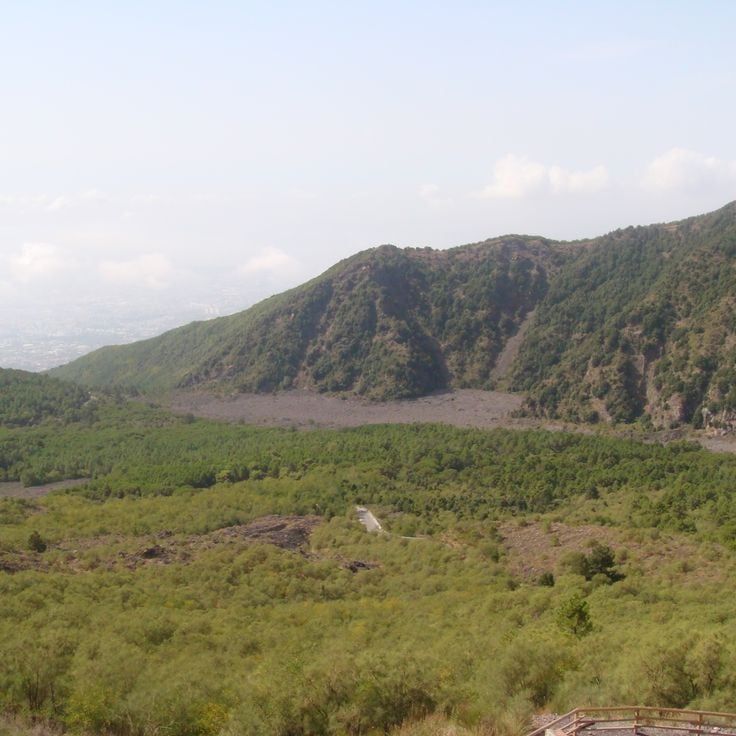
Mount Vesuvius is an active volcano that towers over the Gulf of Naples. It has shaped this region for centuries and is now a national park with hiking trails. From the summit, views stretch across the entire area, from Naples to the islands and coast. Vesuvius is central to Campania's story. The slopes are covered in vegetation, the air is clean, and climbing here lets you feel the raw power of the land.
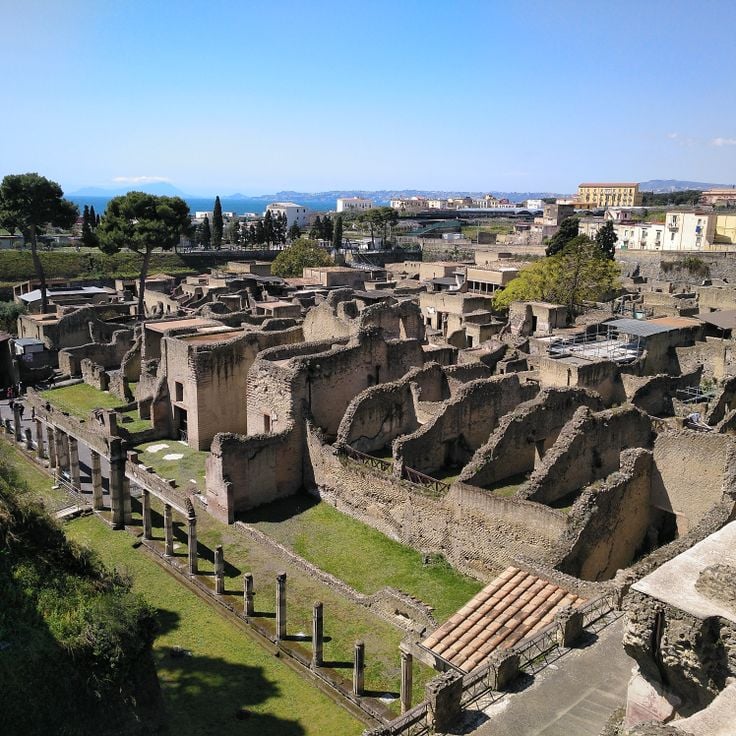
Herculaneum is a Roman city buried by the eruption of Mount Vesuvius in 79 AD. The volcanic ash preserved the buildings so well that furniture, wooden beams, and everyday objects remain visible today. Compared to Pompeii, Herculaneum feels smaller and less crowded. You walk through narrow streets and see private homes with their original decorations, getting a real sense of how people lived here. Many houses still have their upper floors, which makes it easier to picture daily life in Roman times.
The Phlegrean Fields are an active volcanic zone near Naples consisting of small craters, crater lakes, and geothermal phenomena. This landscape reveals the volcanic history of Campania and offers insight into the geological processes that shaped the region. Visitors can observe geothermal springs and explore the lunar-like surface created by volcanic activity.
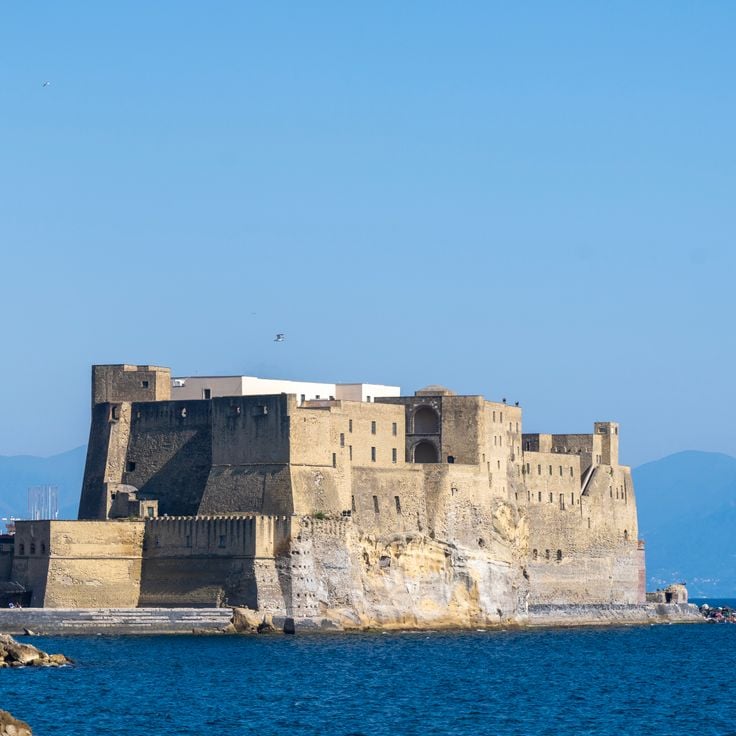
Castel dell'Ovo is a fortress from the 12th century that sits on a rocky promontory in the Bay of Naples. Built by the Normans, it contains walls and towers added over centuries by different rulers. The name comes from an old legend about an egg hidden in its foundations. From the castle walls you can see the city and the water that surrounds it.
Stabia was a wealthy Roman residential town near Mount Vesuvius. The volcanic eruption of 79 AD buried grand villas beneath ash and pumice. Mosaics and wall paintings here show how prosperous Romans lived. Excavations in Castellammare di Stabia continue to uncover homes filled with furniture, pottery, and everyday objects. This site adds to what we learn from Pompeii and Herculaneum about daily life in ancient times.
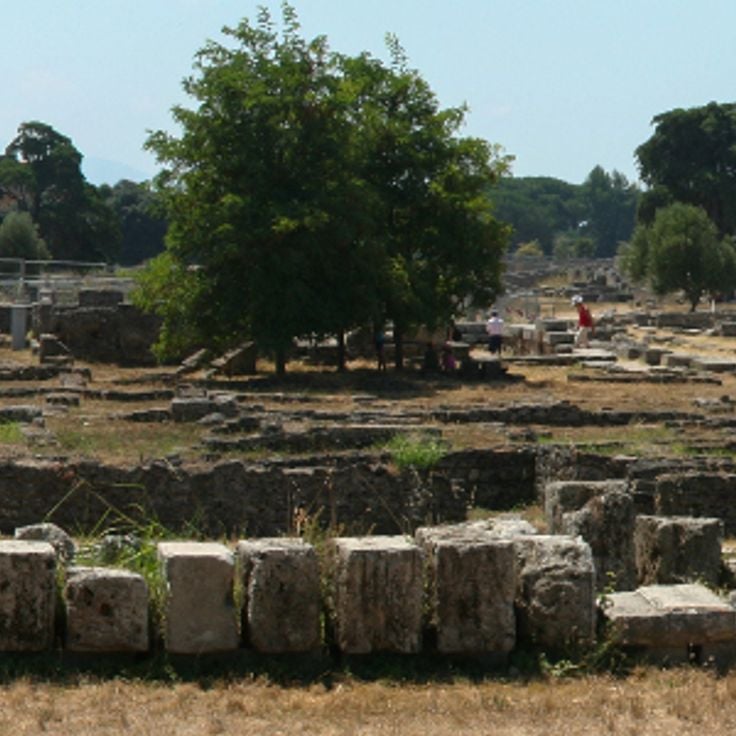
Paestum is an ancient Greek city with three Doric temples that have stood for over two thousand years. These temples are among the best-preserved Greek structures outside Greece itself. The city was an important coastal trading center and still shows the layout of the ancient town. When you visit, you see massive columns and the simple beauty of this building style. The surroundings are green and calm, a contrast to the stone and history visible everywhere at this site.
Villa Rufolo is a historic residence in Ravello known for its terraced gardens and sea views. This noble villa regularly hosts musical festivals and reflects the architectural heritage of the Amalfi Coast. The gardens descend the hillside in layers, revealing new vistas of the coastline and surrounding waters at every turn.
The ruins of Velia in Cilento are remains of an ancient Greek city founded by Phokaian refugees. At this site, visitors can still see wall fragments and temple structures that tell of the long history of this settlement. Velia is one of Campania's archaeological sites, where Greek, Roman, and medieval influences overlap. The city sat on the coast and was an important trade center in ancient times. Today, people can walk among the stones and trace the layers of the past.
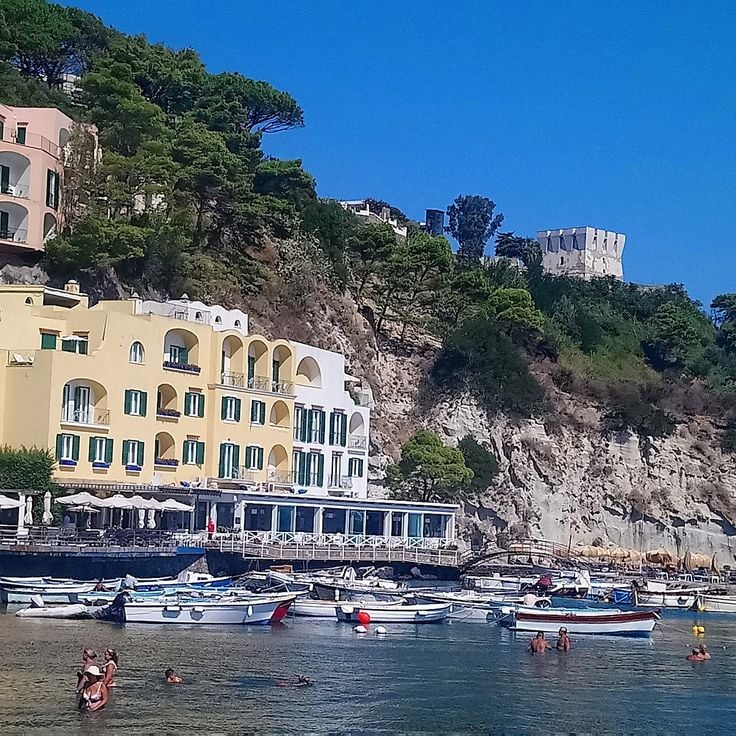
Ischia is an island in the gulf shaped by volcanic forces. Hot springs emerge from the ground and feed thermal baths and spas scattered across the island. Coastal villages line the shores with small harbors where fishing boats are moored. Sandy beaches offer places to swim and rest. A botanical garden displays plants that thrive in this climate. Hiking trails wind through vineyards and orchards that cover the slopes. Local life centers on tourism and traditional crafts passed down through families. At night, village lights reflect across the water.
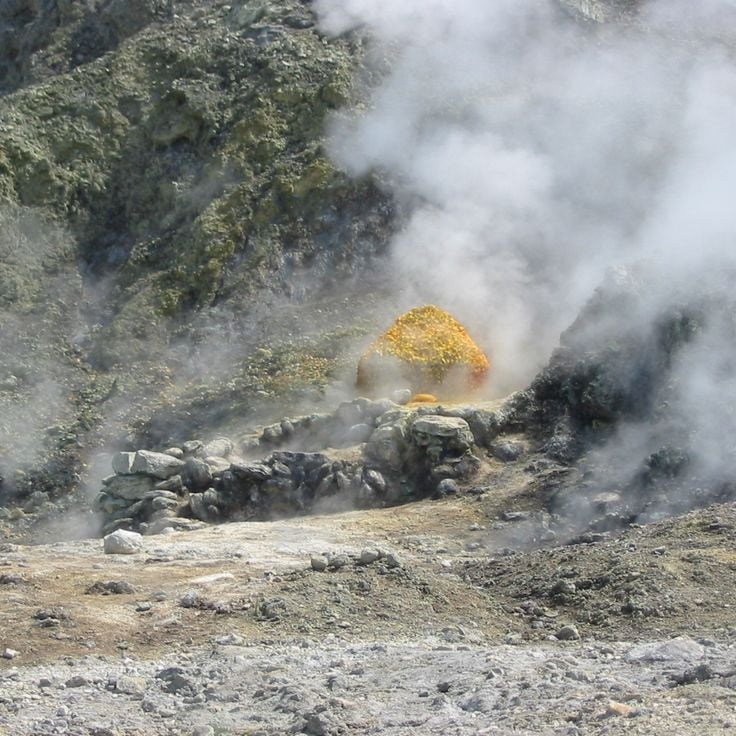
The Solfatara of Pozzuoli is an active volcanic crater that shows the geothermal activity of the region. The ground is warm, and steam rises from the earth all around. This place sits in the Phlegraean Fields, an area shaped by volcanism. Visitors can walk across the crater landscape and experience the hot springs and sulfur emissions that rise from the ground.
Cilento National Park protects a landscape of mountains and coastline that shelters diverse plants and animals. Traditional villages sit within the park's boundaries, and archaeological sites are scattered across the terrain. This park preserves an area where forests, cliffs, and small communities exist together as they have for centuries. Visitors can walk through wilderness and descend toward the sea on established trails.
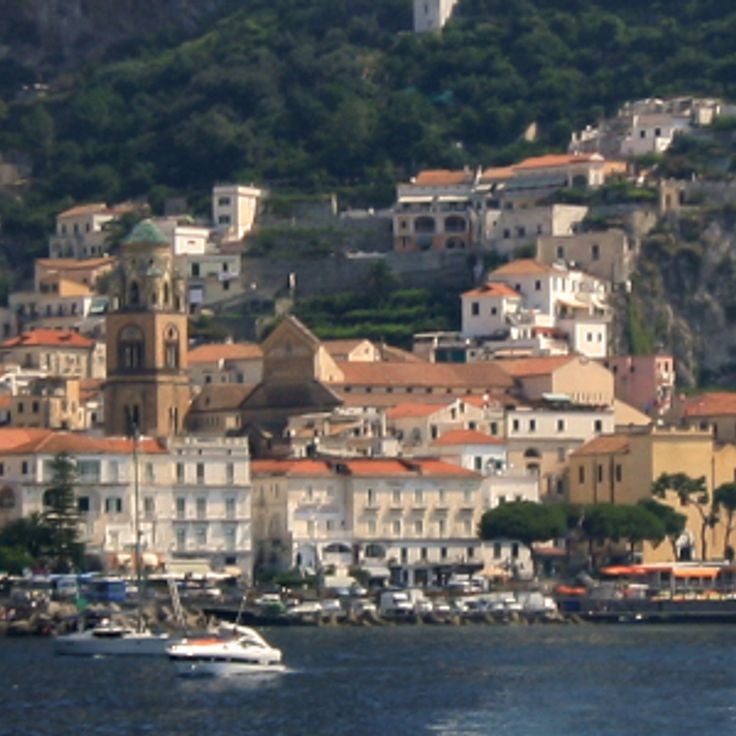
Amalfi is a small harbor town on the southern coast, known for its medieval cathedral with steps leading directly to the sea. The town was once an important trading port and has retained its character, with narrow alleys, cafes and restaurants nestled against the cliffs. From here you can easily reach the villages scattered along the coast, clinging to steep slopes. The local lemon cultivation shapes the landscape, and lemon-based products are found throughout the town.
The Vesuvius crater is the summit of an active volcano that you can reach on foot via marked trails. From the top you look down into the crater and out over the Gulf of Naples. On clear days you can see all the way to the coast. The climb takes about 30 minutes and passes through volcanic landscapes with rocks and sparse vegetation. Once at the summit, you feel the power of this place, which has shaped the history of the entire region.
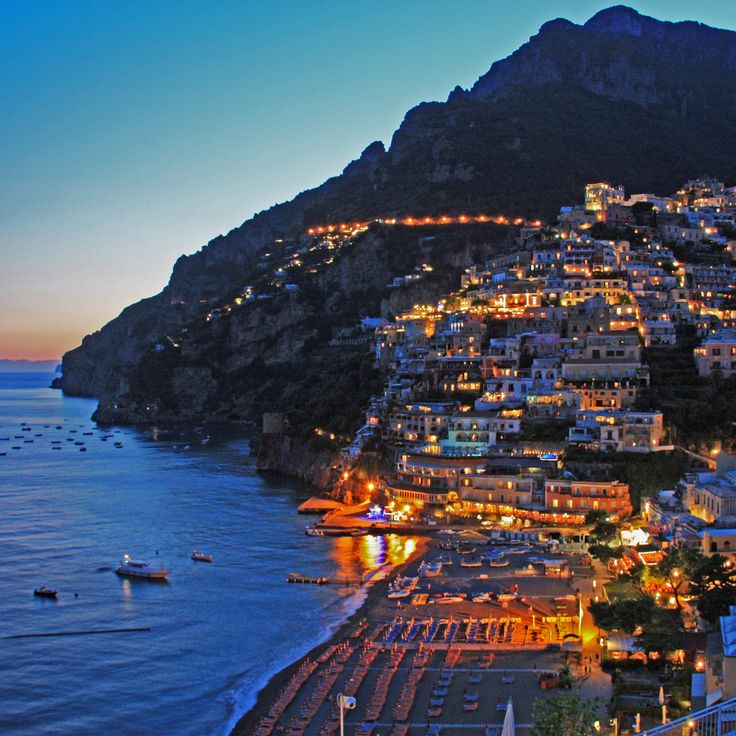
Positano is a village on the Amalfi Coast where colorful houses descend toward the beach in tiers. The homes cling to steep cliffs, painted in shades of pink, yellow, and orange. Artists and craftspeople work in the narrow lanes that wind downward. Small shops, cafes, and restaurants line the streets. The water below is turquoise. Fishermen bring boats ashore in the morning. Visitors walk past locals sitting on the steps, enjoying the sun. Life here moves to the rhythm of the sea and the shape of the coastline.
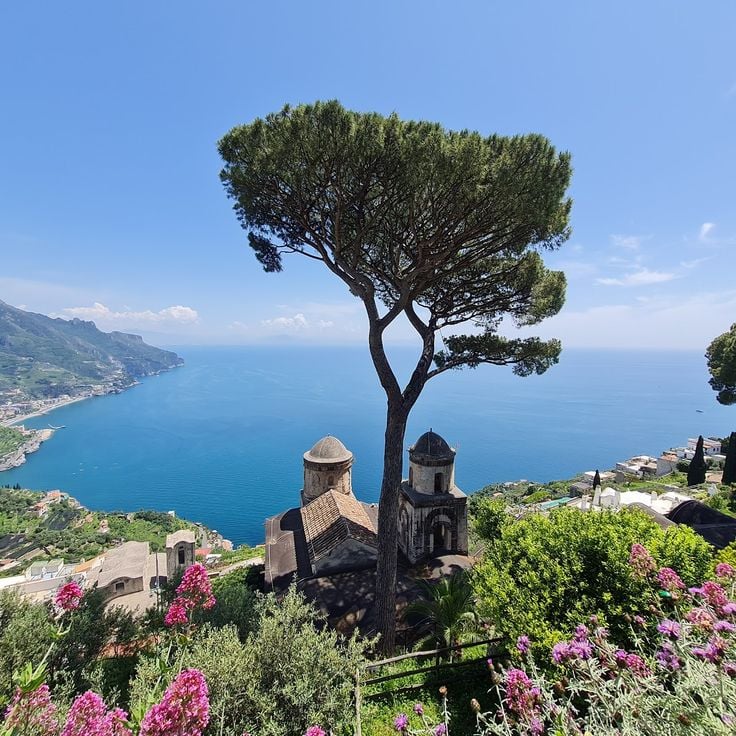
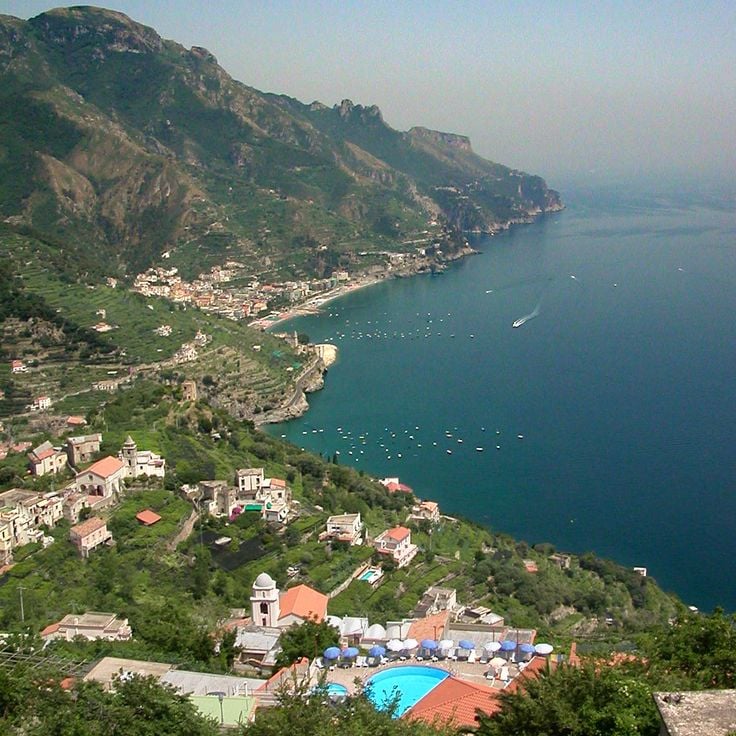
Ravello is a mountain village perched high above the coast and serves as a cultural hub. The town draws visitors with its villas that feature gardens and terraces overlooking the sea. Festivals are held regularly here, attracting artists and music lovers. Houses climb the slopes, and from many spots you look out toward the Amalfi Coast. The air feels still, the streets are quiet, and lemon trees grow everywhere. This village is part of Campania, a region filled with history and character.
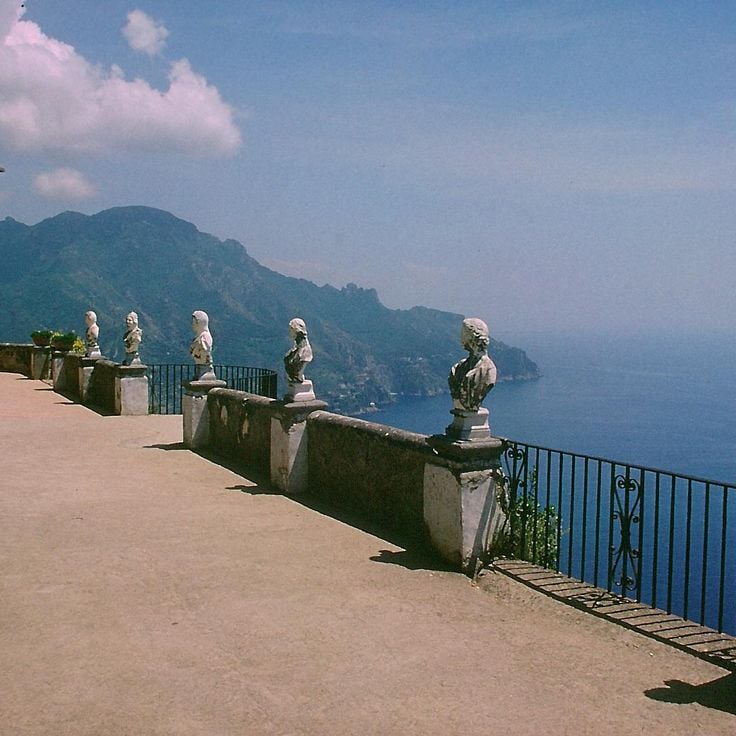
Villa Cimbrone in Ravello is a 19th-century residence built on a cliff overlooking the Amalfi coast. The building blends different architectural styles with Eastern decorative elements. The Terrazza dell'Infinito is a viewing terrace offering sweeping views across the coast and sea. The gardens around the villa contain ancient statues and sculptures. The place attracts visitors interested in both the views and the history of the house.
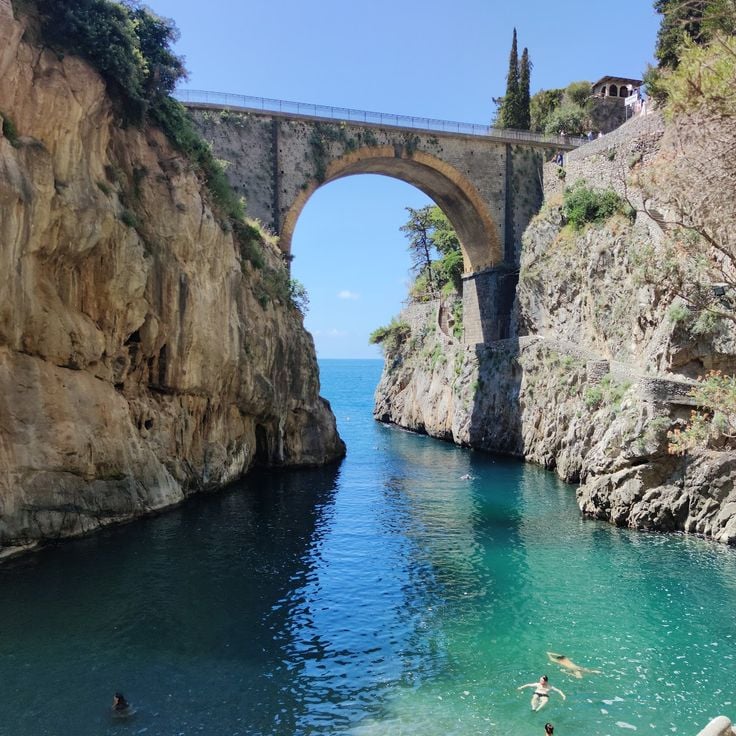
Furore and its fjord sit on the Amalfi Coast, showing how a mountain village clings to the sea. The village itself perches high on the cliffs, while its fjord cuts deep into the land, bounded by steep rock walls. Colorful houses cling to the slopes, and down by the water sits a small beach that you easily miss if you do not know where to look. The water here is calm and dark blue, sheltered by the rocks all around. It is a place where mountains fall sharply into the sea and life moves at a slower pace.
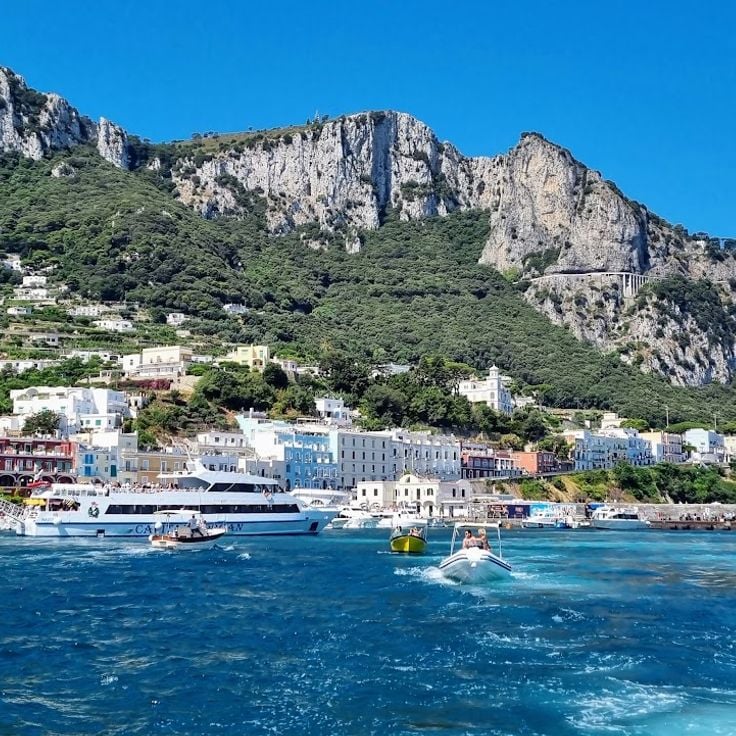
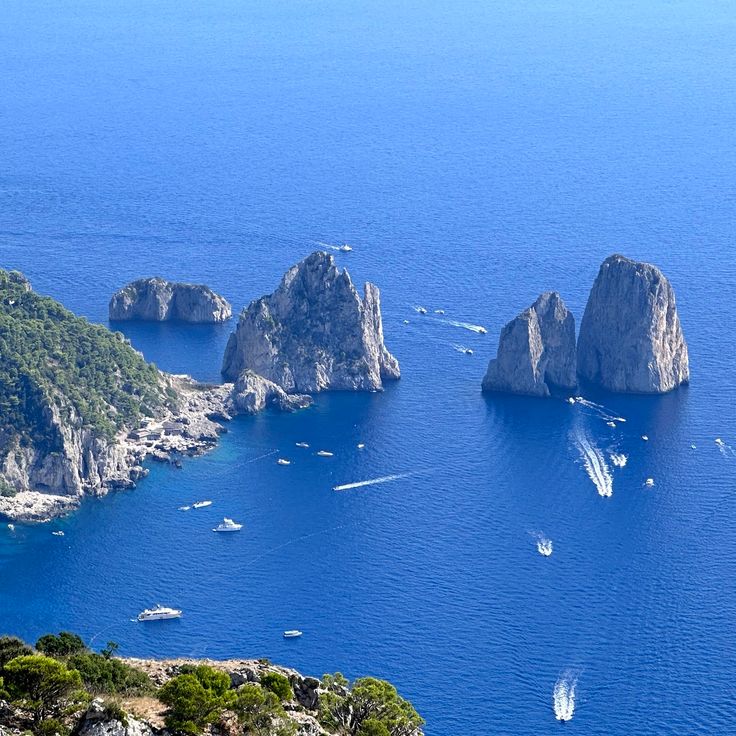
Capri is an island in the Gulf of Naples known for its steep cliffs, sea caves, and beach life. The island draws visitors seeking natural beauty and relaxed days in small harbors. White houses cling to the slopes, and narrow streets lead to squares where you can drink wine and watch the sea. The water is clear and deep blue. The Grotta Azzurra and other caves can be reached by boat. People boat to coves and swim in the sun.
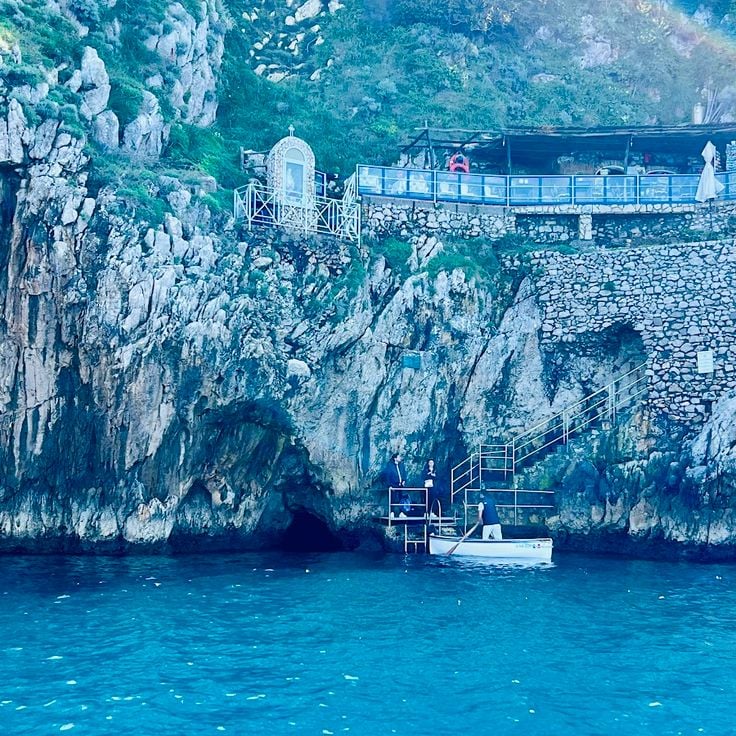
The Blue Grotto is a sea cave at Capri known for its intensely glowing blue water. Light enters through a small opening beneath the water's surface and reflects off the rocks inside, creating this remarkable color. You reach the grotto by boat from Capri. Inside, the water shimmers in shades of blue, changing with how the sun strikes through the opening. The cave is only accessible in calm seas and offers a look at one of Campania's natural wonders.
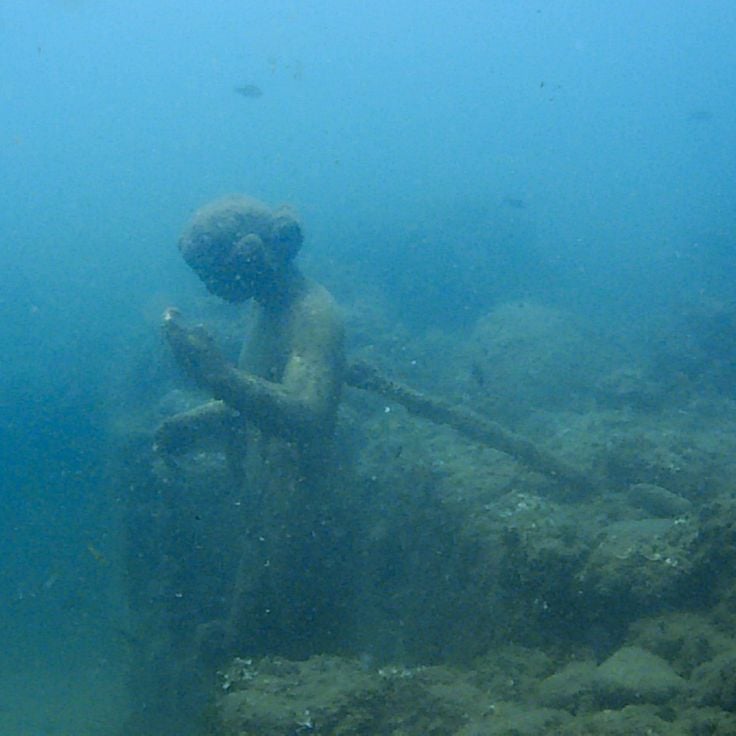
Baia was once a luxury resort for Roman emperors and nobles, and its ruins now lie partially submerged. From the shore, you can see the remains of villas, temples, and baths extending into the sea. The site reveals how Romans valued this location and how nature has gradually claimed it over time. Today, Baia offers a window into the past when viewed from land or water.
The historic center of Naples is the old heart of this city, featuring narrow streets, historical churches, and palaces. It is designated as a UNESCO World Heritage site. This part of Naples shows history from Greek to Bourbon times. The streets echo with the Neapolitan dialect, and the markets smell of lemon and buffalo mozzarella. In the churches you find colorful marble decorations and religious artworks. The old palaces tell stories of different ruling dynasties. This center blends history with the daily life of the city.
Anacapri is the mountain village of Capri, reached by hiking trail or chairlift to Monte Solaro. From the summit, the view stretches across the entire island and the surrounding sea. The village itself is small and quiet, with white-washed houses and narrow lanes. It feels far removed from the busy harbor below. Up here, you breathe the fresh mountain air while the colors of the Mediterranean spread out beneath you.
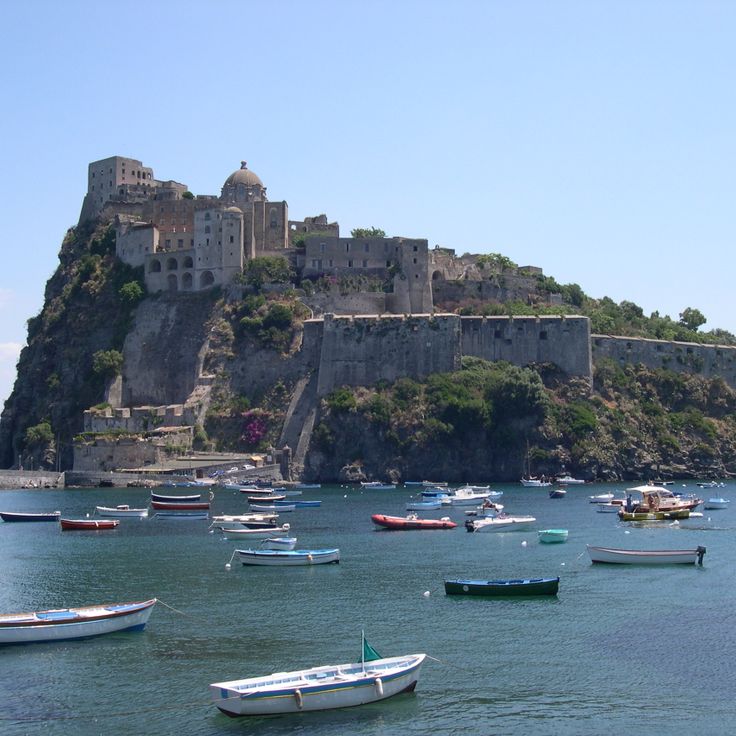
Aragonese Castle is a fortress built on a rocky island near Ischia. In medieval times, this castle served as a defensive stronghold against pirates and invasions. Today visitors can see the ruins of buildings, a small chapel, and thick stone walls that tell the island's story. You can walk across stone bridges and climb steep stairs to explore what remains of this old fortress. The views across the sea and toward the surrounding islands are striking.
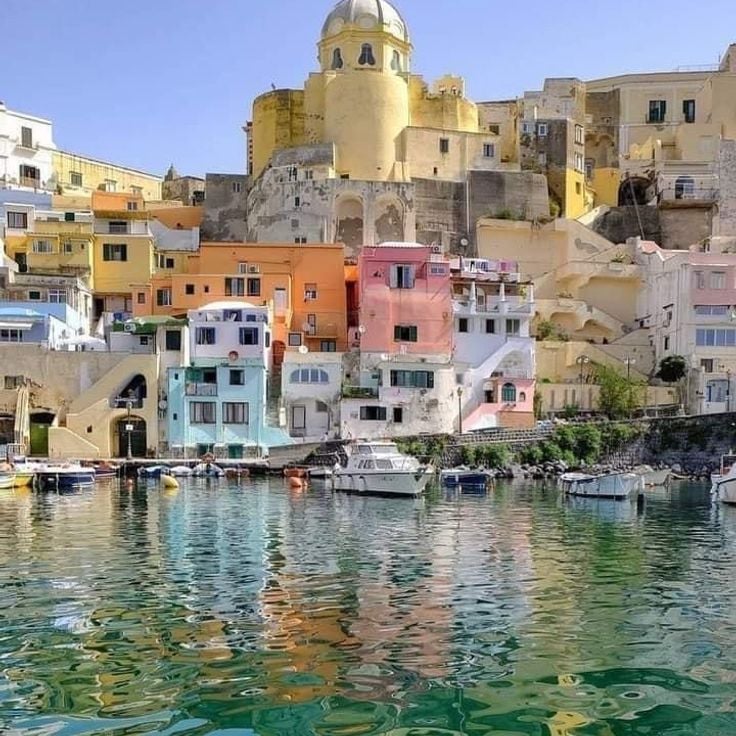
Procida is a small island in the Gulf of Naples, known for its colorful houses and its role as Italy's Cultural Capital in 2022. The island has narrow streets, small harbors, and a peaceful atmosphere. The architecture is typical of southern Italy, with buildings in pastel colors nestled along the water's edge. People here live from fishing and tourism. The island feels like a place where time moves more slowly than elsewhere. It is smaller and less well-known than Capri, but that is precisely what makes it charming for visitors seeking to escape the crowds.
The Sanctuary of the Madonna dell'Arco in Sant'Anastasia is a pilgrimage site centered on a Baroque church and a wide esplanade. It holds deep roots in Naples's religious life. People come here to pray and give thanks for answered prayers. The church features rich decorations and the open space allows for religious gatherings and processions. This sanctuary is an important part of the region's devotional traditions and draws visitors from throughout Campania.
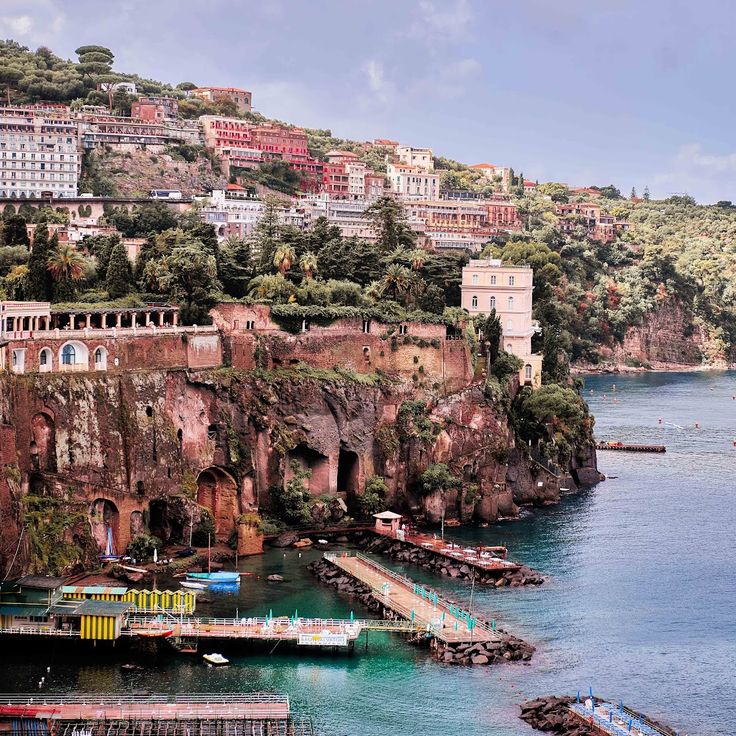
Sorrento sits at the entrance of the Sorrentine Peninsula, serving as the gateway to the Amalfi Coast. This harbor town merges its role as a commercial and tourist hub with a rich historical past. The old town reveals narrow streets, ancient palaces, and churches decorated in the Baroque style. From here, visitors can easily reach neighboring villages and the dramatic cliffs of the region. Lemon groves surround the city, and local products shape everyday life. Sorrento thrives in its strategic position between hillside and sea, a role it has held for centuries.
Vietri sul Mare is a coastal village in Campania known for its ceramic tradition. Artisans here work in small studios using methods passed down through generations. Shops line the streets selling hand-painted pottery and tiles in bright colors and intricate patterns. Walking through the village, you see ceramics displayed on walls and in windows. The narrow streets slope down toward the sea, and the smell of glazes and kilns fills the air. This place is defined by the work of its potters.
Castellammare di Stabia is a coastal town on the Bay of Naples with a rich Roman past. The Greeks and Romans valued the waters here for their healing properties and built bathhouses that you can still visit today. The town sits close to Pompeii and Herculaneum, making it a convenient base for exploring Roman archaeological sites. The waterfront has a relaxed, local character where fishing boats and small harbors remind you of its maritime heritage. From here, you can easily reach the ancient ruins scattered across the region and enjoy views across the bay toward Mount Vesuvius.
Pozzuoli is a coastal town with a Roman amphitheater from ancient times, old temples, and a historic center. The town serves as the gateway to the Phlegraean Fields, a volcanic area with craters and active hot springs. Pozzuoli connects Roman history with the volcanic character of the Campania region.
Cetara is a small fishing village on the Amalfi Coast where fishing boats still set out daily. The village is known for its anchovy processing and the production of colatura, a traditional fish sauce made here for centuries. At the harbor, restaurants line the waterfront serving fresh seafood. Colorful houses drop straight to the water, and the rhythm of daily life centers on fishing nets and the work of the sea.
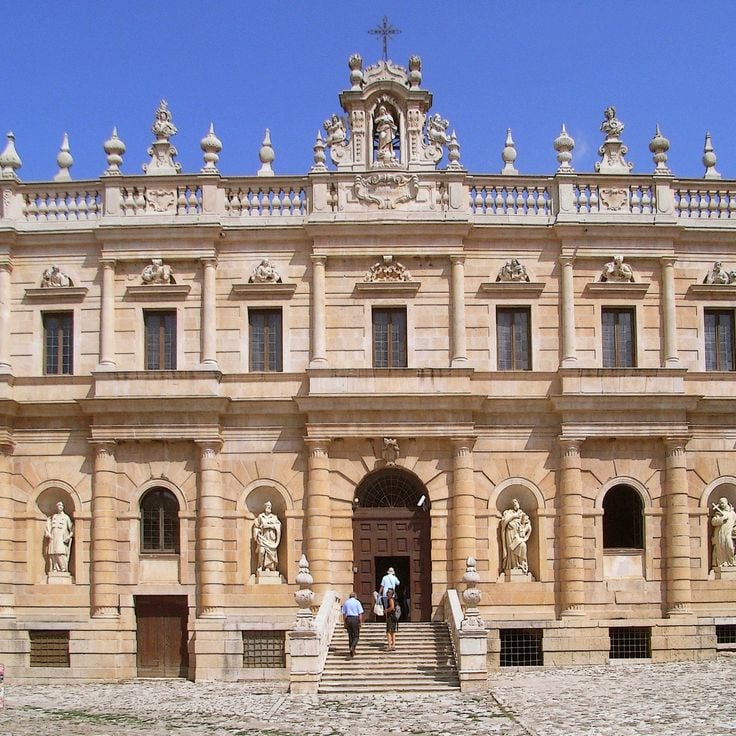
The Charterhouse of San Lorenzo at Padula is a monumental Carthusian monastery built in the 14th century. This monastery impresses with its enormous cloister, numerous monk cells, and a richly decorated church. It stands in Campania, a region filled with history and treasures from different eras. This charterhouse tells the story of the spirituality and craftsmanship of the monks who lived and prayed here.
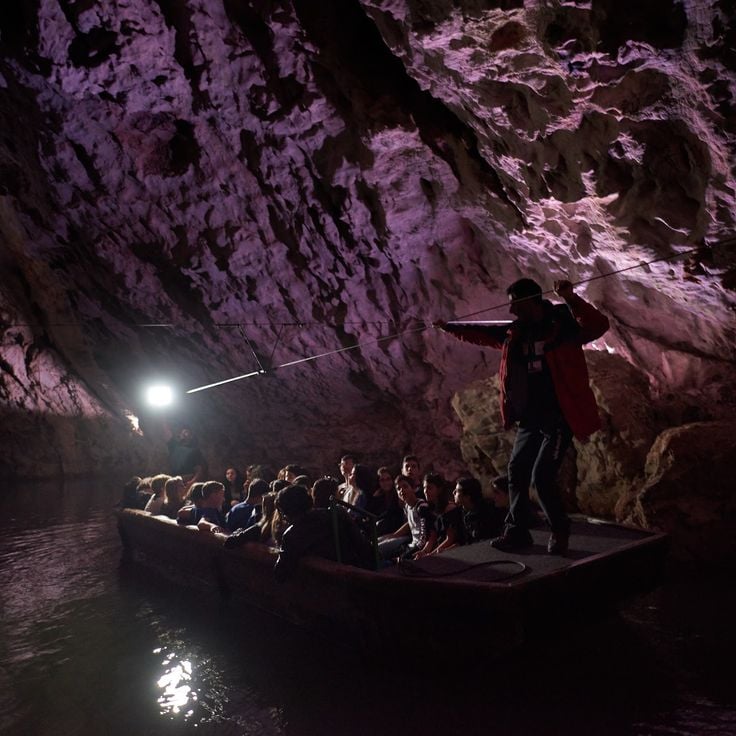
The Grottes de Pertosa-Auletta form a cave system in Campania that takes visitors into the world below ground. The network consists of chambers filled with stalactites and stalagmites that have grown over thousands of years. An underground river flows through the caves, creating its own landscape beneath the surface. This place reveals the geological history of the region and shows the natural forces that shaped these formations.
The Sentier des Dieux is a walking trail that connects Agerola and Nocelle along a mountain ridge. The path runs high above the coast and offers views of the Amalfi coast, the sea, and the islands below. You walk across hillsides and past small villages built into the slopes. The route takes several hours and links two quiet villages that sit far from the busier coastal towns.
Via San Gregorio Armeno is a main street in old Naples that runs from north to south through the city. It is lined with shops, restaurants, and old buildings. This street forms the heart of the historic center and shows daily life in Naples with its narrow alleys, craft workshops, and lively market stalls. It connects different periods of the city and reveals the layers of its history through its architecture and inhabitants.
The Museo Archeologico Nazionale in Naples holds one of the most significant collections of Roman antiquities. Inside are mosaics, sculptures, and objects from Pompeii and Herculaneum that reveal how ancient Romans lived. The frescoes on the walls provide a direct view into homes and public buildings that were preserved under the ash of Mount Vesuvius. This museum serves as a window into the past and is central to understanding Campania's heritage.
Castel Nuovo is a 13th-century royal fortress that rises at the heart of Naples' waterfront. The castle stands with five towers and a monumental arch built to celebrate a king's return from war. Inside, halls decorated with frescoes and colorful marble reveal the tastes of the rulers who lived here. This fortress watched over Naples through centuries of change, from the time of Spanish kings to French and Bourbon rule. The castle remains a symbol of the city's power and a window into its medieval past.
The Teatro di San Carlo is one of Italy's oldest opera houses, built in the 18th century. It stands in the heart of Naples and displays the splendor of the baroque era through its interior design. The architecture and decoration tell the story of the city's royal past. When you step inside, you enter a space that has hosted music and theater for centuries, a place where Naples' history comes alive.
Villa Poppaea in Torre Annunziata was a residence from the 1st century belonging to the imperial family. The rooms had wall paintings and mosaics that reflected the wealth of its residents. A garden was part of the property and showed how wealthy Romans lived. Today visitors can see the ruins and get a sense of what luxury looked like in ancient times. The villa sits on the slope of Mount Vesuvius and was buried during an eruption in 79 AD.
The Spanish Quarters are a historic residential area in this city, marked by narrow streets, shared laundry facilities, and authentic daily Neapolitan life. Here, visitors can see how residents live their lives between tall buildings, where laundry hangs from windows and neighbors chat across balconies. The streets are narrow and wind through a maze that has existed for centuries. This place shows another side of Naples beyond the famous museums and churches.
The Catacombs of San Gennaro are underground passages from the early Christian period located beneath Naples. Inside are burial chambers and ancient frescoes that reveal how early Christians lived and worshipped. The site is dedicated to San Gennaro, the patron saint of Naples. Walking through the narrow corridors, visitors see names and images painted on the walls by believers centuries ago. These catacombs offer a glimpse into the faith and daily life of people from the early centuries after Christ.
This cathedral is the main religious seat of Naples and honors Saint Januarius, the city's patron saint. Inside, you will find chapels decorated with colorful marble and artworks. The saint's reliquary, kept within the building, draws the faithful who come to honor their patron. The structure reflects the different periods that shaped the city, from the Middle Ages to baroque transformations.
The Certosa di San Martino sits high above Naples, combining monastic life with baroque design. The complex holds a cloister with fountains, chapels decorated in colored marble, and artworks spanning centuries. From the Vomero terrace, you see the entire city, the sea, and Mount Vesuvius in the distance. The museum displays frescoes, paintings, and objects from Naples' past. The monastery's rooms reveal how the monks lived, while the views show how the city spreads from the water to the mountains.
Atrani is a small coastal village on the Amalfi Coast with colorful houses, narrow streets, and a beach. The village sees fewer tourists than nearby towns. Houses cling to the cliff face, and from the water you can see the village's distinctive shape. People here maintain local traditions, and simple regional food is served in small restaurants.
Pompeii is a Roman city buried by Mount Vesuvius in 79 AD. Here visitors can see houses, temples, and objects from daily life that have been preserved for nearly two thousand years. The streets show how people lived and worked back then. You can find workshops, shops, public baths, and private homes decorated with frescoes on the walls. Some rooms still contain furniture and objects left behind when the city was covered by ash. Pompeii gives a direct sense of what life was like in ancient times.
Mount Vesuvius is an active volcano that towers over the Gulf of Naples. It has shaped this region for centuries and is now a national park with hiking trails. From the summit, views stretch across the entire area, from Naples to the islands and coast. Vesuvius is central to Campania's story. The slopes are covered in vegetation, the air is clean, and climbing here lets you feel the raw power of the land.
Herculaneum is a Roman city buried by the eruption of Mount Vesuvius in 79 AD. The volcanic ash preserved the buildings so well that furniture, wooden beams, and everyday objects remain visible today. Compared to Pompeii, Herculaneum feels smaller and less crowded. You walk through narrow streets and see private homes with their original decorations, getting a real sense of how people lived here. Many houses still have their upper floors, which makes it easier to picture daily life in Roman times.
The Phlegrean Fields are an active volcanic zone near Naples consisting of small craters, crater lakes, and geothermal phenomena. This landscape reveals the volcanic history of Campania and offers insight into the geological processes that shaped the region. Visitors can observe geothermal springs and explore the lunar-like surface created by volcanic activity.
Castel dell'Ovo is a fortress from the 12th century that sits on a rocky promontory in the Bay of Naples. Built by the Normans, it contains walls and towers added over centuries by different rulers. The name comes from an old legend about an egg hidden in its foundations. From the castle walls you can see the city and the water that surrounds it.
Stabia was a wealthy Roman residential town near Mount Vesuvius. The volcanic eruption of 79 AD buried grand villas beneath ash and pumice. Mosaics and wall paintings here show how prosperous Romans lived. Excavations in Castellammare di Stabia continue to uncover homes filled with furniture, pottery, and everyday objects. This site adds to what we learn from Pompeii and Herculaneum about daily life in ancient times.
Paestum is an ancient Greek city with three Doric temples that have stood for over two thousand years. These temples are among the best-preserved Greek structures outside Greece itself. The city was an important coastal trading center and still shows the layout of the ancient town. When you visit, you see massive columns and the simple beauty of this building style. The surroundings are green and calm, a contrast to the stone and history visible everywhere at this site.
Villa Rufolo is a historic residence in Ravello known for its terraced gardens and sea views. This noble villa regularly hosts musical festivals and reflects the architectural heritage of the Amalfi Coast. The gardens descend the hillside in layers, revealing new vistas of the coastline and surrounding waters at every turn.
The ruins of Velia in Cilento are remains of an ancient Greek city founded by Phokaian refugees. At this site, visitors can still see wall fragments and temple structures that tell of the long history of this settlement. Velia is one of Campania's archaeological sites, where Greek, Roman, and medieval influences overlap. The city sat on the coast and was an important trade center in ancient times. Today, people can walk among the stones and trace the layers of the past.
Ischia is an island in the gulf shaped by volcanic forces. Hot springs emerge from the ground and feed thermal baths and spas scattered across the island. Coastal villages line the shores with small harbors where fishing boats are moored. Sandy beaches offer places to swim and rest. A botanical garden displays plants that thrive in this climate. Hiking trails wind through vineyards and orchards that cover the slopes. Local life centers on tourism and traditional crafts passed down through families. At night, village lights reflect across the water.
The Solfatara of Pozzuoli is an active volcanic crater that shows the geothermal activity of the region. The ground is warm, and steam rises from the earth all around. This place sits in the Phlegraean Fields, an area shaped by volcanism. Visitors can walk across the crater landscape and experience the hot springs and sulfur emissions that rise from the ground.
Cilento National Park protects a landscape of mountains and coastline that shelters diverse plants and animals. Traditional villages sit within the park's boundaries, and archaeological sites are scattered across the terrain. This park preserves an area where forests, cliffs, and small communities exist together as they have for centuries. Visitors can walk through wilderness and descend toward the sea on established trails.
Amalfi is a small harbor town on the southern coast, known for its medieval cathedral with steps leading directly to the sea. The town was once an important trading port and has retained its character, with narrow alleys, cafes and restaurants nestled against the cliffs. From here you can easily reach the villages scattered along the coast, clinging to steep slopes. The local lemon cultivation shapes the landscape, and lemon-based products are found throughout the town.
The Vesuvius crater is the summit of an active volcano that you can reach on foot via marked trails. From the top you look down into the crater and out over the Gulf of Naples. On clear days you can see all the way to the coast. The climb takes about 30 minutes and passes through volcanic landscapes with rocks and sparse vegetation. Once at the summit, you feel the power of this place, which has shaped the history of the entire region.
Positano is a village on the Amalfi Coast where colorful houses descend toward the beach in tiers. The homes cling to steep cliffs, painted in shades of pink, yellow, and orange. Artists and craftspeople work in the narrow lanes that wind downward. Small shops, cafes, and restaurants line the streets. The water below is turquoise. Fishermen bring boats ashore in the morning. Visitors walk past locals sitting on the steps, enjoying the sun. Life here moves to the rhythm of the sea and the shape of the coastline.
Ravello is a mountain village perched high above the coast and serves as a cultural hub. The town draws visitors with its villas that feature gardens and terraces overlooking the sea. Festivals are held regularly here, attracting artists and music lovers. Houses climb the slopes, and from many spots you look out toward the Amalfi Coast. The air feels still, the streets are quiet, and lemon trees grow everywhere. This village is part of Campania, a region filled with history and character.
Villa Cimbrone in Ravello is a 19th-century residence built on a cliff overlooking the Amalfi coast. The building blends different architectural styles with Eastern decorative elements. The Terrazza dell'Infinito is a viewing terrace offering sweeping views across the coast and sea. The gardens around the villa contain ancient statues and sculptures. The place attracts visitors interested in both the views and the history of the house.
Furore and its fjord sit on the Amalfi Coast, showing how a mountain village clings to the sea. The village itself perches high on the cliffs, while its fjord cuts deep into the land, bounded by steep rock walls. Colorful houses cling to the slopes, and down by the water sits a small beach that you easily miss if you do not know where to look. The water here is calm and dark blue, sheltered by the rocks all around. It is a place where mountains fall sharply into the sea and life moves at a slower pace.
Capri is an island in the Gulf of Naples known for its steep cliffs, sea caves, and beach life. The island draws visitors seeking natural beauty and relaxed days in small harbors. White houses cling to the slopes, and narrow streets lead to squares where you can drink wine and watch the sea. The water is clear and deep blue. The Grotta Azzurra and other caves can be reached by boat. People boat to coves and swim in the sun.
The Blue Grotto is a sea cave at Capri known for its intensely glowing blue water. Light enters through a small opening beneath the water's surface and reflects off the rocks inside, creating this remarkable color. You reach the grotto by boat from Capri. Inside, the water shimmers in shades of blue, changing with how the sun strikes through the opening. The cave is only accessible in calm seas and offers a look at one of Campania's natural wonders.
Baia was once a luxury resort for Roman emperors and nobles, and its ruins now lie partially submerged. From the shore, you can see the remains of villas, temples, and baths extending into the sea. The site reveals how Romans valued this location and how nature has gradually claimed it over time. Today, Baia offers a window into the past when viewed from land or water.
The historic center of Naples is the old heart of this city, featuring narrow streets, historical churches, and palaces. It is designated as a UNESCO World Heritage site. This part of Naples shows history from Greek to Bourbon times. The streets echo with the Neapolitan dialect, and the markets smell of lemon and buffalo mozzarella. In the churches you find colorful marble decorations and religious artworks. The old palaces tell stories of different ruling dynasties. This center blends history with the daily life of the city.
Anacapri is the mountain village of Capri, reached by hiking trail or chairlift to Monte Solaro. From the summit, the view stretches across the entire island and the surrounding sea. The village itself is small and quiet, with white-washed houses and narrow lanes. It feels far removed from the busy harbor below. Up here, you breathe the fresh mountain air while the colors of the Mediterranean spread out beneath you.
Aragonese Castle is a fortress built on a rocky island near Ischia. In medieval times, this castle served as a defensive stronghold against pirates and invasions. Today visitors can see the ruins of buildings, a small chapel, and thick stone walls that tell the island's story. You can walk across stone bridges and climb steep stairs to explore what remains of this old fortress. The views across the sea and toward the surrounding islands are striking.
Procida is a small island in the Gulf of Naples, known for its colorful houses and its role as Italy's Cultural Capital in 2022. The island has narrow streets, small harbors, and a peaceful atmosphere. The architecture is typical of southern Italy, with buildings in pastel colors nestled along the water's edge. People here live from fishing and tourism. The island feels like a place where time moves more slowly than elsewhere. It is smaller and less well-known than Capri, but that is precisely what makes it charming for visitors seeking to escape the crowds.
The Sanctuary of the Madonna dell'Arco in Sant'Anastasia is a pilgrimage site centered on a Baroque church and a wide esplanade. It holds deep roots in Naples's religious life. People come here to pray and give thanks for answered prayers. The church features rich decorations and the open space allows for religious gatherings and processions. This sanctuary is an important part of the region's devotional traditions and draws visitors from throughout Campania.
Sorrento sits at the entrance of the Sorrentine Peninsula, serving as the gateway to the Amalfi Coast. This harbor town merges its role as a commercial and tourist hub with a rich historical past. The old town reveals narrow streets, ancient palaces, and churches decorated in the Baroque style. From here, visitors can easily reach neighboring villages and the dramatic cliffs of the region. Lemon groves surround the city, and local products shape everyday life. Sorrento thrives in its strategic position between hillside and sea, a role it has held for centuries.
Vietri sul Mare is a coastal village in Campania known for its ceramic tradition. Artisans here work in small studios using methods passed down through generations. Shops line the streets selling hand-painted pottery and tiles in bright colors and intricate patterns. Walking through the village, you see ceramics displayed on walls and in windows. The narrow streets slope down toward the sea, and the smell of glazes and kilns fills the air. This place is defined by the work of its potters.
Castellammare di Stabia is a coastal town on the Bay of Naples with a rich Roman past. The Greeks and Romans valued the waters here for their healing properties and built bathhouses that you can still visit today. The town sits close to Pompeii and Herculaneum, making it a convenient base for exploring Roman archaeological sites. The waterfront has a relaxed, local character where fishing boats and small harbors remind you of its maritime heritage. From here, you can easily reach the ancient ruins scattered across the region and enjoy views across the bay toward Mount Vesuvius.
Pozzuoli is a coastal town with a Roman amphitheater from ancient times, old temples, and a historic center. The town serves as the gateway to the Phlegraean Fields, a volcanic area with craters and active hot springs. Pozzuoli connects Roman history with the volcanic character of the Campania region.
Cetara is a small fishing village on the Amalfi Coast where fishing boats still set out daily. The village is known for its anchovy processing and the production of colatura, a traditional fish sauce made here for centuries. At the harbor, restaurants line the waterfront serving fresh seafood. Colorful houses drop straight to the water, and the rhythm of daily life centers on fishing nets and the work of the sea.
The Charterhouse of San Lorenzo at Padula is a monumental Carthusian monastery built in the 14th century. This monastery impresses with its enormous cloister, numerous monk cells, and a richly decorated church. It stands in Campania, a region filled with history and treasures from different eras. This charterhouse tells the story of the spirituality and craftsmanship of the monks who lived and prayed here.
The Grottes de Pertosa-Auletta form a cave system in Campania that takes visitors into the world below ground. The network consists of chambers filled with stalactites and stalagmites that have grown over thousands of years. An underground river flows through the caves, creating its own landscape beneath the surface. This place reveals the geological history of the region and shows the natural forces that shaped these formations.
The Sentier des Dieux is a walking trail that connects Agerola and Nocelle along a mountain ridge. The path runs high above the coast and offers views of the Amalfi coast, the sea, and the islands below. You walk across hillsides and past small villages built into the slopes. The route takes several hours and links two quiet villages that sit far from the busier coastal towns.
Via San Gregorio Armeno is a main street in old Naples that runs from north to south through the city. It is lined with shops, restaurants, and old buildings. This street forms the heart of the historic center and shows daily life in Naples with its narrow alleys, craft workshops, and lively market stalls. It connects different periods of the city and reveals the layers of its history through its architecture and inhabitants.
The Museo Archeologico Nazionale in Naples holds one of the most significant collections of Roman antiquities. Inside are mosaics, sculptures, and objects from Pompeii and Herculaneum that reveal how ancient Romans lived. The frescoes on the walls provide a direct view into homes and public buildings that were preserved under the ash of Mount Vesuvius. This museum serves as a window into the past and is central to understanding Campania's heritage.
Castel Nuovo is a 13th-century royal fortress that rises at the heart of Naples' waterfront. The castle stands with five towers and a monumental arch built to celebrate a king's return from war. Inside, halls decorated with frescoes and colorful marble reveal the tastes of the rulers who lived here. This fortress watched over Naples through centuries of change, from the time of Spanish kings to French and Bourbon rule. The castle remains a symbol of the city's power and a window into its medieval past.
The Teatro di San Carlo is one of Italy's oldest opera houses, built in the 18th century. It stands in the heart of Naples and displays the splendor of the baroque era through its interior design. The architecture and decoration tell the story of the city's royal past. When you step inside, you enter a space that has hosted music and theater for centuries, a place where Naples' history comes alive.
Villa Poppaea in Torre Annunziata was a residence from the 1st century belonging to the imperial family. The rooms had wall paintings and mosaics that reflected the wealth of its residents. A garden was part of the property and showed how wealthy Romans lived. Today visitors can see the ruins and get a sense of what luxury looked like in ancient times. The villa sits on the slope of Mount Vesuvius and was buried during an eruption in 79 AD.
The Spanish Quarters are a historic residential area in this city, marked by narrow streets, shared laundry facilities, and authentic daily Neapolitan life. Here, visitors can see how residents live their lives between tall buildings, where laundry hangs from windows and neighbors chat across balconies. The streets are narrow and wind through a maze that has existed for centuries. This place shows another side of Naples beyond the famous museums and churches.
The Catacombs of San Gennaro are underground passages from the early Christian period located beneath Naples. Inside are burial chambers and ancient frescoes that reveal how early Christians lived and worshipped. The site is dedicated to San Gennaro, the patron saint of Naples. Walking through the narrow corridors, visitors see names and images painted on the walls by believers centuries ago. These catacombs offer a glimpse into the faith and daily life of people from the early centuries after Christ.
This cathedral is the main religious seat of Naples and honors Saint Januarius, the city's patron saint. Inside, you will find chapels decorated with colorful marble and artworks. The saint's reliquary, kept within the building, draws the faithful who come to honor their patron. The structure reflects the different periods that shaped the city, from the Middle Ages to baroque transformations.
The Certosa di San Martino sits high above Naples, combining monastic life with baroque design. The complex holds a cloister with fountains, chapels decorated in colored marble, and artworks spanning centuries. From the Vomero terrace, you see the entire city, the sea, and Mount Vesuvius in the distance. The museum displays frescoes, paintings, and objects from Naples' past. The monastery's rooms reveal how the monks lived, while the views show how the city spreads from the water to the mountains.
Atrani is a small coastal village on the Amalfi Coast with colorful houses, narrow streets, and a beach. The village sees fewer tourists than nearby towns. Houses cling to the cliff face, and from the water you can see the village's distinctive shape. People here maintain local traditions, and simple regional food is served in small restaurants.
Pompeii is a Roman city buried by Mount Vesuvius in 79 AD. Here visitors can see houses, temples, and objects from daily life that have been preserved for nearly two thousand years. The streets show how people lived and worked back then. You can find workshops, shops, public baths, and private homes decorated with frescoes on the walls. Some rooms still contain furniture and objects left behind when the city was covered by ash. Pompeii gives a direct sense of what life was like in ancient times.
Mount Vesuvius is an active volcano that towers over the Gulf of Naples. It has shaped this region for centuries and is now a national park with hiking trails. From the summit, views stretch across the entire area, from Naples to the islands and coast. Vesuvius is central to Campania's story. The slopes are covered in vegetation, the air is clean, and climbing here lets you feel the raw power of the land.
Herculaneum is a Roman city buried by the eruption of Mount Vesuvius in 79 AD. The volcanic ash preserved the buildings so well that furniture, wooden beams, and everyday objects remain visible today. Compared to Pompeii, Herculaneum feels smaller and less crowded. You walk through narrow streets and see private homes with their original decorations, getting a real sense of how people lived here. Many houses still have their upper floors, which makes it easier to picture daily life in Roman times.
The Phlegrean Fields are an active volcanic zone near Naples consisting of small craters, crater lakes, and geothermal phenomena. This landscape reveals the volcanic history of Campania and offers insight into the geological processes that shaped the region. Visitors can observe geothermal springs and explore the lunar-like surface created by volcanic activity.
Castel dell'Ovo is a fortress from the 12th century that sits on a rocky promontory in the Bay of Naples. Built by the Normans, it contains walls and towers added over centuries by different rulers. The name comes from an old legend about an egg hidden in its foundations. From the castle walls you can see the city and the water that surrounds it.
Stabia was a wealthy Roman residential town near Mount Vesuvius. The volcanic eruption of 79 AD buried grand villas beneath ash and pumice. Mosaics and wall paintings here show how prosperous Romans lived. Excavations in Castellammare di Stabia continue to uncover homes filled with furniture, pottery, and everyday objects. This site adds to what we learn from Pompeii and Herculaneum about daily life in ancient times.
Paestum is an ancient Greek city with three Doric temples that have stood for over two thousand years. These temples are among the best-preserved Greek structures outside Greece itself. The city was an important coastal trading center and still shows the layout of the ancient town. When you visit, you see massive columns and the simple beauty of this building style. The surroundings are green and calm, a contrast to the stone and history visible everywhere at this site.
Villa Rufolo is a historic residence in Ravello known for its terraced gardens and sea views. This noble villa regularly hosts musical festivals and reflects the architectural heritage of the Amalfi Coast. The gardens descend the hillside in layers, revealing new vistas of the coastline and surrounding waters at every turn.
The ruins of Velia in Cilento are remains of an ancient Greek city founded by Phokaian refugees. At this site, visitors can still see wall fragments and temple structures that tell of the long history of this settlement. Velia is one of Campania's archaeological sites, where Greek, Roman, and medieval influences overlap. The city sat on the coast and was an important trade center in ancient times. Today, people can walk among the stones and trace the layers of the past.
Ischia is an island in the gulf shaped by volcanic forces. Hot springs emerge from the ground and feed thermal baths and spas scattered across the island. Coastal villages line the shores with small harbors where fishing boats are moored. Sandy beaches offer places to swim and rest. A botanical garden displays plants that thrive in this climate. Hiking trails wind through vineyards and orchards that cover the slopes. Local life centers on tourism and traditional crafts passed down through families. At night, village lights reflect across the water.
The Solfatara of Pozzuoli is an active volcanic crater that shows the geothermal activity of the region. The ground is warm, and steam rises from the earth all around. This place sits in the Phlegraean Fields, an area shaped by volcanism. Visitors can walk across the crater landscape and experience the hot springs and sulfur emissions that rise from the ground.
Cilento National Park protects a landscape of mountains and coastline that shelters diverse plants and animals. Traditional villages sit within the park's boundaries, and archaeological sites are scattered across the terrain. This park preserves an area where forests, cliffs, and small communities exist together as they have for centuries. Visitors can walk through wilderness and descend toward the sea on established trails.
Amalfi is a small harbor town on the southern coast, known for its medieval cathedral with steps leading directly to the sea. The town was once an important trading port and has retained its character, with narrow alleys, cafes and restaurants nestled against the cliffs. From here you can easily reach the villages scattered along the coast, clinging to steep slopes. The local lemon cultivation shapes the landscape, and lemon-based products are found throughout the town.
The Vesuvius crater is the summit of an active volcano that you can reach on foot via marked trails. From the top you look down into the crater and out over the Gulf of Naples. On clear days you can see all the way to the coast. The climb takes about 30 minutes and passes through volcanic landscapes with rocks and sparse vegetation. Once at the summit, you feel the power of this place, which has shaped the history of the entire region.
Positano is a village on the Amalfi Coast where colorful houses descend toward the beach in tiers. The homes cling to steep cliffs, painted in shades of pink, yellow, and orange. Artists and craftspeople work in the narrow lanes that wind downward. Small shops, cafes, and restaurants line the streets. The water below is turquoise. Fishermen bring boats ashore in the morning. Visitors walk past locals sitting on the steps, enjoying the sun. Life here moves to the rhythm of the sea and the shape of the coastline.
Ravello is a mountain village perched high above the coast and serves as a cultural hub. The town draws visitors with its villas that feature gardens and terraces overlooking the sea. Festivals are held regularly here, attracting artists and music lovers. Houses climb the slopes, and from many spots you look out toward the Amalfi Coast. The air feels still, the streets are quiet, and lemon trees grow everywhere. This village is part of Campania, a region filled with history and character.
Villa Cimbrone in Ravello is a 19th-century residence built on a cliff overlooking the Amalfi coast. The building blends different architectural styles with Eastern decorative elements. The Terrazza dell'Infinito is a viewing terrace offering sweeping views across the coast and sea. The gardens around the villa contain ancient statues and sculptures. The place attracts visitors interested in both the views and the history of the house.
Furore and its fjord sit on the Amalfi Coast, showing how a mountain village clings to the sea. The village itself perches high on the cliffs, while its fjord cuts deep into the land, bounded by steep rock walls. Colorful houses cling to the slopes, and down by the water sits a small beach that you easily miss if you do not know where to look. The water here is calm and dark blue, sheltered by the rocks all around. It is a place where mountains fall sharply into the sea and life moves at a slower pace.
Capri is an island in the Gulf of Naples known for its steep cliffs, sea caves, and beach life. The island draws visitors seeking natural beauty and relaxed days in small harbors. White houses cling to the slopes, and narrow streets lead to squares where you can drink wine and watch the sea. The water is clear and deep blue. The Grotta Azzurra and other caves can be reached by boat. People boat to coves and swim in the sun.
The Blue Grotto is a sea cave at Capri known for its intensely glowing blue water. Light enters through a small opening beneath the water's surface and reflects off the rocks inside, creating this remarkable color. You reach the grotto by boat from Capri. Inside, the water shimmers in shades of blue, changing with how the sun strikes through the opening. The cave is only accessible in calm seas and offers a look at one of Campania's natural wonders.
Baia was once a luxury resort for Roman emperors and nobles, and its ruins now lie partially submerged. From the shore, you can see the remains of villas, temples, and baths extending into the sea. The site reveals how Romans valued this location and how nature has gradually claimed it over time. Today, Baia offers a window into the past when viewed from land or water.
The historic center of Naples is the old heart of this city, featuring narrow streets, historical churches, and palaces. It is designated as a UNESCO World Heritage site. This part of Naples shows history from Greek to Bourbon times. The streets echo with the Neapolitan dialect, and the markets smell of lemon and buffalo mozzarella. In the churches you find colorful marble decorations and religious artworks. The old palaces tell stories of different ruling dynasties. This center blends history with the daily life of the city.
Anacapri is the mountain village of Capri, reached by hiking trail or chairlift to Monte Solaro. From the summit, the view stretches across the entire island and the surrounding sea. The village itself is small and quiet, with white-washed houses and narrow lanes. It feels far removed from the busy harbor below. Up here, you breathe the fresh mountain air while the colors of the Mediterranean spread out beneath you.
Aragonese Castle is a fortress built on a rocky island near Ischia. In medieval times, this castle served as a defensive stronghold against pirates and invasions. Today visitors can see the ruins of buildings, a small chapel, and thick stone walls that tell the island's story. You can walk across stone bridges and climb steep stairs to explore what remains of this old fortress. The views across the sea and toward the surrounding islands are striking.
Procida is a small island in the Gulf of Naples, known for its colorful houses and its role as Italy's Cultural Capital in 2022. The island has narrow streets, small harbors, and a peaceful atmosphere. The architecture is typical of southern Italy, with buildings in pastel colors nestled along the water's edge. People here live from fishing and tourism. The island feels like a place where time moves more slowly than elsewhere. It is smaller and less well-known than Capri, but that is precisely what makes it charming for visitors seeking to escape the crowds.
The Sanctuary of the Madonna dell'Arco in Sant'Anastasia is a pilgrimage site centered on a Baroque church and a wide esplanade. It holds deep roots in Naples's religious life. People come here to pray and give thanks for answered prayers. The church features rich decorations and the open space allows for religious gatherings and processions. This sanctuary is an important part of the region's devotional traditions and draws visitors from throughout Campania.
Sorrento sits at the entrance of the Sorrentine Peninsula, serving as the gateway to the Amalfi Coast. This harbor town merges its role as a commercial and tourist hub with a rich historical past. The old town reveals narrow streets, ancient palaces, and churches decorated in the Baroque style. From here, visitors can easily reach neighboring villages and the dramatic cliffs of the region. Lemon groves surround the city, and local products shape everyday life. Sorrento thrives in its strategic position between hillside and sea, a role it has held for centuries.
Vietri sul Mare is a coastal village in Campania known for its ceramic tradition. Artisans here work in small studios using methods passed down through generations. Shops line the streets selling hand-painted pottery and tiles in bright colors and intricate patterns. Walking through the village, you see ceramics displayed on walls and in windows. The narrow streets slope down toward the sea, and the smell of glazes and kilns fills the air. This place is defined by the work of its potters.
Castellammare di Stabia is a coastal town on the Bay of Naples with a rich Roman past. The Greeks and Romans valued the waters here for their healing properties and built bathhouses that you can still visit today. The town sits close to Pompeii and Herculaneum, making it a convenient base for exploring Roman archaeological sites. The waterfront has a relaxed, local character where fishing boats and small harbors remind you of its maritime heritage. From here, you can easily reach the ancient ruins scattered across the region and enjoy views across the bay toward Mount Vesuvius.
Pozzuoli is a coastal town with a Roman amphitheater from ancient times, old temples, and a historic center. The town serves as the gateway to the Phlegraean Fields, a volcanic area with craters and active hot springs. Pozzuoli connects Roman history with the volcanic character of the Campania region.
Cetara is a small fishing village on the Amalfi Coast where fishing boats still set out daily. The village is known for its anchovy processing and the production of colatura, a traditional fish sauce made here for centuries. At the harbor, restaurants line the waterfront serving fresh seafood. Colorful houses drop straight to the water, and the rhythm of daily life centers on fishing nets and the work of the sea.
The Charterhouse of San Lorenzo at Padula is a monumental Carthusian monastery built in the 14th century. This monastery impresses with its enormous cloister, numerous monk cells, and a richly decorated church. It stands in Campania, a region filled with history and treasures from different eras. This charterhouse tells the story of the spirituality and craftsmanship of the monks who lived and prayed here.
The Grottes de Pertosa-Auletta form a cave system in Campania that takes visitors into the world below ground. The network consists of chambers filled with stalactites and stalagmites that have grown over thousands of years. An underground river flows through the caves, creating its own landscape beneath the surface. This place reveals the geological history of the region and shows the natural forces that shaped these formations.