Excavation of Stabiae, Archaeological site in Castellammare di Stabia, Italy.
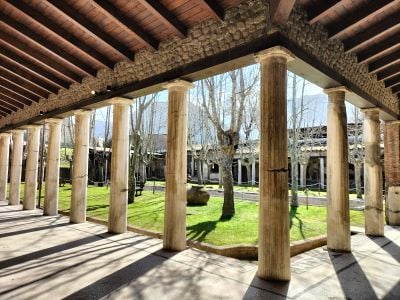
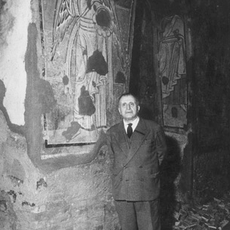
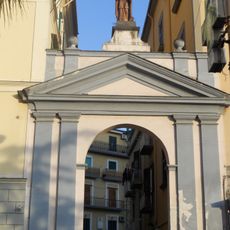
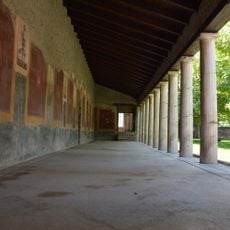
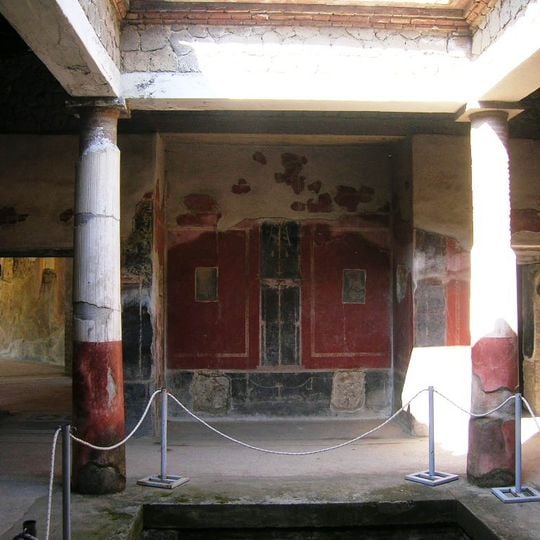
Excavation of Stabiae is an archaeological site containing the remains of Roman seaside villas positioned on elevated terrain above the Gulf of Naples. The structures date from ancient times and were preserved by the eruption of Mount Vesuvius.
The site was an ancient residential center for wealthy Romans that was buried under volcanic ash when Mount Vesuvius erupted in 79 AD. This sudden catastrophe preserved the buildings and their contents for future generations.
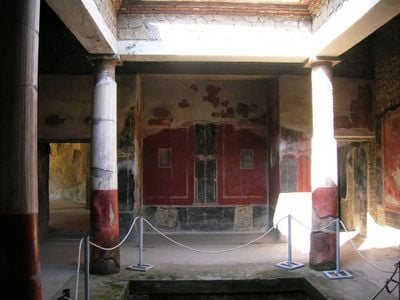
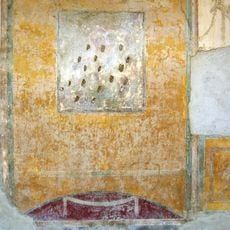
The wall paintings in the villas show scenes from Roman mythology and daily life that reflect the tastes of wealthy residents. These depictions give visitors today an insight into the artistic preferences and daily routines of the Roman upper class.
The park sits on elevated ground and can be explored on foot, with sturdy footwear recommended. It is best visited in early morning or late afternoon when fewer visitors are present and the sun is not as intense.
This location holds the largest concentration of wealthy Roman seaside villas found together in a single place. The collection reveals how the Roman elite spent their leisure time by the sea and what architectural styles they preferred.
The community of curious travelers
AroundUs brings together thousands of curated places, local tips, and hidden gems, enriched daily by 92,723 contributors worldwide.