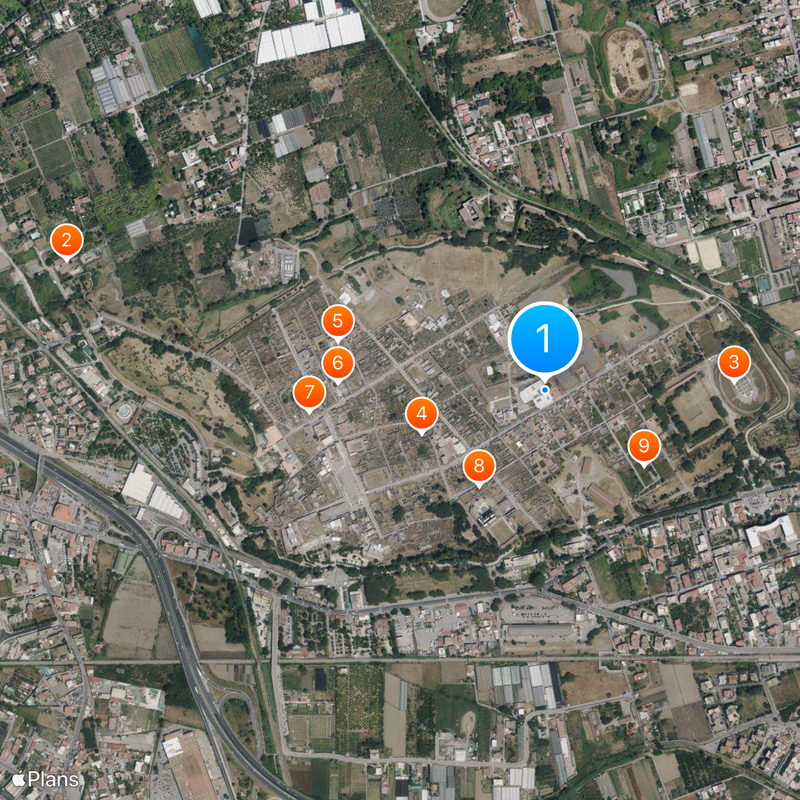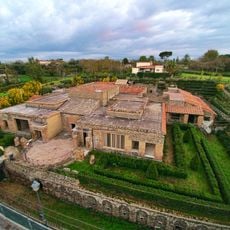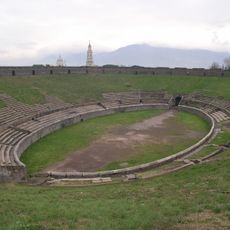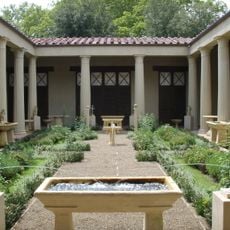
Archaeological excavations of Pompeii, Archaeological site in Pompei, Italy
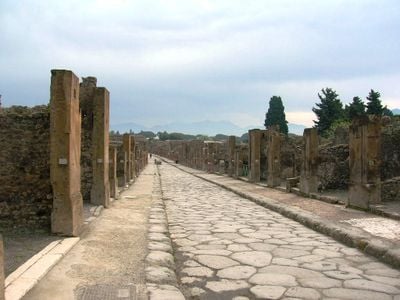
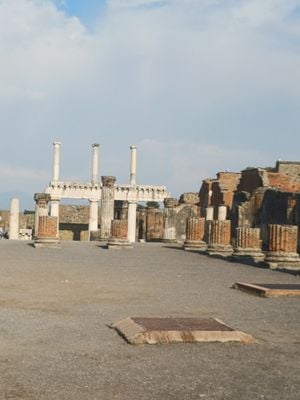
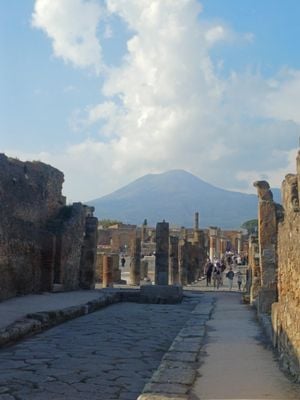
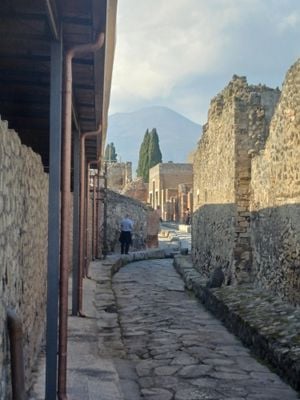
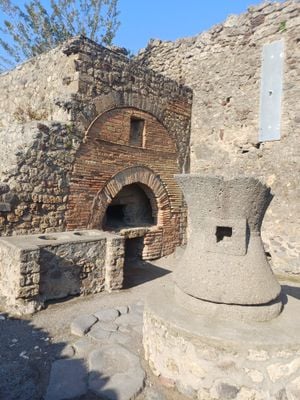
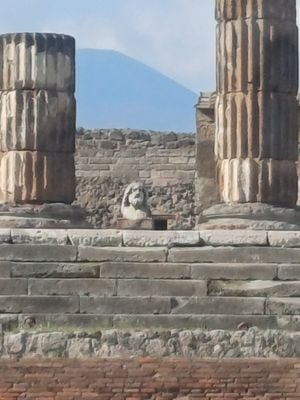
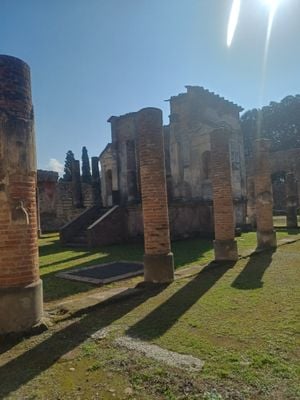
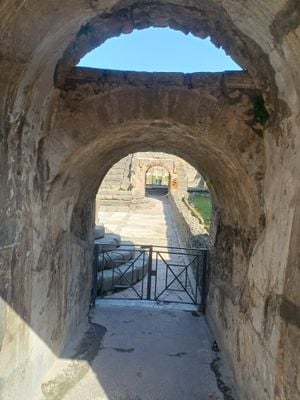
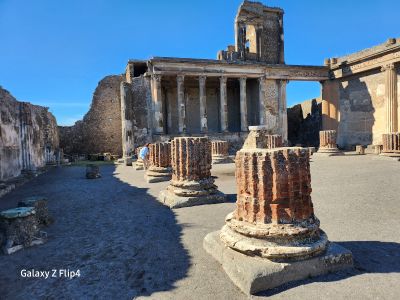
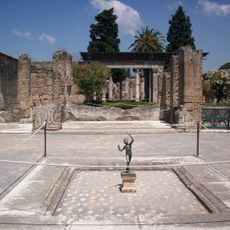
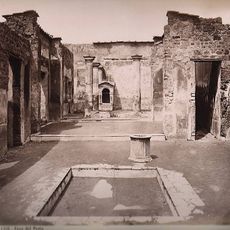
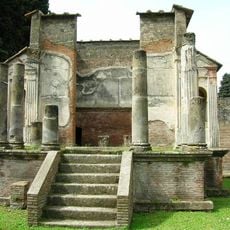
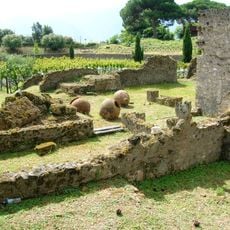
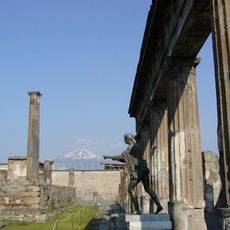
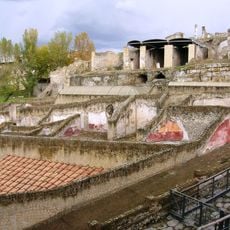
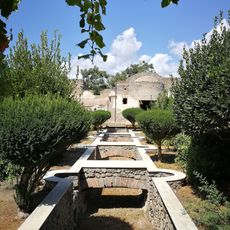
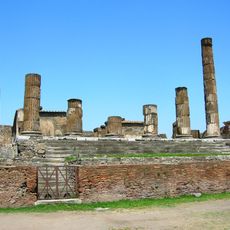
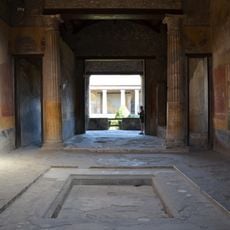
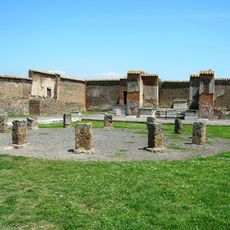
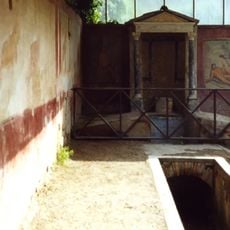
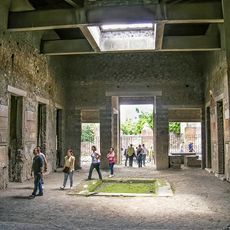
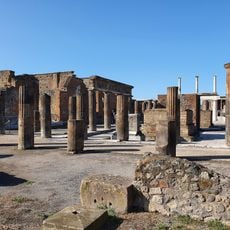
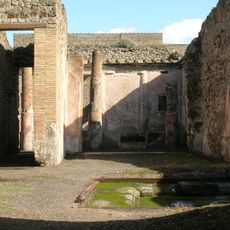
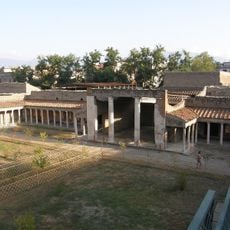
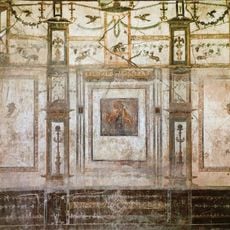
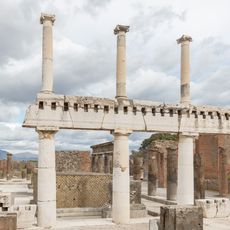
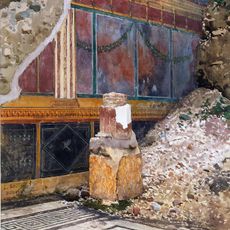
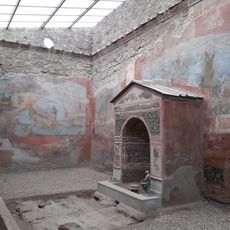
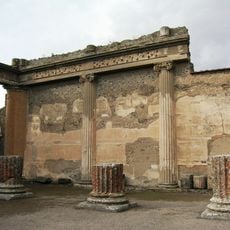
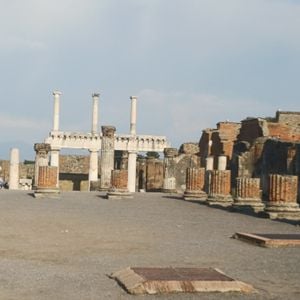
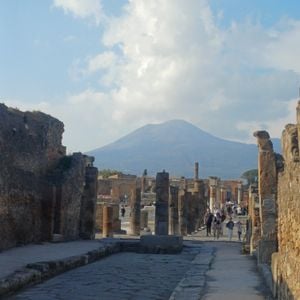
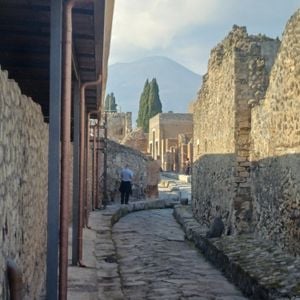
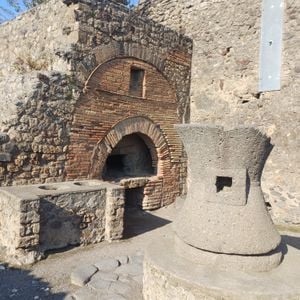
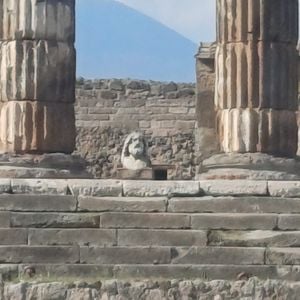
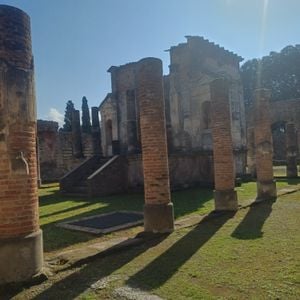
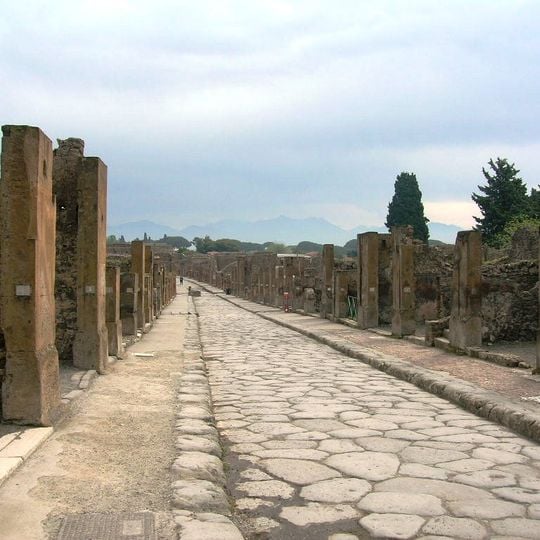
The archaeological excavations of Pompeii are an ancient Roman city near Naples that was buried under volcanic ash and later uncovered. The site includes paved streets, houses with courtyards, public squares, shops, bakeries, and several large temple complexes.
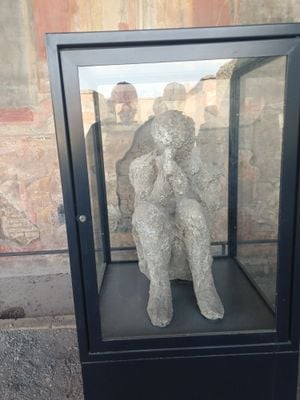
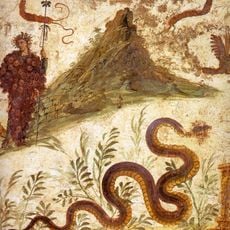
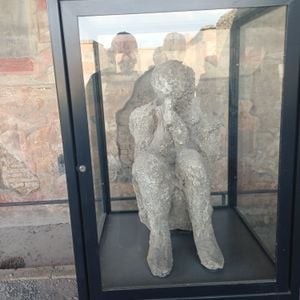
Mount Vesuvius buried the city in 79 AD, with ash and pumice preserving buildings and inhabitants. The first excavations began in the 18th century under the Bourbons, and work has continued ever since.
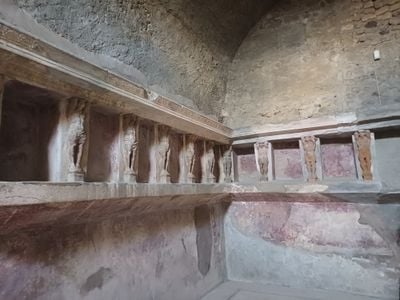
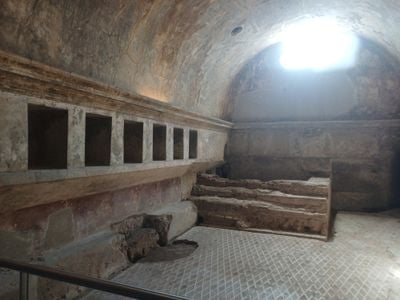
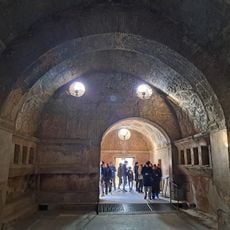
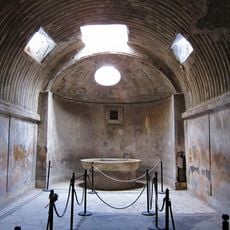
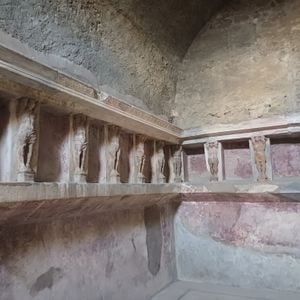
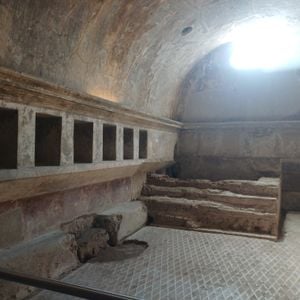
Many building walls display painted advertisements for gladiatorial matches and election slogans, bringing the political life of the city into view. In the thermal baths, visitors can see the separation system between different bathing areas and the sophisticated heating method that ran through floors and walls.
Walking through the excavations can take several hours, so comfortable shoes are advisable on the uneven ancient streets. On sunny days, sun protection is recommended as many areas have no cover.
In some houses, original wooden doors and shutters survive and can still be moved after almost 2000 years. Street crossings show raised stepping stones that allowed pedestrians to cross without blocking wheeled traffic.
The community of curious travelers
AroundUs brings together thousands of curated places, local tips, and hidden gems, enriched daily by 92,415 contributors worldwide.