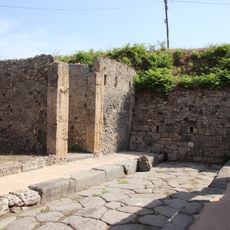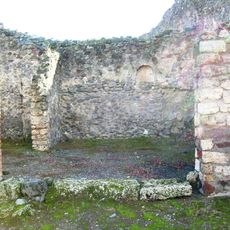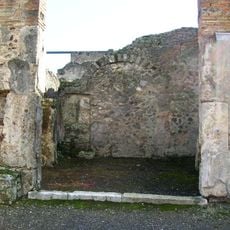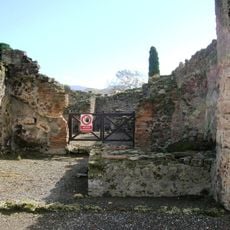
House of the Centenary, Ancient Roman villa in Pompeii, Italy.
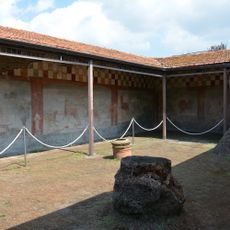
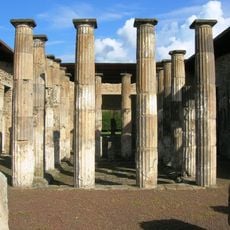
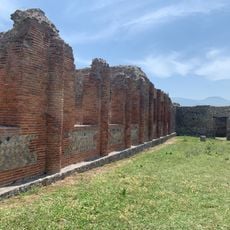
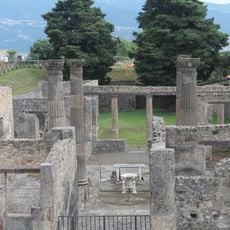
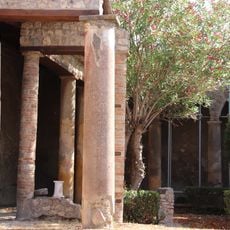
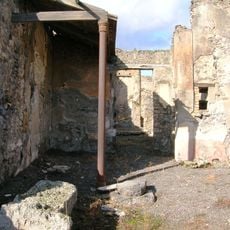
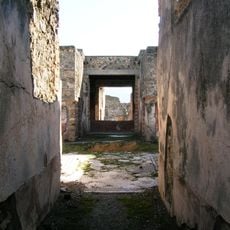
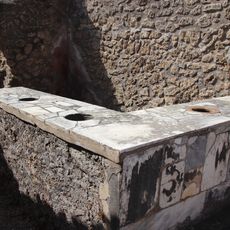
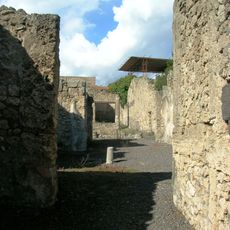
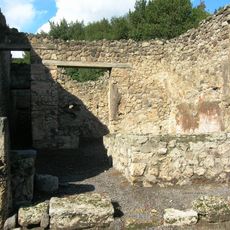
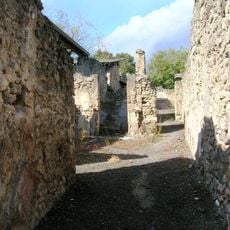
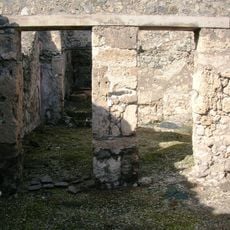
The House of the Centenary is a Roman villa with two open courtyards, a columned garden court, and private bathing facilities arranged around these central spaces. The structure includes a pool and displays the typical division between family living areas and service rooms.
The villa was excavated in 1879 and dates to the second century BC when such houses were built by wealthy families. The eruption of Mount Vesuvius in 79 AD buried the entire city and naturally preserved the structures.
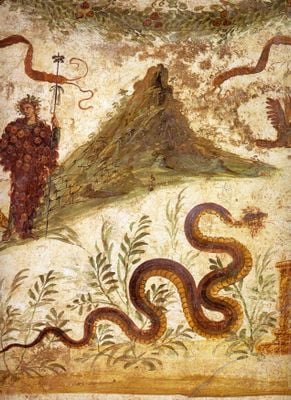
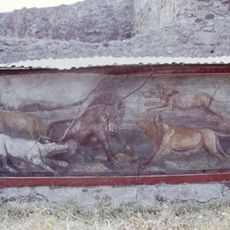
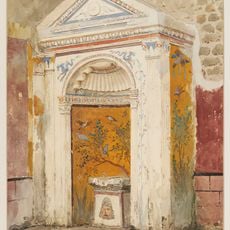
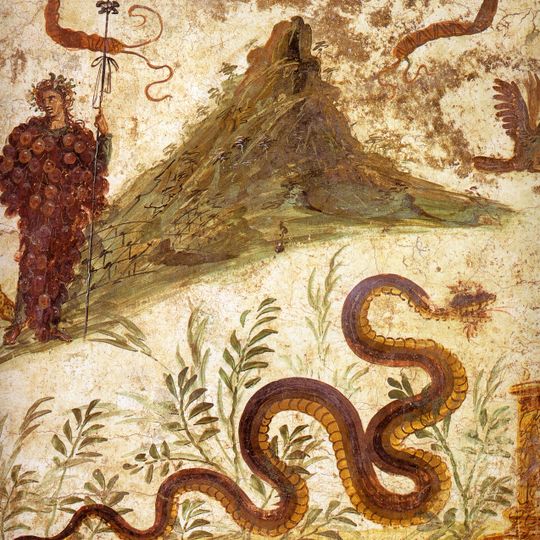
The painted walls feature scenes of Roman daily life and religious imagery, offering a window into the tastes and values of the family that lived here.
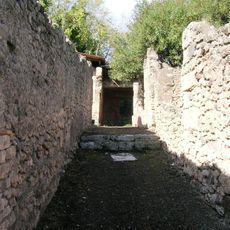
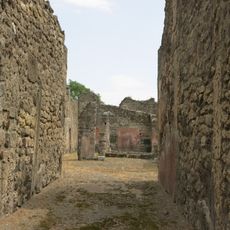
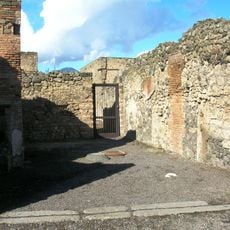
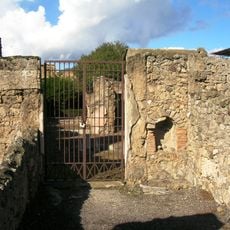
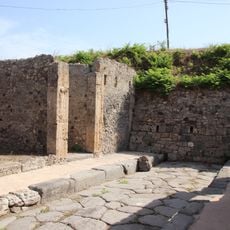
The complex is divided into two sections: the family residence and separate servant quarters, each with independent street entrances. This arrangement helps visitors understand how the house functioned and how different groups used the space.
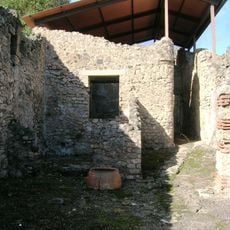
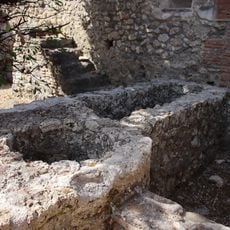
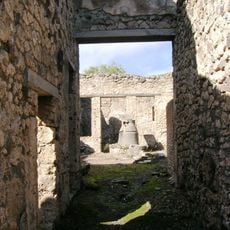
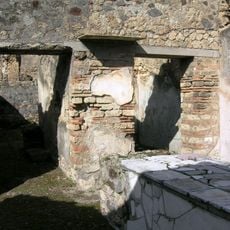
A private bakery was located in the cellar, showing that residents operated small businesses within their home alongside family life. Some rooms feature erotic imagery, indicating that such artistic subjects were entirely normal in Roman households.
The community of curious travelers
AroundUs brings together thousands of curated places, local tips, and hidden gems, enriched daily by 91,474 contributors worldwide.