Pompei, Archaeological site in the Metropolitan City of Naples, Italy
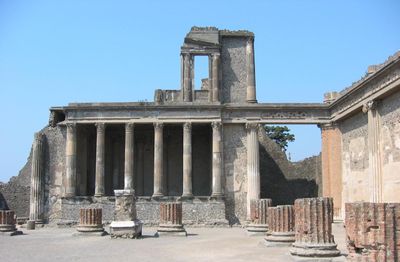
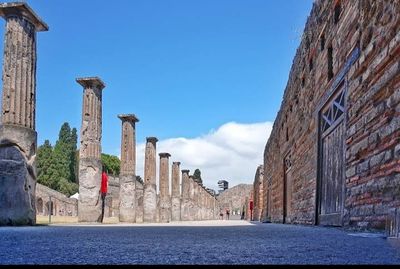
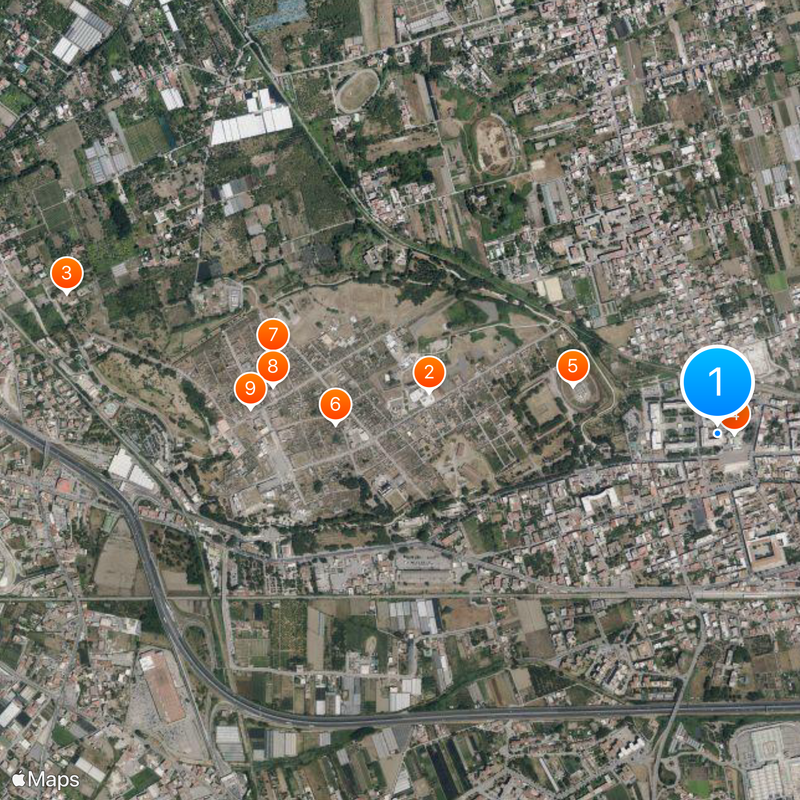
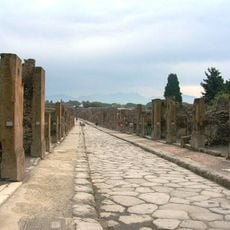
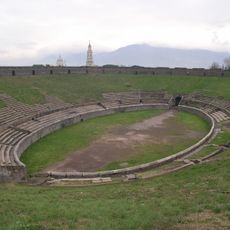
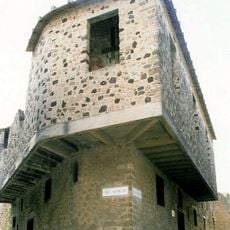
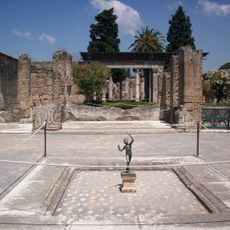
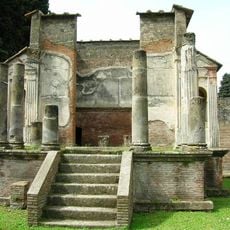
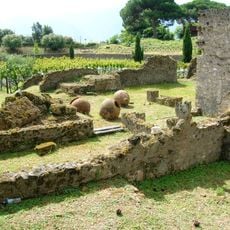
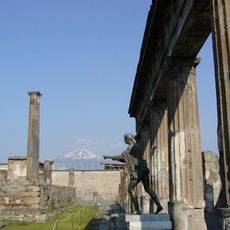
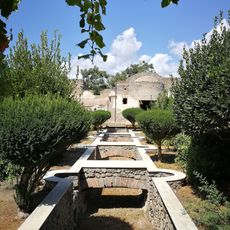
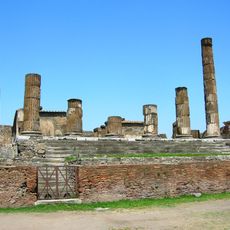
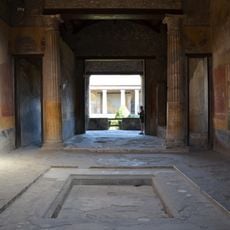
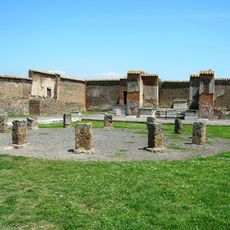
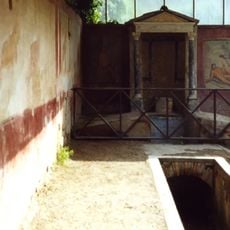
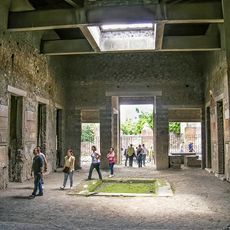
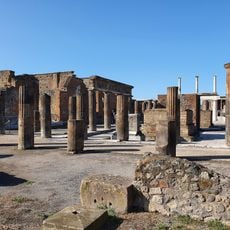
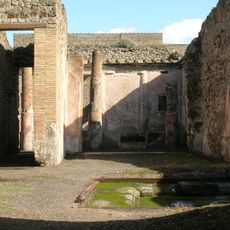
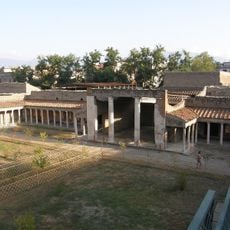
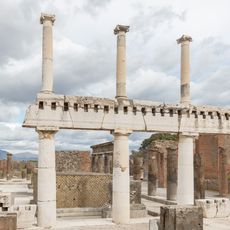
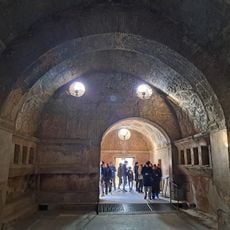
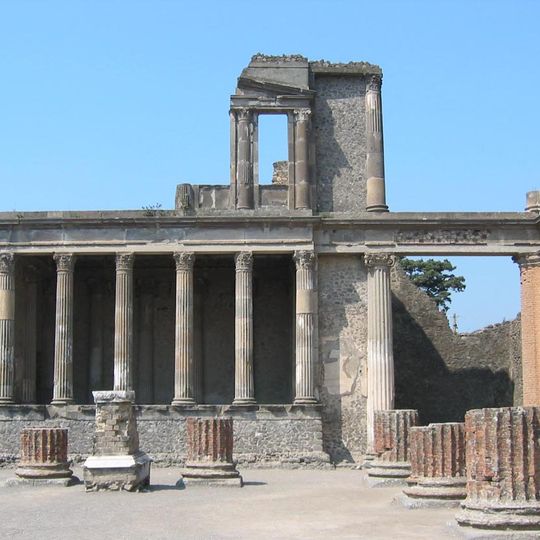
Pompeii is an excavation site near Naples where an ancient Roman city lies buried under ash and pumice. The uncovered ruins show streets, residential houses, public buildings, a forum and an amphitheater that reveal how the town was organized.
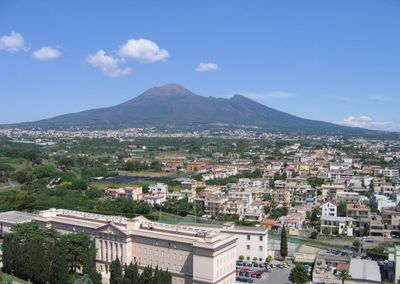
The settlement began in the sixth century BCE and eventually became a Roman town. Mount Vesuvius erupted in 79 CE, burying everything under ash and pumice in a single catastrophic moment that preserved the city for nearly 2,000 years.
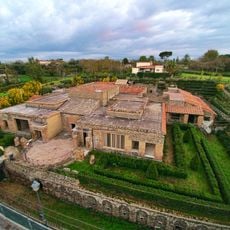
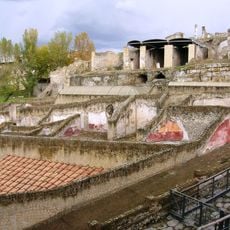
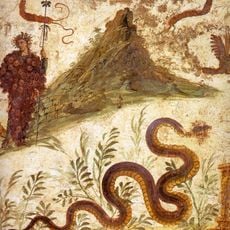
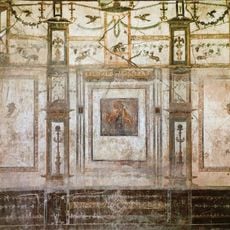
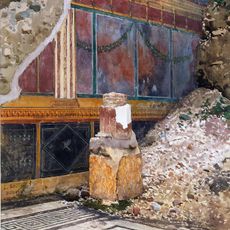
The painted walls and floor decorations in the houses reveal what people valued and how they decorated their homes. These details show personal choices and tastes that existed in daily Roman life.
The site is large and exploring it fully takes several hours of walking on uneven surfaces. Wear sturdy shoes and bring plenty of water, as shade is scarce and the sun exposure is significant.
The ash preserved organic materials like wooden furniture, cloth and even food left in ovens. Plaster casts reveal the final moments of people caught by the eruption.
The community of curious travelers
AroundUs brings together thousands of curated places, local tips, and hidden gems, enriched daily by 90,754 contributors worldwide.