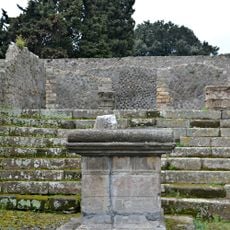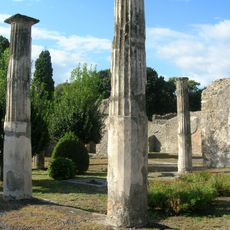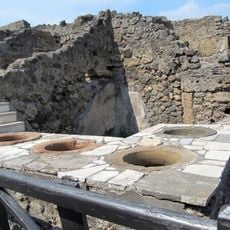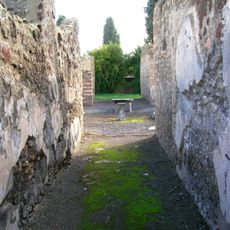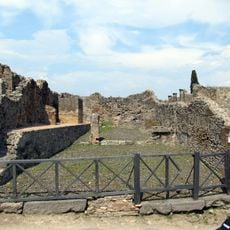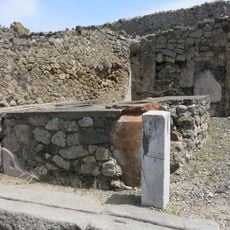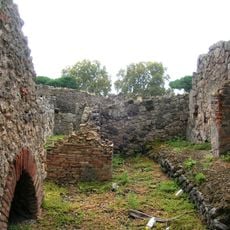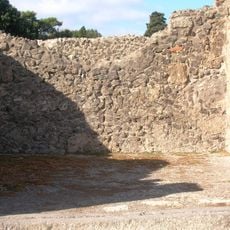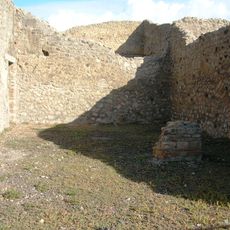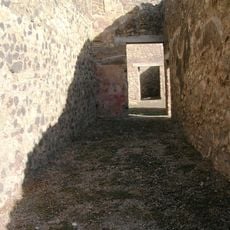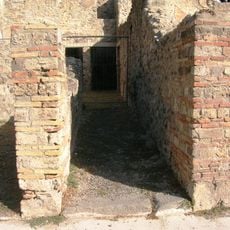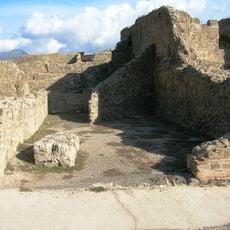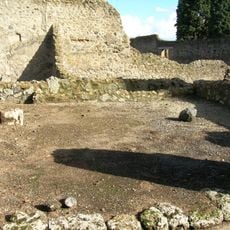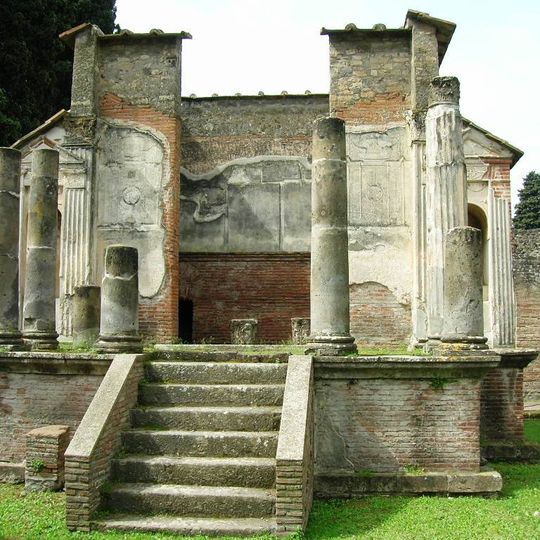
Temple of Isis, Roman temple ruins in Pompeii, Italy
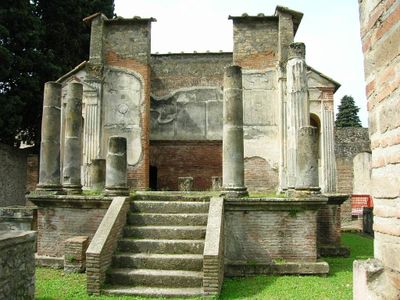
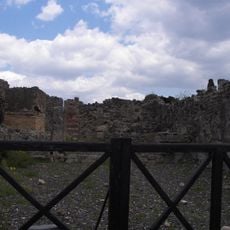
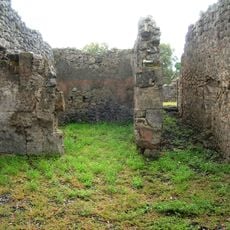
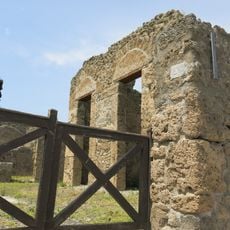
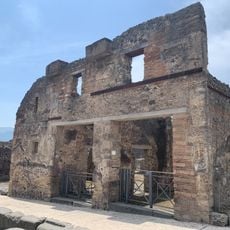
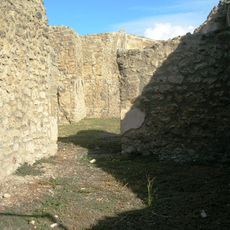
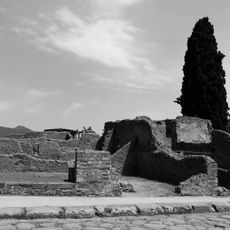
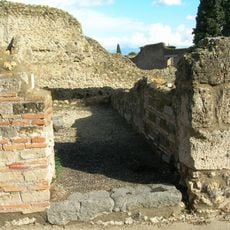
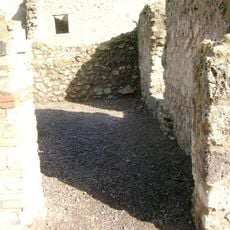
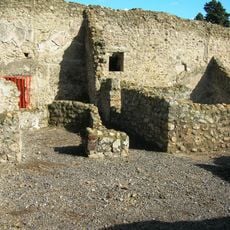
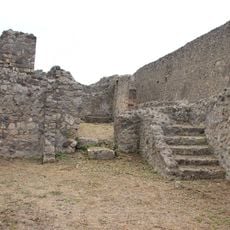
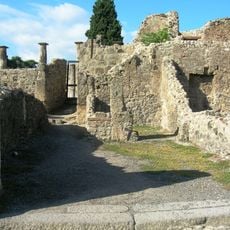
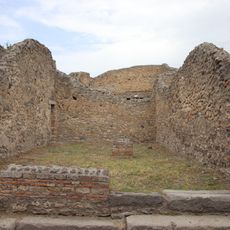
The Temple of Isis is a Roman religious complex in ancient Pompeii that blends Egyptian worship with Roman architecture. A raised platform holds the main structure featuring Corinthian columns, a vaulted roof, and an inner courtyard surrounded by porticoes.
The temple was fully rebuilt after the earthquake in 62 CE and stood as the only completed religious building in Pompeii when Vesuvius erupted in 79 CE. Its discovery in 1764 sparked widespread European interest in Egyptian culture.
Worshippers here came mostly from women, enslaved people, and former slaves who sought alternatives to traditional Roman gods. Followers took part in mystery rites involving water and symbolic acts, believing Isis would help them in life and offer hope beyond death.
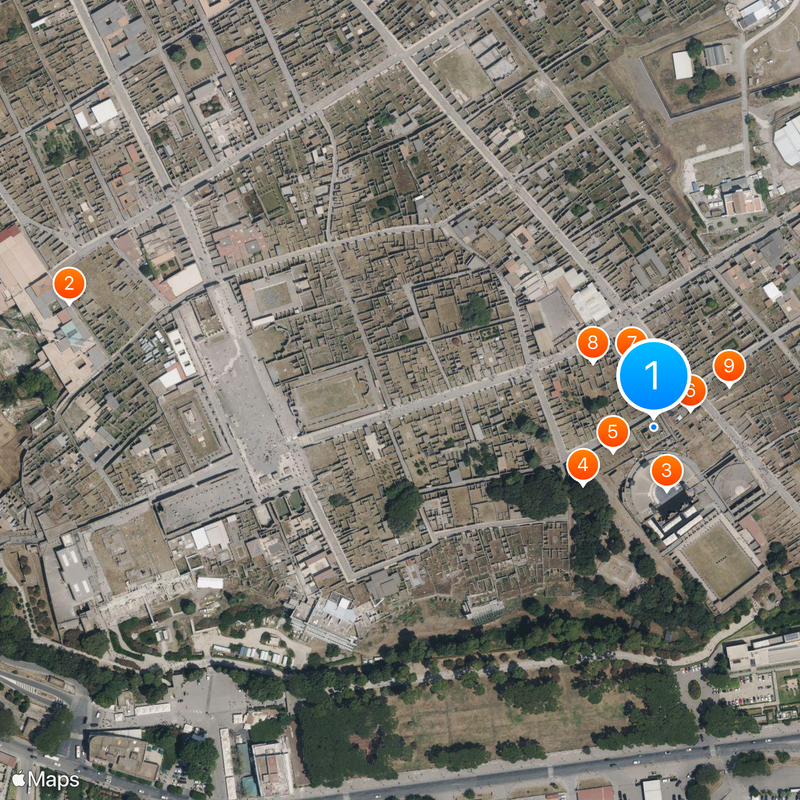
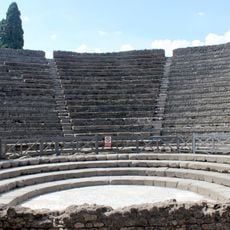
The ruins stand behind the large theater of Pompeii and can be reached via the main pathways of the archaeological site. The original wall paintings and statues from the sanctuary now reside at the National Archaeological Museum in Naples.
Large stucco ears attached to the walls allowed worshippers to speak their wishes directly to the gods inside. This unusual feature created a personal connection between those praying and the divine powers within.
The community of curious travelers
AroundUs brings together thousands of curated places, local tips, and hidden gems, enriched daily by 91,639 contributors worldwide.