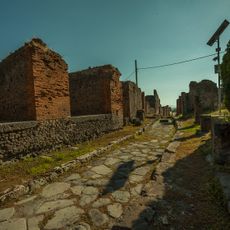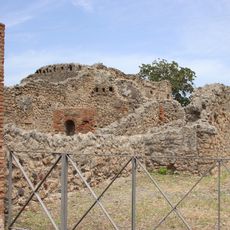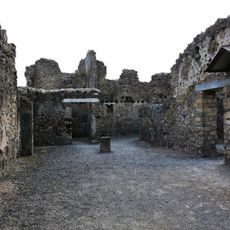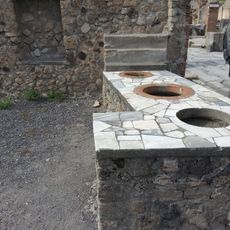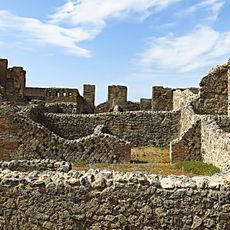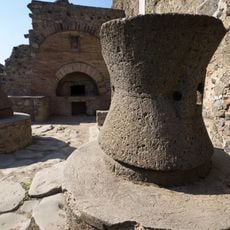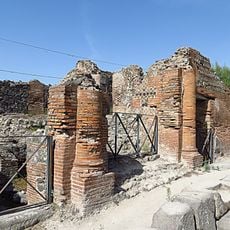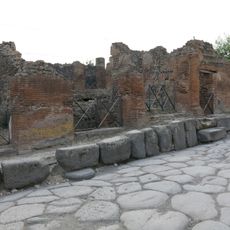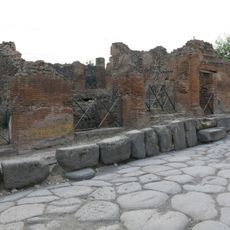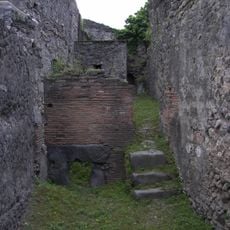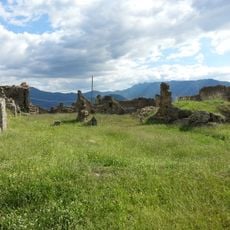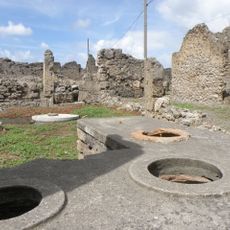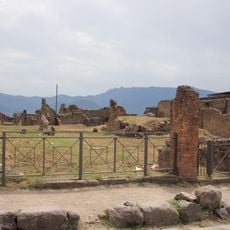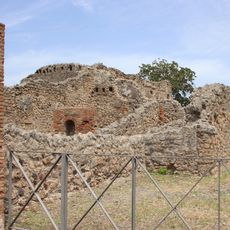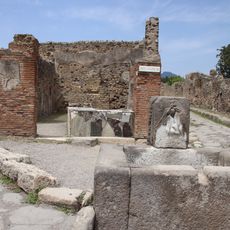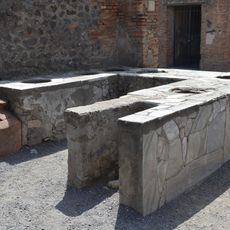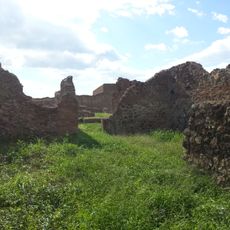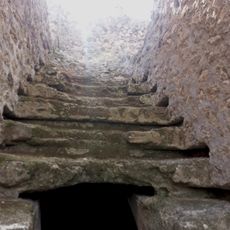
Archaeological Areas of Pompei, Herculaneum and Torre Annunziata, Archaeological complex in Province of Naples, Italy.
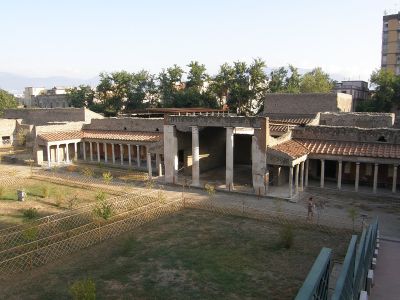
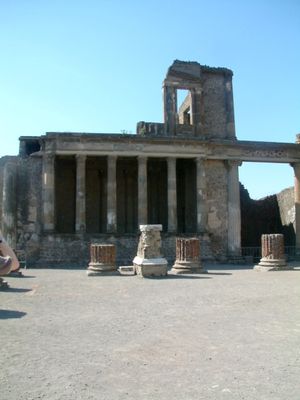
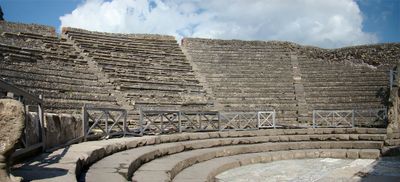
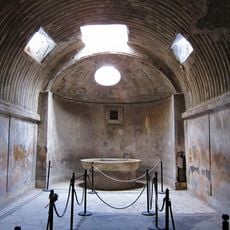
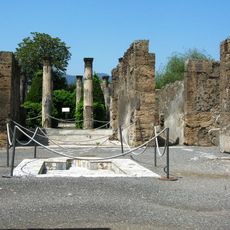
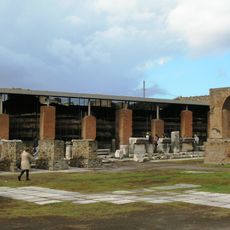
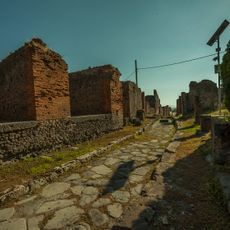
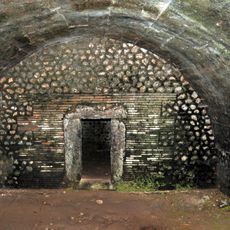
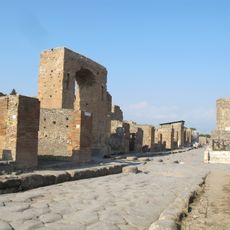
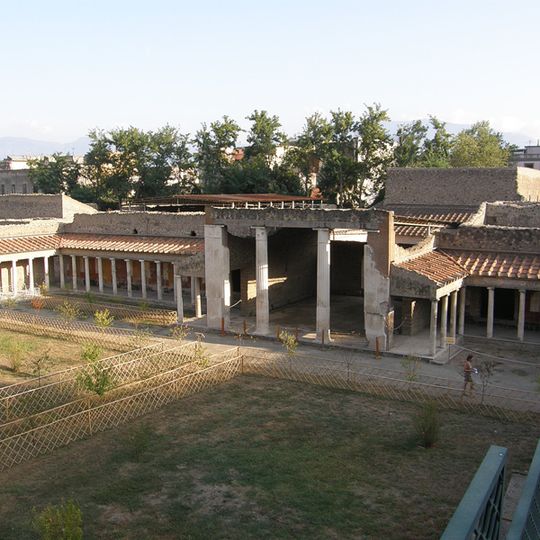
The Archaeological Areas in the Province of Naples comprise three preserved Roman settlements with public buildings, residential neighborhoods, villas, theaters, baths, and markets. The three locations show different layouts and building styles, with Pompeii offering the largest excavated section, Herculaneum featuring multi-story structures, and Torre Annunziata displaying residential villas.
In 79 AD, Mount Vesuvius erupted, burying Pompeii under volcanic ash and Herculaneum under pyroclastic flows, which froze both settlements in their original state. This sudden disaster preserved buildings, artifacts, and even the shapes of bodies, allowing archaeologists to study Roman life with unusual completeness.
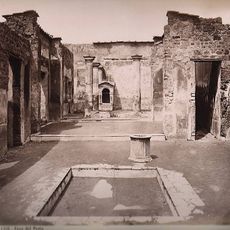
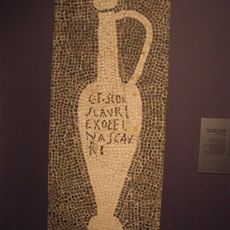
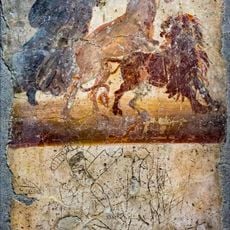
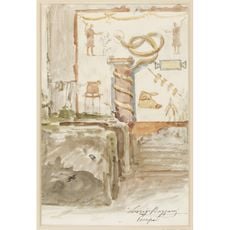
The standing buildings display Roman daily routines through preserved frescoes, mosaics, furniture, and inscriptions found in homes and shops. These objects show visitors what people valued, how they decorated their spaces, and how they went about their work.
You can explore over 40 hectares of excavated ruins spread across the three locations, each with distinct entry points and walking paths. It is wise to wear sturdy shoes, bring plenty of water, and plan to spend several hours, as the uneven ground and lack of shade require physical preparation.
The Villa of the Papyri in Herculaneum held a library of hundreds of ancient scrolls that mineralized rather than turned to ash during the eruption. Scholars continue to study these scrolls today, gradually uncovering writing that would have vanished without this unusual preservation.
The community of curious travelers
AroundUs brings together thousands of curated places, local tips, and hidden gems, enriched daily by 91,855 contributors worldwide.