Quadriportico of the Theatre of Pompeii, Ancient Roman theatre portico in Pompei, Italy
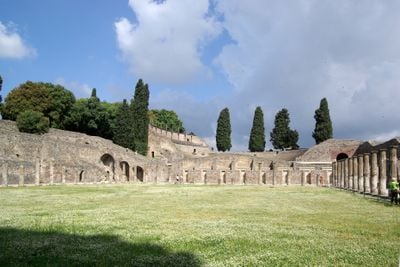
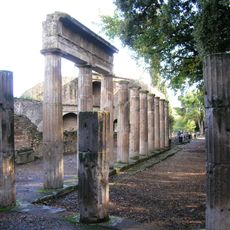
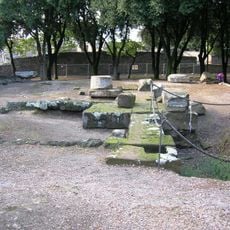
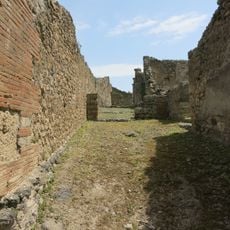
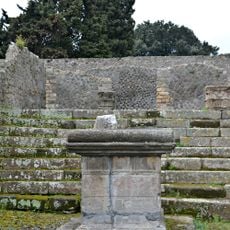
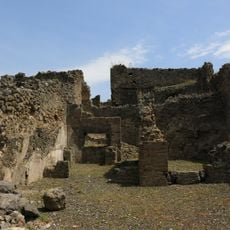
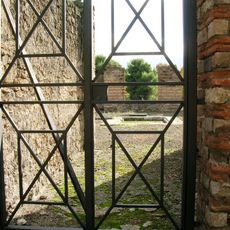
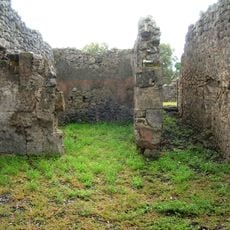
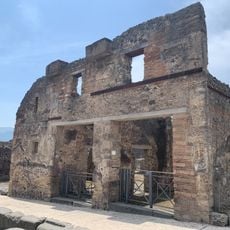
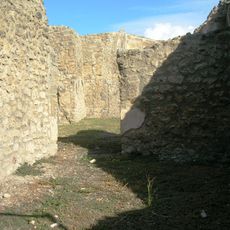
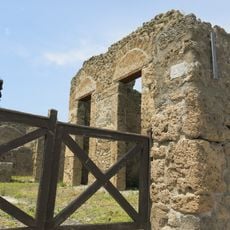
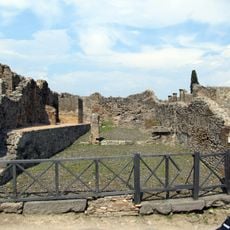
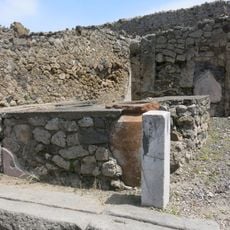
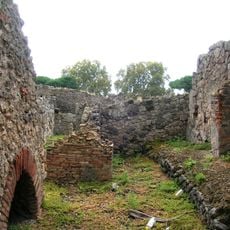
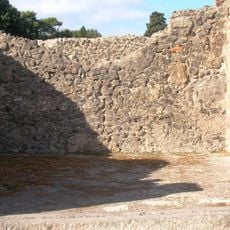
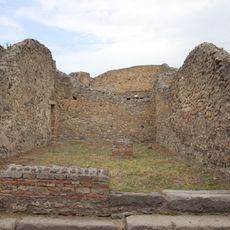
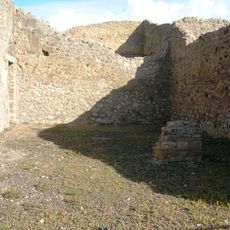
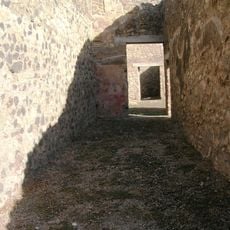
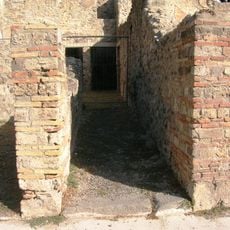
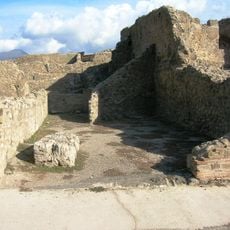
The Quadriportico dei Teatri is a large central courtyard enclosed by a portico of seventy-four Doric tuff columns, their lower shafts fluted. Its perimeter walls are built of Vesuvian lava in opus incertum, with small rooms for at most two people set against them, left unplastered when the eruption came. The main entrance on the northeast side has three Ionic columns.
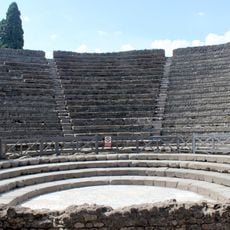
Built around 80 BC as a foyer and rain shelter for spectators of the nearby Large and Small Theatres, it was rebuilt after the earthquake of 62 AD as a gladiator school. The eruption of 79 AD buried it before the work was finished; the Bourbon excavations later brought it to light.
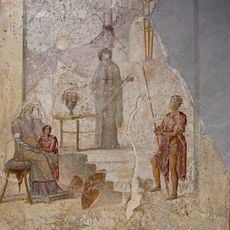
After the earthquake of 62 AD the portico became a gladiator school, and the small rooms built against the lava walls, each holding at most two men, were still unplastered when Vesuvius buried the site in 79. Excavators found helmets and swords decorated with Greek myths, gold-trimmed parade dress, and eighteen skeletons, among them a woman wearing jewellery and a slave bound in chains.
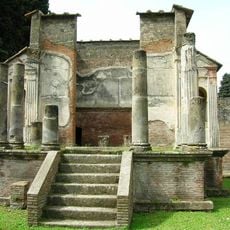
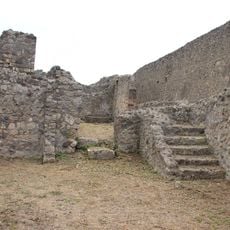
Visitors today enter from the south side, while the original main entrance lay on the northeast side, marked by three Ionic columns facing the courtyard of the Large Theatre. A staircase along the north side leads up to the Triangular Forum; before 62 AD it served as the access route to the theatres for prominent citizens.
Excavations uncovered evidence that gladiators both trained and lived within the structure, not just audience members resting between shows. This dual role makes it a rare example of how Romans reused and repurposed buildings over time.
The community of curious travelers
AroundUs brings together thousands of curated places, local tips, and hidden gems, enriched daily by 92,883 contributors worldwide.