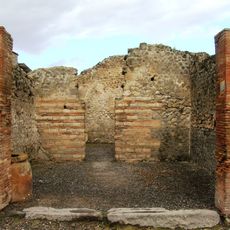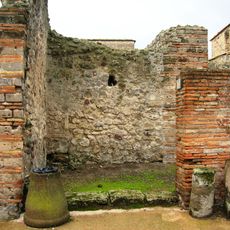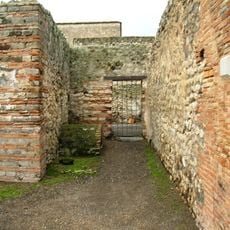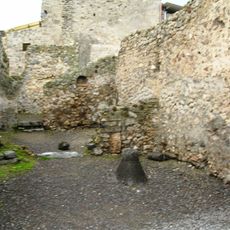
House of the Faun, Roman villa in Pompeii, Italy
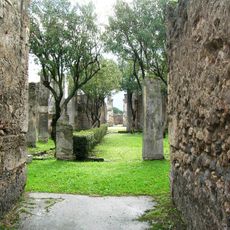
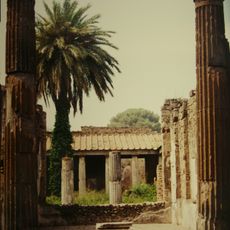
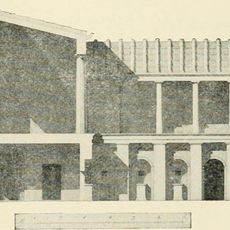
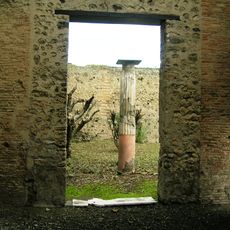
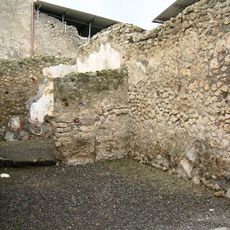
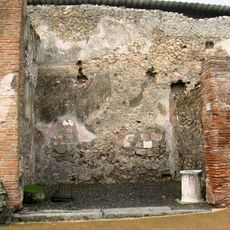
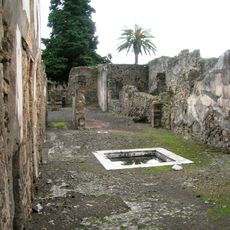
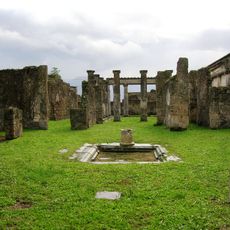
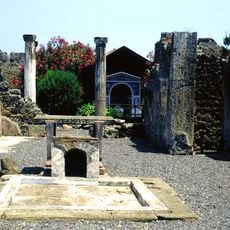
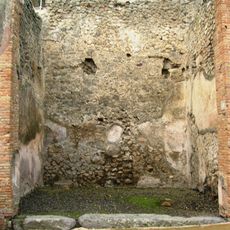
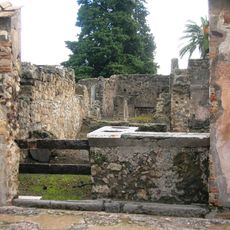
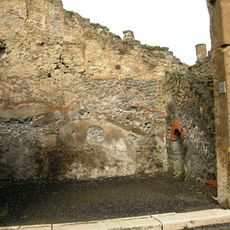
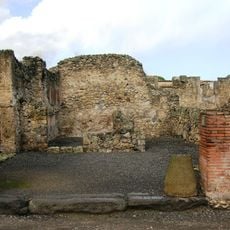
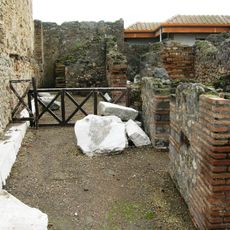
The House of the Faun is a Roman residence in the ancient city of Pompeii, covering nearly 3,000 square meters with two large courtyards and several colonnaded walkways. Marble panels and floor mosaics decorate the rooms, making it one of the largest domestic complexes in the buried city.
The residence was built in the second century before Christ during the Samnite period and belonged to the Satria family. The eruption of Mount Vesuvius in the year 79 buried the property under ash and pumice, preserving its rooms and decoration for future generations.
The Alexander Mosaic discovered in the house depicts the Battle of Issus between Alexander the Great and Persian King Darius III in 333 BC.
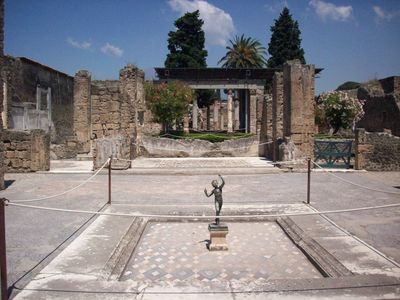
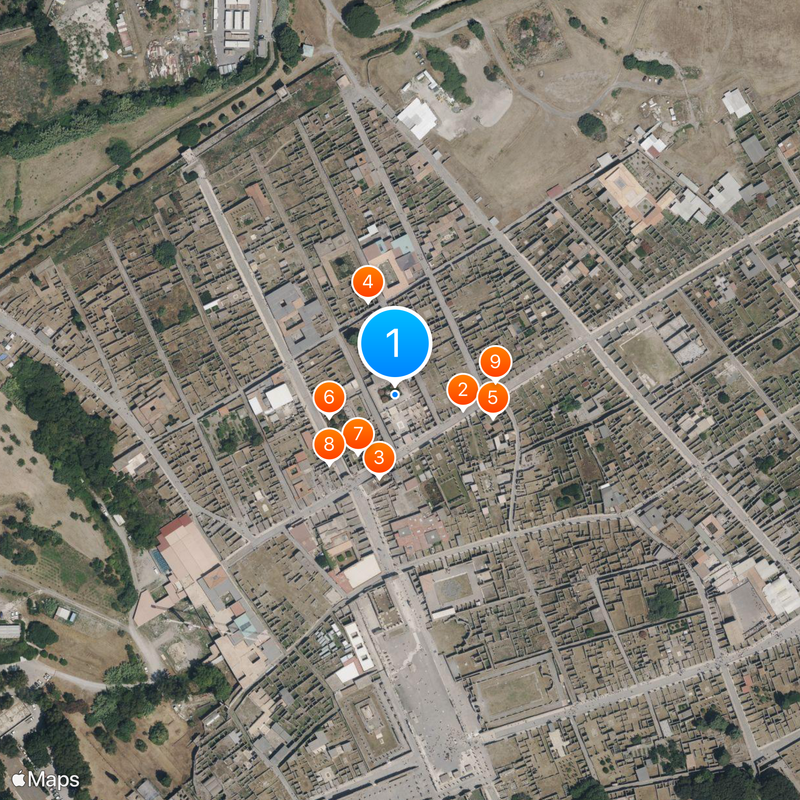
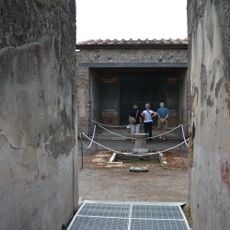
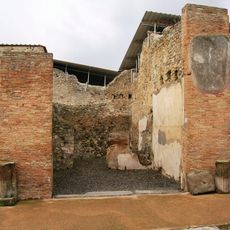
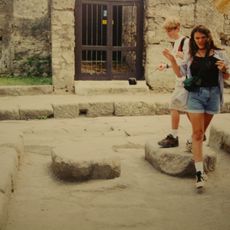
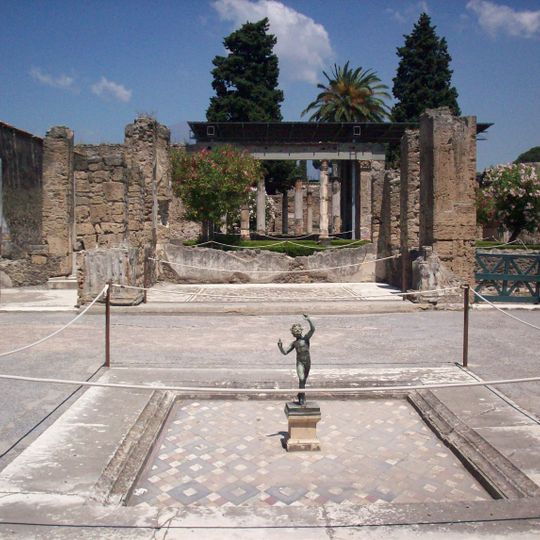
The entrance is on Via della Fortuna and leads to the first courtyard, where a replica of the bronze satyr figure now stands. The original is kept at the Archaeological Museum in Naples and can be seen there.
The complex contains the first private bathing facilities built in Pompeii, with a tepidarium for lukewarm water and a caldarium for hot baths. These rooms show how wealthy residents brought the comfort of public baths into their own homes.
The community of curious travelers
AroundUs brings together thousands of curated places, local tips, and hidden gems, enriched daily by 91,714 contributors worldwide.