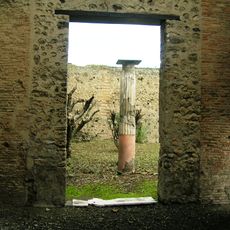
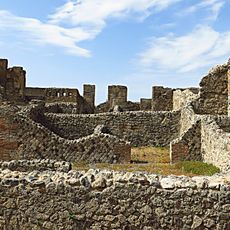
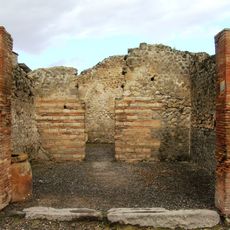
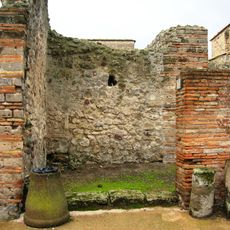
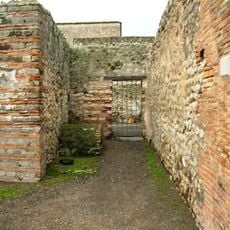
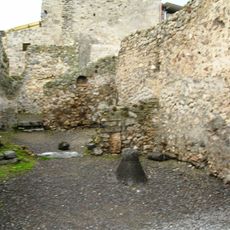
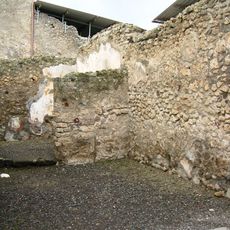
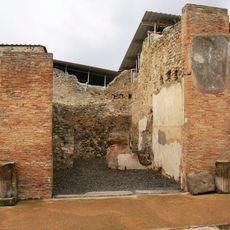
Temple of Fortuna Augusta, Roman temple ruins in Pompeii, Italy
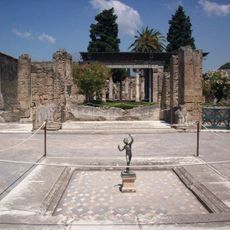
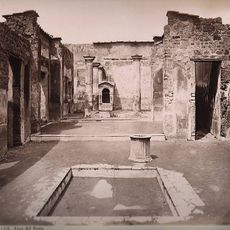
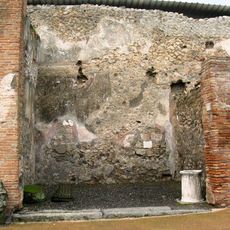
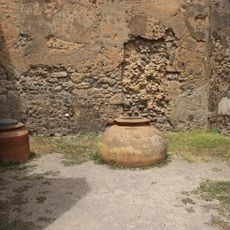
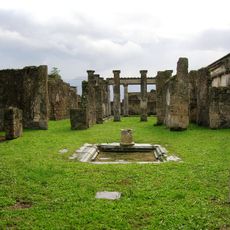
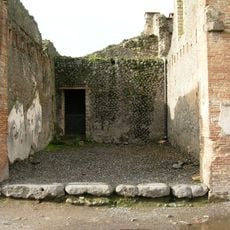
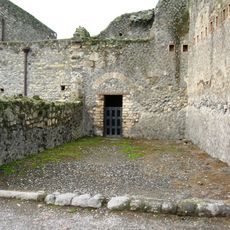
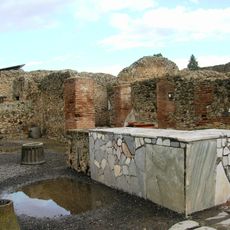
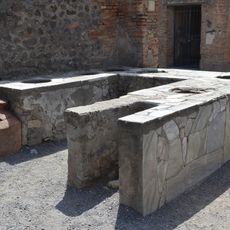
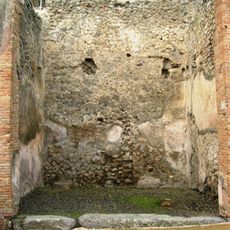
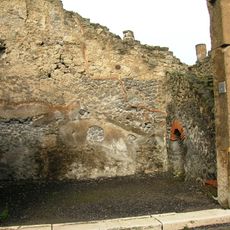
Temple of Fortuna Augusta is a Roman ruin sitting on an elevated platform with marble columns and several recessed niches carved into its sides. The structure was carefully designed to hold statues and religious objects, creating both a sacred space and a place for public display.
Marcus Tullius, of the Tullii family that also produced Cicero, paid for the temple on his own land; an inscription records that it was built by his will. Construction is placed between 13 BC, when Augustus ended his conquests, and 2 BC, when Tullius closed his political career in Pompeii. Slaves administered it in its first years, and the earthquake of 62 damaged it; restoration was still under way when Vesuvius buried it in 79.
The temple's cult statue of Fortuna, found in the cella, is now kept at the National Archaeological Museum of Naples. Four niches held further statues, probably members of the imperial family and Marcus Tullius himself; two fragments were recovered, one a woman with an abraded face, the other a man at first wrongly taken for Cicero. Four inscriptions honoured the Julio-Claudian emperors, and Claudius received two marble bases from Lucius Statius Faustus, a man of servile origin.
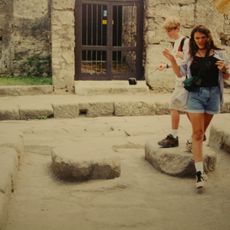
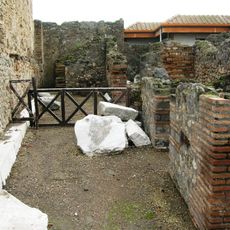
This site can be reached through Pompeii's main entrances, but expect uneven ground and fallen stones throughout the ruins. Wear sturdy shoes and bring water, as the location offers limited shade and exploration takes time under the sun.
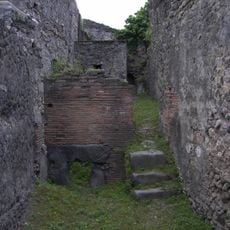
The staircase features a deliberate step interruption that creates a dedicated space where the altar once stood. This reveals how carefully Romans planned sacred spaces, using architecture itself to guide worshippers through the ritual experience.
The community of curious travelers
AroundUs brings together thousands of curated places, local tips, and hidden gems, enriched daily by 92,785 contributors worldwide.