House of the Tragic Poet, Ancient Roman villa in Pompeii, Italy
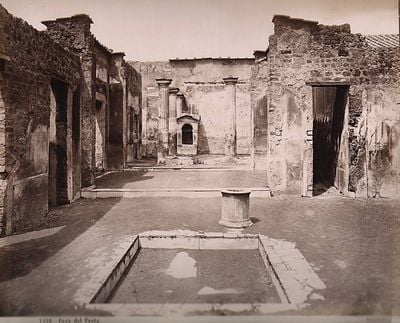
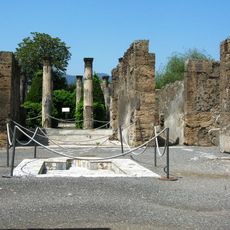
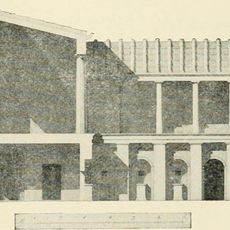
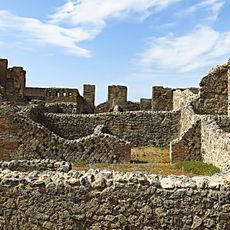
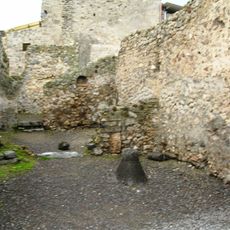
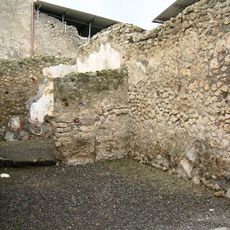
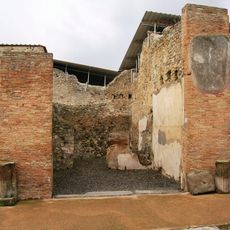
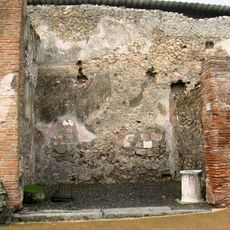
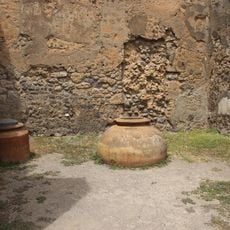
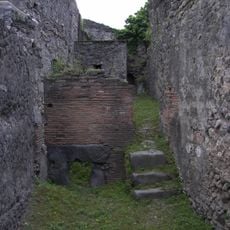
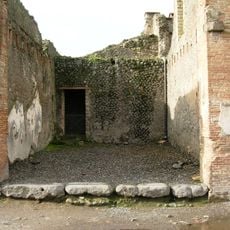
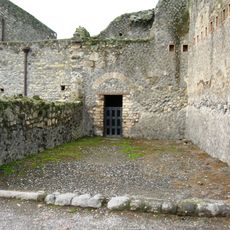
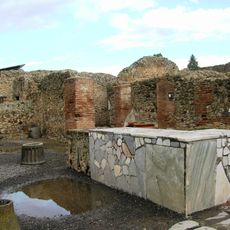
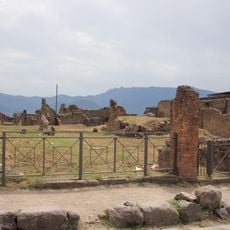
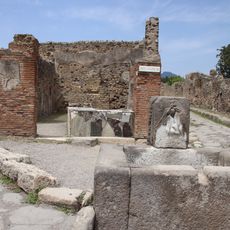
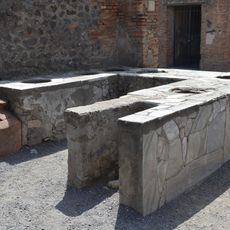
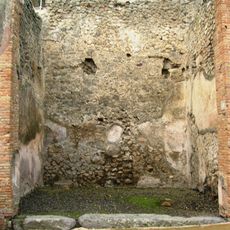
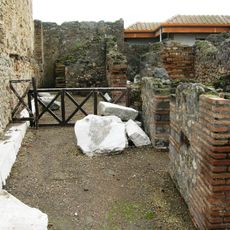
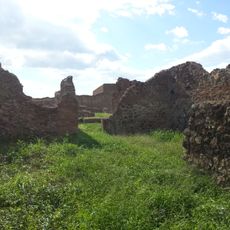
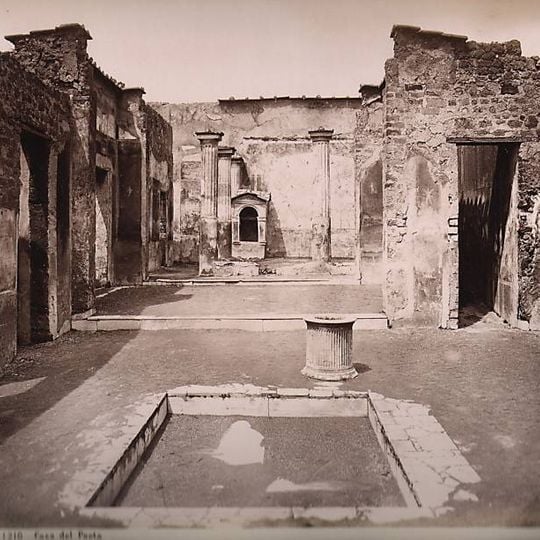
The House of the Tragic Poet is a Roman villa in Pompeii, Italy, known for its floor mosaics and wall paintings. The building includes several rooms around a courtyard with columns, where remains of decoration and room layout are still visible today.
Archaeologists uncovered the house in 1824 and 1825, after it was buried under ash during the eruption of Vesuvius in 79 AD. The excavation brought out well-preserved wall paintings and mosaics that are now among the most famous finds in Pompeii.
The name comes from a mosaic showing a theater rehearsal, which archaeologists found in the 19th century. Visitors today see mostly mythological wall paintings with scenes from Greek stories, showing the taste for education and theater at that time.
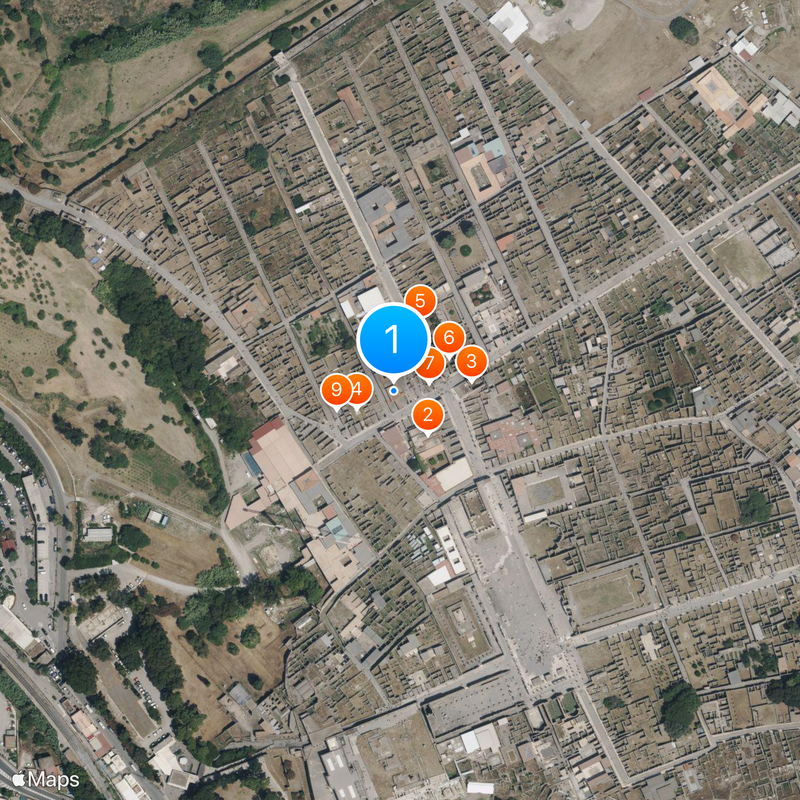
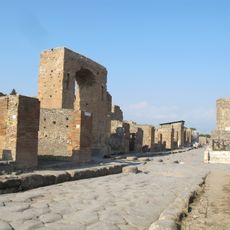
The villa lies in Region VI of the archaeological site of Pompeii and is accessible via the main paths. Visitors should wear sturdy shoes and allow enough time to see the rooms and the courtyard at a comfortable pace.
The entrance shows a mosaic with a dog and the inscription Cave Canem, meaning Beware of the Dog. An English writer made the house famous in the 19th century through a historical novel, where he portrayed it as the home of the main character.
The community of curious travelers
AroundUs brings together thousands of curated places, local tips, and hidden gems, enriched daily by 92,605 contributors worldwide.