The Garden of the Fugitives, Archaeological site in Pompeii, Italy
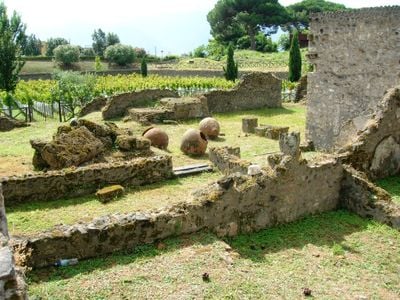
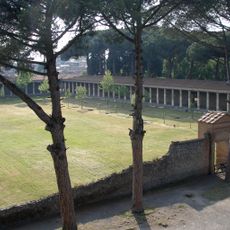
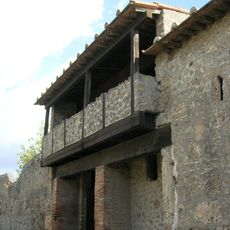
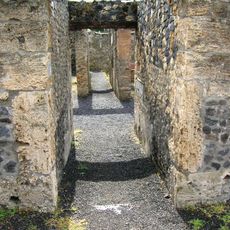
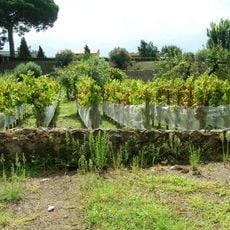
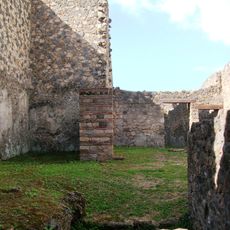
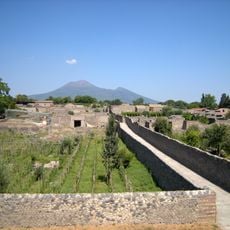
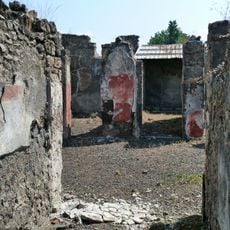
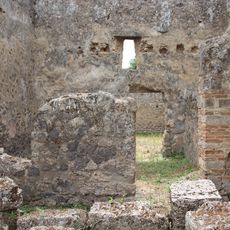
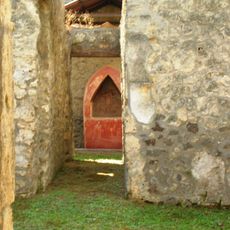
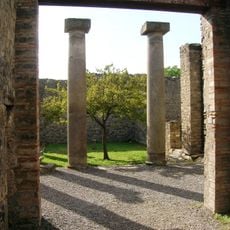
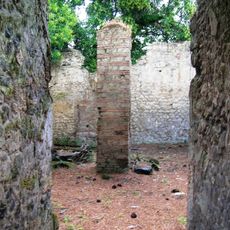
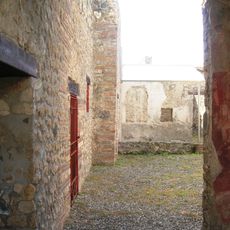
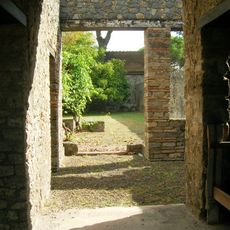
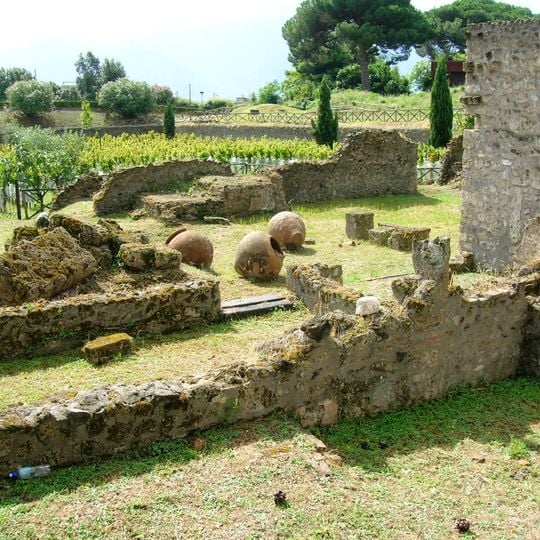
The Garden of the Fugitives shows plaster casts of 13 people who died during the Vesuvius eruption and remained preserved in their final posture near the Nocera Gate. The impressions lie in an area that was once used as a vineyard and today retains the structure of an ancient Roman courtyard.
The finds were excavated between 1961 and 1974 and come from residential buildings that had been converted into a vineyard area before the year 79. Giuseppe Fiorelli developed the technique of filling the cavities in the hardened pumice with plaster to reproduce the exact shapes of the victims.
The name recalls people who tried to flee the eruption and spent their final moments in a garden plot near the city edge. Visitors today can see these casts behind glass and understand through the shape of the bodies what happened in those minutes.
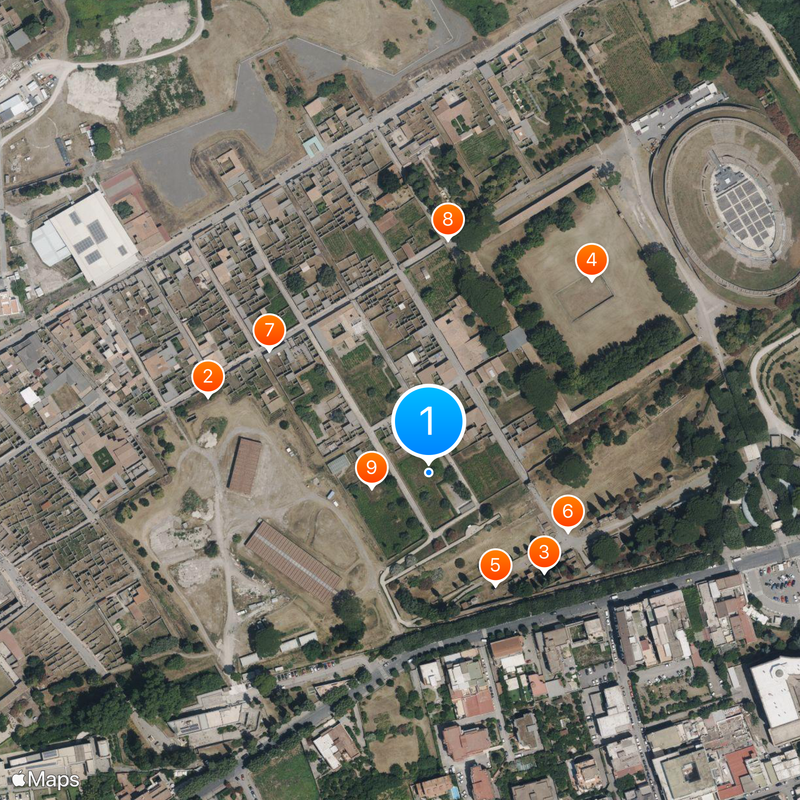
Visitors should note that the casts are housed in glass cases and can only be viewed from the outside, with the best light in the morning. The area lies in the southeastern part of the excavation site and is reached via narrow paths that can be slippery when wet.
X-ray examinations revealed that an object archaeologists first thought was a servant's bag was actually a deformation in the plaster. In another cast, remains of jewelry and coins were found, showing that some of those fleeing still had time to take valuables with them when they left.
The community of curious travelers
AroundUs brings together thousands of curated places, local tips, and hidden gems, enriched daily by 60,000 contributors worldwide.