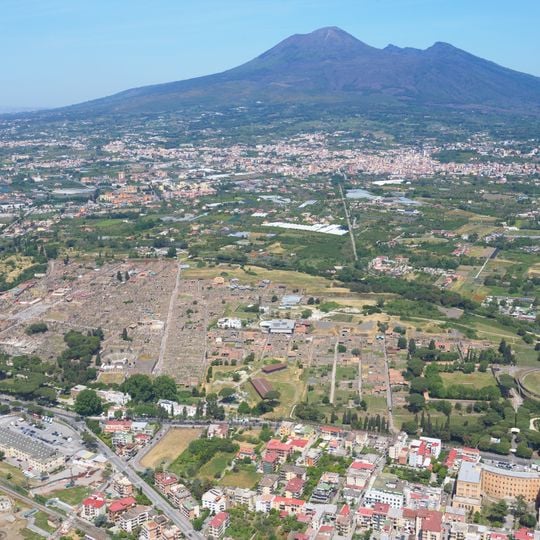
Pompeii, Archaeological site near Naples, Italy
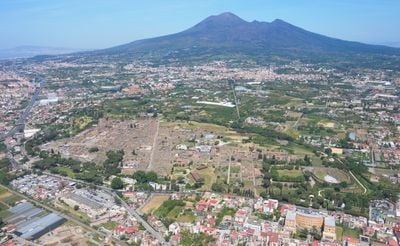
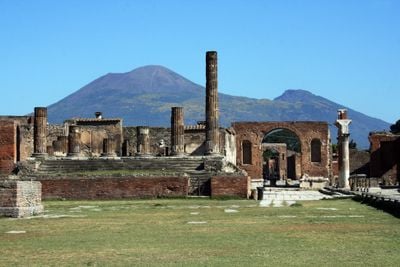
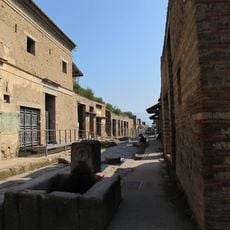
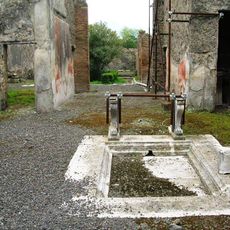
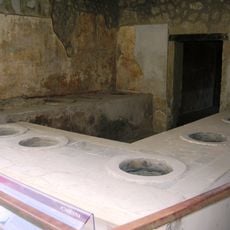
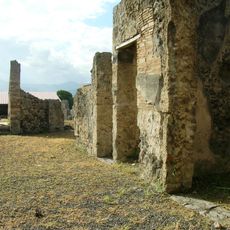
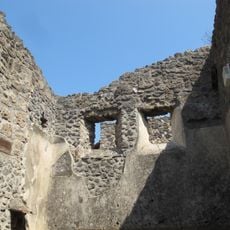
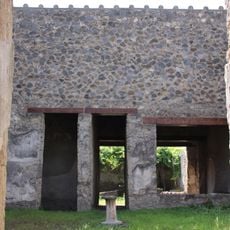
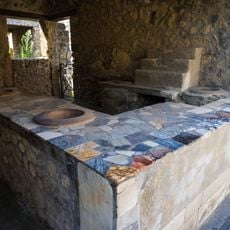
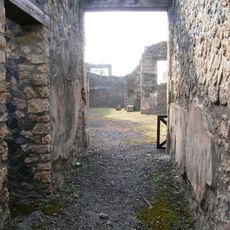
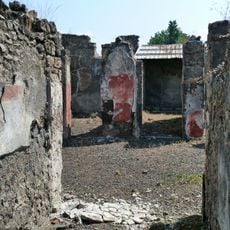
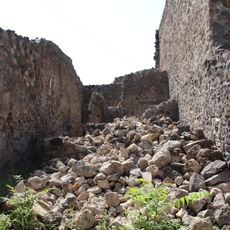
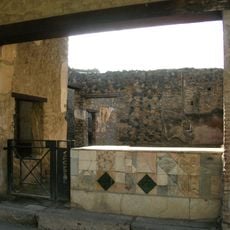
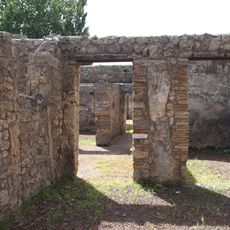
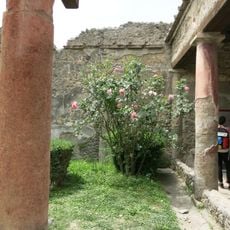
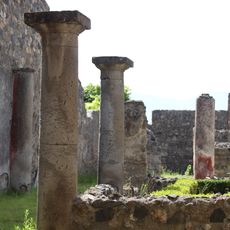
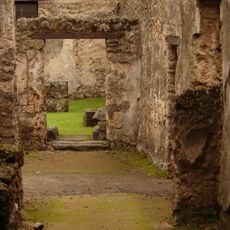
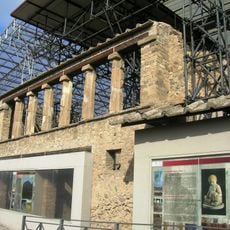
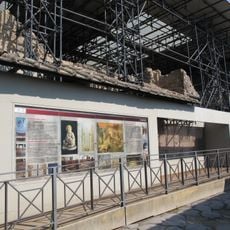
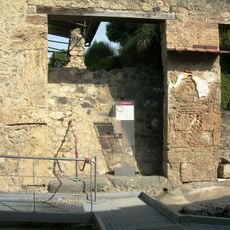
Pompeii is an ancient Roman city near Naples buried under volcanic ash from an eruption. The excavated area contains temples, residences, shops, and public spaces that reveal how the settlement was organized and built.
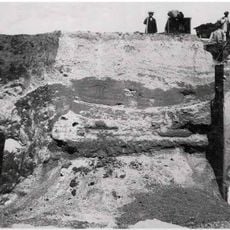
The settlement began developing around the 6th century BC and became a thriving Roman center until the catastrophe in 79 AD. The eruption of Mount Vesuvius buried the entire settlement under ash and volcanic material.
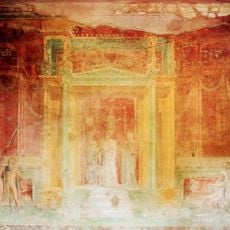
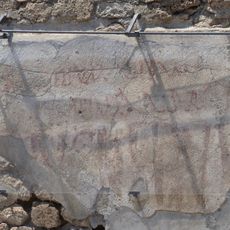
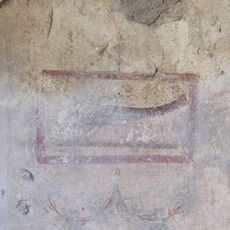
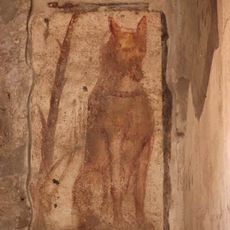
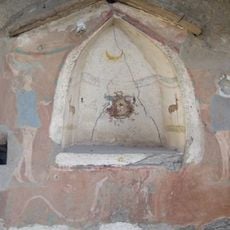
The excavated remains reveal frescoes, mosaics, and architectural details that document how Romans lived and organized their daily activities. Visitors can see the actual spaces where people worked, ate, and spent time together.
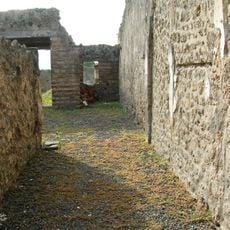
The site can be explored on foot using designated walking paths that wind between the excavated structures. Comfortable shoes and sun protection are important as most areas lack shade.
Volcanic ash created natural cavities around the bodies of people who died during the eruption, which archaeologists later filled with plaster. These casts show the final moments of residents frozen in remarkable detail.
The community of curious travelers
AroundUs brings together thousands of curated places, local tips, and hidden gems, enriched daily by 90,738 contributors worldwide.