See the monuments around you in AROpen chests in the app
Around Us is built for your phone — point your camera at the streets and discover the monuments and places around you in augmented reality.Around Us is built for your phone — chests unlock when you walk, explore and capture nearby places.
These archaeological sites document the development of human civilizations across thousands of years. They range from the earliest known temple structures like Göbekli Tepe in Turkey, dated to around 9500 BCE, to the preserved remains of Pompeii, frozen in time by a volcanic eruption in 79 CE. Each location offers insights into the technical abilities, religious beliefs, and social structures of past cultures.
The collection includes monuments such as the Great Pyramid of Giza in Egypt, standing for over 4,500 years, and Machu Picchu in the Peruvian Andes, a 15th-century Inca stronghold at 7,970 feet (2,430 meters). In China, the Terracotta Army guards the tomb of the first emperor with thousands of life-size soldiers, while Angkor Wat in Cambodia represents the largest religious complex in the world. European sites like Stonehenge in England and the Acropolis in Athens demonstrate prehistoric engineering and classical Greek architecture. These places connect visitors to the societies that built them centuries or millennia ago.
These archaeological sites document the development of human civilizations across thousands of years. They range from the earliest known temple structures like Göbekli Tepe in Turkey, dated to around 9500 BCE, to the preserved remains of Pompeii, frozen in time by a volcanic eruption in 79 CE. Each location offers insights into the technical abilities, religious beliefs, and social structures of past cultures.
The collection includes monuments such as the Great Pyramid of Giza in Egypt, standing for over 4,500 years, and Machu Picchu in the Peruvian Andes, a 15th-century Inca stronghold at 7,970 feet (2,430 meters). In China, the Terracotta Army guards the tomb of the first emperor with thousands of life-size soldiers, while Angkor Wat in Cambodia represents the largest religious complex in the world. European sites like Stonehenge in England and the Acropolis in Athens demonstrate prehistoric engineering and classical Greek architecture. These places connect visitors to the societies that built them centuries or millennia ago.
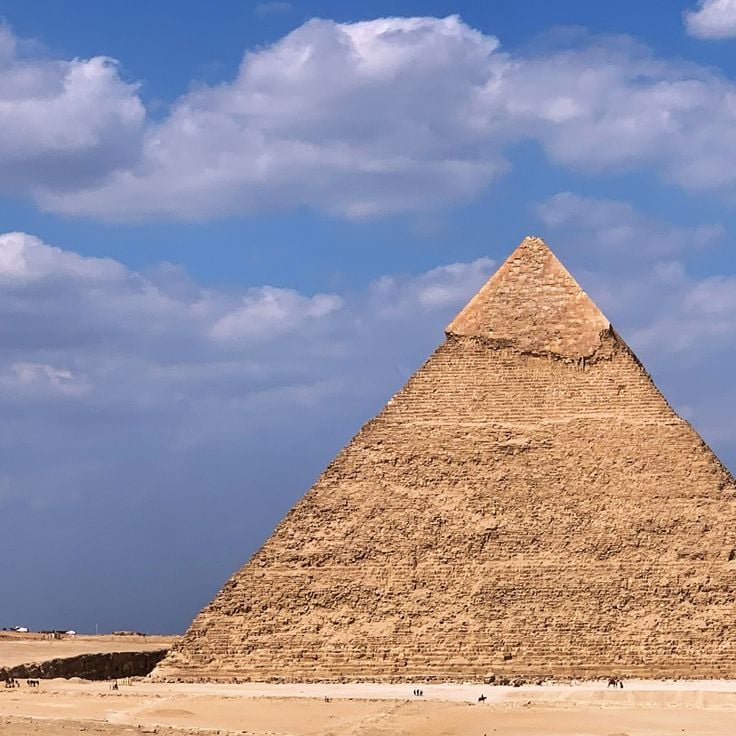
The Great Pyramid of Giza stands as a monumental tomb constructed during the Fourth Dynasty around 2560 BCE for Pharaoh Khufu. This pyramid demonstrates the advanced mathematical and engineering knowledge of ancient Egyptians through its precise alignment with cardinal directions and the exact placement of approximately 2.3 million limestone blocks. With an original height of 481 feet (146 meters), it remained the tallest human-made structure for nearly 4,000 years. The Great Pyramid of Giza illustrates the central role of funerary architecture in ancient Egyptian religious beliefs and social organization.
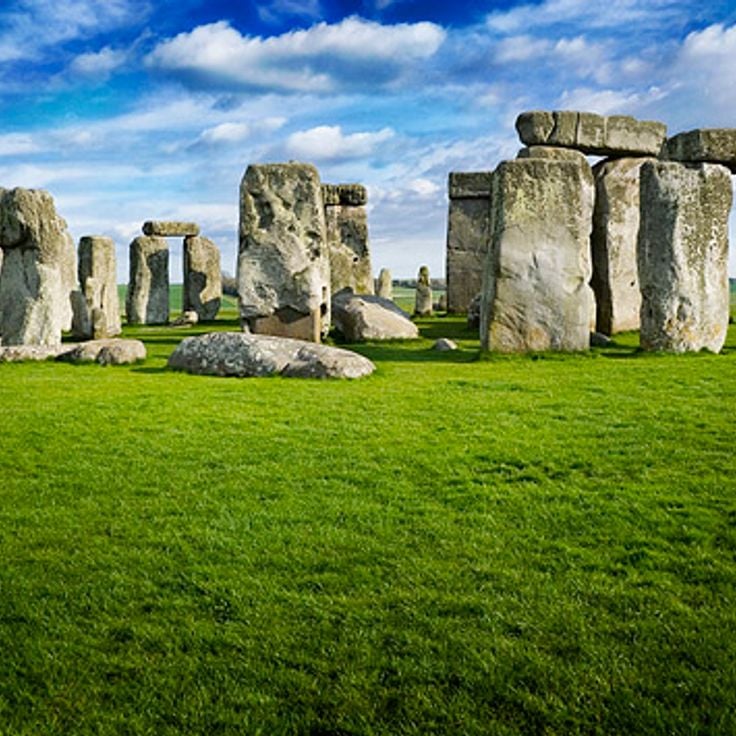
Stonehenge is a prehistoric monument in Wiltshire, England, featuring massive sarsen stones and smaller bluestone blocks arranged in a circular layout. This archaeological site demonstrates the advanced astronomical knowledge and construction techniques of Neolithic and Bronze Age societies. The construction occurred in multiple phases between approximately 3000 and 1500 BCE. The structure includes an outer ring of trilithons, an inner horseshoe arrangement, and a surrounding ditch with earthwork banks. The precise alignment with solstices indicates religious and ceremonial purposes. The transportation of these multi-ton stones (weighing up to 25 tons or 23 metric tons) across considerable distances showcases the organizational capabilities of the builders.
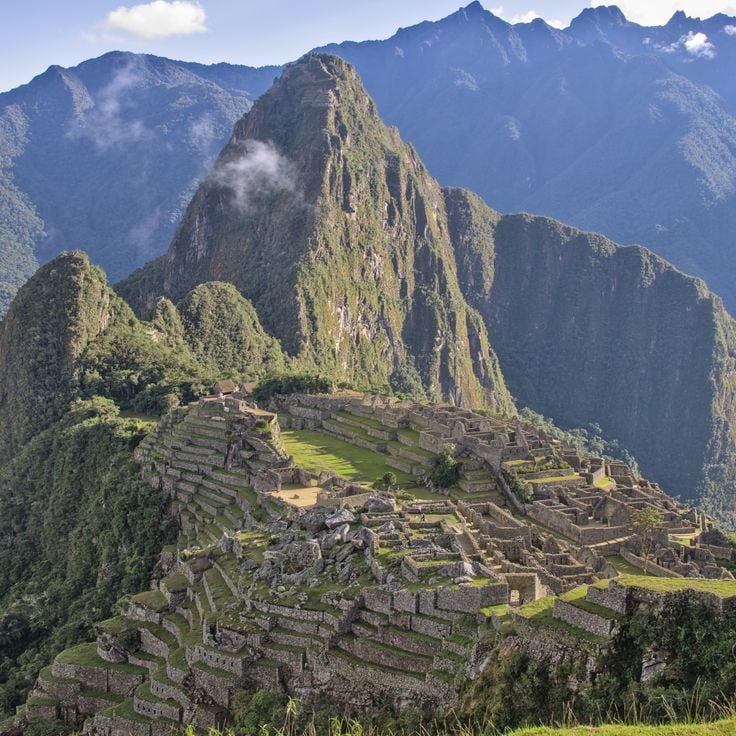
Machu Picchu is a 15th-century Incan city located in the Andes Mountains at 7,970 feet (2,430 meters) elevation. The site was constructed under Inca Pachacuti and includes over 200 stone structures, including temples, residences, terraces, and water distribution systems. The city demonstrates advanced stone masonry without mortar and agricultural techniques through terraced fields. This site reveals the urban planning, religious practices, and architectural capabilities of Incan civilization before Spanish conquest.
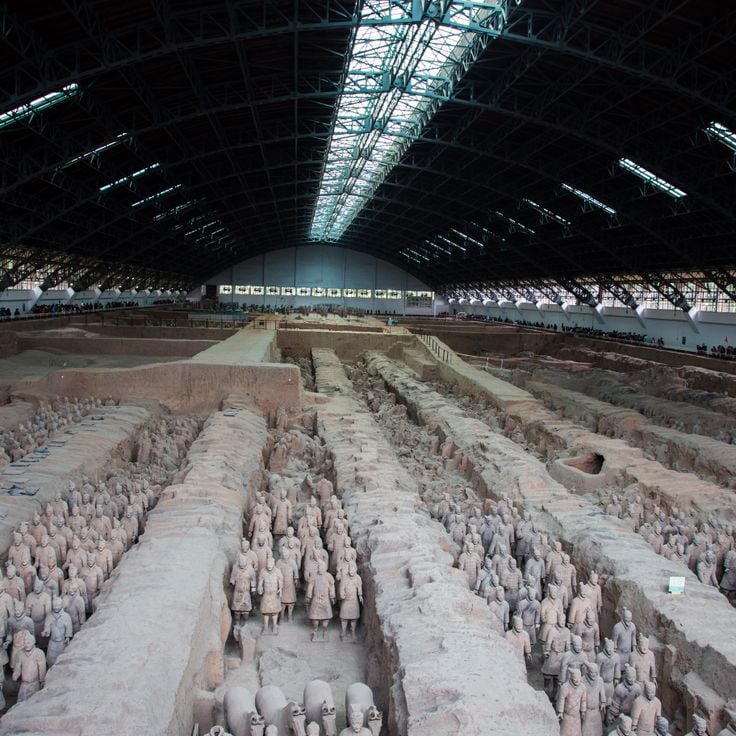
This archaeological site contains thousands of life-size terracotta figures representing soldiers, horses, chariots, and officials from the Qin Dynasty. The Terracotta Army was created from 221 to 210 BC to accompany Emperor Qin Shi Huang in the afterlife. Each figure displays individual facial features, hairstyles, and rank insignia. The excavation site spans several pits and documents the advanced craftsmanship and military organization of ancient China. The site was discovered by farmers in 1974 and continues to reveal details about the burial practices and artistic skills of the period.
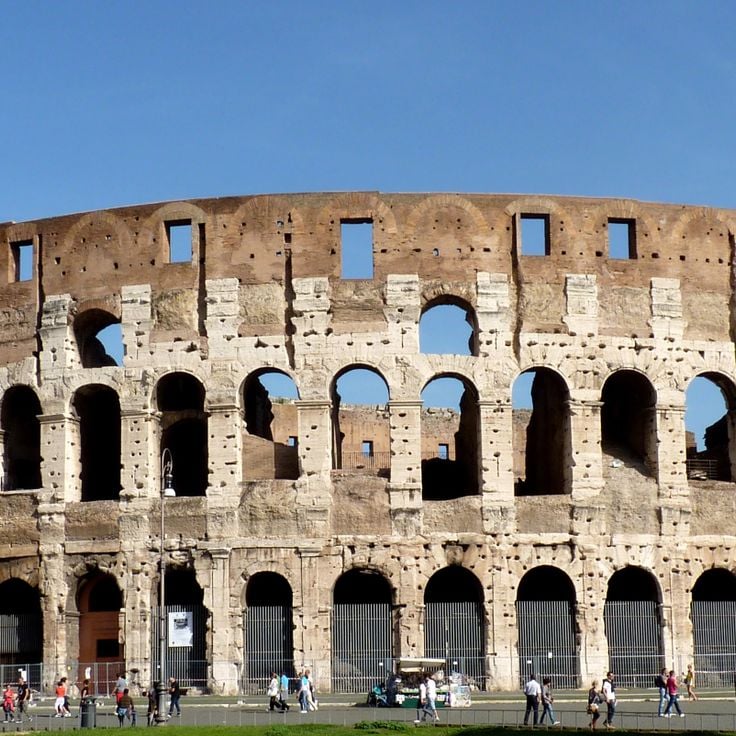
This ancient amphitheater in Rome was constructed between 70 and 80 CE under the Flavian emperors and could accommodate approximately 50,000 spectators. The Colosseum served as a venue for gladiatorial contests, animal hunts, and public spectacles that were central to Roman society and politics. The elliptical structure with its four stories and complex system of passages and underground chambers demonstrates the advanced engineering techniques and organizational capabilities of the Roman Empire in managing mass entertainment events.
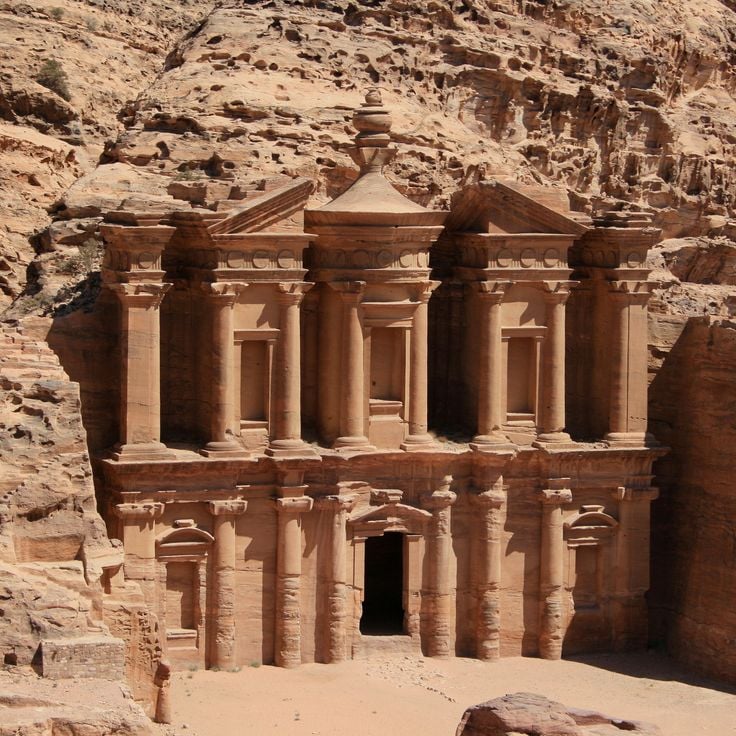
Petra is an archaeological site built by the Nabataeans into the sandstone cliffs of southern Jordan during the 4th century BC. The ancient city served as an important trading center at the crossroads of caravan routes connecting Arabia, Egypt, and the Mediterranean. Its significant structures include the rock-cut Treasury, the Monastery, and a Roman-era amphitheater. The city's water conduit system featured channels, cisterns, and dams that enabled survival in the arid environment. This Nabataean capital demonstrates advanced engineering and architectural techniques of ancient civilization.
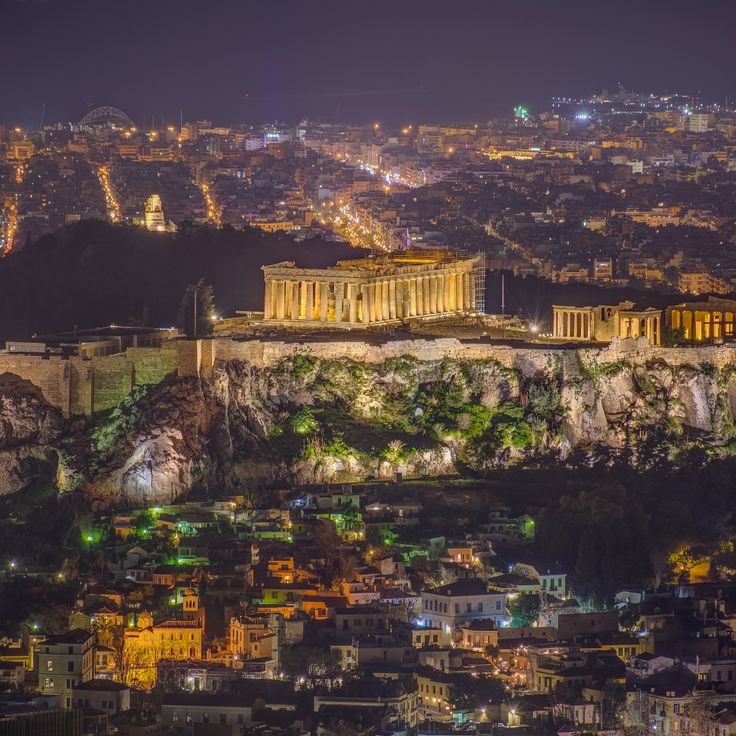
The Acropolis of Athens is an ancient citadel positioned on a rocky hill above the city. This archaeological site contains the remains of the Parthenon, the Erechtheion, the Temple of Athena Nike, and the Propylaea, constructed between the 5th and 4th centuries BCE. The structures at this site demonstrate the architectural and artistic achievements of classical Greece and served religious and ceremonial purposes. The Parthenon was dedicated to the goddess Athena, while the Erechtheion honored multiple deities. This site documents the political and cultural importance of Athens during its classical period.
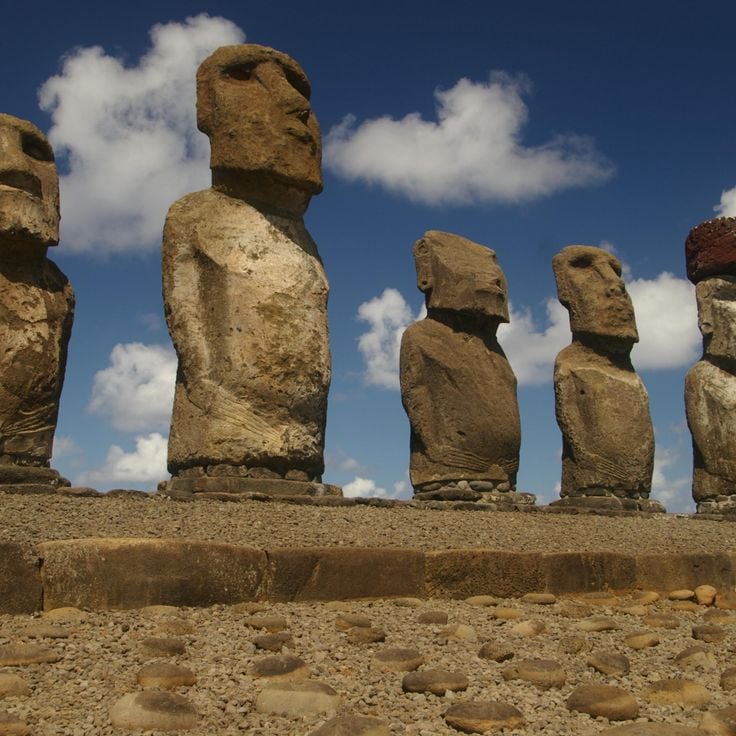
The Easter Island Statues are monumental stone figures created by the Rapa Nui people between 1250 and 1500 CE on the remote Easter Island. These sculptures, known as Moai, were carved from volcanic tuff and likely represent deceased ancestors or chiefs. The statues range from 13 to 33 feet (4 to 10 meters) in height and weigh several tons. They were transported across the island and erected on stone platforms called Ahu. The Moai demonstrate the technical skills and social organization of a Polynesian society that developed in extreme geographic isolation.
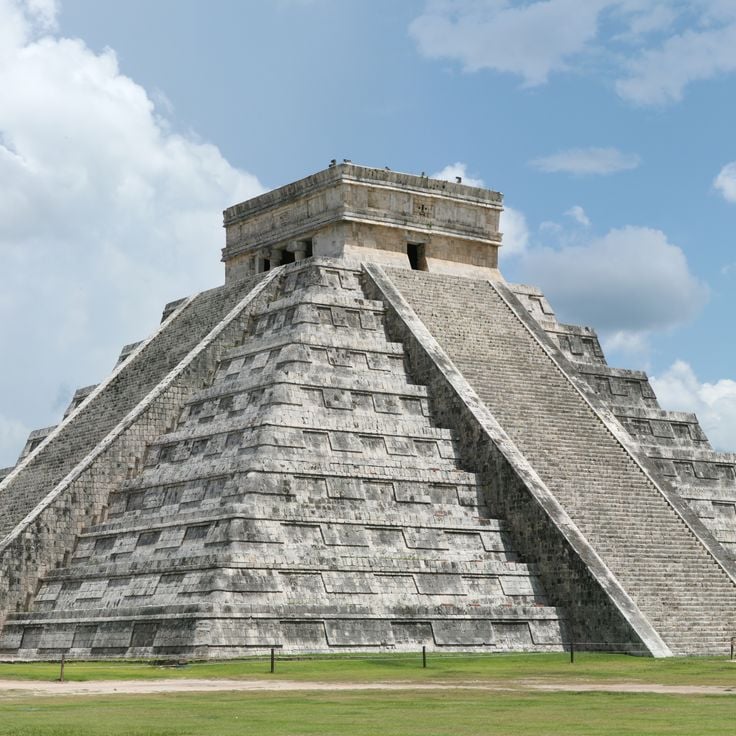
This pre-Columbian city was a major center of Maya civilization on the Yucatan Peninsula. Chichen Itza contains the 98-foot (30-meter) Kukulkan pyramid featuring nine terraces and four staircases with 91 steps each. The archaeological site includes a large ball court, the Temple of Warriors, the El Caracol observatory, and the Cenote Sagrado, a natural well used for religious ceremonies. The structures demonstrate advanced knowledge of astronomy and mathematics, combining Maya architectural elements with influences from central Mexico.
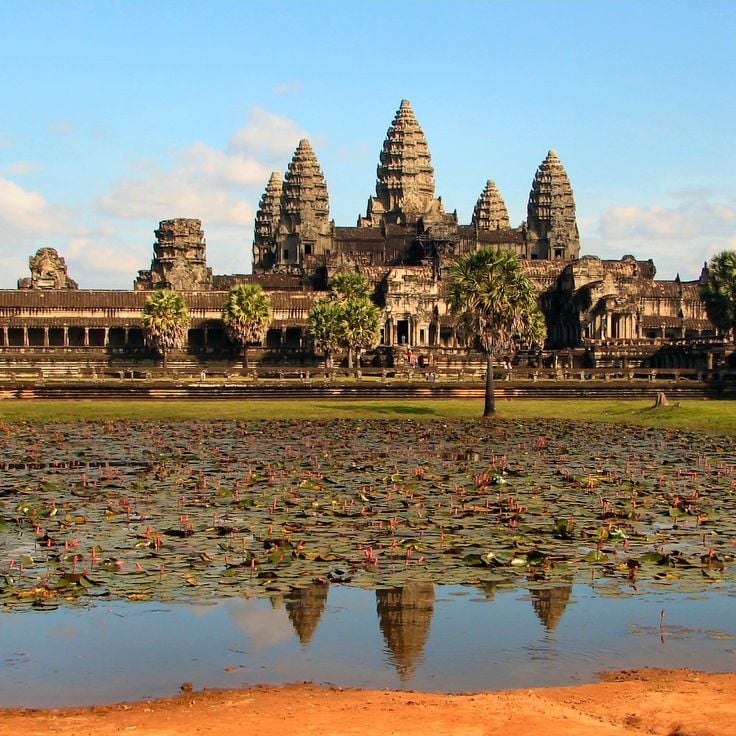
Angkor Wat is the world's largest temple complex, constructed in the 12th century as a Hindu sanctuary before later converting to a Buddhist site. This archaeological complex spans 400 acres (162 hectares) and demonstrates the advanced construction techniques of the Khmer Empire, including sophisticated stone masonry, hydraulic systems, and astronomical alignment. The temple's five towers represent the mythical Mount Meru, while its extensive galleries feature bas-reliefs depicting religious narratives and historical events.
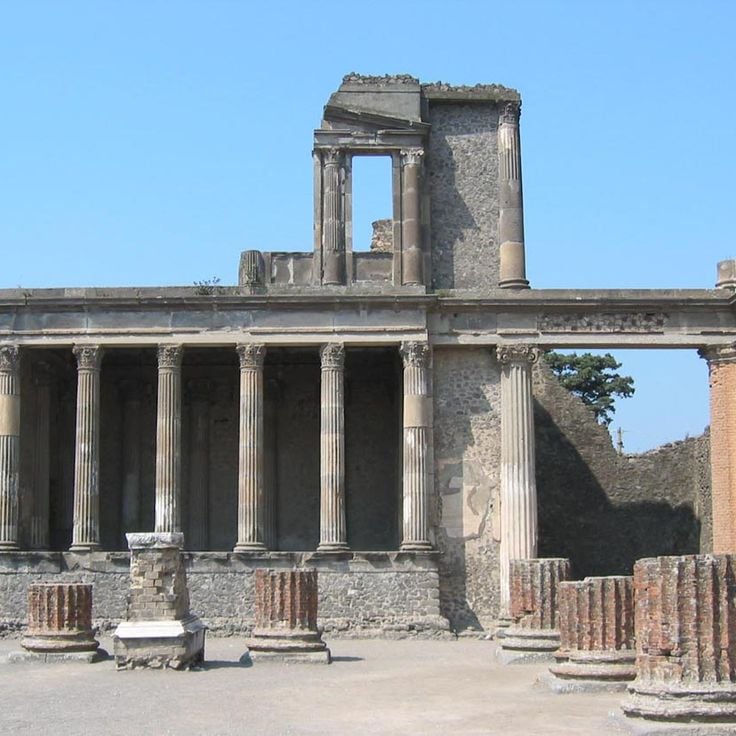
This ancient city was preserved by volcanic ash from the eruption of Mount Vesuvius in 79 AD. Pompeii provides an exceptional view of Roman daily life, with houses, temples, theaters, baths, and public squares remaining intact. The archaeological site shows streets with deep wagon ruts, frescoes on villa walls, workshops, and even casts of residents who died during the disaster. The excavations reveal details about Roman construction methods, social hierarchies, trade practices, and religious rituals of this significant ancient settlement.
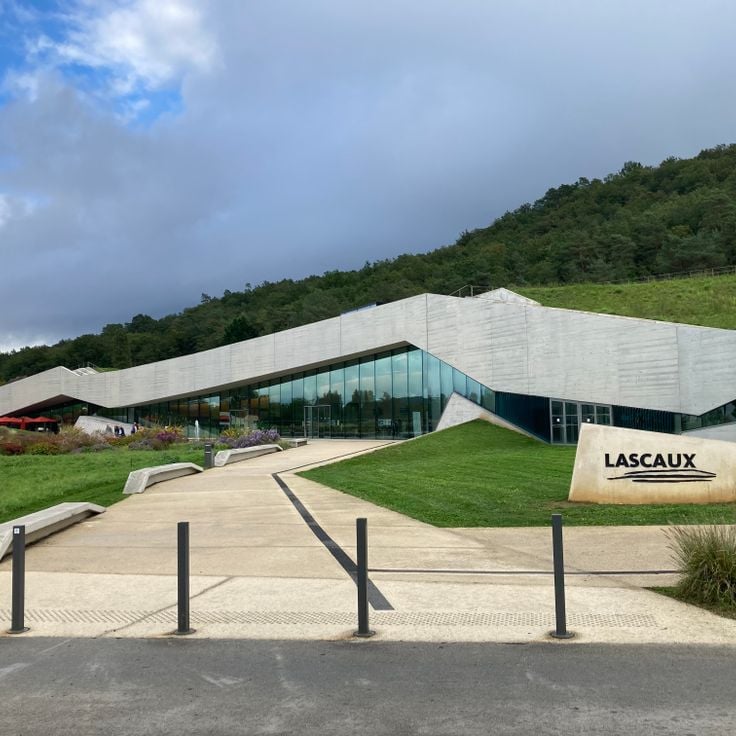
This cave in the Dordogne contains some of the most significant Paleolithic cave paintings in the world. The artwork, created approximately 17,000 years ago, depicts primarily large animals such as aurochs, horses, and deer. The Cave Paintings of Lascaux provide insight into the artistic abilities and daily life of people during the Old Stone Age. The original cave has been closed since 1963, but a replica allows visitors to experience these prehistoric artworks.
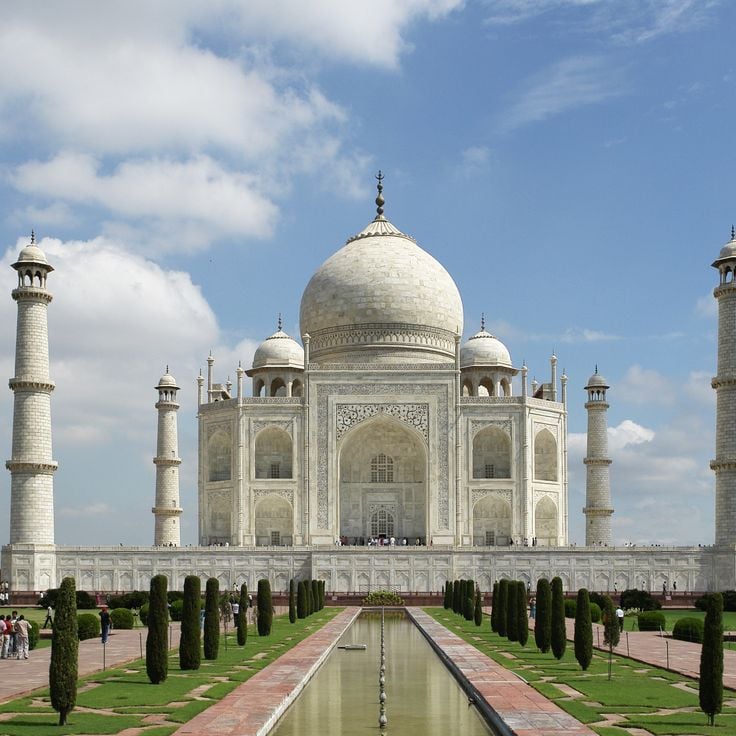
The Taj Mahal is an ivory-white marble mausoleum on the right bank of the Yamuna River. Mughal emperor Shah Jahan commissioned this memorial structure between 1632 and 1653 for his deceased wife Mumtaz Mahal. The complex combines Persian, Islamic, and Indian architectural elements and includes a central domed tomb, four slender minarets, a mosque, and extensive gardens. The marble walls display intricate stone inlay work with semiprecious stones. The monument spans approximately 42 acres (17 hectares) and represents one of the most significant structures from the Mughal period.
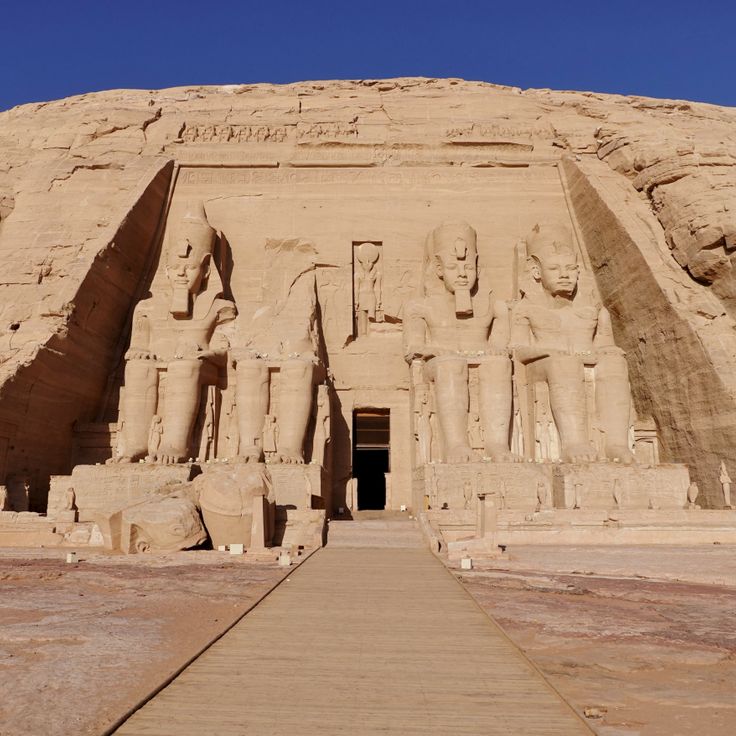
The Abu Simbel Temples are two monumental rock temples built during the reign of Ramesses II in the 13th century BCE. This archaeological site demonstrates the construction techniques and religious practices of Ancient Egypt. The larger temple is dedicated to Ramesses II himself and features four colossal statues of the pharaoh on its facade, each standing 20 meters (66 feet) tall. The smaller temple honors his chief wife Nefertari and the goddess Hathor. These temples were relocated to higher ground in the 1960s to preserve them from the rising waters of Lake Nasser.
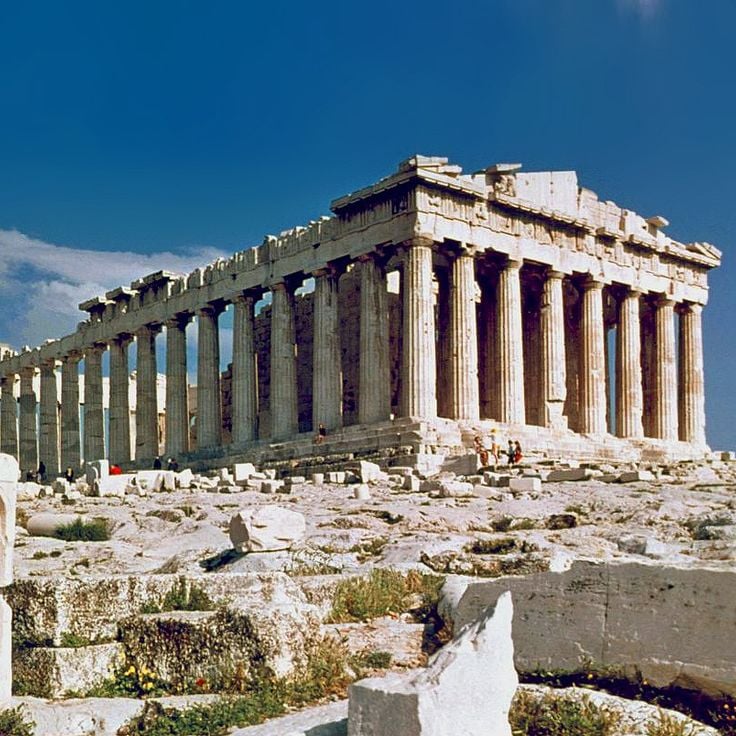
The Parthenon is a former temple on the Athenian Acropolis dedicated to the goddess Athena, constructed in the fifth century BC during the height of Athenian power. This ancient site demonstrates the architectural and artistic capabilities of classical Greek civilization through its Doric columns, precise proportions, and marble sculptures depicting religious and mythological scenes. The Parthenon served as a treasury and religious center, reflecting Athens' political power and the central role of the goddess Athena in the city's life.
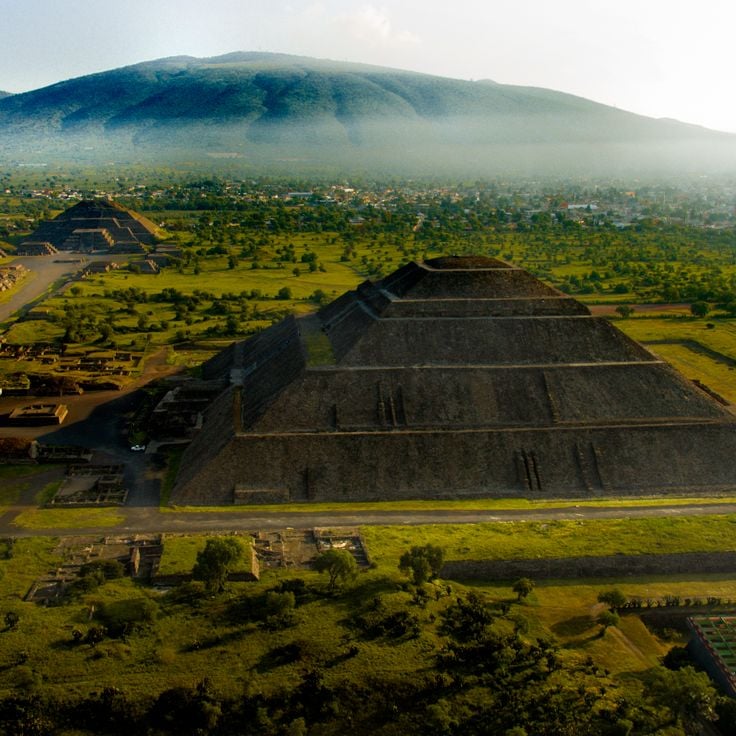
This ancient Mesoamerican city, built between 100 BCE and 650 CE, spans 8 square miles (20 square kilometers) outside Mexico City. Teotihuacan demonstrates the advanced urban planning abilities of its builders through the central Avenue of the Dead, the 216-foot-tall (65-meter) Pyramid of the Sun, and the Pyramid of the Moon. This archaeological site documents the religious ceremonies, architecture, and social organization of one of the largest pre-Columbian cities in the Americas.
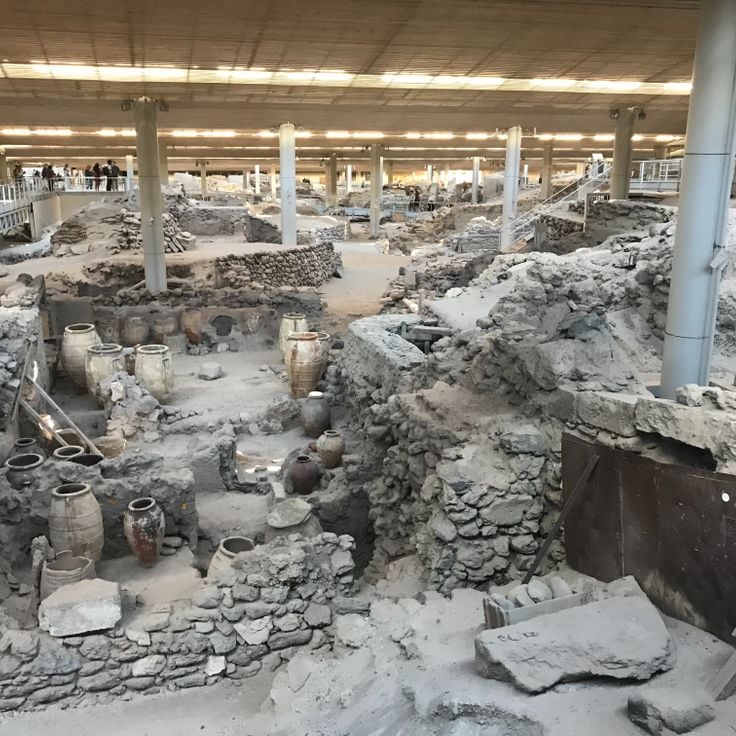
The Santorini Akrotiri Excavations reveal a Bronze Age settlement preserved by a volcanic eruption in the 16th century BCE. This Minoan city contains multistory buildings with well-preserved frescoes depicting daily life, natural scenes, and religious imagery. The excavations have uncovered pottery, stone tools, and advanced drainage systems. The site provides insights into the architecture, trade networks, and social organization of the Aegean Bronze Age. Volcanic ash protected organic materials and architectural details that rarely survive at other sites from this period.
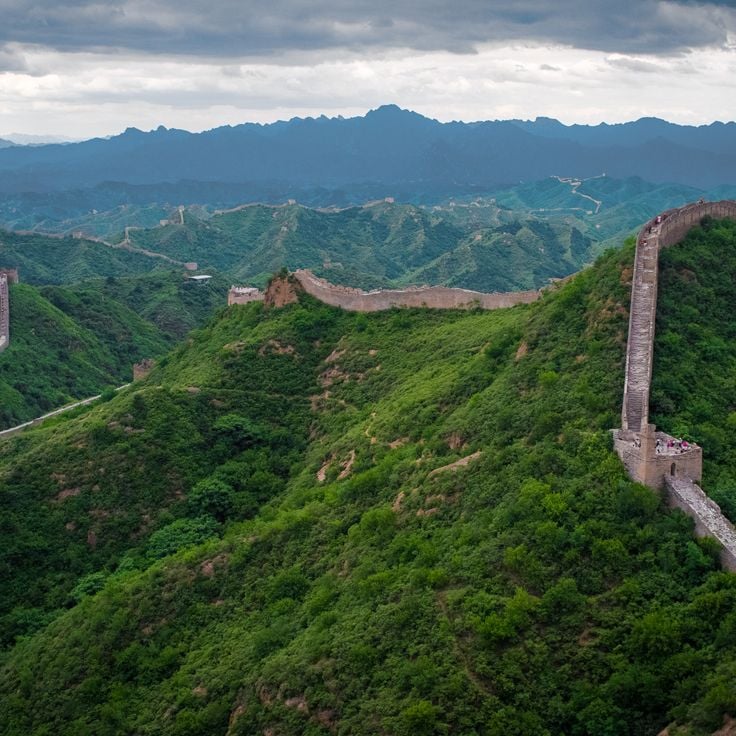
The Great Wall of China represents a monumental defense system constructed across multiple dynasties between the 7th century BCE and the 17th century CE, extending 13,000 miles (21,000 kilometers). This ancient site demonstrates the military strategies, construction techniques, and organizational capabilities of various Chinese ruling periods. The wall traverses diverse landscapes and showcases the evolution of fortification architecture over two millennia.
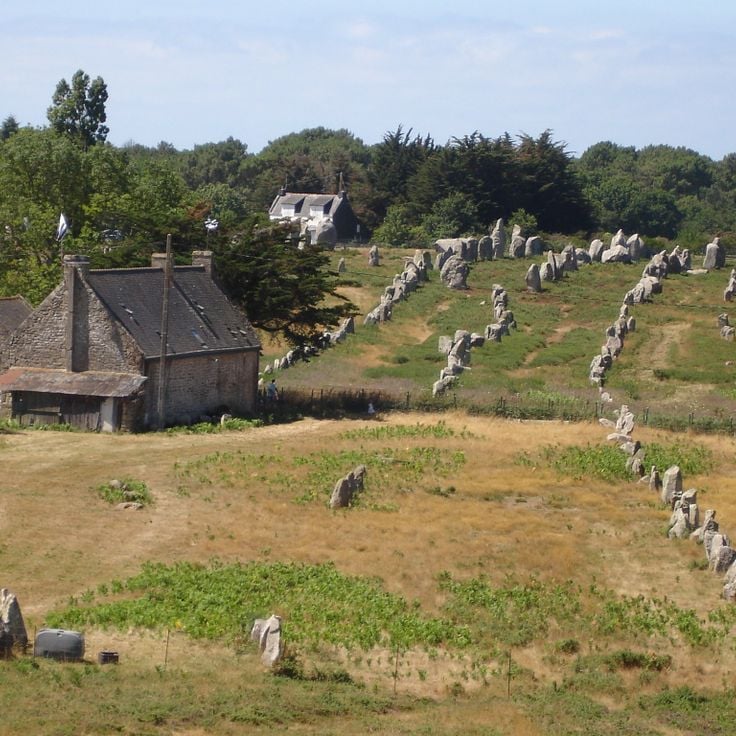
The Carnac Stones comprise over 3000 prehistoric menhirs erected between 4500 and 2500 BCE, extending across 2.5 miles (four kilometers). This archaeological site demonstrates the construction capabilities and possible religious practices of Neolithic societies in Brittany. Arranged in parallel rows, these stones represent one of the most significant megalithic collections in Europe and provide insights into the social organization of the people who erected these monumental structures.
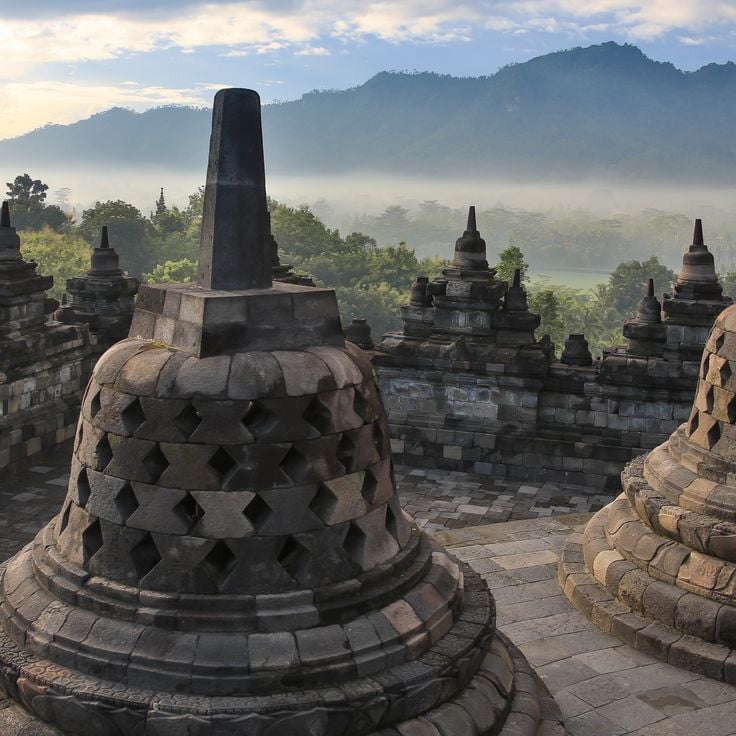
This 8th century Buddhist temple consists of nine stacked platforms containing 504 Buddha statues and 2672 relief panels. Borobudur demonstrates the development of Buddhist architecture in Central Java and combines elements of Indonesian building traditions with Indian models. The reliefs depict scenes from Buddha's life and representations of the Buddhist cosmos. The three upper levels form circular terraces with perforated stupas, while the lower six feature square terraces with wall reliefs. This archaeological site documents religious practices and construction methods of the Sailendra Dynasty.
This port city served as a major trading center from the 13th to 16th centuries, connecting Africa, Arabia, and Asia. The Kilwa Settlement Ruins include stone structures such as the Great Palace, several mosques, and residential complexes that document the economic and architectural development of the East African coast. The site shows the influence of Swahili culture and Islamic building traditions. Coin finds and imported ceramics provide evidence of extensive trade with Persia, India, and China across the Indian Ocean.
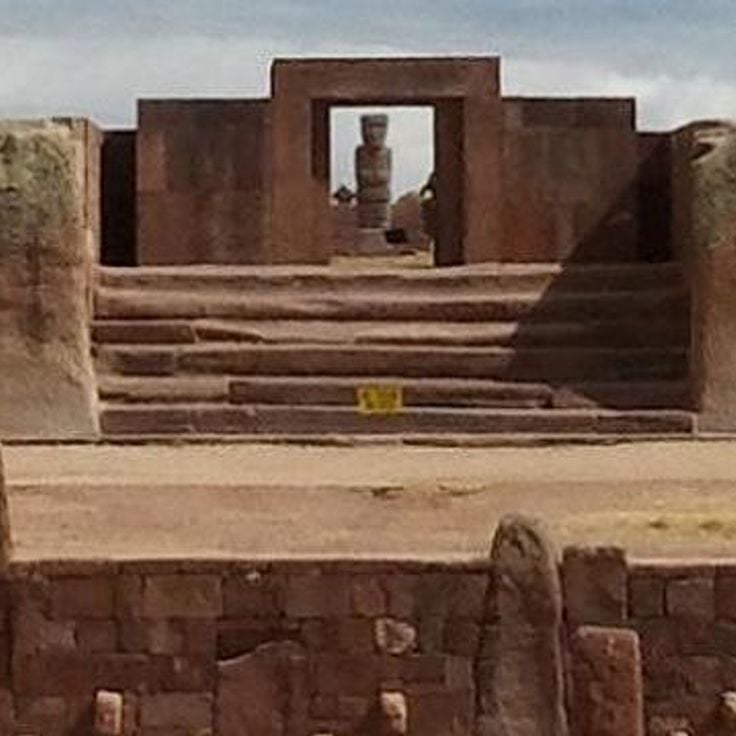
This pre-Columbian site served as the center of a major civilization between 300 BCE and 1000 CE. Tiwanaku demonstrates advanced stone construction techniques through its pyramids, temples, and monoliths. The remains document religious practices and social structures of a society that existed at an elevation of approximately 12,600 feet (3,840 meters) above sea level. The complex includes the Akapana pyramid and Kalasasaya temple, which feature astronomical alignments.
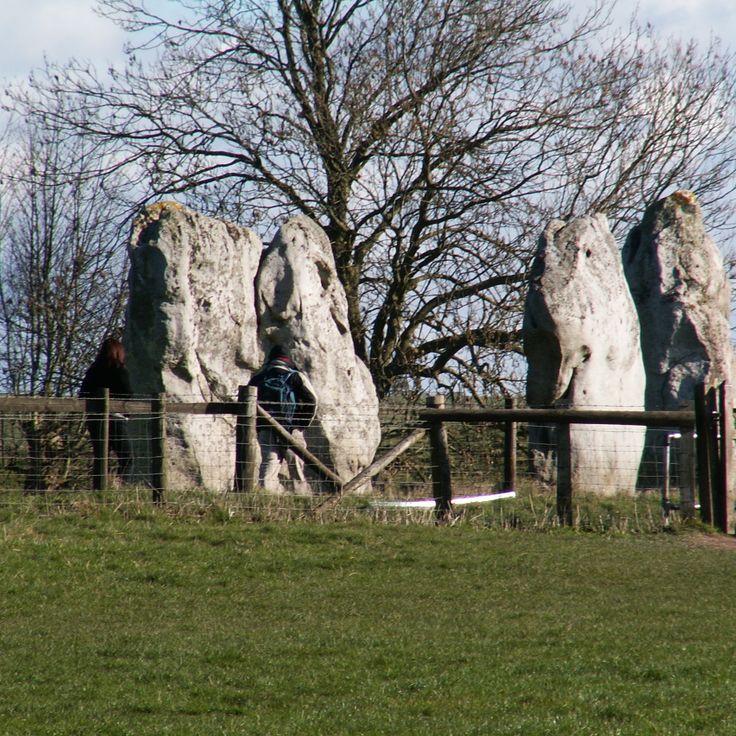
This Neolithic monument consists of multiple stone circles surrounded by a deep ditch and bank, constructed between 2850 BCE and 2200 BCE. Avebury Stone Complex represents one of Europe's largest prehistoric monuments and demonstrates the advanced construction techniques and social organization of Neolithic communities in southern England. The site encompasses the outer stone circle along with two smaller inner circles, documenting the ritual practices of these early agricultural societies.
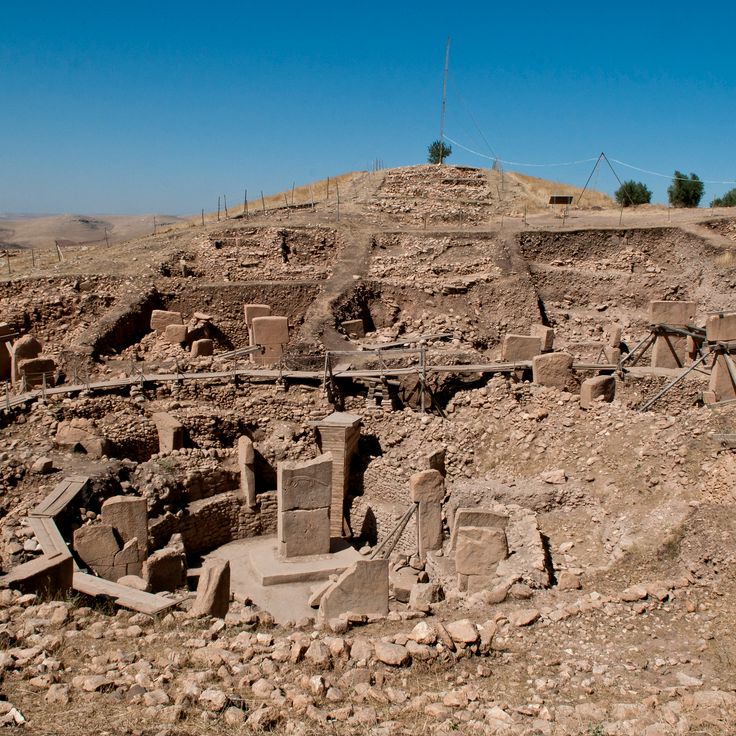
Göbekli Tepe contains stone temple structures from 10,000 BCE with carved pillars arranged in circles featuring animal relief sculptures and geometric patterns. This temple complex represents one of the oldest known monumental constructions in human history, offering insight into the religious practices and social structures of early Neolithic communities. The T-shaped limestone pillars reach heights of up to 18 feet (5.5 meters) and weigh several tons. The reliefs depict foxes, serpents, wild boars, cranes, and other animals. This site documents the transition from hunter-gatherer societies to settled life and fundamentally changed understanding of human civilization's development.
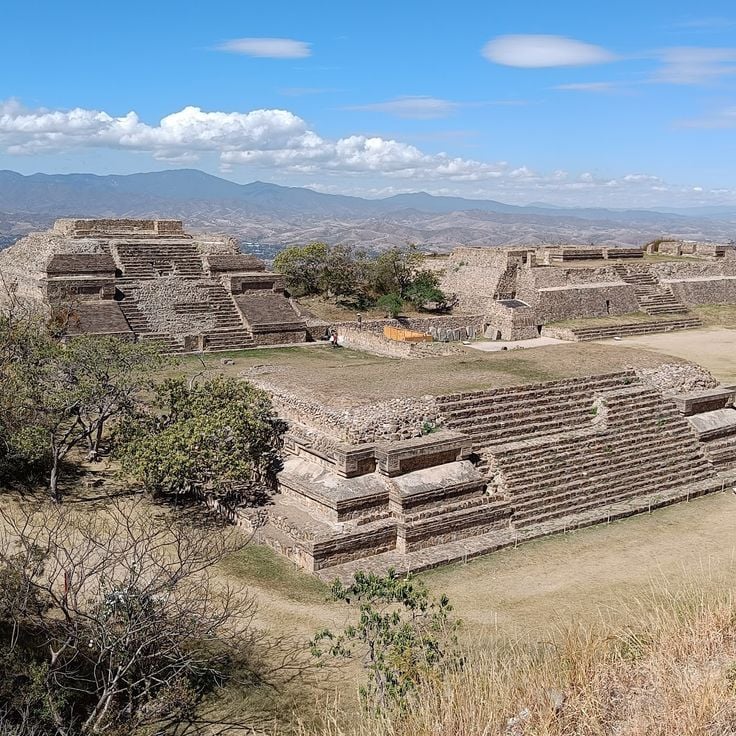
This pre-Columbian site ranks among the most significant archaeological complexes in Mesoamerica, documenting over 1,500 years of continuous occupation. The site features terraced structures, hydraulic systems including dams and canals, multiple pyramids, and artificial mounds. Monte Albán served as a ceremonial and political center for the Zapotec civilization, offering insight into their construction techniques, religious practices, and social organization from approximately 500 BCE to 850 CE.
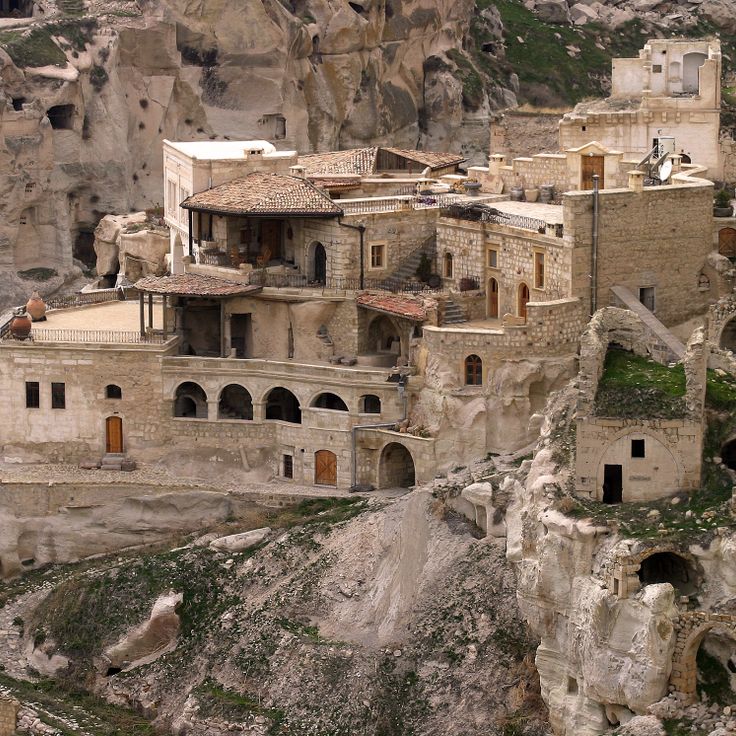
These cave homes carved into Cappadocia's volcanic rock formations demonstrate centuries-old construction techniques that provided shelter and protection since Byzantine times. The structures, excavated into soft tuff layers, formed complex underground settlements with living quarters, storage areas, and chapels. The cave homes' natural insulation offered protection from extreme temperatures, while the multi-level complexes connected through tunnels and shafts. This archaeological site shows how earlier societies used natural geological features to create lasting communities that remained inhabited for centuries, providing insight into construction methods, religious practices, and adaptive strategies in harsh environments.
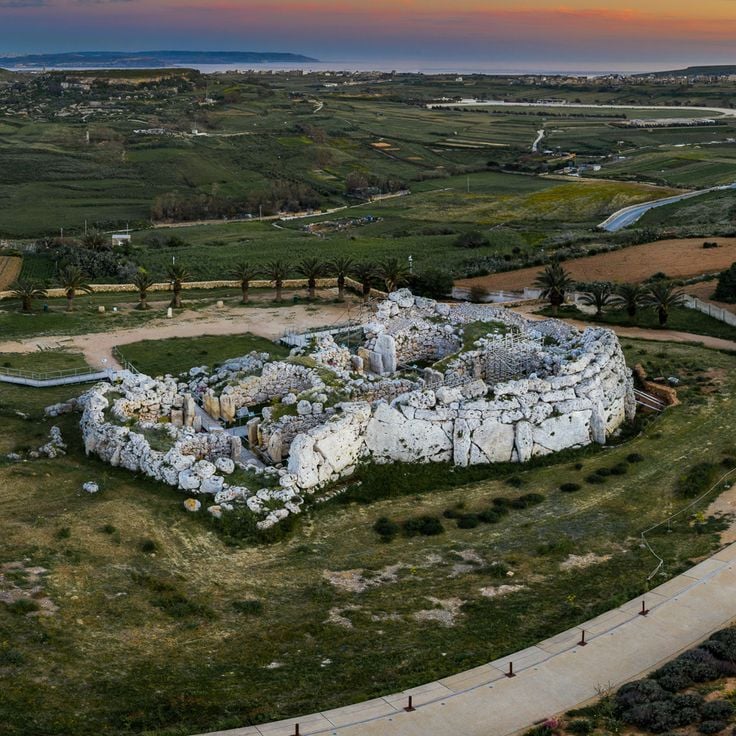
The Megalithic Temples of Malta comprise several prehistoric temple complexes across the islands of Malta and Gozo. These stone structures were built between 3600 and 2500 BC, making them among the oldest free-standing buildings in the world. The temples demonstrate advanced construction techniques of their builders, who worked and transported large limestone blocks without metal tools. The sites feature complex architectural layouts with multiple apses and contain decorative stonework and altars. These temple complexes document the religious practices and social structures of a Neolithic civilization in the Mediterranean region.
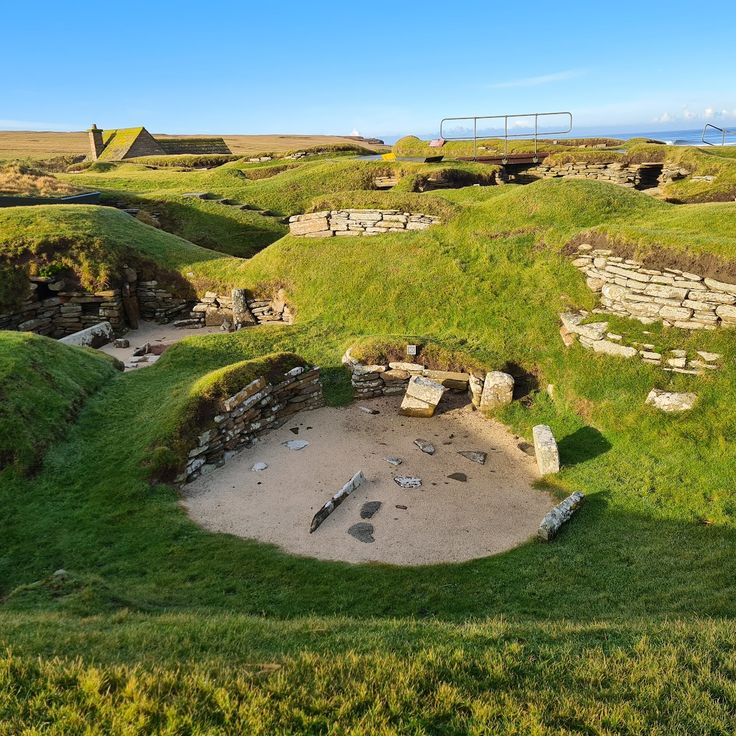
Skara Brae is a Neolithic settlement at the Bay of Skaill on Orkney. The site dates from approximately 3200 to 2200 BCE and consists of eight connected stone houses. This archaeological site displays dwelling structures with stone beds, shelves, and central hearths. The houses were linked by covered passageways and protected by sand and earth. Skara Brae provides insight into the living patterns of Neolithic communities and their construction techniques. The preservation of organic materials allows examination of tools and domestic items from this period.
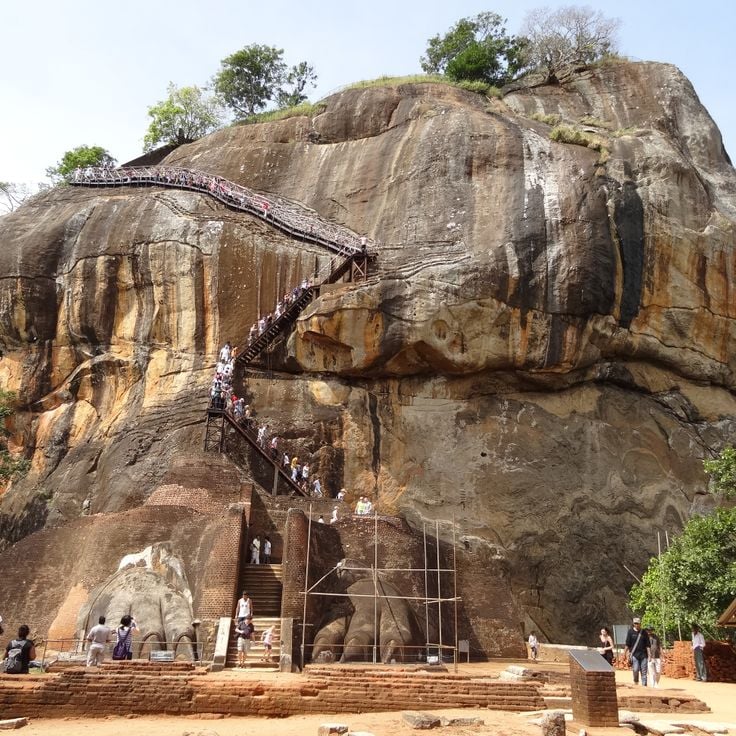
This fortress palace from the fifth century was built on a 660-foot (200-meter) granite rock and demonstrates the architectural and engineering development of early medieval Sri Lanka. The complex combines defensive structures with frescoes and water gardens that document the artistic skills and hydraulic knowledge of its builders. Sigiriya provides insight into the political and cultural structures of this era. The site includes galleries, terraces, and a network of cisterns that evidence the advanced water management of the period.
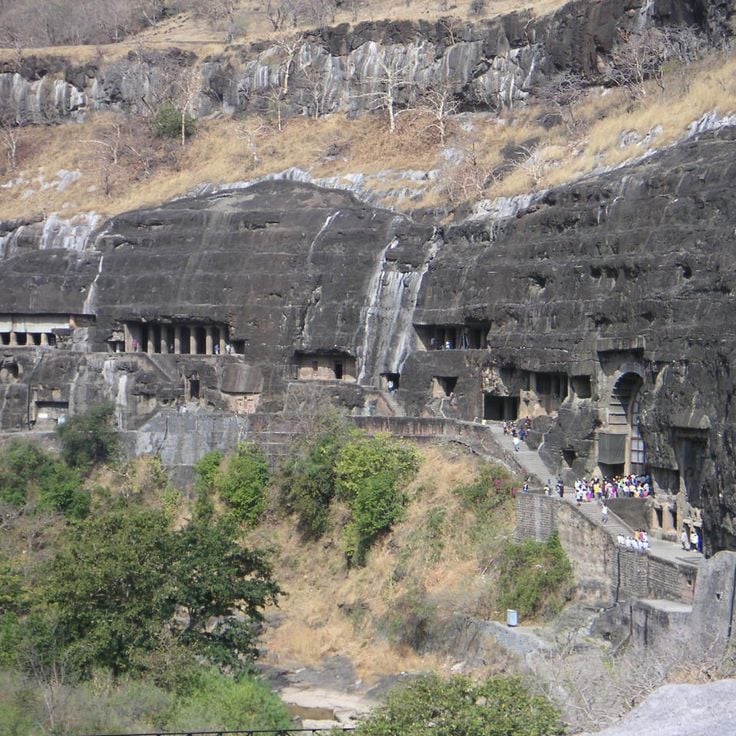
The Ajanta Caves comprise 30 Buddhist cave temples carved into a horseshoe-shaped rock face in Maharashtra, dating from the 2nd century BCE. This archaeological site demonstrates the development of Buddhist art and architecture through wall paintings depicting scenes from the life of Buddha and Jataka tales, along with detailed stone relief carvings. The temples served as prayer halls and living quarters for monks, documenting religious practices and artistic techniques across several centuries.
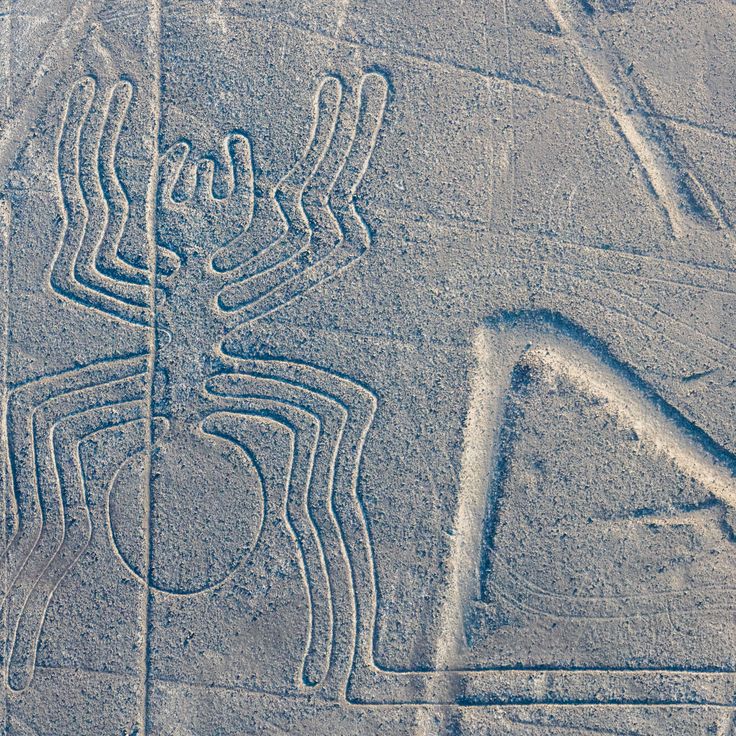
The Nazca Lines are a collection of geoglyphs created between 500 BCE and 500 CE by the Nazca culture in the desert floor. These ground drawings measure between 164 feet and 984 feet (50 and 300 meters) across and depict geometric figures, plants, and over 70 animal representations, including hummingbirds, spiders, monkeys, and whales. The lines were created by removing the oxidized surface layer to reveal the lighter subsurface. They document the astronomical knowledge and ritual practices of Nazca society and provide insight into the technical capabilities of this pre-Columbian civilization.
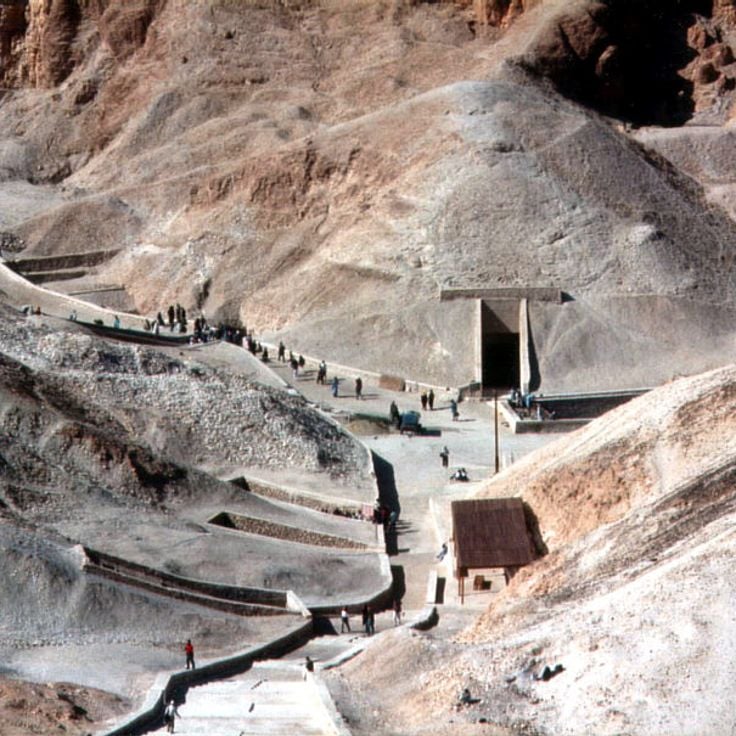
The Valley of the Kings contains 63 underground burial chambers constructed between the 16th and 11th centuries BCE for pharaohs and high-ranking nobles of the New Kingdom. This archaeological site documents ancient Egyptian burial practices and religious beliefs through preserved wall paintings, hieroglyphs, and architectural structures. The tombs were carved into limestone cliffs and decorated with artwork depicting the afterlife. The valley provides important evidence of pharaonic power, social organization, and craft skills during this historical period.
The Great Pyramid of Giza stands as a monumental tomb constructed during the Fourth Dynasty around 2560 BCE for Pharaoh Khufu. This pyramid demonstrates the advanced mathematical and engineering knowledge of ancient Egyptians through its precise alignment with cardinal directions and the exact placement of approximately 2.3 million limestone blocks. With an original height of 481 feet (146 meters), it remained the tallest human-made structure for nearly 4,000 years. The Great Pyramid of Giza illustrates the central role of funerary architecture in ancient Egyptian religious beliefs and social organization.
Stonehenge is a prehistoric monument in Wiltshire, England, featuring massive sarsen stones and smaller bluestone blocks arranged in a circular layout. This archaeological site demonstrates the advanced astronomical knowledge and construction techniques of Neolithic and Bronze Age societies. The construction occurred in multiple phases between approximately 3000 and 1500 BCE. The structure includes an outer ring of trilithons, an inner horseshoe arrangement, and a surrounding ditch with earthwork banks. The precise alignment with solstices indicates religious and ceremonial purposes. The transportation of these multi-ton stones (weighing up to 25 tons or 23 metric tons) across considerable distances showcases the organizational capabilities of the builders.
Machu Picchu is a 15th-century Incan city located in the Andes Mountains at 7,970 feet (2,430 meters) elevation. The site was constructed under Inca Pachacuti and includes over 200 stone structures, including temples, residences, terraces, and water distribution systems. The city demonstrates advanced stone masonry without mortar and agricultural techniques through terraced fields. This site reveals the urban planning, religious practices, and architectural capabilities of Incan civilization before Spanish conquest.
This archaeological site contains thousands of life-size terracotta figures representing soldiers, horses, chariots, and officials from the Qin Dynasty. The Terracotta Army was created from 221 to 210 BC to accompany Emperor Qin Shi Huang in the afterlife. Each figure displays individual facial features, hairstyles, and rank insignia. The excavation site spans several pits and documents the advanced craftsmanship and military organization of ancient China. The site was discovered by farmers in 1974 and continues to reveal details about the burial practices and artistic skills of the period.
This ancient amphitheater in Rome was constructed between 70 and 80 CE under the Flavian emperors and could accommodate approximately 50,000 spectators. The Colosseum served as a venue for gladiatorial contests, animal hunts, and public spectacles that were central to Roman society and politics. The elliptical structure with its four stories and complex system of passages and underground chambers demonstrates the advanced engineering techniques and organizational capabilities of the Roman Empire in managing mass entertainment events.
Petra is an archaeological site built by the Nabataeans into the sandstone cliffs of southern Jordan during the 4th century BC. The ancient city served as an important trading center at the crossroads of caravan routes connecting Arabia, Egypt, and the Mediterranean. Its significant structures include the rock-cut Treasury, the Monastery, and a Roman-era amphitheater. The city's water conduit system featured channels, cisterns, and dams that enabled survival in the arid environment. This Nabataean capital demonstrates advanced engineering and architectural techniques of ancient civilization.
The Acropolis of Athens is an ancient citadel positioned on a rocky hill above the city. This archaeological site contains the remains of the Parthenon, the Erechtheion, the Temple of Athena Nike, and the Propylaea, constructed between the 5th and 4th centuries BCE. The structures at this site demonstrate the architectural and artistic achievements of classical Greece and served religious and ceremonial purposes. The Parthenon was dedicated to the goddess Athena, while the Erechtheion honored multiple deities. This site documents the political and cultural importance of Athens during its classical period.
The Easter Island Statues are monumental stone figures created by the Rapa Nui people between 1250 and 1500 CE on the remote Easter Island. These sculptures, known as Moai, were carved from volcanic tuff and likely represent deceased ancestors or chiefs. The statues range from 13 to 33 feet (4 to 10 meters) in height and weigh several tons. They were transported across the island and erected on stone platforms called Ahu. The Moai demonstrate the technical skills and social organization of a Polynesian society that developed in extreme geographic isolation.
This pre-Columbian city was a major center of Maya civilization on the Yucatan Peninsula. Chichen Itza contains the 98-foot (30-meter) Kukulkan pyramid featuring nine terraces and four staircases with 91 steps each. The archaeological site includes a large ball court, the Temple of Warriors, the El Caracol observatory, and the Cenote Sagrado, a natural well used for religious ceremonies. The structures demonstrate advanced knowledge of astronomy and mathematics, combining Maya architectural elements with influences from central Mexico.
Angkor Wat is the world's largest temple complex, constructed in the 12th century as a Hindu sanctuary before later converting to a Buddhist site. This archaeological complex spans 400 acres (162 hectares) and demonstrates the advanced construction techniques of the Khmer Empire, including sophisticated stone masonry, hydraulic systems, and astronomical alignment. The temple's five towers represent the mythical Mount Meru, while its extensive galleries feature bas-reliefs depicting religious narratives and historical events.
This ancient city was preserved by volcanic ash from the eruption of Mount Vesuvius in 79 AD. Pompeii provides an exceptional view of Roman daily life, with houses, temples, theaters, baths, and public squares remaining intact. The archaeological site shows streets with deep wagon ruts, frescoes on villa walls, workshops, and even casts of residents who died during the disaster. The excavations reveal details about Roman construction methods, social hierarchies, trade practices, and religious rituals of this significant ancient settlement.
This cave in the Dordogne contains some of the most significant Paleolithic cave paintings in the world. The artwork, created approximately 17,000 years ago, depicts primarily large animals such as aurochs, horses, and deer. The Cave Paintings of Lascaux provide insight into the artistic abilities and daily life of people during the Old Stone Age. The original cave has been closed since 1963, but a replica allows visitors to experience these prehistoric artworks.
The Taj Mahal is an ivory-white marble mausoleum on the right bank of the Yamuna River. Mughal emperor Shah Jahan commissioned this memorial structure between 1632 and 1653 for his deceased wife Mumtaz Mahal. The complex combines Persian, Islamic, and Indian architectural elements and includes a central domed tomb, four slender minarets, a mosque, and extensive gardens. The marble walls display intricate stone inlay work with semiprecious stones. The monument spans approximately 42 acres (17 hectares) and represents one of the most significant structures from the Mughal period.
The Abu Simbel Temples are two monumental rock temples built during the reign of Ramesses II in the 13th century BCE. This archaeological site demonstrates the construction techniques and religious practices of Ancient Egypt. The larger temple is dedicated to Ramesses II himself and features four colossal statues of the pharaoh on its facade, each standing 20 meters (66 feet) tall. The smaller temple honors his chief wife Nefertari and the goddess Hathor. These temples were relocated to higher ground in the 1960s to preserve them from the rising waters of Lake Nasser.
The Parthenon is a former temple on the Athenian Acropolis dedicated to the goddess Athena, constructed in the fifth century BC during the height of Athenian power. This ancient site demonstrates the architectural and artistic capabilities of classical Greek civilization through its Doric columns, precise proportions, and marble sculptures depicting religious and mythological scenes. The Parthenon served as a treasury and religious center, reflecting Athens' political power and the central role of the goddess Athena in the city's life.
This ancient Mesoamerican city, built between 100 BCE and 650 CE, spans 8 square miles (20 square kilometers) outside Mexico City. Teotihuacan demonstrates the advanced urban planning abilities of its builders through the central Avenue of the Dead, the 216-foot-tall (65-meter) Pyramid of the Sun, and the Pyramid of the Moon. This archaeological site documents the religious ceremonies, architecture, and social organization of one of the largest pre-Columbian cities in the Americas.
The Santorini Akrotiri Excavations reveal a Bronze Age settlement preserved by a volcanic eruption in the 16th century BCE. This Minoan city contains multistory buildings with well-preserved frescoes depicting daily life, natural scenes, and religious imagery. The excavations have uncovered pottery, stone tools, and advanced drainage systems. The site provides insights into the architecture, trade networks, and social organization of the Aegean Bronze Age. Volcanic ash protected organic materials and architectural details that rarely survive at other sites from this period.
The Great Wall of China represents a monumental defense system constructed across multiple dynasties between the 7th century BCE and the 17th century CE, extending 13,000 miles (21,000 kilometers). This ancient site demonstrates the military strategies, construction techniques, and organizational capabilities of various Chinese ruling periods. The wall traverses diverse landscapes and showcases the evolution of fortification architecture over two millennia.
The Carnac Stones comprise over 3000 prehistoric menhirs erected between 4500 and 2500 BCE, extending across 2.5 miles (four kilometers). This archaeological site demonstrates the construction capabilities and possible religious practices of Neolithic societies in Brittany. Arranged in parallel rows, these stones represent one of the most significant megalithic collections in Europe and provide insights into the social organization of the people who erected these monumental structures.
This 8th century Buddhist temple consists of nine stacked platforms containing 504 Buddha statues and 2672 relief panels. Borobudur demonstrates the development of Buddhist architecture in Central Java and combines elements of Indonesian building traditions with Indian models. The reliefs depict scenes from Buddha's life and representations of the Buddhist cosmos. The three upper levels form circular terraces with perforated stupas, while the lower six feature square terraces with wall reliefs. This archaeological site documents religious practices and construction methods of the Sailendra Dynasty.
This port city served as a major trading center from the 13th to 16th centuries, connecting Africa, Arabia, and Asia. The Kilwa Settlement Ruins include stone structures such as the Great Palace, several mosques, and residential complexes that document the economic and architectural development of the East African coast. The site shows the influence of Swahili culture and Islamic building traditions. Coin finds and imported ceramics provide evidence of extensive trade with Persia, India, and China across the Indian Ocean.
This pre-Columbian site served as the center of a major civilization between 300 BCE and 1000 CE. Tiwanaku demonstrates advanced stone construction techniques through its pyramids, temples, and monoliths. The remains document religious practices and social structures of a society that existed at an elevation of approximately 12,600 feet (3,840 meters) above sea level. The complex includes the Akapana pyramid and Kalasasaya temple, which feature astronomical alignments.
This Neolithic monument consists of multiple stone circles surrounded by a deep ditch and bank, constructed between 2850 BCE and 2200 BCE. Avebury Stone Complex represents one of Europe's largest prehistoric monuments and demonstrates the advanced construction techniques and social organization of Neolithic communities in southern England. The site encompasses the outer stone circle along with two smaller inner circles, documenting the ritual practices of these early agricultural societies.
Göbekli Tepe contains stone temple structures from 10,000 BCE with carved pillars arranged in circles featuring animal relief sculptures and geometric patterns. This temple complex represents one of the oldest known monumental constructions in human history, offering insight into the religious practices and social structures of early Neolithic communities. The T-shaped limestone pillars reach heights of up to 18 feet (5.5 meters) and weigh several tons. The reliefs depict foxes, serpents, wild boars, cranes, and other animals. This site documents the transition from hunter-gatherer societies to settled life and fundamentally changed understanding of human civilization's development.
This pre-Columbian site ranks among the most significant archaeological complexes in Mesoamerica, documenting over 1,500 years of continuous occupation. The site features terraced structures, hydraulic systems including dams and canals, multiple pyramids, and artificial mounds. Monte Albán served as a ceremonial and political center for the Zapotec civilization, offering insight into their construction techniques, religious practices, and social organization from approximately 500 BCE to 850 CE.
These cave homes carved into Cappadocia's volcanic rock formations demonstrate centuries-old construction techniques that provided shelter and protection since Byzantine times. The structures, excavated into soft tuff layers, formed complex underground settlements with living quarters, storage areas, and chapels. The cave homes' natural insulation offered protection from extreme temperatures, while the multi-level complexes connected through tunnels and shafts. This archaeological site shows how earlier societies used natural geological features to create lasting communities that remained inhabited for centuries, providing insight into construction methods, religious practices, and adaptive strategies in harsh environments.
The Megalithic Temples of Malta comprise several prehistoric temple complexes across the islands of Malta and Gozo. These stone structures were built between 3600 and 2500 BC, making them among the oldest free-standing buildings in the world. The temples demonstrate advanced construction techniques of their builders, who worked and transported large limestone blocks without metal tools. The sites feature complex architectural layouts with multiple apses and contain decorative stonework and altars. These temple complexes document the religious practices and social structures of a Neolithic civilization in the Mediterranean region.
Skara Brae is a Neolithic settlement at the Bay of Skaill on Orkney. The site dates from approximately 3200 to 2200 BCE and consists of eight connected stone houses. This archaeological site displays dwelling structures with stone beds, shelves, and central hearths. The houses were linked by covered passageways and protected by sand and earth. Skara Brae provides insight into the living patterns of Neolithic communities and their construction techniques. The preservation of organic materials allows examination of tools and domestic items from this period.
This fortress palace from the fifth century was built on a 660-foot (200-meter) granite rock and demonstrates the architectural and engineering development of early medieval Sri Lanka. The complex combines defensive structures with frescoes and water gardens that document the artistic skills and hydraulic knowledge of its builders. Sigiriya provides insight into the political and cultural structures of this era. The site includes galleries, terraces, and a network of cisterns that evidence the advanced water management of the period.
The Ajanta Caves comprise 30 Buddhist cave temples carved into a horseshoe-shaped rock face in Maharashtra, dating from the 2nd century BCE. This archaeological site demonstrates the development of Buddhist art and architecture through wall paintings depicting scenes from the life of Buddha and Jataka tales, along with detailed stone relief carvings. The temples served as prayer halls and living quarters for monks, documenting religious practices and artistic techniques across several centuries.
The Nazca Lines are a collection of geoglyphs created between 500 BCE and 500 CE by the Nazca culture in the desert floor. These ground drawings measure between 164 feet and 984 feet (50 and 300 meters) across and depict geometric figures, plants, and over 70 animal representations, including hummingbirds, spiders, monkeys, and whales. The lines were created by removing the oxidized surface layer to reveal the lighter subsurface. They document the astronomical knowledge and ritual practices of Nazca society and provide insight into the technical capabilities of this pre-Columbian civilization.
The Valley of the Kings contains 63 underground burial chambers constructed between the 16th and 11th centuries BCE for pharaohs and high-ranking nobles of the New Kingdom. This archaeological site documents ancient Egyptian burial practices and religious beliefs through preserved wall paintings, hieroglyphs, and architectural structures. The tombs were carved into limestone cliffs and decorated with artwork depicting the afterlife. The valley provides important evidence of pharaonic power, social organization, and craft skills during this historical period.
The Great Pyramid of Giza stands as a monumental tomb constructed during the Fourth Dynasty around 2560 BCE for Pharaoh Khufu. This pyramid demonstrates the advanced mathematical and engineering knowledge of ancient Egyptians through its precise alignment with cardinal directions and the exact placement of approximately 2.3 million limestone blocks. With an original height of 481 feet (146 meters), it remained the tallest human-made structure for nearly 4,000 years. The Great Pyramid of Giza illustrates the central role of funerary architecture in ancient Egyptian religious beliefs and social organization.
Stonehenge is a prehistoric monument in Wiltshire, England, featuring massive sarsen stones and smaller bluestone blocks arranged in a circular layout. This archaeological site demonstrates the advanced astronomical knowledge and construction techniques of Neolithic and Bronze Age societies. The construction occurred in multiple phases between approximately 3000 and 1500 BCE. The structure includes an outer ring of trilithons, an inner horseshoe arrangement, and a surrounding ditch with earthwork banks. The precise alignment with solstices indicates religious and ceremonial purposes. The transportation of these multi-ton stones (weighing up to 25 tons or 23 metric tons) across considerable distances showcases the organizational capabilities of the builders.
Machu Picchu is a 15th-century Incan city located in the Andes Mountains at 7,970 feet (2,430 meters) elevation. The site was constructed under Inca Pachacuti and includes over 200 stone structures, including temples, residences, terraces, and water distribution systems. The city demonstrates advanced stone masonry without mortar and agricultural techniques through terraced fields. This site reveals the urban planning, religious practices, and architectural capabilities of Incan civilization before Spanish conquest.
This archaeological site contains thousands of life-size terracotta figures representing soldiers, horses, chariots, and officials from the Qin Dynasty. The Terracotta Army was created from 221 to 210 BC to accompany Emperor Qin Shi Huang in the afterlife. Each figure displays individual facial features, hairstyles, and rank insignia. The excavation site spans several pits and documents the advanced craftsmanship and military organization of ancient China. The site was discovered by farmers in 1974 and continues to reveal details about the burial practices and artistic skills of the period.
This ancient amphitheater in Rome was constructed between 70 and 80 CE under the Flavian emperors and could accommodate approximately 50,000 spectators. The Colosseum served as a venue for gladiatorial contests, animal hunts, and public spectacles that were central to Roman society and politics. The elliptical structure with its four stories and complex system of passages and underground chambers demonstrates the advanced engineering techniques and organizational capabilities of the Roman Empire in managing mass entertainment events.
Petra is an archaeological site built by the Nabataeans into the sandstone cliffs of southern Jordan during the 4th century BC. The ancient city served as an important trading center at the crossroads of caravan routes connecting Arabia, Egypt, and the Mediterranean. Its significant structures include the rock-cut Treasury, the Monastery, and a Roman-era amphitheater. The city's water conduit system featured channels, cisterns, and dams that enabled survival in the arid environment. This Nabataean capital demonstrates advanced engineering and architectural techniques of ancient civilization.
The Acropolis of Athens is an ancient citadel positioned on a rocky hill above the city. This archaeological site contains the remains of the Parthenon, the Erechtheion, the Temple of Athena Nike, and the Propylaea, constructed between the 5th and 4th centuries BCE. The structures at this site demonstrate the architectural and artistic achievements of classical Greece and served religious and ceremonial purposes. The Parthenon was dedicated to the goddess Athena, while the Erechtheion honored multiple deities. This site documents the political and cultural importance of Athens during its classical period.
The Easter Island Statues are monumental stone figures created by the Rapa Nui people between 1250 and 1500 CE on the remote Easter Island. These sculptures, known as Moai, were carved from volcanic tuff and likely represent deceased ancestors or chiefs. The statues range from 13 to 33 feet (4 to 10 meters) in height and weigh several tons. They were transported across the island and erected on stone platforms called Ahu. The Moai demonstrate the technical skills and social organization of a Polynesian society that developed in extreme geographic isolation.
This pre-Columbian city was a major center of Maya civilization on the Yucatan Peninsula. Chichen Itza contains the 98-foot (30-meter) Kukulkan pyramid featuring nine terraces and four staircases with 91 steps each. The archaeological site includes a large ball court, the Temple of Warriors, the El Caracol observatory, and the Cenote Sagrado, a natural well used for religious ceremonies. The structures demonstrate advanced knowledge of astronomy and mathematics, combining Maya architectural elements with influences from central Mexico.
Angkor Wat is the world's largest temple complex, constructed in the 12th century as a Hindu sanctuary before later converting to a Buddhist site. This archaeological complex spans 400 acres (162 hectares) and demonstrates the advanced construction techniques of the Khmer Empire, including sophisticated stone masonry, hydraulic systems, and astronomical alignment. The temple's five towers represent the mythical Mount Meru, while its extensive galleries feature bas-reliefs depicting religious narratives and historical events.
This ancient city was preserved by volcanic ash from the eruption of Mount Vesuvius in 79 AD. Pompeii provides an exceptional view of Roman daily life, with houses, temples, theaters, baths, and public squares remaining intact. The archaeological site shows streets with deep wagon ruts, frescoes on villa walls, workshops, and even casts of residents who died during the disaster. The excavations reveal details about Roman construction methods, social hierarchies, trade practices, and religious rituals of this significant ancient settlement.
This cave in the Dordogne contains some of the most significant Paleolithic cave paintings in the world. The artwork, created approximately 17,000 years ago, depicts primarily large animals such as aurochs, horses, and deer. The Cave Paintings of Lascaux provide insight into the artistic abilities and daily life of people during the Old Stone Age. The original cave has been closed since 1963, but a replica allows visitors to experience these prehistoric artworks.
The Taj Mahal is an ivory-white marble mausoleum on the right bank of the Yamuna River. Mughal emperor Shah Jahan commissioned this memorial structure between 1632 and 1653 for his deceased wife Mumtaz Mahal. The complex combines Persian, Islamic, and Indian architectural elements and includes a central domed tomb, four slender minarets, a mosque, and extensive gardens. The marble walls display intricate stone inlay work with semiprecious stones. The monument spans approximately 42 acres (17 hectares) and represents one of the most significant structures from the Mughal period.
The Abu Simbel Temples are two monumental rock temples built during the reign of Ramesses II in the 13th century BCE. This archaeological site demonstrates the construction techniques and religious practices of Ancient Egypt. The larger temple is dedicated to Ramesses II himself and features four colossal statues of the pharaoh on its facade, each standing 20 meters (66 feet) tall. The smaller temple honors his chief wife Nefertari and the goddess Hathor. These temples were relocated to higher ground in the 1960s to preserve them from the rising waters of Lake Nasser.
The Parthenon is a former temple on the Athenian Acropolis dedicated to the goddess Athena, constructed in the fifth century BC during the height of Athenian power. This ancient site demonstrates the architectural and artistic capabilities of classical Greek civilization through its Doric columns, precise proportions, and marble sculptures depicting religious and mythological scenes. The Parthenon served as a treasury and religious center, reflecting Athens' political power and the central role of the goddess Athena in the city's life.
This ancient Mesoamerican city, built between 100 BCE and 650 CE, spans 8 square miles (20 square kilometers) outside Mexico City. Teotihuacan demonstrates the advanced urban planning abilities of its builders through the central Avenue of the Dead, the 216-foot-tall (65-meter) Pyramid of the Sun, and the Pyramid of the Moon. This archaeological site documents the religious ceremonies, architecture, and social organization of one of the largest pre-Columbian cities in the Americas.
The Santorini Akrotiri Excavations reveal a Bronze Age settlement preserved by a volcanic eruption in the 16th century BCE. This Minoan city contains multistory buildings with well-preserved frescoes depicting daily life, natural scenes, and religious imagery. The excavations have uncovered pottery, stone tools, and advanced drainage systems. The site provides insights into the architecture, trade networks, and social organization of the Aegean Bronze Age. Volcanic ash protected organic materials and architectural details that rarely survive at other sites from this period.
The Great Wall of China represents a monumental defense system constructed across multiple dynasties between the 7th century BCE and the 17th century CE, extending 13,000 miles (21,000 kilometers). This ancient site demonstrates the military strategies, construction techniques, and organizational capabilities of various Chinese ruling periods. The wall traverses diverse landscapes and showcases the evolution of fortification architecture over two millennia.
The Carnac Stones comprise over 3000 prehistoric menhirs erected between 4500 and 2500 BCE, extending across 2.5 miles (four kilometers). This archaeological site demonstrates the construction capabilities and possible religious practices of Neolithic societies in Brittany. Arranged in parallel rows, these stones represent one of the most significant megalithic collections in Europe and provide insights into the social organization of the people who erected these monumental structures.
This 8th century Buddhist temple consists of nine stacked platforms containing 504 Buddha statues and 2672 relief panels. Borobudur demonstrates the development of Buddhist architecture in Central Java and combines elements of Indonesian building traditions with Indian models. The reliefs depict scenes from Buddha's life and representations of the Buddhist cosmos. The three upper levels form circular terraces with perforated stupas, while the lower six feature square terraces with wall reliefs. This archaeological site documents religious practices and construction methods of the Sailendra Dynasty.
This port city served as a major trading center from the 13th to 16th centuries, connecting Africa, Arabia, and Asia. The Kilwa Settlement Ruins include stone structures such as the Great Palace, several mosques, and residential complexes that document the economic and architectural development of the East African coast. The site shows the influence of Swahili culture and Islamic building traditions. Coin finds and imported ceramics provide evidence of extensive trade with Persia, India, and China across the Indian Ocean.
This pre-Columbian site served as the center of a major civilization between 300 BCE and 1000 CE. Tiwanaku demonstrates advanced stone construction techniques through its pyramids, temples, and monoliths. The remains document religious practices and social structures of a society that existed at an elevation of approximately 12,600 feet (3,840 meters) above sea level. The complex includes the Akapana pyramid and Kalasasaya temple, which feature astronomical alignments.
This Neolithic monument consists of multiple stone circles surrounded by a deep ditch and bank, constructed between 2850 BCE and 2200 BCE. Avebury Stone Complex represents one of Europe's largest prehistoric monuments and demonstrates the advanced construction techniques and social organization of Neolithic communities in southern England. The site encompasses the outer stone circle along with two smaller inner circles, documenting the ritual practices of these early agricultural societies.
Göbekli Tepe contains stone temple structures from 10,000 BCE with carved pillars arranged in circles featuring animal relief sculptures and geometric patterns. This temple complex represents one of the oldest known monumental constructions in human history, offering insight into the religious practices and social structures of early Neolithic communities. The T-shaped limestone pillars reach heights of up to 18 feet (5.5 meters) and weigh several tons. The reliefs depict foxes, serpents, wild boars, cranes, and other animals. This site documents the transition from hunter-gatherer societies to settled life and fundamentally changed understanding of human civilization's development.
This pre-Columbian site ranks among the most significant archaeological complexes in Mesoamerica, documenting over 1,500 years of continuous occupation. The site features terraced structures, hydraulic systems including dams and canals, multiple pyramids, and artificial mounds. Monte Albán served as a ceremonial and political center for the Zapotec civilization, offering insight into their construction techniques, religious practices, and social organization from approximately 500 BCE to 850 CE.
These cave homes carved into Cappadocia's volcanic rock formations demonstrate centuries-old construction techniques that provided shelter and protection since Byzantine times. The structures, excavated into soft tuff layers, formed complex underground settlements with living quarters, storage areas, and chapels. The cave homes' natural insulation offered protection from extreme temperatures, while the multi-level complexes connected through tunnels and shafts. This archaeological site shows how earlier societies used natural geological features to create lasting communities that remained inhabited for centuries, providing insight into construction methods, religious practices, and adaptive strategies in harsh environments.
The Megalithic Temples of Malta comprise several prehistoric temple complexes across the islands of Malta and Gozo. These stone structures were built between 3600 and 2500 BC, making them among the oldest free-standing buildings in the world. The temples demonstrate advanced construction techniques of their builders, who worked and transported large limestone blocks without metal tools. The sites feature complex architectural layouts with multiple apses and contain decorative stonework and altars. These temple complexes document the religious practices and social structures of a Neolithic civilization in the Mediterranean region.
Skara Brae is a Neolithic settlement at the Bay of Skaill on Orkney. The site dates from approximately 3200 to 2200 BCE and consists of eight connected stone houses. This archaeological site displays dwelling structures with stone beds, shelves, and central hearths. The houses were linked by covered passageways and protected by sand and earth. Skara Brae provides insight into the living patterns of Neolithic communities and their construction techniques. The preservation of organic materials allows examination of tools and domestic items from this period.
This fortress palace from the fifth century was built on a 660-foot (200-meter) granite rock and demonstrates the architectural and engineering development of early medieval Sri Lanka. The complex combines defensive structures with frescoes and water gardens that document the artistic skills and hydraulic knowledge of its builders. Sigiriya provides insight into the political and cultural structures of this era. The site includes galleries, terraces, and a network of cisterns that evidence the advanced water management of the period.
The Ajanta Caves comprise 30 Buddhist cave temples carved into a horseshoe-shaped rock face in Maharashtra, dating from the 2nd century BCE. This archaeological site demonstrates the development of Buddhist art and architecture through wall paintings depicting scenes from the life of Buddha and Jataka tales, along with detailed stone relief carvings. The temples served as prayer halls and living quarters for monks, documenting religious practices and artistic techniques across several centuries.
The Nazca Lines are a collection of geoglyphs created between 500 BCE and 500 CE by the Nazca culture in the desert floor. These ground drawings measure between 164 feet and 984 feet (50 and 300 meters) across and depict geometric figures, plants, and over 70 animal representations, including hummingbirds, spiders, monkeys, and whales. The lines were created by removing the oxidized surface layer to reveal the lighter subsurface. They document the astronomical knowledge and ritual practices of Nazca society and provide insight into the technical capabilities of this pre-Columbian civilization.
The Valley of the Kings contains 63 underground burial chambers constructed between the 16th and 11th centuries BCE for pharaohs and high-ranking nobles of the New Kingdom. This archaeological site documents ancient Egyptian burial practices and religious beliefs through preserved wall paintings, hieroglyphs, and architectural structures. The tombs were carved into limestone cliffs and decorated with artwork depicting the afterlife. The valley provides important evidence of pharaonic power, social organization, and craft skills during this historical period.