See the monuments around you in AROpen chests in the app
Around Us is built for your phone — point your camera at the streets and discover the monuments and places around you in augmented reality.Around Us is built for your phone — chests unlock when you walk, explore and capture nearby places.
This collection presents sculptures and statues from many different periods and cultures across the world. From the Great Sphinx of Giza to the Terracotta Army in Xi'an, these works show how various civilizations carved and shaped stone and other materials to depict their gods, rulers, and stories.
The collection includes ancient works like the Dying Gaul in Rome, medieval and modern creations like the Statue of Liberty in New York, and contemporary monuments like the Monument to the Conquerors of Space in Moscow. Each work tells something about the skills, beliefs, and values of the culture that created it. Visitors can encounter the fine details of the Veiled Christ in Naples or the mysterious Moai statues on Easter Island.
Many of these works can be seen in museums and at historical sites around the world. They offer insights into the history of human creativity and show how artists have worked with stone and materials across thousands of years.
This collection presents sculptures and statues from many different periods and cultures across the world. From the Great Sphinx of Giza to the Terracotta Army in Xi'an, these works show how various civilizations carved and shaped stone and other materials to depict their gods, rulers, and stories.
The collection includes ancient works like the Dying Gaul in Rome, medieval and modern creations like the Statue of Liberty in New York, and contemporary monuments like the Monument to the Conquerors of Space in Moscow. Each work tells something about the skills, beliefs, and values of the culture that created it. Visitors can encounter the fine details of the Veiled Christ in Naples or the mysterious Moai statues on Easter Island.
Many of these works can be seen in museums and at historical sites around the world. They offer insights into the history of human creativity and show how artists have worked with stone and materials across thousands of years.
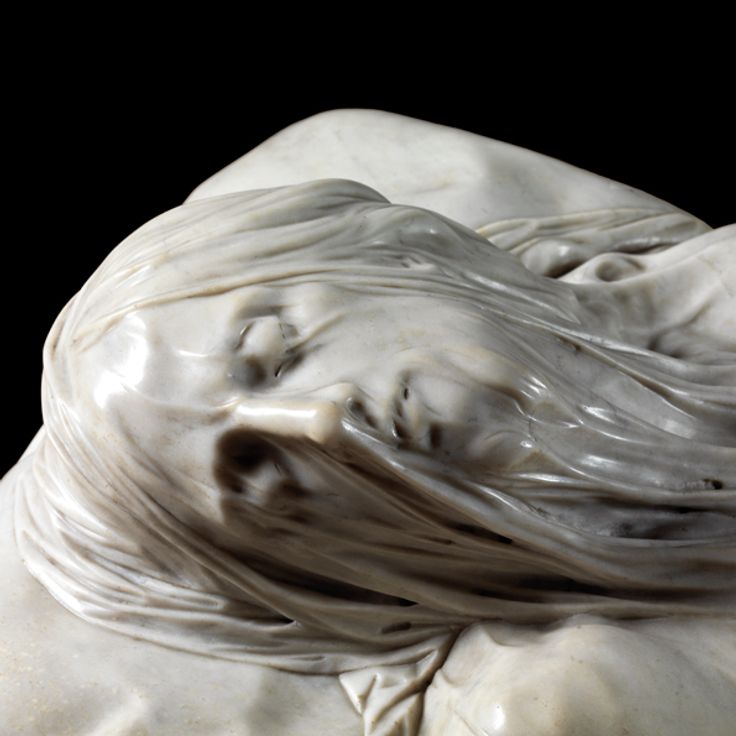
This 1753 marble sculpture depicts the dead Christ beneath a transparent veil and stands as one of the significant works in international sculptural art. Giuseppe Sanmartino created this piece for the Cappella Sansevero in Naples. The careful attention to detail and the technical skill displayed in carving the delicate folds of the veil showcase the artistry of its era.
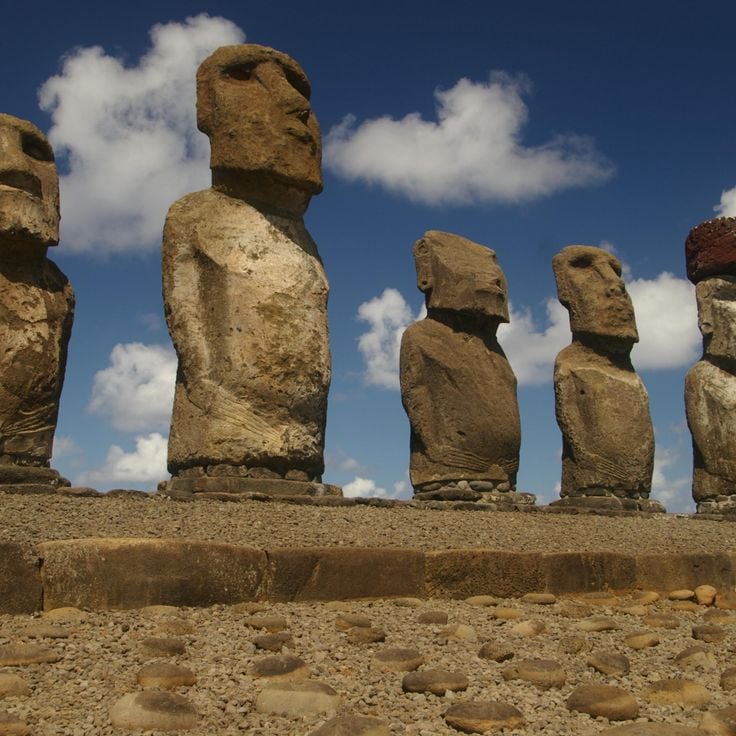
The Moai statues on Easter Island are monumental stone figures carved from volcanic tuff, created between 1250 and 1500. Standing at an average height of about 4 meters (13 feet) and weighing roughly 12.5 tons, they demonstrate the artistic skill of the Polynesian people. These statues form part of a collection showcasing notable stonework and sculptural art from different cultures and time periods.
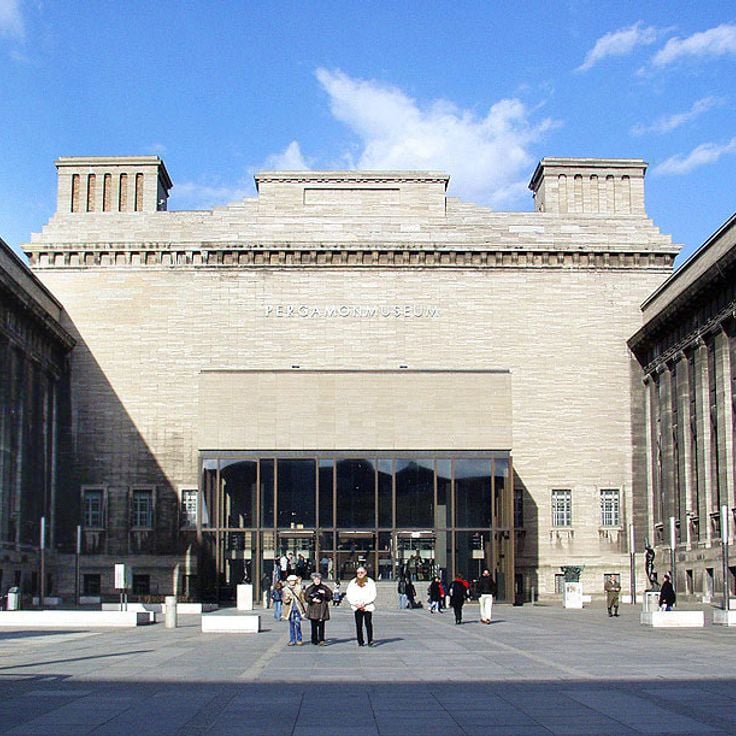
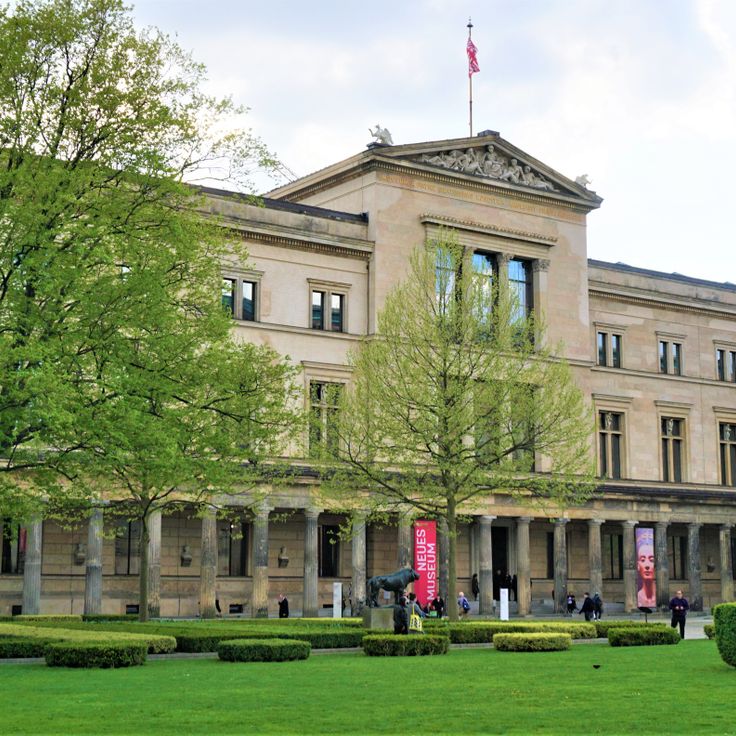
This Gigantomachy Frieze depicts a battle between gods and giants and belongs to a collection of important sculptures and statues from different periods and cultures. The work comes from ancient Pergamon and is displayed in the museum, where it reflects the artistic skill and vision of its time.
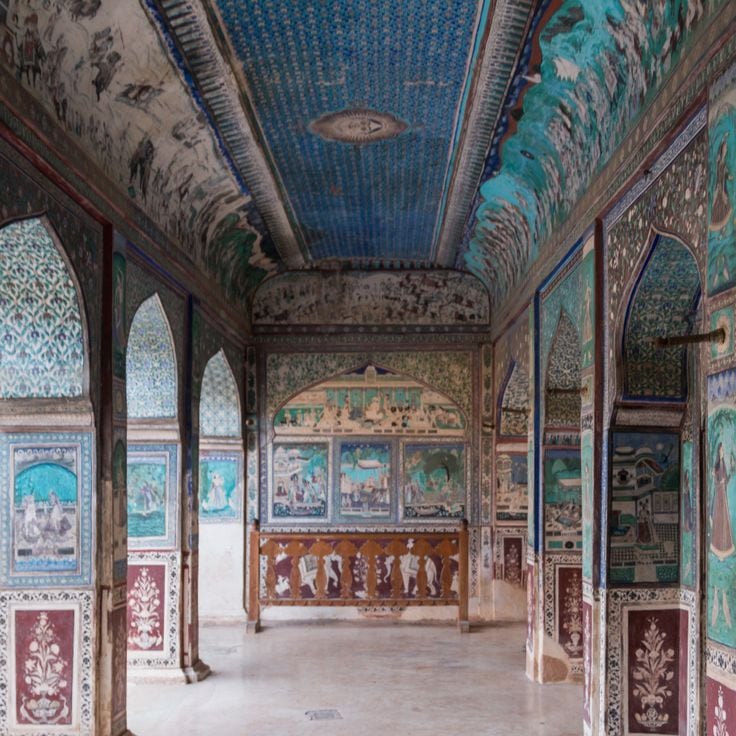
The Bundi Frescoes are part of this collection of notable international sculptures and statues. The wall paintings in Taragarh Palace display court scenes, mythological representations, and historical events from the 17th and 18th centuries. These frescoes show the artistic traditions of Rajasthan during that period.
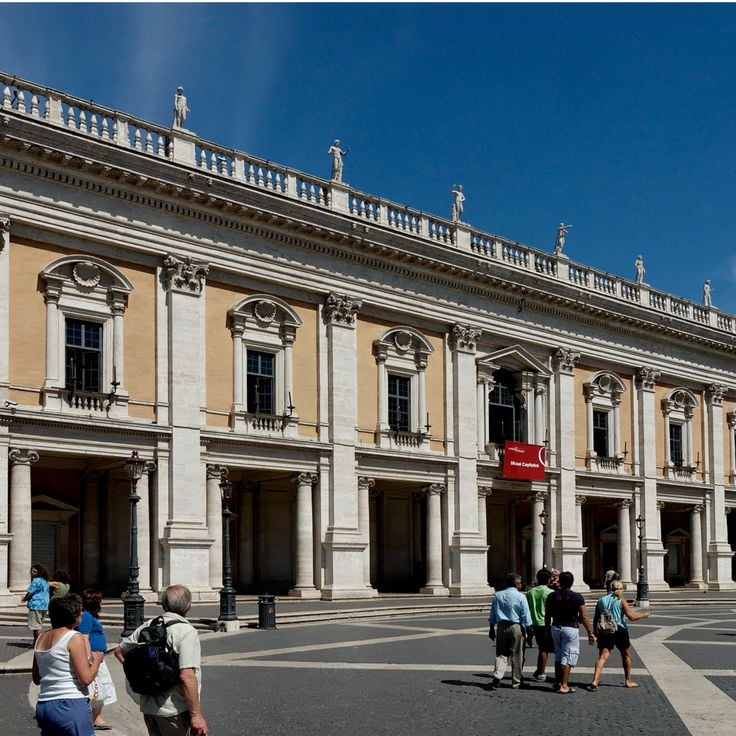
This marble sculpture at the Capitoline Museums shows a wounded Celtic warrior in his final moments on the battlefield. Created in the 2nd century, it belongs to a collection of international sculptures from different periods and cultures. From Egyptian monuments to the Terracotta Army in China, this collection demonstrates the sculptural craftsmanship of various civilizations throughout history.
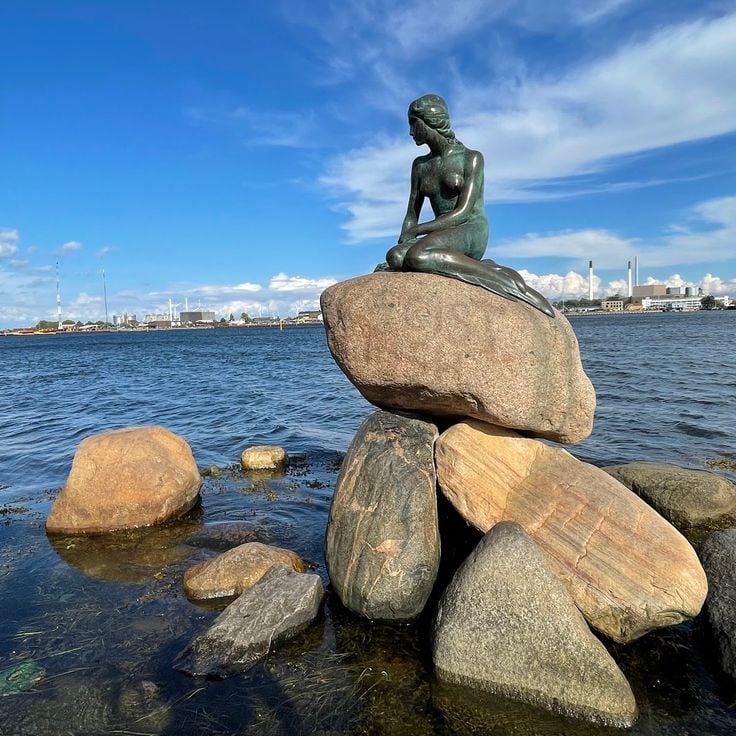
This bronze statue of the Little Mermaid was created by Edvard Eriksen in 1913 and sits on a rock at Langelinie Pier in Copenhagen. The figure depicts the famous fairy tale character from Hans Christian Andersen's story and stands as one of the notable works of international sculptural art. The Little Mermaid gazes out over the water, capturing a moment of longing. This sculpture is an important example of stonework and sculpture from different cultures and periods, and draws many visitors each year.
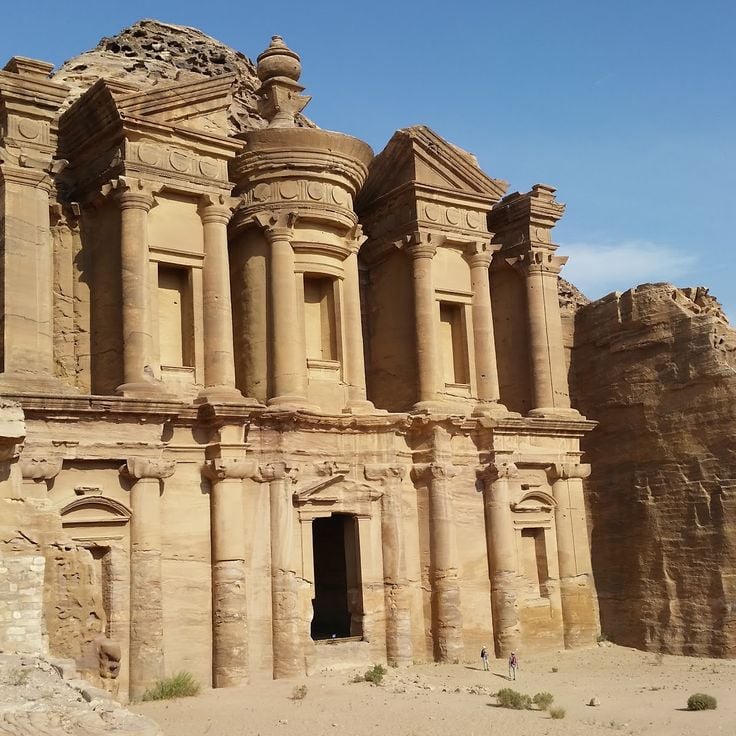
El Khazneh is a tomb complex carved into the rock face of Petra in the 1st century BC. This sculpture displays Corinthian columns and intricate ornamentation worked directly from the stone. The structure represents the craftsmanship of Hellenistic stonecutters and stands among this collection of international sculptures from different periods and cultures.
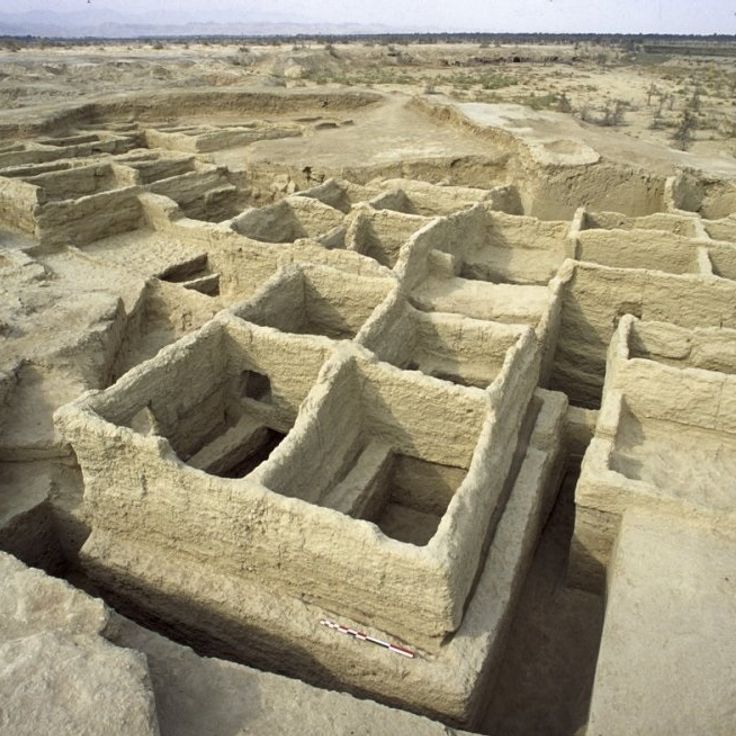
The Mehrgarh Sculptures are clay figures from 7000 to 3300 BC that represent some of the earliest known depictions of humans and animals from this region. They show how artistic and visual expression developed in early settlements of the Indus Valley. These objects are part of a collection of notable sculptures and statues from different periods and cultures that document international stonework and sculptural art.
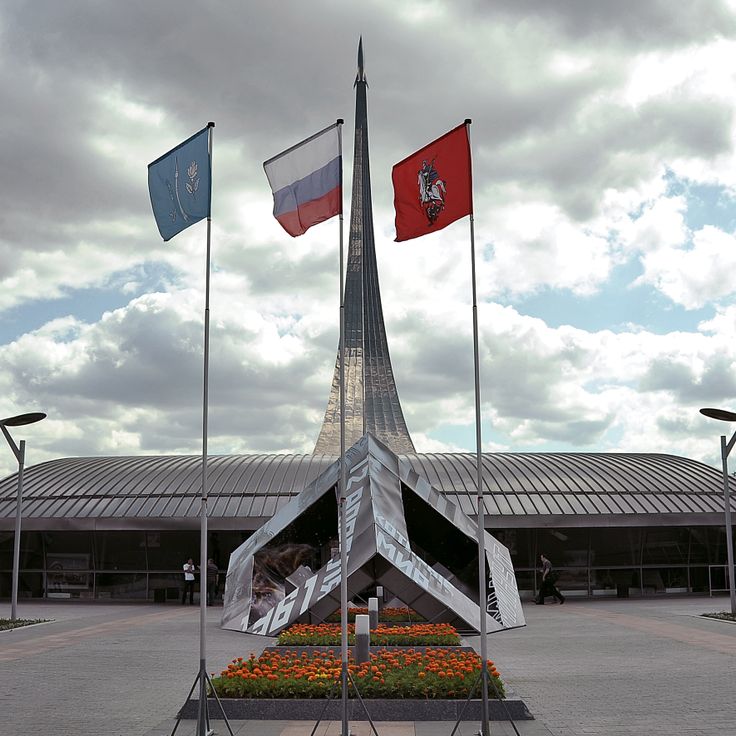
The Monument to the Conquerors of Space is a stainless steel sculpture in Moscow honoring Soviet space explorers. Within this collection of notable international sculptures, it demonstrates how different cultures and eras commemorate their heroes through stone and metal work. The sculpture represents human curiosity and the drive to explore that connects cultures across the world.
Memphis was once the capital of ancient Egypt, located south of Cairo. The city itself has largely vanished, but the cemeteries and burial grounds surrounding Memphis are among the most famous in the world. They include the pyramids of Giza, the stepped pyramid of Saqqara, and the red and bent pyramids of Dahshur. These sites show how the ancient Egyptians honored their pharaohs and gods, shaping stone into monuments that have survived for thousands of years.
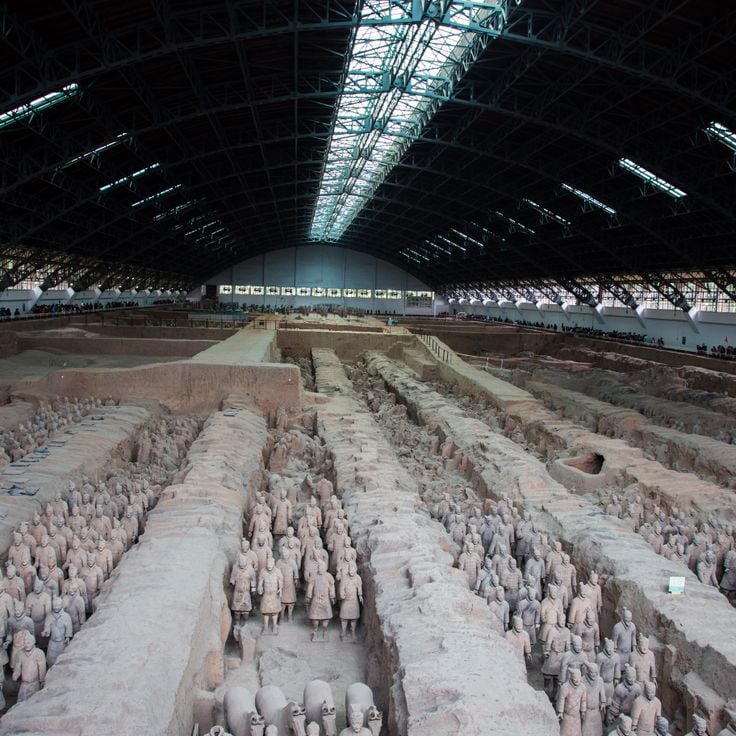
The Terracotta Army in Xi'an is an underground burial site containing thousands of life-sized clay figures of warriors and horses from the 3rd century BCE. This collection displays the craftsmanship of an ancient civilization and represents a significant example of international sculptural art from across different periods and cultures.
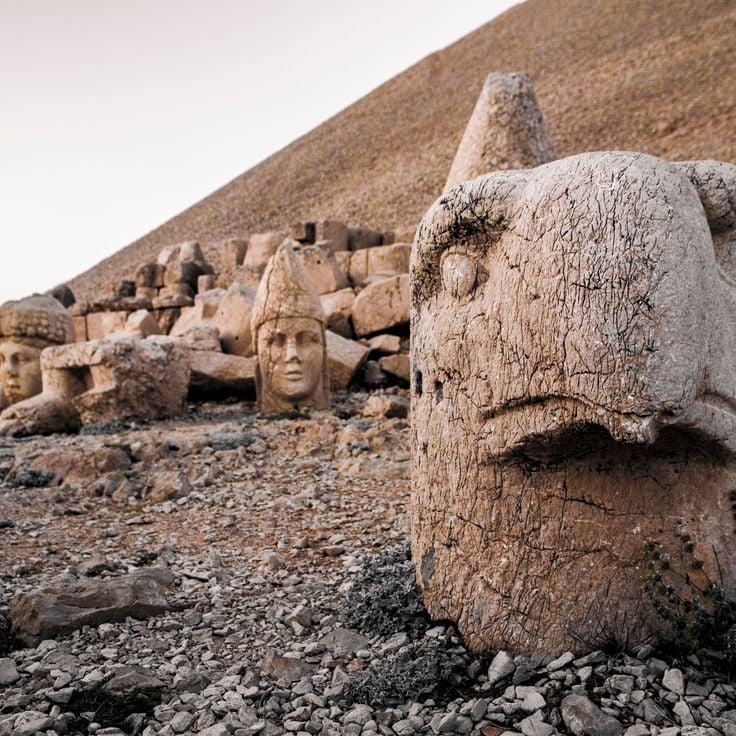
The stone heads at Mount Nemrut are colossal limestone sculptures standing atop a summit in Adiyaman Province, Turkey. Created about 2000 years ago, they demonstrate the carving abilities of an ancient civilization. These figures are part of a collection of sculptures and statues from different periods and cultures around the world. The stone heads at Mount Nemrut show how ancient peoples shaped massive stone monuments.
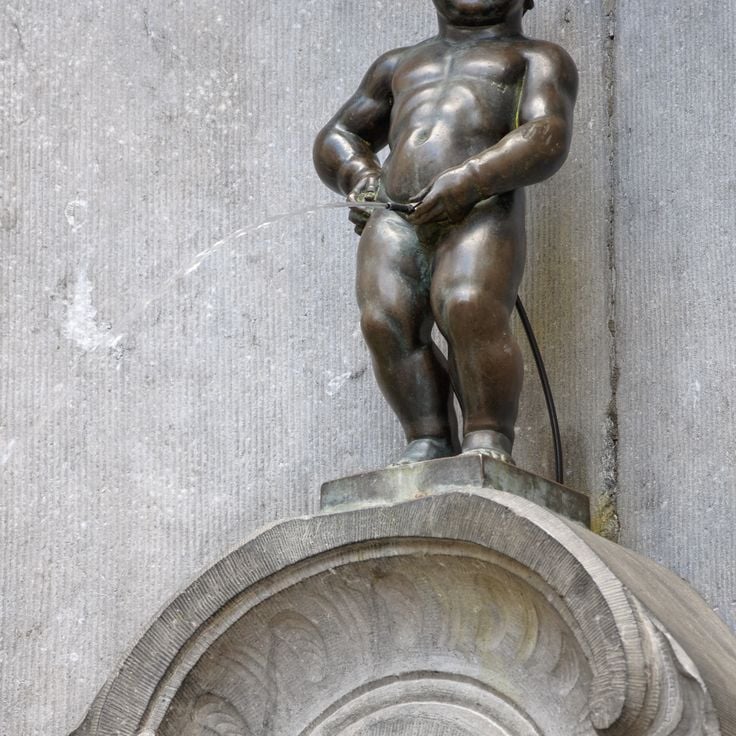
This 61-centimeter bronze figure from 1619 stands at the corner of Rue de l'Étuve and Rue du Chêne in Brussels. Manneken Pis shows a young boy in an everyday pose and has become one of the city's most recognizable sculptures. As part of this collection of notable international sculptures, it demonstrates how simple subjects can become cherished symbols across cultures and centuries.
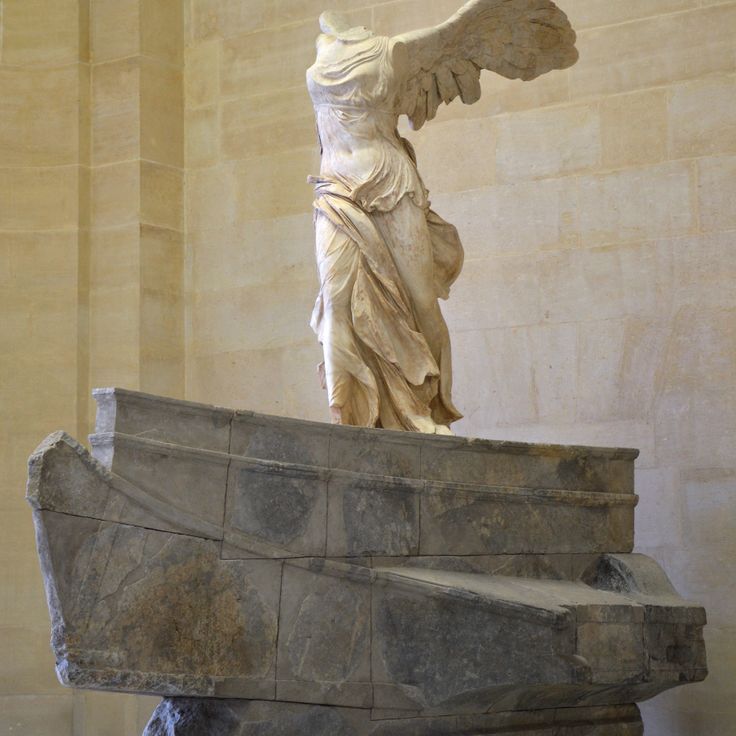
The Winged Victory of Samothrace in this museum is a marble sculpture from the 2nd century BCE depicting a Greek goddess standing on a ship's bow. The figure wears draped cloth that looks swept by wind. This sculpture belongs to a collection of sculptures and stonework from different periods and cultures around the world.
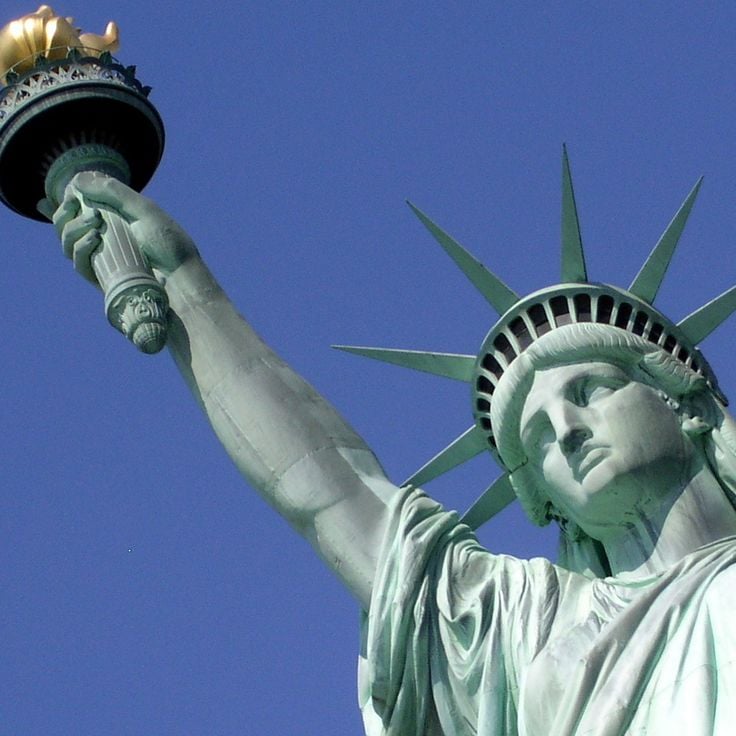
The Statue of Liberty is a copper sculpture designed by Frédéric Auguste Bartholdi that has stood on Liberty Island since 1886 as a gift from France to the United States. This work exemplifies the sculptural art celebrated in collections of significant international sculptures and statues, demonstrating craftsmanship across cultures and historical periods.
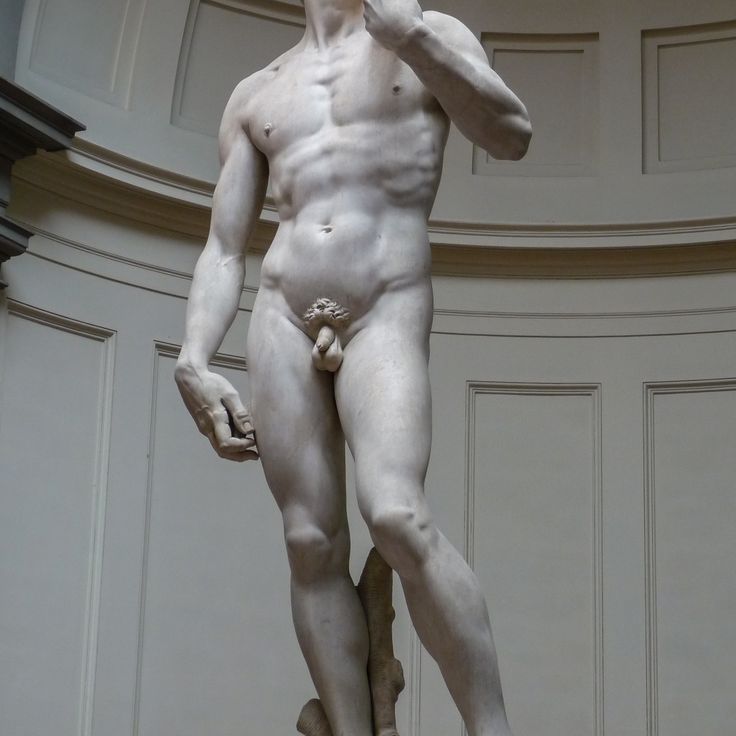
Michelangelo's David from 1504 depicts the biblical hero as a young man and represents a major achievement in Renaissance sculpture. This marble figure stands in the Accademia Gallery and exemplifies the international sculptural art and stonework showcased in this collection of significant works from different periods and cultures.
The Venus de Milo is a marble figure of the Greek goddess from around 100 BCE, discovered on the Aegean island of Milos. This sculpture belongs to a collection of significant sculptures and statues from different periods and cultures. The work displays classical beauty and balance. The missing arms have captivated viewers for centuries and sparked debate about the original form of the sculpture.
The Colossus of Rhodes Ruins are remnants of a bronze statue from the 3rd century BCE that honored the sun god Helios. The statue once stood about 30 meters tall and represents significant sculptural art across different periods and cultures. Today, only fragments remain of this ancient work that once defined the island of Rhodes. The Colossus of Rhodes belongs to notable international sculptures and statues, demonstrating craftsmanship and cultural importance across the centuries.
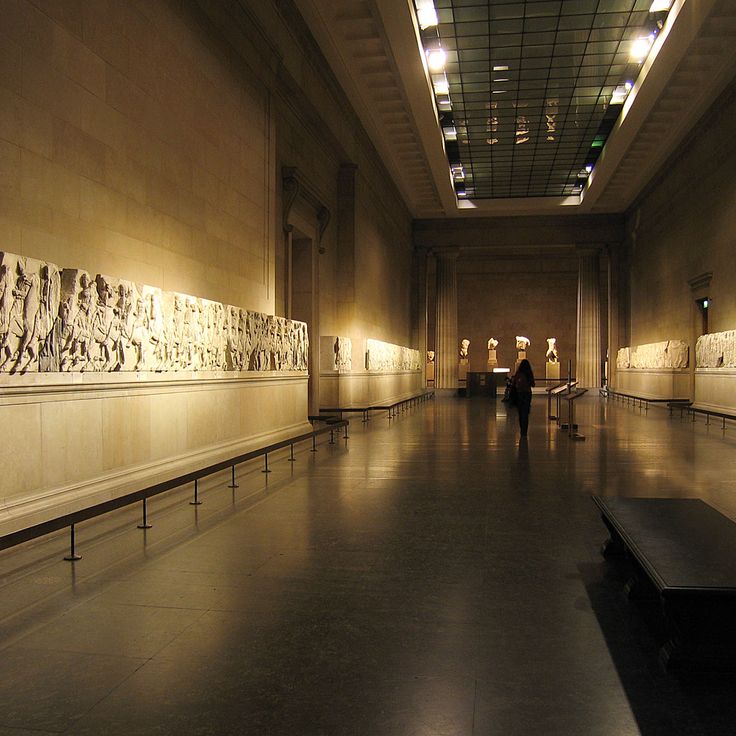
The Parthenon Marbles are ancient sculptures from the 5th century BCE that once decorated the Parthenon temple in Athens. These marble works depict gods and mythological scenes and represent international sculptural art featured in this collection, which showcases stonework and sculptures from different periods and cultures worldwide.
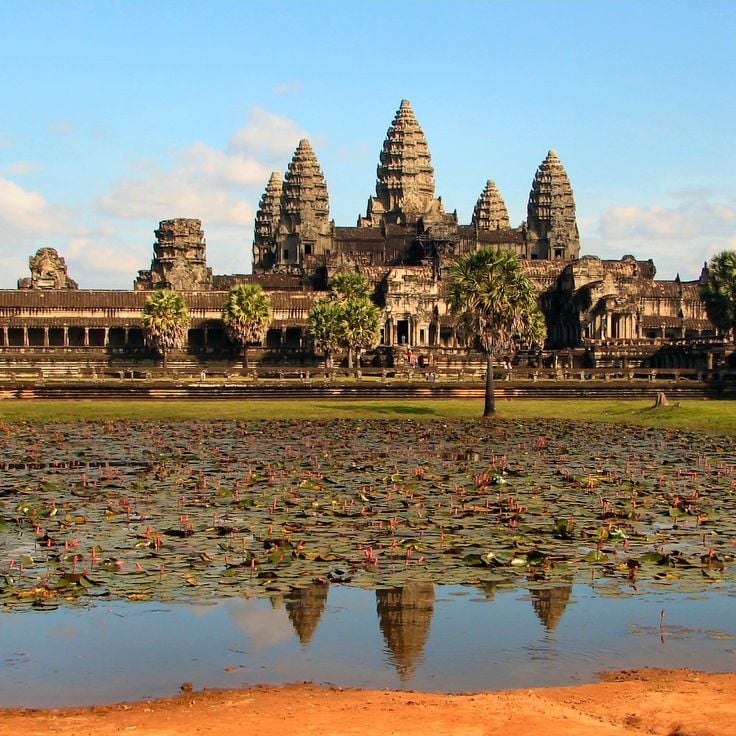
The Devata sculptures of Angkor Wat are stone carvings of celestial female figures found throughout this temple complex. These detailed sandstone sculptures date to the 12th century and are part of a collection of sculptures from different cultures and time periods. The Devata figures show the craftsmanship and artistic techniques of the Khmer people, representing the temple's contribution to international sculptural art.
This bust belongs to a collection of significant sculptures and statues from different periods and cultures. The Nefertiti Bust is a painted limestone sculpture from the 14th century BCE showing the Egyptian queen with fine details and balanced proportions. It demonstrates the craftsmanship of ancient Egypt and stands as one of the notable works of international sculptural art.
The Shiva Nataraja is an 11th-century bronze sculpture from the Chola period, depicting the Hindu god Shiva dancing within a ring of fire. This work embodies cosmic energy and creation, and belongs to a collection of notable sculptures and statues from different periods and cultures around the world, ranging from the Sphinx in Egypt to the Terracotta Army in China.
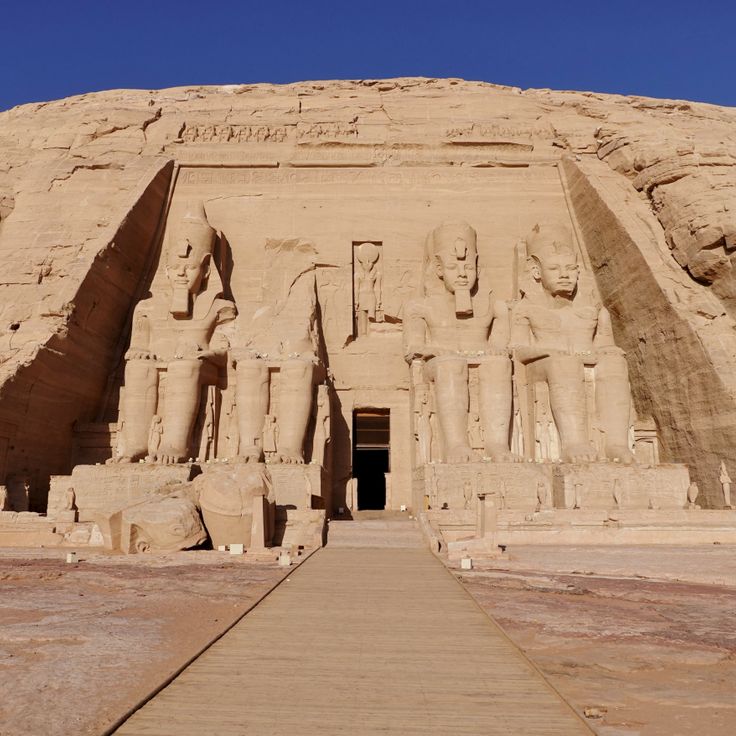
The Abu Simbel Colossi are four massive seated figures carved from a mountain in the 13th century BCE under Ramesses II. Each statue stands about 20 meters (66 feet) tall. They belong to this collection of significant sculptures and statues from different periods and cultures, ranging from the Sphinx in Egypt to the Terracotta Army in China, showing how artists across the world used stone and other materials to create powerful sculptural works.
Michelangelo's Moses is a marble sculpture from 1515 depicting the biblical prophet with detailed facial features and a flowing beard. The sculpture stands in the Church of San Pietro in Vincoli and belongs to this collection of international works that showcases important sculptures and statues from different periods and cultures - from the Sphinx in Egypt to the Terracotta Army in China.
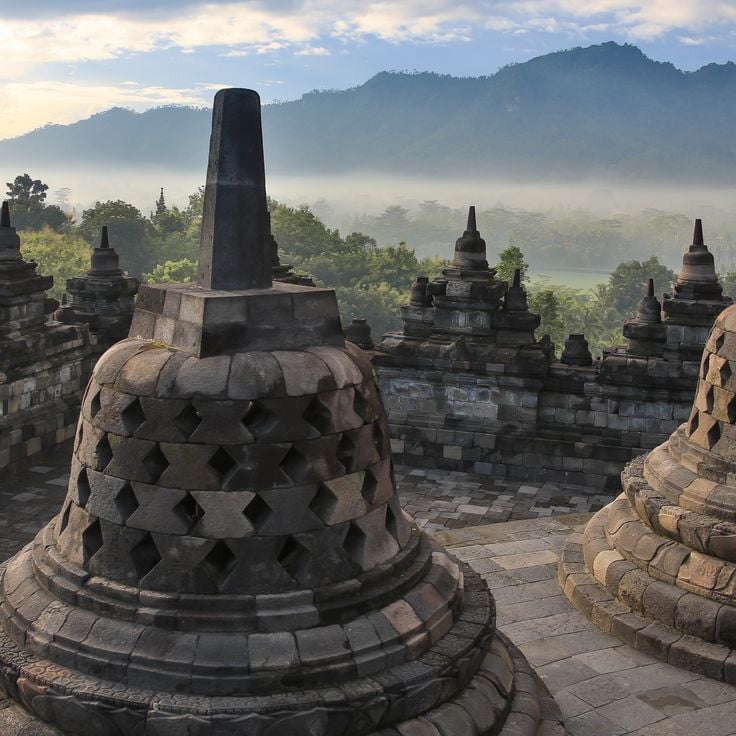
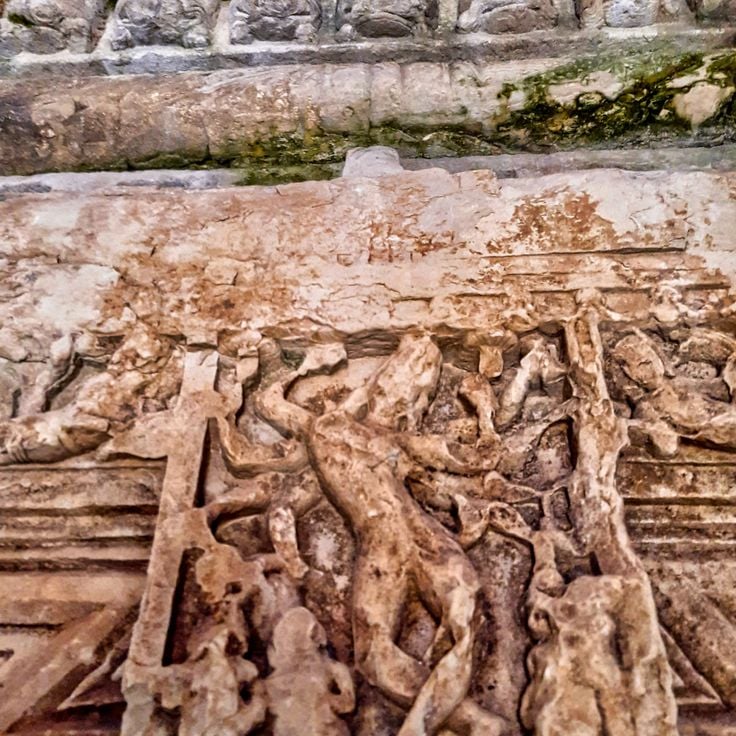
The stone carvings of Borobudur are narrative reliefs covering the Buddhist temple complex from the 8th century. They tell the story of Buddha's life and teachings across hundreds of panels. These carvings form part of a collection of significant sculptures and statues from different periods and cultures around the world.
This 1753 marble sculpture depicts the dead Christ beneath a transparent veil and stands as one of the significant works in international sculptural art. Giuseppe Sanmartino created this piece for the Cappella Sansevero in Naples. The careful attention to detail and the technical skill displayed in carving the delicate folds of the veil showcase the artistry of its era.
The Moai statues on Easter Island are monumental stone figures carved from volcanic tuff, created between 1250 and 1500. Standing at an average height of about 4 meters (13 feet) and weighing roughly 12.5 tons, they demonstrate the artistic skill of the Polynesian people. These statues form part of a collection showcasing notable stonework and sculptural art from different cultures and time periods.
This Gigantomachy Frieze depicts a battle between gods and giants and belongs to a collection of important sculptures and statues from different periods and cultures. The work comes from ancient Pergamon and is displayed in the museum, where it reflects the artistic skill and vision of its time.
The Bundi Frescoes are part of this collection of notable international sculptures and statues. The wall paintings in Taragarh Palace display court scenes, mythological representations, and historical events from the 17th and 18th centuries. These frescoes show the artistic traditions of Rajasthan during that period.
This marble sculpture at the Capitoline Museums shows a wounded Celtic warrior in his final moments on the battlefield. Created in the 2nd century, it belongs to a collection of international sculptures from different periods and cultures. From Egyptian monuments to the Terracotta Army in China, this collection demonstrates the sculptural craftsmanship of various civilizations throughout history.
This bronze statue of the Little Mermaid was created by Edvard Eriksen in 1913 and sits on a rock at Langelinie Pier in Copenhagen. The figure depicts the famous fairy tale character from Hans Christian Andersen's story and stands as one of the notable works of international sculptural art. The Little Mermaid gazes out over the water, capturing a moment of longing. This sculpture is an important example of stonework and sculpture from different cultures and periods, and draws many visitors each year.
El Khazneh is a tomb complex carved into the rock face of Petra in the 1st century BC. This sculpture displays Corinthian columns and intricate ornamentation worked directly from the stone. The structure represents the craftsmanship of Hellenistic stonecutters and stands among this collection of international sculptures from different periods and cultures.
The Mehrgarh Sculptures are clay figures from 7000 to 3300 BC that represent some of the earliest known depictions of humans and animals from this region. They show how artistic and visual expression developed in early settlements of the Indus Valley. These objects are part of a collection of notable sculptures and statues from different periods and cultures that document international stonework and sculptural art.
The Monument to the Conquerors of Space is a stainless steel sculpture in Moscow honoring Soviet space explorers. Within this collection of notable international sculptures, it demonstrates how different cultures and eras commemorate their heroes through stone and metal work. The sculpture represents human curiosity and the drive to explore that connects cultures across the world.
Memphis was once the capital of ancient Egypt, located south of Cairo. The city itself has largely vanished, but the cemeteries and burial grounds surrounding Memphis are among the most famous in the world. They include the pyramids of Giza, the stepped pyramid of Saqqara, and the red and bent pyramids of Dahshur. These sites show how the ancient Egyptians honored their pharaohs and gods, shaping stone into monuments that have survived for thousands of years.
The Terracotta Army in Xi'an is an underground burial site containing thousands of life-sized clay figures of warriors and horses from the 3rd century BCE. This collection displays the craftsmanship of an ancient civilization and represents a significant example of international sculptural art from across different periods and cultures.
The stone heads at Mount Nemrut are colossal limestone sculptures standing atop a summit in Adiyaman Province, Turkey. Created about 2000 years ago, they demonstrate the carving abilities of an ancient civilization. These figures are part of a collection of sculptures and statues from different periods and cultures around the world. The stone heads at Mount Nemrut show how ancient peoples shaped massive stone monuments.
This 61-centimeter bronze figure from 1619 stands at the corner of Rue de l'Étuve and Rue du Chêne in Brussels. Manneken Pis shows a young boy in an everyday pose and has become one of the city's most recognizable sculptures. As part of this collection of notable international sculptures, it demonstrates how simple subjects can become cherished symbols across cultures and centuries.
The Winged Victory of Samothrace in this museum is a marble sculpture from the 2nd century BCE depicting a Greek goddess standing on a ship's bow. The figure wears draped cloth that looks swept by wind. This sculpture belongs to a collection of sculptures and stonework from different periods and cultures around the world.
The Statue of Liberty is a copper sculpture designed by Frédéric Auguste Bartholdi that has stood on Liberty Island since 1886 as a gift from France to the United States. This work exemplifies the sculptural art celebrated in collections of significant international sculptures and statues, demonstrating craftsmanship across cultures and historical periods.
Michelangelo's David from 1504 depicts the biblical hero as a young man and represents a major achievement in Renaissance sculpture. This marble figure stands in the Accademia Gallery and exemplifies the international sculptural art and stonework showcased in this collection of significant works from different periods and cultures.
The Venus de Milo is a marble figure of the Greek goddess from around 100 BCE, discovered on the Aegean island of Milos. This sculpture belongs to a collection of significant sculptures and statues from different periods and cultures. The work displays classical beauty and balance. The missing arms have captivated viewers for centuries and sparked debate about the original form of the sculpture.
The Colossus of Rhodes Ruins are remnants of a bronze statue from the 3rd century BCE that honored the sun god Helios. The statue once stood about 30 meters tall and represents significant sculptural art across different periods and cultures. Today, only fragments remain of this ancient work that once defined the island of Rhodes. The Colossus of Rhodes belongs to notable international sculptures and statues, demonstrating craftsmanship and cultural importance across the centuries.
The Parthenon Marbles are ancient sculptures from the 5th century BCE that once decorated the Parthenon temple in Athens. These marble works depict gods and mythological scenes and represent international sculptural art featured in this collection, which showcases stonework and sculptures from different periods and cultures worldwide.
The Devata sculptures of Angkor Wat are stone carvings of celestial female figures found throughout this temple complex. These detailed sandstone sculptures date to the 12th century and are part of a collection of sculptures from different cultures and time periods. The Devata figures show the craftsmanship and artistic techniques of the Khmer people, representing the temple's contribution to international sculptural art.
This bust belongs to a collection of significant sculptures and statues from different periods and cultures. The Nefertiti Bust is a painted limestone sculpture from the 14th century BCE showing the Egyptian queen with fine details and balanced proportions. It demonstrates the craftsmanship of ancient Egypt and stands as one of the notable works of international sculptural art.
The Shiva Nataraja is an 11th-century bronze sculpture from the Chola period, depicting the Hindu god Shiva dancing within a ring of fire. This work embodies cosmic energy and creation, and belongs to a collection of notable sculptures and statues from different periods and cultures around the world, ranging from the Sphinx in Egypt to the Terracotta Army in China.
The Abu Simbel Colossi are four massive seated figures carved from a mountain in the 13th century BCE under Ramesses II. Each statue stands about 20 meters (66 feet) tall. They belong to this collection of significant sculptures and statues from different periods and cultures, ranging from the Sphinx in Egypt to the Terracotta Army in China, showing how artists across the world used stone and other materials to create powerful sculptural works.
Michelangelo's Moses is a marble sculpture from 1515 depicting the biblical prophet with detailed facial features and a flowing beard. The sculpture stands in the Church of San Pietro in Vincoli and belongs to this collection of international works that showcases important sculptures and statues from different periods and cultures - from the Sphinx in Egypt to the Terracotta Army in China.
The stone carvings of Borobudur are narrative reliefs covering the Buddhist temple complex from the 8th century. They tell the story of Buddha's life and teachings across hundreds of panels. These carvings form part of a collection of significant sculptures and statues from different periods and cultures around the world.
This 1753 marble sculpture depicts the dead Christ beneath a transparent veil and stands as one of the significant works in international sculptural art. Giuseppe Sanmartino created this piece for the Cappella Sansevero in Naples. The careful attention to detail and the technical skill displayed in carving the delicate folds of the veil showcase the artistry of its era.
The Moai statues on Easter Island are monumental stone figures carved from volcanic tuff, created between 1250 and 1500. Standing at an average height of about 4 meters (13 feet) and weighing roughly 12.5 tons, they demonstrate the artistic skill of the Polynesian people. These statues form part of a collection showcasing notable stonework and sculptural art from different cultures and time periods.
This Gigantomachy Frieze depicts a battle between gods and giants and belongs to a collection of important sculptures and statues from different periods and cultures. The work comes from ancient Pergamon and is displayed in the museum, where it reflects the artistic skill and vision of its time.
The Bundi Frescoes are part of this collection of notable international sculptures and statues. The wall paintings in Taragarh Palace display court scenes, mythological representations, and historical events from the 17th and 18th centuries. These frescoes show the artistic traditions of Rajasthan during that period.
This marble sculpture at the Capitoline Museums shows a wounded Celtic warrior in his final moments on the battlefield. Created in the 2nd century, it belongs to a collection of international sculptures from different periods and cultures. From Egyptian monuments to the Terracotta Army in China, this collection demonstrates the sculptural craftsmanship of various civilizations throughout history.
This bronze statue of the Little Mermaid was created by Edvard Eriksen in 1913 and sits on a rock at Langelinie Pier in Copenhagen. The figure depicts the famous fairy tale character from Hans Christian Andersen's story and stands as one of the notable works of international sculptural art. The Little Mermaid gazes out over the water, capturing a moment of longing. This sculpture is an important example of stonework and sculpture from different cultures and periods, and draws many visitors each year.
El Khazneh is a tomb complex carved into the rock face of Petra in the 1st century BC. This sculpture displays Corinthian columns and intricate ornamentation worked directly from the stone. The structure represents the craftsmanship of Hellenistic stonecutters and stands among this collection of international sculptures from different periods and cultures.
The Mehrgarh Sculptures are clay figures from 7000 to 3300 BC that represent some of the earliest known depictions of humans and animals from this region. They show how artistic and visual expression developed in early settlements of the Indus Valley. These objects are part of a collection of notable sculptures and statues from different periods and cultures that document international stonework and sculptural art.
The Monument to the Conquerors of Space is a stainless steel sculpture in Moscow honoring Soviet space explorers. Within this collection of notable international sculptures, it demonstrates how different cultures and eras commemorate their heroes through stone and metal work. The sculpture represents human curiosity and the drive to explore that connects cultures across the world.
Memphis was once the capital of ancient Egypt, located south of Cairo. The city itself has largely vanished, but the cemeteries and burial grounds surrounding Memphis are among the most famous in the world. They include the pyramids of Giza, the stepped pyramid of Saqqara, and the red and bent pyramids of Dahshur. These sites show how the ancient Egyptians honored their pharaohs and gods, shaping stone into monuments that have survived for thousands of years.
The Terracotta Army in Xi'an is an underground burial site containing thousands of life-sized clay figures of warriors and horses from the 3rd century BCE. This collection displays the craftsmanship of an ancient civilization and represents a significant example of international sculptural art from across different periods and cultures.
The stone heads at Mount Nemrut are colossal limestone sculptures standing atop a summit in Adiyaman Province, Turkey. Created about 2000 years ago, they demonstrate the carving abilities of an ancient civilization. These figures are part of a collection of sculptures and statues from different periods and cultures around the world. The stone heads at Mount Nemrut show how ancient peoples shaped massive stone monuments.
This 61-centimeter bronze figure from 1619 stands at the corner of Rue de l'Étuve and Rue du Chêne in Brussels. Manneken Pis shows a young boy in an everyday pose and has become one of the city's most recognizable sculptures. As part of this collection of notable international sculptures, it demonstrates how simple subjects can become cherished symbols across cultures and centuries.
The Winged Victory of Samothrace in this museum is a marble sculpture from the 2nd century BCE depicting a Greek goddess standing on a ship's bow. The figure wears draped cloth that looks swept by wind. This sculpture belongs to a collection of sculptures and stonework from different periods and cultures around the world.
The Statue of Liberty is a copper sculpture designed by Frédéric Auguste Bartholdi that has stood on Liberty Island since 1886 as a gift from France to the United States. This work exemplifies the sculptural art celebrated in collections of significant international sculptures and statues, demonstrating craftsmanship across cultures and historical periods.
Michelangelo's David from 1504 depicts the biblical hero as a young man and represents a major achievement in Renaissance sculpture. This marble figure stands in the Accademia Gallery and exemplifies the international sculptural art and stonework showcased in this collection of significant works from different periods and cultures.
The Venus de Milo is a marble figure of the Greek goddess from around 100 BCE, discovered on the Aegean island of Milos. This sculpture belongs to a collection of significant sculptures and statues from different periods and cultures. The work displays classical beauty and balance. The missing arms have captivated viewers for centuries and sparked debate about the original form of the sculpture.
The Colossus of Rhodes Ruins are remnants of a bronze statue from the 3rd century BCE that honored the sun god Helios. The statue once stood about 30 meters tall and represents significant sculptural art across different periods and cultures. Today, only fragments remain of this ancient work that once defined the island of Rhodes. The Colossus of Rhodes belongs to notable international sculptures and statues, demonstrating craftsmanship and cultural importance across the centuries.
The Parthenon Marbles are ancient sculptures from the 5th century BCE that once decorated the Parthenon temple in Athens. These marble works depict gods and mythological scenes and represent international sculptural art featured in this collection, which showcases stonework and sculptures from different periods and cultures worldwide.
The Devata sculptures of Angkor Wat are stone carvings of celestial female figures found throughout this temple complex. These detailed sandstone sculptures date to the 12th century and are part of a collection of sculptures from different cultures and time periods. The Devata figures show the craftsmanship and artistic techniques of the Khmer people, representing the temple's contribution to international sculptural art.
This bust belongs to a collection of significant sculptures and statues from different periods and cultures. The Nefertiti Bust is a painted limestone sculpture from the 14th century BCE showing the Egyptian queen with fine details and balanced proportions. It demonstrates the craftsmanship of ancient Egypt and stands as one of the notable works of international sculptural art.
The Shiva Nataraja is an 11th-century bronze sculpture from the Chola period, depicting the Hindu god Shiva dancing within a ring of fire. This work embodies cosmic energy and creation, and belongs to a collection of notable sculptures and statues from different periods and cultures around the world, ranging from the Sphinx in Egypt to the Terracotta Army in China.
The Abu Simbel Colossi are four massive seated figures carved from a mountain in the 13th century BCE under Ramesses II. Each statue stands about 20 meters (66 feet) tall. They belong to this collection of significant sculptures and statues from different periods and cultures, ranging from the Sphinx in Egypt to the Terracotta Army in China, showing how artists across the world used stone and other materials to create powerful sculptural works.
Michelangelo's Moses is a marble sculpture from 1515 depicting the biblical prophet with detailed facial features and a flowing beard. The sculpture stands in the Church of San Pietro in Vincoli and belongs to this collection of international works that showcases important sculptures and statues from different periods and cultures - from the Sphinx in Egypt to the Terracotta Army in China.
The stone carvings of Borobudur are narrative reliefs covering the Buddhist temple complex from the 8th century. They tell the story of Buddha's life and teachings across hundreds of panels. These carvings form part of a collection of significant sculptures and statues from different periods and cultures around the world.