See the monuments around you in AROpen chests in the app
Around Us is built for your phone — point your camera at the streets and discover the monuments and places around you in augmented reality.Around Us is built for your phone — chests unlock when you walk, explore and capture nearby places.
Berlin has reinvented itself several times in its history, and these transformations remain visible across the city today. You can see Prussian palaces like Charlottenburg, the large dome of the parliament building, the Brandenburg Gate, and the museums on Museum Island, where ancient art from different periods is displayed. The memorial church stands next to modern shopping streets, and the television tower at Alexanderplatz marks the skyline above the city center.
More recent history shapes the city just as strongly. The Berlin Wall Memorial on Bernauer Strasse recalls the division, while the East Side Gallery along the river shows a painted stretch of the wall. The Holocaust Memorial, the Topography of Terror, and the Stasi Museum document the darkest chapters of the 20th century. The GDR Museum and the Palace of Tears offer a glimpse into daily life in the divided city. Between these serious places you find Tiergarten park, the zoo, and squares like Gendarmenmarkt, where you can simply sit and watch modern Berlin go by.
Berlin has reinvented itself several times in its history, and these transformations remain visible across the city today. You can see Prussian palaces like Charlottenburg, the large dome of the parliament building, the Brandenburg Gate, and the museums on Museum Island, where ancient art from different periods is displayed. The memorial church stands next to modern shopping streets, and the television tower at Alexanderplatz marks the skyline above the city center.
More recent history shapes the city just as strongly. The Berlin Wall Memorial on Bernauer Strasse recalls the division, while the East Side Gallery along the river shows a painted stretch of the wall. The Holocaust Memorial, the Topography of Terror, and the Stasi Museum document the darkest chapters of the 20th century. The GDR Museum and the Palace of Tears offer a glimpse into daily life in the divided city. Between these serious places you find Tiergarten park, the zoo, and squares like Gendarmenmarkt, where you can simply sit and watch modern Berlin go by.
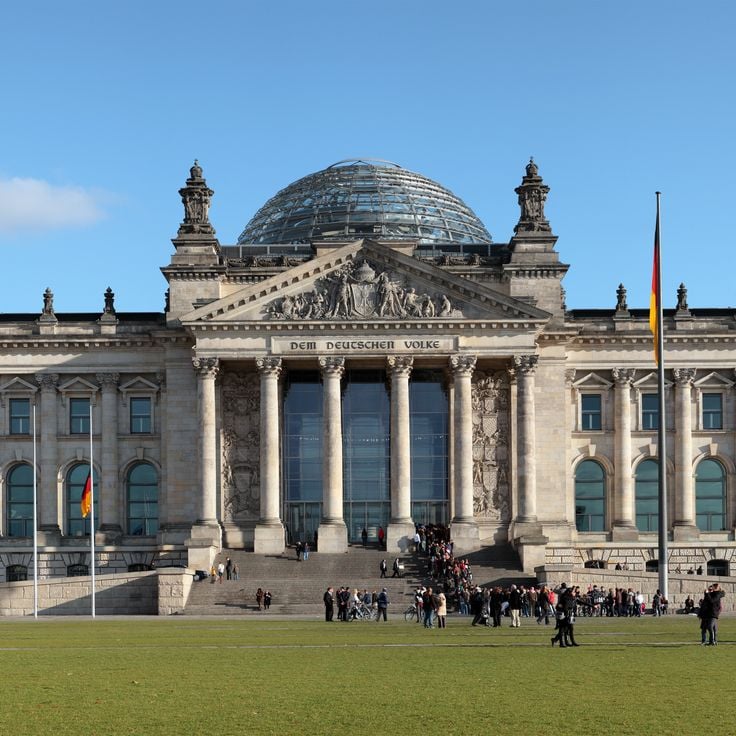
The Reichstag building serves as the seat of the German Bundestag and combines historic architecture with modern additions. Visitors recognize the structure by its glass dome, accessible from inside via a spiral ramp. The plenary chamber hosts sessions where elected representatives meet and debate. The building stands near Brandenburg Gate and remains central to German politics and history. Guided tours allow access to the rooftop terrace, offering views across the city.
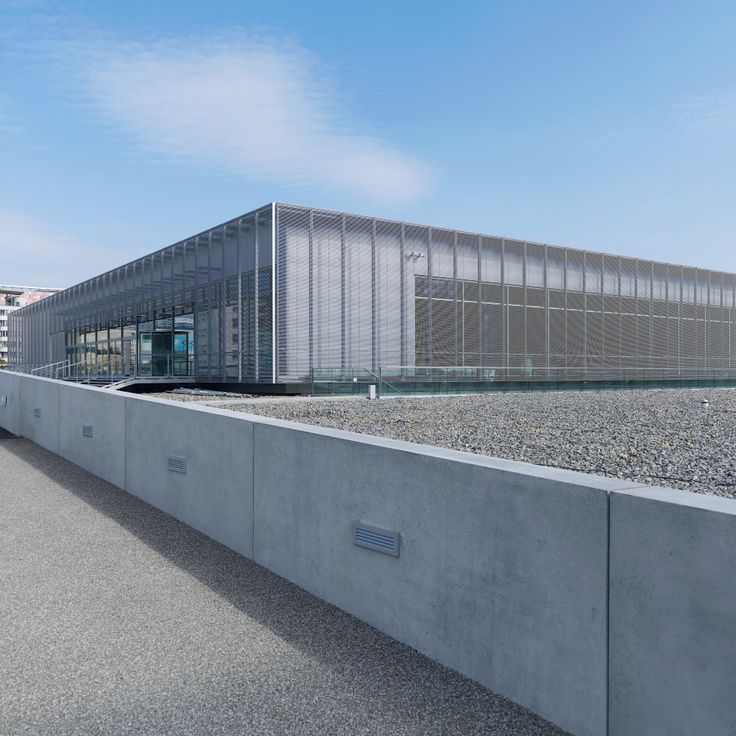
This documentation center stands on the site of the former Gestapo headquarters. The permanent exhibition shows photographs, documents and information panels about the history of Nazi persecution agencies between 1933 and 1945. Outside, sections of the Berlin Wall and foundations of destroyed buildings remain visible. The exhibition rooms cover the organization of terror, deportations and the development of the repression system. An outdoor trail along Niederkirchnerstrasse explains how the different institutions functioned. The site sits between Kreuzberg and Mitte, a short walk from Potsdamer Platz.
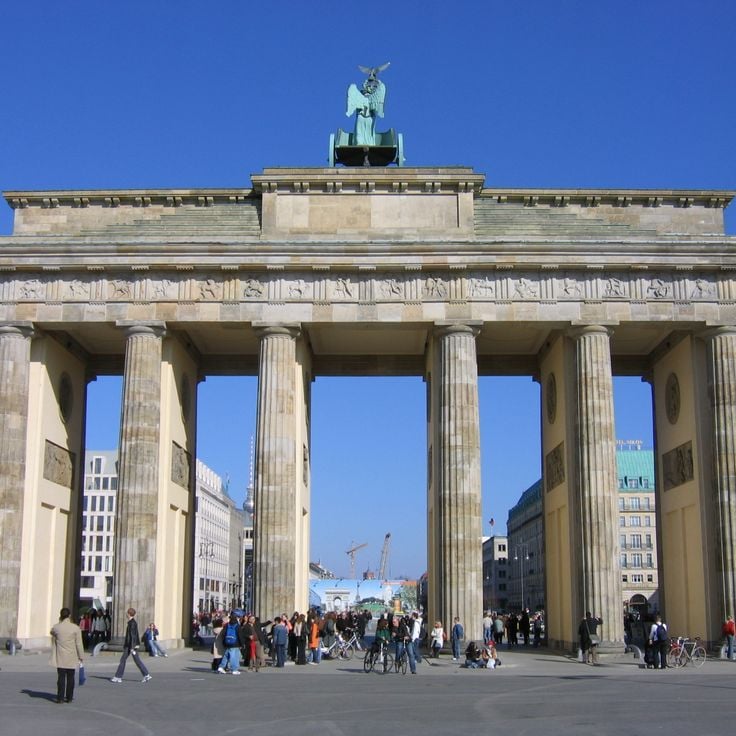
This gate from 1791 follows classical Greek column principles and marks the western start of Unter den Linden street. Carl Gotthard Langhans designed the structure, which carries the chariot of the goddess of victory as its crowning element. After the Wall fell in 1989, this structure became a gathering point for political events and celebrations. Sandstone columns and the Doric entablature shape the appearance of the square. Visitors walk through the central passages or look at the reliefs on the side walls.
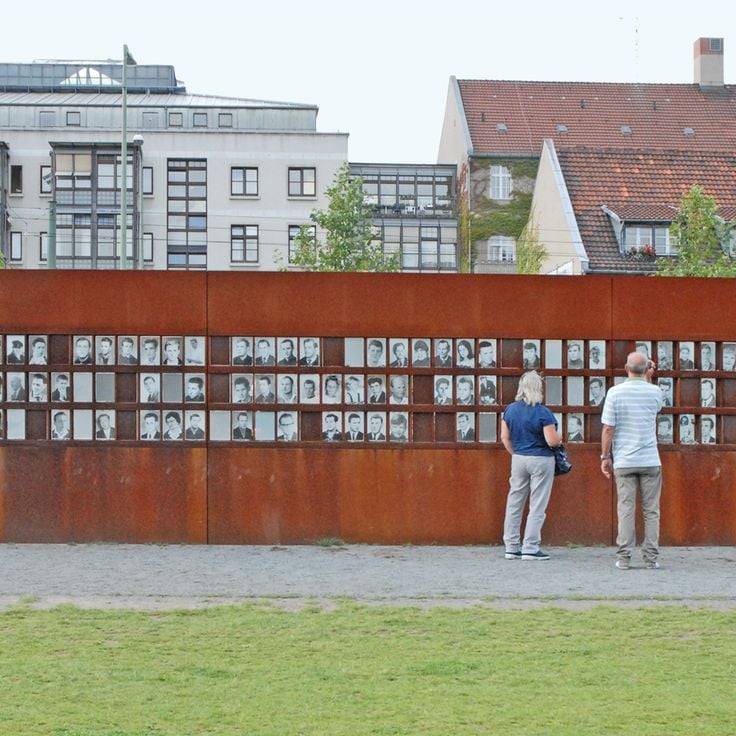
This memorial runs along Bernauer Strasse and preserves sections of the original Wall. A documentation center displays photographs, testimonies and objects from the division period. The Chapel of Reconciliation stands on the site of a demolished church. Visitors walk between preserved wall segments, watchtowers and border strips. The grounds convey the spatial extent of the border area and the atmosphere of the monitored zone.
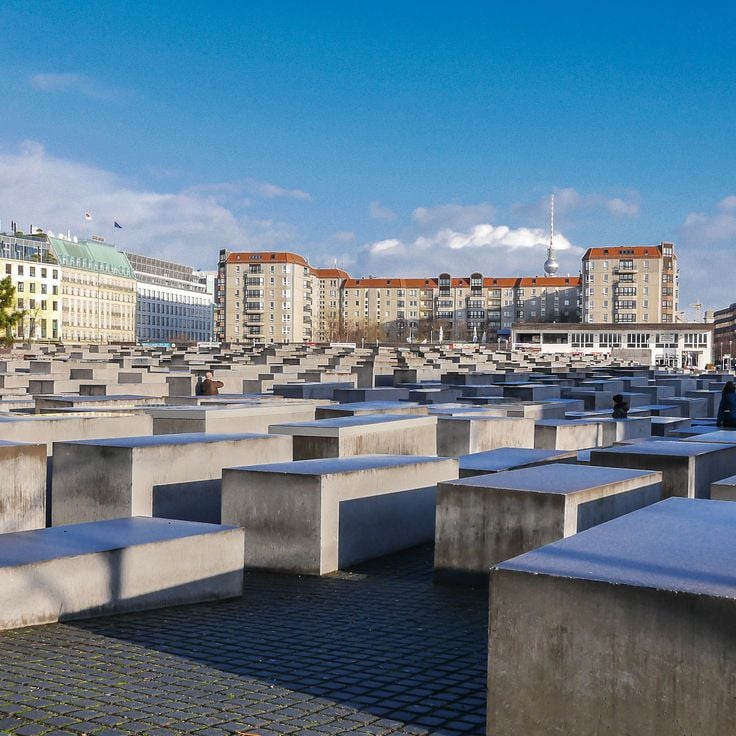
The Memorial to the Murdered Jews of Europe consists of 2711 concrete slabs arranged on undulating ground near Brandenburg Gate. The blocks of varying heights form a walkable labyrinth that creates a sense of disorientation and silence. Visitors walk through narrow passages between the gray pillars while street noise fades in the distance. An underground information center documents the persecution and murder of European Jews by the Nazi regime. The memorial sits in Berlin's historic center and is freely accessible to the public.
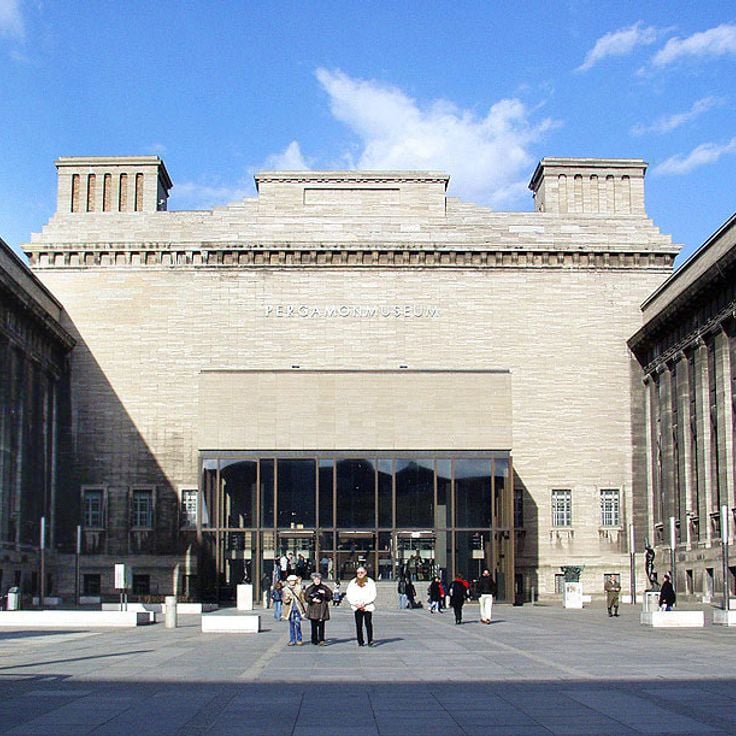
This museum presents ancient structures from the Near East and the Mediterranean world. The Pergamon Altar from the second century BC occupies an entire hall and displays a frieze with gods and giants. The Market Gate of Miletus dates from Roman times and reaches a height of about 52 feet (16 meters). The Ishtar Gate from Babylon is made of glazed bricks in blue and shows rows of bulls and dragons. The Processional Way leads through the gate and gives an impression of how the ancient city was organized. The collection also includes Islamic art with facades, domes and wall panels from various periods.
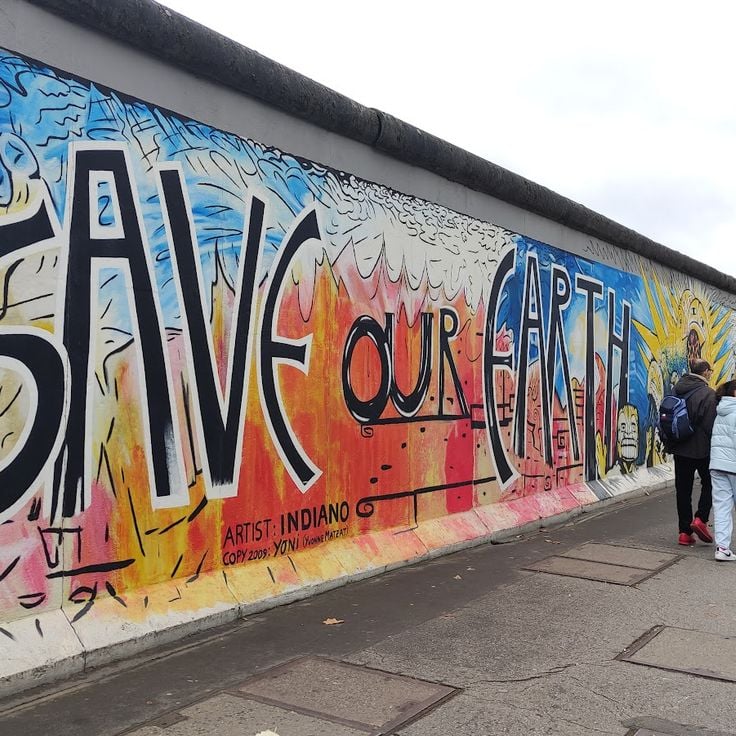
The East Side Gallery is a stretch of the Berlin Wall that runs for more than a kilometer along the Spree River. After the wall fell in 1989, artists from around the world painted murals on this section, turning it into an open-air gallery. Today, over a hundred artworks cover the concrete surface, each one addressing themes like freedom, hope, and political change. Visitors walk directly alongside the wall and see different styles and messages preserved on its panels. The site connects the history of the Cold War with contemporary art, offering a space where memory and creativity meet outdoors.
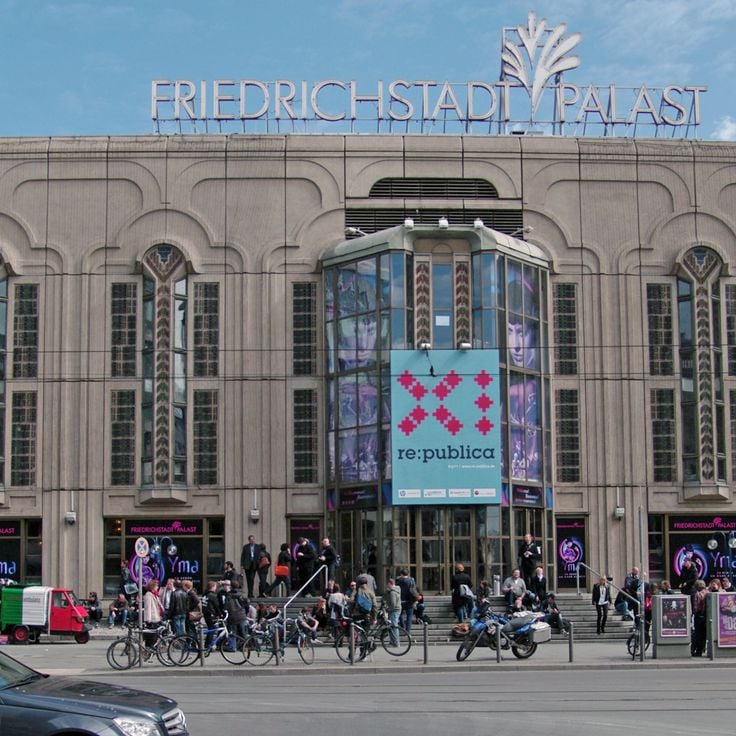
The Friedrichstadt-Palast is a theater in central Berlin known for large-scale variety shows with dancers, acrobats, and musicians. The hall seats nearly nineteen hundred people and ranks among the largest stages in Europe for this kind of entertainment. The program changes regularly and includes revues with elaborate costumes, contemporary circus acts without animals, and musical productions aimed at a wide audience. Performances are usually colorful and technically polished. The building itself dates from the nineteen eighties and replaced an older predecessor. The facade is plain and modern, while the interior is designed for impact. Many visitors come here to spend an evening with live entertainment that differs from traditional theater or opera. The Friedrichstadt-Palast stands in a district historically known for venues of pleasure and culture, though the surroundings today are marked by newer buildings and shops.
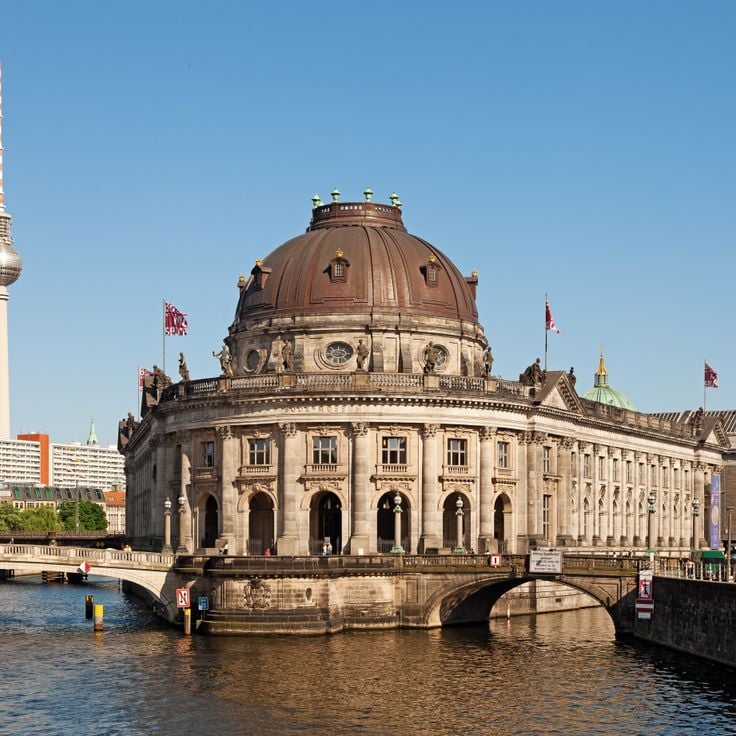
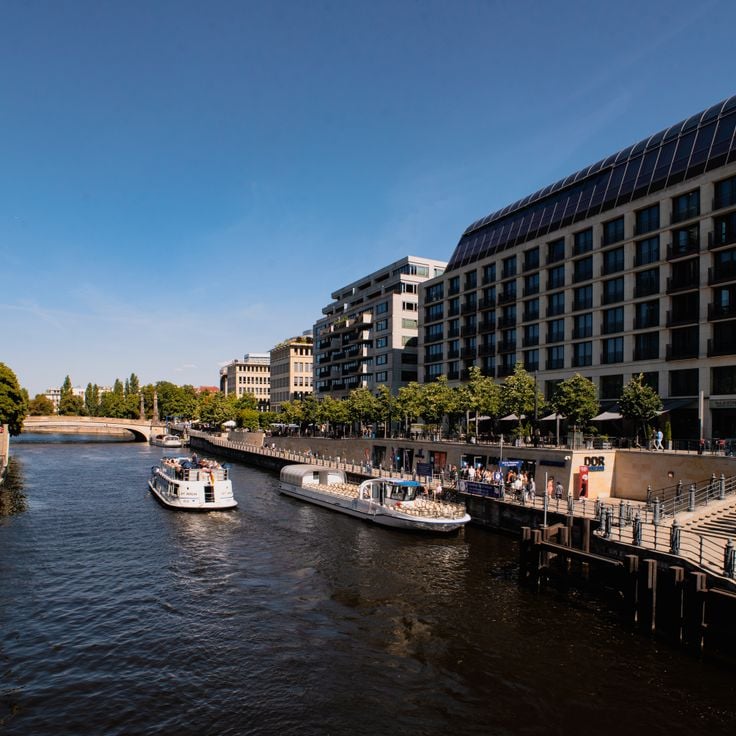
The Museum Island on the Spree river brings together five State Museums under one roof. The Pergamon Museum displays ancient monumental architecture and Islamic art. The Bode Museum houses Byzantine sculptures and old coins. The Neues Museum presents Egyptian collections, including the bust of Nefertiti. The Alte Nationalgalerie focuses on 19th-century painting and sculpture. The Altes Museum shows Greek and Roman antiquities. This complex has been a UNESCO World Heritage Site since 1999.
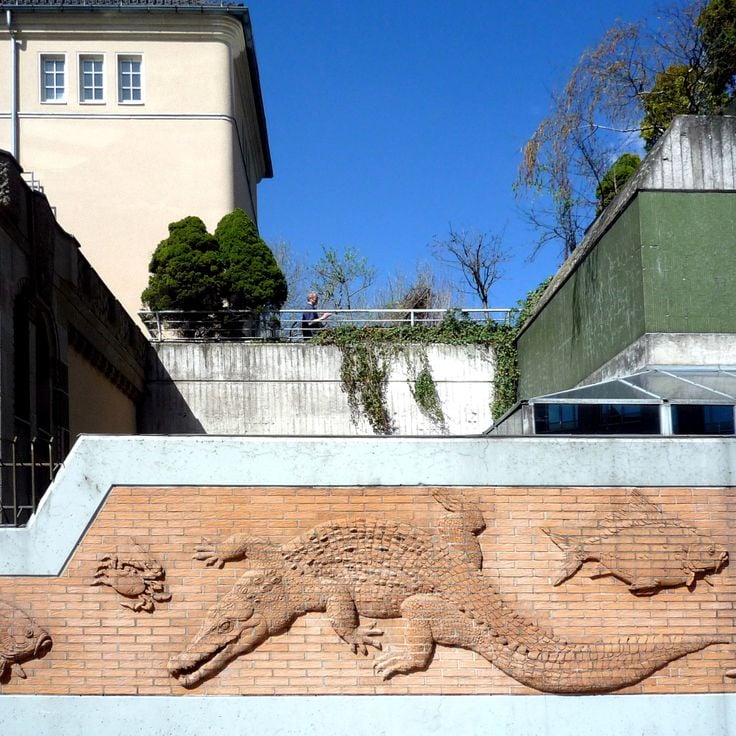
Berlin Zoo was founded in the mid-nineteenth century and now displays animals from around the world in enclosures that recreate their natural habitats. The facility covers several hectares in the heart of the city and houses a wide variety of mammals, birds, reptiles and aquatic species. Visitors can walk through different themed areas, from tropical rainforest to African savanna, and observe animal species native to multiple continents.
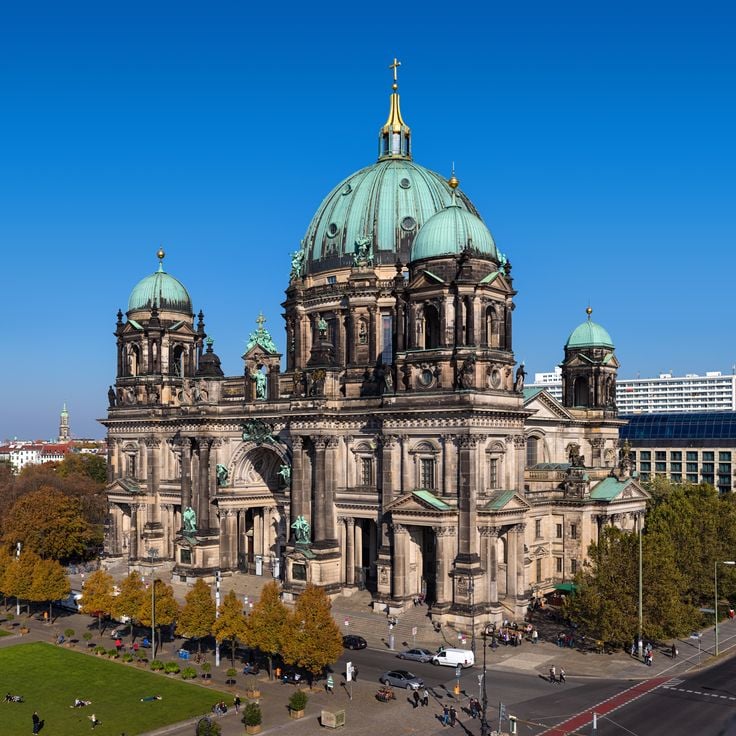
This Protestant church was completed in 1905 and stands on Lustgarten opposite the Old Museum. The dome rises to 320 feet (98 meters) and shapes the skyline of Museum Island. The interior shows baroque elements with marble columns, mosaics and an organ from the construction period. An observation platform at 164 feet (50 meters) opens views over the Spree River and surrounding buildings. The Hohenzollern crypt beneath the nave holds sarcophagi from several centuries. The Berlin Cathedral belongs to the central structures of the historic center and combines religious function with visitor access.
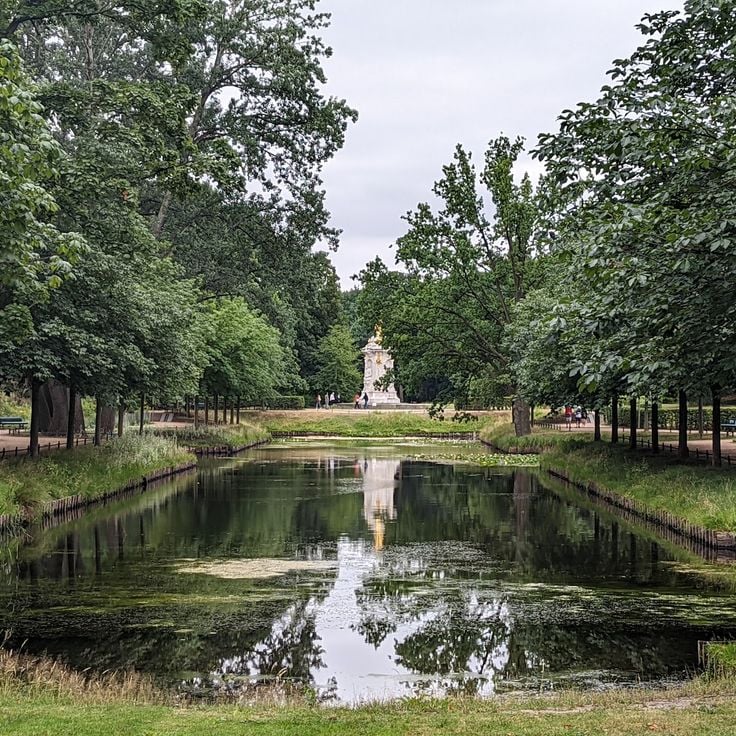
The Tiergarten covers 210 hectares (520 acres) in the center of the city, blending open lawns with dense woodland. A network of paths winds through forests, passes small lakes, and leads to monuments that recall different periods of German history. Walkers, cyclists, and runners use the 23 kilometers (14 miles) of trails, while families gather on the lawns during summer days. The park has served as a recreation ground for centuries and shows traces of landscape architecture from different eras.
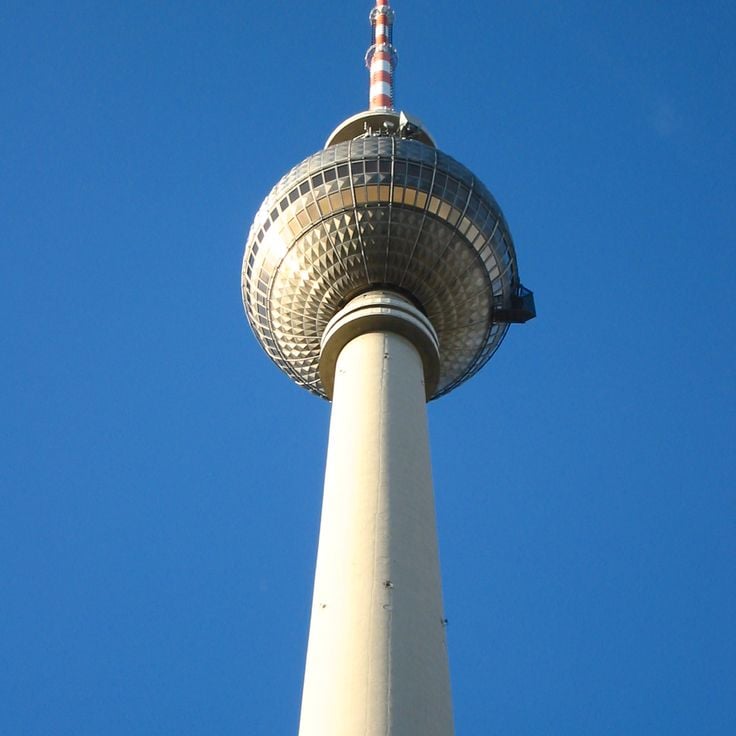
This television tower rises to 368 meters and is the tallest structure in Germany. The observation platform sits at 203 meters and offers a wide view over the city. The construction of concrete and steel has been a landmark in the skyline since the 1960s. A rotating restaurant allows diners to watch the surroundings during their meal. On clear days the view extends for several miles. The tower stands near the central square and attracts visitors throughout the day.
This museum presents daily life in the German Democratic Republic between 1949 and 1990. The exhibition displays original objects from the era, reconstructed apartments with typical furniture and documentary evidence. Visitors can understand how people in the eastern part of Germany lived, worked and spent their free time.
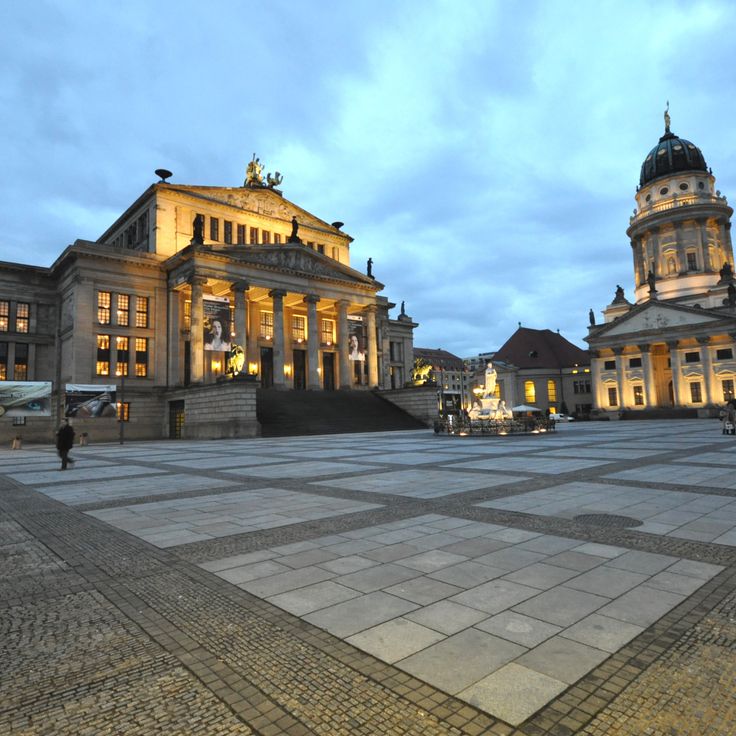
This public square from 1688 sits in central Berlin as an ensemble with the French Cathedral, the German Cathedral and the Konzerthaus. The classical architecture of the 18th century shapes the view. The two churches flank the square while the concert hall stands in the middle. The symmetrical layout emerged from plans drawn during the reign of Frederick the Great. Today the square hosts concerts and public events. Gendarmenmarkt belongs to the stops that visitors include when walking through the historic districts of Berlin.
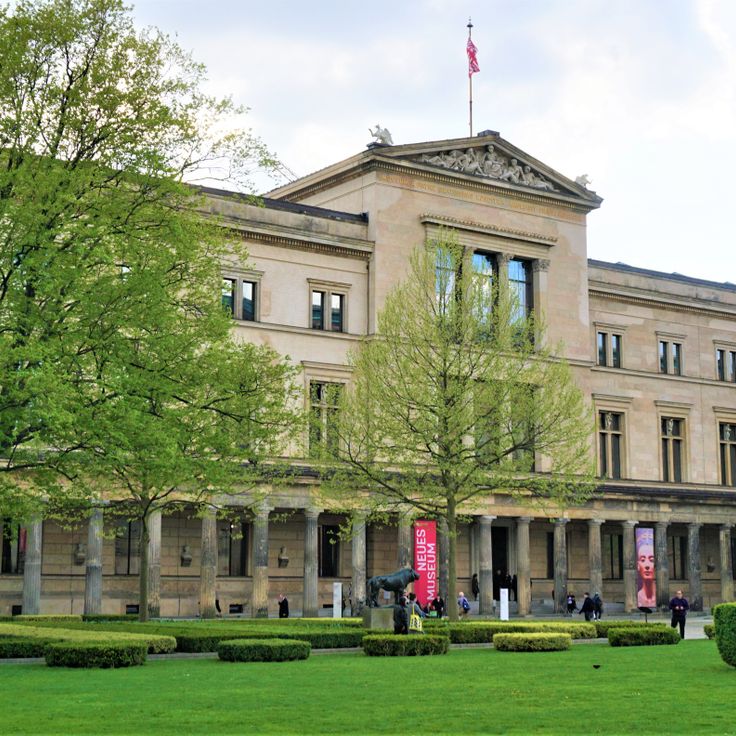
The Neues Museum is a 19th-century exhibition building on Museum Island that houses Egyptian collections including the bust of Nefertiti, prehistoric finds from early European history, and objects from classical antiquity. War damage was left partially visible during restoration. Visitors walk through different epochs from ancient Egypt to the Iron Age.
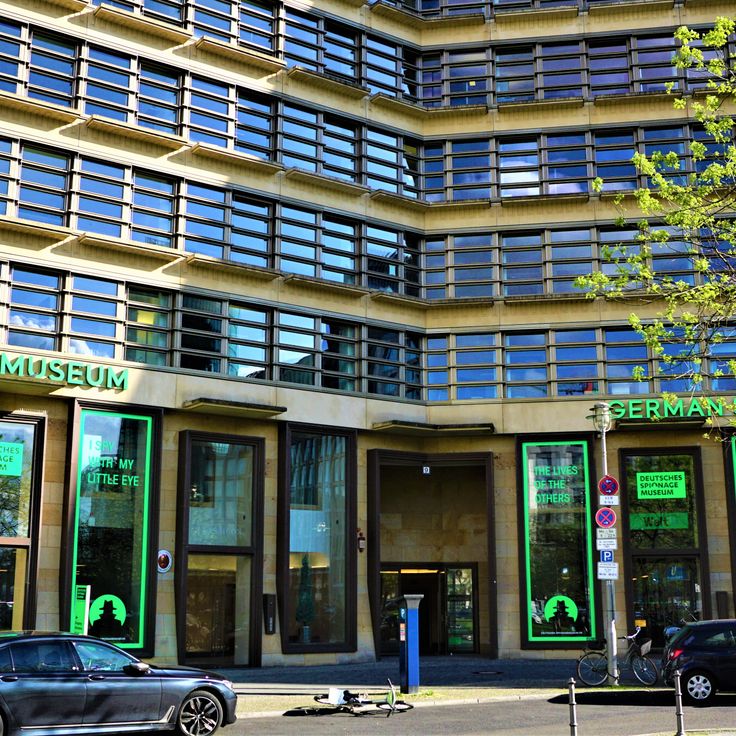
This museum explores the tools and techniques used in intelligence gathering across different eras. The collection includes listening devices, cipher machines and hidden cameras from various periods of the 20th century. Visitors can interact with displays that show how agents collected and transmitted information. Exhibits cover Cold War espionage operations and explain how surveillance methods evolved over time. The building stands in a central part of the city, close to other sites related to Berlin's postwar history.
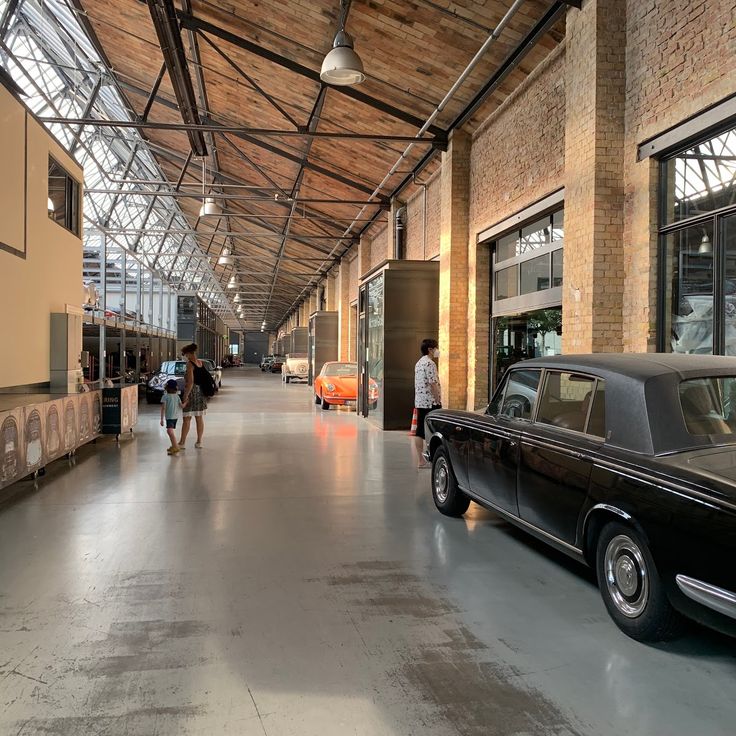
The Classic Remise Berlin occupies a former tram depot built in the 1930s. The brick structure displays vintage cars, motorcycles and classic sports models across multiple levels. Restoration workshops operate inside the building where mechanics work on historic vehicles. Visitors can walk among the automobiles, watch craftsmen at work and browse specialized shops. The building preserves its industrial architecture while serving as a showroom where collectors and enthusiasts examine automobiles from different decades.
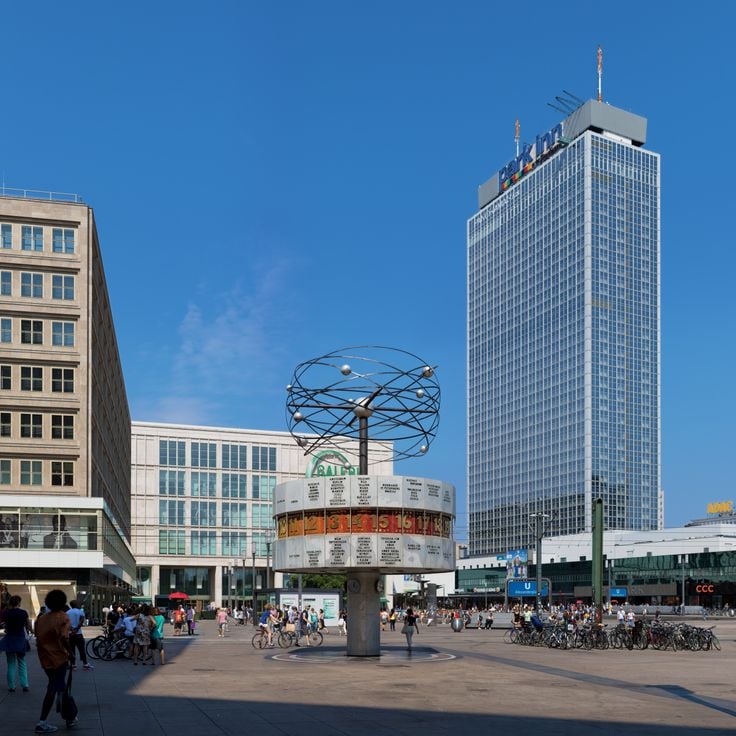
This large public square serves as a central transport hub in the city. The Fernsehturm television tower stands here at 368 meters (1,207 feet) tall, offering views across the rooftops. Shops, restaurants, and cafés line the square, which thousands of people cross every day. The Weltzeituhr world clock from the 1960s displays the time across different continents and serves as a popular meeting point. The square connects several subway, commuter rail, and tram lines, making it a hub for travelers and locals alike.
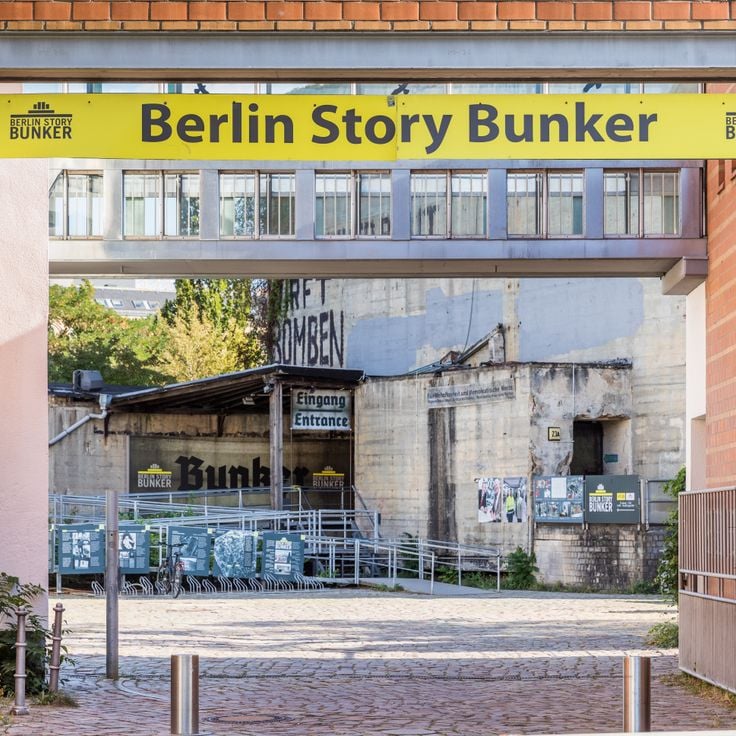
The Berlin Story Bunker houses a museum inside a former air raid shelter built during the Second World War, presenting the history of the city from 1871 to 1945 and the period of division and the Cold War. Exhibition rooms spread across several floors inside the bunker display documents, photographs, everyday objects, and models illustrating life in Berlin during the Nazi dictatorship, the war, and the postwar years. Visitors walk through the thick concrete walls and narrow corridors of the former shelter while learning about political events, daily life, and the urban transformations that shaped Berlin until reunification.
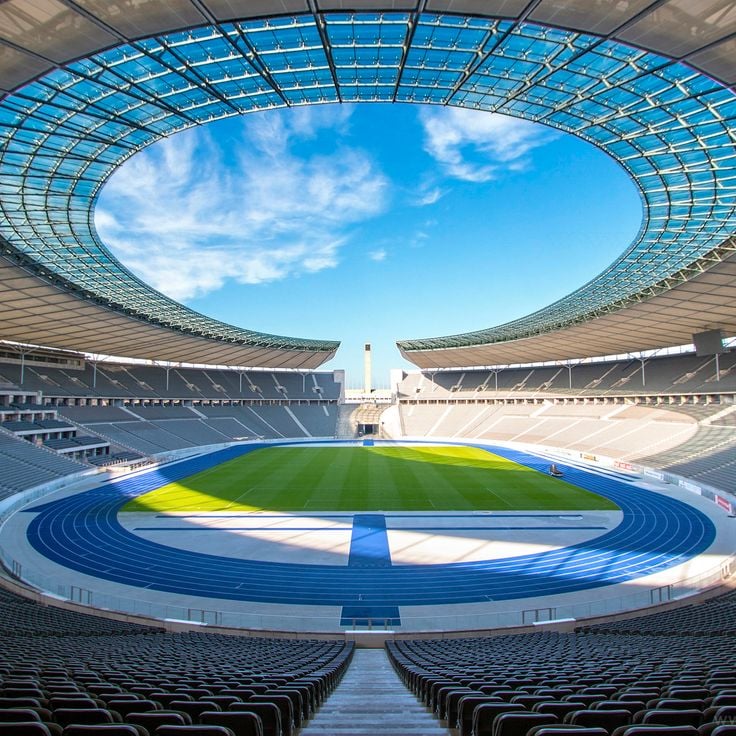
The Olympic Stadium was built between 1934 and 1936 and holds 74,475 spectators. This sports complex hosted the Olympic Games and now serves as a venue for soccer matches and concerts. The monumental architecture from the nineteen-thirties shapes its appearance, while modern renovations allow for contemporary events. Visitors experience sporting events in a historical setting or join guided tours through the stands and underground passages. The extensive outdoor grounds invite leisurely walks around the perimeter.
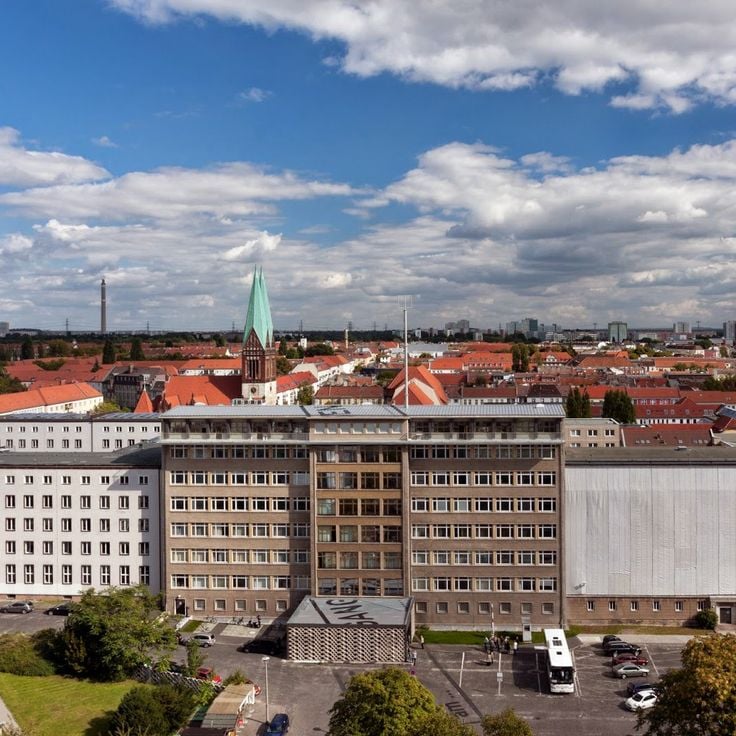
The Stasi Museum occupies the former headquarters of the East German state security service. The exhibition displays original offices, including the workspace of the last minister, Erich Mielke. Rooms contain listening devices, hidden cameras, mail-opening machines, and other surveillance equipment. The archives document the methods of political control used between 1950 and 1989. The tour passes through hallways and rooms that remain largely unchanged since reunification, offering a direct view into how the agency operated.
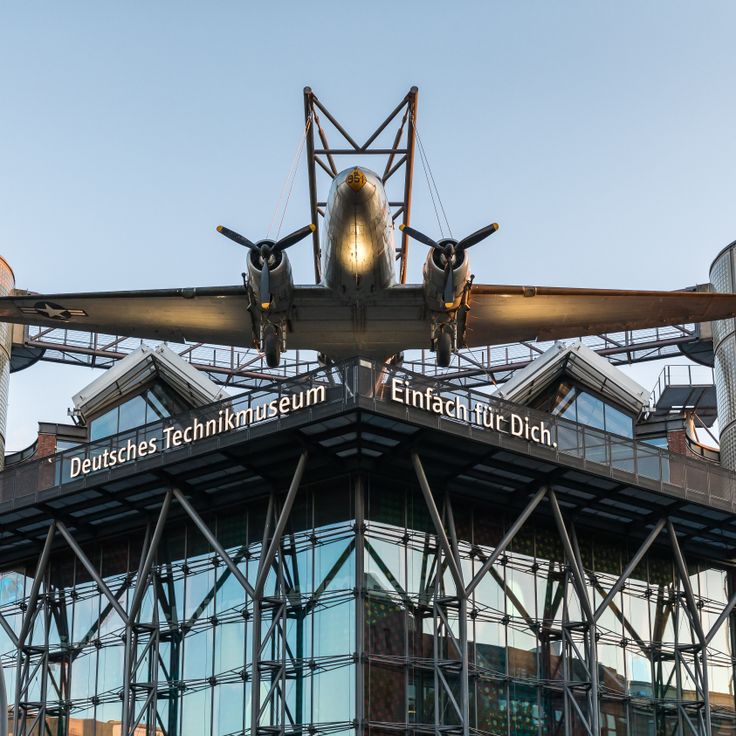
This museum presents machines, tools and vehicles from German industrial history. The collection includes steam locomotives, historic aircraft, ships and technical equipment from different periods. Real trains and planes stand in the outdoor area where visitors can view them from outside. The exhibition covers topics like transport, production, communication and energy. Visitors can follow the development of technology from the 18th century to today. The grounds extend over a former railway depot with preserved buildings and track installations.
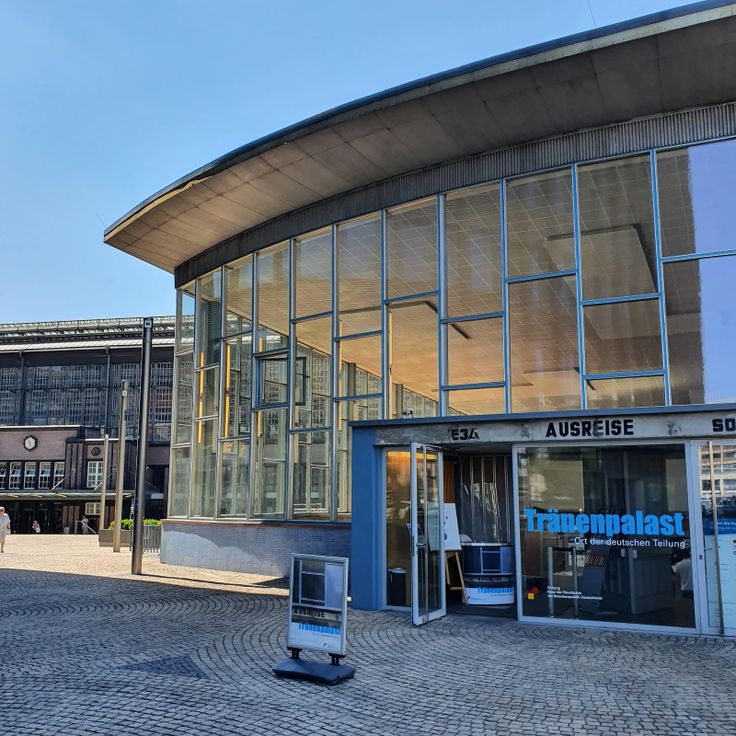
This former border checkpoint on Friedrichstraße served between 1962 and 1989 as the place where East Germans said goodbye to visitors returning to West Berlin. The Palace of Tears now documents the division of Berlin and preserves the atmosphere of that time when families and friends were separated here.
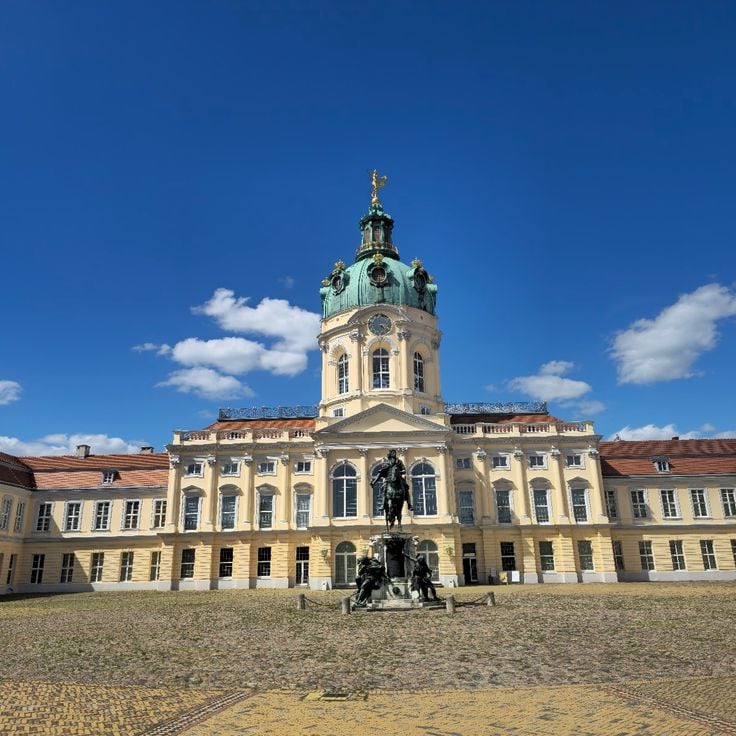
Charlottenburg Palace served as a summer residence for Prussian royalty and now displays rooms furnished with objects from the 17th and 18th centuries. The interior features gilded ornaments, paintings and porcelain collections. A French-style garden stretches behind the palace and leads to a mausoleum where Queen Louise of Prussia is buried. The grounds sit along the Spree River, combining baroque architecture with landscape design from the era of the Kingdom of Prussia.
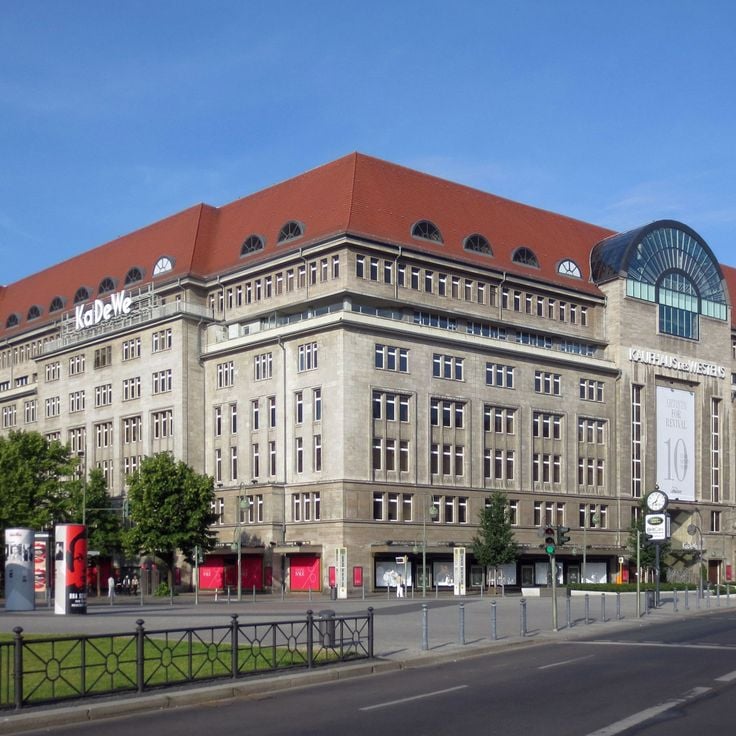
This department store spreads over eight floors and offers international fashion, luxury brands and perfumes. The upper levels house restaurants and a rooftop terrace with views across the Berlin skyline. The building from the late 19th century stands on Tauentzien near Kurfürstendamm. The ground floor displays jewelry and accessories in window fronts, while the gourmet food hall carries regional and imported specialties.
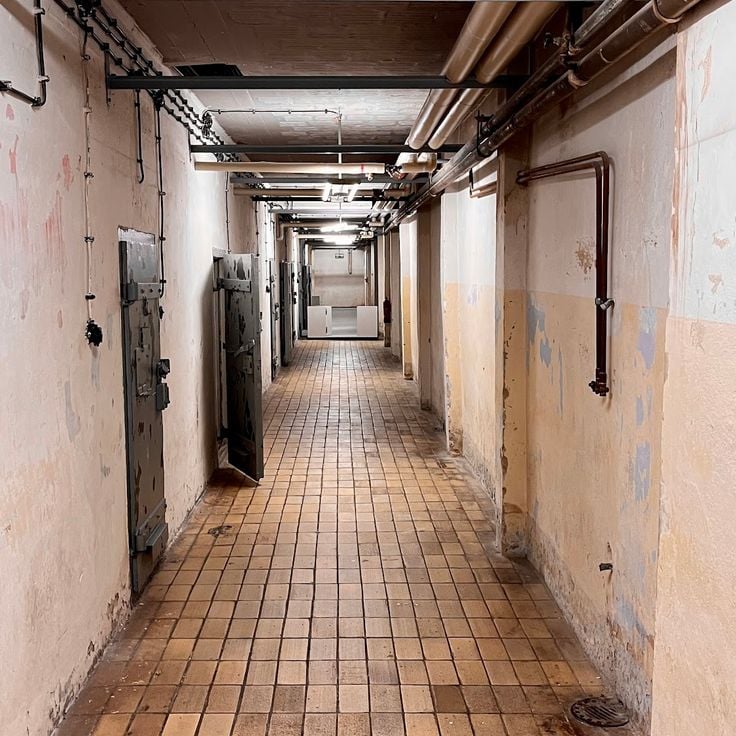
This memorial occupies a former detention center used by East German state security. The building preserves cells, interrogation rooms and exhibitions about political persecution between 1945 and 1989. Visitors walk through the spaces where political prisoners were held. Tours are often led by former inmates who share their experiences. The atmosphere is oppressive and conveys a direct sense of the detention conditions during the GDR era.
The Reichstag building serves as the seat of the German Bundestag and combines historic architecture with modern additions. Visitors recognize the structure by its glass dome, accessible from inside via a spiral ramp. The plenary chamber hosts sessions where elected representatives meet and debate. The building stands near Brandenburg Gate and remains central to German politics and history. Guided tours allow access to the rooftop terrace, offering views across the city.
This documentation center stands on the site of the former Gestapo headquarters. The permanent exhibition shows photographs, documents and information panels about the history of Nazi persecution agencies between 1933 and 1945. Outside, sections of the Berlin Wall and foundations of destroyed buildings remain visible. The exhibition rooms cover the organization of terror, deportations and the development of the repression system. An outdoor trail along Niederkirchnerstrasse explains how the different institutions functioned. The site sits between Kreuzberg and Mitte, a short walk from Potsdamer Platz.
This gate from 1791 follows classical Greek column principles and marks the western start of Unter den Linden street. Carl Gotthard Langhans designed the structure, which carries the chariot of the goddess of victory as its crowning element. After the Wall fell in 1989, this structure became a gathering point for political events and celebrations. Sandstone columns and the Doric entablature shape the appearance of the square. Visitors walk through the central passages or look at the reliefs on the side walls.
This memorial runs along Bernauer Strasse and preserves sections of the original Wall. A documentation center displays photographs, testimonies and objects from the division period. The Chapel of Reconciliation stands on the site of a demolished church. Visitors walk between preserved wall segments, watchtowers and border strips. The grounds convey the spatial extent of the border area and the atmosphere of the monitored zone.
The Memorial to the Murdered Jews of Europe consists of 2711 concrete slabs arranged on undulating ground near Brandenburg Gate. The blocks of varying heights form a walkable labyrinth that creates a sense of disorientation and silence. Visitors walk through narrow passages between the gray pillars while street noise fades in the distance. An underground information center documents the persecution and murder of European Jews by the Nazi regime. The memorial sits in Berlin's historic center and is freely accessible to the public.
This museum presents ancient structures from the Near East and the Mediterranean world. The Pergamon Altar from the second century BC occupies an entire hall and displays a frieze with gods and giants. The Market Gate of Miletus dates from Roman times and reaches a height of about 52 feet (16 meters). The Ishtar Gate from Babylon is made of glazed bricks in blue and shows rows of bulls and dragons. The Processional Way leads through the gate and gives an impression of how the ancient city was organized. The collection also includes Islamic art with facades, domes and wall panels from various periods.
The East Side Gallery is a stretch of the Berlin Wall that runs for more than a kilometer along the Spree River. After the wall fell in 1989, artists from around the world painted murals on this section, turning it into an open-air gallery. Today, over a hundred artworks cover the concrete surface, each one addressing themes like freedom, hope, and political change. Visitors walk directly alongside the wall and see different styles and messages preserved on its panels. The site connects the history of the Cold War with contemporary art, offering a space where memory and creativity meet outdoors.
The Friedrichstadt-Palast is a theater in central Berlin known for large-scale variety shows with dancers, acrobats, and musicians. The hall seats nearly nineteen hundred people and ranks among the largest stages in Europe for this kind of entertainment. The program changes regularly and includes revues with elaborate costumes, contemporary circus acts without animals, and musical productions aimed at a wide audience. Performances are usually colorful and technically polished. The building itself dates from the nineteen eighties and replaced an older predecessor. The facade is plain and modern, while the interior is designed for impact. Many visitors come here to spend an evening with live entertainment that differs from traditional theater or opera. The Friedrichstadt-Palast stands in a district historically known for venues of pleasure and culture, though the surroundings today are marked by newer buildings and shops.
The Museum Island on the Spree river brings together five State Museums under one roof. The Pergamon Museum displays ancient monumental architecture and Islamic art. The Bode Museum houses Byzantine sculptures and old coins. The Neues Museum presents Egyptian collections, including the bust of Nefertiti. The Alte Nationalgalerie focuses on 19th-century painting and sculpture. The Altes Museum shows Greek and Roman antiquities. This complex has been a UNESCO World Heritage Site since 1999.
Berlin Zoo was founded in the mid-nineteenth century and now displays animals from around the world in enclosures that recreate their natural habitats. The facility covers several hectares in the heart of the city and houses a wide variety of mammals, birds, reptiles and aquatic species. Visitors can walk through different themed areas, from tropical rainforest to African savanna, and observe animal species native to multiple continents.
This Protestant church was completed in 1905 and stands on Lustgarten opposite the Old Museum. The dome rises to 320 feet (98 meters) and shapes the skyline of Museum Island. The interior shows baroque elements with marble columns, mosaics and an organ from the construction period. An observation platform at 164 feet (50 meters) opens views over the Spree River and surrounding buildings. The Hohenzollern crypt beneath the nave holds sarcophagi from several centuries. The Berlin Cathedral belongs to the central structures of the historic center and combines religious function with visitor access.
The Tiergarten covers 210 hectares (520 acres) in the center of the city, blending open lawns with dense woodland. A network of paths winds through forests, passes small lakes, and leads to monuments that recall different periods of German history. Walkers, cyclists, and runners use the 23 kilometers (14 miles) of trails, while families gather on the lawns during summer days. The park has served as a recreation ground for centuries and shows traces of landscape architecture from different eras.
This television tower rises to 368 meters and is the tallest structure in Germany. The observation platform sits at 203 meters and offers a wide view over the city. The construction of concrete and steel has been a landmark in the skyline since the 1960s. A rotating restaurant allows diners to watch the surroundings during their meal. On clear days the view extends for several miles. The tower stands near the central square and attracts visitors throughout the day.
This museum presents daily life in the German Democratic Republic between 1949 and 1990. The exhibition displays original objects from the era, reconstructed apartments with typical furniture and documentary evidence. Visitors can understand how people in the eastern part of Germany lived, worked and spent their free time.
This public square from 1688 sits in central Berlin as an ensemble with the French Cathedral, the German Cathedral and the Konzerthaus. The classical architecture of the 18th century shapes the view. The two churches flank the square while the concert hall stands in the middle. The symmetrical layout emerged from plans drawn during the reign of Frederick the Great. Today the square hosts concerts and public events. Gendarmenmarkt belongs to the stops that visitors include when walking through the historic districts of Berlin.
The Neues Museum is a 19th-century exhibition building on Museum Island that houses Egyptian collections including the bust of Nefertiti, prehistoric finds from early European history, and objects from classical antiquity. War damage was left partially visible during restoration. Visitors walk through different epochs from ancient Egypt to the Iron Age.
This museum explores the tools and techniques used in intelligence gathering across different eras. The collection includes listening devices, cipher machines and hidden cameras from various periods of the 20th century. Visitors can interact with displays that show how agents collected and transmitted information. Exhibits cover Cold War espionage operations and explain how surveillance methods evolved over time. The building stands in a central part of the city, close to other sites related to Berlin's postwar history.
The Classic Remise Berlin occupies a former tram depot built in the 1930s. The brick structure displays vintage cars, motorcycles and classic sports models across multiple levels. Restoration workshops operate inside the building where mechanics work on historic vehicles. Visitors can walk among the automobiles, watch craftsmen at work and browse specialized shops. The building preserves its industrial architecture while serving as a showroom where collectors and enthusiasts examine automobiles from different decades.
This large public square serves as a central transport hub in the city. The Fernsehturm television tower stands here at 368 meters (1,207 feet) tall, offering views across the rooftops. Shops, restaurants, and cafés line the square, which thousands of people cross every day. The Weltzeituhr world clock from the 1960s displays the time across different continents and serves as a popular meeting point. The square connects several subway, commuter rail, and tram lines, making it a hub for travelers and locals alike.
The Berlin Story Bunker houses a museum inside a former air raid shelter built during the Second World War, presenting the history of the city from 1871 to 1945 and the period of division and the Cold War. Exhibition rooms spread across several floors inside the bunker display documents, photographs, everyday objects, and models illustrating life in Berlin during the Nazi dictatorship, the war, and the postwar years. Visitors walk through the thick concrete walls and narrow corridors of the former shelter while learning about political events, daily life, and the urban transformations that shaped Berlin until reunification.
The Olympic Stadium was built between 1934 and 1936 and holds 74,475 spectators. This sports complex hosted the Olympic Games and now serves as a venue for soccer matches and concerts. The monumental architecture from the nineteen-thirties shapes its appearance, while modern renovations allow for contemporary events. Visitors experience sporting events in a historical setting or join guided tours through the stands and underground passages. The extensive outdoor grounds invite leisurely walks around the perimeter.
The Stasi Museum occupies the former headquarters of the East German state security service. The exhibition displays original offices, including the workspace of the last minister, Erich Mielke. Rooms contain listening devices, hidden cameras, mail-opening machines, and other surveillance equipment. The archives document the methods of political control used between 1950 and 1989. The tour passes through hallways and rooms that remain largely unchanged since reunification, offering a direct view into how the agency operated.
This museum presents machines, tools and vehicles from German industrial history. The collection includes steam locomotives, historic aircraft, ships and technical equipment from different periods. Real trains and planes stand in the outdoor area where visitors can view them from outside. The exhibition covers topics like transport, production, communication and energy. Visitors can follow the development of technology from the 18th century to today. The grounds extend over a former railway depot with preserved buildings and track installations.
This former border checkpoint on Friedrichstraße served between 1962 and 1989 as the place where East Germans said goodbye to visitors returning to West Berlin. The Palace of Tears now documents the division of Berlin and preserves the atmosphere of that time when families and friends were separated here.
Charlottenburg Palace served as a summer residence for Prussian royalty and now displays rooms furnished with objects from the 17th and 18th centuries. The interior features gilded ornaments, paintings and porcelain collections. A French-style garden stretches behind the palace and leads to a mausoleum where Queen Louise of Prussia is buried. The grounds sit along the Spree River, combining baroque architecture with landscape design from the era of the Kingdom of Prussia.
This department store spreads over eight floors and offers international fashion, luxury brands and perfumes. The upper levels house restaurants and a rooftop terrace with views across the Berlin skyline. The building from the late 19th century stands on Tauentzien near Kurfürstendamm. The ground floor displays jewelry and accessories in window fronts, while the gourmet food hall carries regional and imported specialties.
This memorial occupies a former detention center used by East German state security. The building preserves cells, interrogation rooms and exhibitions about political persecution between 1945 and 1989. Visitors walk through the spaces where political prisoners were held. Tours are often led by former inmates who share their experiences. The atmosphere is oppressive and conveys a direct sense of the detention conditions during the GDR era.
The Reichstag building serves as the seat of the German Bundestag and combines historic architecture with modern additions. Visitors recognize the structure by its glass dome, accessible from inside via a spiral ramp. The plenary chamber hosts sessions where elected representatives meet and debate. The building stands near Brandenburg Gate and remains central to German politics and history. Guided tours allow access to the rooftop terrace, offering views across the city.
This documentation center stands on the site of the former Gestapo headquarters. The permanent exhibition shows photographs, documents and information panels about the history of Nazi persecution agencies between 1933 and 1945. Outside, sections of the Berlin Wall and foundations of destroyed buildings remain visible. The exhibition rooms cover the organization of terror, deportations and the development of the repression system. An outdoor trail along Niederkirchnerstrasse explains how the different institutions functioned. The site sits between Kreuzberg and Mitte, a short walk from Potsdamer Platz.
This gate from 1791 follows classical Greek column principles and marks the western start of Unter den Linden street. Carl Gotthard Langhans designed the structure, which carries the chariot of the goddess of victory as its crowning element. After the Wall fell in 1989, this structure became a gathering point for political events and celebrations. Sandstone columns and the Doric entablature shape the appearance of the square. Visitors walk through the central passages or look at the reliefs on the side walls.
This memorial runs along Bernauer Strasse and preserves sections of the original Wall. A documentation center displays photographs, testimonies and objects from the division period. The Chapel of Reconciliation stands on the site of a demolished church. Visitors walk between preserved wall segments, watchtowers and border strips. The grounds convey the spatial extent of the border area and the atmosphere of the monitored zone.
The Memorial to the Murdered Jews of Europe consists of 2711 concrete slabs arranged on undulating ground near Brandenburg Gate. The blocks of varying heights form a walkable labyrinth that creates a sense of disorientation and silence. Visitors walk through narrow passages between the gray pillars while street noise fades in the distance. An underground information center documents the persecution and murder of European Jews by the Nazi regime. The memorial sits in Berlin's historic center and is freely accessible to the public.
This museum presents ancient structures from the Near East and the Mediterranean world. The Pergamon Altar from the second century BC occupies an entire hall and displays a frieze with gods and giants. The Market Gate of Miletus dates from Roman times and reaches a height of about 52 feet (16 meters). The Ishtar Gate from Babylon is made of glazed bricks in blue and shows rows of bulls and dragons. The Processional Way leads through the gate and gives an impression of how the ancient city was organized. The collection also includes Islamic art with facades, domes and wall panels from various periods.
The East Side Gallery is a stretch of the Berlin Wall that runs for more than a kilometer along the Spree River. After the wall fell in 1989, artists from around the world painted murals on this section, turning it into an open-air gallery. Today, over a hundred artworks cover the concrete surface, each one addressing themes like freedom, hope, and political change. Visitors walk directly alongside the wall and see different styles and messages preserved on its panels. The site connects the history of the Cold War with contemporary art, offering a space where memory and creativity meet outdoors.
The Friedrichstadt-Palast is a theater in central Berlin known for large-scale variety shows with dancers, acrobats, and musicians. The hall seats nearly nineteen hundred people and ranks among the largest stages in Europe for this kind of entertainment. The program changes regularly and includes revues with elaborate costumes, contemporary circus acts without animals, and musical productions aimed at a wide audience. Performances are usually colorful and technically polished. The building itself dates from the nineteen eighties and replaced an older predecessor. The facade is plain and modern, while the interior is designed for impact. Many visitors come here to spend an evening with live entertainment that differs from traditional theater or opera. The Friedrichstadt-Palast stands in a district historically known for venues of pleasure and culture, though the surroundings today are marked by newer buildings and shops.
The Museum Island on the Spree river brings together five State Museums under one roof. The Pergamon Museum displays ancient monumental architecture and Islamic art. The Bode Museum houses Byzantine sculptures and old coins. The Neues Museum presents Egyptian collections, including the bust of Nefertiti. The Alte Nationalgalerie focuses on 19th-century painting and sculpture. The Altes Museum shows Greek and Roman antiquities. This complex has been a UNESCO World Heritage Site since 1999.
Berlin Zoo was founded in the mid-nineteenth century and now displays animals from around the world in enclosures that recreate their natural habitats. The facility covers several hectares in the heart of the city and houses a wide variety of mammals, birds, reptiles and aquatic species. Visitors can walk through different themed areas, from tropical rainforest to African savanna, and observe animal species native to multiple continents.
This Protestant church was completed in 1905 and stands on Lustgarten opposite the Old Museum. The dome rises to 320 feet (98 meters) and shapes the skyline of Museum Island. The interior shows baroque elements with marble columns, mosaics and an organ from the construction period. An observation platform at 164 feet (50 meters) opens views over the Spree River and surrounding buildings. The Hohenzollern crypt beneath the nave holds sarcophagi from several centuries. The Berlin Cathedral belongs to the central structures of the historic center and combines religious function with visitor access.
The Tiergarten covers 210 hectares (520 acres) in the center of the city, blending open lawns with dense woodland. A network of paths winds through forests, passes small lakes, and leads to monuments that recall different periods of German history. Walkers, cyclists, and runners use the 23 kilometers (14 miles) of trails, while families gather on the lawns during summer days. The park has served as a recreation ground for centuries and shows traces of landscape architecture from different eras.
This television tower rises to 368 meters and is the tallest structure in Germany. The observation platform sits at 203 meters and offers a wide view over the city. The construction of concrete and steel has been a landmark in the skyline since the 1960s. A rotating restaurant allows diners to watch the surroundings during their meal. On clear days the view extends for several miles. The tower stands near the central square and attracts visitors throughout the day.
This museum presents daily life in the German Democratic Republic between 1949 and 1990. The exhibition displays original objects from the era, reconstructed apartments with typical furniture and documentary evidence. Visitors can understand how people in the eastern part of Germany lived, worked and spent their free time.
This public square from 1688 sits in central Berlin as an ensemble with the French Cathedral, the German Cathedral and the Konzerthaus. The classical architecture of the 18th century shapes the view. The two churches flank the square while the concert hall stands in the middle. The symmetrical layout emerged from plans drawn during the reign of Frederick the Great. Today the square hosts concerts and public events. Gendarmenmarkt belongs to the stops that visitors include when walking through the historic districts of Berlin.
The Neues Museum is a 19th-century exhibition building on Museum Island that houses Egyptian collections including the bust of Nefertiti, prehistoric finds from early European history, and objects from classical antiquity. War damage was left partially visible during restoration. Visitors walk through different epochs from ancient Egypt to the Iron Age.
This museum explores the tools and techniques used in intelligence gathering across different eras. The collection includes listening devices, cipher machines and hidden cameras from various periods of the 20th century. Visitors can interact with displays that show how agents collected and transmitted information. Exhibits cover Cold War espionage operations and explain how surveillance methods evolved over time. The building stands in a central part of the city, close to other sites related to Berlin's postwar history.
The Classic Remise Berlin occupies a former tram depot built in the 1930s. The brick structure displays vintage cars, motorcycles and classic sports models across multiple levels. Restoration workshops operate inside the building where mechanics work on historic vehicles. Visitors can walk among the automobiles, watch craftsmen at work and browse specialized shops. The building preserves its industrial architecture while serving as a showroom where collectors and enthusiasts examine automobiles from different decades.
This large public square serves as a central transport hub in the city. The Fernsehturm television tower stands here at 368 meters (1,207 feet) tall, offering views across the rooftops. Shops, restaurants, and cafés line the square, which thousands of people cross every day. The Weltzeituhr world clock from the 1960s displays the time across different continents and serves as a popular meeting point. The square connects several subway, commuter rail, and tram lines, making it a hub for travelers and locals alike.
The Berlin Story Bunker houses a museum inside a former air raid shelter built during the Second World War, presenting the history of the city from 1871 to 1945 and the period of division and the Cold War. Exhibition rooms spread across several floors inside the bunker display documents, photographs, everyday objects, and models illustrating life in Berlin during the Nazi dictatorship, the war, and the postwar years. Visitors walk through the thick concrete walls and narrow corridors of the former shelter while learning about political events, daily life, and the urban transformations that shaped Berlin until reunification.
The Olympic Stadium was built between 1934 and 1936 and holds 74,475 spectators. This sports complex hosted the Olympic Games and now serves as a venue for soccer matches and concerts. The monumental architecture from the nineteen-thirties shapes its appearance, while modern renovations allow for contemporary events. Visitors experience sporting events in a historical setting or join guided tours through the stands and underground passages. The extensive outdoor grounds invite leisurely walks around the perimeter.
The Stasi Museum occupies the former headquarters of the East German state security service. The exhibition displays original offices, including the workspace of the last minister, Erich Mielke. Rooms contain listening devices, hidden cameras, mail-opening machines, and other surveillance equipment. The archives document the methods of political control used between 1950 and 1989. The tour passes through hallways and rooms that remain largely unchanged since reunification, offering a direct view into how the agency operated.
This museum presents machines, tools and vehicles from German industrial history. The collection includes steam locomotives, historic aircraft, ships and technical equipment from different periods. Real trains and planes stand in the outdoor area where visitors can view them from outside. The exhibition covers topics like transport, production, communication and energy. Visitors can follow the development of technology from the 18th century to today. The grounds extend over a former railway depot with preserved buildings and track installations.
This former border checkpoint on Friedrichstraße served between 1962 and 1989 as the place where East Germans said goodbye to visitors returning to West Berlin. The Palace of Tears now documents the division of Berlin and preserves the atmosphere of that time when families and friends were separated here.
Charlottenburg Palace served as a summer residence for Prussian royalty and now displays rooms furnished with objects from the 17th and 18th centuries. The interior features gilded ornaments, paintings and porcelain collections. A French-style garden stretches behind the palace and leads to a mausoleum where Queen Louise of Prussia is buried. The grounds sit along the Spree River, combining baroque architecture with landscape design from the era of the Kingdom of Prussia.
This department store spreads over eight floors and offers international fashion, luxury brands and perfumes. The upper levels house restaurants and a rooftop terrace with views across the Berlin skyline. The building from the late 19th century stands on Tauentzien near Kurfürstendamm. The ground floor displays jewelry and accessories in window fronts, while the gourmet food hall carries regional and imported specialties.
This memorial occupies a former detention center used by East German state security. The building preserves cells, interrogation rooms and exhibitions about political persecution between 1945 and 1989. Visitors walk through the spaces where political prisoners were held. Tours are often led by former inmates who share their experiences. The atmosphere is oppressive and conveys a direct sense of the detention conditions during the GDR era.