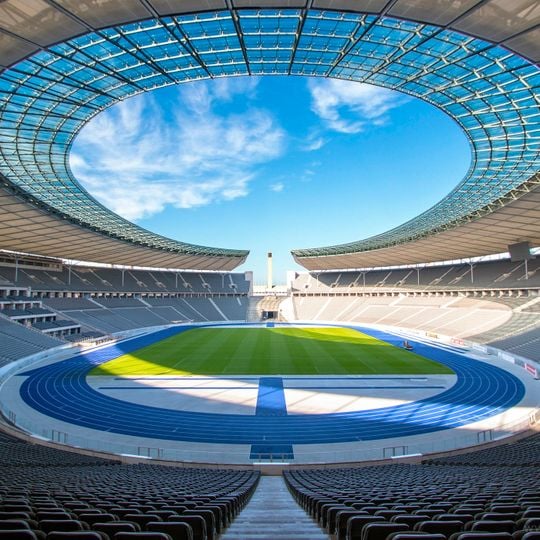
Berlin Olympic Stadium, Olympic Stadium in Westend, Berlin, Germany
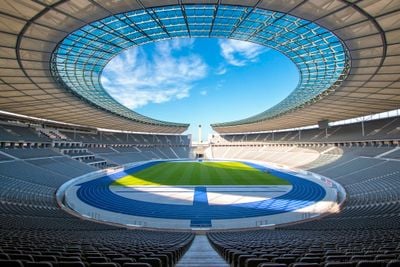
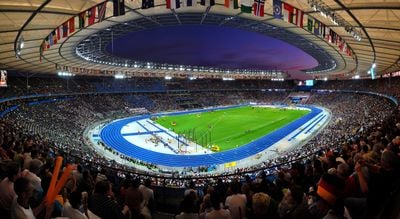
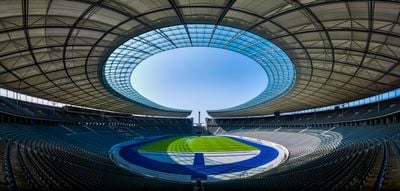
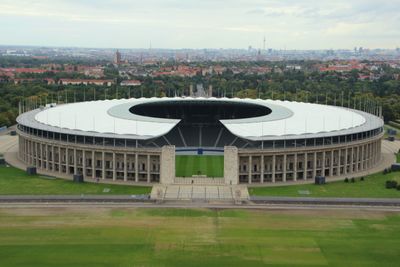
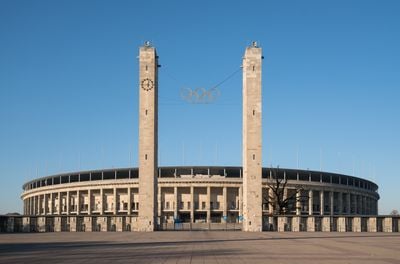
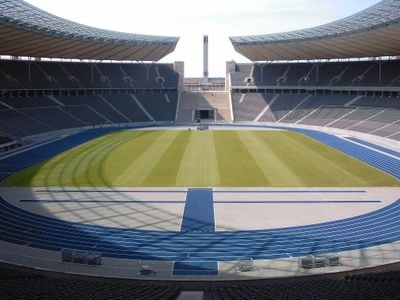
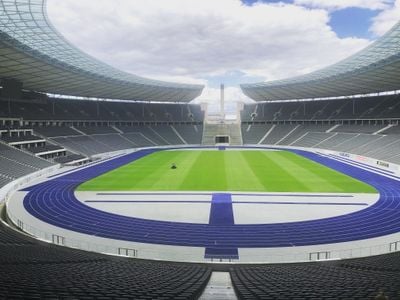
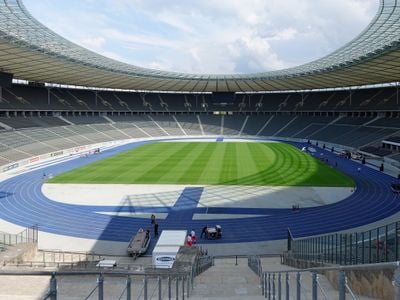
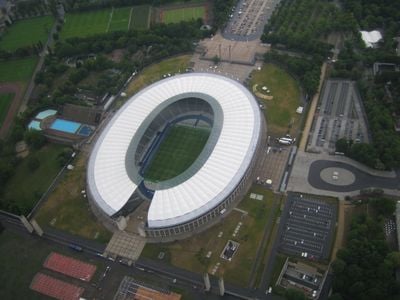
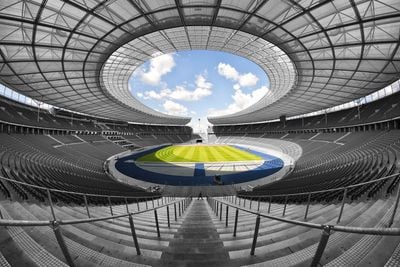
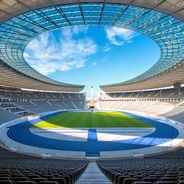
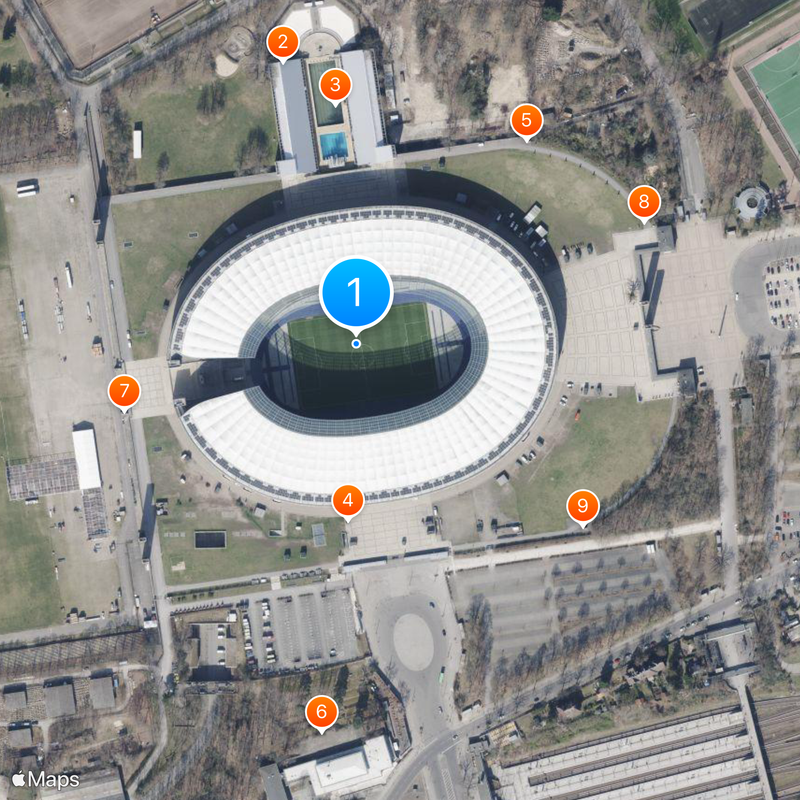
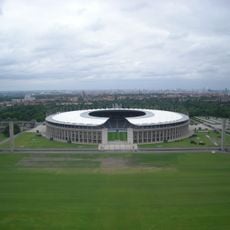
The Berlin Olympic Stadium is a sports arena in Westend, part of Charlottenburg-Wilmersdorf, with 74,475 seats and a construction made of stone. The structure covers an area roughly 300 by 230 meters (985 by 755 feet) and shows symmetrical architecture with encircling tiers.
Werner March designed the structure for the 1936 Summer Olympics, which hosted track and field competitions. After World War II, British forces took over the site before it later reopened for sporting events.
The venue takes its name from the Olympic Games and remains a place where football supporters gather on match days. The stands regularly fill with fans who support their team and shape the atmosphere inside.
Guided tours allow access to different areas and run daily when no events are scheduled. The U2 subway line and S5 commuter train connect the site with central Berlin.
The bell tower beside the Marathon Gate was rebuilt after the war following its destruction by fire. From the top, it offers a view over the western city and the surrounding Olympic Park.
Location: Charlottenburg-Wilmersdorf
Inception: 1934
Architects: Werner March, Albert Speer
Official opening: August 1, 1936
Capacity: 74475
Height: 21.26 m
Length: 304.26 m
Width: 230.73 m
Accessibility: Wheelchair accessible
Address: Olympischer Platz 3, D-14053 Berlin
Opening Hours: Monday-Sunday 09:00-19:00
Phone: +493030688100
Website: https://olympiastadion.berlin
GPS coordinates: 52.51472,13.23944
Latest update: December 4, 2025 19:00
Berlin presents a different side away from the usual landmarks. This selection features lesser-known places where history blends with modern creativity. The former Tempelhof Airport transformed into a public park, Teufelsberg built on war debris with its old American listening station, or the Boros Collection housed in a Second World War bunker, reflect the city's turbulent past. The Spreepark, an abandoned amusement park from the GDR era, and the Monster Cabinet with its mechanical installations offer unusual experiences. These sites tell Berlin in a different way. From the Spy Museum detailing espionage during the Cold War to Badeschiff, a swimming pool built on the Spree, to the radio tower Funkturm with views of the German capital, each location has its unique character. Local markets, underground galleries, and stands like Curry 36, a Berlin institution since 1980, complete this exploration of a city with many faces, where each neighborhood retains its own features.
Berlin has reinvented itself several times in its history, and these transformations remain visible across the city today. You can see Prussian palaces like Charlottenburg, the large dome of the parliament building, the Brandenburg Gate, and the museums on Museum Island, where ancient art from different periods is displayed. The memorial church stands next to modern shopping streets, and the television tower at Alexanderplatz marks the skyline above the city center. More recent history shapes the city just as strongly. The Berlin Wall Memorial on Bernauer Strasse recalls the division, while the East Side Gallery along the river shows a painted stretch of the wall. The Holocaust Memorial, the Topography of Terror, and the Stasi Museum document the darkest chapters of the 20th century. The GDR Museum and the Palace of Tears offer a glimpse into daily life in the divided city. Between these serious places you find Tiergarten park, the zoo, and squares like Gendarmenmarkt, where you can simply sit and watch modern Berlin go by.
This collection gathers the largest stadiums on the planet, ranked by seating capacity. From the Narendra Modi Stadium in Motera, India, which hosts major cricket matches, to the vast American university arenas dedicated to football, and the May Day Stadium in Pyongyang, North Korea, these sports facilities demonstrate the scale that infrastructures for competitions and mass gatherings can reach. Each stadium has its own identity: some are exclusively dedicated to a specific sport, while others serve as flexible venues capable of hosting various events. Their sizes enable them to accommodate between 100,000 and over 150,000 spectators, providing organizers the opportunity to gather large crowds for international competitions, national finals, or major ceremonies.
Waldbühne
720 m
Unité d'Habitation of Berlin
579 m
Friedhof Heerstraße
787 m
Berlin Olympic park
227 m
Maifeld (Berlin)
375 m
Bell Tower of Berlin Olympic Stadium
533 m
Langemarckhalle
596 m
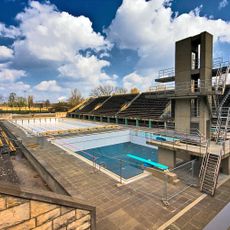
Olympiapark Schwimmstadion Berlin
188 m
Berliner U-Bahn Museum
771 m
Fließwiese Ruhleben
813 m
Haus des Deutschen Sports
700 m
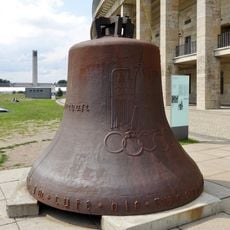
Olympic Bell
137 m
Decathlete
686 m
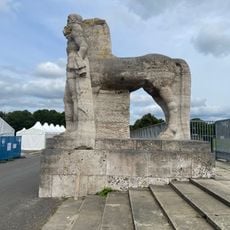
Bull
572 m
Winner
662 m
Ruhender Athlet
623 m
Cow
599 m
Staffelläufer
208 m
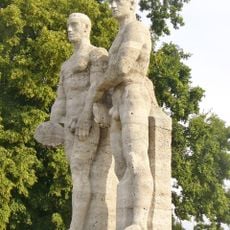
The Horse Tamers
188 m
Winners steles
244 m
Victory Goddess
281 m
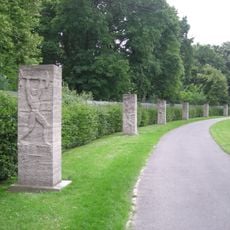
Eagle pillars
658 m
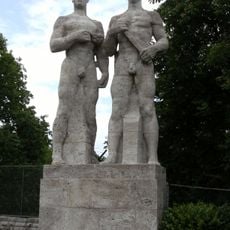
Discus Throwers
227 m
Poesie
617 m
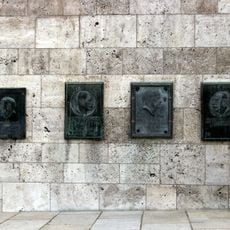
7 bronze plaques with portrait reliefs
225 m
Heldenehrung
617 m
Relay run
610 m
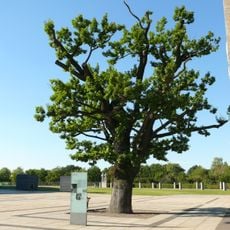
Podbielskieiche
217 mReviews
Visited this place? Tap the stars to rate it and share your experience / photos with the community! Try now! You can cancel it anytime.
Discover hidden gems everywhere you go!
From secret cafés to breathtaking viewpoints, skip the crowded tourist spots and find places that match your style. Our app makes it easy with voice search, smart filtering, route optimization, and insider tips from travelers worldwide. Download now for the complete mobile experience.
A unique approach to discovering new places❞
— Le Figaro
All the places worth exploring❞
— France Info
A tailor-made excursion in just a few clicks❞
— 20 Minutes