Germany, Federal republic in Central Europe.
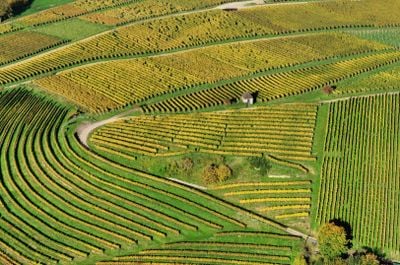
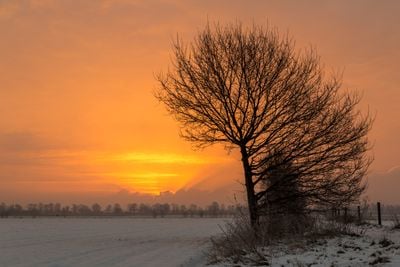
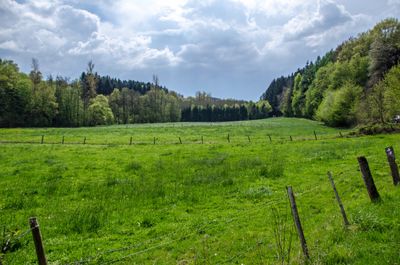
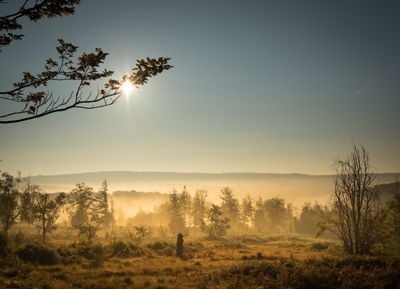
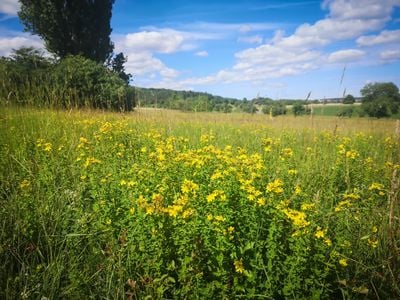
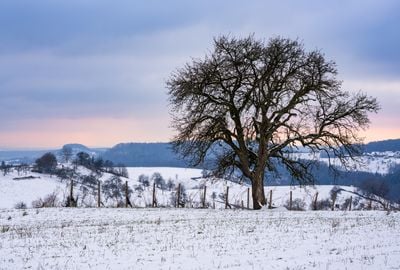
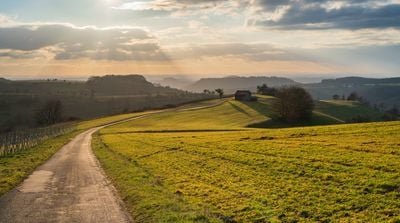
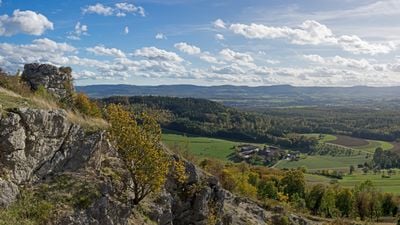
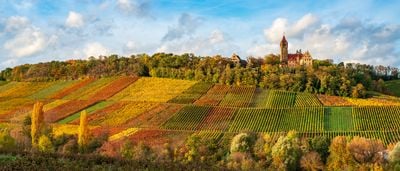
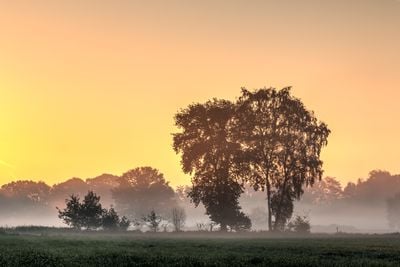
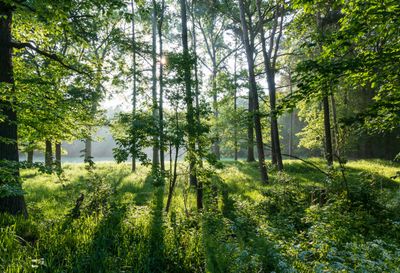
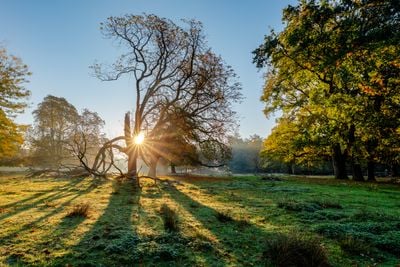
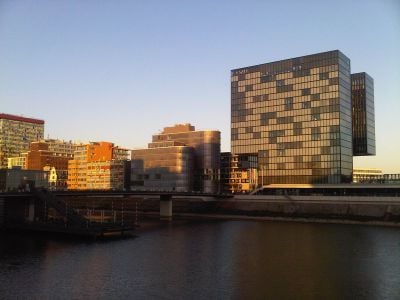
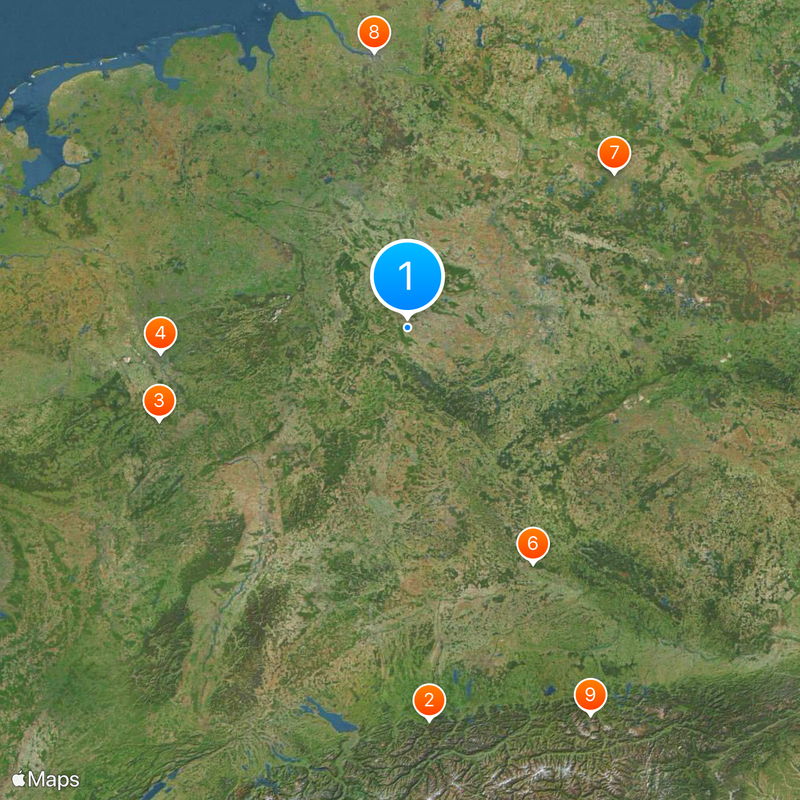
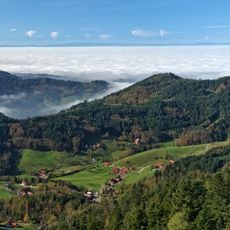
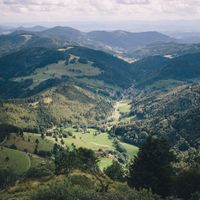
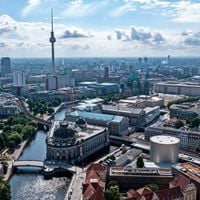
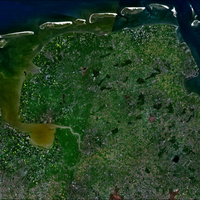
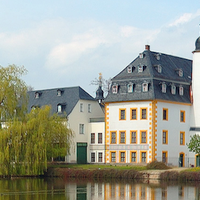
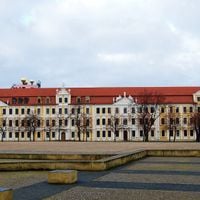
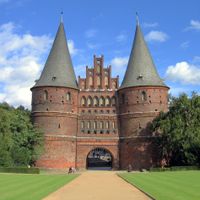
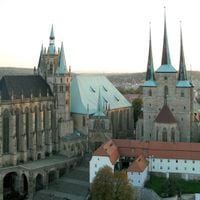
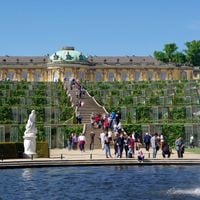
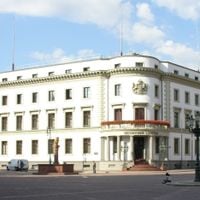
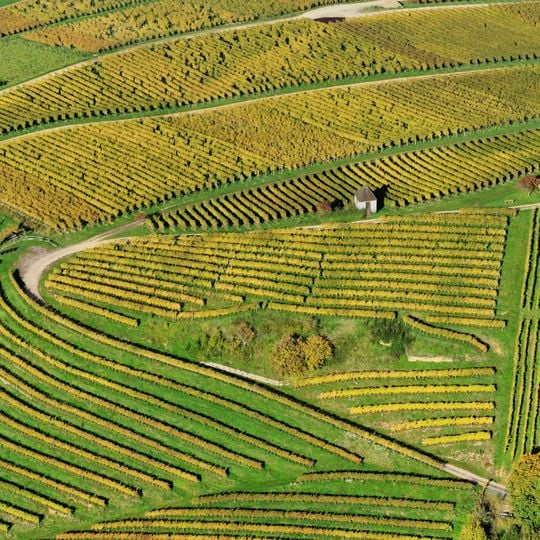
The federal republic stretches from the North and Baltic Sea coasts to the Alps in the south, comprising sixteen states with their own parliaments. Major cities including Berlin, Munich, and Hamburg shape the landscape alongside extensive forests, river valleys, and mountain ranges. Architecture ranges from medieval town centers to modern business districts in urban hubs.
Following World War Two, two German states emerged under different political systems, separated by border fortifications and the Berlin Wall. Reunification in October 1990 merged both parts after the wall fell in November 1989. Since then, the reunited nation has developed into a central player in the European Union with its capital in Berlin.
The dual education system combines academic learning with workplace apprenticeships, allowing young people to enter trades and industrial professions directly. Cultural diversity appears in regional dialects, cuisines, and festival traditions ranging from northern Hanseatic heritage to alpine customs. Musical traditions encompass classical composers, contemporary pop culture, and local folk music practiced across different regions.
High-speed trains connect regions while toll-free highways form the road network and international airports provide direct links to other continents. Public transportation operates on schedules with ticket systems integrating urban and regional travel. Visitor information and multilingual signs facilitate navigation in train stations and major transport hubs throughout the territory.
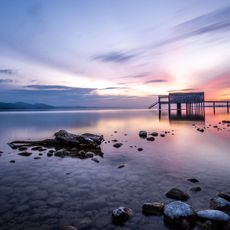
More than four hundred zoos and animal parks are distributed across the territory, with some facilities coordinating conservation breeding programs for endangered species. The trail network includes over 124,000 miles (200,000 kilometers) of marked hiking paths through diverse natural landscapes. In some coastal regions, traditional lighthouses now serve as observation points or small museums.
Inception: May 23, 1949
Capital city: Berlin
Shares border with: Denmark, Poland, Switzerland, France, Luxembourg, Belgium, Netherlands, Austria, Czech Republic, Kingdom of the Netherlands, Kingdom of Denmark, Benelux, United Kingdom, Sweden
Address: Germany
Website: https://deutschland.de
GPS coordinates: 51.16382,10.44783
Latest update: November 30, 2025 15:07
Golf courses in Germany span from seaside links to alpine settings. Players access modern practice facilities, tournament-standard layouts, and varied course designs. Venues include historic clubs from 1895, championship courses, and modern resorts. Locations range from Baltic coastal areas to mountain elevations of 1200 meters.
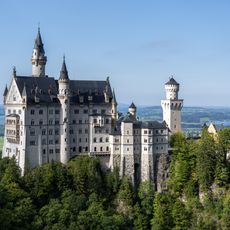
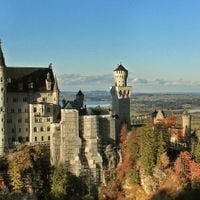
Neuschwanstein Castle
402 km
Nürburgring
263.2 km
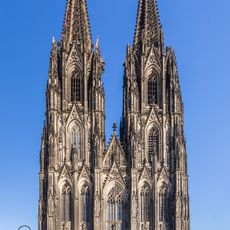
Cologne Cathedral
245.4 km
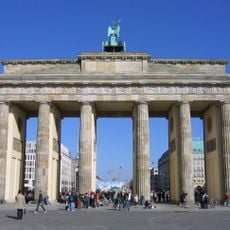
Brandenburg Gate
251.5 km
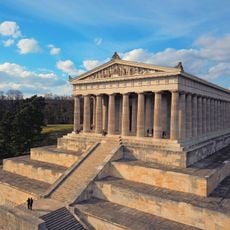
Walhalla memorial
269.1 km
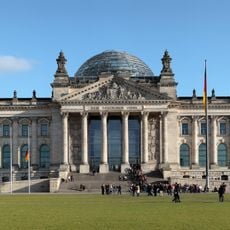
Reichstag
251.6 km
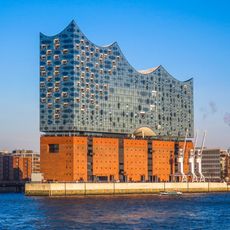
Elbphilharmonie
266.5 km
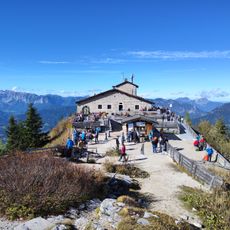
Kehlsteinhaus
437.8 km
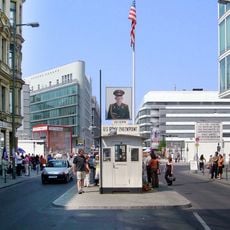
Checkpoint Charlie
251.6 km
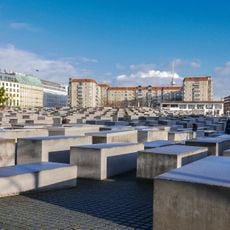
Memorial to the Murdered Jews of Europe
251.4 km
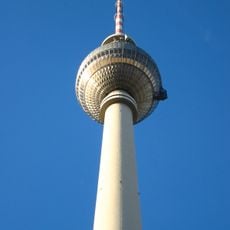
Fernsehturm Berlin
253.6 km
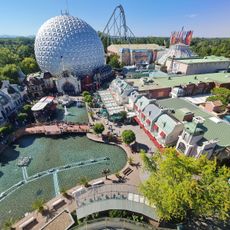
Europa-Park
377.3 km
Jahnkampfbahn Wald
238 km
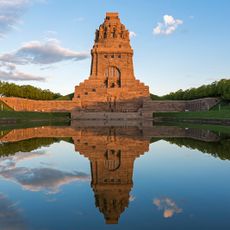
Monument to the Battle of the Nations
138 km
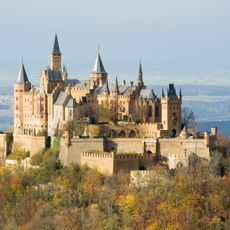
Hohenzollern Castle
333.6 km
Loreley
223.2 km
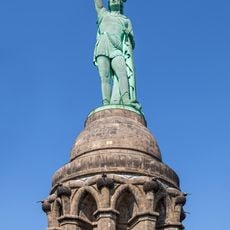
Hermannsdenkmal
139 km
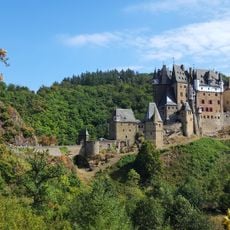
Eltz Castle
244 km
Berlin Olympic Stadium
243.9 km
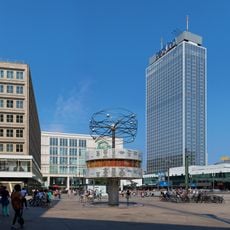
Alexanderplatz
253.9 km
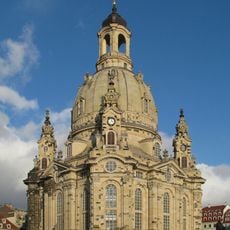
Church of Our Lady
230.5 km
Kurpfälzisches Museum
231.2 km
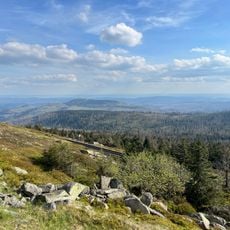
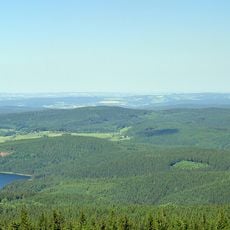
Brocken
71.7 km
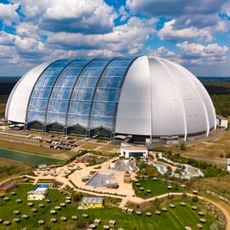
Tropical Islands
248.1 km
Berlin-Tempelhof Airport
250.1 km
Uber Arena
254.5 km
Phantasialand
253.3 km
Edersee
101 kmReviews
Visited this place? Tap the stars to rate it and share your experience / photos with the community! Try now! You can cancel it anytime.
Discover hidden gems everywhere you go!
From secret cafés to breathtaking viewpoints, skip the crowded tourist spots and find places that match your style. Our app makes it easy with voice search, smart filtering, route optimization, and insider tips from travelers worldwide. Download now for the complete mobile experience.
A unique approach to discovering new places❞
— Le Figaro
All the places worth exploring❞
— France Info
A tailor-made excursion in just a few clicks❞
— 20 Minutes