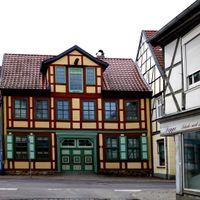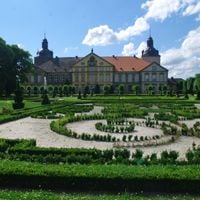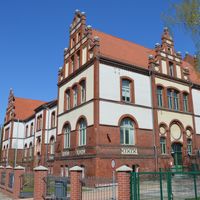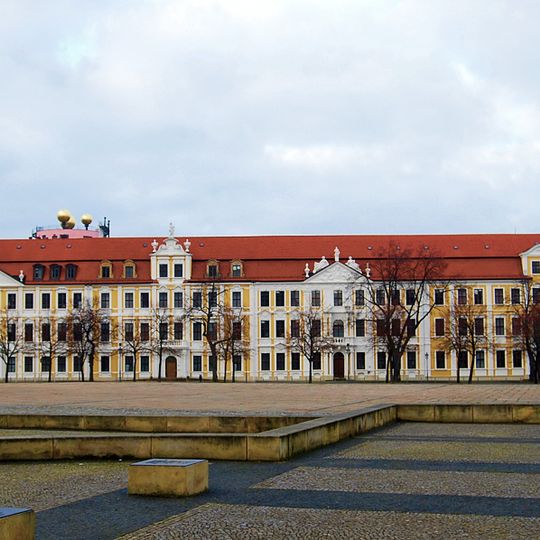
Sachsen-Anhalt, Federal state in central Germany
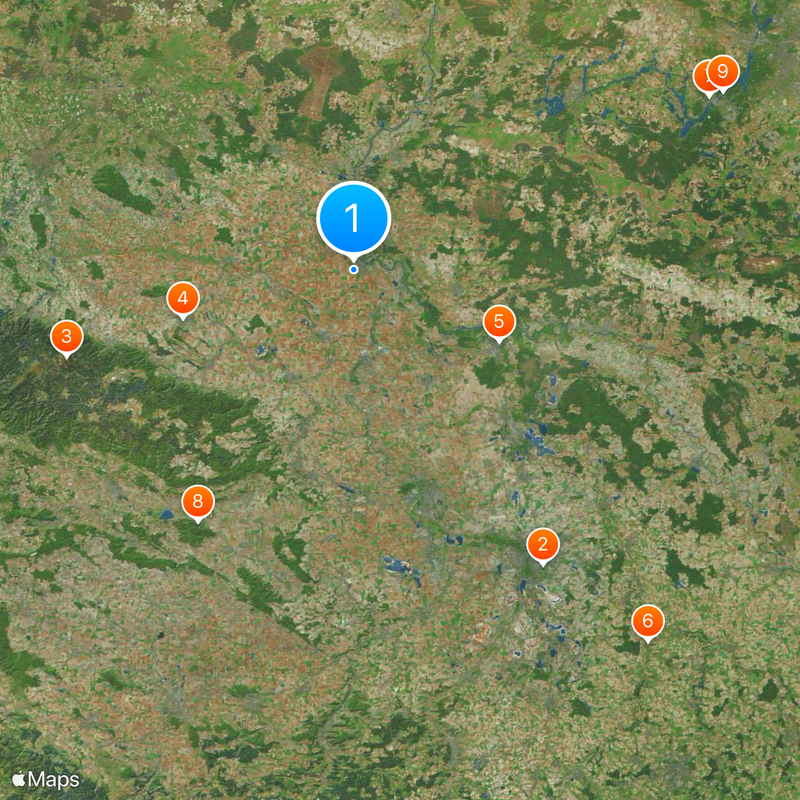
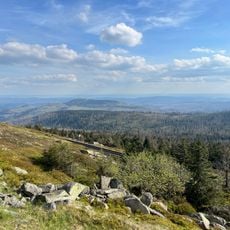
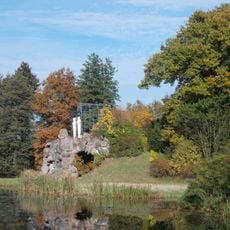
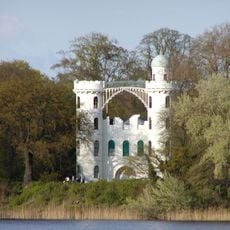
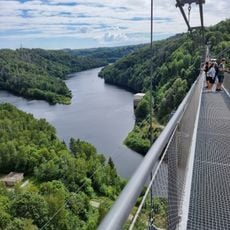
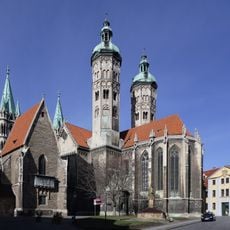
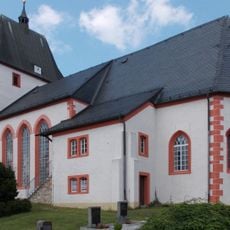
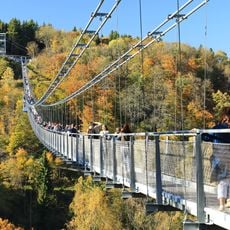
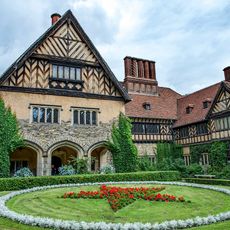
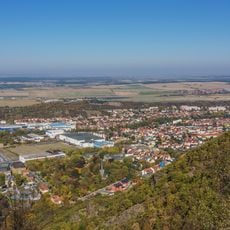
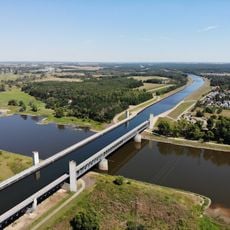
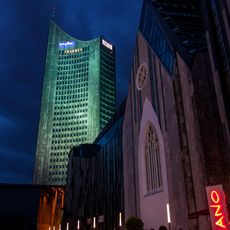
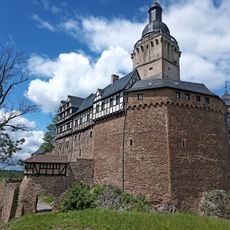
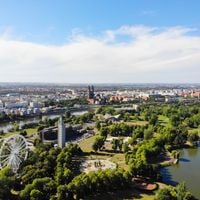
Saxony-Anhalt is a federal state in central Germany, organized into eleven districts and three independent cities across roughly twenty thousand square kilometers (about eight thousand square miles) between the Harz mountains and the Elbe River. The territory stretches from forested highlands in the southwest to wide river plains in the northeast.
After German reunification in nineteen ninety, this federal state formed from territories in the former East Germany, bringing together the old regions of Saxony and Anhalt. The merger restored administrative structures that had been dissolved during the division of Germany.
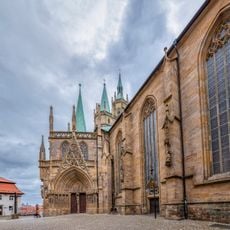
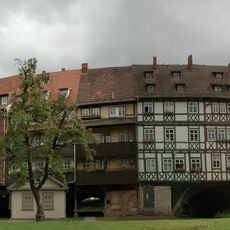
Visitors come to see five UNESCO World Heritage Sites, including the Bauhaus buildings in Dessau and the Luther memorials in Wittenberg and Eisleben. These places draw people interested in early twentieth-century design and the roots of the Protestant Reformation.
An extensive rail network and highway system link larger cities like Magdeburg and Halle, making most areas accessible by public transport or car. Plan extra time if you intend to explore rural districts or smaller historic towns.
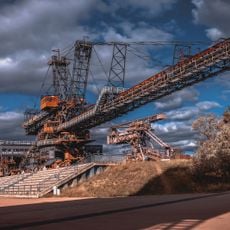
Between Halle, Merseburg, and Bitterfeld lies a large chemical industry triangle, home to some of the most important production facilities in Germany. This concentration has shaped the region's economy and landscape for generations.
The community of curious travelers
AroundUs brings together thousands of curated places, local tips, and hidden gems, enriched daily by 90,753 contributors worldwide.