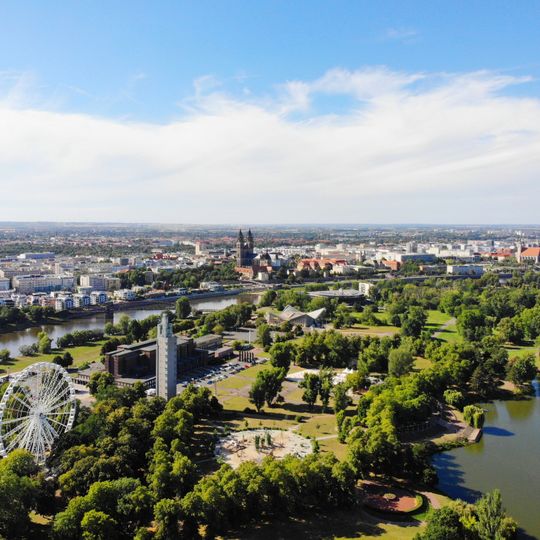
Magdeburg, Gothic Cathedral city in Saxony-Anhalt, Germany
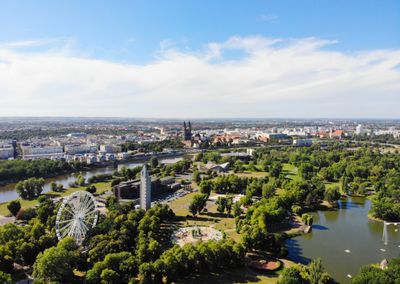
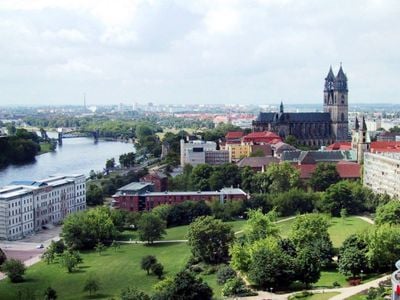
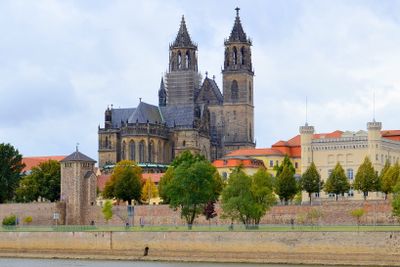
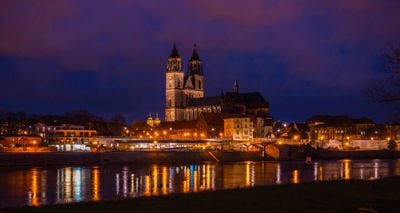
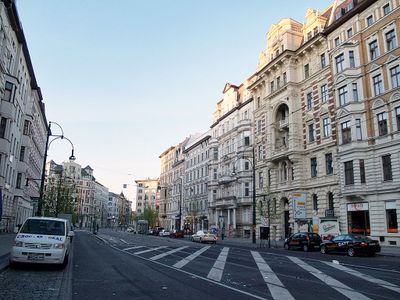
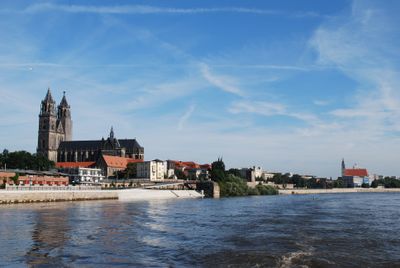
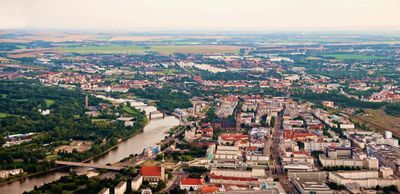
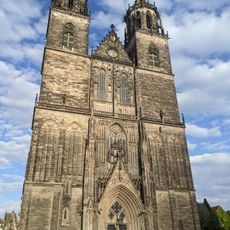
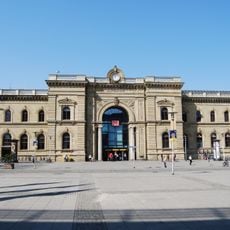
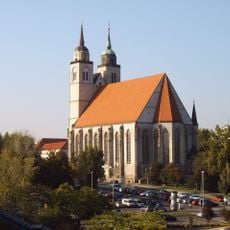
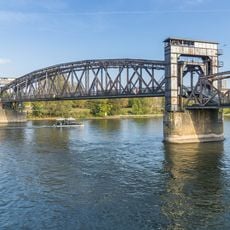
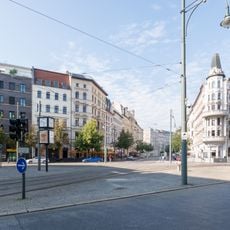
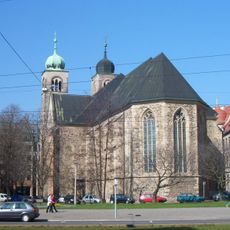
Magdeburg is a city along the Elbe River in Saxony-Anhalt, serving as the state capital and a historic member of the Hanseatic League with several universities and colleges. The Gothic cathedral rises on elevated ground near the riverbank, while the old town spreads north with several squares, narrow lanes and wider streets leading toward the main train station.
Otto the Great made the settlement his imperial residence in the 10th century and founded an archbishopric here, turning it into a religious center of the Holy Roman Empire. The city was nearly destroyed in 1631 during the Thirty Years' War, an event remembered as the Sack of Magdeburg, and it took decades to rebuild.
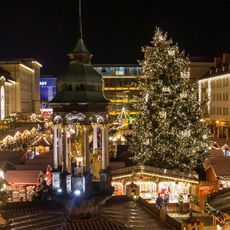
Residents gather at riverside cafés and beer gardens along the Elbe, especially near the promenade where locals walk their dogs and families meet on warm evenings. The city theater stages operas and plays throughout the season, and residents frequently visit markets where vendors sell regional cheese, sausage and bread from nearby farms.
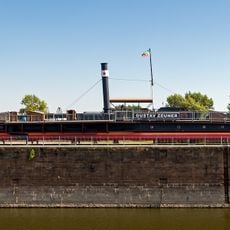
The city sits at the intersection of several rail lines and highways, with a river port on the Mittelland Canal connecting eastern and western Germany. From the main train station, you can walk to the old town and cathedral in about twenty minutes, or take a tram that runs through the center.
The Green Citadel, a pink apartment building with uneven floors and planted roofs designed by Friedensreich Hundertwasser, was completed shortly after his death and stands near the cathedral. Visitors can walk through its public areas and see how residents live in rooms without right angles and with individually shaped windows.
The community of curious travelers
AroundUs brings together thousands of curated places, local tips, and hidden gems, enriched daily by 91,099 contributors worldwide.