Kulturhistorisches Museum Magdeburg, Cultural heritage museum in Magdeburg, Germany.
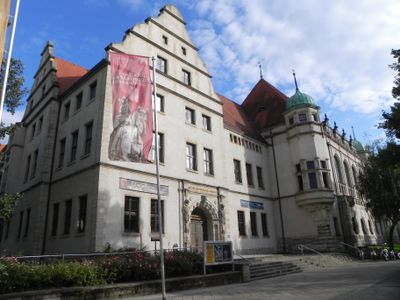
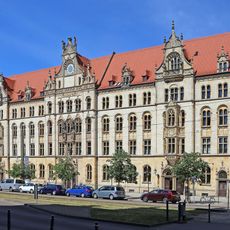
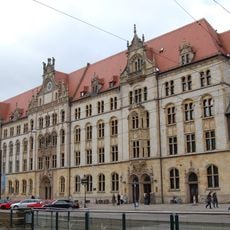
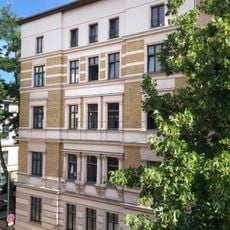
The Kulturhistorisches Museum Magdeburg occupies a building erected 1901–1906 to a design by the Viennese architects Friedrich Ohmann and August Kirstein, a few metres from Magdeburg Cathedral at Otto-von-Guericke-Straße 68–73. It shares the house with the Museum für Naturkunde. Inside, the Great Hall was modelled on the Germanisches Nationalmuseum in Nuremberg as a church-like room with a crypt; since 2001 it is called the Kaiser-Otto-Saal and holds the original Magdeburg Rider and a baroque Nativity scene beneath Arthur Kampf's 1905/06 mural of scenes from Otto the Great's life.
The museum was established in 1906 as the Kaiser-Friedrich Museum, gathering important historical objects from Magdeburg's holdings. The institution evolved into a significant venue for preserving and presenting the city's past.
The museum displays craftsmanship and everyday objects that show how people lived in different eras. The rooms convey impressions of fashion, furniture, and handcraft techniques from several centuries.
The entrance is at Otto-von-Guericke-Straße 68–73, a few metres from Magdeburg Cathedral. The building also houses the Museum für Naturkunde, so both collections share one address. The library of 58,000 volumes is otherwise only accessible with special permission. In spring and summer, schoolchildren stage the medieval town of Megedeborch in the inner courtyard.
The original Magdeburg Rider statue and a Baroque Nativity scene have been displayed in the Kaiser-Otto-Saal since the late 2010s. The hall also holds Arthur Kampf's three-part mural of scenes from the life of Otto the Great, painted in 1905/06. The room was rebuilt as a church-like space with a crypt after the war, then given a false ceiling before its 1997–2001 restoration.
The community of curious travelers
AroundUs brings together thousands of curated places, local tips, and hidden gems, enriched daily by 93,806 contributors worldwide.