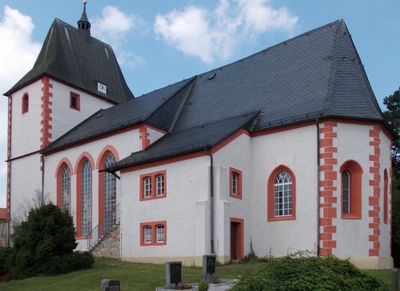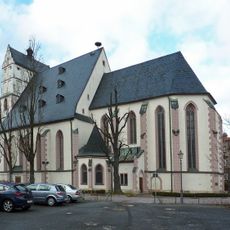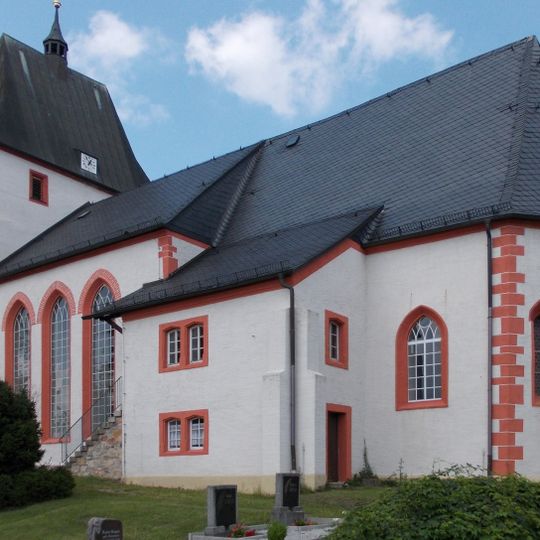
Wiprechtskirche Eula, Medieval religious edifice in Eula, Germany
Wiprechtskirche Eula is a church building in Eula, a district of Borna in Saxony, standing on elevated ground above the Eula River valley. The rectangular defensive tower built of pale stone rises above the surrounding fields and forests, marking the village from a distance.
A first wooden chapel stood here from 1090 before the dedication of the stone church took place on January 17, 1201. Rebuilding work in the 15th and 19th centuries added Gothic and Historicist elements, expanding the originally Romanesque layout.
The name honors Wiprecht von Groitzsch, an 11th-century nobleman whose family sponsored the early building. Inside, a late Gothic crucifix from 1500 dominates the choir area, while four bronze bells cast in the mid-1400s still ring for parish services.
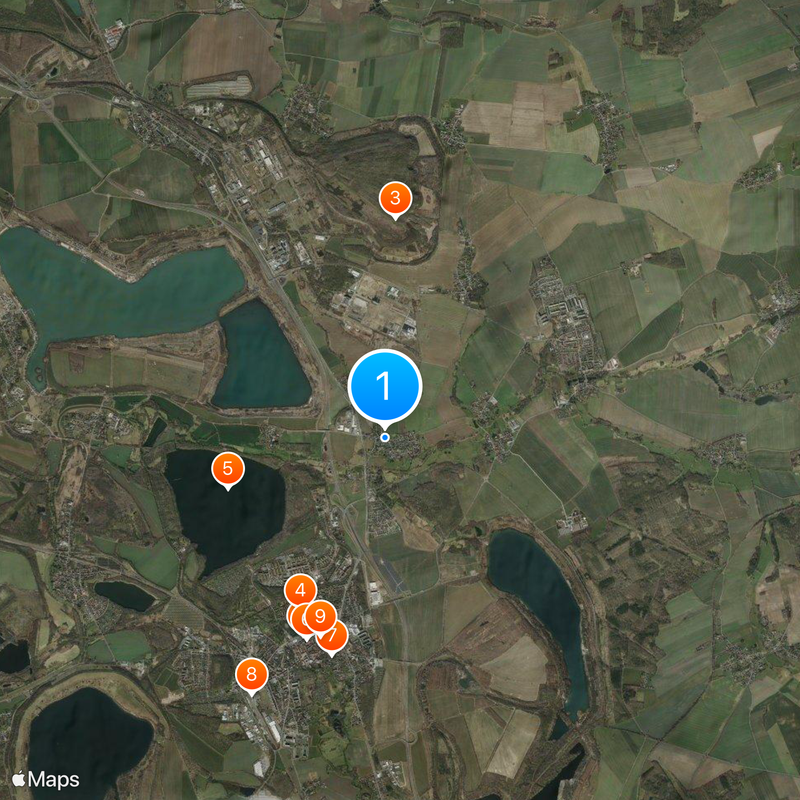
The church sits on a hill and is reached by a short walk from the center of Eula village. After fire damage to the sacristy in 2015, restoration work was completed, so the building is now fully accessible.
The four bronze bells from 1441 and 1454 form one of Saxony's oldest complete peal sets and survived wars and fires without being melted down. Another detail is the Romanesque altar stone, uncovered during renovation work in 2008 and now visible resting in the apse.
The community of curious travelers
AroundUs brings together thousands of curated places, local tips, and hidden gems, enriched daily by 91,259 contributors worldwide.