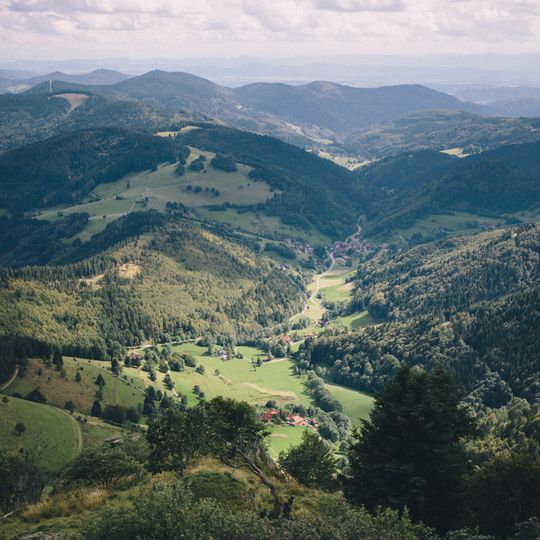
Baden-Württemberg, Federated state in southwestern Germany
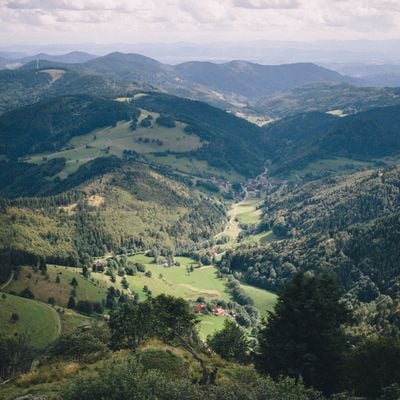
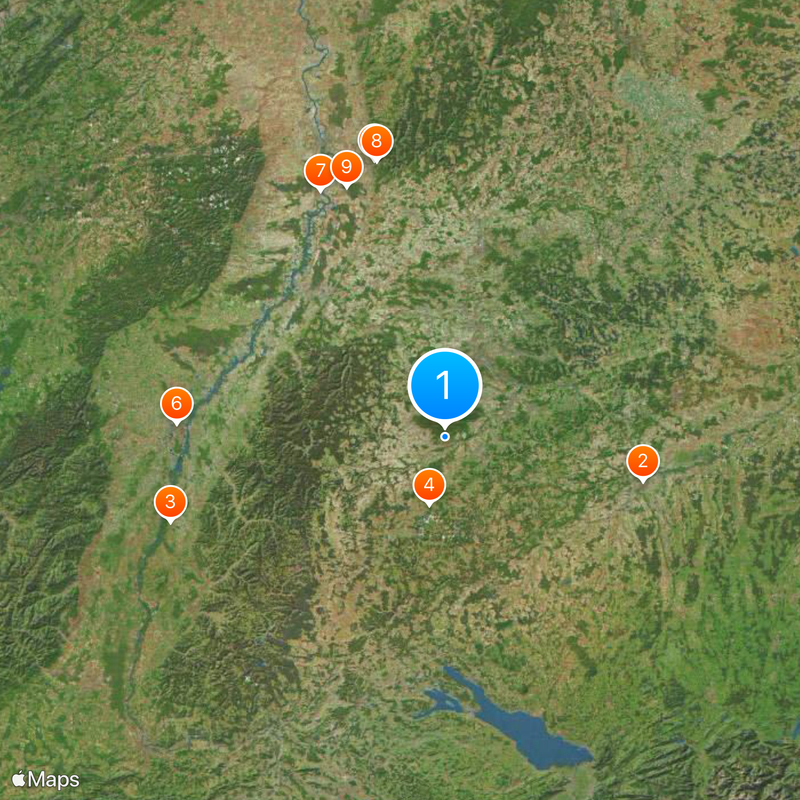
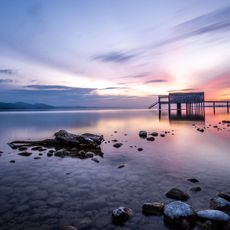
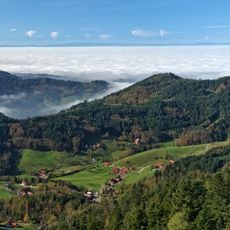
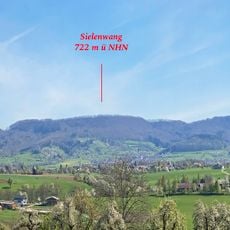
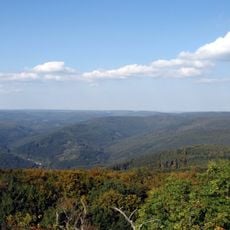
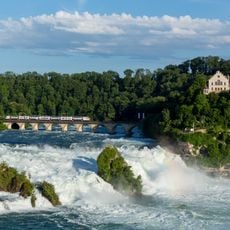
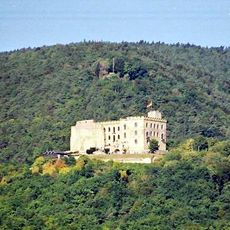
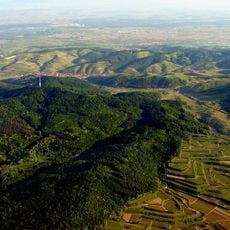
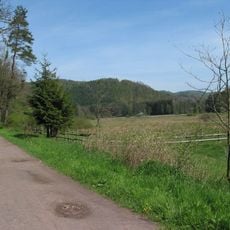
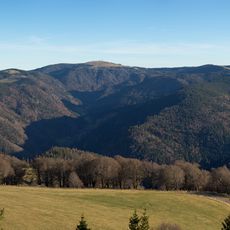
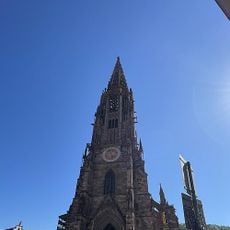
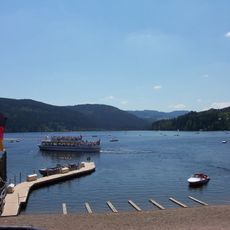
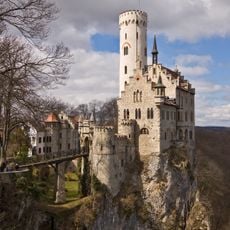
This state in southwest Germany reaches from the Upper Rhine Valley across the Black Forest to Lake Constance, covering mountains, woodlands, and farmland. The landscape shifts between forested ridges, rolling hills with vineyards, and broad river valleys, while towns and cities mostly sit in basins or along riverbanks.
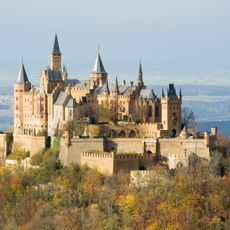
The modern state came into being in 1952 when three postwar territories merged after residents voted in favor through a referendum. Before this union, the territories had different dynastic roots, including the rule of the Dukes of Württemberg and the Margraves of Baden.
Throughout the region, each community maintains its own traditions, from Alemannic Carnival customs in the southwest to Swabian dialects in the central areas. You can also notice the difference in wine festivals along the Rhine Valley and Lake Constance, where locals celebrate regional grape varieties and cuisine with pride.
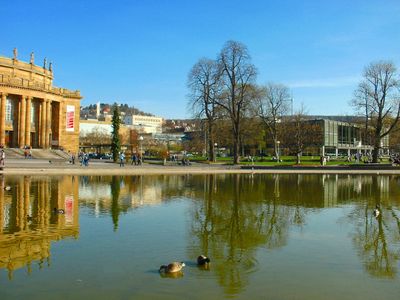
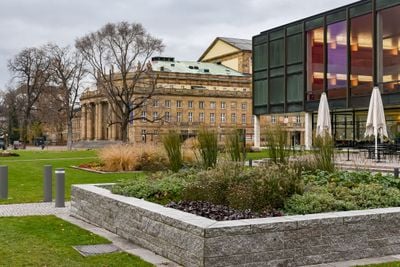
The area is divided into four administrative regions with a total of 35 rural districts, nine urban districts, and over a thousand municipalities, with Stuttgart serving as the capital. For orientation, highways and rail lines mostly run north to south or west to east, connecting major cities throughout the territory.
Near the edge of the Black Forest at Donaueschingen, the Danube begins its journey through multiple countries toward the Black Sea. In addition, this is the only German state that borders both France and Switzerland, which makes cross-border cooperation visible in everyday life in many places.
The community of curious travelers
AroundUs brings together thousands of curated places, local tips, and hidden gems, enriched daily by 90,800 contributors worldwide.