Hambach Castle, Cultural heritage monument in Neustadt an der Weinstraße, Germany
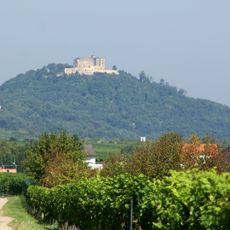
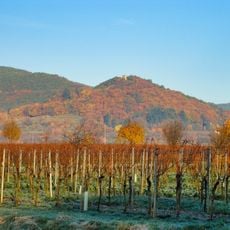
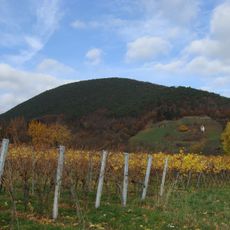
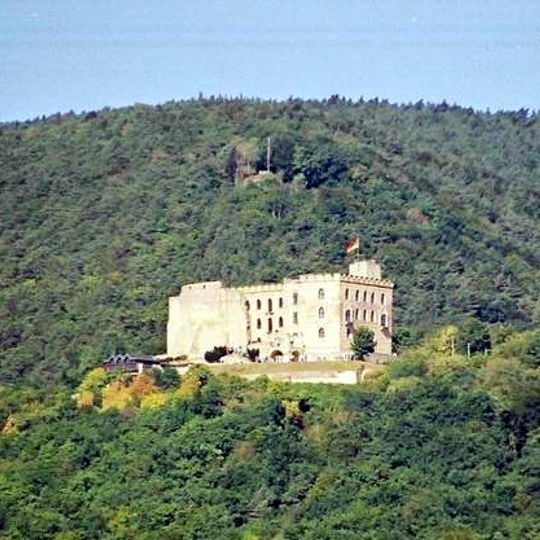
Hambach Castle is a Gothic Revival fortification on Schlossberg hill, standing 379 meters (1,243 feet) above Neustadt an der Weinstraße in Rhineland-Palatinate. The complex consists of a main building with tower, an inner courtyard and outbuildings that together form an extended structure overlooking the vineyards of the Palatinate.
A castle existed on the site by the 11th century, when it passed to the Bishopric of Speyer; bishops resided there from 1180, and Nikolaus von Wiesbaden was consecrated in its chapel on 12 June 1388. Burned by Albrecht Alcibiades in 1552 and by French troops in 1688, it lay in ruins when the Hambacher Fest drew about 25,000 people from 27 May to 1 June 1832. Bavaria began a neo-Gothic rebuild in 1844 to plans by August von Voit, halted in 1848/49.
The courtyard displays memorial stones and plaques remembering participants of the 1832 freedom celebration, showing how their demands connect to today's fundamental rights. Inside, rooms contain printed materials, flags and everyday objects from the early democracy movement.
A marked hiking path leads from downtown Neustadt through forest sections up to the castle, with the ascent following a steady slope. The paths are easy to walk in dry weather, though forest trails can become slippery after rain.
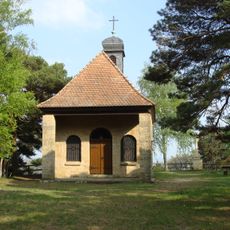
The single house number on the access road, Hambacher Schloss 1832, refers to the year of the Hambach Festival. The castle chapel was dedicated to Archangel Michael and was re-consecrated on 9 July 1723 after rebuilding; French revolutionaries plundered and destroyed it on 30 July 1794. On the neo-Gothic east facade, the left oriel is genuinely medieval, while only the window tracery and the crenellated parapet were invented in the 19th century.
The community of curious travelers
AroundUs brings together thousands of curated places, local tips, and hidden gems, enriched daily by 92,748 contributors worldwide.