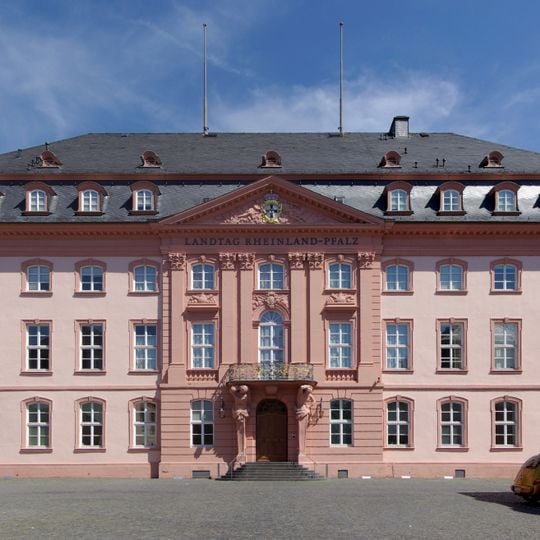
Rhineland-Palatinate, Federal state in southwestern Germany
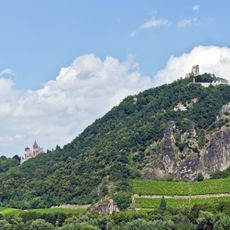
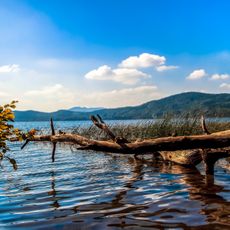
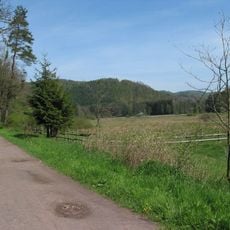
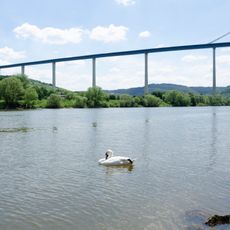
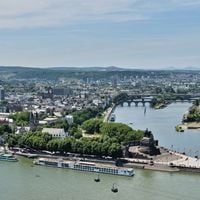
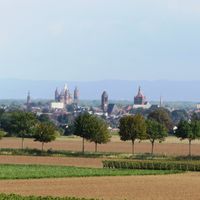
Rhineland-Palatinate is a federal state in southwestern Germany, bordering Belgium, Luxembourg, France, and three other German states. The landscape is shaped by the Rhine and Moselle rivers, mountain ranges, forests, valleys planted with vines, and a patchwork of farmland and villages.
After the Second World War ended, French occupation authorities created the state in 1946 by combining parts of former Prussia, Bavaria, Hesse, and the Rhine Province. The borders were drawn without following earlier administrative structures, forming a region with no direct historical predecessor.
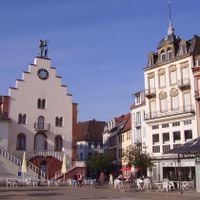
Local families gather for wine festivals along the river valleys, where generations have tended vines and shaped the rhythm of village life. In towns and cities, weekly markets, carnival processions, and seasonal celebrations reflect how communities keep their traditions alive in daily routines.
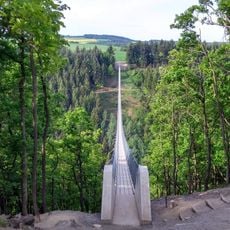
Travelers can explore the territory by regional trains or highways, though many wine villages are easier to reach by car than by public transport. Visitors planning hikes or river cycling routes should pack clothing for changing weather, as conditions vary between valleys and highlands.
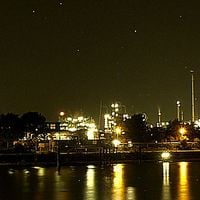
Ludwigshafen hosts the largest contiguous chemical production site in the world, operated by BASF and covering an area with its own railway network and harbor facilities. Visitors passing through the city can sense the scale of this industrial landscape, which occupies a large portion of the urban territory.
The community of curious travelers
AroundUs brings together thousands of curated places, local tips, and hidden gems, enriched daily by 90,800 contributors worldwide.