Worms, Historical imperial city in Rhineland-Palatinate, Germany
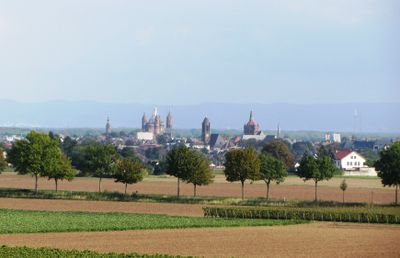
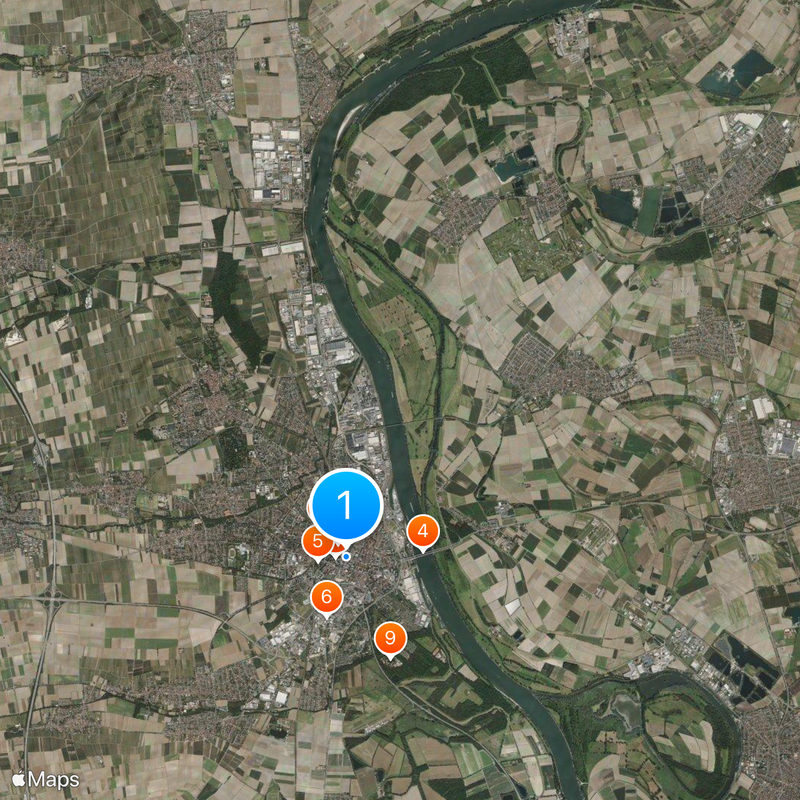
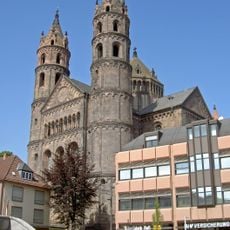
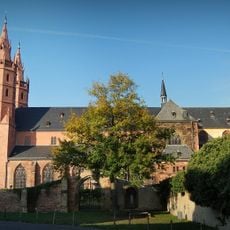
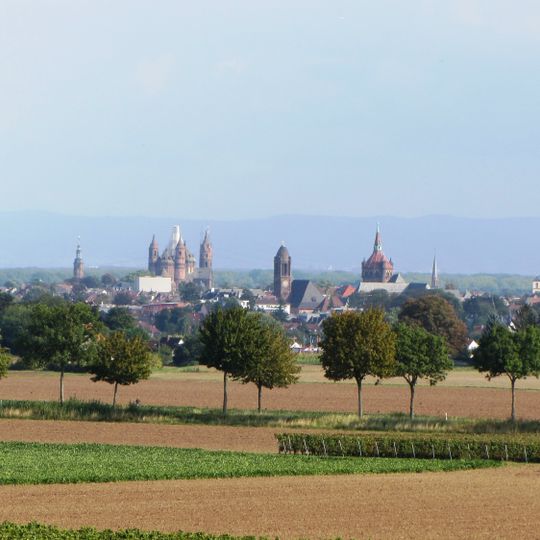
Worms is a city on the western bank of the Rhine River in Rhineland-Palatinate, preserving its medieval character through the cathedral, towers from the Hohenstaufen period, and wall remnants from the time of the free imperial city. The old town runs parallel to the river, while residential neighborhoods and commercial areas spread across the surrounding land, where vineyards and fields shape the landscape.
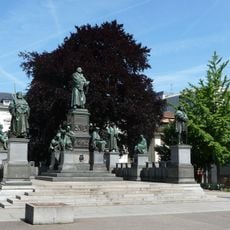
The Imperial Diets of Worms in the 16th century turned the city into a focal point of the Reformation, when Martin Luther defended his theses before Emperor Charles V in 1521. The settlement on the Rhine dates back to Celtic times, with Romans and Burgundians later building important centers here.
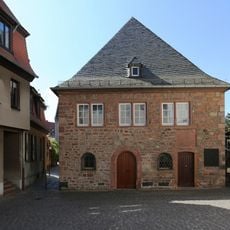
The Jewish Cemetery of Worms contains graves dating from the 11th century, representing the oldest surviving Jewish burial ground in Europe with intact tombstones. The synagogue in the center stands on a site where a community worshipped as early as the Middle Ages, before the building was reconstructed in the 20th century.
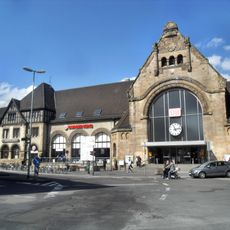
The main railway station connects the city to Frankfurt, Mainz, and Mannheim through regional trains that run from early morning until late evening. The old town can be reached from the station on foot in about ten minutes, with the cathedral serving as a landmark for orientation.
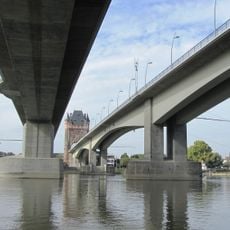
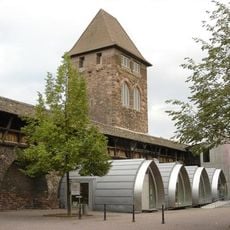
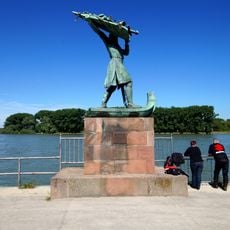
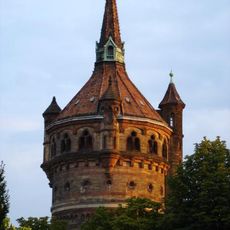
The Nibelungen Museum presents the medieval saga through multimedia installations and uses two towers of the old city fortifications as exhibition spaces. The legend connects with the architecture of the defensive structures where guards once watched over the city.
The community of curious travelers
AroundUs brings together thousands of curated places, local tips, and hidden gems, enriched daily by 91,979 contributors worldwide.