Worms Synagogue, Medieval synagogue in Worms, Germany.
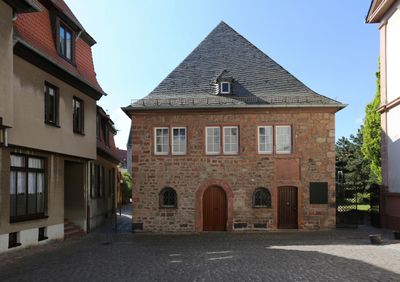
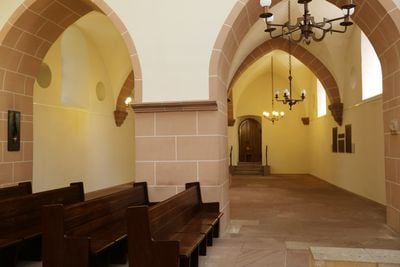
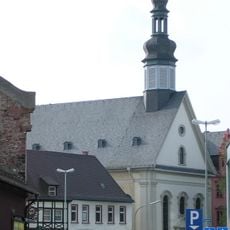
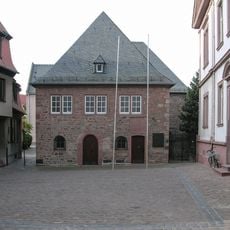
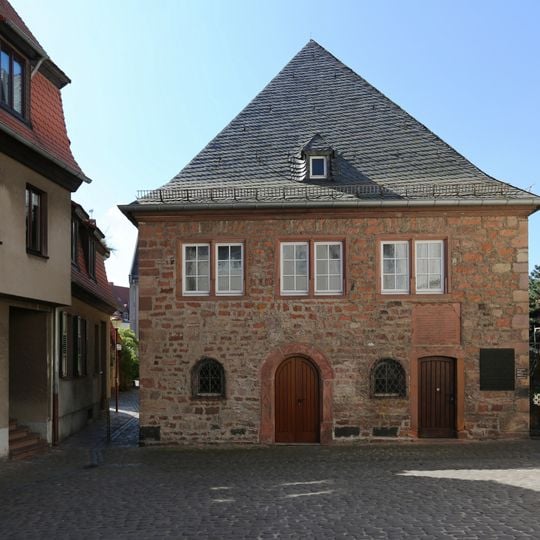
Worms Synagogue is a Romanesque prayer hall in the northern city center with a rectangular plan, two supporting columns, and Gothic-arched windows. The complex includes additional structures that together formed a complete center for prayer, study, and ritual life.
The original building was constructed in 1034 but was destroyed during the First Crusade in 1096 and rebuilt in 1174. The reconstruction shaped the complex's appearance, which has remained largely unchanged to the present day.
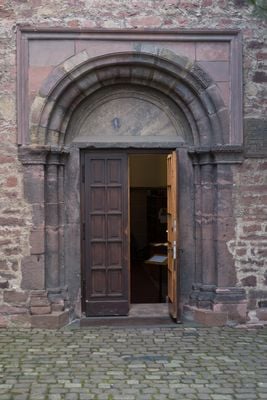
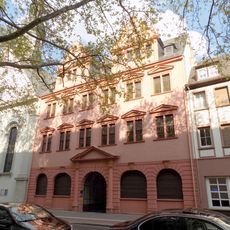
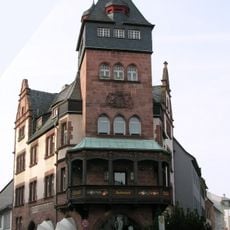
The name Rashi Shul refers to the study hall built in 1623/24 as a yeshiva, funded by David Oppenheim and attached to the men's synagogue's west wall; it has its own entrance and cannot be reached from inside the prayer hall. The women's synagogue of 1212/13, separated by a wall with a door and five hearing slits, was the model for later women's synagogues such as Speyer's. A stifter inscription from the 12th century is set into the wall beside the men's synagogue entrance.
Male visitors should wear a head covering, which is often provided on-site. The grounds are partly accessible, and guided tours help visitors understand the different areas of the complex.
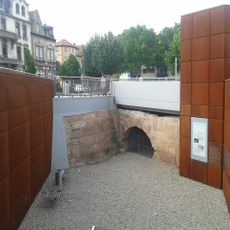
An underground ritual bath from 1185 extends several meters below ground level and demonstrates the importance of purification rituals. Its construction and placement reveal medieval craftsmanship and religious practices.
The community of curious travelers
AroundUs brings together thousands of curated places, local tips, and hidden gems, enriched daily by 94,632 contributors worldwide.