Siegfried-Grab, Archaeological monument at Torturmplatz in Worms, Germany.
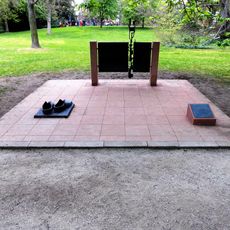
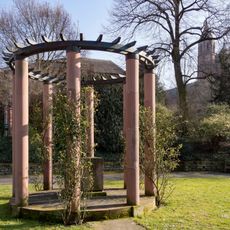
Siegfried-Grab comprises two upright sandstone blocks, each roughly four meters tall, standing on green space at Torturmplatz. These stones mark a prehistoric burial mound and form part of a contemporary art installation completed in 2003.
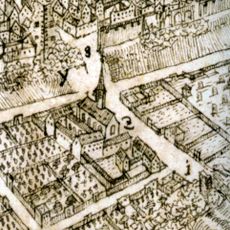
In 1488, Emperor Frederick III ordered an archaeological investigation of the burial site, during which bones and a skull were reportedly discovered. This early excavation shaped public perception of the site for centuries regarding its authenticity.
The site carries the legend of Siegfried the Dragon Slayer, a figure from the Nibelungen saga deeply rooted in German folklore. Today visitors encounter a monument that keeps this mythical connection alive, even though its historical basis remains debated.
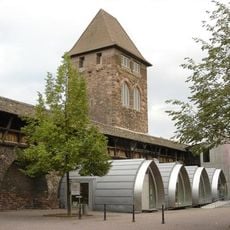
The monument sits near Worms' old city walls and stands adjacent to the Nibelungen Museum. It is easily accessible and works well as part of a walking tour through the city's historical sites.
The stones you see today are an artistic reinterpretation that references Neolithic menhirs rather than representing the original monoliths. This deliberate recreation links prehistoric design language with a contemporary setting in the urban landscape.
The community of curious travelers
AroundUs brings together thousands of curated places, local tips, and hidden gems, enriched daily by 91,709 contributors worldwide.