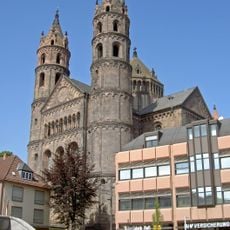
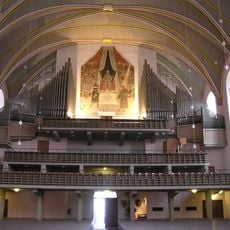
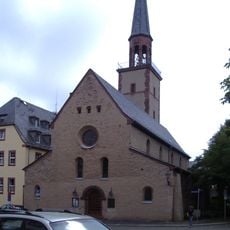
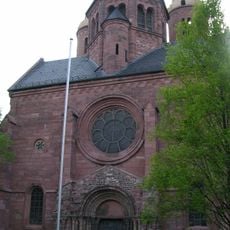
Worms City Museum, Historical museum in Worms, Germany.
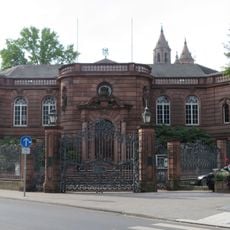
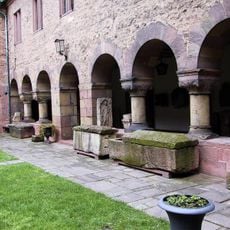
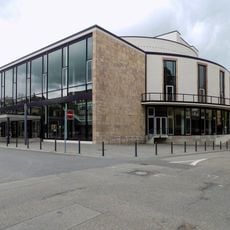
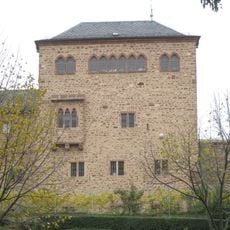
The Worms City Museum occupies the former Andreasstift, a listed complex whose core is the former St Andrew's church, built in 1020 and later counted as Late Romanesque. The building was rebuilt in 1927–1929, and two cloister wings were added up to 2021. The former cloister now holds the lapidarium, with tombstones and sarcophagi from Roman times to the modern era.
The museum's origins lie in the former Andreasstift, whose church was built in 1020 and is counted as Late Romanesque. In 1881 finds of Carl Koehl and Maximilian von Heyl were shown in the deconsecrated Pauluskirche. Under Erich Grill the collections moved into the former Andreaskirche, rebuilt 1927–1929, and the museum opened there on 1 July 1930. Air raids in World War II badly damaged the buildings.
The rooms related to the Reformation show how the city was a center of religious debate in the 16th century, and visitors can trace these influences in the displays. The collections also reveal how crafts and trade shaped everyday life for residents across different periods.
The courtyard serves as a cool retreat during warm weather for visitors needing a break from the galleries. The layout is straightforward and allows easy movement between different exhibition areas.
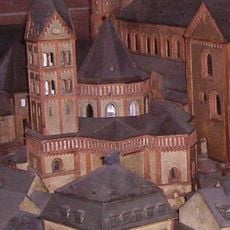
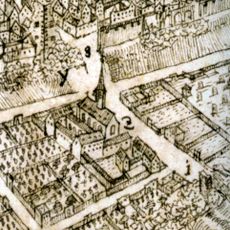
The ground-floor model shows Worms as it stood in 1689, the year the city was destroyed in the War of the Palatine Succession; a special exhibition in 1989 marked the 300th anniversary of that destruction. The lapidarium in the former cloister holds gravestones and sarcophagi from Roman times to the modern era.
The community of curious travelers
AroundUs brings together thousands of curated places, local tips, and hidden gems, enriched daily by 94,364 contributors worldwide.