Nürburgring, Motorsport racing track in Nürburg, Germany
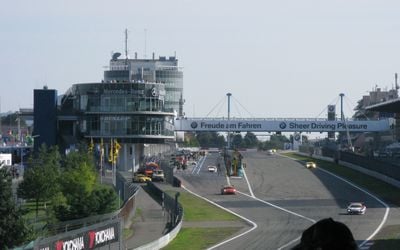
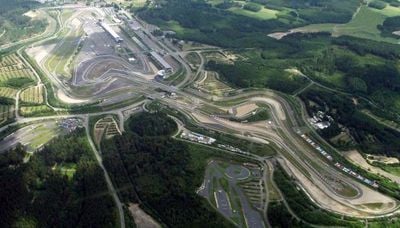
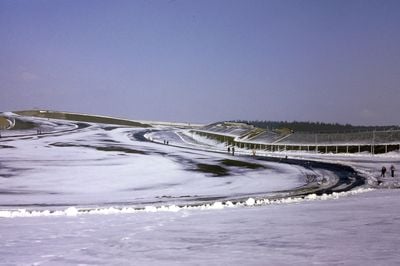
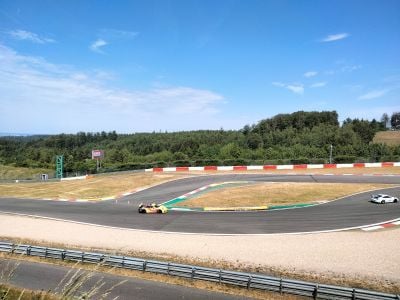
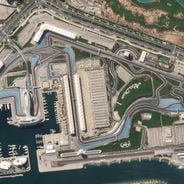
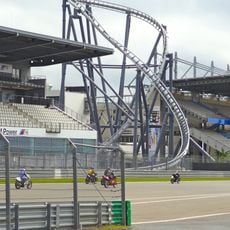
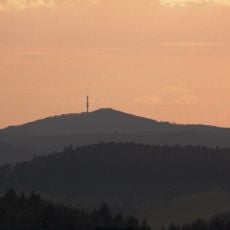
The Nürburgring is a motorsport complex around the castle and village of Nürburg in the Eifel mountains, made up of a 20.830 km Nordschleife with over 300 metres of elevation change and a 1984 Grand Prix circuit. The two parts can be joined into a 26 km course; the asphalt loops, a circular skidpad, pit buildings and grandstands sit among dense trees.
Construction of the circuit designed by Gustav Eichler's Ravensburg architecture office began in September 1925, and the first races were held on 18 June 1927, with Toni Ulmen winning on a 350cc Velocette. The full Gesamtstrecke of 28.265 km, combining the Nordschleife and Südschleife, was last used for major racing in 1929. Between 1982 and 1983 the start-finish area was demolished to build the Grand Prix circuit opened in 1984.
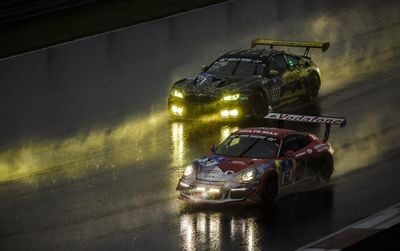
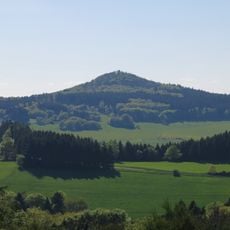
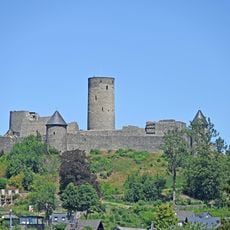
The Nordschleife's name comes from the medieval Nürburg castle it circles. Since 1927 the track has been open to the public as a one-way toll road on evenings and weekends, a practice that continues today as tourist driving sessions. The 24 Hours Nürburgring, added in 1970, draws touring-car teams and their followers to the Eifel each year.
Both sections, the Grand Prix circuit and the Nordschleife, are fully booked daily during the marketed season from mid-March to mid-November. On weekdays the track is used for test drives and other driving activities, so check which section is open before arriving. The Nordschleife can be combined with the Grand Prix circuit into a 26-kilometre course.
The 1976 German Grand Prix on the Nordschleife was the last Formula One race held on a circuit of 10 km or more. In 1961 Phil Hill was the first to lap the Nordschleife under nine minutes, at 8:55.2 in a Ferrari 156.
The community of curious travelers
AroundUs brings together thousands of curated places, local tips, and hidden gems, enriched daily by 92,264 contributors worldwide.